
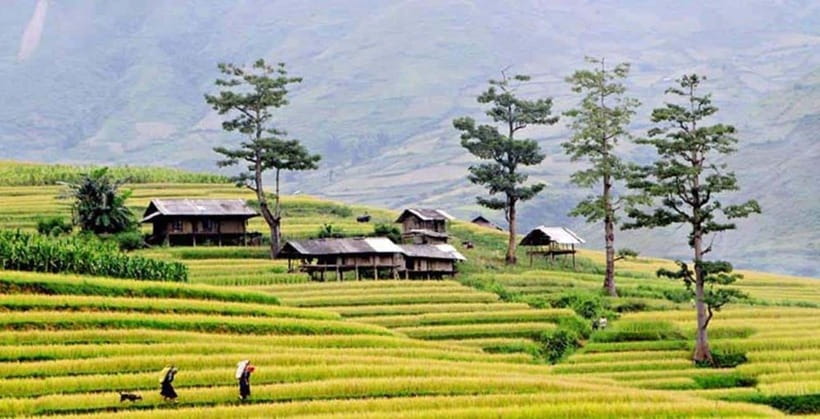
REVIEW · SAPA TREKKING AND FANSIPAN
Sapa: Eco Adventure Terrace Fields and Local Villages Trek
Rice terraces, villages, and real stories. This Sapa trek links Muong Hoa Valley views with Hmong and Dzay village life, so the day feels like more than a photo stop. You start in town, stretch into the valley, then come back with a much clearer sense of how people here farm, dress, and live.
I love the human factor, especially the English-speaking local guide. Names I saw in recent groups include Chai and Vu, and both styles of guiding center on everyday life, not just facts. You’ll get answers to the questions you actually have while you walk.
The other thing I really like is the home-cooked Hmong lunch in Lao Chai Sang. It gives you a needed break around midday and makes the village visits feel personal, not staged. One drawback to plan for: this is a 10 to 12 km trek with muddy, slippery sections early on, so good grip shoes and warm layers matter.
In This Review
- Key details that make this Sapa trek worth your time
- Meeting at Sapa Church, then aiming for Fansipan views by 9:00 AM
- Muong Hoa Valley: rice terraces, rivers, and working farmland
- Y Linh Ho Village and the bridge crossing before Lao Chai Sang
- Lao Chai Sang: the midday home-cooked lunch that changes the whole tone
- Lao Chai Village and Hmong clothing-making: culture you can talk about
- Ta Van Village and the Dzay stop before heading back to Sapa
- Price of $27: why it feels like value when you add up the day
- Pacing, mud, and footwear: your real challenge is the first part
- Who this Sapa trek fits, and who should sit this one out
- Should you book this Sapa eco village trek?
- FAQ
- Where is the meeting point for the tour?
- What time does the trek start, and when does it end?
- How long is the tour and how far do you walk?
- What is included in the price?
- What should I bring with me?
- Are drinks included?
Key details that make this Sapa trek worth your time
- A 9:00 AM start in town keeps the day long enough to see multiple villages and still return by mid-afternoon
- Muong Hoa Valley rice terraces plus rivers and wooden houses give you that classic Sapa sense of scale
- Village route flow: Y Linh Ho, Lao Chai Sang, Lao Chai, then Ta Van, with bridges and trail sections in between
- Home lunch with a Hmong family is the center point of the day, not an afterthought
- Culture time with Hmong clothing-making plus a Dzay stop in Ta Van adds depth beyond scenery
- Small group up to 10 means you are more likely to ask questions and get help when trails get slick
Other Sapa walks, from gentle to genuinely hard
- Sa Pa: Muong Hoa Valley Trek and Local Ethnic Villages★ 4.6 · 864 reviews
- Sapa: Eco Adventure Terrace Fields and Local Villages Trek★ 4.9 · 636 reviews
- From Sapa: 1-Day Guided Trek to Lao Chai & Ta Van with Lunch★ 4.9 · 416 reviews
- Sapa 1 Day Long Trek: Trek to Hau Thao and Sa Seng Villages★ 4.6 · 344 reviews
Meeting at Sapa Church, then aiming for Fansipan views by 9:00 AM
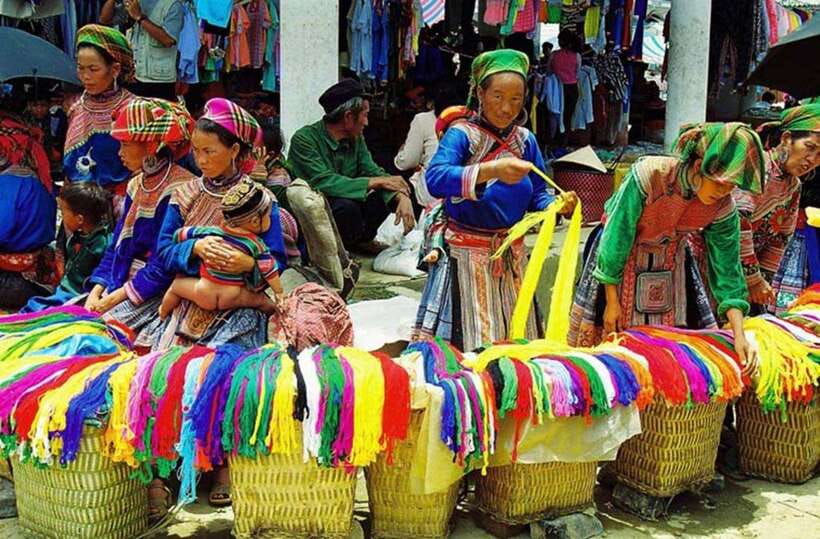
This tour starts at 9:00 AM in the center of Sapa, with the meeting point in front of Sapa Church. Right away, you are on a mountain-minded schedule. You’re not bouncing from one viewpoint to another in a car, you’re walking into the valley while the morning is still fresh.
The first stop is a small hill viewpoint, where you can look toward Fansipan Peak. Even when the view is hazy, this moment helps you understand where you are heading and what the terrain is doing. It also sets expectations: Sapa weather can be foggy early, then clearer later.
If your guide is Chai, Vu, or another local English speaker, the early walking often comes with quick orientation and practical talk about what to expect. That matters because this trek covers real ground, not a short scenic loop.
Muong Hoa Valley: rice terraces, rivers, and working farmland
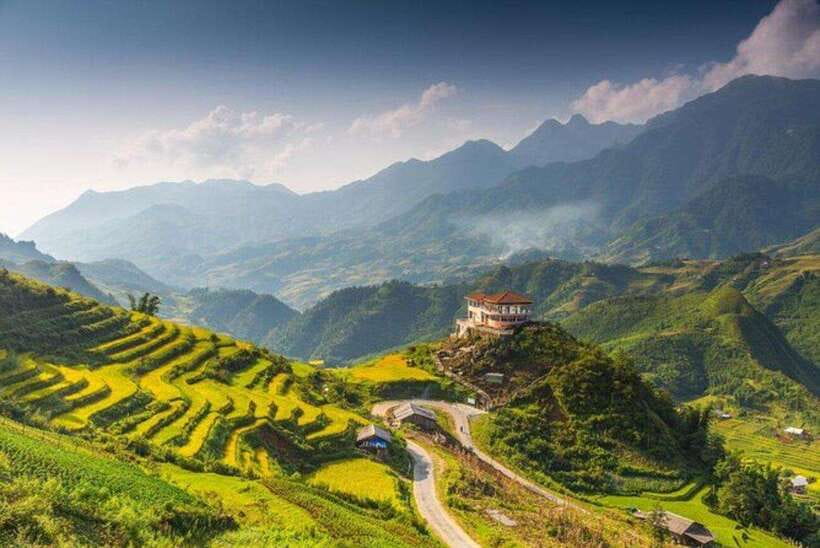
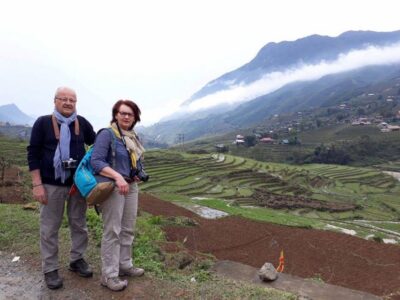
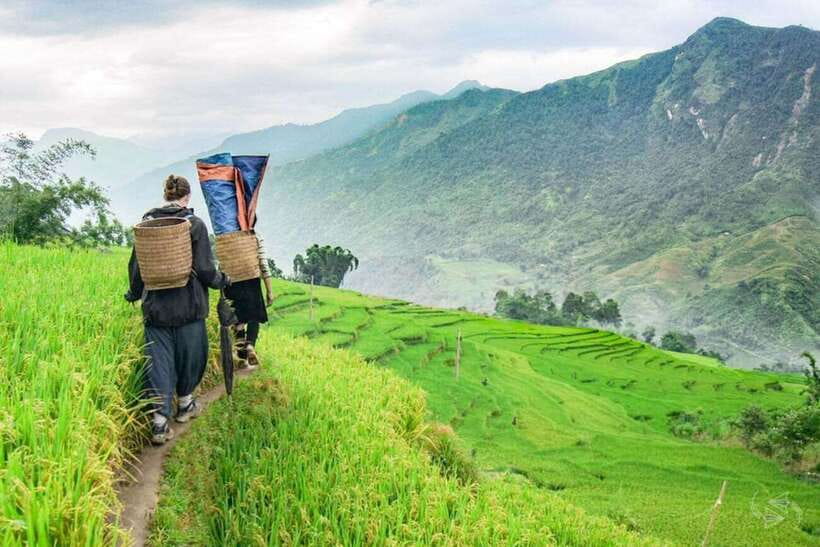
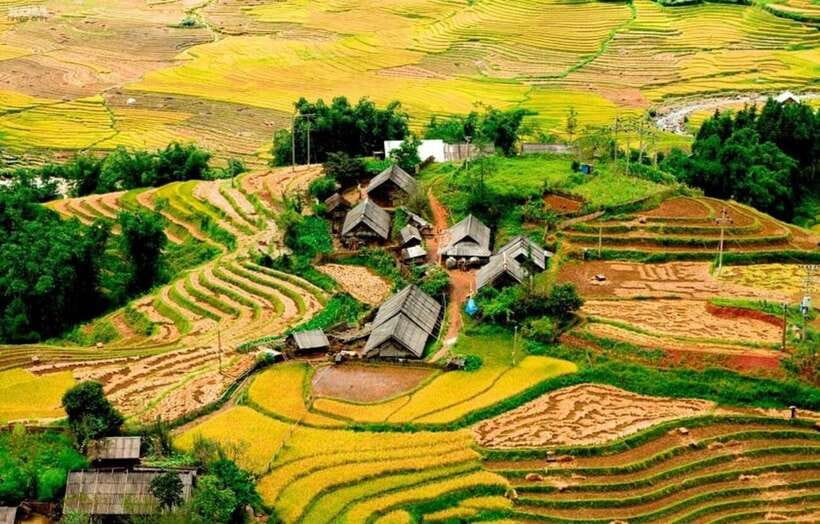
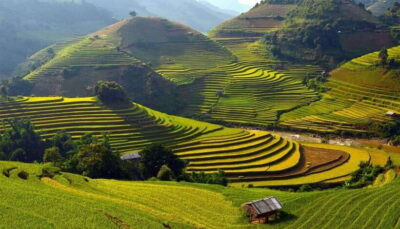
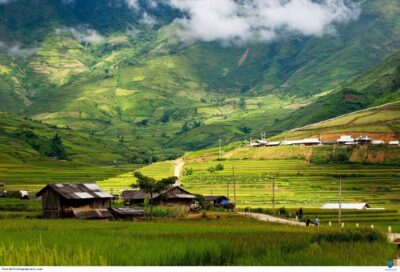
From the viewpoint, you head into Muong Hoa Valley, the heart of the day. This is where the layered rice terraces start to take over your field of view. You’ll also pass meandering streams, farmers working in their fields, and traditional wooden houses along the way.
What I like about this stretch is the way the route shows Sapa as a living place. Yes, the views are the headline, but you also see the daily rhythms. When you watch someone tending crops in steep terrain, the terraces stop being a postcard and become a way of life.
You’ll likely feel the physical reality of the valley too. Trail surfaces can vary, and after rain the ground can get slick. Some groups get help from local women on the trickier sections, which is a good reminder to slow down and let the guide manage the pace.
Y Linh Ho Village and the bridge crossing before Lao Chai Sang
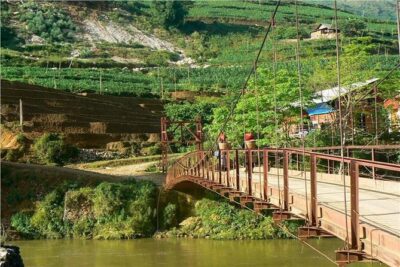
Around 11:00 AM, you arrive at Y Linh Ho Village, home to the Hmong ethnic minority. Expect more than a quick photo stop here. There’s a bridge crossing over a scenic river, and the walk continues along trails through rice fields with mountains rising on all sides.
This part of the trek works because it keeps the day moving. You’re not waiting around for a bus, and you’re not stuck in one place. Instead, you get a sequence of small changes, trail to river to farmland to village paths.
As you head toward Lao Chai Sang, you’ll see how villages connect to the terraced fields that feed them. It’s the kind of scene where you start noticing details like farm tools, house shapes, and where paths cut through cultivated areas.
Lao Chai Sang: the midday home-cooked lunch that changes the whole tone
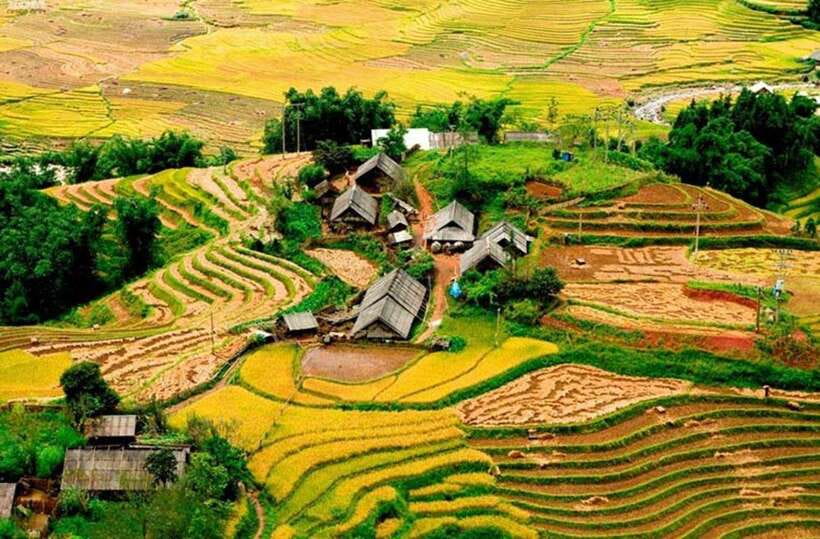
At about 12:30 PM, you eat lunch in Lao Chai Sang with a Hmong family. This is not a buffet-style stop. The tour is built around a home-cooked meal, and it becomes a reset point after the morning trekking.
Why this is valuable: you’re taking a break inside the social rhythm of the community. You’ll spend time where people actually live, not just where the scenery ends. Several guides (including Chai and Vu in different groups) are known for explaining what you’re eating and how day-to-day life connects to the seasons.
Practical note: the tour lists lunch as included, but drinks are not. If you want something specific, plan on buying it separately. Also, if you have dietary needs, ask your guide in advance, since lunch preferences can vary with the family.
After lunch, you keep trekking. You do not get a long sit-down, which is good. The pace stays balanced because you’ve got energy in your system, but you still finish the day with time for the later village experiences.
Sleep in a village, walk between them

Lao Chai Village and Hmong clothing-making: culture you can talk about
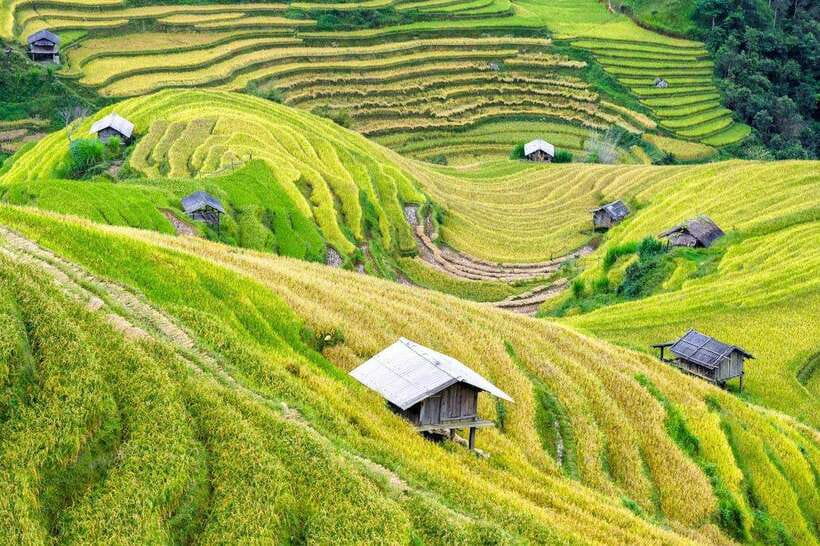
After lunch, the route continues to Lao Chai Village. Depending on the season, you might see villagers planting or harvesting rice, so the village scene has a living quality. Even if you’ve seen Sapa photos before, this stretch tends to feel more real because it’s closer to work.
Later in the afternoon, you get a cultural experience focused on Hmong daily life and traditional clothing-making. This is one of the best parts of the itinerary because it helps you connect what you see to why it exists. Clothing here is not just style, it’s tied to identity, skills, and community history.
In many recent days, the guide handles this with energy and lots of conversation. If you end up with Chai, you may get extra storytelling and humor that makes the culture lesson feel natural rather than lecture-like. If you end up with someone like Vu or Wu, the emphasis often lands on practical explanation of village life and how people adapt to mountain terrain.
And yes, you may see handmade items sold along the route. One of the smartest ways to show respect is to buy if something fits your budget and taste. Local women supporting themselves is part of the economic reality around these walks, and you’ll usually feel the difference between pushy selling and genuine sharing.
Ta Van Village and the Dzay stop before heading back to Sapa

The trek continues to Ta Van Village, home to the Dzay minority. This is your cultural contrast point. By the time you reach Ta Van, you’ve already seen Hmong villages, river crossings, and terrace systems, so the final village visit feels like a fresh chapter rather than the end of a checklist.
You’ll keep walking through paths that follow the valley shape. Expect smaller pauses, quick observations, and time to ask questions. Guides often use this window to connect what you saw earlier to the broader ethnic picture of the area.
You return to Sapa around 3:30 PM, finishing the day after roughly 390 minutes on the schedule. Most days, you’re back before evening, which makes it easier to plan dinner in town without rushing.
Price of $27: why it feels like value when you add up the day
At $27 per person, the best way to judge value is to count what’s included and how much you actually do.
You get:
- A local ethnic English-speaking guide
- Entrance tickets
- A local lunch
- A full 10 to 12 km walking day through multiple village areas
That combination is the bargain. In Sapa, a “scenic walk” can quickly turn into a short route without much context, plus you still pay for guide time. Here, you’re paying for real time with a guide and a structured day that includes lunch and cultural stops.
Small group size also matters for value. Limited to 10 participants, you’re less likely to feel like a number. When trails get uneven, that practical benefit shows up fast.
One thing to watch: drinks are not included. If you drink a lot of water or want other beverages, add a little extra budget.
Pacing, mud, and footwear: your real challenge is the first part
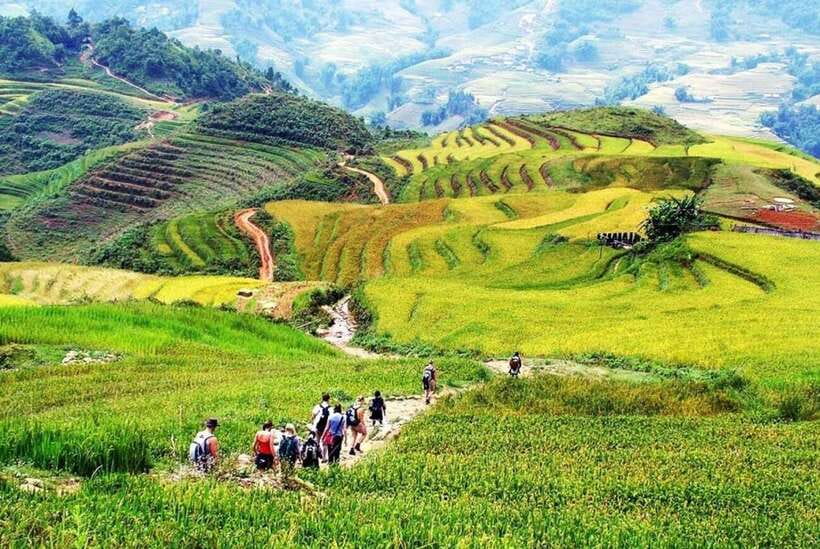
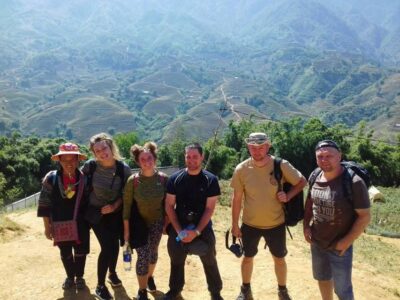
This is where you need honest expectations. The tour involves 10 to 12 km walking and hiking. Reviews and on-the-ground advice point to one big issue: the early part can be muddy and slippery, especially after rain.
So plan like this:
- Wear hiking shoes with good grip
- Bring warm clothing, even on bright days
- Use insect repellent
- Consider renting gumboots or wellies if they are offered at the start, since the first stretch can get messy
Also, you can get route options depending on conditions. Some groups report that after the hardest muddy section, the path becomes easier or moves onto more manageable paths. The key is to trust the guide. If you rush, you’ll pay for it in sore legs and dirty pants.
Safety gets handled in a practical way. In many days, local support helps on downhills and slick spots. You should still take it slow, keep your footing, and stop to regroup when the group needs it.
Who this Sapa trek fits, and who should sit this one out
This tour is not suitable for children under 5, pregnant women, people with mobility impairments, wheelchair users, and anyone over 75. It’s also a long, steady effort across uneven terrain.
If you are a fit walker and you enjoy talking to locals, you’ll probably love it. This is ideal for:
- First-time visitors who want more than scenery
- People who enjoy cultural explanations tied to real daily life
- Travelers who do not mind getting muddy (your shoes will find out first)
If you prefer a very easy, paved-only stroll, this may be a stretch. Even when the later segments feel calmer, you still carry the impact of a full day trek.
Should you book this Sapa eco village trek?
I’d book this if you want a Sapa day that connects rice terraces to people, not just peaks and paths. The biggest selling points are the small group, the English-speaking local guide, and the home-cooked lunch in a Hmong family setting. That combination makes the day feel grounded.
I’d think twice if you have knee issues, balance concerns, or a low tolerance for mud. The start can be slick, and the walk is long enough that comfort matters.
If you book, do one smart thing right away: plan your footwear and layers like the weather will turn. In Sapa, it often does. The better you show up prepared, the more you will enjoy the villages, the terrace views, and the cultural conversations that make the trek feel personal.
FAQ
Where is the meeting point for the tour?
The guide meets you in front of Sapa Church in Sapa.
What time does the trek start, and when does it end?
It starts at 9:00 AM and returns to Sapa at around 3:30 PM.
How long is the tour and how far do you walk?
The duration is 390 minutes, and the trek involves about 10 to 12 kilometers of walking and hiking.
What is included in the price?
Included are a local ethnic English-speaking guide, entrance tickets, and a local lunch.
What should I bring with me?
Bring warm clothing, hiking shoes, and insect repellent.
Are drinks included?
No, drinks are not included.
Walk, Then Stay
- Sa Pa: Muong Hoa Valley Trek and Local Ethnic Villages★ 4.6 · 864 reviews
- From Sapa: 1-Day Guided Trek to Lao Chai & Ta Van with Lunch★ 4.9 · 416 reviews
- Sapa 1 Day Long Trek: Trek to Hau Thao and Sa Seng Villages★ 4.6 · 344 reviews
- EXPLORE SAPA: 2D1N TREKKING & HMONG CULTURE WITH DINH★ 4.9 · 191 reviews
- Sa Pa: 6-Hours Muong Hoa Valley Trek with Local Ethnic guide★ 4.5 · 178 reviews
Sapa on Foot
- Sa Pa: Muong Hoa Valley Trek and Local Ethnic Villages★ 4.6 · 864 reviews
- From Sapa: 1-Day Guided Trek to Lao Chai & Ta Van with Lunch★ 4.9 · 416 reviews
- Sapa 1 Day Long Trek: Trek to Hau Thao and Sa Seng Villages★ 4.6 · 344 reviews
- Sapa: Fansipan Cable, Cat Cat Village, Moana Instagram Tour★ 4.8 · 294 reviews
- From Sapa: 3-Day Ha Giang Loop with Safe Rider (max 8 pax)★ 4.9 · 285 reviews
Other Sa Pa tours our reviewers keep coming back to
- Hanoi: Sapa Trekking 2 Days 1 Night – Sleeper Bus from Hanoi
★ 4.6 · 18 reviews - AUTHENIC 2D1N Trek & Bungalow Retreat with Dinh Hmong Family
★ 5.0 · 19 reviews - Sapa: Ta Phin Village Trek & Red Dao Herbal Bath
★ 5.0 · 22 reviews - Sapa: Cat Cat Village, Moana, Alpine Coaster, Fansipan Cable
★ 4.7 · 22 reviews - From Hanoi: Explore Sapa 2-Day Tour
★ 4.3 · 22 reviews - Alpine Coaster Ban Mong Experience in Sapa – Vietnam
★ 4.3 · 22 reviews
Sapa Trekking and Fansipan, compared.
 ★ 5.0Sapa 2 Days 1 Night From Hanoi – Overnight in Ta Van VillageFrom $592,669 reviews
 ★ 5.0Hanoi – Sapa 2 Days 1 Night Overnight At HomestayFrom $89899 reviews
 ★ 4.6Sa Pa: Muong Hoa Valley Trek and Local Ethnic VillagesFrom $23864 reviews
 ★ 5.0Sapa: Fansipan Cable, Cat Cat Village & Moana Instagram TourFrom $30777 reviews
 ★ 4.8From Hanoi: 2-Day Sapa Trekking Trip with Homestay & MealsFrom $71704 reviews
 ★ 5.0Sapa 3 Days 2 Nights Trekking Tour (1 Night In Ta Van Village, 1 Night In Hotel)From $139699 reviews
 ★ 5.03-Day Trekking Adventure of Sapa from Hanoi – Stay Ta Van VillageFrom $109611 reviews
 ★ 4.82-Day Sa Pa Ethnic Homestay Tour & Trek with Limousine Bus440 reviews
Also in these Vietnam lists