
REVIEW · SAPA TREKKING AND FANSIPAN
Sa Pa: Muong Hoa Valley Trek and Local Ethnic Villages
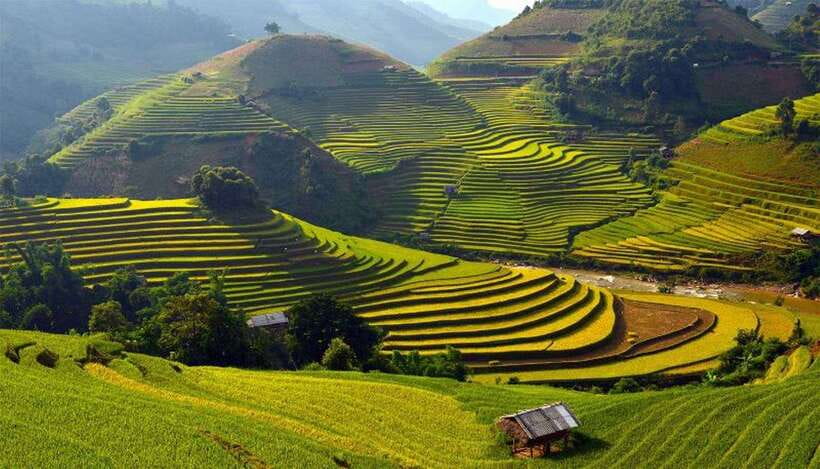
Foggy mornings turn Sapa into a different world. This half-day trek through the Muong Hoa Valley mixes rice terraces, ethnic village stops, and a walk that keeps changing terrain. I especially love the way the route strings together Lao Chai, Ta Van Giay, and Giang Ta Chai, so you get a real sense of how people live in this valley. The lunch at a local home is also a standout, and it can work for vegans with advance notice. One thing to plan for, the trail can be very muddy and slippery after rain, so you need solid grip on your shoes.
You’ll start with hotel pickup in central Sapa, then head out for a 10 kilometer walk that finishes around 3:30 PM. The group stays small, up to 11 people, which matters when the path narrows or the ground gets sketchy. Expect a proper countryside day, not a quick stroll. A possible drawback is that you should be ready for some uphill segments and rocky, wet sections, and the activity is not suitable for children under 6 or for visitors with mobility impairments.
In This Review
- Quick Reasons This Trek Gets High Scores
- First Up: The Route And What “Half-Day” Really Means
- Leaving Sapa: Pickup, English Guide, And A 10 Kilometer Game Plan
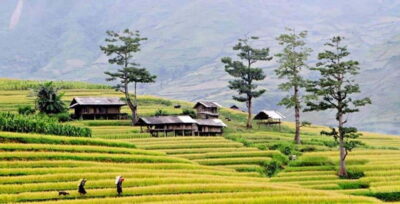
- Lao Chai And Black Hmong Life: Rice Terraces Through The Mist
- Ta Van Giay, Suspension Bridge, And The Muong Hoa River Walk
- Lunch At A Local House: The Meal Is Part Of The Culture
- Bamboo Forest To Giang Ta Chai: Red Dao Village And A Waterfall Pause
- Getting Back To Sapa: Final Uphill And A Clean Finish
- Price And Value: Why $23 Can Make Sense In Sapa
- What To Pack, So You Don’t Hate The Mud
- Local Help And Buying Small Items: How To Handle It Tactfully
- Who This Trek Suits Best, And Who Should Skip
- Should You Book This Muong Hoa Valley Trek?
- FAQ
- How long is the trek, and when does it end?
- Is hotel pickup included?
- What does the tour include for food and drinks?
- What kind of guide do I get?
- Are there entry tickets included?
- What should I bring for the hike?
- How challenging is the trek?
- Is this tour suitable for kids or people with mobility issues?
- Is there a special charge during Lunar New Year?
- Do I need cash during the tour?
Quick Reasons This Trek Gets High Scores
- Small-group pace: Limited to 11 participants, so the guide can spot issues fast on steep, slick stretches.
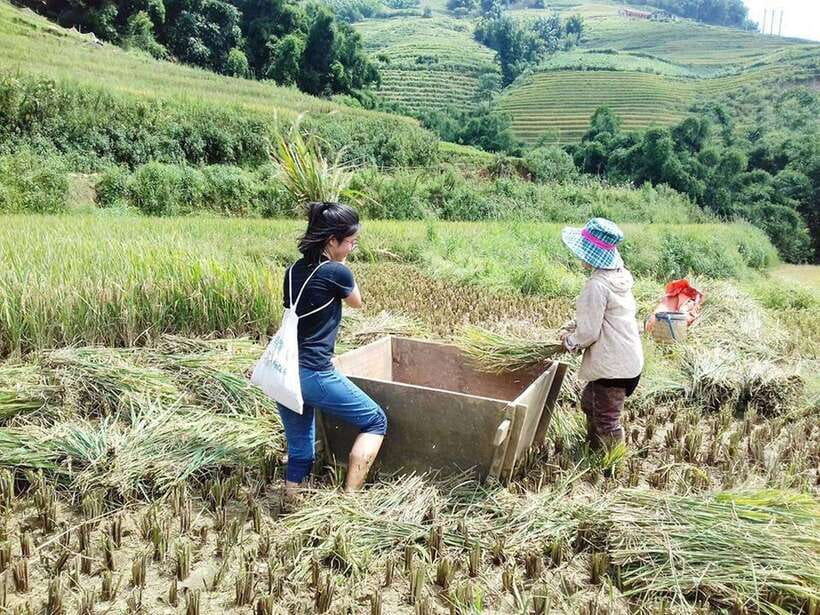
- Village-to-village walking: You move through Black Hmong areas like Lao Chai and beyond, instead of just doing one “photo stop.”
- Terraces at the right moment: Morning mist and cultivated rice fields set the tone for the entire valley.
- Real detours: A bamboo forest, plus a waterfall rest, and a suspension bridge route keep it from feeling repetitive.
- Cultural stops that add meaning: Ancient rock carvings with figures, stilt houses, and decorative patterns break up the hiking rhythm.
- Lunch in a home: Meals at local houses are a key part of the experience, not an afterthought.
Other Sapa walks, from gentle to genuinely hard
- Sa Pa: Muong Hoa Valley Trek and Local Ethnic Villages★ 4.6 · 864 reviews
- Sapa: Eco Adventure Terrace Fields and Local Villages Trek★ 4.9 · 636 reviews
- From Sapa: 1-Day Guided Trek to Lao Chai & Ta Van with Lunch★ 4.9 · 416 reviews
- Sapa 1 Day Long Trek: Trek to Hau Thao and Sa Seng Villages★ 4.6 · 344 reviews
First Up: The Route And What “Half-Day” Really Means
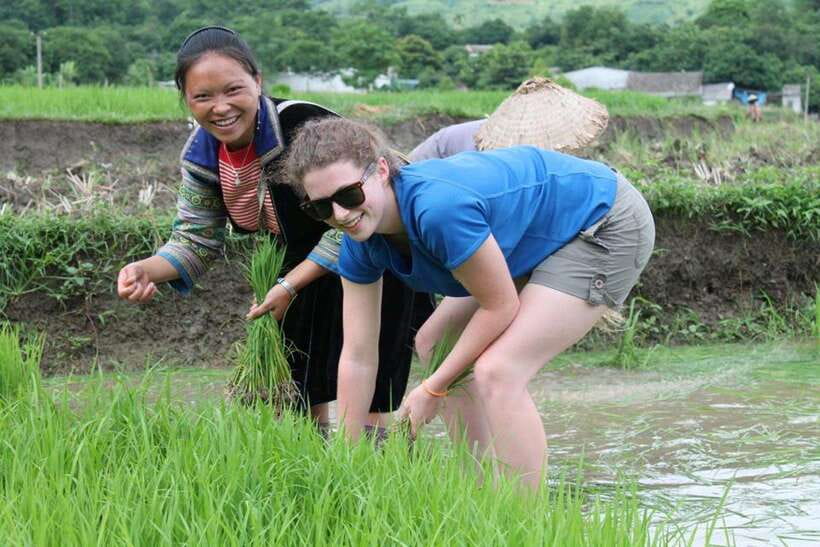
This is a 6 hour experience in total, but don’t let the “half-day” label fool you. The trek itself is about 10 kilometers, and the route is not flat. You’re walking narrow village paths, rice field edges, river crossings, bamboo forest sections, and at least a couple of uphill climbs before the final return to Sapa.
The morning matters here. Even on hazy days, you’ll get those soft views over the rice terraces, the kind that disappear into fog one minute and reappear the next. This is also when ground conditions can be tricky, because mist and overnight dampness tend to turn trails into slip-and-slide territory if it rained.
The tour begins with pickup, so you avoid wasting your morning navigating Sapa’s roads. If your hotel is in central Sapa, pickup is included. If you’re farther out, you won’t be picked up from outside the Sa Pa area, so plan to meet at the designated office or pick a central base.
Leaving Sapa: Pickup, English Guide, And A 10 Kilometer Game Plan
Right after pickup, you’re set up for a straightforward day: follow a small trail through the valley and cross the Muong Hoa River. From there, the walk becomes a sequence of “small worlds” rather than one long straight line.
The guide is English speaking, and the group size stays small (11 max). Many groups report being guided by leaders such as Khu, Chai, Su, Sunny, Minh, and Kau. I like this for one simple reason: when the terrain turns slippery, you want someone who can keep everyone steady, not just someone who can recite facts.
The route is described as challenging especially in wet weather. That’s not a scare tactic. It’s because parts of the trail run along uneven, muddy ground with loose rock and slick slopes. If you’re used to firm city sidewalks, you’ll feel the difference fast. If you’ve hiked in wet climates before, you’ll recognize the pattern.
Lao Chai And Black Hmong Life: Rice Terraces Through The Mist
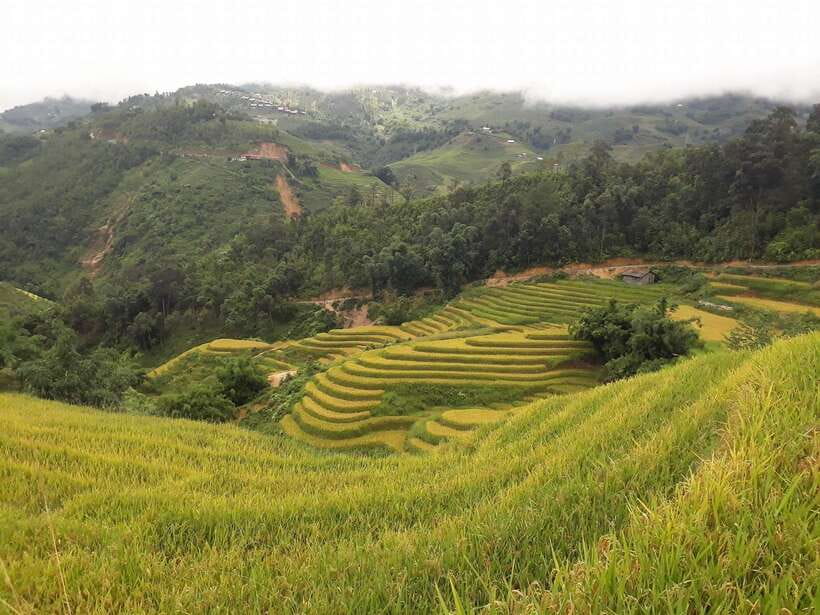
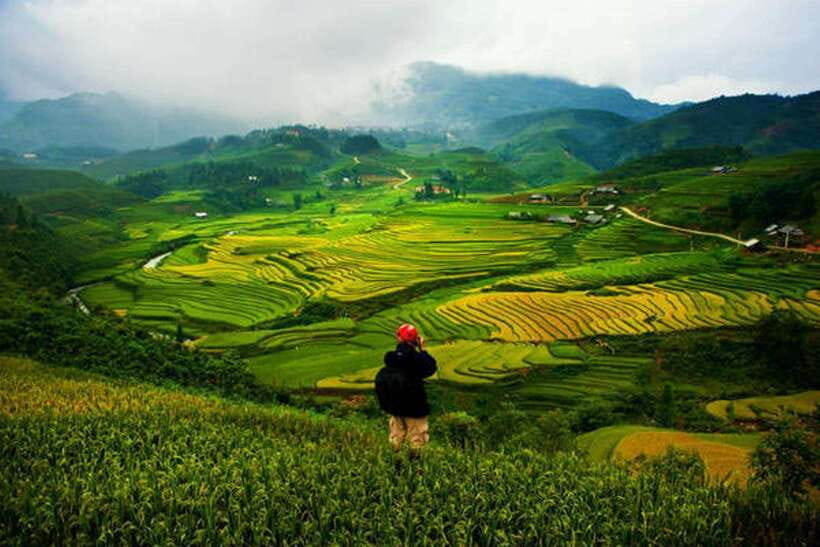
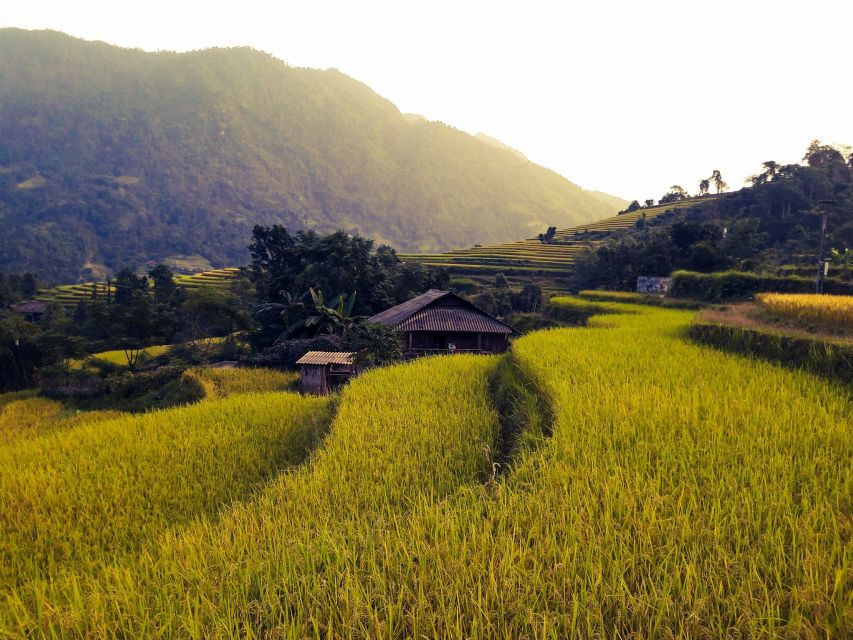
One of the most rewarding parts of this trek is how it starts moving you past well tended terraced fields before Lao Chai. You follow a trail that threads through cultivated slopes, with the Muong Hoa River nearby early on. That combination is why people keep repeating the same idea: the scenery looks like it’s been shaped by human hands for generations.
Then you reach the village of Lao Chai, home to the Black Hmong ethnic group. This is a key cultural stop, not only because of what you see, but because you get to slow down and notice daily routines. You’re not just walking through a village as a spectacle. You’re moving along paths where life is happening around you.
Photo time is there, but the better move is observation time. Watch how people work with the landscape, how they manage terraces and water, and how the village spacing feels in real scale. That’s what makes the trek “worth it” even when visibility is foggy.
Ta Van Giay, Suspension Bridge, And The Muong Hoa River Walk
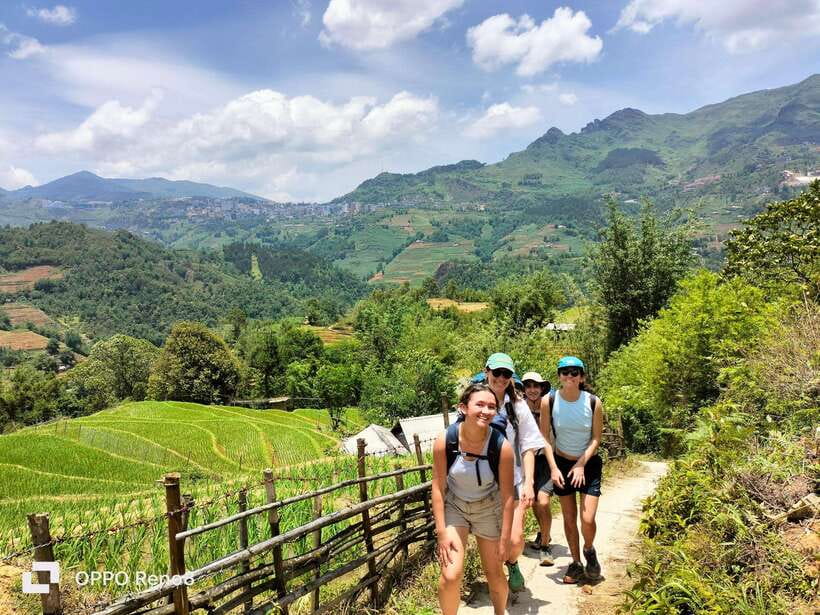
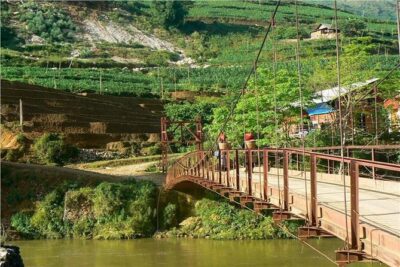
Next comes the Ta Van Giay area, and the route shifts into a more river oriented feel. You hike toward Ta Van Giay, then keep going along the route by the Muong Hoa River. At about 2 kilometers from the settlement, you’ll cross a small suspension bridge.
This bridge moment is more than a fun photo checkpoint. Suspension bridges tend to sway, and it forces everyone to slow down, step carefully, and stay close. In wet weather, this is also where you’ll appreciate a guide who times crossings and keeps the group moving.
After that, you’ll encounter ancient rock carvings described as showing images of men, stilt houses, and decorative patterns. These carvings are a strong “brain break” during a trek day. You’ve been walking through modern village life and working landscapes, then suddenly you’re confronted with something older and symbolic. It helps the hike feel less like exercise and more like a story.
Sleep in a village, walk between them

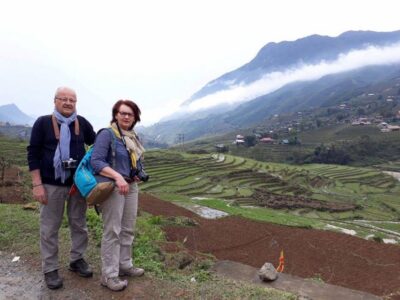
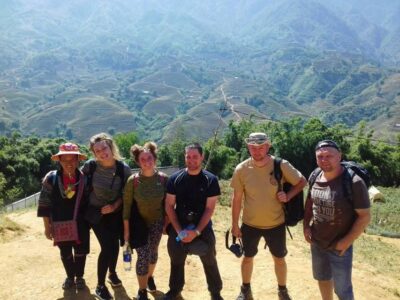
Lunch At A Local House: The Meal Is Part Of The Culture
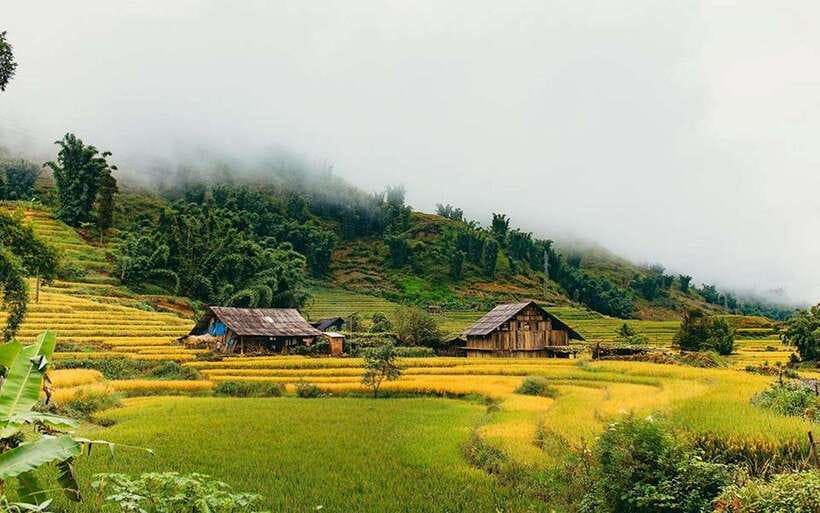
By the time lunch arrives, you’ll feel it. This trek is a steady push, and the 10 kilometer distance adds up. Lunch happens at a local home in the village during the middle portion of the day, before you move into the bamboo forest.
This is one of the most praised parts of the experience. Meals can include dishes like vegetarian spring rolls, rice, vegetables, tofu, and eggs, depending on what the family is cooking that day. One useful detail for planners: vegan dietary needs were accommodated by at least some guides, so if you have dietary requirements, mention them ahead of time.
The practical benefit of lunch at a home is pacing. It’s not just “food, then go.” It gives you a real rest break, and it also creates a natural moment to ask questions about daily life and village culture. If you’re worried about fatigue, this is the checkpoint you’ll be grateful for.
Bamboo Forest To Giang Ta Chai: Red Dao Village And A Waterfall Pause

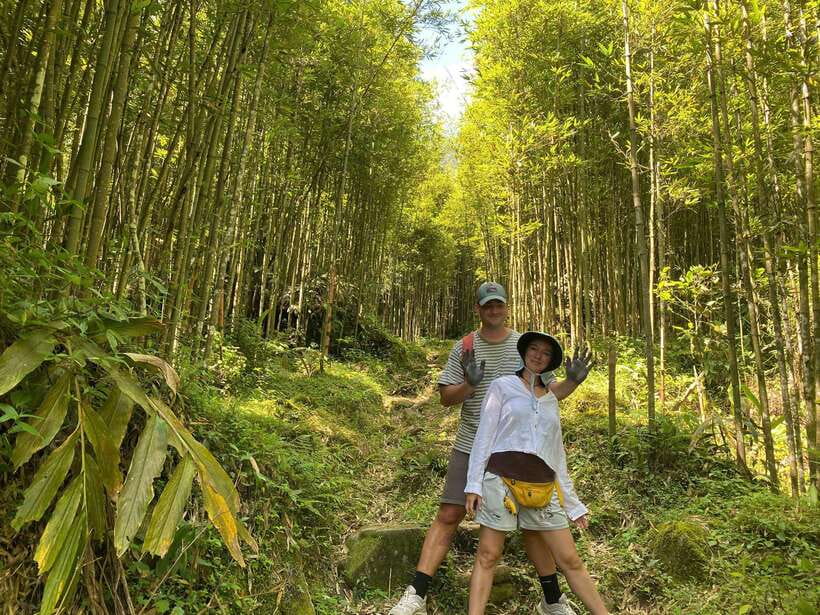
After lunch, the trail turns into a bamboo forest walk. This section is frequently described as slippery when wet. If it’s rained, the bamboo area can feel like walking on a damp, uneven floor, so your shoe grip matters a lot. You’ll want hiking shoes, not slick trainers.
Then you reach the Red Dao ethnic minority village of Giang Ta Chai. This is where the day really expands. Earlier you saw Black Hmong village life in Lao Chai, and now you’re shifting to a different community with different cultural cues. Even without a long lecture, you can feel the change in the village rhythm once you step into a new settlement.
Near the end, there’s a short rest at a nearby waterfall. It’s a simple stop, but it works. It’s a chance to reset your legs, drink water, and take in the valley from a slower, calmer angle before the final uphill segment and return to the main road.
Getting Back To Sapa: Final Uphill And A Clean Finish
The tour ends with a climb uphill to the main road, where the driver is waiting to take you back to Sapa. The timing is about 3:30 PM, which is why this makes a good activity even if you want a relaxed evening afterward.
This ending matters because many Sapa hikes fade into “just get to the bus.” Here, the waterfall rest helps break up the final push so you don’t feel like you’re just trudging to the finish line.
If visibility is foggy, don’t worry. The valley can still feel immersive even with lower views, because the trail itself, the village context, and the changing terrain keep your attention.
Price And Value: Why $23 Can Make Sense In Sapa
At about $23 per person for a 6 hour guided trek, this is priced as a value day tour. You’re not only paying for walking. You’re paying for several parts that add up: pickup in central Sapa, an English speaking guide, entry tickets, lunch, and 500 ml of mineral water per person, plus transport back.
The “value math” looks better when you compare it to doing the same day on your own. Getting a guide who can manage safety on muddy routes, translating village context, and coordinating transport is hard to replicate cheaply. The lunch is also a big line item in real life. When food is included at a home, you avoid the time and cost of finding a meal mid-hike.
There are extra costs to watch for. Drinks are not included, and there’s an additional fee if you want a French speaking guide. During Lunar New Year dates in 2026, there’s a surcharge per person.
What To Pack, So You Don’t Hate The Mud
Here’s the blunt truth: this trek can be very muddy. People soak their shoes if they wear the wrong footwear. You can absolutely still do it, you just need to match the conditions.
Bring: hiking shoes with strong grip. Sunglasses and sunscreen help because the sun can still cut through clouds, even when it feels cool. Insect repellent is recommended too.
Warm clothes are a good idea from October to March. Even if daytime feels mild, mornings near Sapa’s valley can stay chilly.
You should also plan light. Oversize luggage is not allowed. A small daypack is the safe choice, and keep essentials easy to grab for breaks.
One more practical tip: pack for wet traction, not for fashion. Many guides in this region are used to seeing runners slip. Gumboots and high grip footwear are common in local village help, so treat that as your clue for what actually works.
Local Help And Buying Small Items: How To Handle It Tactfully
A recurring detail from the trail is that local women may support you on slippery sections, sometimes by walking alongside and helping you keep balance. This is part of how the day runs when conditions are rough, and it’s also part of why the hike can stay fun instead of turning into panic.
There can also be selling of small items along the way. The expectation is that you bring cash and show thanks with a purchase. The selling focus tends to intensify when you’re closer to village areas and after stops, and support can continue in the most slippery parts.
My advice: bring small bills and a realistic budget for respectful shopping. If you’re firm with yourself about spending, it feels less stressful and more like a normal cultural exchange.
Who This Trek Suits Best, And Who Should Skip
This is a good fit if you want a real walk in real villages with sweeping valley scenes and an included meal. It also suits you if you like guides who share practical context about ethnic groups and daily life, and if you’re comfortable hiking 10 kilometers with a changing route.
It is not suitable for people with mobility impairments, and it’s not for children under 6. If you have balance issues or you know you can’t handle slippery terrain, choose another activity in Sapa.
It can be a “moderate to challenging” day depending on weather. In dry conditions it can feel more like a hike with stunning stops. In wet conditions, the trail demands respect.
Should You Book This Muong Hoa Valley Trek?
Book it if you want a guided day that mixes rice terraces, multiple ethnic village stops, and a real mid-day meal in a local home, for a price that stays reasonable. You should also book it if you’ve got proper hiking shoes and you can handle muddy paths with patience.
Skip it if you want an easy, stroller-friendly walking day, or if wet terrain would stress you out too much. Also skip if you can’t manage steep or slippery sections.
If you decide to go, do one thing that improves the whole trip, treat footwear as mission critical. Then bring small cash for village items, and ask your guide about any dietary needs before the day starts. You’ll get more out of it, and the day will feel smoother from step one to the ride back to Sapa.
FAQ
How long is the trek, and when does it end?
The trekking distance is about 10 kilometers, and the total experience lasts around 6 hours. The tour ends at approximately 3:30 PM.
Is hotel pickup included?
Hotel pickup is included if your hotel is in Sapa center town. Pickup is also available from the Vietnam Nomadtrails office. Pickup from outside the Sa Pa area is not available.
What does the tour include for food and drinks?
Lunch is included, along with mineral water (500 ml per person). Beverages are not included.
What kind of guide do I get?
You get an English speaking guide. If you want a French speaking guide, it costs 19 USD per person and is payable upon confirmation.
Are there entry tickets included?
Yes, entry tickets are included as part of the tour.
What should I bring for the hike?
Bring hiking shoes. The tour also recommends sunglasses, sunscreen, and insect repellent. Warm clothes are recommended from October to March.
How challenging is the trek?
The trek is 10 kilometers and can be challenging, especially in wet weather. You should ensure your fitness level is suitable.
Is this tour suitable for kids or people with mobility issues?
No. It is not suitable for disabled people and children under 6 years old.
Is there a special charge during Lunar New Year?
Yes. There is a Lunar New Year surcharge of 30 USD per person for dates from 14 Feb to 21 Feb 2026.
Do I need cash during the tour?
Bring cash. Local ladies may help you during the hike and you are expected to purchase items as a thank you.
Walk, Then Stay
- Sapa: Eco Adventure Terrace Fields and Local Villages Trek★ 4.9 · 636 reviews
- From Sapa: 1-Day Guided Trek to Lao Chai & Ta Van with Lunch★ 4.9 · 416 reviews
- Sapa 1 Day Long Trek: Trek to Hau Thao and Sa Seng Villages★ 4.6 · 344 reviews
- EXPLORE SAPA: 2D1N TREKKING & HMONG CULTURE WITH DINH★ 4.9 · 191 reviews
- Sa Pa: 6-Hours Muong Hoa Valley Trek with Local Ethnic guide★ 4.5 · 178 reviews
Sapa on Foot
- Sapa: Eco Adventure Terrace Fields and Local Villages Trek★ 4.9 · 636 reviews
- From Sapa: 1-Day Guided Trek to Lao Chai & Ta Van with Lunch★ 4.9 · 416 reviews
- Sapa 1 Day Long Trek: Trek to Hau Thao and Sa Seng Villages★ 4.6 · 344 reviews
- Sapa: Fansipan Cable, Cat Cat Village, Moana Instagram Tour★ 4.8 · 294 reviews
- From Sapa: 3-Day Ha Giang Loop with Safe Rider (max 8 pax)★ 4.9 · 285 reviews
Other Sa Pa tours our reviewers keep coming back to
- Hanoi: Sapa Trekking 2 Days 1 Night – Sleeper Bus from Hanoi
★ 4.6 · 18 reviews - AUTHENIC 2D1N Trek & Bungalow Retreat with Dinh Hmong Family
★ 5.0 · 19 reviews - Sapa: Ta Phin Village Trek & Red Dao Herbal Bath
★ 5.0 · 22 reviews - Sapa: Cat Cat Village, Moana, Alpine Coaster, Fansipan Cable
★ 4.7 · 22 reviews - From Hanoi: Explore Sapa 2-Day Tour
★ 4.3 · 22 reviews - Alpine Coaster Ban Mong Experience in Sapa – Vietnam
★ 4.3 · 22 reviews
Sapa Trekking and Fansipan, compared.
 ★ 5.0Sapa 2 Days 1 Night From Hanoi – Overnight in Ta Van VillageFrom $592,669 reviews
 ★ 5.0Hanoi – Sapa 2 Days 1 Night Overnight At HomestayFrom $89899 reviews
 ★ 5.0Sapa: Fansipan Cable, Cat Cat Village & Moana Instagram TourFrom $30777 reviews
 ★ 4.8From Hanoi: 2-Day Sapa Trekking Trip with Homestay & MealsFrom $71704 reviews
 ★ 5.0Sapa 3 Days 2 Nights Trekking Tour (1 Night In Ta Van Village, 1 Night In Hotel)From $139699 reviews
 ★ 4.9Sapa: Eco Adventure Terrace Fields and Local Villages TrekFrom $27636 reviews
 ★ 5.03-Day Trekking Adventure of Sapa from Hanoi – Stay Ta Van VillageFrom $109611 reviews
 ★ 4.82-Day Sa Pa Ethnic Homestay Tour & Trek with Limousine Bus440 reviews
Also in these Vietnam lists