
REVIEW · SAPA TREKKING AND FANSIPAN
Sapa: Ta Phin Village Trek & Red Dao Herbal Bath
Herbal bath ends the trek, in style. This 6-hour Sapa outing threads Suoi Ho, Ma Tra, and Ta Phin villages into one easy-moderate walk, then finishes with a traditional Red Dao soak in a wooden tub.
I especially like the cultural stops, because you meet real farmers and families, not just photo points. I also like that the group stays small, so your guide can actually answer questions about daily life and traditions.
The one consideration: you do walk about 12 to 14 km, so it is not a sit-and-stare tour. If you have knee issues, very low stamina, or hate cold mornings plus uphill paths, you may want a gentler option.
In This Review
- Key things that make this day trip work
- Sapa Rural Life, Not Just Main-Street Views
- Where Your Day Starts: Nhà Thờ Đá Sapa and a 09:00 Kickoff
- What to do before you go
- Suoi Ho Village: Black H’mong Daily Life at a Real Pace
- Ma Tra: School and Craft Talk That Makes the Region Click
- The Lunch Break: Picnic or a Homestay Meal With Mountain Views
- Ta Phin Village: Red Dao Culture, Embroidery, and Herbal Knowledge
- The 12 to 14 km Trek: Easy to Moderate, but Real Effort
- Red Dao Herbal Bath in a Wooden Tub: Hot, Aromatic, and Purposeful
- What to expect during the bath
- Getting Back to Sapa by Car: Ending at 15:30
- Price and Value: Why 26 USD Can Feel Like More
- Who Should Book This Tour (And Who Might Skip It)
- Should You Book This Sapa Ta Phin Village Trek and Herbal Bath?
- FAQ
- How long is the Sapa Ta Phin Village trek and Red Dao herbal bath?
- How far do you walk?
- What is included in the price?
- What happens at lunch?
- What is the Red Dao herbal bath like?
- Who is this tour not suitable for?
Key things that make this day trip work
- Suoi Ho and Ta Phin in one day, so you get contrast between Black H’mong and Red Dao village life
- A guide who explains what you see, with English support and examples from guides like Su and Gao
- Lunch at a local homestay or picnic setup, with traditional dishes and real mountain-town views
- A Red Dao herbal bath in a wooden tub, meant to soothe tired muscles and help circulation
- Small group size (10 people max), which helps the day feel personal and low-stress
- A practical pace, easy-moderate trekking with breaks and plenty of time to look around
Other Sapa walks, from gentle to genuinely hard
- Sa Pa: Muong Hoa Valley Trek and Local Ethnic Villages★ 4.6 · 864 reviews
- Sapa: Eco Adventure Terrace Fields and Local Villages Trek★ 4.9 · 636 reviews
- From Sapa: 1-Day Guided Trek to Lao Chai & Ta Van with Lunch★ 4.9 · 416 reviews
- Sapa 1 Day Long Trek: Trek to Hau Thao and Sa Seng Villages★ 4.6 · 344 reviews
Sapa Rural Life, Not Just Main-Street Views
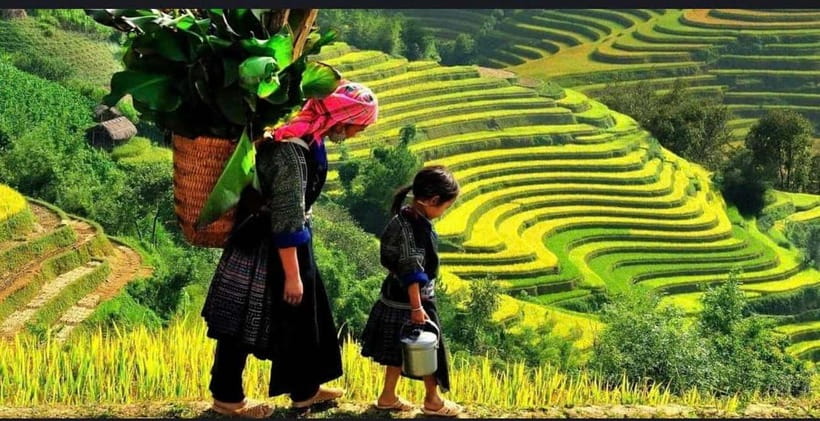
Sapa is famous for big-name scenery and Instagram stops. This tour gives you something more grounded: village routines, farming patterns, and the kinds of conversations that happen when people live in the same place year after year.
I like that the route is built around communities, not viewpoints. You walk through rice fields and pine forest areas, and your stops are timed so you can actually talk, not just pass through. If you want a day that feels quieter and more human-scale than the busiest parts of Sapa, this is a strong match.
Where Your Day Starts: Nhà Thờ Đá Sapa and a 09:00 Kickoff
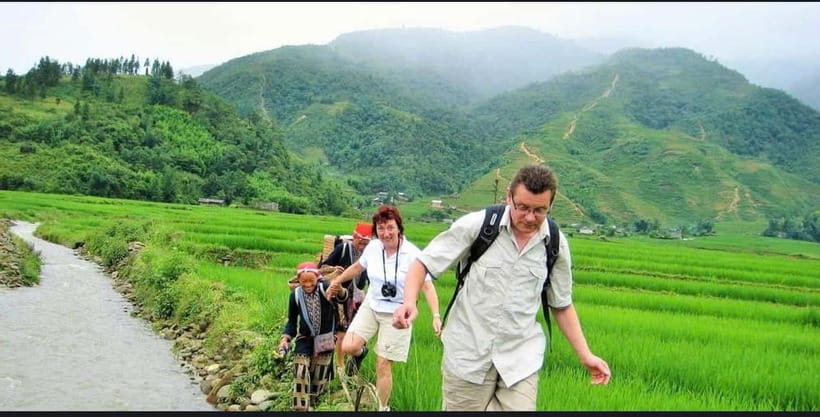
You begin at Nhà Thờ Đá Sapa, the stone church area, with pickup scheduled for 09:00. From there, your guide gets you moving quickly with a short approach walk before the real trekking starts.
This matters because Sapa mornings can be cool and misty. Getting on the path early usually means better energy, fewer crowds, and more pleasant walking temperatures. The day runs until about 15:30 when you return by car.
What to do before you go
Bring comfortable shoes with real grip. Pack water, insect repellent, and weather-ready layers, even in warmer months. A daypack helps because you’ll want hands free for photos and small essentials.
Suoi Ho Village: Black H’mong Daily Life at a Real Pace
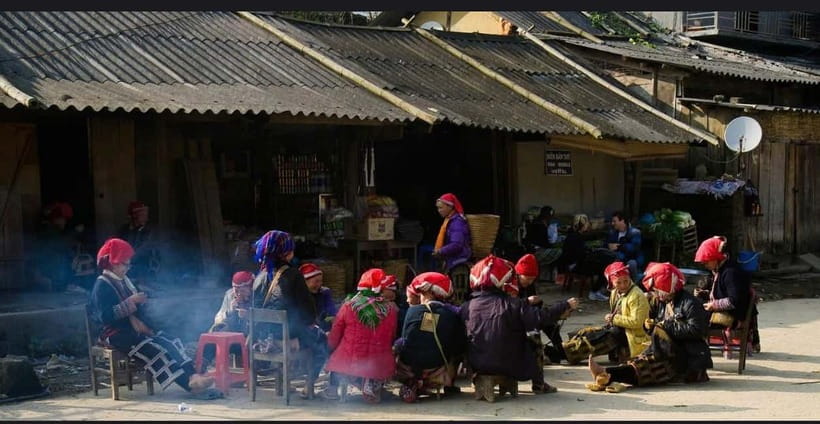
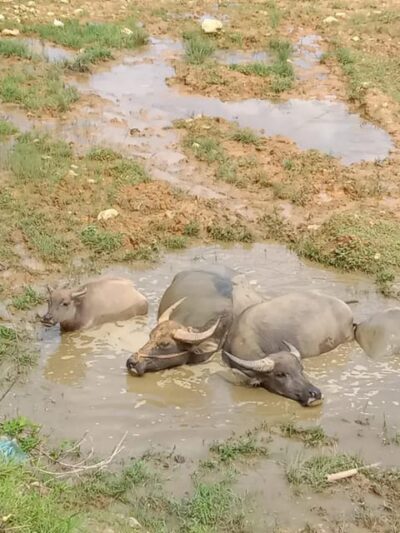
Around 09:30, you head to Suoi Ho Village, home to the Black H’mong community. This stop is the first chance to see how people farm, care for animals, and handle everyday work in the mountains.
This is not a fast photo parade. You learn about daily routines and how cultivation fits into the season. Even if you have only a few days in Sapa, this is the kind of first village that sets the tone, because it helps you understand what you are seeing later.
One practical note: paths can get uneven. Go slow and watch your footing, especially after wet weather. Your guide will keep the day flowing, but the ground is still the ground.
Sleep in a village, walk between them
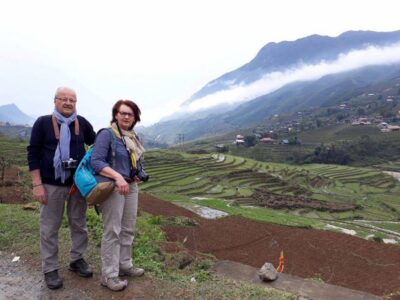
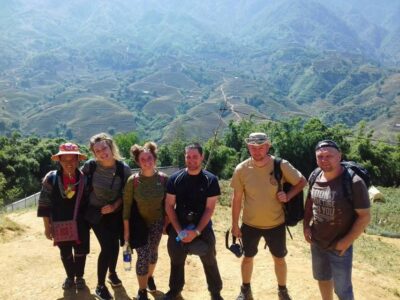
Ma Tra: School and Craft Talk That Makes the Region Click
After Suoi Ho, the route continues on to Ma Tra Village. About 10:30 is when you move into this next area, and the goal is to connect with local customs and work.
You may visit a local school or have time to chat with villagers about crafts and daily life. That is where the tour becomes more than a walk: you start comparing what you saw in Suoi Ho with what you see here, then it all starts to make sense as one larger way of living.
This segment also tends to be one of the best for questions. If you have always wondered how village families manage food, community roles, or schooling in rural northern Vietnam, this is the moment to ask.
The Lunch Break: Picnic or a Homestay Meal With Mountain Views
Around 11:30, you’ll hit lunch. The day offers two styles, either a picnic lunch or a meal at a local homestay, with traditional dishes.
I like this flexibility because it keeps the day from feeling rigid. If you are lucky, you get a calm meal setup with a view and enough time to rest your legs. If you prefer a more seated, warm arrangement, the homestay option can feel more comfortable.
One heads-up: the food will be local and not a Western menu. Most people find it enjoyable, but if you are extremely picky, eat slowly, and tell your guide about any preferences.
Ta Phin Village: Red Dao Culture, Embroidery, and Herbal Knowledge
By about 12:30, you arrive in Ta Phin Village, the Red Dao community area. This is one of the key reasons people choose this tour, because the Red Dao traditions connect directly to the bath experience later.
You spend time learning about vibrant embroidery techniques and the role of herbal medicine in local life. It helps the day feel logical: you are not just being shown two separate attractions. You are seeing culture, then seeing a health tradition that comes out of the same worldview.
If you like craft and practical knowledge, Ta Phin is often the emotional high point of the day. People who value authenticity tend to leave with more than photos, because you actually see work and meaning behind the objects.
The 12 to 14 km Trek: Easy to Moderate, but Real Effort
The total trekking distance is about 12 to 14 km over the day. It is described as easy to moderate, which usually means you can do it without technical climbing gear. Still, it is not a short stroll. You’ll be walking for hours across uneven paths.
This is where your shoes and pacing matter. Walk like you’re on a long hike, not a sprint. Take the breaks your guide offers, drink water, and don’t wait until you are tired to slow down.
Small group size also helps here. With a maximum of 10 participants, you are less likely to feel rushed or left behind. You can keep your rhythm and still stay on schedule for the bath.
Red Dao Herbal Bath in a Wooden Tub: Hot, Aromatic, and Purposeful
Around 14:00, you transition into the highlight finish: a traditional Red Dao herbal bath. The soak happens in a wooden tub filled with aromatic medicinal herbs.
This is the part people talk about most because it is not a staged photo moment. The bath is built to help you relax after walking, and it is believed to relieve muscle pain and improve circulation. Even if you don’t treat it like medicine, a hot soak after a long trek is simply good recovery.
What to expect during the bath
Plan for warmth. The water can feel very hot, which is exactly the point, but it can be intense if you are sensitive to heat. Wear whatever swimwear or clothing you will use for the tub, and ask your guide how they handle changing and placement on-site.
Also, don’t underestimate the smell. Herbal baths come with a strong aromatic profile, which many people find soothing. If you are sensitive to fragrance, mention it to your guide before soaking.
Getting Back to Sapa by Car: Ending at 15:30
After the bath, you return by car to Sapa, ending around 15:30. This timing matters because you still get part of the afternoon, not just a full-day wipeout.
I like ending with a recovery activity, because it makes the day feel complete. You walk, you learn, you eat, then your body finally gets to rest. If you plan dinner afterward, you will probably feel more comfortable than if you ended with another long activity.
Price and Value: Why 26 USD Can Feel Like More
At about $26 per person, this tour is priced to feel fair for a full day with a guide, transportation back to Sapa, lunch, and the herbal bath. You are not just paying for walking time.
You also get value from the small group and the village-focused structure. A 10-person max group means your guide can spend real time explaining, and your questions do not get swallowed by a large crowd.
Another value factor is the combination: cultural village stops plus a unique wellness tradition in one trip. That pairing is harder to recreate on your own without spending time coordinating homestay access and knowing what to ask.
Who Should Book This Tour (And Who Might Skip It)
This tour is ideal if you want:
- Culture-led trekking across multiple villages, not only scenery
- A guide who can explain traditions and daily work in plain English or Vietnamese
- A relaxing finish that helps your body recover, not another tiring stop
It may not be ideal if:
- You need a fully flat, low-walking day
- You have mobility limitations
- You are traveling with children under 6 years old
If you are a solo traveler, the small group size can feel friendly rather than chaotic. If you are with a partner, it is a great “one day outdoors” option that still feels grounded in people and place.
Should You Book This Sapa Ta Phin Village Trek and Herbal Bath?
If you only have one spare day in Sapa and you want it to count, I’d book this. It gives you a strong cultural arc across Suoi Ho, Ma Tra, and Ta Phin, then rewards you with a genuinely different way to recover at the end.
Book it if your priorities are: a guided understanding of village life, a manageable trek, and a Red Dao experience you can’t easily copy from a map. Skip it if you want a short walk, total comfort, or zero heat exposure, since the bath is an intense part of the design.
FAQ
How long is the Sapa Ta Phin Village trek and Red Dao herbal bath?
The tour runs for about 6 hours, with pickup around 09:00 and return to Sapa around 15:30.
How far do you walk?
The trekking distance is about 12 to 14 km, described as easy to moderate.
What is included in the price?
The included items are a local guide, picnic lunch or a meal at a local homestay, the traditional Red Dao herbal bath, and transportation back to Sapa.
What happens at lunch?
Lunch is either a picnic lunch or a meal at a local homestay, with traditional dishes.
What is the Red Dao herbal bath like?
It’s a traditional soak in a wooden tub filled with aromatic medicinal herbs. It is believed to relieve muscle pain and improve circulation.
Who is this tour not suitable for?
It is not suitable for children under 6 years old and people with mobility impairments.
Walk, Then Stay
- Sa Pa: Muong Hoa Valley Trek and Local Ethnic Villages★ 4.6 · 864 reviews
- Sapa: Eco Adventure Terrace Fields and Local Villages Trek★ 4.9 · 636 reviews
- From Sapa: 1-Day Guided Trek to Lao Chai & Ta Van with Lunch★ 4.9 · 416 reviews
- Sapa 1 Day Long Trek: Trek to Hau Thao and Sa Seng Villages★ 4.6 · 344 reviews
- EXPLORE SAPA: 2D1N TREKKING & HMONG CULTURE WITH DINH★ 4.9 · 191 reviews
Sapa on Foot
- Sa Pa: Muong Hoa Valley Trek and Local Ethnic Villages★ 4.6 · 864 reviews
- Sapa: Eco Adventure Terrace Fields and Local Villages Trek★ 4.9 · 636 reviews
- From Sapa: 1-Day Guided Trek to Lao Chai & Ta Van with Lunch★ 4.9 · 416 reviews
- Sapa 1 Day Long Trek: Trek to Hau Thao and Sa Seng Villages★ 4.6 · 344 reviews
- Sapa: Fansipan Cable, Cat Cat Village, Moana Instagram Tour★ 4.8 · 294 reviews
Other Sa Pa tours our reviewers keep coming back to
- Hanoi: Sapa Trekking 2 Days 1 Night – Sleeper Bus from Hanoi
★ 4.6 · 18 reviews - AUTHENIC 2D1N Trek & Bungalow Retreat with Dinh Hmong Family
★ 5.0 · 19 reviews - Sapa: Ta Phin Village Trek & Red Dao Herbal Bath
★ 5.0 · 22 reviews - Sapa: Cat Cat Village, Moana, Alpine Coaster, Fansipan Cable
★ 4.7 · 22 reviews - From Hanoi: Explore Sapa 2-Day Tour
★ 4.3 · 22 reviews - Alpine Coaster Ban Mong Experience in Sapa – Vietnam
★ 4.3 · 22 reviews
Sapa Trekking and Fansipan, compared.
 ★ 5.0Sapa 2 Days 1 Night From Hanoi – Overnight in Ta Van VillageFrom $592,669 reviews
 ★ 5.0Hanoi – Sapa 2 Days 1 Night Overnight At HomestayFrom $89899 reviews
 ★ 4.6Sa Pa: Muong Hoa Valley Trek and Local Ethnic VillagesFrom $23864 reviews
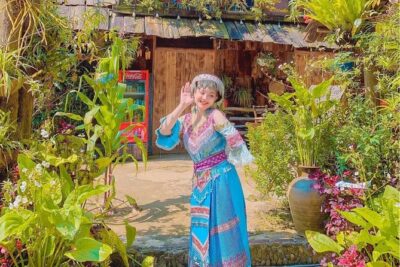 ★ 5.0Sapa: Fansipan Cable, Cat Cat Village & Moana Instagram TourFrom $30777 reviews
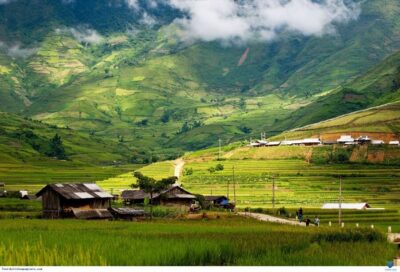 ★ 4.8From Hanoi: 2-Day Sapa Trekking Trip with Homestay & MealsFrom $71704 reviews
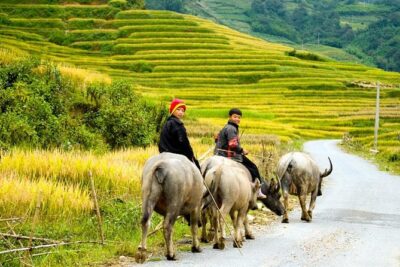 ★ 5.0Sapa 3 Days 2 Nights Trekking Tour (1 Night In Ta Van Village, 1 Night In Hotel)From $139699 reviews
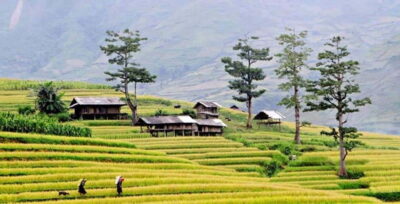 ★ 4.9Sapa: Eco Adventure Terrace Fields and Local Villages TrekFrom $27636 reviews
 ★ 5.03-Day Trekking Adventure of Sapa from Hanoi – Stay Ta Van VillageFrom $109611 reviews
Also in these Vietnam lists