
REVIEW · SAPA TREKKING AND FANSIPAN
Sapa 1 Day Long Trek: Trek to Hau Thao and Sa Seng Villages
Fog or sun, you hike into real mountain life. This 1 day Sapa trek takes you up Sa Seng Mountain, then down through Muong Hoa Valley viewpoints, with time in remote Black Hmong villages. It is a full, long day that mixes trails, farmland, and people, not just Instagram points.
I especially love the way the route is paced: a steady uphill start to earn the best overlooks, then a downhill rhythm through fields and village paths. I also like the human part, the guided cultural explanations and the stop for a home-style lunch at a family-run place.
One consideration: if weather is very foggy, Fansipan views can be limited, and the trails can feel extra slippery when it has rained. Also, expect some village-side sales pressure at the end of the walk, so go in calm and ready with a small plan for your money and boundaries.
In This Review
- Key things to know before you lace up
- Trek route: Sa Seng, Hang Da, Hau Thao, then back to Sapa
- Sa Seng Mountain: your best shot at Fansipan and the big Sapa valley
- Hang Da Village: Black Hmong culture you can see, not just read about
- Hau Thao Village: farming season, house-building talk, and village time
- Muong Hoa Valley views: not guaranteed, still worth it
- Lunch at a family-run restaurant: included, filling, and local
- Difficulty level: moderate hiking with real mud potential
- What you pay and what feels like value at $24
- Your guide can make or break the day
- Tips that help you enjoy this trek more
- Should you book this 1 day trek to Hau Thao and Sa Seng?
- FAQ
- How long is the trek?
- Do I get picked up from my hotel in Sapa Town?
- Where does the tour start and end?
- Which places do we visit during the day?
- Is lunch included?
- Are Mount Fansipan and Muong Hoa Valley views guaranteed?
- What kind of fitness level do I need?
- What should I bring?
- Is bottled water included?
Key things to know before you lace up
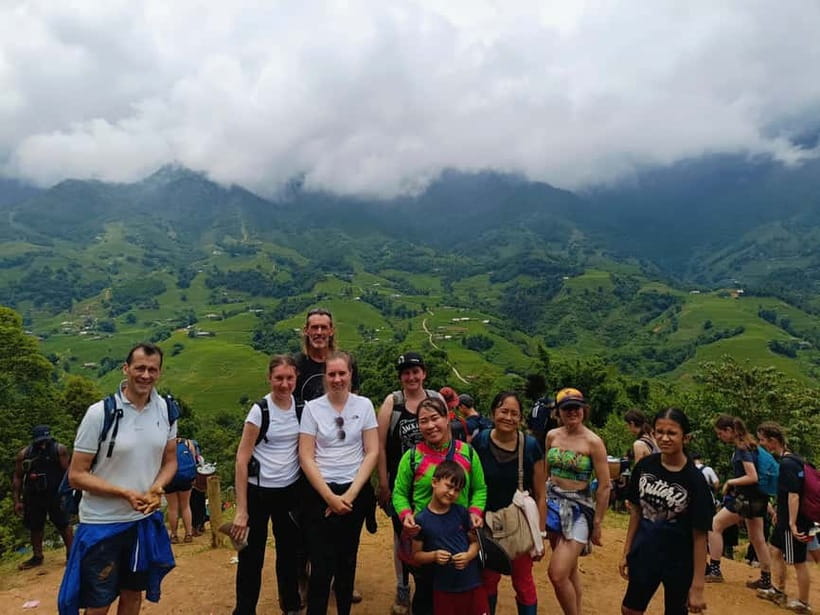
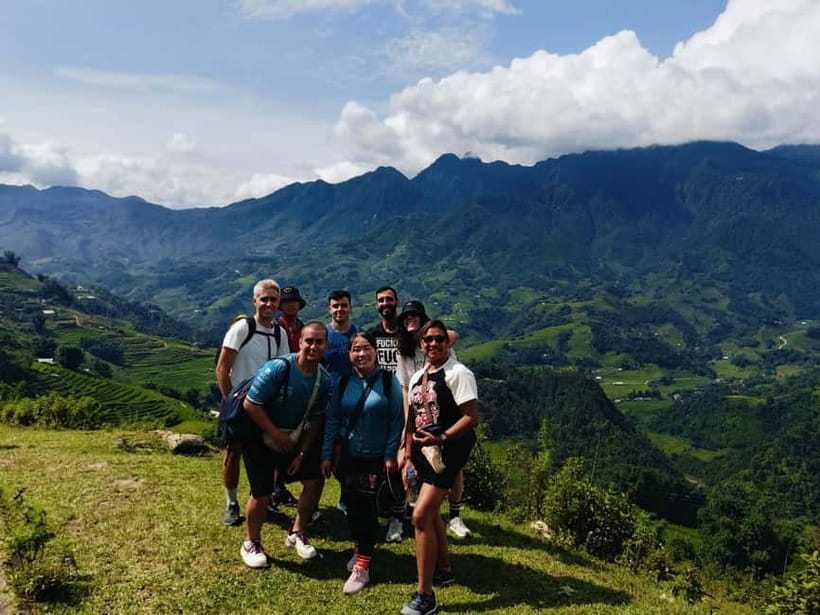
- Sa Seng Mountain first, photos later: the best panoramic look comes early in the day, after the initial climb.
- Muong Hoa Valley and rice terraces from above: you do not just hear about the terraces, you see them spread out.
- Black Hmong villages with real daily life: farming work, house-building talk, and farm animals are part of the walk.
- Home-style lunch is included: you stop for a proper meal around midday, cooked and served locally.
- Small group pace: the day runs long, but the group size stays manageable so you can ask questions.
Other Sapa walks, from gentle to genuinely hard
- Sa Pa: Muong Hoa Valley Trek and Local Ethnic Villages★ 4.6 · 864 reviews
- Sapa: Eco Adventure Terrace Fields and Local Villages Trek★ 4.9 · 636 reviews
- From Sapa: 1-Day Guided Trek to Lao Chai & Ta Van with Lunch★ 4.9 · 416 reviews
- Sapa 1 Day Long Trek: Trek to Hau Thao and Sa Seng Villages★ 4.6 · 344 reviews
Trek route: Sa Seng, Hang Da, Hau Thao, then back to Sapa
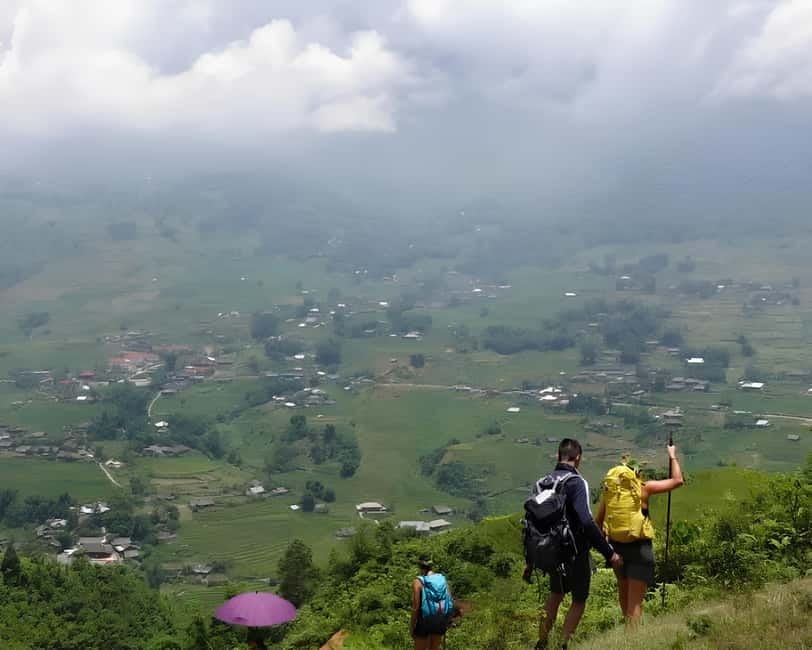
This is a 7 to 10 hour day trek that starts in Sapa Town around 9:00 AM. You get pickup at your accommodation if you are staying in Sapa Town, then you meet your English-speaking local guide and driver for a quick briefing. After a short warmup walk, the trail climbs toward Sa Seng Mountain, where your day’s main views begin.
From there, you head downhill to Hang Da Village and then continue onward to Hau Thao Village. By late afternoon, you finish in Giang Ta Chai village, where a vehicle is waiting to take you back to Sapa Town. The route is designed to keep you moving, but it also builds in photo stops and a longer midday break around lunch.
In practice, that structure matters. When you only have one day in Sapa, you want the walking to connect dots quickly: mountain view, valley spread, then village life, without the day feeling rushed or chaotic.
Sa Seng Mountain: your best shot at Fansipan and the big Sapa valley
The uphill starts early, about 1 km uphill along a scenic trail. After roughly an hour of moderate trekking, you reach Sa Seng Mountain for a panoramic look down over Sapa.
This is where you take in Mount Fansipan, the highest peak in Indochina, from a distance. Even when you cannot see it clearly, you still get the sense of scale, because the valley spreads out in layers. Your guide points out what you are looking at, including the big Muong Hoa Valley, the region’s famous rice terraces, and the broad valley with its main river corridor.
Fog can steal the drama, and that is not your guide’s fault. Still, the hilltop moment is the backbone of this trek, and it is why the day feels like more than a casual walk.
Tip that keeps you sane: start the day wearing shoes you trust. The climb is uphill first, so you want grip for uneven ground, especially if the morning is damp.
Hang Da Village: Black Hmong culture you can see, not just read about
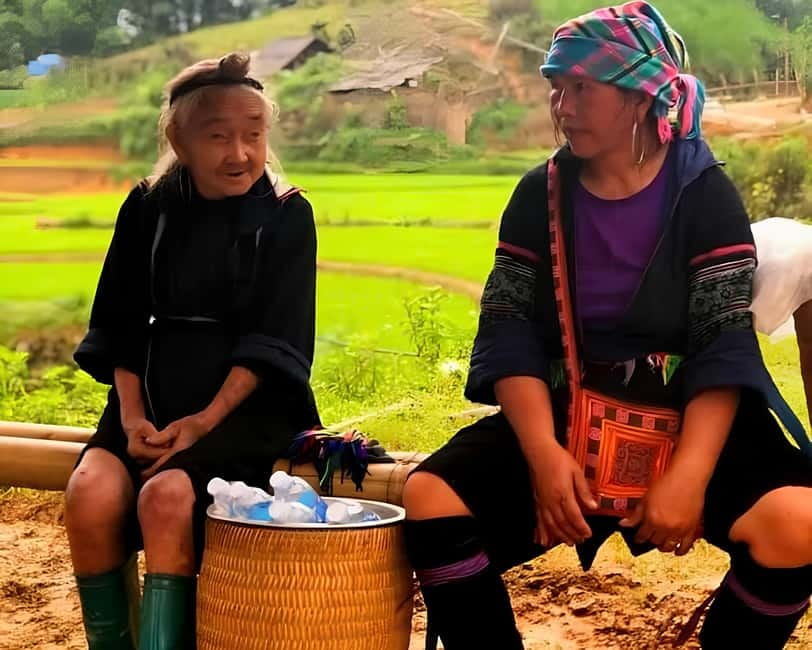
After the Sa Seng viewpoint, the trail continues downhill to Hang Da Village. This is where the experience shifts from scenery to daily life, because you get welcomed by the Black Hmong community.
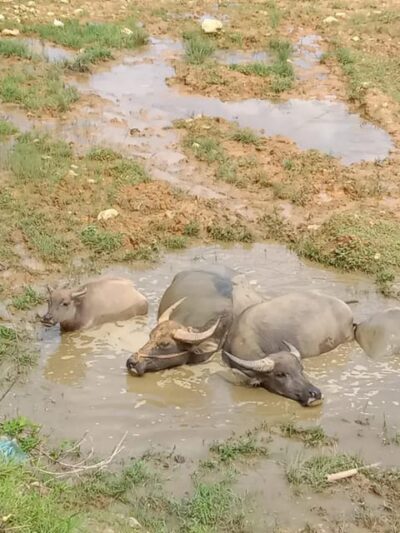
You might also pass farm animals along the way. The route can include free-roaming buffaloes, pigs, and horses, and it is a reminder that this is working country, not a set. If your timing lines up with rice field activity, you may spot practical farming rhythms in motion too.
What I like here is the way the guide talks through what you are seeing. The cultural explanation is not random facts, it is tied to daily work, farming, and how houses are built. It helps you understand why certain paths lead where they do, and why the village setting feels the way it does.
One note for your comfort: expect more foot traffic and conversation as you approach the village area. That is part of village life, but it can also mean extra attention, and sometimes a push to buy items later in the day.
Hau Thao Village: farming season, house-building talk, and village time
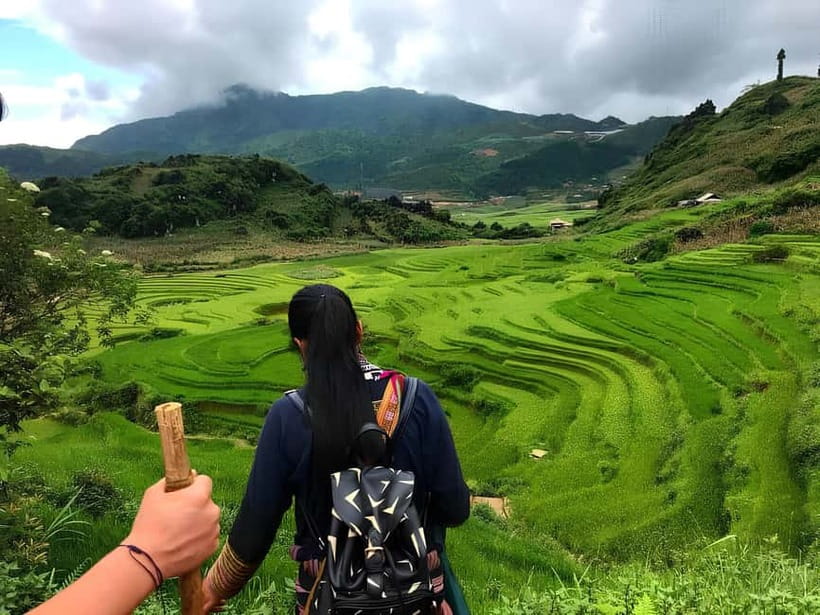
After Hang Da, you head toward Hau Thao Village, another Black Hmong community tucked into the mountains. The exact feel depends on the season, but you might see farmers planting or harvesting rice, which gives you a real window into how the year works here.
This is also where you spend more time with your guide on culture and building traditions. You get explanations about Hmong customs, including marriage rituals and rice cultivation, plus practical discussion of house-building techniques. That matters because it turns the village visit from a quick stop into a story you can follow.
At the same time, do not treat this like a museum. The walk keeps you outdoors, so you are experiencing the scale of the hills and the texture of field life in real time.
If you want an even deeper connection, consider the optional idea of staying overnight near the final village area (Hau Thao or Giang Ta Chai). You can ask the operator ahead of time for help with homestays and luggage or transport arrangements.
Sleep in a village, walk between them
Muong Hoa Valley views: not guaranteed, still worth it
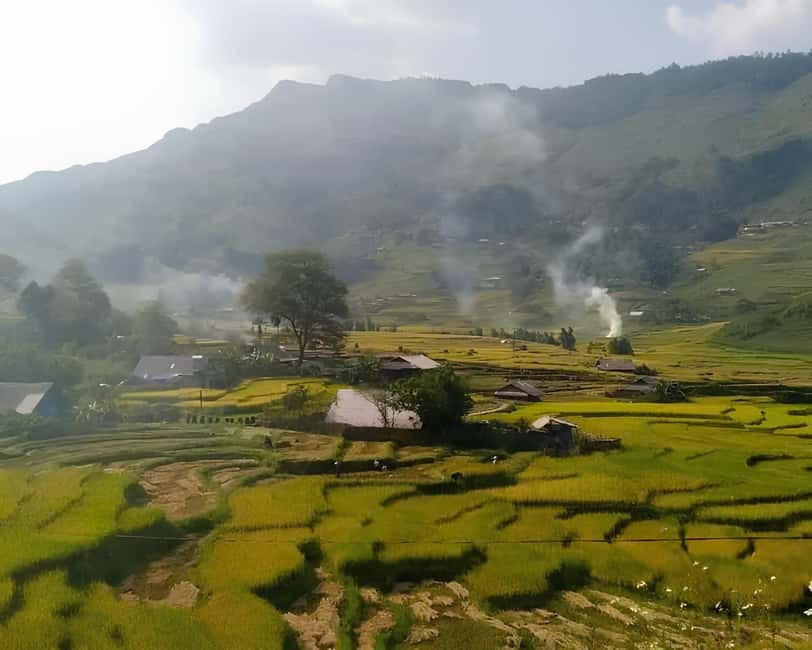
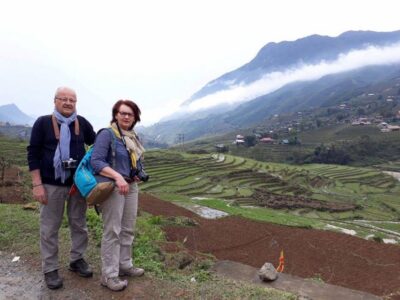
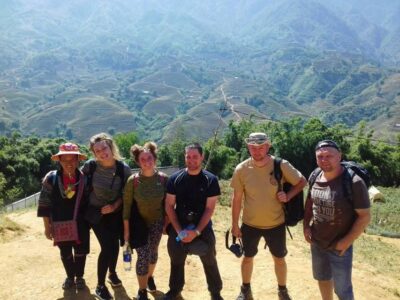
The Muong Hoa Valley is the theme running under the whole day. From the hilltops, you see the iconic rice terraces spread across the valley and you can trace how the terrain shapes agriculture.
Your guide also helps you understand what you are seeing, including the valley’s main river and the way the terraces follow slopes. On clear days, the view feels wide and cinematic. On foggy or rainy days, it becomes more atmospheric and harder to measure, but the walking and village context still carry the day.
This is where seasons matter. One reason Sapa trekking scores so well is that you can catch different farming stages. If you are traveling for a bloom-season look, you might be hoping for June or July type conditions, but the tradeoff is also weather variability.
My practical advice: if the forecast screams heavy rain, think hard about your footwear and your tolerance for slippery paths. In several real trekking days, mud and slick spots can show up, even when the route stays described as moderate.
Lunch at a family-run restaurant: included, filling, and local
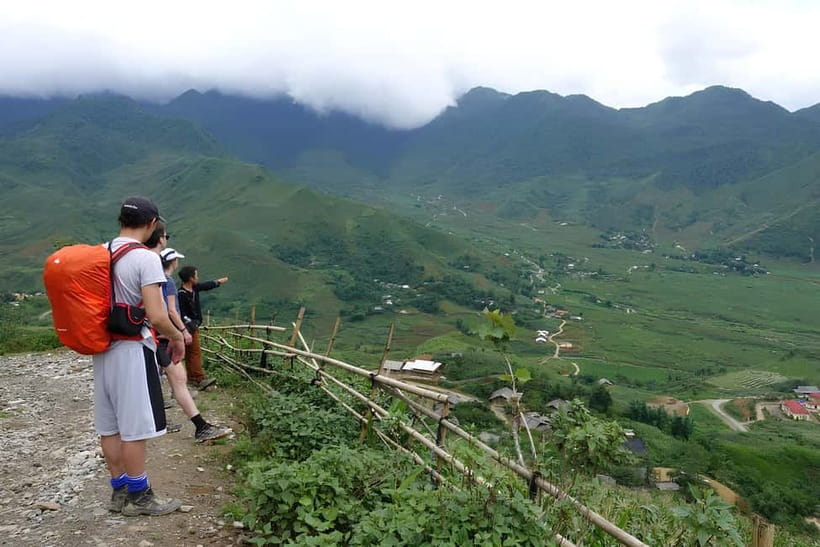
Around noon, you stop for lunch at a family-run local restaurant. The meal is traditional and home-style, and it is included in the tour price.
I like lunch on this trek because it resets you when your legs are warming up for the afternoon section. You are not just grabbing something quickly, you are sitting down as part of a local routine, with your guide keeping you on track.
One small planning thought: bring cash because extra drinks and small purchases are often not part of a set lunch package. Even if lunch is included, you may want water beyond what is provided, or you might want a warm drink after you finish a muddy section.
Difficulty level: moderate hiking with real mud potential
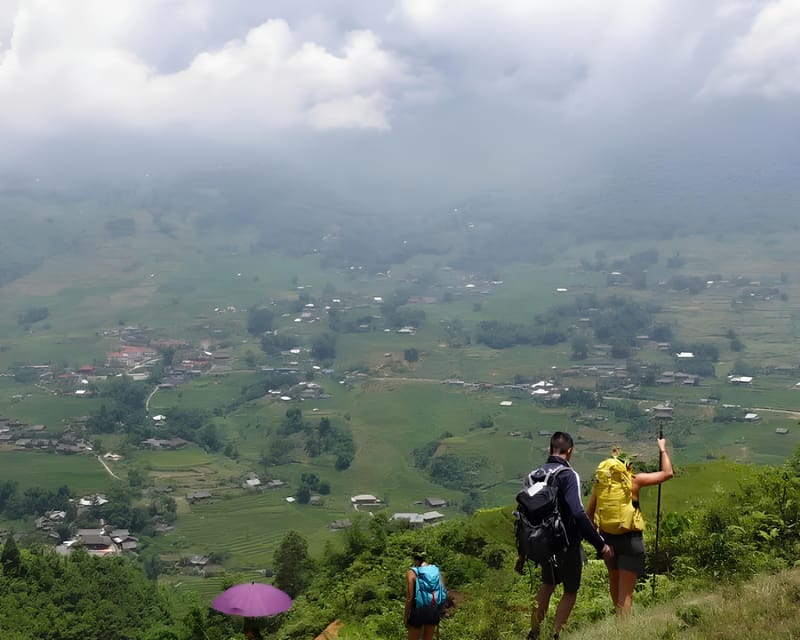
The official description frames the trek as moderate, but the mountain does not care about labels. Your day includes a one-hour stretch uphill toward Sa Seng Mountain, then continues downhill through village paths and farmland edges.
In rain or fog, the trail can get muddy and slippery, especially through bamboo forest type sections and uneven ground. A few guides have even helped hikers with gear like gum boots when conditions turned wet, but you should still assume you need solid hiking shoes.
You also want to consider altitude. Sapa is high, and the experience is not suitable for people with altitude sickness. It is also not designed for wheelchair users or people with mobility impairments, and it is not recommended for those with heart problems or kidney problems. If any of those apply to you, it is worth choosing a gentler Sapa option instead.
For knees and ankles: if you have a history of issues, take your pace seriously. The route can include steep, uneven descents, and your guide can help you move safely, but physics still wins.
What you pay and what feels like value at $24
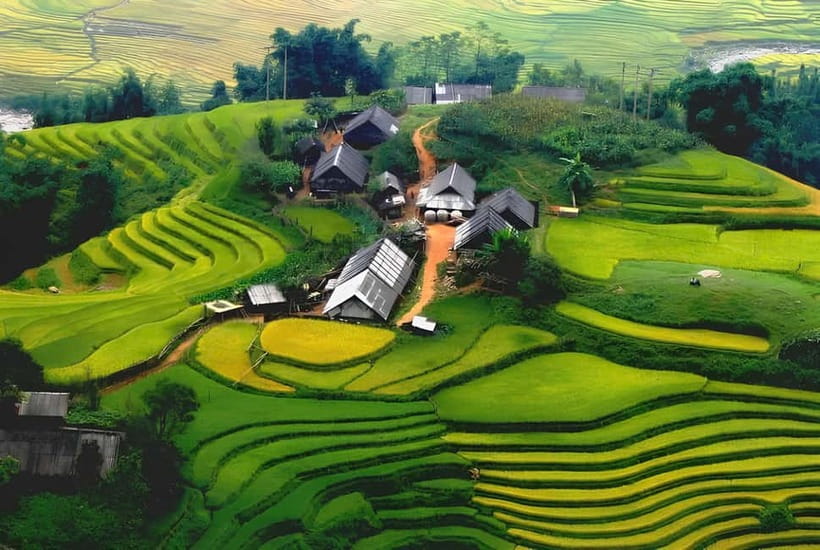
At about $24 per person, this is good value for a full day that includes guide time, village entrance fees, bottled water during the trek, and transportation back to Sapa Town. Many short tours in Vietnam charge similar prices yet give you less walking structure and less cultural context.
Here’s the deal with value: you are paying for more than the trail. You are paying for an English-speaking local guide who explains what you are seeing, a planned route through multiple village areas, and an included lunch that keeps you fueled.
The cost also includes the “logistics glue” that matters on a one-day schedule. Hotel pickup within Sapa Town means you spend less time figuring out transport and meeting points, and the private vehicle waiting at the end saves your legs for the last stretch.
Two things not included are simply the usual extras not listed in the package. Anything you want to buy along the way, or any personal expenses, are on you.
Your guide can make or break the day
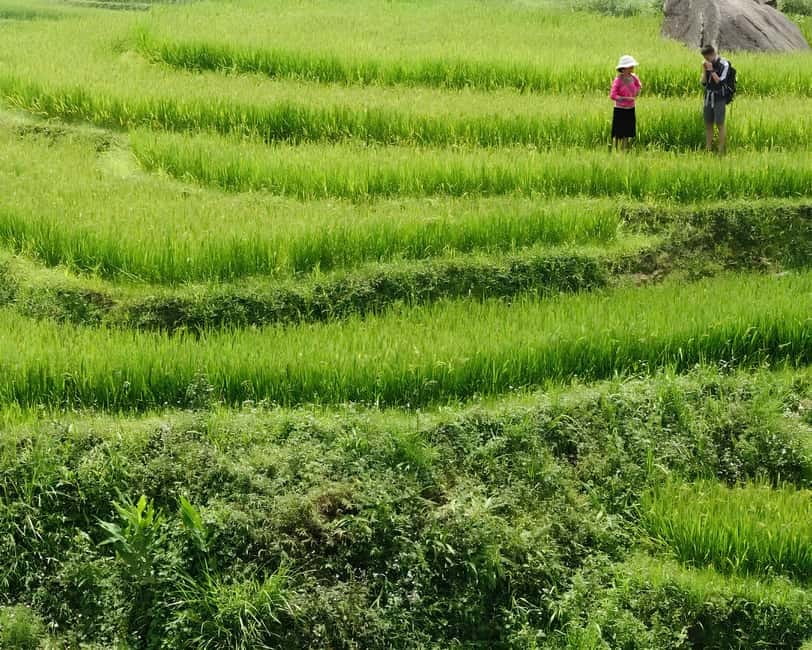
The biggest strength of this experience is how often it feels fun, personal, and informative. Many guides are known for upbeat energy and a strong focus on explaining village life and local nature while keeping the group laughing.
Names you may hear include Mao, Su, Zo Zo, Zo, Zu Zu, Tung, La, Pang, Vang, Kerr, Gao, and Chau. You will not control which guide you get, but you can choose what kind of day you want by asking a simple question when you confirm your booking: do you prefer more cultural explanation or more pace and viewpoints?
Also, use WhatsApp to confirm your trek details ahead of time. The operator contacts you prior to the tour to confirm and provide updates. That kind of communication matters in Sapa because weather can change quickly, and fog or rain changes what you can see from the top.
If your group is small, you get more time for questions. Reviews consistently rate the smaller-group feel as a plus, because it makes the guide interactions feel less like a factory tour.
Tips that help you enjoy this trek more
Start with footwear. Mud and slick sections are a real possibility, even when the forecast seems mild earlier in the day.
Bring sun protection. Even in the north, you can get glare around noon, and you want sunglasses and a hat. Also bring cash for small extras and any purchases you might want to consider.
Stay realistic about the views. The best overlooks are from hilltops and you may not always get a clear Mount Fansipan look. Still, the valley spread and terrace shapes can be visible even when the sky is hazy.
Go into the village part with manners and boundaries. You may get approached near the end for scarves or other handmade items. Decide ahead of time if you want to buy, and set expectations kindly but firmly.
Should you book this 1 day trek to Hau Thao and Sa Seng?
Book it if you have limited time in Sapa and you want one day that mixes hill views, Muong Hoa Valley perspective, and real Black Hmong village life. The included lunch and guide explanations make it feel like a full experience, not just a hike with a driver.
Skip it or switch to an easier day option if you struggle with steep uphill effort, have heart or kidney issues, or deal with altitude sickness. Also think twice if you cannot handle muddy descents and uneven paths.
If you are looking for value, structure, and culture in the same day, this trek fits the bill well. Just show up with good shoes, keep your expectations flexible for weather, and you will get a memorable slice of northern Vietnam beyond Sapa town.
FAQ
How long is the trek?
The trek lasts about 7 to 10 hours, starting around 9:00 AM and finishing around 3:30 PM.
Do I get picked up from my hotel in Sapa Town?
Yes, pickup and drop-off are included if your location is in Sapa Town. If you are outside town, you can request pickup with a fee, or meet at a listed meeting point in town.
Where does the tour start and end?
It starts in Sapa and returns you to Sapa Town at the end. The trek finishes in Giang Ta Chai village, where the vehicle takes you back.
Which places do we visit during the day?
You go to Sa Seng for mountain views, then visit Hang Da Village and Hau Thao Village, and finish in Giang Ta Chai village.
Is lunch included?
Yes. You get a traditional lunch at a family-run local restaurant around midday.
Are Mount Fansipan and Muong Hoa Valley views guaranteed?
You can see Mount Fansipan from a distance and you get viewpoints over the Muong Hoa Valley and rice terraces, but visibility depends on the weather.
What kind of fitness level do I need?
It is described as moderate trekking, with an uphill start and downhill walking through trails and village areas. In rain, paths can be muddy and slippery.
What should I bring?
Bring sunglasses, a sun hat, a hat, and cash.
Is bottled water included?
Yes, bottled water is provided during the trek.
Walk, Then Stay
- Sa Pa: Muong Hoa Valley Trek and Local Ethnic Villages★ 4.6 · 864 reviews
- Sapa: Eco Adventure Terrace Fields and Local Villages Trek★ 4.9 · 636 reviews
- From Sapa: 1-Day Guided Trek to Lao Chai & Ta Van with Lunch★ 4.9 · 416 reviews
- EXPLORE SAPA: 2D1N TREKKING & HMONG CULTURE WITH DINH★ 4.9 · 191 reviews
- Sa Pa: 6-Hours Muong Hoa Valley Trek with Local Ethnic guide★ 4.5 · 178 reviews
Sapa on Foot
- Sa Pa: Muong Hoa Valley Trek and Local Ethnic Villages★ 4.6 · 864 reviews
- Sapa: Eco Adventure Terrace Fields and Local Villages Trek★ 4.9 · 636 reviews
- From Sapa: 1-Day Guided Trek to Lao Chai & Ta Van with Lunch★ 4.9 · 416 reviews
- Sapa: Fansipan Cable, Cat Cat Village, Moana Instagram Tour★ 4.8 · 294 reviews
- From Sapa: 3-Day Ha Giang Loop with Safe Rider (max 8 pax)★ 4.9 · 285 reviews
Other Sa Pa tours our reviewers keep coming back to
- Hanoi: Sapa Trekking 2 Days 1 Night – Sleeper Bus from Hanoi
★ 4.6 · 18 reviews - AUTHENIC 2D1N Trek & Bungalow Retreat with Dinh Hmong Family
★ 5.0 · 19 reviews - Sapa: Ta Phin Village Trek & Red Dao Herbal Bath
★ 5.0 · 22 reviews - Sapa: Cat Cat Village, Moana, Alpine Coaster, Fansipan Cable
★ 4.7 · 22 reviews - From Hanoi: Explore Sapa 2-Day Tour
★ 4.3 · 22 reviews - Alpine Coaster Ban Mong Experience in Sapa – Vietnam
★ 4.3 · 22 reviews
Sapa Trekking and Fansipan, compared.
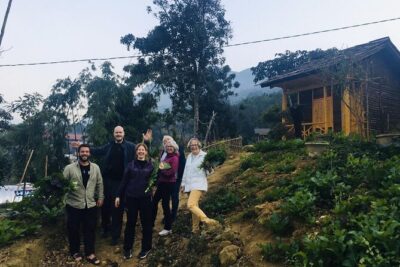 ★ 5.0Sapa 2 Days 1 Night From Hanoi – Overnight in Ta Van VillageFrom $592,669 reviews
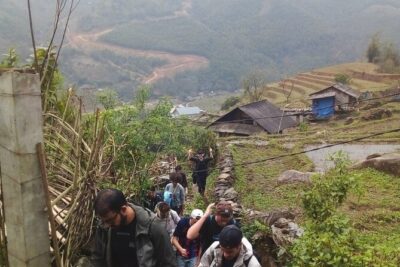 ★ 5.0Hanoi – Sapa 2 Days 1 Night Overnight At HomestayFrom $89899 reviews
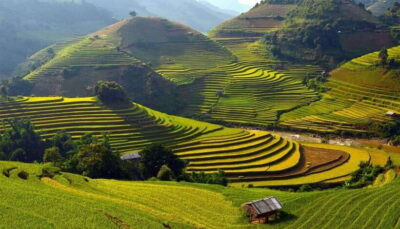 ★ 4.6Sa Pa: Muong Hoa Valley Trek and Local Ethnic VillagesFrom $23864 reviews
 ★ 5.0Sapa: Fansipan Cable, Cat Cat Village & Moana Instagram TourFrom $30777 reviews
 ★ 4.8From Hanoi: 2-Day Sapa Trekking Trip with Homestay & MealsFrom $71704 reviews
 ★ 5.0Sapa 3 Days 2 Nights Trekking Tour (1 Night In Ta Van Village, 1 Night In Hotel)From $139699 reviews
 ★ 4.9Sapa: Eco Adventure Terrace Fields and Local Villages TrekFrom $27636 reviews
 ★ 5.03-Day Trekking Adventure of Sapa from Hanoi – Stay Ta Van VillageFrom $109611 reviews
Also in these Vietnam lists