
REVIEW · SAPA TREKKING AND FANSIPAN
Sa Pa: 2-Day Trekking Trip with Ethnic Minority Homestay
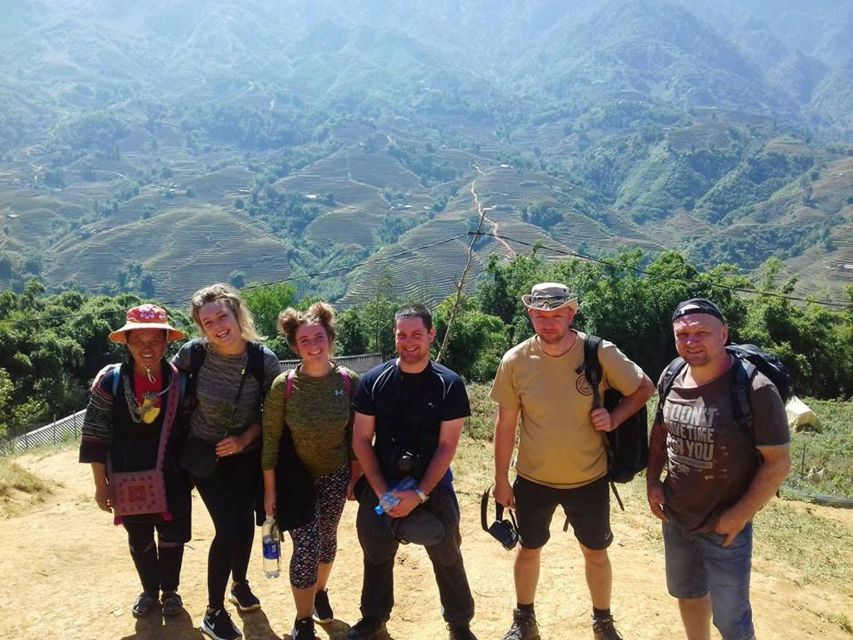
Rice terraces and stories, all in two days. In Sa Pa’s Muong Hoa Valley trek, you walk through ethnic villages like Y Linh Ho and Lao Chai, then sleep at a Dzay homestay and learn daily customs from your English-speaking guide, often mentioned by name such as Lan or Khu.
I love the mountain payoff. You get big views of Fansipan and the rice paddies, plus a bamboo-forest morning that feels like a complete change of scenery. I also love the human pace, with a hosted dinner at the homestay and guides like Lan who explain what you are seeing while keeping the group moving safely.
One thing to plan for: this is a hike, and rain can make trails muddy and slippery. You will still be guided and supported, but you need proper shoes and a good attitude for wet ground.
In This Review
- Key highlights you will care about
- Muong Hoa Valley trekking, but with village life as the real destination
- How hard is it, really, and what about mud in the rainy season
- Day 1: Sa Pa to Y Linh Ho, Lao Chai, and Ta Van, where the rice views keep stacking
- The Dzay homestay night, what you gain from staying instead of just touring
- Day 2: Ta Van to bamboo forest and Giang Ta Chai, then a waterfall break and river swim
- Guides and small-group energy: when Lan, Khu, Son, and Coo matter
- What you eat and when it shows up, so you are not caught hungry
- Price and value: why $55 can work well if you want more than photos
- What to pack for Sa Pa in real terms, not just a checklist
- Respect and village etiquette, the small choices that make a big difference
- Who should book this and who should skip
- Should you book the Sa Pa 2-Day Dzay homestay trek
Key highlights you will care about
- Up to 14 people in a small group, so the day does not feel like a cattle line
- Day 1 village circuit through Y Linh Ho, Lao Chai, and on to Ta Van
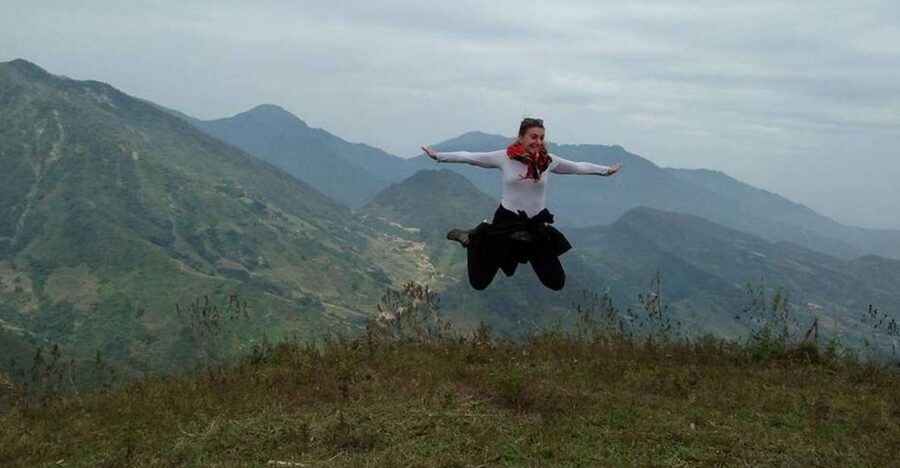
- Fansipan and rice-terrace views that show up repeatedly, not just at one photo spot
- Dzay homestay night with a hosted village dinner and a real sense of routine
- Day 2 bamboo forest plus Muong Hoa River swim opportunity for a refreshing break
- English-speaking guidance that focuses on culture, not just where to walk
Other Sapa walks, from gentle to genuinely hard
- Sa Pa: Muong Hoa Valley Trek and Local Ethnic Villages★ 4.6 · 864 reviews
- Sapa: Eco Adventure Terrace Fields and Local Villages Trek★ 4.9 · 636 reviews
- From Sapa: 1-Day Guided Trek to Lao Chai & Ta Van with Lunch★ 4.9 · 416 reviews
- Sapa 1 Day Long Trek: Trek to Hau Thao and Sa Seng Villages★ 4.6 · 344 reviews
Muong Hoa Valley trekking, but with village life as the real destination
This trip sells the trekking, but the best part is how the scenery and culture overlap. You spend two days walking through the Muong Hoa Valley, then you sleep inside a Dzay community, not in a hotel. That means your route is shaped by paths between settlements, views over rice terraces, and moments where your guide helps you understand what is going on around you.
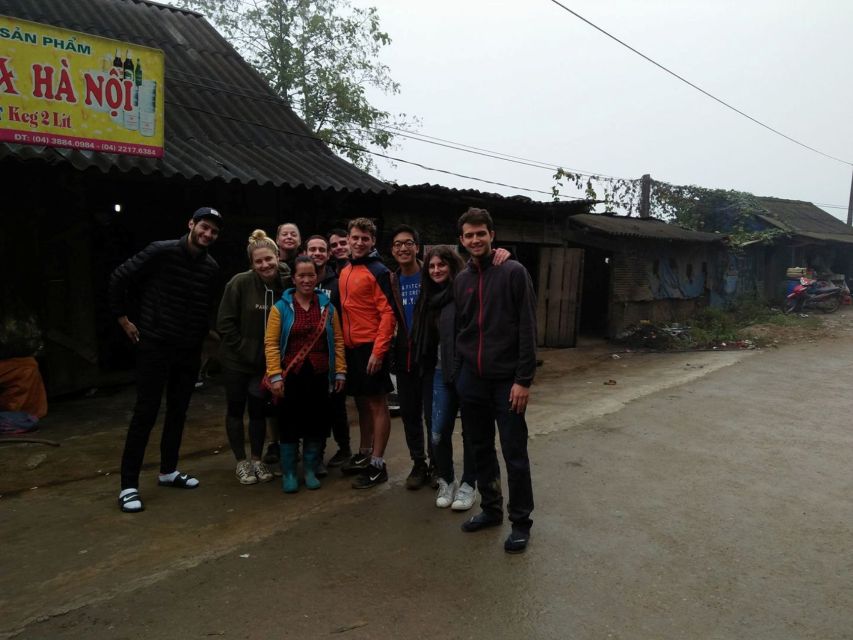
The group size stays small, with a limit of 14, which changes the feel of the walk. You get more back-and-forth with your guide, you ask questions without shouting, and the pace adapts to the people in your group. Guides you may meet on this style of tour include Lan, Khu, Son, and Coo, and the common theme is clear explanations plus real care when the terrain gets tough.
If you want a pure nature hike with no people, this may not match your vibe. But if you want the valley scenery and the everyday life of multiple ethnic minority communities, this is a strong, cost-effective way to do it.
How hard is it, really, and what about mud in the rainy season
You walk a total of about 19 kilometers across two days. Day 1 is 11 kilometers, and Day 2 is 8 kilometers. The routes are not described as extreme, and the distance is very manageable for a lot of active adults, especially with frequent stops and guidance.
Still, Sa Pa area weather is its own boss. When it rains, expect mud and slippery footing in the valley. One of the most useful lessons from people who did this trip is that you should treat shoes like a safety tool, not just a comfort item. If you show up in thin soles or worn-out sandals, the walk feels worse fast.
Your guide and local assistants will help with navigation and pacing. On wet mornings, you may even find people along the route who help you manage the steep, slick sections. If you are prone to rushing, try the opposite. Slow down slightly on downhills, keep your steps short, and you will enjoy the trek more.
Day 1: Sa Pa to Y Linh Ho, Lao Chai, and Ta Van, where the rice views keep stacking
Day 1 starts in Sa Pa with pickup in the town center at hotels. Then you begin the trek into the Muong Hoa Valley. This is the day that sets the tone: village paths, layered mountain views, and enough movement to make your legs feel like they worked, in a good way.
Along the way, you first meet the Black H’mong community in Y Linh Ho. You will not just pass through. Your guide helps you connect the people you see with what you hear about their customs and daily life. One of the standout moments is getting a close look at a typical wooden house, which gives you a practical sense of how these communities live and organize their space.
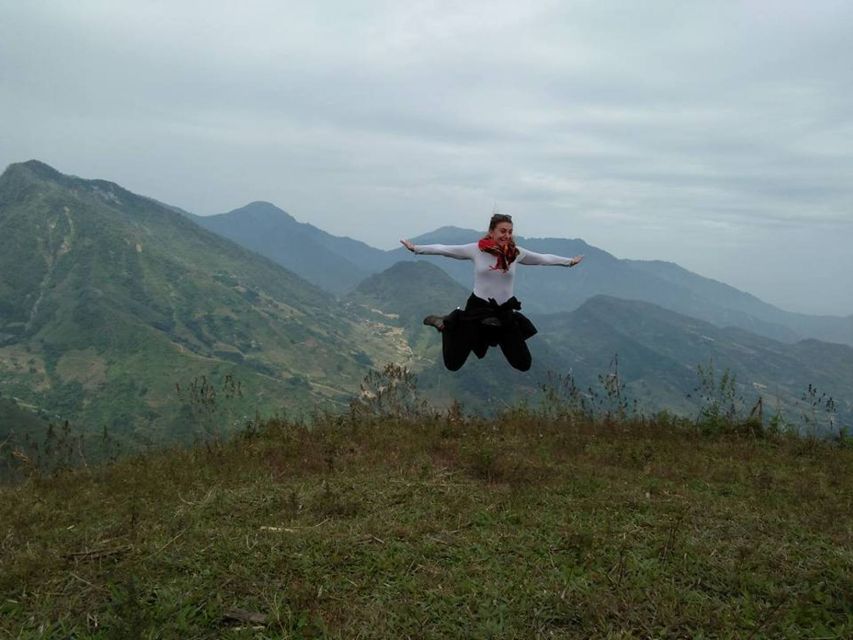
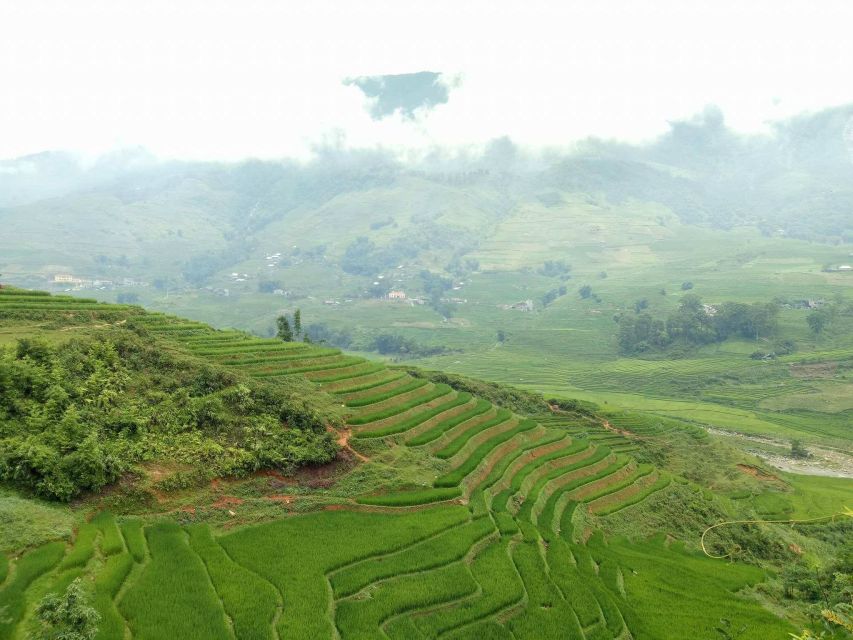
As you walk, you also get repeated sightings of Fansipan and surrounding rice paddies. That matters, because it means your best photos are not trapped behind one viewpoint. You get the valley feeling in chunks, and those intervals make the trek less tiring mentally.
Then comes the village network between Lao Chai and Ta Van. Lao Chai is another key stop on the day, and the contrast between settlements is part of the experience. You see different village settings, you notice different daily rhythms, and you learn enough background to avoid turning everything into a vague “culture stop.”
A quick word of realism. In ethnic village areas, you may encounter community members who hope you buy something. If you want to support, do it thoughtfully and only if you genuinely like an item. If not, a calm no and moving on is usually best. Your guide should help you navigate the tone, but your personal comfort matters.
The Dzay homestay night, what you gain from staying instead of just touring
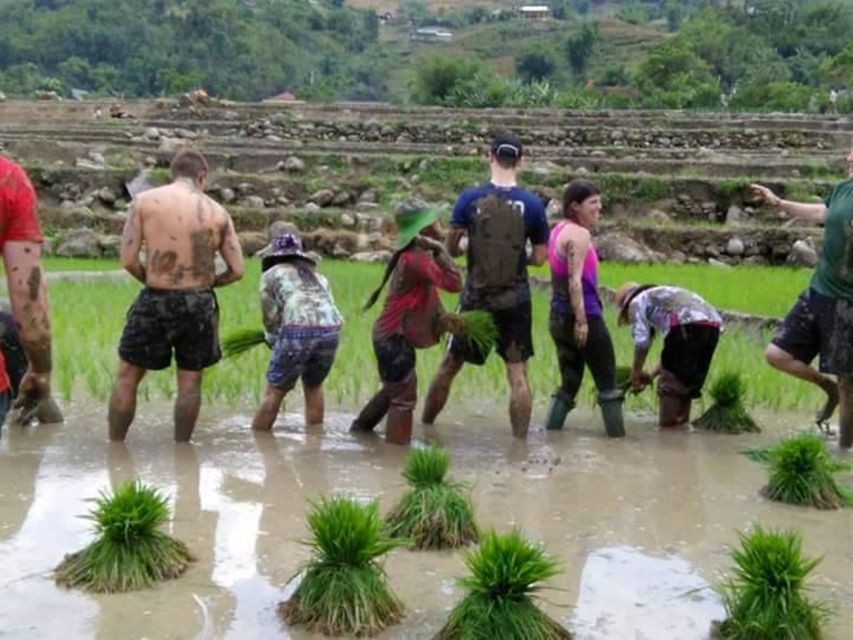
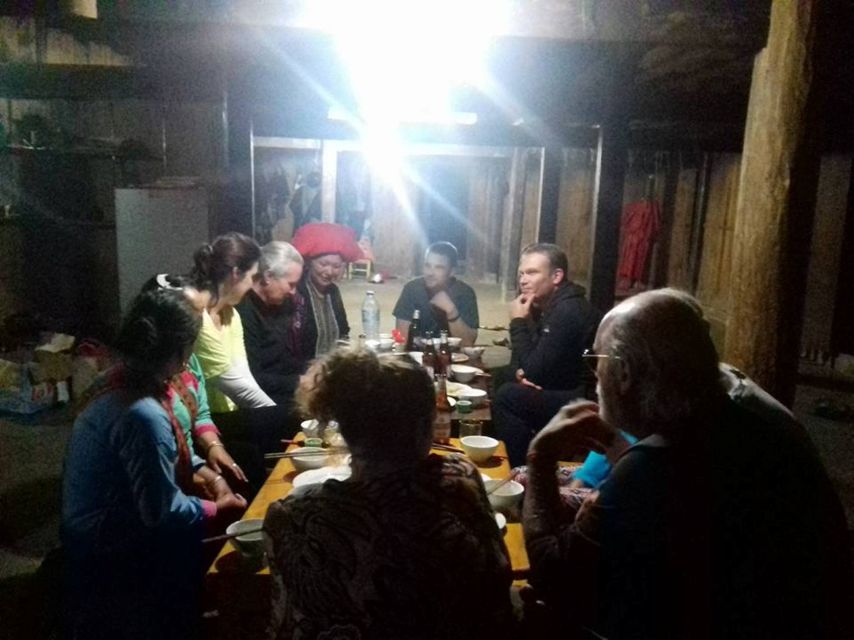
The overnight is in a homestay with the Dzay ethnic minority community. That is the heart of the trip, because you shift from observing to experiencing. Your host provides a warm village-style dinner, and the evening is built around shared family time, food, and conversation.
Meals are a big part of why people rate this trip so highly. You get a hosted dinner, and then breakfast is included at the homestay before you head out on Day 2. Lunch is included twice during the two days as well, in local restaurants. In other words, you are not spending your time hunting for food or negotiating where to eat.
Rooms at homestays are typically simple. You might get practical comforts, but do not assume hotel standards. Bring a flexible mindset, and you will probably enjoy the authenticity more. One caution from a previous participant: bedbugs were reported in some beds. That is not something you want to ignore. If you are sensitive to this kind of risk, ask to see the room setup when you arrive, and use the bedding calmly and carefully. You can also bring your own travel liner for peace of mind.
Also, know that evenings can feel quiet and low-key. If you expect nightlife or packed entertainment, you may find yourself just chatting, resting, and letting the day catch up with you. That is not a flaw. It is part of why the homestay works. You get a slower, more grounded ending to a trek day.
Sleep in a village, walk between them
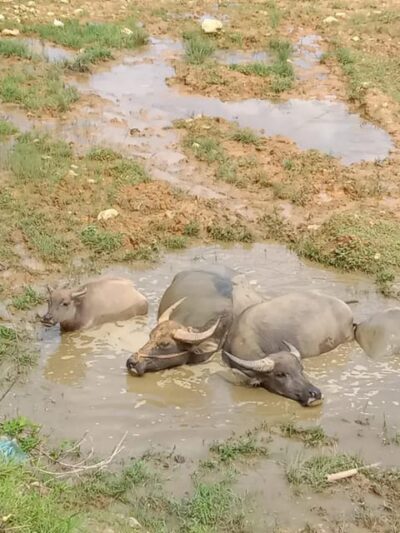
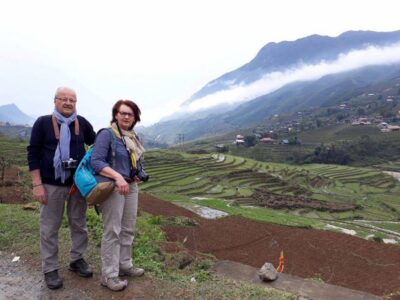
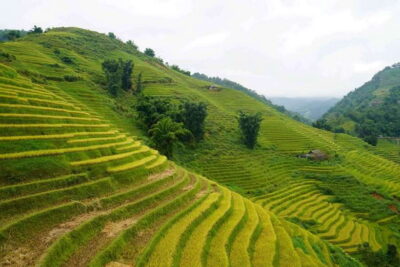
Day 2: Ta Van to bamboo forest and Giang Ta Chai, then a waterfall break and river swim
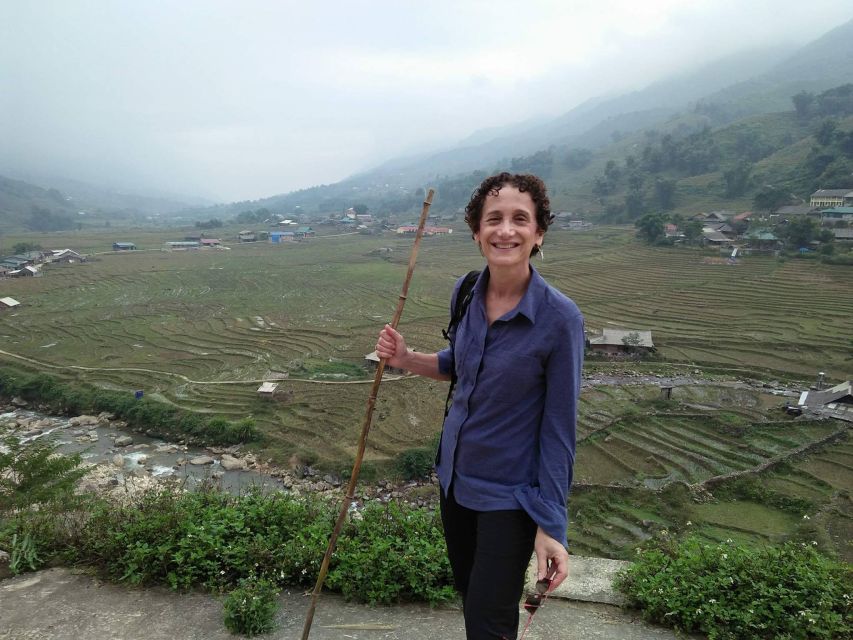
Day 2 begins after breakfast at the homestay. Then the trekking continues with an 8-kilometer route along a dirt trail. The day starts with less of the steep transition feeling and more of a winding valley rhythm.
You pass a small H’mong village before reaching a bamboo forest. This is one of those route sections that feels like a visual reward. Bamboo changes the light and the sound, and you get that rare moment where the trail feels cool and shady compared with open rice fields.
There is also a waterfall stop. You get a break to cool off, and then there is the option to swim in the Muong Hoa River. That is not just a fun add-on. It is a practical reset. Trekking days can make you stiff and sweaty, and a quick dip can make Day 2 feel lighter.
Lunch is included at a local restaurant before your return drive to Sa Pa. The ride back matters because it closes the loop. You arrive back with your legs tired but your brain satisfied, and you can keep your Sa Pa evening flexible instead of rushing to find a meal.
If your plan is to connect to a later bus or train, consider giving yourself a buffer. A past participant noted extra waiting on the last transfer, so timing can be less exact than you might expect.
Guides and small-group energy: when Lan, Khu, Son, and Coo matter
In a trek like this, the guide is not just logistics. Your guide turns random village walking into a meaningful route. The strongest feedback across experiences is about friendly, attentive leadership plus good English, with people praising guides like Lan and Khu by name.
Look for what this accomplishes for you:
- You understand why each village feels different, instead of only taking photos.
- You feel safer on muddy or slippery sections because you get instructions in real time.
- You get group adaptation, so the pace works for the people in your group.
One guide style you will likely experience is active encouragement. On rainy or muddy mornings, your guide can help you make the call to continue, while setting expectations about what the ground will be like. That makes a difference between dread and enjoyment.
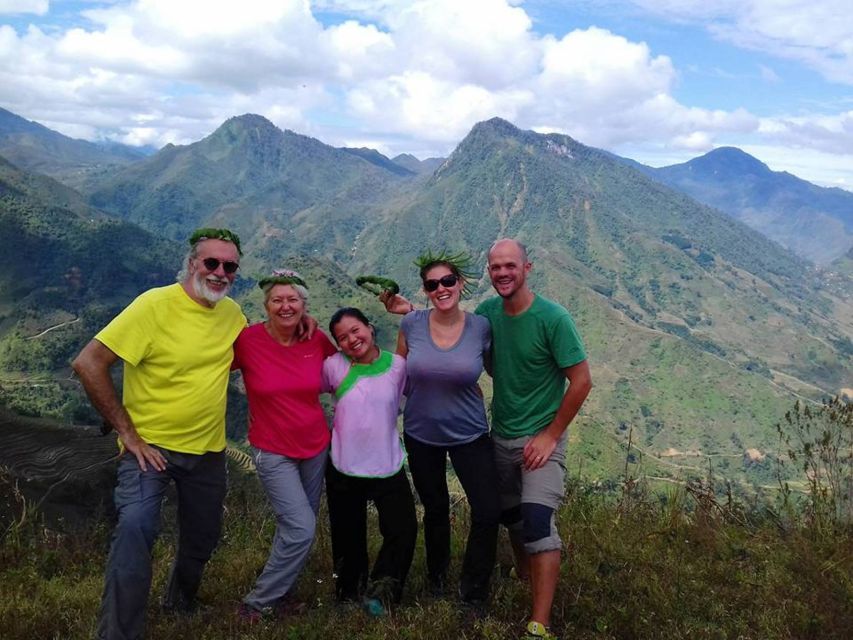
Small-group format also helps you connect. If your group is very small, like around five people, you tend to walk and talk more together. Even with up to 14, it still usually feels human-sized.
What you eat and when it shows up, so you are not caught hungry
This is a well-fed itinerary. You get:
- Two lunches at local restaurants
- One hosted dinner at the Dzay homestay village
- One breakfast at the homestay
- Mineral water during the trek
Drinks beyond that are not included, so plan for that. If you are sensitive to caffeine or you like sparkling water, you will want to grab what you need on your own.
Food quality is consistently praised. People mention that the meals were tasty and that the homestay dinner felt authentic and home-style. For you, the real value is predictability. You always know where the next meal comes from, and that keeps energy steady on trekking days.
Price and value: why $55 can work well if you want more than photos
At $55 per person, this is priced like a cultural trekking experience rather than a fancy lodging upgrade. The price includes an English-speaking guide, entrance tickets to indicated sites, two lunches, the hosted dinner, a homestay breakfast, homestay accommodation, mineral water, and the bus return transfer back to Sa Pa.
So where is the value? You are paying for four things at once:
- A guide who helps you interpret villages
- Meals across both days so you do not lose time or budget
- Overnight accommodation in a Dzay homestay (not just a day stop)
- Transport back to Sa Pa by bus, plus coordinated pickup
If you were to plan this independently, the guide and homestay coordination would likely cost more than the hike portion itself. That is why the total price can feel fair, especially for couples, solo travelers, or anyone who does not want to organize permits, transfers, and meal timing on their own.
One extra cost to note: during Lunar New Year dates (Jan 26 to Feb 2, 2025), there is a $30 per person surcharge due at the meeting point. If you are traveling in that window, check in advance so you are not surprised.
What to pack for Sa Pa in real terms, not just a checklist
Your packing list is simple, and that is good.
Bring:
- Comfortable shoes built for uneven and muddy ground
- Warm clothing, especially from October to March
- Sunglasses
- Sunscreen
- Insect repellent
Also, keep the homestay reality in mind. Even with comfortable bedding, expect basic conditions. A compact travel layer for evenings can help, since mountain nights can feel colder.
If you plan to swim in the Muong Hoa River, toss a lightweight quick-dry layer into your bag. You do not want to be stuck with cold wet clothes after the dip.
Respect and village etiquette, the small choices that make a big difference
This is a cultural homestay trek, which means your behavior matters. The most important rule is straightforward: respect the local culture.
In practice, that means:
- Follow your guide’s advice before you take photos
- Keep your tone calm when people approach about crafts or gifts
- Treat meals and shared spaces as part of the experience, not just something to get through
If you want to support artisans, buy only what you genuinely like. If you do not, a polite decline and moving on tends to keep things smooth for everyone.
Who should book this and who should skip
This trek fits people who like moderate hiking, enjoy village culture, and want the homestay experience. You should also like being outdoors with changing weather, because Sa Pa can throw rain at you.
It is not suitable for:
- Disabled people and children under 6
- Pregnant women
- People with back problems
- People with mobility impairments
If you have a serious injury or limited ability to handle uneven ground, pick a different Sa Pa activity with less walking. You will enjoy your trip more, and your group will too.
Should you book the Sa Pa 2-Day Dzay homestay trek
Yes, you should book it if you want a two-day plan that mixes real valley views with actual village life, not just a walk with stops. The value is strong when you consider that meals, accommodation, guiding, and transport are bundled together.
Book with confidence if:
- You have solid shoes and you can handle mud
- You want to learn about ethnic minority communities from your guide
- You like the idea of spending an evening in a Dzay homestay, not a standard hotel
Think twice if:
- You hate slippery terrain or you are very risk-averse with rain
- You need hotel-grade bedding and amenities
- Your health or mobility limits you from hikes on uneven dirt paths
One more practical note. If your plans are flexible, you can usually cancel up to 24 hours in advance for a full refund, and the reserve now pay later approach can reduce stress if you are still finalizing your Sa Pa schedule.
If you match the hiking level and you want something authentic, this is one of the better ways to experience the Muong Hoa Valley in a short time.
Walk, Then Stay
- Sa Pa: Muong Hoa Valley Trek and Local Ethnic Villages★ 4.6 · 864 reviews
- Sapa: Eco Adventure Terrace Fields and Local Villages Trek★ 4.9 · 636 reviews
- From Sapa: 1-Day Guided Trek to Lao Chai & Ta Van with Lunch★ 4.9 · 416 reviews
- Sapa 1 Day Long Trek: Trek to Hau Thao and Sa Seng Villages★ 4.6 · 344 reviews
- EXPLORE SAPA: 2D1N TREKKING & HMONG CULTURE WITH DINH★ 4.9 · 191 reviews
Sapa on Foot
- Sa Pa: Muong Hoa Valley Trek and Local Ethnic Villages★ 4.6 · 864 reviews
- Sapa: Eco Adventure Terrace Fields and Local Villages Trek★ 4.9 · 636 reviews
- From Sapa: 1-Day Guided Trek to Lao Chai & Ta Van with Lunch★ 4.9 · 416 reviews
- Sapa 1 Day Long Trek: Trek to Hau Thao and Sa Seng Villages★ 4.6 · 344 reviews
- Sapa: Fansipan Cable, Cat Cat Village, Moana Instagram Tour★ 4.8 · 294 reviews
Other Sa Pa tours our reviewers keep coming back to
- Hanoi: Sapa Trekking 2 Days 1 Night – Sleeper Bus from Hanoi
★ 4.6 · 18 reviews - AUTHENIC 2D1N Trek & Bungalow Retreat with Dinh Hmong Family
★ 5.0 · 19 reviews - Sapa: Ta Phin Village Trek & Red Dao Herbal Bath
★ 5.0 · 22 reviews - Sapa: Cat Cat Village, Moana, Alpine Coaster, Fansipan Cable
★ 4.7 · 22 reviews - From Hanoi: Explore Sapa 2-Day Tour
★ 4.3 · 22 reviews - Alpine Coaster Ban Mong Experience in Sapa – Vietnam
★ 4.3 · 22 reviews
Sapa Trekking and Fansipan, compared.
 ★ 5.0Sapa 2 Days 1 Night From Hanoi – Overnight in Ta Van VillageFrom $592,669 reviews
 ★ 5.0Hanoi – Sapa 2 Days 1 Night Overnight At HomestayFrom $89899 reviews
 ★ 4.6Sa Pa: Muong Hoa Valley Trek and Local Ethnic VillagesFrom $23864 reviews
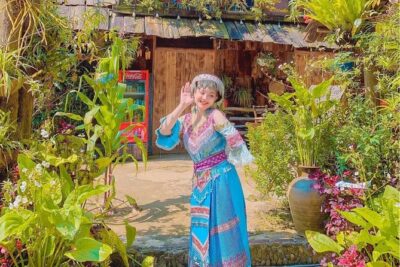 ★ 5.0Sapa: Fansipan Cable, Cat Cat Village & Moana Instagram TourFrom $30777 reviews
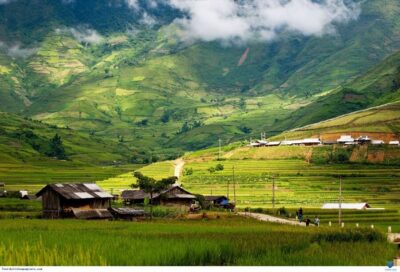 ★ 4.8From Hanoi: 2-Day Sapa Trekking Trip with Homestay & MealsFrom $71704 reviews
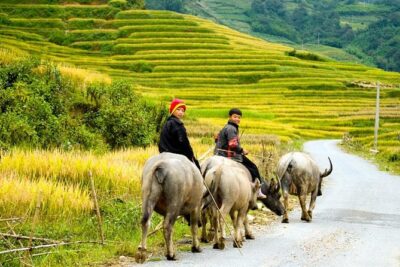 ★ 5.0Sapa 3 Days 2 Nights Trekking Tour (1 Night In Ta Van Village, 1 Night In Hotel)From $139699 reviews
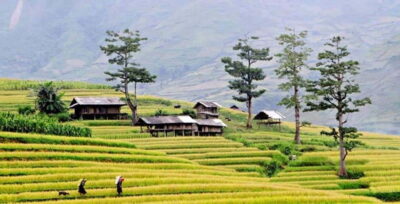 ★ 4.9Sapa: Eco Adventure Terrace Fields and Local Villages TrekFrom $27636 reviews
 ★ 5.03-Day Trekking Adventure of Sapa from Hanoi – Stay Ta Van VillageFrom $109611 reviews
Also in these Vietnam lists