
REVIEW · SAPA TREKKING AND FANSIPAN
EXPLORE SAPA: 2D1N TREKKING & HMONG CULTURE WITH DINH
One trek, and suddenly Sapa feels real. This 2-day walk with Dinh in Ta Van is all about rice terraces and Hmong culture, with an overnight homestay you actually feel part of. You get village-to-village time, home-cooked meals, and stories you do not hear on the standard bus stops.
I especially like the way Dinh connects the views to daily life, not just scenery photos. And the itinerary gives you both the hard stuff (steps, uneven paths) and the fun stuff (a cooking moment with the family and a welcome dance).
One consideration: it is a group trek over about 18 km total, with some steep, uneven terrain. If the weather turns rainy, you will likely deal with mud and slippery ground, so good shoes really matter.
In This Review
- Key points worth knowing before you go
- Meet Dinh, then meet Sapa for real
- Day 1: Sapa to Y Linh Ho, Lao Chai, and Ta Van (about 9 to 11 km)
- Y Linh Ho village stop
- Lunch at a family-run Hmong restaurant
- Lao Chai and Ta Van: villages with different rhythms
- Ta Van homestay night: dinner class, warm welcome, and a hot shower
- Homestay options: private room or mountain-view bungalow
- Informal cooking class and Hmong-style dinner
- Happy Water social time
- Day 2: bamboo forest paths, Giang Ta Chai waterfall, Red Dao area, back to Sapa
- Bamboo forest walking and terraced rice fields
- Giang Ta Chai waterfalls and a possible swim
- Entering the Red Dao ethnic area
- Food, pace, and the small choices that matter
- What the meals feel like
- Pacing: how the trek stays doable
- Price and value: why $43 can actually be a good deal
- What to pack (and what to do with your big bags)
- How to handle your bags
- Who should book this 2D1N trek with Dinh
- Should you book this Sapa 2D1N trek?
- FAQ
- What time does the tour start and where do we meet?
- How far do you trek each day?
- What meals are included?
- Is homestay accommodation private?
- Is the tour suitable for beginners?
- What is the tour language?
Key points worth knowing before you go
- Dinh-based experience in Ta Van, focused on real village life rather than quick photo stops
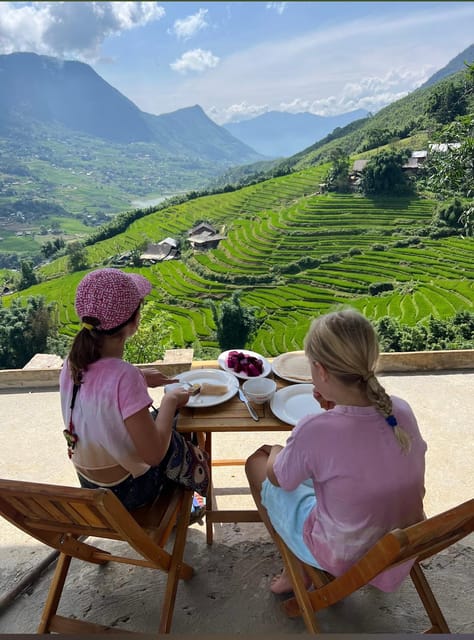
- Rice terraces plus bamboo forest walking, including time near the Giang Ta Chai waterfalls
- Overnight homestay options (private room or bungalow, mountain-view possible) with hot shower time
- A full food schedule, including lunches and a Hmong-style dinner you help prepare
- Free T-shirt at the end, plus bottled drinks during the hike are not included
- Moderate fitness, roughly 2 days of trekking around 18 km, with some muddy parts possible
Other Sapa walks, from gentle to genuinely hard
- Sa Pa: Muong Hoa Valley Trek and Local Ethnic Villages★ 4.6 · 864 reviews
- Sapa: Eco Adventure Terrace Fields and Local Villages Trek★ 4.9 · 636 reviews
- From Sapa: 1-Day Guided Trek to Lao Chai & Ta Van with Lunch★ 4.9 · 416 reviews
- Sapa 1 Day Long Trek: Trek to Hau Thao and Sa Seng Villages★ 4.6 · 344 reviews
Meet Dinh, then meet Sapa for real
Sapa can feel overbuilt from the main roads. This experience pulls you away from the easy route and into a living patchwork of rice fields, hillsides, and ethnic minority villages.
Dinh lives in Ta Van, and that matters. You are not just passing through. You start the day with a local guide connection, you eat lunch at a small family restaurant, and you finish the first day at her home where the evening turns social and hands-on. In the daytime, Dinh shares culture and differences between the Giay and Hmong groups (and the wider mix in the area). At night, the focus shifts to family rhythm, food, and community.
Also, you might not realize how much the small details change the whole trip until you experience them here: hot shower after trekking, time to rest before dinner, and a relaxed evening that feels like you are visiting a household, not moving from checkpoint to checkpoint.
Day 1: Sapa to Y Linh Ho, Lao Chai, and Ta Van (about 9 to 11 km)
Your day starts at 9:00 AM, meeting your group guide at your Sapa Town hotel or in front of the local main church. From there, you leave the town bustle and head downhill on trails that open into rural Sapa.
Y Linh Ho village stop
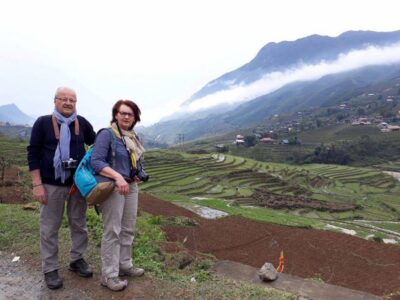
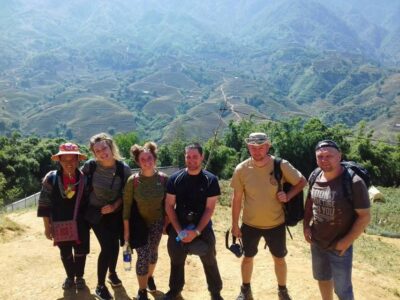
First up is Y Linh Ho village. This is where the pace starts to feel different. You are trekking through working countryside where fields, paths, and small settlements sit in the same frame. The terrain is uneven enough to keep you awake, but it is not an all-out climbing expedition. It is a steady “walk and look” day.
Along the way, you also get that first dose of cultural context. Dinh talks through what you are seeing, and you start to notice how clothing, farming rhythms, and valley layout all tie together.
Lunch at a family-run Hmong restaurant
Midday is lunch at a small traditional restaurant run by a Hmong family. This is not just a break. It is a chance to eat simply and locally, in the same way hikers rely on when they are out here. You will typically feel the meal power almost instantly, because afternoon trekking in the hills demands real fuel.
One practical note: you will be walking a while after lunch, so plan to use the break properly. Eat, drink, then reset your water plans for the next stretch.
Sleep in a village, walk between them
Lao Chai and Ta Van: villages with different rhythms
After lunch, you continue toward Lao Chai, described as one of the oldest and largest Hmong villages in the area. The trail gradually brings you into a wider patchwork of farms and homes, and you get more chances to see daily life in motion. Depending on the season, you might catch locals planting or harvesting rice, which makes the fields feel less like a backdrop and more like a calendar.
Then you move on to Ta Van, home to Giay and Hmong ethnic minorities. This is where the “home base” portion starts. The homestay stay is not a concept here, it is the actual overnight plan.
The full Day 1 distance is about 9 to 11 km and takes around 5.5 hours at a comfortable group pace.
Ta Van homestay night: dinner class, warm welcome, and a hot shower
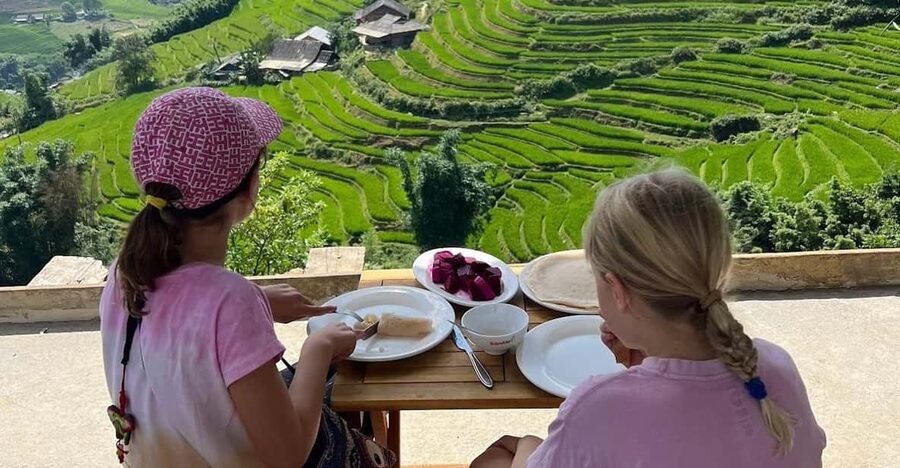
Reaching the homestay in Ta Van is a big payoff moment. After arrival, you get time to rest, take a hot shower, and settle in before evening activities.
Homestay options: private room or mountain-view bungalow
Accommodation is simple, authentic, and cozy, with options like:
- a private room
- a bungalow, including a mountain-view option that can give you strong rice-terrace sight lines
So yes, you can trade the camping vibe for real sleep. Still, do not expect hotel-level styling. This is about being part of a family home.
Informal cooking class and Hmong-style dinner
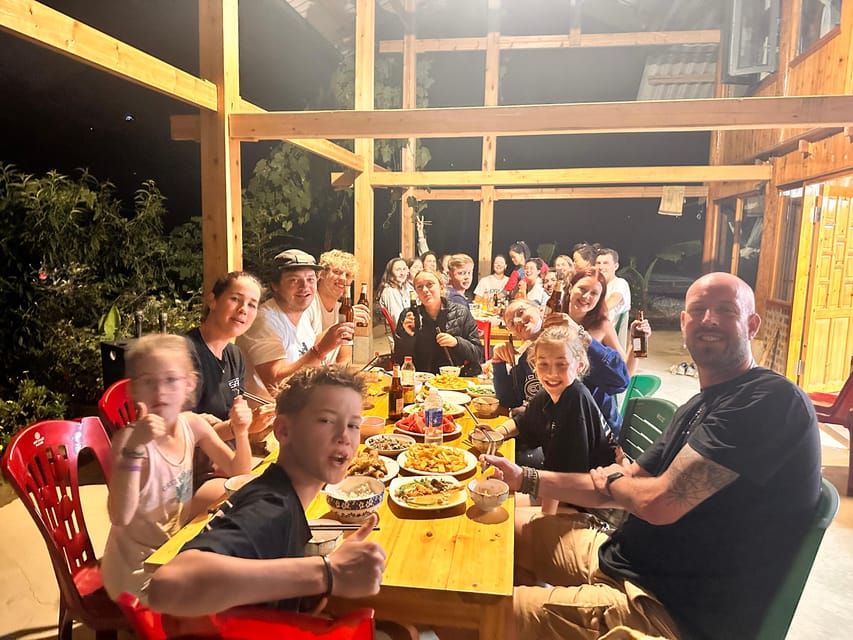
In the evening, you can join an informal cooking class with Dinh’s family to prepare the traditional dinner. This is one of the most valuable parts of the experience because you learn through doing. You also get a sense of what ingredients and flavors matter locally, not just what tourists typically order.
During dinner, Dinh shares her story about supporting 10 local children’s education. One of the evening highlights is a welcome dance performed by her students. If you are traveling with kids, or you just enjoy seeing community moments up close, this is the kind of stop that lands.
Happy Water social time
You may also get to play drinking games with Happy Water, a local rice wine. It is optional, and you should treat it like what it is: community culture, not a party gimmick. If you prefer not to drink, you can still join the social energy.
A final plus: plenty of food. In the reviews data you provided, guests consistently describe the meals as generous, and some mention vegetarian options available too.
Day 2: bamboo forest paths, Giang Ta Chai waterfall, Red Dao area, back to Sapa
Day 2 starts at the homestay with a cup of hot coffee or tea, then breakfast, then trekking again.
The Day 2 route covers about 7 to 8 km and usually takes around 4 hours, ending in Sapa between 2:00 and 3:30 PM. If your group is larger, you might finish closer to later in the afternoon, so if you have a tight bus or train, keep a buffer.
Bamboo forest walking and terraced rice fields
You trek through bamboo forests and terraced rice fields. This is where the day feels physically lighter than Day 1, even though your feet are still doing real work. The bamboo shade can be a relief on warmer days, and the terraces keep your brain engaged because you are constantly adjusting your viewing angle as the valley shape changes.
Giang Ta Chai waterfalls and a possible swim
The route leads to the Giang Ta Chai waterfalls. You can swim in the cool water if you want. I like this sort of optional activity because it gives you control: you can pause for photos and rest, or you can cool off and treat the day like an outdoor playground.
Just use common sense. Waterfalls areas can be slippery, and you still have a walk after, so keep your feet safe.
Entering the Red Dao ethnic area
After the waterfall area, you enter the Red Dao ethnic area before heading back toward the main road. This part keeps the cultural element present without turning the day into a lecture. You are moving through real pockets of community, and Dinh shares context as you go.
Lunch is served before you taxi back to Sapa. This keeps the last stretch manageable and means you do not arrive back hungry and grumpy.
Food, pace, and the small choices that matter
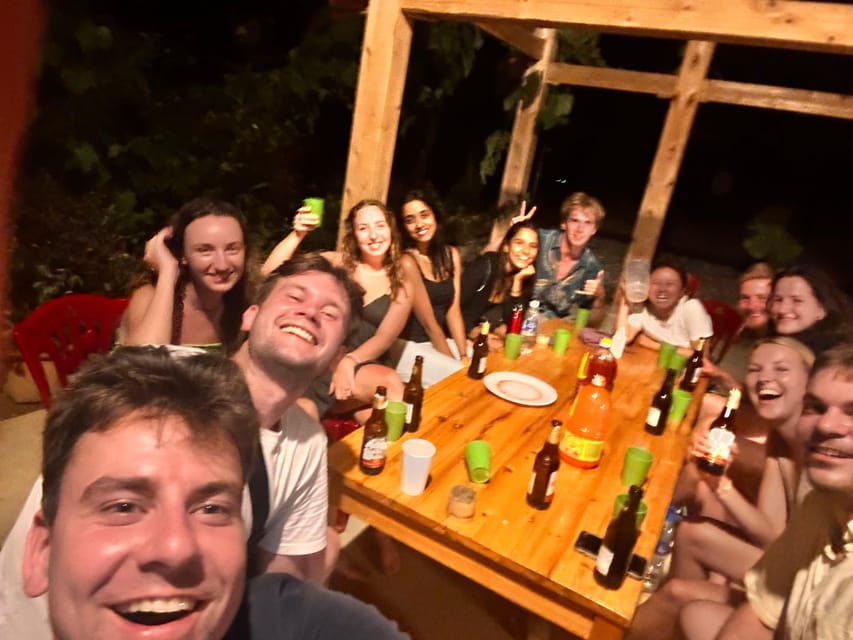
This trip includes two lunches, one dinner, and one breakfast, plus your first big drink allocation during the hike: one big water per person per day.
In practice, that means your day feels organized:
- You are not guessing where the next meal is coming from.
- You can pack less stress into your head and more attention into the trail.
- You can eat locally without hunting.
What the meals feel like
Food is described as delicious and made with fresh ingredients. In the reviews data you shared, guests mention standout simplicity, like spring rolls, and they note there are vegetarian options available.
If you have dietary needs, tell the organizer before you go. With a homestay setup, communication helps them plan.
Pacing: how the trek stays doable
The stated fitness level is moderate, with steep and uneven terrain. You cover about 18 km over 2 days total. That sounds like a lot until you remember it is spread across different trail sections and paired with meals and rest time.
Also, this is a guided group walk. Dinh and family adjust on the fly based on group energy, rain conditions, and trail state. One review note included options for easier or more difficult routes, and another mentioned stronger attention to safety when the ground turned muddy after rain. Translation: you should expect real-world trail management.
Price and value: why $43 can actually be a good deal
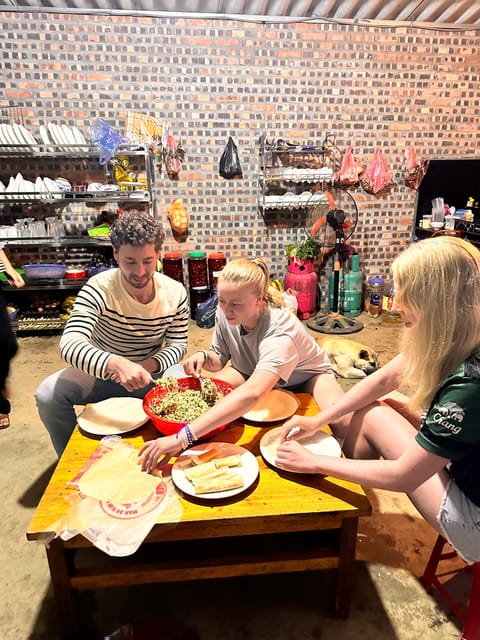
At $43 per person, this tour is priced like a budget trek, but the value comes from what is included.
For your money, you get:
- a local guide for 2 days
- village entry fees for 4 villages
- 1-night homestay
- 3 meals plus the extra lunch breaks (two lunches, one dinner, one breakfast)
- transportation back to Sapa
- a free T-shirt at the end
- and at least a daily allocation of water
What you do not get is also important: you bring personal insurance, and extra drinks during hiking are not included.
So the $43 works best if you want the whole package. If you were planning to book a guide, pay entry fees, arrange homestay, and find your own return transport, this number starts to make sense fast. It is not just “cheap.” It is “all-in.”
What to pack (and what to do with your big bags)
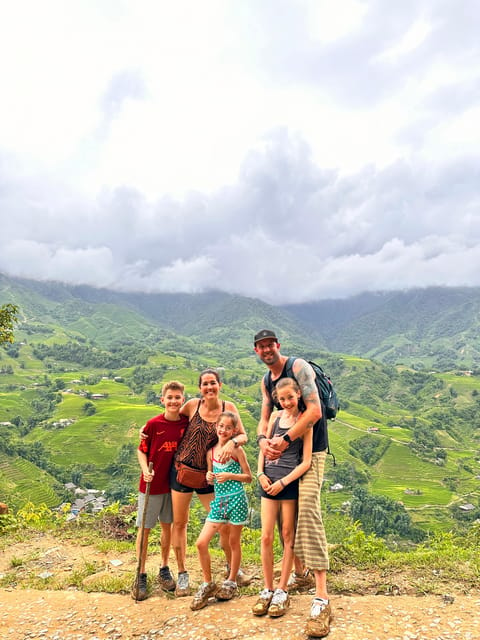
This trek is short enough to be light, but it is still serious enough to punish wrong shoes.
Bring:
- comfortable shoes and hiking shoes (the kind that grip)
- a sun hat
- water
- biodegradable sunscreen
- daypack
- cash
- and climbing gear if you have it, since it is listed as recommended
If you think about mud early, you will be happier. This area can get soggy after rain, and parts may turn into slick, muddy sections. Plan for that. Keep spare socks if you can.
How to handle your bags
Here is a smart logistics trick you should use if you have big luggage:
- Ask your hostel if you can leave your big bags there and carry only essentials.
- If you cannot leave them, the tour can help transport them to Dinh’s house so you do not haul heavy items during the hike.
That means you walk with less weight and arrive at the homestay with your things already waiting.
Who should book this 2D1N trek with Dinh
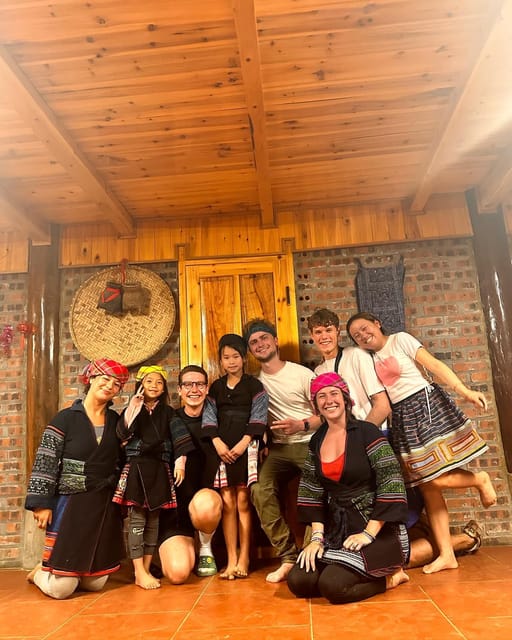
Book this if you want:
- culture plus walking, not one or the other
- a real homestay setting in Ta Van, with time to connect as a family visit
- food included, including a dinner cooking moment
- views that come from rice terraces and valley trails, not just viewpoints
It is also a decent fit for travelers who like a guided pace and feel better when safety and timing are handled.
You should think twice if:
- you hate uneven ground
- you have very limited mobility (the trek includes steep parts and uneven terrain)
- you prefer totally independent travel with no group dynamic
- you fall outside the stated suitability, especially for people over 95 years old
Should you book this Sapa 2D1N trek?
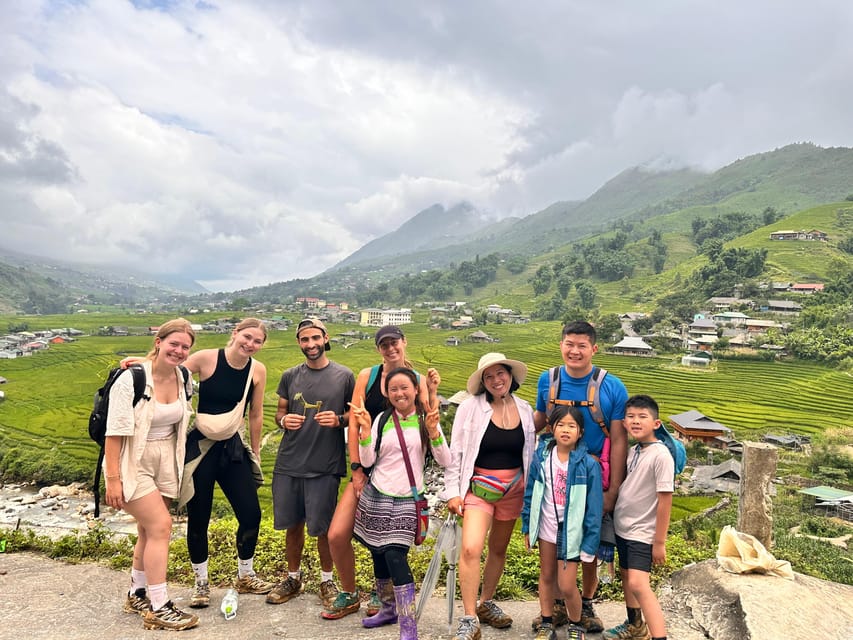
Yes, if you want Sapa that feels lived-in. The reason to pick Dinh is simple: the trek connects the scenery to people, and it does it through meals, conversation, and a homestay that is actually in Ta Van, not a staged stop.
To make the decision easier, ask yourself two questions. First, are you okay with a moderate trek over about 18 km, with possible mud? If yes, you will likely love it. Second, do you want more than photos, with a dinner and cultural exchange that takes time? If yes again, this is a strong match.
If you want, tell me your travel dates and fitness level, and I will suggest what to prioritize day-by-day and how to plan your footwear and timing for the best experience.
FAQ
What time does the tour start and where do we meet?
The tour starts at 9:00 AM. You meet Dinh at your hotel in Sapa Town or in front of the local main church.
How far do you trek each day?
Day 1 is about 9 to 11 km and takes around 5.5 hours. Day 2 is about 7 to 8 km and takes around 4 hours.
What meals are included?
You get two lunches, one dinner, and one breakfast, all included in the tour price. Water for hiking is also included (one big water per person per day).
Is homestay accommodation private?
Yes. The homestay is simple and authentic, and you can choose a private room or a bungalow with a mountain-view option. You should share your preference when booking.
Is the tour suitable for beginners?
Fitness level is listed as moderate. The trek includes steep and uneven terrain, so comfortable hiking shoes and a steady walking pace matter.
What is the tour language?
The tour is offered in English and Vietnamese.
Walk, Then Stay
- Sa Pa: Muong Hoa Valley Trek and Local Ethnic Villages★ 4.6 · 864 reviews
- Sapa: Eco Adventure Terrace Fields and Local Villages Trek★ 4.9 · 636 reviews
- From Sapa: 1-Day Guided Trek to Lao Chai & Ta Van with Lunch★ 4.9 · 416 reviews
- Sapa 1 Day Long Trek: Trek to Hau Thao and Sa Seng Villages★ 4.6 · 344 reviews
- Sa Pa: 6-Hours Muong Hoa Valley Trek with Local Ethnic guide★ 4.5 · 178 reviews
Sapa on Foot
- Sa Pa: Muong Hoa Valley Trek and Local Ethnic Villages★ 4.6 · 864 reviews
- Sapa: Eco Adventure Terrace Fields and Local Villages Trek★ 4.9 · 636 reviews
- From Sapa: 1-Day Guided Trek to Lao Chai & Ta Van with Lunch★ 4.9 · 416 reviews
- Sapa 1 Day Long Trek: Trek to Hau Thao and Sa Seng Villages★ 4.6 · 344 reviews
- Sapa: Fansipan Cable, Cat Cat Village, Moana Instagram Tour★ 4.8 · 294 reviews
Other Sa Pa tours our reviewers keep coming back to
- Hanoi: Sapa Trekking 2 Days 1 Night – Sleeper Bus from Hanoi
★ 4.6 · 18 reviews - AUTHENIC 2D1N Trek & Bungalow Retreat with Dinh Hmong Family
★ 5.0 · 19 reviews - Sapa: Ta Phin Village Trek & Red Dao Herbal Bath
★ 5.0 · 22 reviews - Sapa: Cat Cat Village, Moana, Alpine Coaster, Fansipan Cable
★ 4.7 · 22 reviews - From Hanoi: Explore Sapa 2-Day Tour
★ 4.3 · 22 reviews - Alpine Coaster Ban Mong Experience in Sapa – Vietnam
★ 4.3 · 22 reviews
Sapa Trekking and Fansipan, compared.
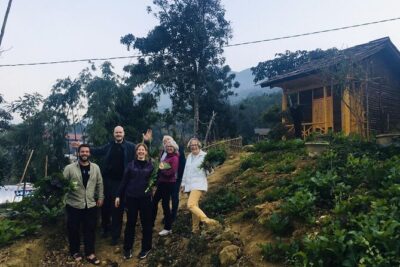 ★ 5.0Sapa 2 Days 1 Night From Hanoi – Overnight in Ta Van VillageFrom $592,669 reviews
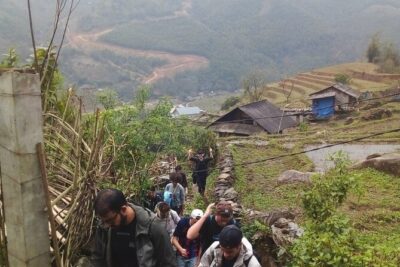 ★ 5.0Hanoi – Sapa 2 Days 1 Night Overnight At HomestayFrom $89899 reviews
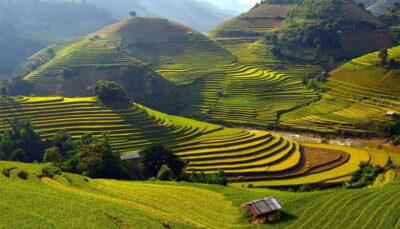 ★ 4.6Sa Pa: Muong Hoa Valley Trek and Local Ethnic VillagesFrom $23864 reviews
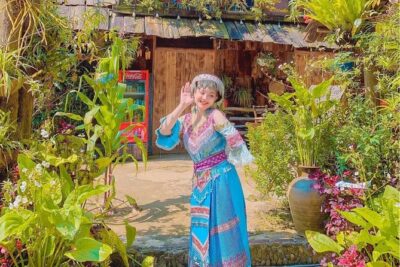 ★ 5.0Sapa: Fansipan Cable, Cat Cat Village & Moana Instagram TourFrom $30777 reviews
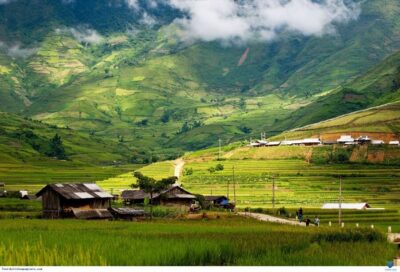 ★ 4.8From Hanoi: 2-Day Sapa Trekking Trip with Homestay & MealsFrom $71704 reviews
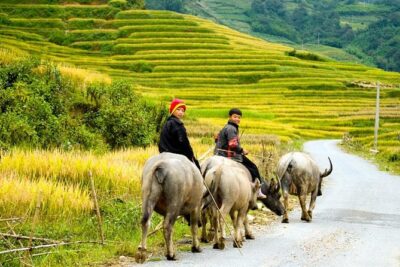 ★ 5.0Sapa 3 Days 2 Nights Trekking Tour (1 Night In Ta Van Village, 1 Night In Hotel)From $139699 reviews
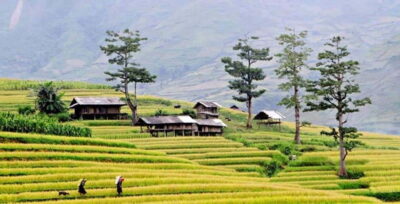 ★ 4.9Sapa: Eco Adventure Terrace Fields and Local Villages TrekFrom $27636 reviews
 ★ 5.03-Day Trekking Adventure of Sapa from Hanoi – Stay Ta Van VillageFrom $109611 reviews
Also in these Vietnam lists