
REVIEW · SAPA TREKKING AND FANSIPAN
Sa Pa: 6-Hours Muong Hoa Valley Trek with Local Ethnic guide
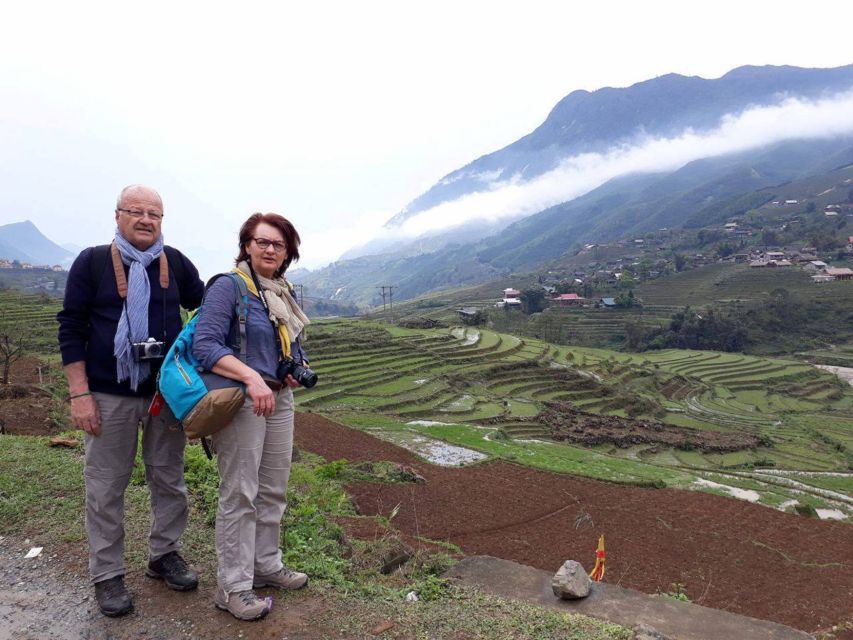
One good way to earn your photos in Sapa. You’ll walk the Muong Hoa Valley with an English speaking guide, stop in Black Hmong villages, and get classic terraced-rice views without needing a full day. What I like most is how the walk mixes scenery with real village moments, and how you get hands-on craft time like indigo dyeing, batik, and hemp weaving.
One thing to keep in mind: this is a 10-kilometer trek with slippery sections, steep patches, and wet-weather risk. If you are not comfortable with muddy footing, or you travel in cooler rainy months, you will want to take that seriously.
In This Review
- Key highlights worth your attention
- Muong Hoa Valley in 6 Hours for $18: what value looks like
- From Sapa to Y Linh Ho: meeting Black Hmong life early
- Lao Chai rice terraces: the views plus the craft lessons
- Lunch at the local restaurant: eat, rest, and handle the selling pressure
- Ta Van village homes: weaving and rice cultivation up close
- Dzay tribe encounters: real contrasts in customs and costume
- The real trek: slippery rice paths, steep bits, and local helpers
- What to pack for Sapa mud and October to March chill
- English guides, local expertise, and why small groups matter
- Who should book this, and who should choose an easier day
- Should you book the 6-Hour Muong Hoa Valley trek?
- FAQ
- How long is the Muong Hoa Valley trek?
- What is the price per person?
- What is included in the tour price?
- Is lunch included?
- What village stops are visited during the trek?
- What is the maximum group size?
- Is hotel pickup included, and where does it operate?
- Is this trek suitable for children?
- Are pets allowed?
- Is there a Lunar New Year surcharge?
Key highlights worth your attention
- Small group, up to 11 people, so you do not get lost in the shuffle
- Black Hmong start in Y Linh Ho, with an early look at village life
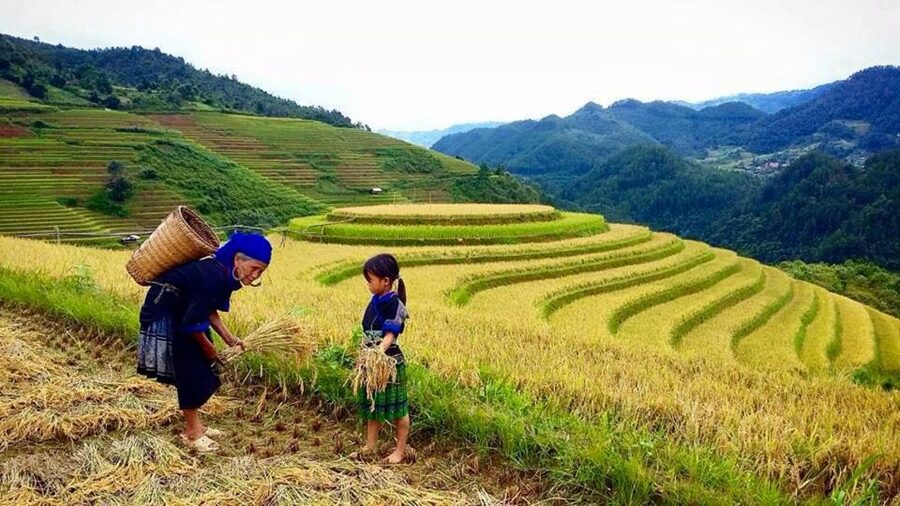
- Lao Chai rice terraces for the big panoramic valley views
- Craft stops focused on indigo dyeing, batik, and hemp weaving
- Ta Van home visits where you can see traditional weaving and rice cultivation
- Guided support on steep and slippery paths, often with help from local women
Other Sapa walks, from gentle to genuinely hard
- Sa Pa: Muong Hoa Valley Trek and Local Ethnic Villages★ 4.6 · 864 reviews
- Sapa: Eco Adventure Terrace Fields and Local Villages Trek★ 4.9 · 636 reviews
- From Sapa: 1-Day Guided Trek to Lao Chai & Ta Van with Lunch★ 4.9 · 416 reviews
- Sapa 1 Day Long Trek: Trek to Hau Thao and Sa Seng Villages★ 4.6 · 344 reviews
Muong Hoa Valley in 6 Hours for $18: what value looks like
At $18 per person for a 6-hour outing, the value comes from what is included, not just the price tag. You get bus transportation, an English-speaking guide, entrance tickets to the included stops, and one 500 ml bottle of water. Then you add the main ingredient: time in the valley walking between villages, with cultural context along the way.
You should also know what is not included. Lunch is at a local restaurant, and you pay your own food costs. Soft drinks are also not included, and you will want a plan for snacks if you know you get hungry on hikes.
The route is not a simple flat stroll. It includes uneven dirt paths and downhill stretches on slopes, and the footing can turn slick quickly after rain. In other words, it is great value, but it is not a casual walk in the park.
From Sapa to Y Linh Ho: meeting Black Hmong life early
Your day starts with a short 20-minute walk along a road that leads into Y Linh Ho village, where you meet the Black Hmong community. The early timing matters. You are not arriving when the day is already packed, so you can get a calmer sense of everyday village rhythm.
In the village center, you have a chance to interact with locals and learn about daily life. I like this part because it feels less like you are watching a show and more like you are being introduced to how people actually live. A good guide will help you ask questions the right way and understand what you are seeing, even when English only goes so far.
Photo etiquette is important here. Do not take pictures of children unless you have permission from their parents. Also skip touching children on the head, even if it seems friendly in your culture.
Lao Chai rice terraces: the views plus the craft lessons
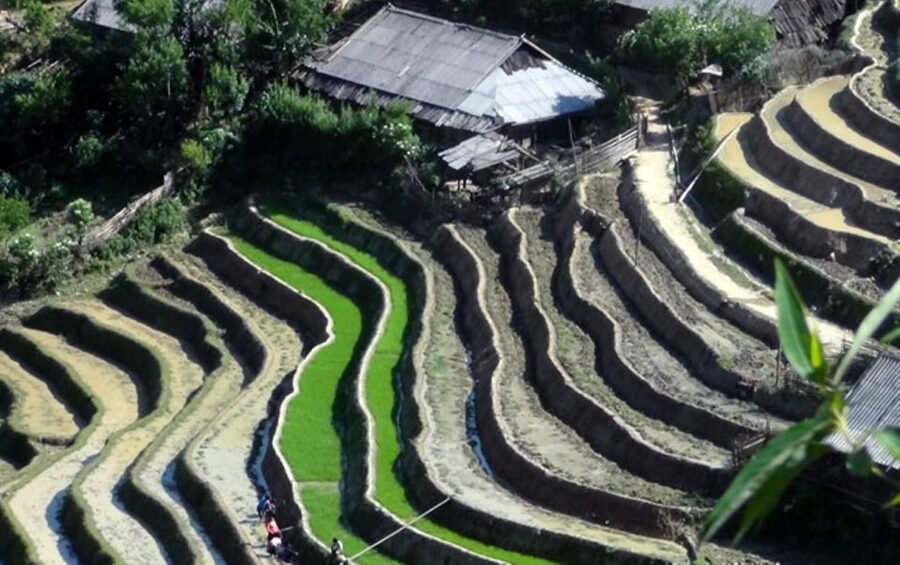
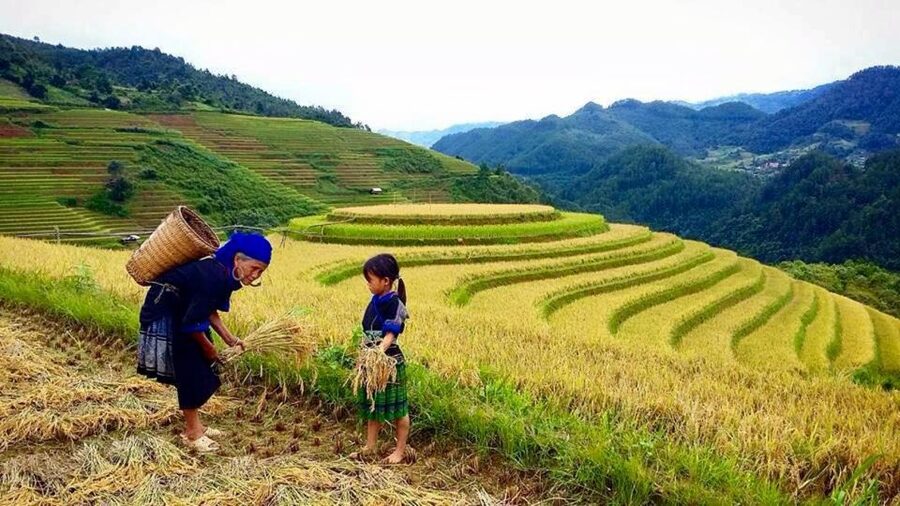
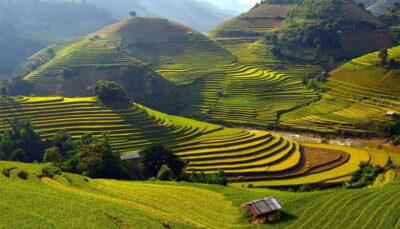
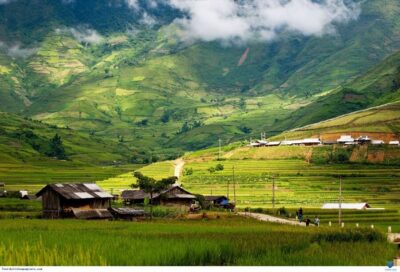
Next you head toward Lao Chai, and this is where the Muong Hoa Valley rice terraces really show off. The scenery opens into wide terraced slopes that stretch across the valley, with plenty of spots for photos and just plain staring. The best trick is to pause when the guide stops to explain something, not just when you see a perfect lookout.
This stop also connects landscape to livelihood. You get a chance to experience traditional crafts of the Hmong people, including indigo dyeing, batik making, and hemp weaving. Even if you do not buy anything, watching how dye and fabric processes work helps you understand why materials and textiles are so central in village life.
One practical note: you will likely see sales conversations around crafts. It is normal, but the key is to keep your pace and your boundaries. If you are curious, ask and browse. If you feel pushed, smile and move on. You can show appreciation with a purchase if you want, but you should never feel cornered into it.
Lunch at the local restaurant: eat, rest, and handle the selling pressure
After the terrace and craft time, you reach a local restaurant for lunch. This is at your own expense, so treat it like a chance to recharge, not a guaranteed gourmet meal. Reviews have ranged from lunch being tasty to lunch feeling bland, so your best move is to focus on eating something filling and not expecting a restaurant-quality menu from a simple village stop.
Also, this is where some visitors notice extra attention from locals. In a few cases, the restaurant environment can feel crowded with women and children who offer handmade items for sale. That does not mean anything is wrong, but it can take energy if you are tired from the walk.
My advice: go in rested, and decide in advance what you want to do.
- If you want souvenirs, browse calmly and compare before buying.
- If you do not, keep it simple, eat, and let the guide know you are stepping away.
Remember, in places like this, helping people through purchases can feel like part of the social exchange. Still, you control your wallet.
Sleep in a village, walk between them

Ta Van village homes: weaving and rice cultivation up close
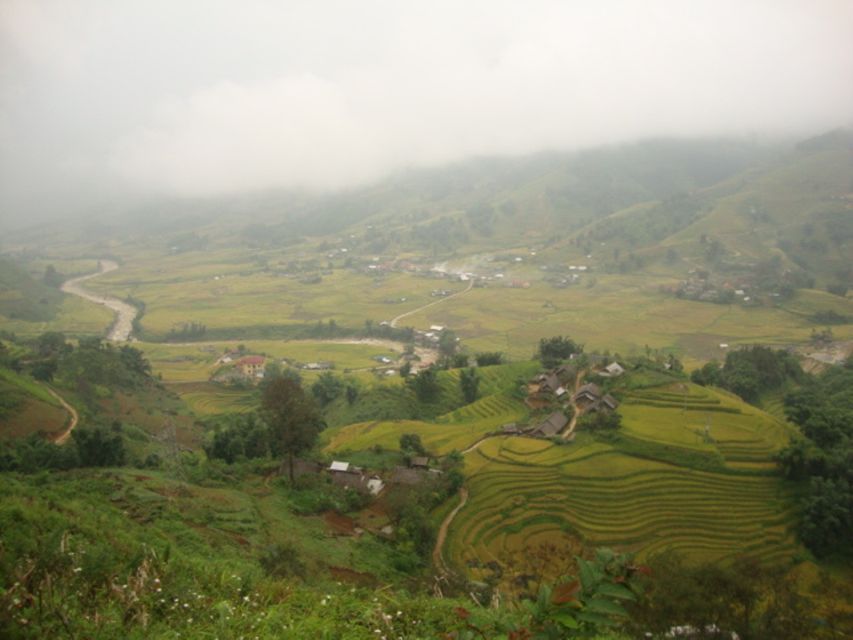
The trek continues to Ta Van village, where you visit traditional local homes. This is a different tone from craft demonstrations. Here you are looking at daily living spaces and learning how skills connect to food production.
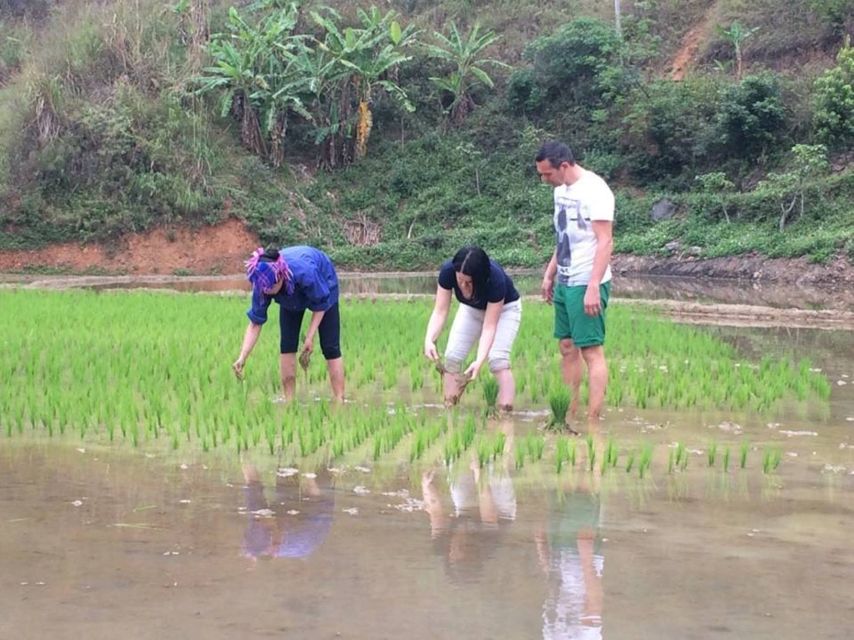
You can learn firsthand about crafts such as weaving, plus how rice cultivation works. Even if you only catch a few key points, the value is in seeing the connections. Rice terraces are not just a pretty view, they are a working system. Textiles are not just souvenirs, they are part of identity and daily labor.
In these village interactions, your guide plays a big role. The better the guide, the more you notice: how people organize their work, how they explain materials, and how they respond to questions. Several guides have been praised for strong English, attentiveness, and keeping the group on pace without rushing the cultural parts.
Dzay tribe encounters: real contrasts in customs and costume
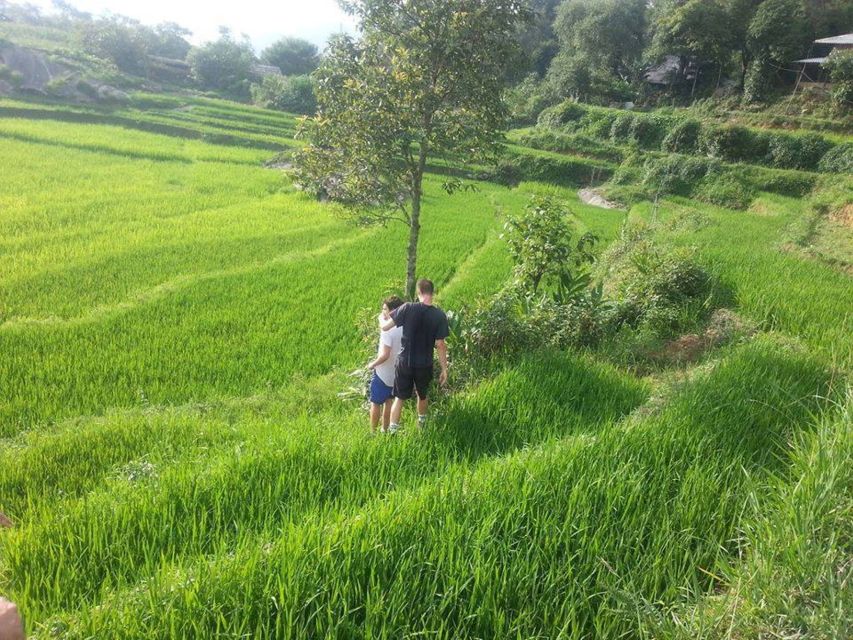
Later in the walk, you meet members of the Dzay tribe, and the contrast is part of what makes the day feel worth it. You will see different customs and clothing, and your guide will help you understand what you are seeing beyond surface-level differences.
I like these comparisons because they keep the tour grounded. You are not just ticking off scenic points. You are learning that northern Vietnam’s rural communities are diverse, even when they share the same mountain landscape.
Like with all village stops, respectful behavior matters. Avoid intrusive photography and keep your distance if people seem busy. Let your guide handle introductions and questions.
The real trek: slippery rice paths, steep bits, and local helpers
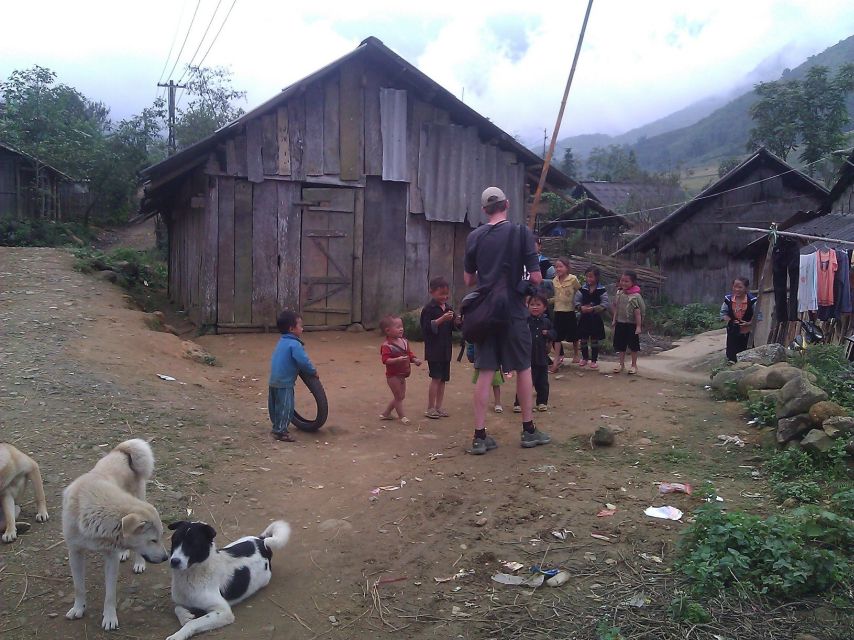
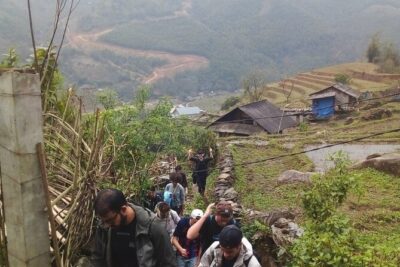
Let’s talk about the walking, because this is where people either love the experience or struggle. This trek is described as 10 kilometers, and the advice for seniors is clear: it may be challenging and can be dangerous in wet weather. That lines up with what you might expect in the valley when rice fields and trails get muddy.
Even when the weather looks fine, you can hit sections that are steep and slick. Heat can also make the steep parts feel harder, especially after you leave shaded sections and hit sun.
One big reason people rate the trek so highly is the help you receive. Guides and local women helpers often assist with difficult descents and muddy sections so you do not end up sliding around. Multiple accounts describe local women catching and guiding people when footing gets risky. So yes, you should bring your own steady legs, but you are not left alone.
Also note the hike is not a loop. Part of the route is downhill on slopes, then you continue on uneven dirt and roads. That is one reason trekking shoes matter so much.
What to pack for Sapa mud and October to March chill
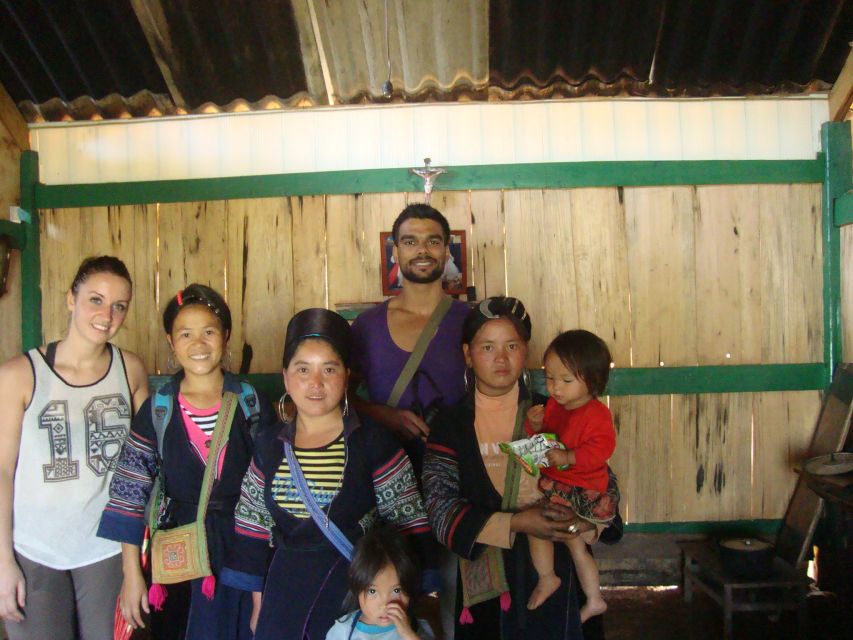
You will feel the weather. Warm clothes are recommended between October and March, and fog can happen in the winter season. So layer up and plan for cooler mornings, even if midday warms slightly.
Pack for traction and comfort:
- Trekking shoes with grip
- Sunglasses
- Sun cream
- Insect repellent
If it has rained recently, expect mud. One very practical tip from experience: plan for the idea that your shoes may end up coated in thick mud, so consider bringing an extra pair if you have the space.
And do not forget the basic group-trail etiquette: stay aware where you step, and listen when the guide points out safer routes. That is not bossy, it is how you avoid slips.
English guides, local expertise, and why small groups matter
This tour runs with a small group limited to 11 participants, and that makes a noticeable difference on a trek like this. With fewer people, your guide can manage pacing, check who needs help, and explain village points without turning everything into a rushed slideshow.
Guide quality comes up again and again. Names that have been highlighted include Sàng, Sang, Sai, Su, Bao, and Dong. People have praised them for strong English, humor, and being attentive. They also help navigate the trickier paths, not just the easy straight bits.
I also like that local women often join to support the group on the hardest portions. That means you see more of the community, and it also means you are more likely to finish safely and in decent spirits.
Who should book this, and who should choose an easier day
This is a good match for you if:
- you enjoy active days and can handle uneven, sometimes slippery terrain
- you want both scenery and culture, not only one or the other
- you like village interactions and you are comfortable with guided context
It is a poor match if:
- you are pregnant
- you have mobility impairments or use a wheelchair (not suitable)
- you are traveling with children under 6
- you are a senior citizen or anyone who prefers very low-risk walking, since the trek is 10 kilometers and wet conditions can make it dangerous
If you fall in the middle, honestly assess your footwear, stamina, and balance. The guide and local helpers are there for support, but the trek itself still has real physical demands.
Should you book the 6-Hour Muong Hoa Valley trek?
If you want an efficient way to see Sapa’s rice terrace drama and village culture in one afternoon, this tour is an easy yes. The price includes more than you might expect for a half-day style experience, and the craft stops and home visits add depth beyond scenery.
But I would book it only if you are comfortable with muddy trails and uneven ground, especially in wet or cool seasons. If you are unsure, choose a gentler option and save your knees for the next day.
Overall, this trek earns its good reputation with a smart mix: valley views, ethnic village encounters, and textile craft experiences, all guided in a way that keeps you moving safely.
FAQ
How long is the Muong Hoa Valley trek?
The tour lasts 6 hours.
What is the price per person?
The price is $18 per person.
What is included in the tour price?
Included are bus transportation, an English-speaking guide, entrance tickets to the indicated sites, and 1 bottle of 500 ml water per person.
Is lunch included?
Lunch is not included. You have the opportunity to eat at a local restaurant at your own expense.
What village stops are visited during the trek?
You visit Y Linh Ho village, then Lao Chai, then Ta Van, and you also meet members of the Dzay tribe.
What is the maximum group size?
The group is limited to 11 participants.
Is hotel pickup included, and where does it operate?
Pickup is available from hotels in Sapa town only. You need to share your hotel name and address so the operator can confirm pickup.
Is this trek suitable for children?
No. It is not suitable for children under 6 years old.
Are pets allowed?
No, pets are not allowed.
Is there a Lunar New Year surcharge?
Yes. A surcharge is listed for Lunar New Year dates in different years. For 14 Feb 2025 to 21 Feb 2025 it is 20 USD per person paid directly on the trip. A surcharge for 9 Feb 2024 to 14 Feb 2024 is also listed as 30 USD per person at the meeting point.
Walk, Then Stay
- Sa Pa: Muong Hoa Valley Trek and Local Ethnic Villages★ 4.6 · 864 reviews
- Sapa: Eco Adventure Terrace Fields and Local Villages Trek★ 4.9 · 636 reviews
- From Sapa: 1-Day Guided Trek to Lao Chai & Ta Van with Lunch★ 4.9 · 416 reviews
- Sapa 1 Day Long Trek: Trek to Hau Thao and Sa Seng Villages★ 4.6 · 344 reviews
- EXPLORE SAPA: 2D1N TREKKING & HMONG CULTURE WITH DINH★ 4.9 · 191 reviews
Sapa on Foot
- Sa Pa: Muong Hoa Valley Trek and Local Ethnic Villages★ 4.6 · 864 reviews
- Sapa: Eco Adventure Terrace Fields and Local Villages Trek★ 4.9 · 636 reviews
- From Sapa: 1-Day Guided Trek to Lao Chai & Ta Van with Lunch★ 4.9 · 416 reviews
- Sapa 1 Day Long Trek: Trek to Hau Thao and Sa Seng Villages★ 4.6 · 344 reviews
- Sapa: Fansipan Cable, Cat Cat Village, Moana Instagram Tour★ 4.8 · 294 reviews
Other Sa Pa tours our reviewers keep coming back to
- Hanoi: Sapa Trekking 2 Days 1 Night – Sleeper Bus from Hanoi
★ 4.6 · 18 reviews - AUTHENIC 2D1N Trek & Bungalow Retreat with Dinh Hmong Family
★ 5.0 · 19 reviews - Sapa: Ta Phin Village Trek & Red Dao Herbal Bath
★ 5.0 · 22 reviews - Sapa: Cat Cat Village, Moana, Alpine Coaster, Fansipan Cable
★ 4.7 · 22 reviews - From Hanoi: Explore Sapa 2-Day Tour
★ 4.3 · 22 reviews - Alpine Coaster Ban Mong Experience in Sapa – Vietnam
★ 4.3 · 22 reviews
Sapa Trekking and Fansipan, compared.
 ★ 5.0Sapa 2 Days 1 Night From Hanoi – Overnight in Ta Van VillageFrom $592,669 reviews
 ★ 5.0Hanoi – Sapa 2 Days 1 Night Overnight At HomestayFrom $89899 reviews
 ★ 4.6Sa Pa: Muong Hoa Valley Trek and Local Ethnic VillagesFrom $23864 reviews
 ★ 5.0Sapa: Fansipan Cable, Cat Cat Village & Moana Instagram TourFrom $30777 reviews
 ★ 4.8From Hanoi: 2-Day Sapa Trekking Trip with Homestay & MealsFrom $71704 reviews
 ★ 5.0Sapa 3 Days 2 Nights Trekking Tour (1 Night In Ta Van Village, 1 Night In Hotel)From $139699 reviews
 ★ 4.9Sapa: Eco Adventure Terrace Fields and Local Villages TrekFrom $27636 reviews
 ★ 5.03-Day Trekking Adventure of Sapa from Hanoi – Stay Ta Van VillageFrom $109611 reviews
Also in these Vietnam lists