
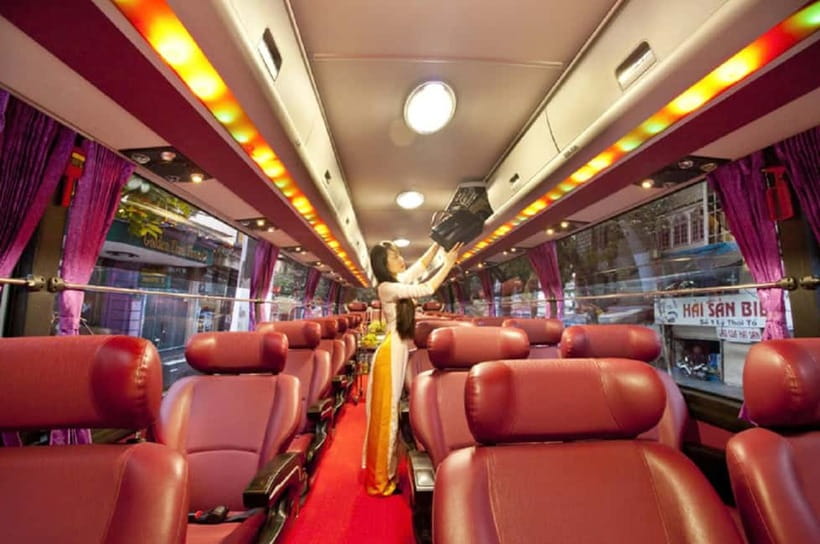
REVIEW · SAPA TREKKING AND FANSIPAN
2-Day Sa Pa Ethnic Homestay Tour & Trek with Limousine Bus
Two days in Sa Pa feels like a week. You get the mountain villages, the rice terraces, and a Ta Van homestay night, all wrapped into a tight schedule from Hanoi with a limousine bus ride.
What I like most is that the trekking is built around real village-to-village paths, not quick photo stops, and that the guide can explain daily life and costumes from the inside. The other big win is the pace: you can do it in 2 days without rushing so hard that you miss the small moments.
One consideration: the homestay setup is basic, and weather can turn trails into slippery mud, so your shoes and attitude matter.
In This Review
- Quick take
- Why this Sa Pa homestay trek is such a good use of 2 days
- Hanoi to Sa Pa by limousine bus: the long ride, made easier
- Day 1: Hanoi to Sa Pa, then Lao Chai and Ta Van by Muong Hoa Stream
- Arriving in Sa Pa and resetting before the hike
- Trek time: rice terraces and Muong Hoa Stream
- Ending at Ta Van: check in, then meet the family
- Homestay night in Ta Van: what you really get (and what to expect)
- Meals: a big part of the value
- Night sounds: the real mountain vibe
- Where you store luggage, so the trek stays light
- Day 2: rice paddies, bamboo forest, Giang Ta Chai views, then the bridge
- Breakfast with the family, then another morning hike
- The Giang Ta Chai Bridge moment
- Lunch, shower, and back to Sa Pa for the return bus
- The guide makes the trip: Hmong English help on a real trail
- Mud, fog, and pushy craft selling: how to stay comfortable
- Trek difficulty: it sounds short, but it’s real work
- Craft sales along the trail: be ready
- Fog affects viewpoints, but not the walking
- Packing list and money rules that save you headaches
- What to bring
- Cash for crafts and small extras
- Luggage and what stays with you
- Who should book this Sa Pa homestay tour, and who should rethink
- Should you book this 2-day Sa Pa homestay trek with limousine bus?
- FAQ
- How long is the tour and where does it start and end?
- Do I get meals during the homestay trek?
- Where do I stay overnight?
- What is included for transportation?
- What trek gear should I bring?
- Is cash required for this trip?
- Is this tour suitable for children or people with mobility impairments?
Quick take
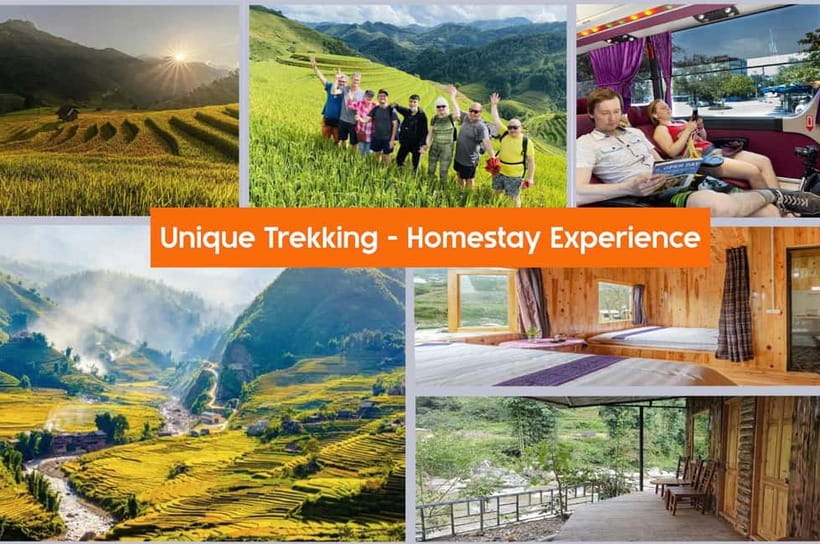
- Comfort-first transport with Hanoi to Sa Pa round-trip limousine bus (and an optional upgraded sleeper bus for some departures)
- Village names you can track with Lao Chai, Ta Van, Muong Hoa Stream, Giang Ta Chai, and the Giang Ta Chai Bridge
- A guide who connects dots with Hmong English-speaking interpretation and hands-on trail knowledge
- Real meals included across both days, so you are not guessing where to eat mid-trek
- Expect basic, not luxury for the Ta Van overnight, with cleaning and hot water varying by setup
Other Sapa walks, from gentle to genuinely hard
- Sapa 2 Days 1 Night From Hanoi – Overnight in Ta Van Village★ 5.0 · 2,669 reviews
- Hanoi – Sapa 2 Days 1 Night Overnight At Homestay★ 5.0 · 899 reviews
- From Hanoi: 2-Day Sapa Trekking Trip with Homestay & Meals★ 4.8 · 704 reviews
- Sapa 3 Days 2 Nights Trekking Tour (1 Night In Ta Van Village, 1 Night In Hotel)★ 5.0 · 699 reviews
Why this Sa Pa homestay trek is such a good use of 2 days
Sa Pa can swallow whole vacation weeks. This tour is the opposite. It gives you the highland feel fast, without pretending 48 hours is enough to see everything. You’re in the rice terraces and mountain villages quickly, and you return to Hanoi the next day instead of staying stuck in transit.
I also like the way it balances structure and freedom. You get a local Hmong English-speaking guide to keep you oriented, plus scheduled meals and transport. At the same time, you still get the slower side of mountain travel: walking the narrow paths, meeting families in Ta Van, and seeing how life changes from one village to the next.
If you’re choosing this tour because you want culture plus hiking, this is a strong match. It’s not a long trek for hardcore hikers. It is a medium trek in steep, slippery terrain at times, with enough time outdoors to feel the mountains on your legs.
Hanoi to Sa Pa by limousine bus: the long ride, made easier
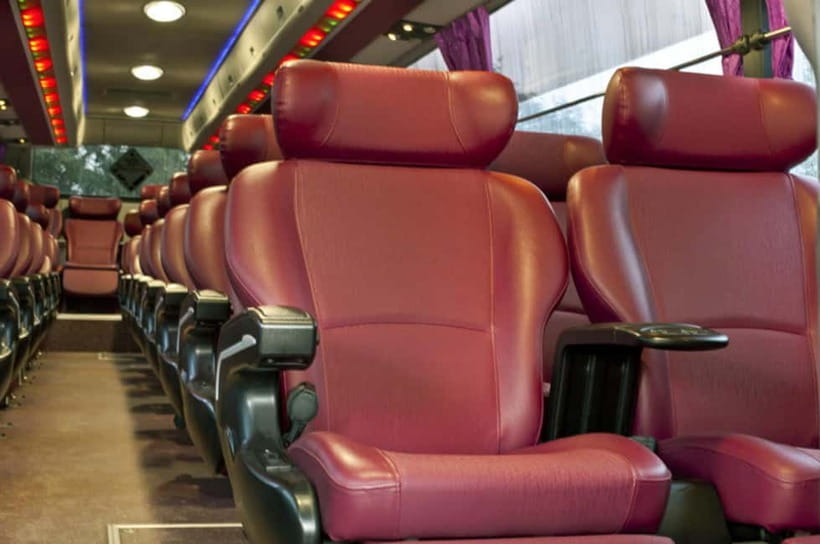
The big advantage here is the transfer. You start in Hanoi and go to Sa Pa via Lao Cai on a round-trip limousine bus. That saves you from piecing together buses, taxis, and schedules day by day.
Most of the practical details that make this ride worth it are about reducing fatigue before and after trekking. You leave in the morning, you arrive with time to relax, and you have a smoother handoff to local staff in Sa Pa. On the second day, you finish with lunch and a shower, then head back by bus so you are not stuck figuring out transportation when you’re tired.
One tip I’d take from people who did the upgraded sleeper option: the comfort can be noticeably better. Some versions use sleeper-style cabins, and that changes how you feel after a long early start.
Day 1: Hanoi to Sa Pa, then Lao Chai and Ta Van by Muong Hoa Stream
Day 1 has three distinct moods: city-to-mountain transition, village color, then trekking down into the rice and along the stream.
Arriving in Sa Pa and resetting before the hike
After the limousine bus lands in Sa Pa, there’s a representative who meets you at the bus stop and gets you to the hotel to reset. You also get lunch in Sa Pa town before heading out on the trail. This matters more than it sounds. When you walk soon after arriving, you want a proper meal and a chance to shower or at least get settled.
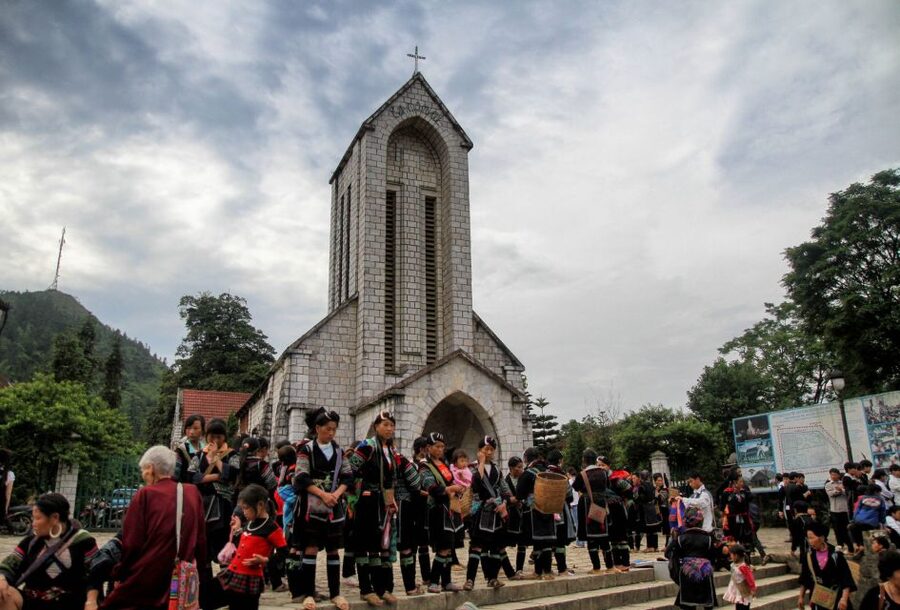
During this first stretch, you also get your first look at traditional costumes of ethnic groups such as Hmong, Dzao, and Tay. Sa Pa’s clothing is not just pretty for photos. It’s a living marker of identity, and having it early gives context for what you see later in the villages.
Sleep in a village, walk between them


Trek time: rice terraces and Muong Hoa Stream
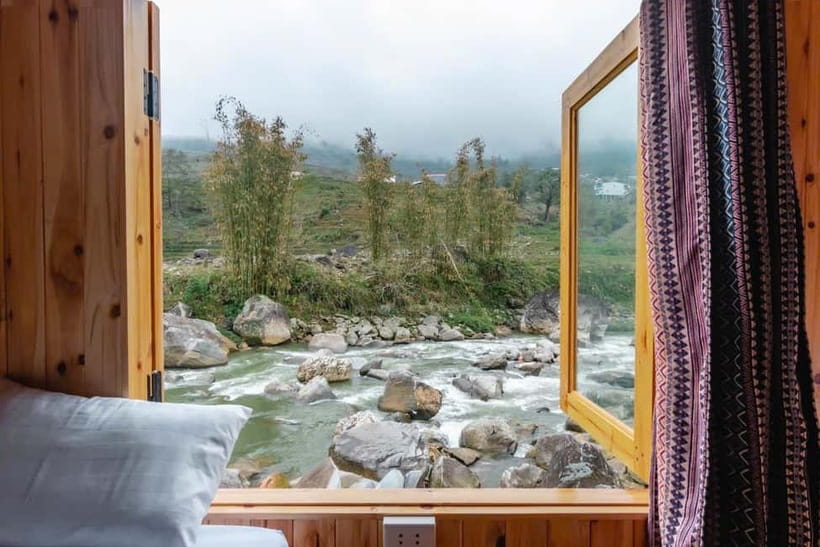
Then you move into the green stuff. Day 1 trekking follows rice terraces and goes along the Muong Hoa Stream. In the field, you learn quickly that Sa Pa is built on water management, slopes, and seasonal patterns. The terraces you walk through are not scenery pasted onto a mountain. They are the reason people live where they do.
You’ll reach the Black Hmong village of Lao Chai. This stop is not just a name check. It’s where you see how villages sit under Hoang Lien Son Mountain, and where the trek becomes a path between communities instead of a walk through viewpoints.
Ending at Ta Van: check in, then meet the family
After Lao Chai, the trek continues to the Ta Van area. You check into the homestay and get to know the family. This is the part that makes the experience feel different from a standard sightseeing day.
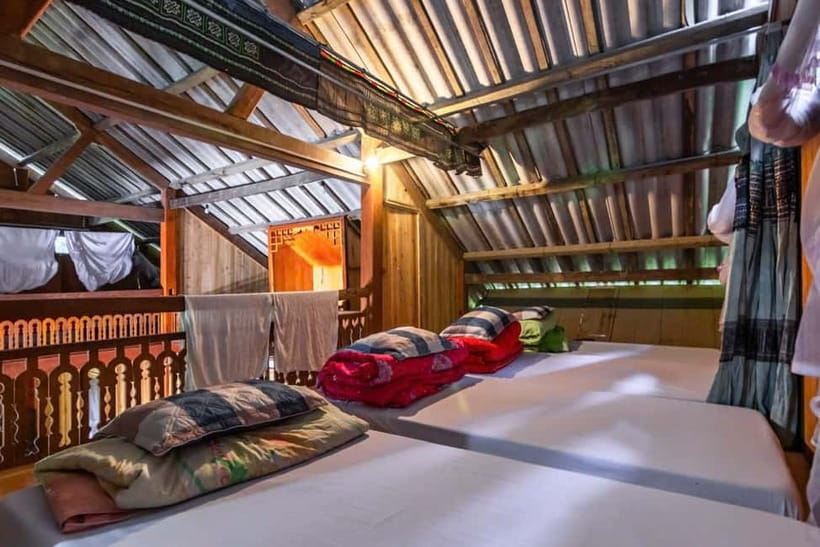
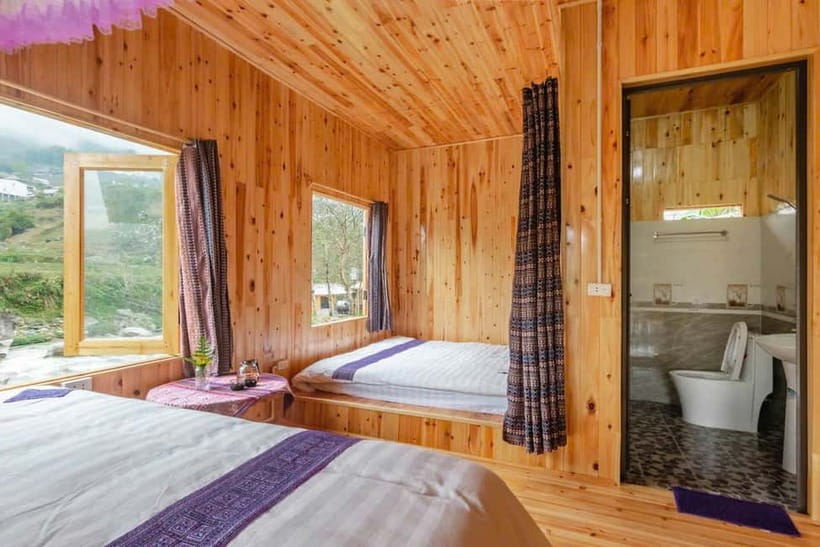
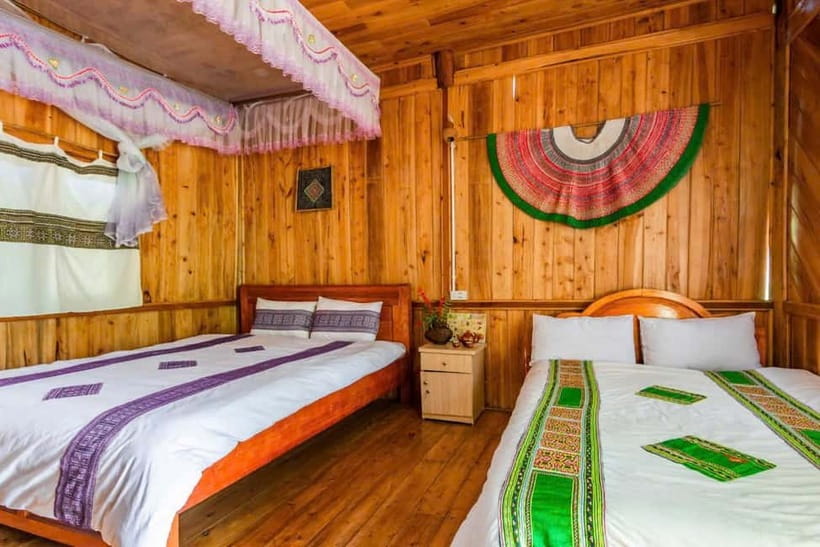
One practical note: the homestay in Ta Van is basic. The good news is that it provides clean water and fresh food. In some setups, rooms can be more comfortable than you expect for a village stay, and private room options can exist depending on what you choose.
Homestay night in Ta Van: what you really get (and what to expect)
The overnight is the heart of the tour. You are not sleeping in a generic hotel room in Sa Pa City. You’re staying in Ta Van, part of the ethnic minority communities that shape the entire region.
Here’s the honest balance. The homestay setup is described as basic with culture facilities. That means don’t expect luxury. But do expect warmth and good food, because the package includes dinner and breakfast prepared during your stay.
Meals: a big part of the value
Dinner and breakfast are included, and they’re a major reason the homestay works. You are eating what the household prepares, and you avoid the common problem of trekkers ending up hungry and cranky because restaurants are far or choices are limited.
From the way the homestay experience is described, the food is consistently a highlight. People call it superb and plentiful, and some mention their beds and rooms were cleaner and more comfortable than they expected.
Night sounds: the real mountain vibe
One detail that’s easy to forget until you’re there: village nights can be active. If you are a light sleeper, pack earplugs. I’d treat this as part of the deal, not a complaint.
Where you store luggage, so the trek stays light
This tour handles luggage in a practical way. You can store it in the bus trunk during the ride, then store it at the hotel in Sa Pa for the lunch before the trek. On day 2, you can retrieve it after the trip finishes. That means you should bring your essentials for the village stay in a small daypack.
Day 2: rice paddies, bamboo forest, Giang Ta Chai views, then the bridge
Day 2 keeps the outdoor energy going, but it’s a different kind of walking. It’s described as breakfast, then trekking through rice paddies and a bamboo forest. You also get panoramic views of Giang Ta Chai village, plus the crossing of Giang Ta Chai Bridge.
Breakfast with the family, then another morning hike
Breakfast is prepared by the family. After dinner and a night in Ta Van, this feels like the simplest kind of cultural continuity. You’re not just visiting for one meal. You’re sharing a household rhythm.
Then you head out through rice paddies and bamboo. The bamboo forest changes the feeling of the hike. It gets cooler, sounds get quieter, and you spend more time looking at how the path cuts through the vegetation.
The Giang Ta Chai Bridge moment
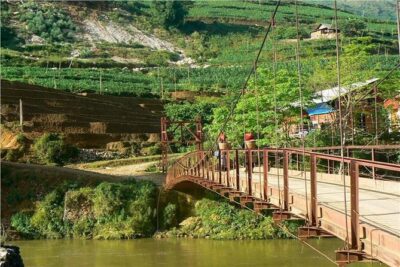
The panoramic views over Giang Ta Chai are a key payoff. Crossing the Giang Ta Chai Bridge is a natural high point because it turns a long walk into a clear milestone. It’s also a spot where the scenery can feel wide even if the weather is foggy.
Weather matters in Sa Pa. If you hit fog or rain, visibility might be lower at some lookout points. Still, the walk through terraces and bamboo keeps the experience going even when the view is softened.
Lunch, shower, and back to Sa Pa for the return bus
After the bridge, a bus takes you back to Sa Pa for lunch and a shower. Then you head back to Hanoi by limousine bus. The tour ends back at the meeting point, so your day is clean and predictable even after two trekking days.
The guide makes the trip: Hmong English help on a real trail
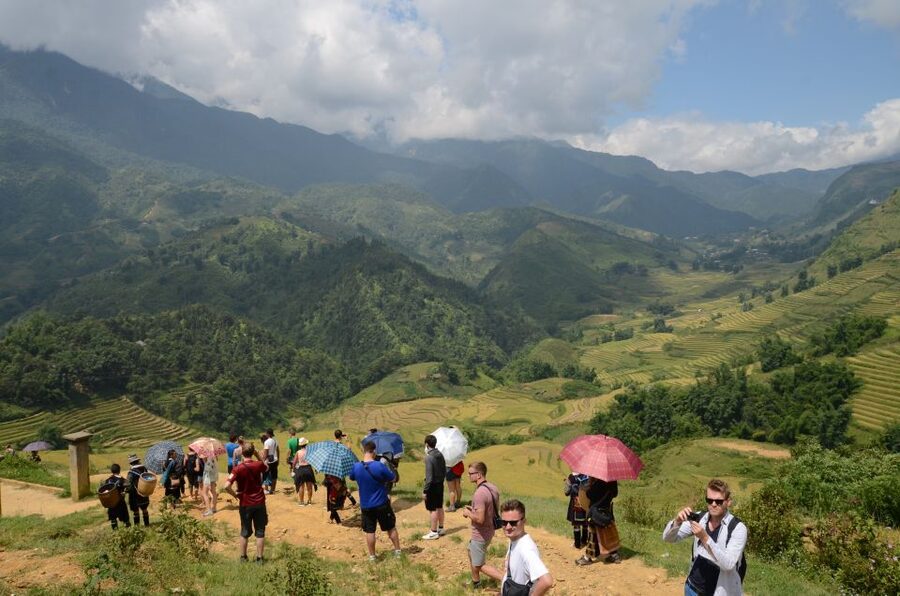
In Sa Pa, the terrain changes fast, and so does the village culture you’re walking through. That’s why the guide matters so much here.
This tour includes a local tour guide who speaks English and is Hmong. People in the feedback mention guides by name, including Sha, Sua, Soso, Tung, and Wan. Regardless of the name, the common thread is that they keep the day organized while explaining what you’re seeing, not just where to step next.
I’d put extra weight on your guide if you care about details like:
- why costumes differ across groups
- how village life works day to day
- what plants and terrain mean for mountain living
- how to handle slippery sections safely
From the way the trek is described, you’ll often have support beyond the guide, including local women helping the group along tougher spots. That support is useful in muddy conditions and on steep declines where grip disappears.
Mud, fog, and pushy craft selling: how to stay comfortable
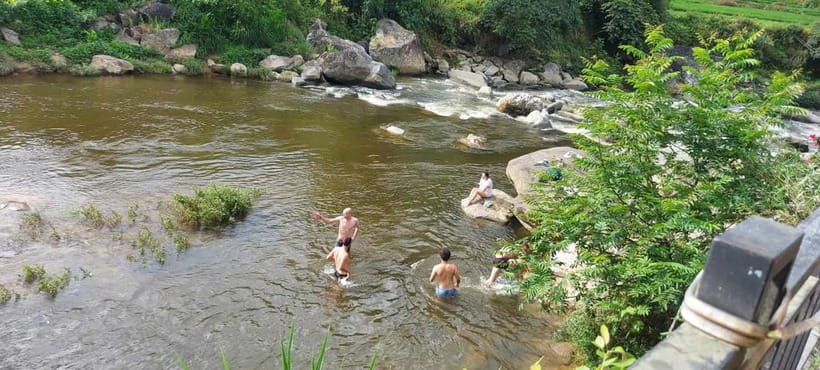
Sa Pa is gorgeous in good weather. It can be soggy in bad weather. And this trek can turn muddy, especially if rain comes before or during your walk. That’s not a reason to skip it, but it is a reason to prepare.
Trek difficulty: it sounds short, but it’s real work
The hikes are often described as moderate, with day 1 around 8 km and mostly downhill, and day 2 around 4 km with undulating terrain. Those distances don’t look scary on paper. In the hills, with mud and steps, they feel longer. Plan on a steady pace, not a sprint.
When the ground is wet, normal sneakers can fail. The foot slides, and you end up spending energy recovering your balance. Bring hiking shoes with real grip, and consider extra socks.
Craft sales along the trail: be ready
A recurring practical note is that local people may sell handmade crafts while they walk with you. This can range from friendly to persistent. If you want to buy, do it knowingly and keep it within your budget. If you don’t, be firm and short. Avoid long conversations if you want to say no comfortably.
This is one of those moments where your attitude shapes the day. You’re sharing paths with people who earn income through crafts. The best approach is respectful, not overly friendly, and clear about boundaries.
Fog affects viewpoints, but not the walking
Sometimes the best lookouts are swallowed by fog. When that happens, don’t treat the day as ruined. You still get the terraces, stream path, bamboo forest, and the village interactions that make the tour worth it.
Packing list and money rules that save you headaches
This is the part that makes the difference between a smooth hike and a mildly miserable one.
What to bring
You’re advised to pack:
- sunglasses
- hiking shoes
- sunscreen
- insect repellent
- cash
Cash is not optional. Banking systems in Sa Pa can be unreliable, so bring Vietnamese Dong. US dollars, euros, and Australian dollars are also accepted.
Cash for crafts and small extras
A lot of people end up spending some money on scarves or handmade items. If that appeals to you, carry extra cash so you’re not trying to find an ATM on a tight schedule.
Luggage and what stays with you
Since you store luggage at the hotel for the lunch and trek day, keep your essentials with you. That means the things you need to hike and sleep comfortably. Then you can retrieve the rest on day 2.
Who should book this Sa Pa homestay tour, and who should rethink
This tour suits you if you want:
- a short, high-value introduction to Sa Pa’s mountain villages
- a mix of trekking and homestay life in Ta Van
- guided storytelling from a local Hmong English-speaking guide
- included meals that reduce planning stress
It is not a fit if you have mobility impairments or need wheelchair access. It also is not suitable for children under 6 years old.
If you’re a solo traveler, the tour also works because the structure is clear, and the guide and support team help keep you moving. If you’re traveling as a couple, you’ll likely appreciate that the schedule is tight but not frantic.
Should you book this 2-day Sa Pa homestay trek with limousine bus?
Book it if you want real mountain life in a short time window, and you’re comfortable with basic homestay conditions and muddy trail days. The included limousine bus transfers, guided village trekking, entrance access, and meals are what make this feel like value instead of just a “tour name” on a schedule.
Skip it or choose a different option if you hate slippery hikes, need step-free access, or you’re expecting a luxury resort overnight. Also consider that village nights can be noisy, so pack earplugs if you’re sensitive to sound.
If you’re ready to walk, eat well, and learn from people living in the hills, this is a strong pick for your Sa Pa stop.
FAQ
How long is the tour and where does it start and end?
This is a 2-day tour. You start at a meeting point that may vary depending on the option booked, and the activity ends back at the meeting point.
Do I get meals during the homestay trek?
Yes. The tour includes 2 lunches, 1 dinner, and 1 breakfast.
Where do I stay overnight?
Overnight accommodation is in a homestay in Ta Van village. The standard setup is a single mattress, and you can request upgrades in advance if available.
What is included for transportation?
You get Hanoi to Sapa round-trip limousine bus. On day 2, there is also car transport from Giang Ta Chai back to the hotel on the schedule.
What trek gear should I bring?
Bring hiking shoes, sunglasses, sunscreen, and insect repellent. Cash is also recommended.
Is cash required for this trip?
Yes. Banking in Sa Pa can be unreliable, so bring cash in Vietnamese Dong. US dollars, euros, and Australian dollars are accepted.
Is this tour suitable for children or people with mobility impairments?
No. It is not suitable for children under 6 years old, people with mobility impairments, or wheelchair users.
Walk, Then Stay
- Hanoi – Sapa 2 Days 1 Night Overnight At Homestay★ 5.0 · 899 reviews
- From Hanoi: 2-Day Sapa Trekking Trip with Homestay & Meals★ 4.8 · 704 reviews
- Sapa 3 Days 2 Nights Trekking Tour (1 Night In Ta Van Village, 1 Night In Hotel)★ 5.0 · 699 reviews
- 3-Day Trekking Adventure of Sapa from Hanoi – Stay Ta Van Village★ 5.0 · 611 reviews
- 3D and 2N Lan Ha Bay Cat Ba Island Kayaking & Trekking with Vega★ 5.0 · 593 reviews
Sapa on Foot
- Sapa 2 Days 1 Night From Hanoi – Overnight in Ta Van Village★ 5.0 · 2,669 reviews
- Hanoi – Sapa 2 Days 1 Night Overnight At Homestay★ 5.0 · 899 reviews
- From Hanoi: 2-Day Sapa Trekking Trip with Homestay & Meals★ 4.8 · 704 reviews
- Sapa 3 Days 2 Nights Trekking Tour (1 Night In Ta Van Village, 1 Night In Hotel)★ 5.0 · 699 reviews
- 3-Day Trekking Adventure of Sapa from Hanoi – Stay Ta Van Village★ 5.0 · 611 reviews
Other Hanoi tours our reviewers keep coming back to
- Hanoi Vespa After Dark Street food + Train Street+ Live Music
★ 5.0 · 18 reviews - (Free Pick-up) Vietnamese Body Massage in Hanoi City
★ 5.0 · 18 reviews - The Insider’s Hanoi,Train Street, Countryside Highlight by Vespa
★ 5.0 · 18 reviews - Skip the line: Thang Long Water Puppet Theater Entrance Tickets
★ 4.0 · 18 reviews - Hanoi Street Food Tour and MORE
★ 5.0 · 18 reviews - Hanoi – Hoa Lu – Tam Coc – Mua Cave – 1 Day / By Luxury Limousine & Small Group
★ 5.0 · 18 reviews
Sapa Trekking and Fansipan, compared.
 ★ 5.0Sapa 2 Days 1 Night From Hanoi – Overnight in Ta Van VillageFrom $592,669 reviews
 ★ 5.0Hanoi – Sapa 2 Days 1 Night Overnight At HomestayFrom $89899 reviews
 ★ 4.6Sa Pa: Muong Hoa Valley Trek and Local Ethnic VillagesFrom $23864 reviews
 ★ 5.0Sapa: Fansipan Cable, Cat Cat Village & Moana Instagram TourFrom $30777 reviews
 ★ 4.8From Hanoi: 2-Day Sapa Trekking Trip with Homestay & MealsFrom $71704 reviews
 ★ 5.0Sapa 3 Days 2 Nights Trekking Tour (1 Night In Ta Van Village, 1 Night In Hotel)From $139699 reviews
 ★ 4.9Sapa: Eco Adventure Terrace Fields and Local Villages TrekFrom $27636 reviews
 ★ 5.03-Day Trekking Adventure of Sapa from Hanoi – Stay Ta Van VillageFrom $109611 reviews
Also in these Vietnam lists