
REVIEW · SAPA TREKKING AND FANSIPAN
Sapa Trekking Bargains With Local Guide
Sapa feels real on foot. This Hmong-focused trek led by Chan Giang and her family team brings you into day-to-day life, with flexible routes that match what you want to do. You start in town, walk village paths, and end with enough time to move on toward Hanoi.
The tradeoff is simple: you will walk. Even the easier options can feel slippery or muddy in rainy weather, so plan on good shoes and a bit of stamina.
In This Review
- Quick reasons this trek is a great value
- Meeting at Sapa Stone Church, then right into the valley
- Route choice matters: 5 to 11 km, and the hills do the talking
- Y Linh Ho: photo stops that start real conversations
- Lao Chai for lunch: the break that feels like a payoff
- Ta Van: Dzay village life, plus the last stretch of walking
- If it is harvest season, your trek changes
- Luggage drop and showers, because a muddy day needs a plan
- Transport back to Sapa, and enough time for Hanoi buses
- Price check: why $19 can feel fair here
- Who should book, and who should skip
- What to bring so the day stays fun
- The guide experience: friendly, funny, and built on local ties
- Should you book this Sapa Hmong village trek?
- FAQ
- Where is the meeting point?
- How long is the trek day?
- How far will I walk?
- What is included in the tour price?
- What language is the guide?
- What should I bring?
- FAQ
- Can I cancel or change plans?
Quick reasons this trek is a great value
- Flexible distance and difficulty from easy strolls to more challenging mountain walking
- Less-touristy village routes that cut down on crowds and keep things human
- Hmong and Dzay culture on the ground through stops in Y Linh Ho, Lao Chai, and Ta Van
- Included lunch at a local family spot with a mountain setting
- Shower and luggage drop at the office, before and after your walk
- Strong English guide support plus transport back into Sapa
Other Sapa walks, from gentle to genuinely hard
- Sa Pa: Muong Hoa Valley Trek and Local Ethnic Villages★ 4.6 · 864 reviews
- Sapa: Eco Adventure Terrace Fields and Local Villages Trek★ 4.9 · 636 reviews
- From Sapa: 1-Day Guided Trek to Lao Chai & Ta Van with Lunch★ 4.9 · 416 reviews
- Sapa 1 Day Long Trek: Trek to Hau Thao and Sa Seng Villages★ 4.6 · 344 reviews
Meeting at Sapa Stone Church, then right into the valley
You meet at Sapa Stone Church in the morning, usually around 9 AM, and the day is paced like a real local outing, not a fast circuit. From there you head into the valley toward nearby villages, with the guide explaining what you’re seeing as you go.
What I like about this setup is that it keeps the day practical. You don’t spend hours figuring out buses or timing connections. Instead, you focus on the walking and the people, and the tour handles the flow.
If you’re staying a bit outside the center, plan extra time getting to the meeting point. Some guide teams also arrange hotel meet-ups, but that detail isn’t guaranteed for every booking, so arrive early and stay flexible.
Route choice matters: 5 to 11 km, and the hills do the talking
This trek is built for choice. The walk can be anywhere from about 5 to 11 km, with routes adjusted by your group and hiking ability. People who picked longer distances describe it as an adventure, not a grind, but still remember it is mountain terrain.
From my perspective, the big value here is not just the distance. It is the fact that the guide can tailor the day. That means if the group prefers quieter paths or you want a less crowded route, you can often steer toward that.
One consideration: even when the plan is moderate, you can hit steep bits, slick spots, and uneven footing. Several folks noted rain or mud. Bring rain gear and hiking shoes, not just any sneakers, unless you enjoy testing your balance.
Y Linh Ho: photo stops that start real conversations
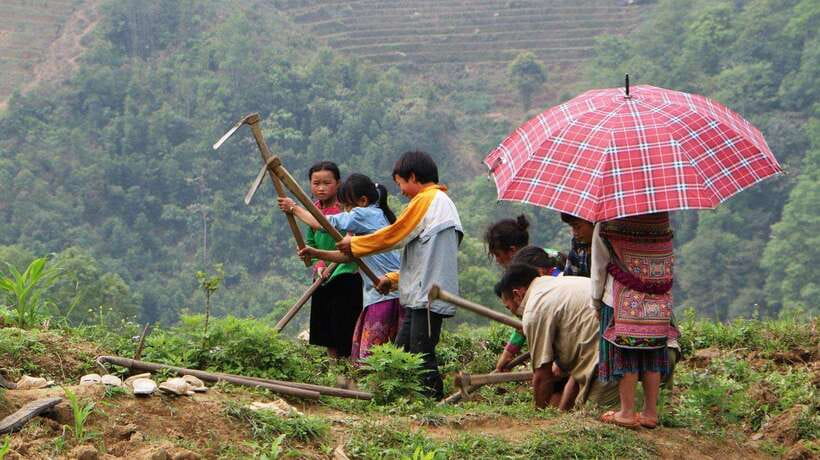
Your first major stop is Bản Y Linh Ho, with a mix of photo time and guided walking. This is a good place to get your bearings. You’ll see how families live close to the fields and hills, and you’ll get explanations about local customs and how life works in the area.
This part of the day is where culture stops feeling like a lecture. You walk past homes and see daily patterns, and the guide connects what you’re noticing to the people you meet along the way.
There is also time for sightseeing and shopping in the village. Keep expectations grounded. Small purchases can support local families, but it should feel like a conversation, not a sales pitch marathon.
Lao Chai for lunch: the break that feels like a payoff
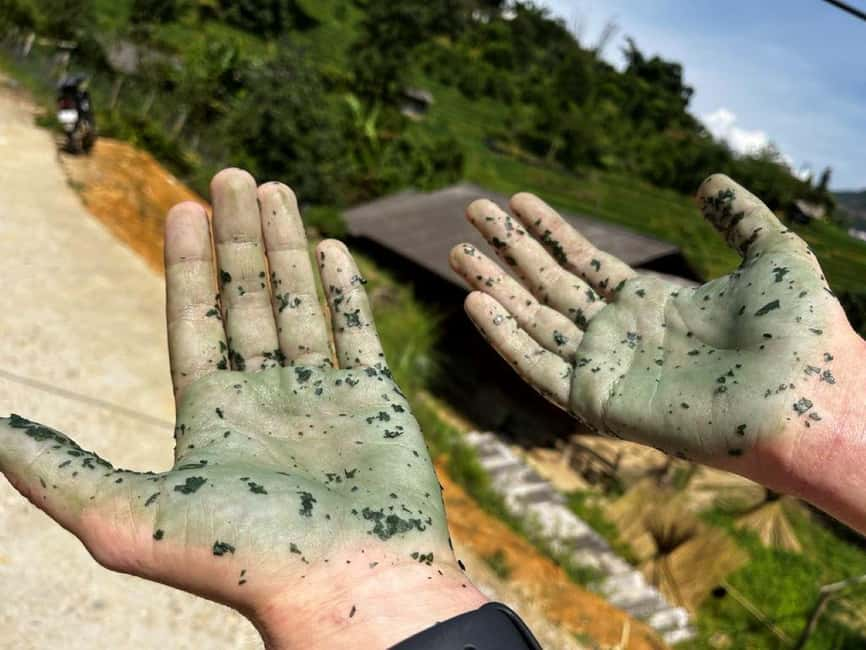
After the morning village walking, you head to Lao Chai for lunch at a local Hmong family restaurant. The best aspect of this meal is timing. It gives your legs a reset right when your energy might dip, then you go back out into the valley while the day still feels fresh.
The lunch itself is included, and many guests describe it as genuinely delicious, not the typical afterthought. The setting is also part of the experience, since you’re eating in the hills where the views and air make even a simple meal feel special.
Practical note: if you’re sensitive to certain foods, check what they can offer you. The tour information lists lactose intolerance as not suitable, so don’t assume you’ll get a safe alternative.
Sleep in a village, walk between them

Ta Van: Dzay village life, plus the last stretch of walking
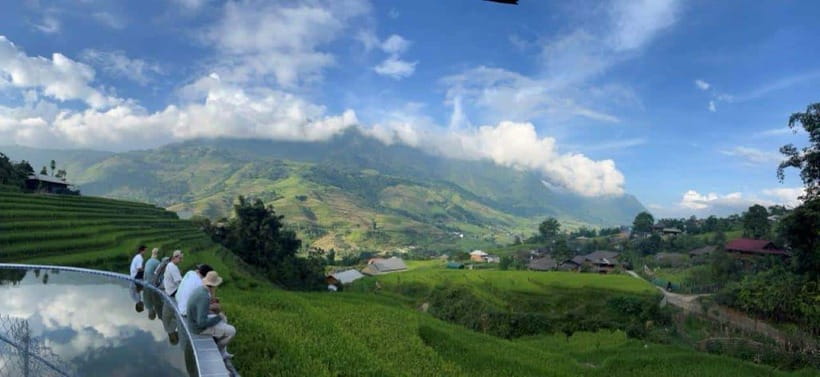
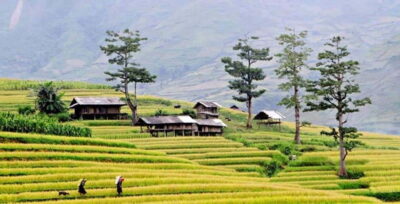
In the afternoon you reach Ta Van, home to the Dzay people. This stop often includes another photo moment, guided exploration, sightseeing, and time to shop. It is also where the day transitions from exploration to wrap-up.
What makes Ta Van worthwhile is the feeling that the day is still moving with you, not slowing down into a staged finale. You keep walking through paths that connect villages and fields, and you’re learning as you go.
The day generally ends in Ta Van around 3 PM, then transport takes you back to Sapa. The timing matters. You should still have room to catch your bus toward Hanoi without panicking about last-minute schedules.
If it is harvest season, your trek changes
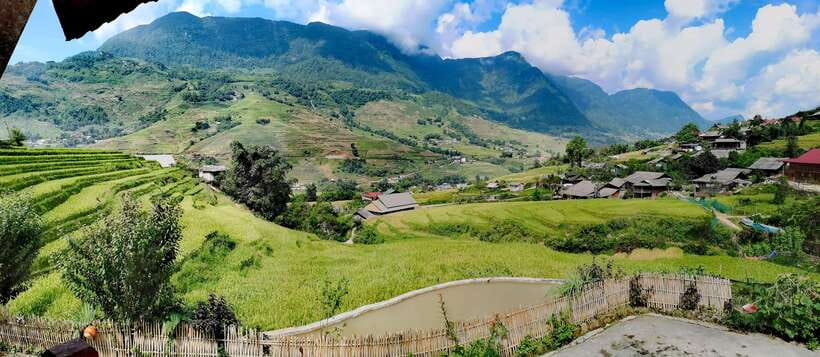
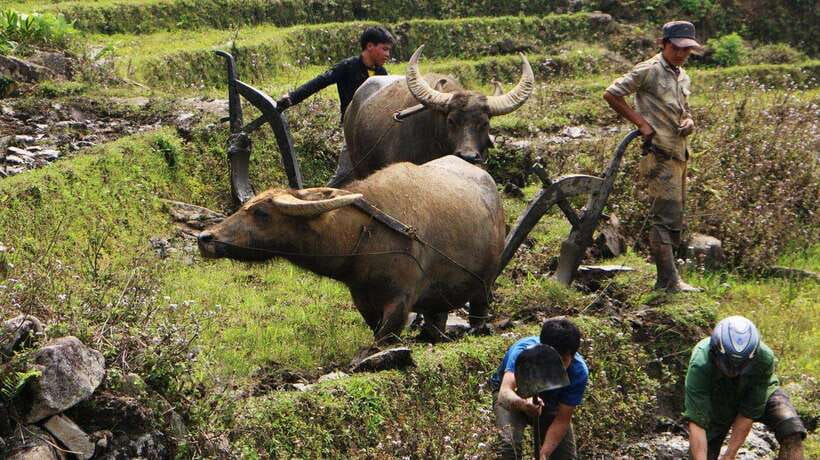
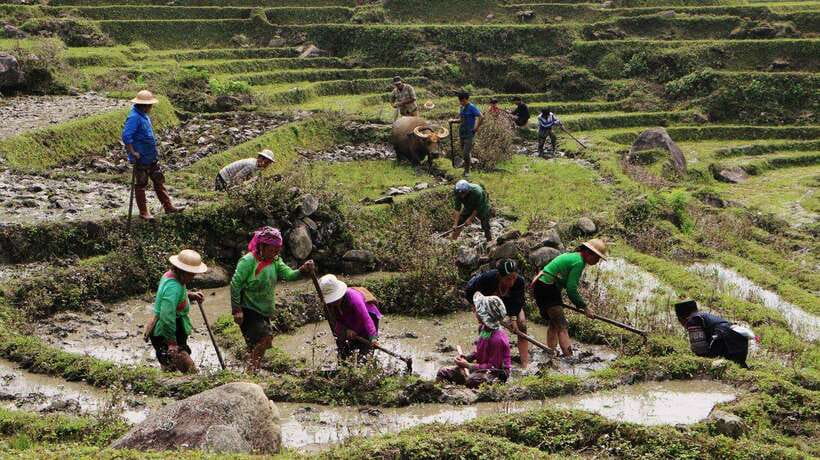
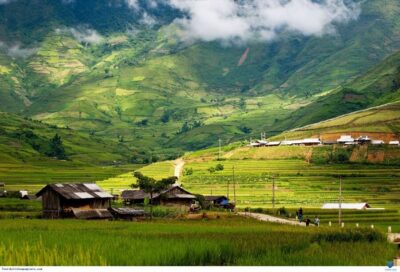
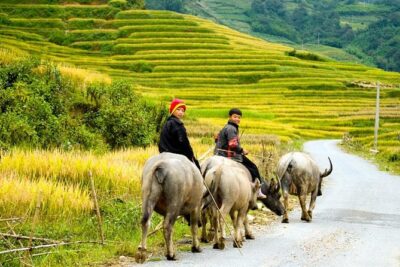
One of the most memorable variables is the season. If you’re there during harvest season, you might see rice planting or harvesting in action. That turns the villages into a living classroom with a clear rhythm.
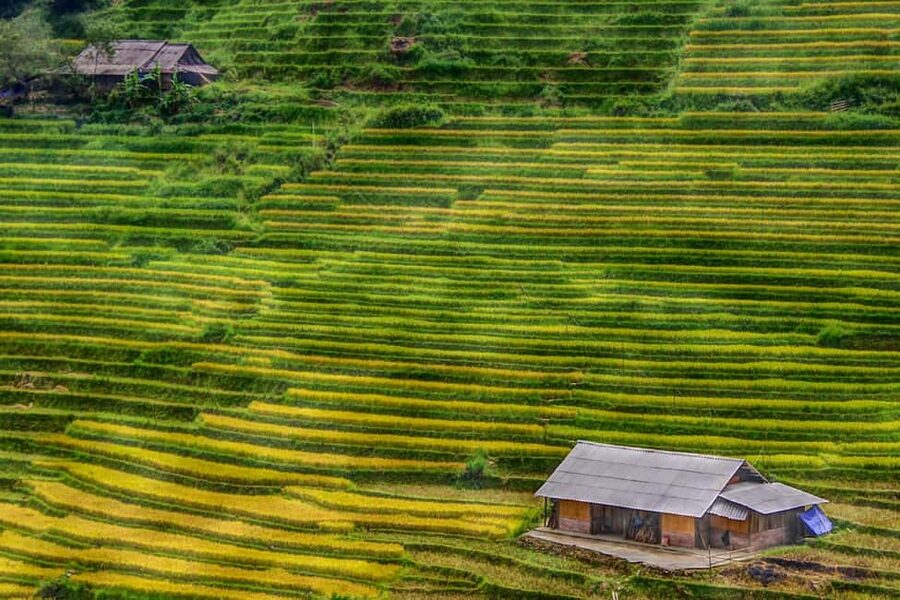
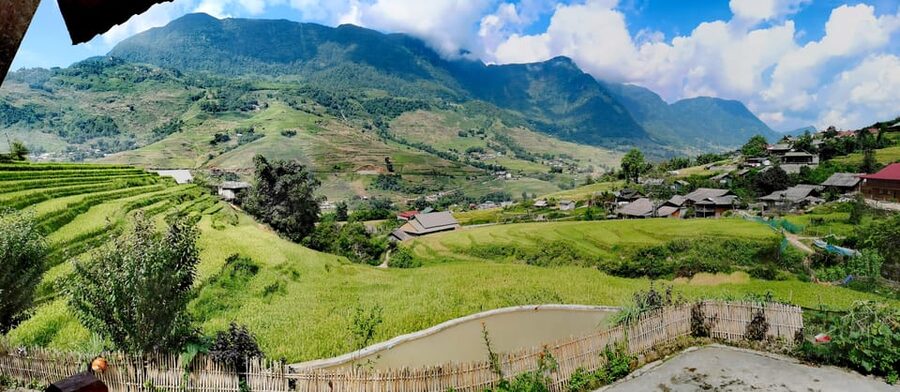
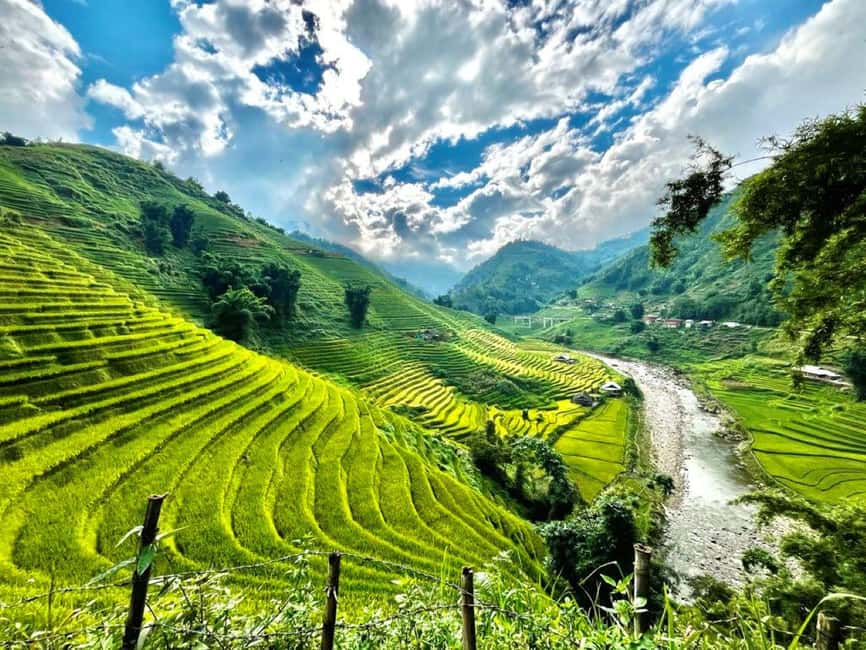
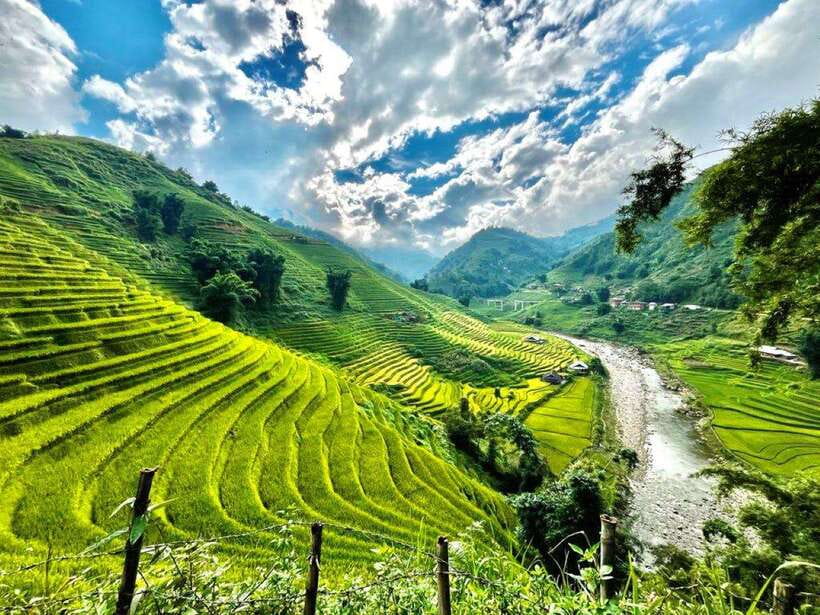
Even if you don’t catch harvest, you’ll still spend the day moving through rice-field country, watching how cultivation shapes daily life. It is one reason this kind of trek is so different from a view-only tour.
Your guide may also point out what’s happening in the fields and how people work around the weather. So if your trip overlaps with the farming calendar, you may end up with an extra layer of meaning.
Luggage drop and showers, because a muddy day needs a plan
A standout practical detail: you can leave luggage at the office, and you can enjoy a shower before and after the trek. In Sapa, that matters. Weather can change fast, and the trail can get muddy.
This is a smart service touch because it helps you travel lighter. It also helps you stay comfortable after the hike, especially if you’re catching another connection the same day.
Just pack what you need for the trek, then keep a small kit for getting clean afterward. This is one of those details that you only appreciate once you’ve had a wet, muddy walk in the mountains.
Transport back to Sapa, and enough time for Hanoi buses
The tour includes transfer back to Sapa after you finish in Ta Van. Many guests also highlight that transport is highly rated, with 95% of reviewers giving it a perfect score.
That matters because Sapa days can get stressful if your ride timing is off. Here, the aim is to get you back with plenty of time to catch your bus to Hanoi.
If you have a tight onward schedule, build in buffer time anyway. But the overall structure is designed for a smooth finish.
Price check: why $19 can feel fair here
At about $19 per person for a roughly 330-minute day, this trek is positioned as a value choice. The big reason it can feel fair is what you actually get for that money: a live English guide, lunch, and a transfer back to Sapa.
You are also paying for something harder to price: access to local village paths and culture, with routes chosen to avoid the most crowded patterns. That is where the experience tends to earn its reputation.
So think of it like this. You’re not just buying walking and photos. You’re buying a guide who can tailor the trek, translate what you’re seeing, and help you spend the day in places that feel more everyday than showy.
Who should book, and who should skip
This trek is best for travelers who want hands-on culture and real walking. If you enjoy talking with locals, asking questions, and paying attention to how people live, you’ll likely have a great time.
It is not for everyone. The operator lists several not-suitable categories, including wheelchair users and people with heart problems or high blood pressure. Non-swimmers are also listed as not suitable, and the information includes other medical constraints too.
If you have any concerns about health or stamina, take it seriously. For mountain trails, the guide can adjust pace, but they cannot change the reality of uneven ground.
What to bring so the day stays fun
Bring comfortable shoes (ideally hiking shoes), sunglasses, and a sun hat. You’ll also want rain gear because weather shifts happen, and your trail may get slick.
Other smart items:
- Drinks for the day
- Camera and a charged smartphone
- Trekking gear if you have it
Also, consider packing a small layer for cool moments. Sapa mornings can feel brisk, and even if the hike warms you up, you might cool down during breaks.
The guide experience: friendly, funny, and built on local ties
The common thread in the guide stories is warmth plus real understanding. Guests frequently mention guides like Chan, and also family members such as Sung and Vu, with praise for English ability and the way they answer questions.
You’ll also see a theme of route tailoring. Some people specifically call out that the guide adjusted the walk based on confidence and pacing, aiming for less touristy valley paths when possible. That’s one of the best ways to turn a standard trek into a personal day.
The tone also seems to help. Many guests describe guides who keep conversations flowing and bring humor to the day. That doesn’t replace the culture part, it just makes the walk feel lighter.
Should you book this Sapa Hmong village trek?
Book it if you want an authentic, village-centered day in Sapa with flexible distances, a strong guide, and an included lunch that feels local. The shower and luggage drop are also the kind of practical perks that make the day easier, especially if you’re moving on afterward.
Skip it if you are worried about slippery footing, steep sections, or stamina demands. And if you fall into any of the listed medical restrictions, take the operator notes seriously before you go.
If you match the basics and show up with the right shoes and rain protection, this is the kind of trek where the day feels like it actually belongs to the region, not just the itinerary.
FAQ
Where is the meeting point?
You meet at Sapa Stone Church.
How long is the trek day?
The duration is listed as 330 minutes, and the day runs from about 9 AM to around 3 PM, finishing in Ta Van.
How far will I walk?
Routes can be flexible, with options ranging from about 5 to 11 km, depending on the route and difficulty level you choose.
What is included in the tour price?
The tour includes a guide, lunch, and transfer back to Sapa.
What language is the guide?
The live tour guide is listed as English.
What should I bring?
Bring comfortable shoes, sunglasses, a sun hat, a camera, drinks, hiking shoes, rain gear, and a charged smartphone. Trekking gear can also help.
FAQ
Can I cancel or change plans?
Cancellation is free up to 24 hours in advance for a full refund. The information also notes that after you book and pay, you can change to another day if you do not want to do the tour, but you should not ask for a refund. Reserve and pay later is also offered.
Walk, Then Stay
- Sa Pa: Muong Hoa Valley Trek and Local Ethnic Villages★ 4.6 · 864 reviews
- Sapa: Eco Adventure Terrace Fields and Local Villages Trek★ 4.9 · 636 reviews
- From Sapa: 1-Day Guided Trek to Lao Chai & Ta Van with Lunch★ 4.9 · 416 reviews
- Sapa 1 Day Long Trek: Trek to Hau Thao and Sa Seng Villages★ 4.6 · 344 reviews
- EXPLORE SAPA: 2D1N TREKKING & HMONG CULTURE WITH DINH★ 4.9 · 191 reviews
Sapa on Foot
- Sa Pa: Muong Hoa Valley Trek and Local Ethnic Villages★ 4.6 · 864 reviews
- Sapa: Eco Adventure Terrace Fields and Local Villages Trek★ 4.9 · 636 reviews
- From Sapa: 1-Day Guided Trek to Lao Chai & Ta Van with Lunch★ 4.9 · 416 reviews
- Sapa 1 Day Long Trek: Trek to Hau Thao and Sa Seng Villages★ 4.6 · 344 reviews
- Sapa: Fansipan Cable, Cat Cat Village, Moana Instagram Tour★ 4.8 · 294 reviews
Other Sa Pa tours our reviewers keep coming back to
- Hanoi: Sapa Trekking 2 Days 1 Night – Sleeper Bus from Hanoi
★ 4.6 · 18 reviews - AUTHENIC 2D1N Trek & Bungalow Retreat with Dinh Hmong Family
★ 5.0 · 19 reviews - Sapa: Ta Phin Village Trek & Red Dao Herbal Bath
★ 5.0 · 22 reviews - Sapa: Cat Cat Village, Moana, Alpine Coaster, Fansipan Cable
★ 4.7 · 22 reviews - From Hanoi: Explore Sapa 2-Day Tour
★ 4.3 · 22 reviews - Alpine Coaster Ban Mong Experience in Sapa – Vietnam
★ 4.3 · 22 reviews
Sapa Trekking and Fansipan, compared.
 ★ 5.0Sapa 2 Days 1 Night From Hanoi – Overnight in Ta Van VillageFrom $592,669 reviews
 ★ 5.0Hanoi – Sapa 2 Days 1 Night Overnight At HomestayFrom $89899 reviews
 ★ 4.6Sa Pa: Muong Hoa Valley Trek and Local Ethnic VillagesFrom $23864 reviews
 ★ 5.0Sapa: Fansipan Cable, Cat Cat Village & Moana Instagram TourFrom $30777 reviews
 ★ 4.8From Hanoi: 2-Day Sapa Trekking Trip with Homestay & MealsFrom $71704 reviews
 ★ 5.0Sapa 3 Days 2 Nights Trekking Tour (1 Night In Ta Van Village, 1 Night In Hotel)From $139699 reviews
 ★ 4.9Sapa: Eco Adventure Terrace Fields and Local Villages TrekFrom $27636 reviews
 ★ 5.03-Day Trekking Adventure of Sapa from Hanoi – Stay Ta Van VillageFrom $109611 reviews
Also in these Vietnam lists