
REVIEW · SAPA TREKKING AND FANSIPAN
In Sapa: 1 Day Mountain Trek, Visit beautiful villages
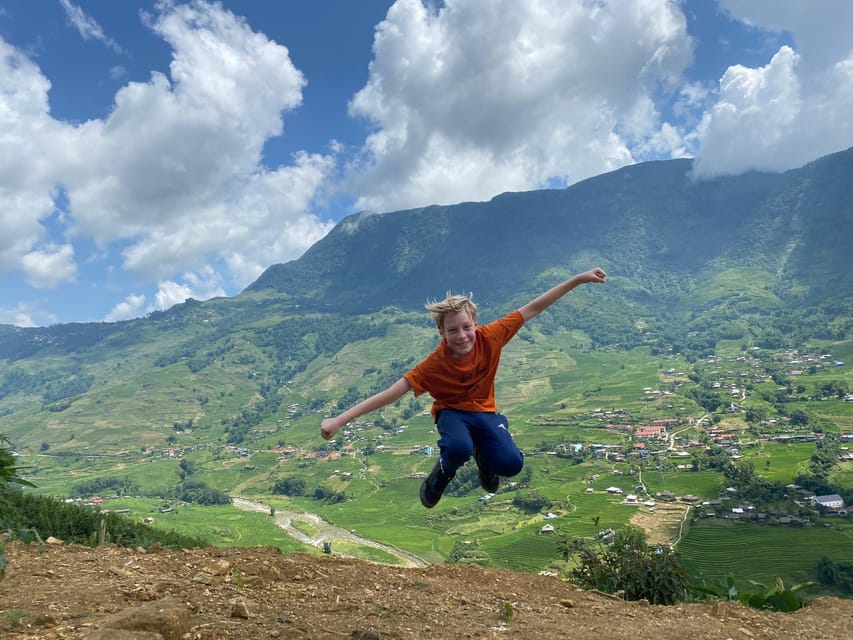
You get real mountain views fast. This 1-day Sapa hike strings together Sa Seng lookouts, village walks, and Muong Hoa valley rice scenery in one long day.
What I like most is the mix of effort and payback, starting with a climb up for wide open views. You also get hands-on cultural context around Black Hmong daily life, not just a quick photo stop.
One possible drawback: this is not a gentle stroll. Expect uphill effort early, uneven trails, and some steeper, muddier sections when the weather turns.
In This Review
- Key highlights
- Sa Seng Mountain: the view payoff you earn early
- Hang Da to Hau Thao: village time, not tourist time
- Muong Hoa valley rice terraces: what to look for on the way down
- Black Hmong culture lessons: practical, specific, and human
- Lunch on the route: traditional food with a local family vibe
- The walking reality: what makes this trek feel easy or hard
- Pace, timing, and the day’s finish near Giang Ta Chai
- Price and value: why $24 can make sense here
- Logistics that affect comfort: meeting point and what to bring
- Should you book the Sapa 1-day mountain trek to Hau Thao?
- FAQ
- How long is the Sapa 1 Day Mountain Trek?
- What is the meeting point for the trek?
- What is included in the price?
- What should I bring?
- What kind of group size should I expect?
- Is this trek suitable for everyone?
Key highlights
- Sa Seng mountain views: a big viewpoint for Fansipan (3,143 m) and the Sapa town area
- Hang Da and Hau Thao villages: daily village life with the Black Hmong community
- Muong Hoa valley rice terraces: famous terraced fields seen from above as you trek
- A small group (up to 10): more personal pace and fewer people in your photos
- Family-run lunch included: a traditional meal during the day’s rhythm
- Trekking stick provided: simple help on the downhill stretches
Other Sapa walks, from gentle to genuinely hard
- Sa Pa: Muong Hoa Valley Trek and Local Ethnic Villages★ 4.6 · 864 reviews
- Sapa: Eco Adventure Terrace Fields and Local Villages Trek★ 4.9 · 636 reviews
- From Sapa: 1-Day Guided Trek to Lao Chai & Ta Van with Lunch★ 4.9 · 416 reviews
- Sapa 1 Day Long Trek: Trek to Hau Thao and Sa Seng Villages★ 4.6 · 344 reviews
Sa Seng Mountain: the view payoff you earn early
The day starts around 9:00 with pickup from your accommodation by van, then a short intro. After that, you head for a small trail that climbs for about 1 km, then keeps going as you build altitude and breath becomes work.
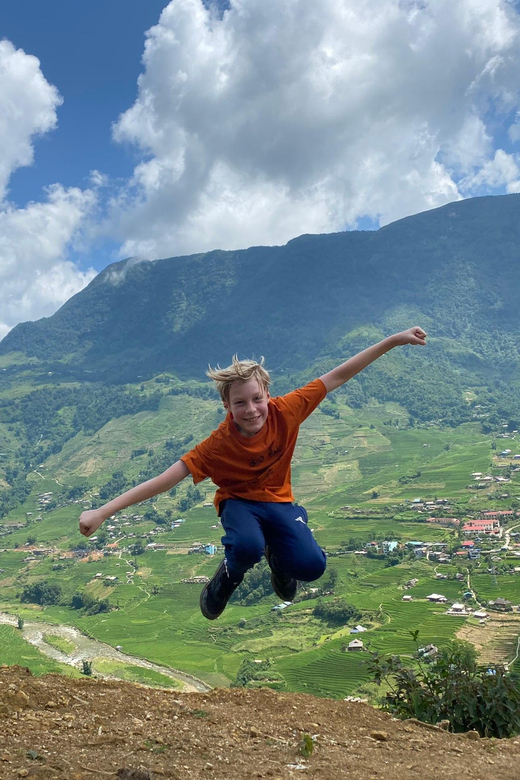
The first big moment comes after roughly an hour of harder trekking when you reach the top of Sa Seng mountain. From here, you can look out toward Fansipan (3,143 m), the highest peak in Indochina, plus you get sightlines over Sapa town. Then you angle your eyes downward to the famous rice terraces of Muong Hoa valley, and to the larger river and valley spread that makes the whole region feel huge.
This is the part of the day that makes the rest worth it. Even if the mid-afternoon walking feels long, that early viewpoint gives you the emotional “yes, this is what Sapa is” moment.
Hang Da to Hau Thao: village time, not tourist time
After the Sa Seng viewpoint, the route turns into a mountainside descent toward Hang Da, a village associated with the Black Hmong minority. This is where the trek shifts from “scenery first” to “people first,” and the pace usually becomes easier to manage because you are moving through village paths rather than climbing.
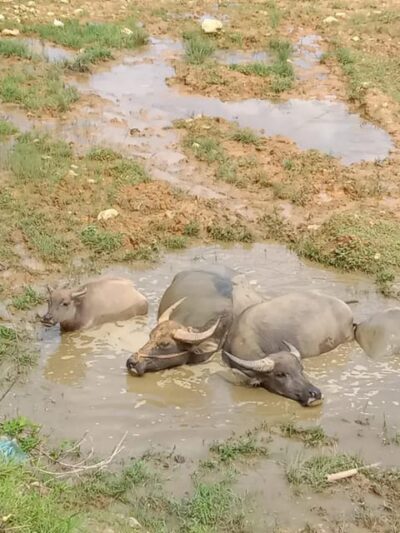
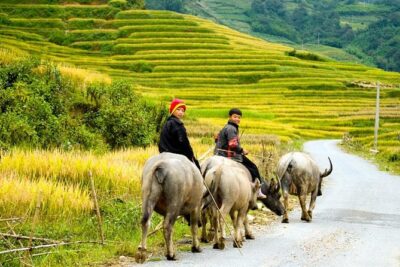
You also get a quick look at animals that matter in everyday life, including water buffalo, plus pigs and cattle. It’s not a zoo stop. It’s just a real reminder that this area is still working land, not only sightseeing land.
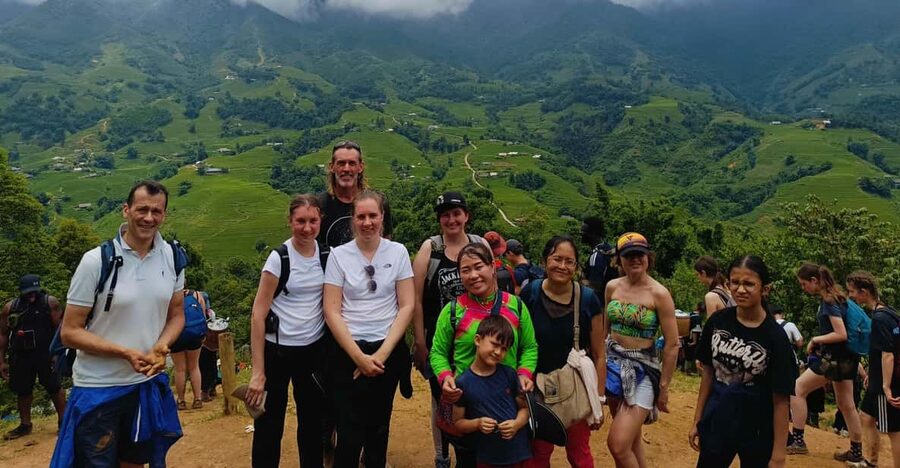
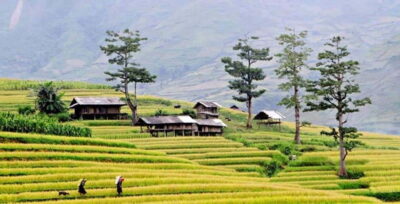
Next, you continue toward Hau Thao village, where you can see daily routines if timing lines up with fieldwork. During rice growing or harvesting periods, the walking paths often bring you close to the work itself, including people working in the fields.
Muong Hoa valley rice terraces: what to look for on the way down
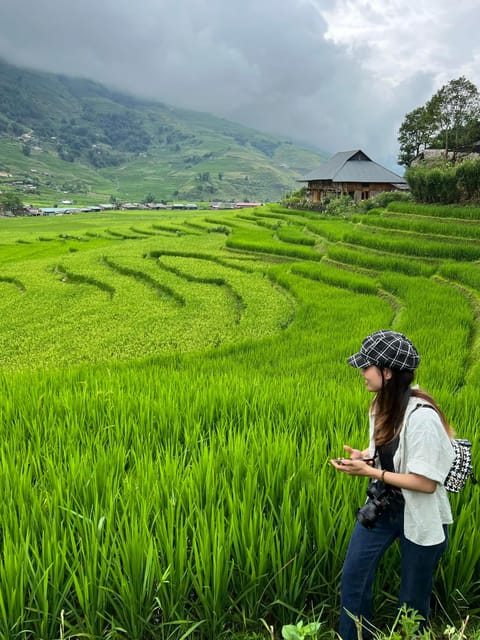
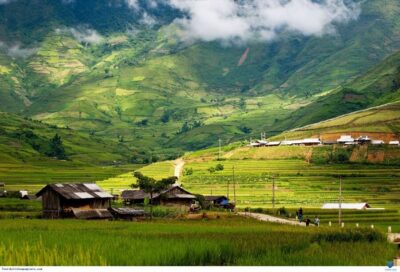
The Muong Hoa valley rice terraces are one of those “you know the photos” places. The best trick on this trek is not to stare at the terraces the entire time, but to watch how the view changes as you move.
From up near Sa Seng, you see a broad, organized pattern. As you descend and approach villages, the terraces become layered and broken into smaller sections, with paths, field edges, and homes in the mix. The valley’s scale is one reason people keep coming back to this region.
If you visit during rice harvest season, the terraces can look golden, and the light can make the whole valley feel different from the standard postcard shades. Even in cloudy weather, the valley still reads clearly, because the terracing holds the structure.
Black Hmong culture lessons: practical, specific, and human
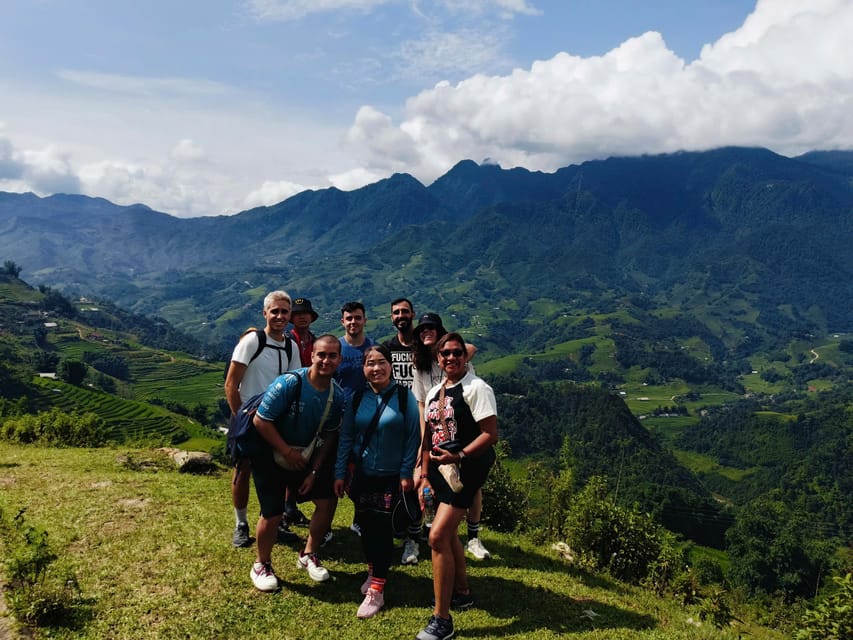
A major reason this trek feels more meaningful is how the guide turns the scenery into real context. You get cultural explanations tied to what you are actively seeing, rather than a lecture delivered from a bus window.
In Hau Thao, your guide shares stories and details about marriage traditions, plus how rice field work fits into family life. You may also hear about house building techniques, which helps you understand why homes are shaped the way they are and how daily life is organized around land and weather.
I also appreciate that the tour aims to show the rhythm of a community, not only a “performance” side of culture. When you’re standing in the same spaces where daily tasks happen, it’s easier to ask better questions and notice the small things that matter.
Depending on your guide, you might hear stories with different emphasis. Some groups have been led by guides such as Mao, Moa, Sung, or Soso. If you get one of these guides, you can expect an energetic, story-driven approach and lots of time to ask what you actually want to know.
Sleep in a village, walk between them
Lunch on the route: traditional food with a local family vibe
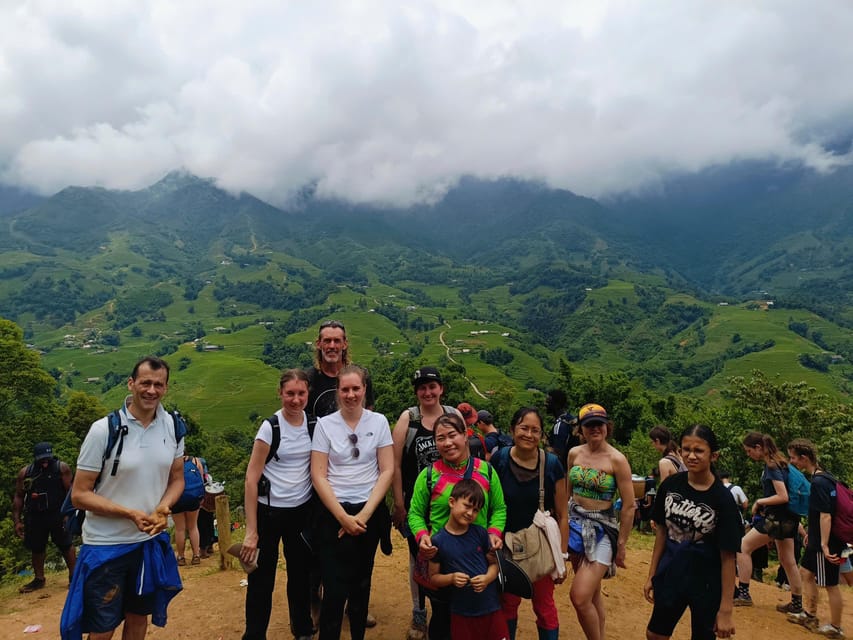
Midday is built into the day through lunch at a small restaurant run by a local family. This matters because it keeps you from juggling lunch logistics while hiking, and it usually keeps the timing tied to where the route naturally takes you.
Food is included, and the whole plan is paced so you can eat without rushing or losing the group. You’ll likely have a traditional meal that fits the region’s farming lifestyle.
One practical note: bring the mindset that lunch is part of the day’s flow. After lunch, you head down the small road toward Hau Thao, and your energy level will depend on how steady you are after that first viewpoint climb.
The walking reality: what makes this trek feel easy or hard
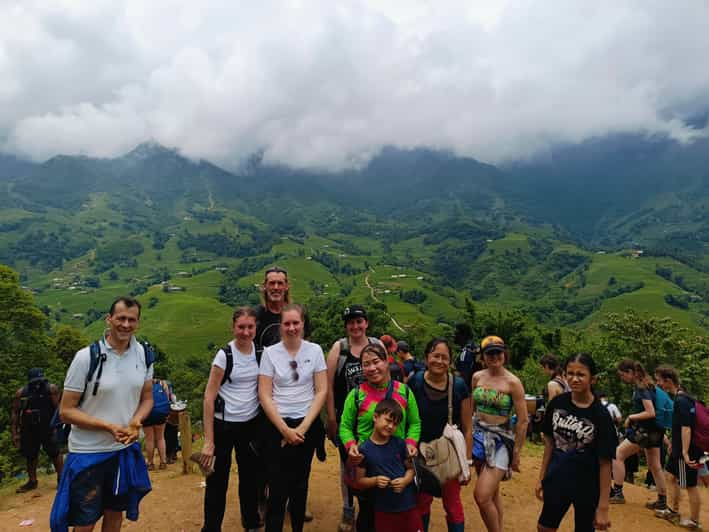
The trek is described as an easy long trek, but the mountain does not care about marketing. Expect a steep start uphill, followed by downslope walking through uneven terrain.
Several factors affect how tough it feels:
- Rain can make trails slippery.
- Mud can slow you down and make your steps bigger and more careful.
- Uneven footing can turn “I can do this” into “okay, slow down.”
A good number of people find the experience manageable if they have decent stamina. Still, it’s smart to treat this as a real hike, not a casual walk. If you want to take it easy, the small group size helps, because a guide can adapt the pace.
Group size is limited to 10 participants, which is another reason this trek feels less crowded than many Sapa day tours. Smaller groups also make it easier to pause for photos or to let someone who needs a breather catch up.
Pace, timing, and the day’s finish near Giang Ta Chai
Your day is set up for a full 10-hour experience, running from the morning pickup through mid-afternoon return. The route continues from Hau Thao and finishes with a walk to Giang Ta Chai village, where your transport waits on the main road.
The documented end time is around 15:30, and then you head back to Sapa. That structure is useful if you only have one day and you still want time later to wander around Sapa town in the evening.
One small thing to plan for: in a village-based trek, timing can shift slightly depending on trail conditions and field activity. The best strategy is to stay flexible about minor delays and focus on the walking and people, not the clock.
Price and value: why $24 can make sense here
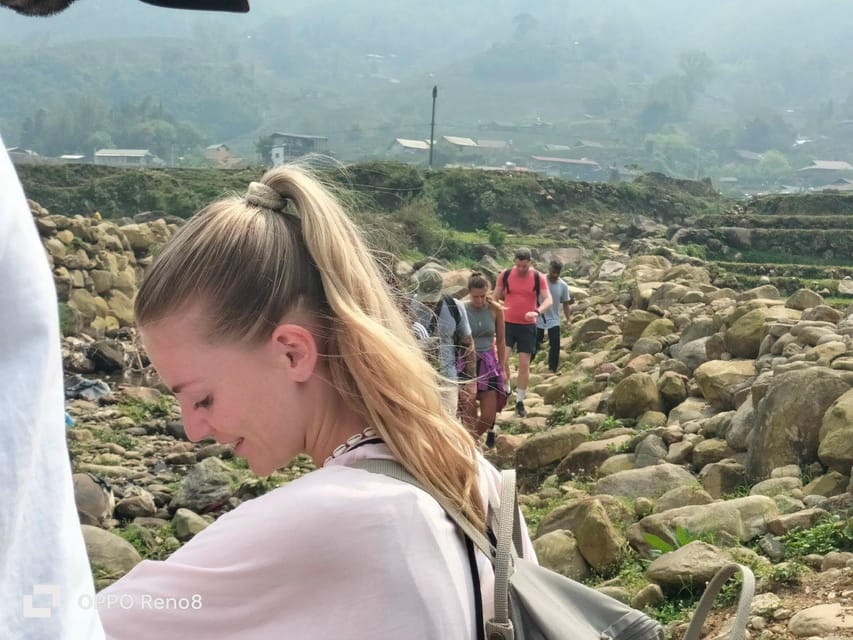
At $24 per person, this one-day trek looks like a bargain if you compare what’s bundled in. You get an English speaking guide, traditional lunch, village entry fees, a small bottle of water per person, a trekking stick, and transport back to Sapa after the trek.
That bundle matters. Many Sapa experiences either charge you separately for guides, entrances, or lunch, and then you realize the total cost is higher than you thought. Here, the pricing is more “all in,” and that usually means fewer surprises.
Also, the included guide time has real value. The cultural details about Hmong life, plus the on-the-ground navigation through village routes, are the reason this feels more authentic than a simple loop hike.
My take: if you want a structured day that includes food, access, and interpretation, this price feels fair for the amount of time and the number of included items.
Logistics that affect comfort: meeting point and what to bring
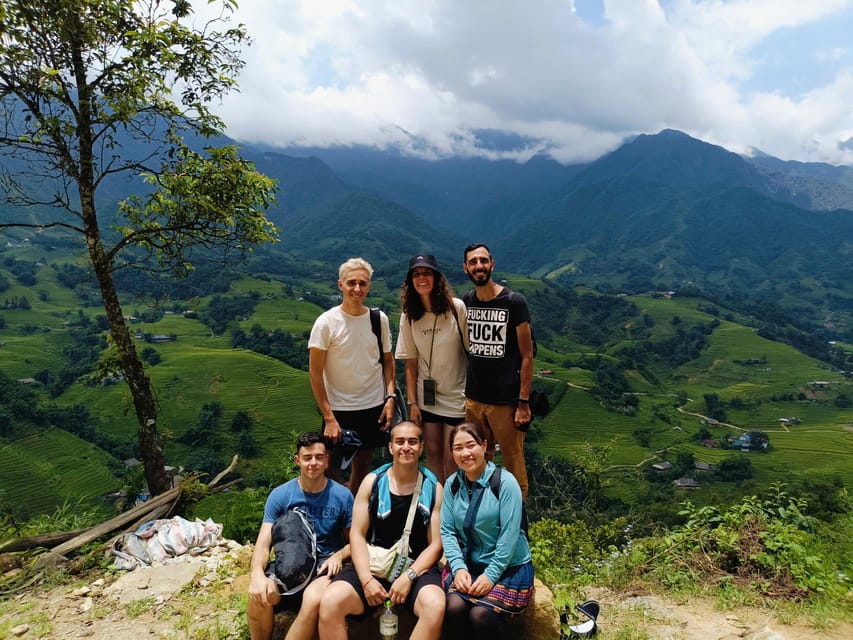
You meet at Sapa TT Homestay, about 2.3 km from central Sapa. The plan advises arriving at least 30 minutes before departure to handle check-in, luggage storage, and a pre-trek briefing.
What to bring is simple, but don’t skip it. Bring cash, and wear shoes you can trust on uneven and possibly muddy trails. The tour also states you should not bring weapons or sharp objects.
One more reality check: this is not suitable for people with mobility impairments, wheelchair users, or people over 95 years. If you fall in any of those categories, look for a different, gentler activity.
Should you book the Sapa 1-day mountain trek to Hau Thao?
Book this trek if you want:
- Big viewpoint payoff early at Sa Seng mountain
- A one-day way to see Black Hmong villages like Hang Da and Hau Thao
- Included lunch and guide-led cultural context
- A small group that keeps the day feeling calm and manageable
Skip it if you need:
- A fully flat walking day, because the route includes steep and uneven sections
- Guaranteed easy footing, because rain can make trails more slippery
- A very lightweight schedule, because it is still a long day even when the pace feels friendly
If you’re planning a tight Sapa itinerary, this is a solid way to get beyond the town and into the rice terraces and village life that make the area famous.
FAQ
How long is the Sapa 1 Day Mountain Trek?
The tour runs for about 10 hours.
What is the meeting point for the trek?
The meeting point is Sapa TT Homestay, about 2.3 km from Sapa’s central area.
What is included in the price?
Included items are a traditional lunch, an English speaking guide, village entry fees, 1 small bottle of water per person, transport back to Sapa at the end of the trek, and a trekking stick.
What should I bring?
Bring cash.
What kind of group size should I expect?
The group is limited to a small size, with up to 10 participants.
Is this trek suitable for everyone?
It is not suitable for people with mobility impairments, wheelchair users, or people over 95 years.
Walk, Then Stay
- Sa Pa: Muong Hoa Valley Trek and Local Ethnic Villages★ 4.6 · 864 reviews
- Sapa: Eco Adventure Terrace Fields and Local Villages Trek★ 4.9 · 636 reviews
- From Sapa: 1-Day Guided Trek to Lao Chai & Ta Van with Lunch★ 4.9 · 416 reviews
- Sapa 1 Day Long Trek: Trek to Hau Thao and Sa Seng Villages★ 4.6 · 344 reviews
- EXPLORE SAPA: 2D1N TREKKING & HMONG CULTURE WITH DINH★ 4.9 · 191 reviews
Sapa on Foot
- Sa Pa: Muong Hoa Valley Trek and Local Ethnic Villages★ 4.6 · 864 reviews
- Sapa: Eco Adventure Terrace Fields and Local Villages Trek★ 4.9 · 636 reviews
- From Sapa: 1-Day Guided Trek to Lao Chai & Ta Van with Lunch★ 4.9 · 416 reviews
- Sapa 1 Day Long Trek: Trek to Hau Thao and Sa Seng Villages★ 4.6 · 344 reviews
- Sapa: Fansipan Cable, Cat Cat Village, Moana Instagram Tour★ 4.8 · 294 reviews
Other Sa Pa tours our reviewers keep coming back to
- Hanoi: Sapa Trekking 2 Days 1 Night – Sleeper Bus from Hanoi
★ 4.6 · 18 reviews - AUTHENIC 2D1N Trek & Bungalow Retreat with Dinh Hmong Family
★ 5.0 · 19 reviews - Sapa: Ta Phin Village Trek & Red Dao Herbal Bath
★ 5.0 · 22 reviews - Sapa: Cat Cat Village, Moana, Alpine Coaster, Fansipan Cable
★ 4.7 · 22 reviews - From Hanoi: Explore Sapa 2-Day Tour
★ 4.3 · 22 reviews - Alpine Coaster Ban Mong Experience in Sapa – Vietnam
★ 4.3 · 22 reviews
Sapa Trekking and Fansipan, compared.
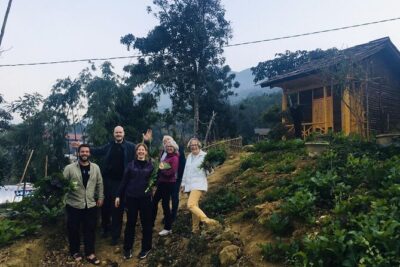 ★ 5.0Sapa 2 Days 1 Night From Hanoi – Overnight in Ta Van VillageFrom $592,669 reviews
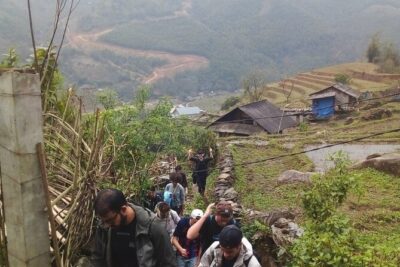 ★ 5.0Hanoi – Sapa 2 Days 1 Night Overnight At HomestayFrom $89899 reviews
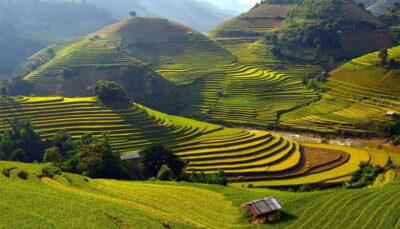 ★ 4.6Sa Pa: Muong Hoa Valley Trek and Local Ethnic VillagesFrom $23864 reviews
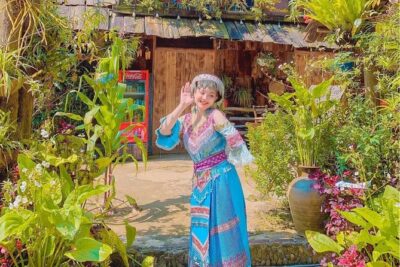 ★ 5.0Sapa: Fansipan Cable, Cat Cat Village & Moana Instagram TourFrom $30777 reviews
 ★ 4.8From Hanoi: 2-Day Sapa Trekking Trip with Homestay & MealsFrom $71704 reviews
 ★ 5.0Sapa 3 Days 2 Nights Trekking Tour (1 Night In Ta Van Village, 1 Night In Hotel)From $139699 reviews
 ★ 4.9Sapa: Eco Adventure Terrace Fields and Local Villages TrekFrom $27636 reviews
 ★ 5.03-Day Trekking Adventure of Sapa from Hanoi – Stay Ta Van VillageFrom $109611 reviews
Also in these Vietnam lists