
REVIEW · SAPA TREKKING AND FANSIPAN
From Sapa: Waterfalls, Trekking and Tribal Villages Tour
Waterfalls and village paths, all in one half-day. This Dong Bac tour strings together Silver Waterfall and Love Waterfall in Hoang Lien National Park, then shifts into a trek through rice paddies and tribal villages. I love the waterfall payoff for the time it takes, and I love the picnic lunch with a local cultural connection, with stories from guides such as Lisa, Cu, Lan, and Sue. One consideration: the trail time and effort can feel longer than the headline, especially if you are not used to mountain steps.
I also like that it is built as a smooth day plan, with a hotel lobby pickup in Sapa Town and a private car transfer for the hops in between stops. The group stays small, limited to 15, which helps the guide keep the pace friendly and the walking questions answered.
In This Review
- Key things to know before you go
- How the half-day starts: pickup, Tram Ton Pass, and waterfall staging
- Silver Waterfall and Love Waterfall: the real highlight of the first stretch
- Ban Khoan: where the trek becomes a village walk
- The 4-hour trek through rice paddies and tribal villages
- Hmong and Red Dzao stories you can actually use
- Picnic lunch with locals: more than a boxed meal
- Ta Phin Village and the Red Dzao home visit, then the ride back to Sapa
- Price and value: what $72 buys you in a 5-hour Sapa day
- What to wear and pack for this Dong Bac walk
- Pace and difficulty: who this is perfect for, and who should reconsider
- Should you book the Sapa Unique Tour (Viet Sapa Travel) Dong Bac waterfalls and tribal villages tour?
- FAQ
- How long is the Dong Bac waterfalls, trekking, and tribal villages tour?
- Where do I get picked up in Sapa?
- How long is the trekking portion?
- How big is the group?
- What is included in the price?
- Are there any ticket fees or entrance costs I need to pay separately?
- What should I bring for the trek?
- What is the cancellation policy and payment option?
Key things to know before you go
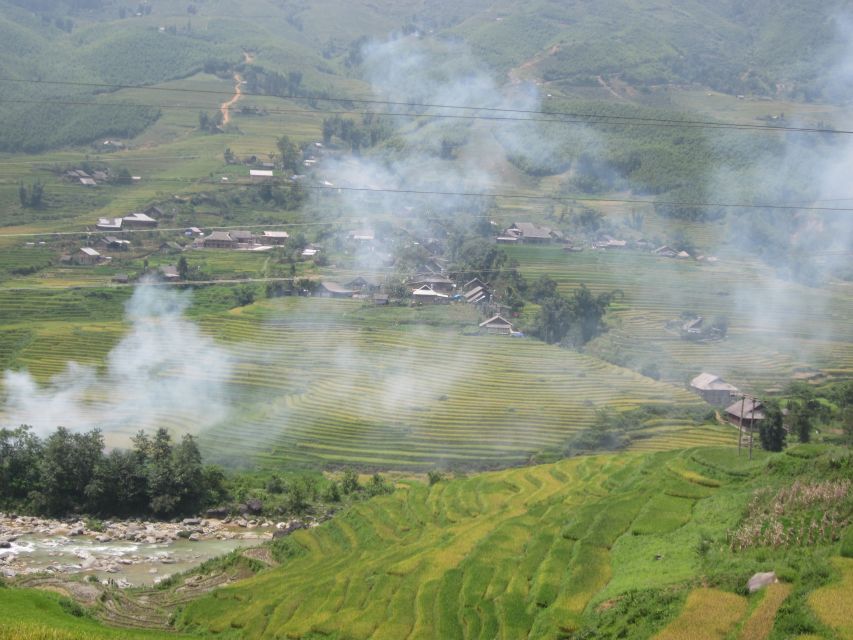
- Hoang Lien National Park waterfalls: You’ll see both Silver Waterfall and Love Waterfall, plus Tram Ton Pass on the way.
- A real village trek, not a drive-by: About 4 hours on mountain trails, with rice paddies and tribal settlements along the way.
- Hmong and Red Dzao encounters: The tour is designed around learning day-to-day life and local traditions, including textile work.
- Lunch with locals: Picnic lunch is part of the experience, and one reported vegan-friendly meal is a good sign to ask ahead.
- Small group, limited to 15: Easier questions, photo stops, and a more personal pace than big buses.
Other Sapa walks, from gentle to genuinely hard
- Sa Pa: Muong Hoa Valley Trek and Local Ethnic Villages★ 4.6 · 864 reviews
- Sapa: Eco Adventure Terrace Fields and Local Villages Trek★ 4.9 · 636 reviews
- From Sapa: 1-Day Guided Trek to Lao Chai & Ta Van with Lunch★ 4.9 · 416 reviews
- Sapa 1 Day Long Trek: Trek to Hau Thao and Sa Seng Villages★ 4.6 · 344 reviews
How the half-day starts: pickup, Tram Ton Pass, and waterfall staging
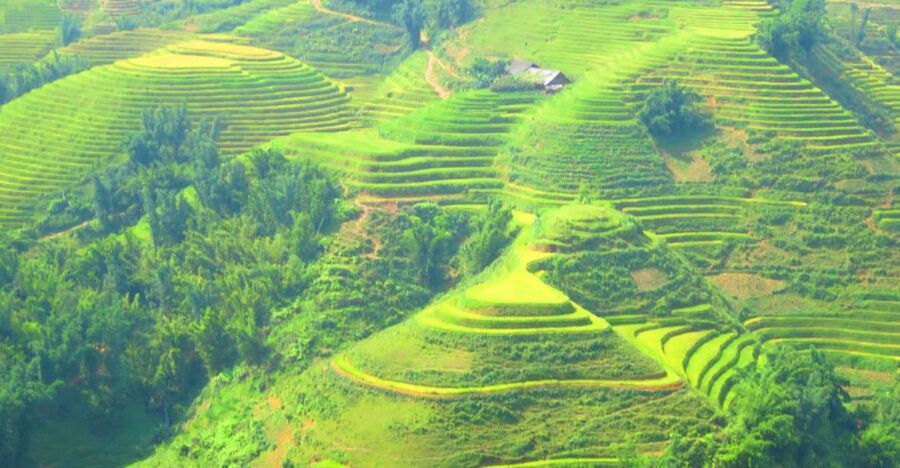
The day begins with pickup from your hotel lobby in Sapa Town. From there you head out about 30 minutes, first to set the stage with views from Tram Ton Pass and a couple of waterfall stops before you switch into trekking mode.
This ordering matters. You are not tired yet when you reach the waterfalls, so you get better photo time and more ability to slow down for the scenery. It also helps mentally: once you’ve seen what the area looks like, the trek through rice fields and village paths feels like the next chapter, not just walking.
You’ll also get an English-speaking guide plus the entrance fees handled. That saves time at the start, and it means you spend your energy on the hike and the people, not tickets and paperwork.
Silver Waterfall and Love Waterfall: the real highlight of the first stretch
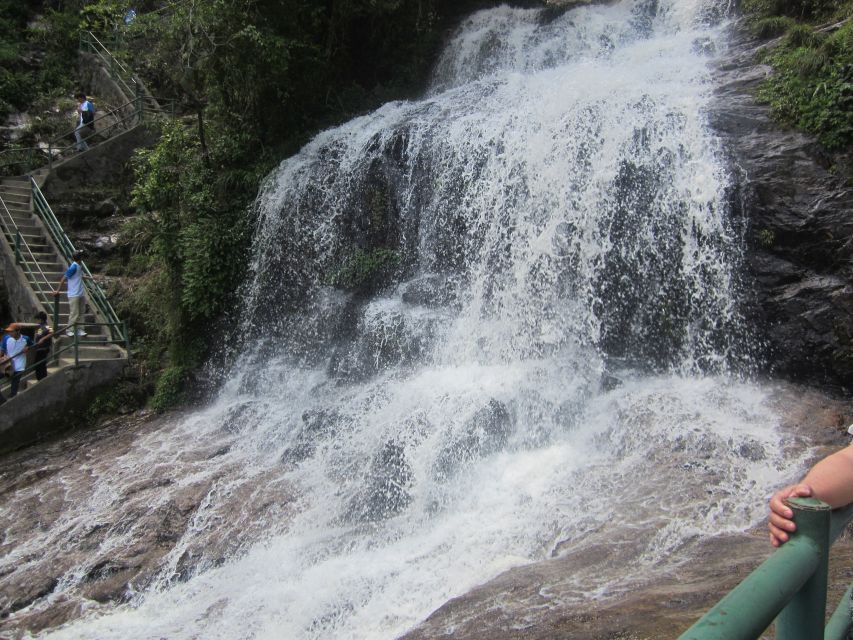
Silver Waterfall and Love Waterfall are both part of your waterfall run in Hoang Lien National Park. The big win here is contrast. You get one waterfall with that dramatic, water-over-rock look, and then another that feels different in mood and setting. In one day that included heavy rain, the waterfalls were described as huge, almost surreal.
Two practical tips for waterfall season and mood:
- If the weather turns foggy, your long-distance views over the rice fields can soften, but waterfalls still deliver.
- If you are sensitive to stairs and uneven ground, keep your shoes tight and your rhythm steady. Even early on, these areas can be slippery or rocky.
One more real-world detail: the time you spend walking to the falls can be longer than you expect from a basic “stop and see” plan. I recommend building in a little buffer, so you don’t end up surprised when the approach walk takes a bit more effort than advertised.
Ban Khoan: where the trek becomes a village walk
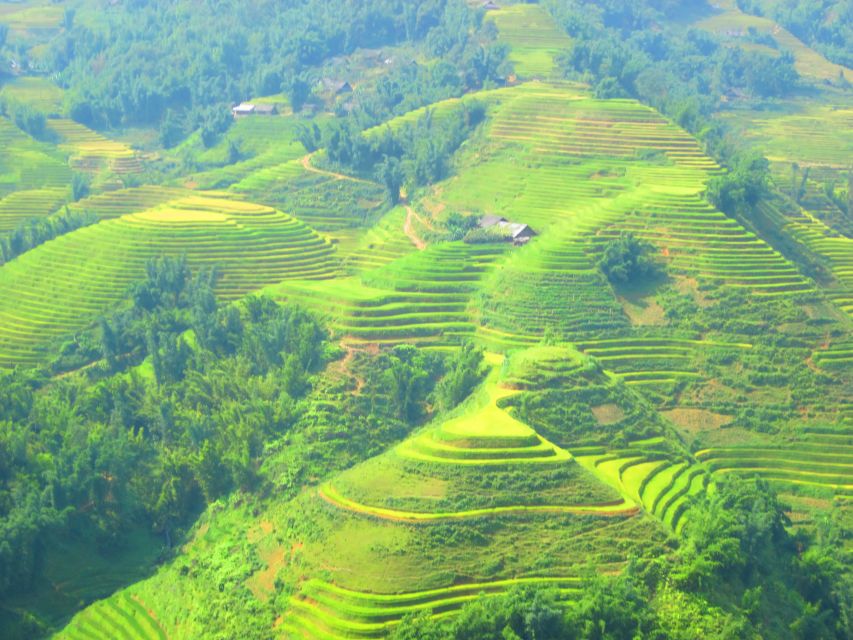
After the waterfalls and pass stops, you shift toward Ban Khoan, a traditional village area where you start your trekking portion. This is where the tour turns from scenic driving to slow, foot-level travel.
The value of starting the trek here is simple: you ease into the walking with a village connection before the longer trail stretch. It also tends to set a respectful tone. You’re not just sprinting through photos, you’re learning the rhythm of local life through conversation and what you see along the path.
You should expect a mix of trail types. Some paths feel like narrow mountain tracks, while others move through open sections where you can look out over rice paddies and fields. That mix is part of why the day feels like more than one activity.
The 4-hour trek through rice paddies and tribal villages
The trekking portion is about 4 hours, with a long day feel built in. The route is roughly 15 km (about 9.3 miles), but the way it feels on your legs depends on the climbs, footing, and weather.
I like the way this trek is framed for people who want nature and culture, without needing to train like a weekend endurance athlete. The difficulty is often described as moderately difficult, and that matches what you should plan for if you are average-fit and comfortable walking uphill.
Still, here’s the balanced part. One person said the trek took longer than the 4-hour estimate, and another warned that the total effort felt more intense than the “weekend trekker” crowd expects. So I recommend treating the advertised trek time as a baseline, then preparing for a pace closer to “half-day trekking” rather than “easy stroll.”
What you’ll see and learn on the trail:
- Rice paddies and field edges, with viewpoints that can clear up when the fog lifts.
- Tribal villages that feel remote, not designed like a shopping circuit.
- Photo moments that come naturally because the path gives you little sightlines and stops for conversation.
Sleep in a village, walk between them
Hmong and Red Dzao stories you can actually use
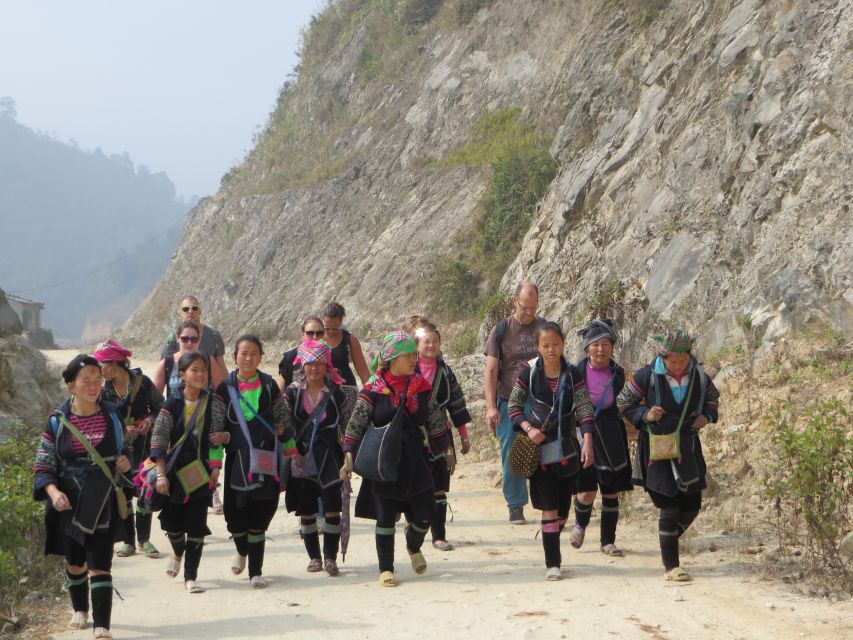
A core reason to choose this tour is that it is designed around meeting the Hmong and Red Dzao people, not just passing by the idea of them. You’ll learn about day-to-day life, traditions, and the cultural meaning behind what you see.
One praised detail is the guide storytelling quality. Names that came up include Lisa, Cu, Lan, and Sue, and each was described as bringing the culture to life through history and everyday context, plus lots of time for questions. That matters because it turns the trek from a scenic outing into something you can talk about later at dinner.
You might also notice textile work as part of the cultural learning. That was specifically called out as impressive, and it fits the tour’s focus on how people live and create, not just where they live.
A small reality check: there is no guarantee every section will feel the same in every season, and fog can change what you see in the rice fields. But the cultural conversations and village walking do not disappear when weather changes.
Picnic lunch with locals: more than a boxed meal
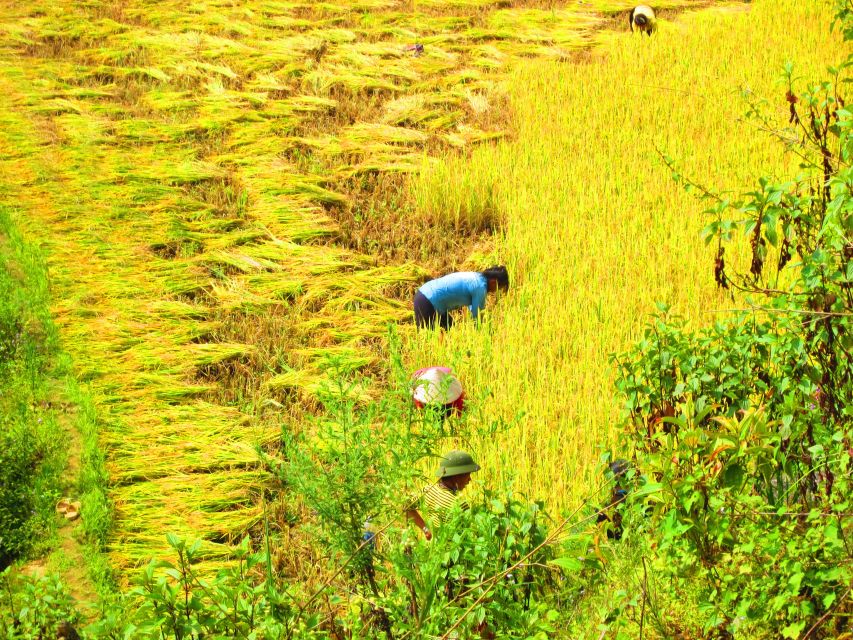
Lunch is a picnic, and it is part of the cultural rhythm of the day, not just an energy reset. The tour includes picnic lunch and you get bottled water, two bottles per person.
What makes the lunch stand out from many treks is that it is tied to the local setting. One report mentioned the meal included sandwiches, which tells you it’s practical and easy to manage on the move. Another report said the guide accommodated a vegan diet, which is a solid sign that asking ahead could help.
My practical advice:
- Tell your guide about dietary needs early.
- Expect a simple picnic style that works well outdoors.
- Bring or use your water, because you are walking for hours and it’s easy to underestimate how quickly thirst hits.
Ta Phin Village and the Red Dzao home visit, then the ride back to Sapa
In the afternoon, the trek continues to the home of the Red Dzao tribe in Ta Phin Village. This is where the tour gives you that “slow down and learn” payoff. You’re not just walking through scenery, you are entering another pace of life, guided by what your tour leader explains.
Then it is back to the car for the transfer to Sapa, about 30 minutes. That short ride is one of the reasons the day works so well. You get time to cool down, rinse off sweat, and still feel like you did something meaningful.
Price and value: what $72 buys you in a 5-hour Sapa day
At $72 per person for a 5-hour tour, the value comes from what’s included, not the headline price. You are paying for a bundle:
- English-speaking guide
- All entrance fees
- Private car transfer
- Picnic lunch
- Two bottles of mineral water per person
- Pickup in Sapa Town
If you try to build this day yourself, the hardest parts are usually finding transport out to the waterfall area, lining up the guide for the village learning, and handling entrance fees. This tour packages those pieces into one plan, and that is what makes the cost feel reasonable for most people.
Also factor in the small group size, limited to 15. That usually means more manageable pacing and less time spent stuck waiting for a big group to catch up.
What to wear and pack for this Dong Bac walk
This tour is outdoors for part of the day, and you’ll be on mountain trails. Wear comfortable clothes and hiking shoes appropriate for outdoor activities. Bring a small daypack with personal belongings.
You’ll be happier if you pack:
- insect repellent
- sunscreen
- a raincoat (weather can change fast)
- a sun hat
- a small daypack
Seasonal note matters. If you are trekking from November to March, plan on warm clothes. Even when you think you are dressed right, the combination of altitude air and time walking uphill can surprise you.
And one more tip that came up in advice from the field: you can work up real body heat on the climb, so don’t overbundle for the sake of warmth alone. Dress for movement, then layer for breaks.
Pace and difficulty: who this is perfect for, and who should reconsider
This is not a “sit on a bus and take selfies” day. It’s a guided half-day with real walking, and the trail involves climbing and descending. At the same time, it is not sold as a hardcore multi-day trek.
This tour fits best if you:
- want waterfalls plus villages in one outing
- enjoy guided cultural learning and conversation
- are comfortable with about 4 hours of trekking on mountain trails
- prefer a small group, max 15
Consider skipping or upgrading your fitness expectations if you:
- struggle with steep, rocky, or uneven paths
- are expecting something closer to a flat, easy walk
- hate the idea that “4 hours” might stretch depending on weather and trail conditions
If you are “average fit” and used to hiking shoes, you should be fine with steady pacing. I would simply treat the day as active, not casual.
Should you book the Sapa Unique Tour (Viet Sapa Travel) Dong Bac waterfalls and tribal villages tour?
I’d book this tour if you want one practical half-day that mixes Silver Waterfall, Love Waterfall, and a guided trek through rice paddies with Hmong and Red Dzao cultural learning. The included picnic lunch, handled entrance fees, and hotel pickup make it a low-stress way to see a lot without arranging everything yourself.
I’d pause before booking if you only want an easy walk, or if you’re very sensitive to change in timing and effort once you’re on the trail. The day can run longer on foot than the headline trek time suggests, so go in with the right mindset and shoes.
If you book, do two things for best results: tell your guide about any dietary needs, and pack rain gear plus insect repellent. Those two small items keep the day comfortable, even when the weather decides to be moody.
FAQ
How long is the Dong Bac waterfalls, trekking, and tribal villages tour?
The tour duration is 5 hours, and you can check availability for starting times.
Where do I get picked up in Sapa?
Pickup is included at your hotel lobby in Sapa Town.
How long is the trekking portion?
The trek is about 4 hours, with a total trekking distance of about 15 kilometers (9.3 miles).
How big is the group?
It is a small group, limited to 15 participants.
What is included in the price?
The tour includes an English-speaking guide, all entrance fees, private car transfer, picnic lunch, and 2 bottles of mineral water per person.
Are there any ticket fees or entrance costs I need to pay separately?
No. All entrance fees are included, and you skip the ticket line.
What should I bring for the trek?
Wear comfortable clothes and hiking shoes. Bring insect repellent, sunscreen, a raincoat, a sun hat, and a small daypack with personal belongings.
What is the cancellation policy and payment option?
You can cancel up to 24 hours in advance for a full refund. There is also a reserve now and pay later option, so you can book and pay nothing today.
Walk, Then Stay
- Sa Pa: Muong Hoa Valley Trek and Local Ethnic Villages★ 4.6 · 864 reviews
- Sapa: Eco Adventure Terrace Fields and Local Villages Trek★ 4.9 · 636 reviews
- From Sapa: 1-Day Guided Trek to Lao Chai & Ta Van with Lunch★ 4.9 · 416 reviews
- Sapa 1 Day Long Trek: Trek to Hau Thao and Sa Seng Villages★ 4.6 · 344 reviews
- EXPLORE SAPA: 2D1N TREKKING & HMONG CULTURE WITH DINH★ 4.9 · 191 reviews
Sapa on Foot
- Sa Pa: Muong Hoa Valley Trek and Local Ethnic Villages★ 4.6 · 864 reviews
- Sapa: Eco Adventure Terrace Fields and Local Villages Trek★ 4.9 · 636 reviews
- From Sapa: 1-Day Guided Trek to Lao Chai & Ta Van with Lunch★ 4.9 · 416 reviews
- Sapa 1 Day Long Trek: Trek to Hau Thao and Sa Seng Villages★ 4.6 · 344 reviews
- Sapa: Fansipan Cable, Cat Cat Village, Moana Instagram Tour★ 4.8 · 294 reviews
Other Sa Pa tours our reviewers keep coming back to
- Hanoi: Sapa Trekking 2 Days 1 Night – Sleeper Bus from Hanoi
★ 4.6 · 18 reviews - AUTHENIC 2D1N Trek & Bungalow Retreat with Dinh Hmong Family
★ 5.0 · 19 reviews - Sapa: Ta Phin Village Trek & Red Dao Herbal Bath
★ 5.0 · 22 reviews - Sapa: Cat Cat Village, Moana, Alpine Coaster, Fansipan Cable
★ 4.7 · 22 reviews - From Hanoi: Explore Sapa 2-Day Tour
★ 4.3 · 22 reviews - Alpine Coaster Ban Mong Experience in Sapa – Vietnam
★ 4.3 · 22 reviews
Sapa Trekking and Fansipan, compared.
 ★ 5.0Sapa 2 Days 1 Night From Hanoi – Overnight in Ta Van VillageFrom $592,669 reviews
 ★ 5.0Hanoi – Sapa 2 Days 1 Night Overnight At HomestayFrom $89899 reviews
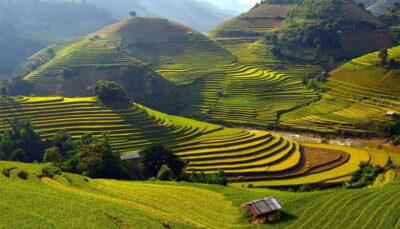 ★ 4.6Sa Pa: Muong Hoa Valley Trek and Local Ethnic VillagesFrom $23864 reviews
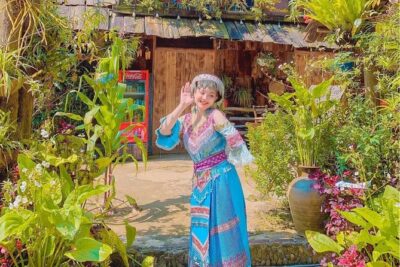 ★ 5.0Sapa: Fansipan Cable, Cat Cat Village & Moana Instagram TourFrom $30777 reviews
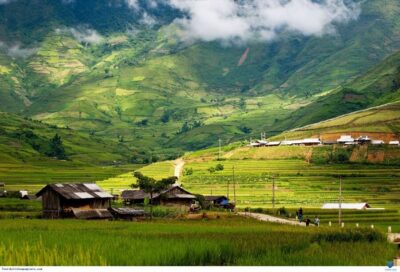 ★ 4.8From Hanoi: 2-Day Sapa Trekking Trip with Homestay & MealsFrom $71704 reviews
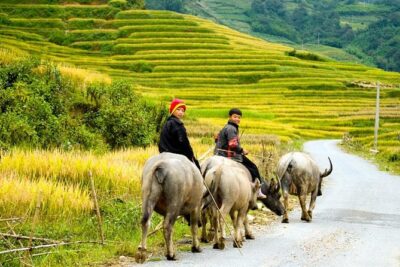 ★ 5.0Sapa 3 Days 2 Nights Trekking Tour (1 Night In Ta Van Village, 1 Night In Hotel)From $139699 reviews
 ★ 4.9Sapa: Eco Adventure Terrace Fields and Local Villages TrekFrom $27636 reviews
 ★ 5.03-Day Trekking Adventure of Sapa from Hanoi – Stay Ta Van VillageFrom $109611 reviews
Also in these Vietnam lists