
REVIEW · SAPA TREKKING AND FANSIPAN
From Sapa: Terrace Fields and Local Villages Trek with Lunch
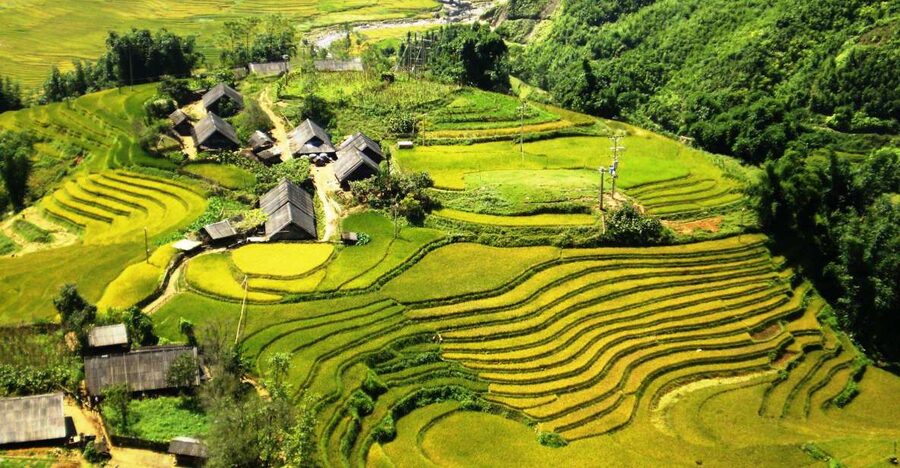
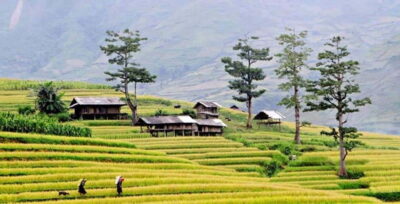
Rice terraces start this walk with a wow factor.
This 7-hour Sapa hike mixes terraced fields with village paths, plus a local ethnic guide who can explain everyday life instead of just pointing at views. You’ll also eat a hearty lunch at a local spot along the route, included in the price.
I like that the day uses a non-touristy route after you leave town, so you see terrace rice, corn, and potato fields in a calmer, more lived-in way. I also love the personal cultural touches, especially when the guide shares her own family background and answers your questions directly.
One consideration: in fog or damp weather, the paths can get slippery and the hike can feel physically demanding. Plan for mud, take good footwear seriously, and don’t assume it will be an easy stroll.
In This Review
- Key moments that make this trek worth it
- Sapa Terrace Views, Real Villages, and a Local-Guide Focus
- Hotel Pickup That Also Helps You Learn the Town
- From Sapa Town to Terrace Fields on a Non-Touristy Route
- Lai Chai and Ethnic Minority Culture With Your Local Guide
- Bamboo Forest, Waterfall Stops, and the Mud Reality
- Lunch at a Local Restaurant, and What’s Included (and Not)
- Price and Logistics: Is $22 Good Value in Sapa?
- Who This Trek Fits Best (and Who Should Skip It)
- My Take: Should You Book This Sapa Terrace Fields Trek?
- FAQ
- What time does pickup happen in Sapa?
- How long is the trek?
- Is lunch included?
- Are drinks included?
- Is the guide English-speaking?
- How do you get back to Sapa after the trek?
- Who should not take this trek?
- What is the cancellation policy?
Key moments that make this trek worth it
- Hotel pickup plus a slow start through Sapa town (your guide gathers people across hotels before heading out)
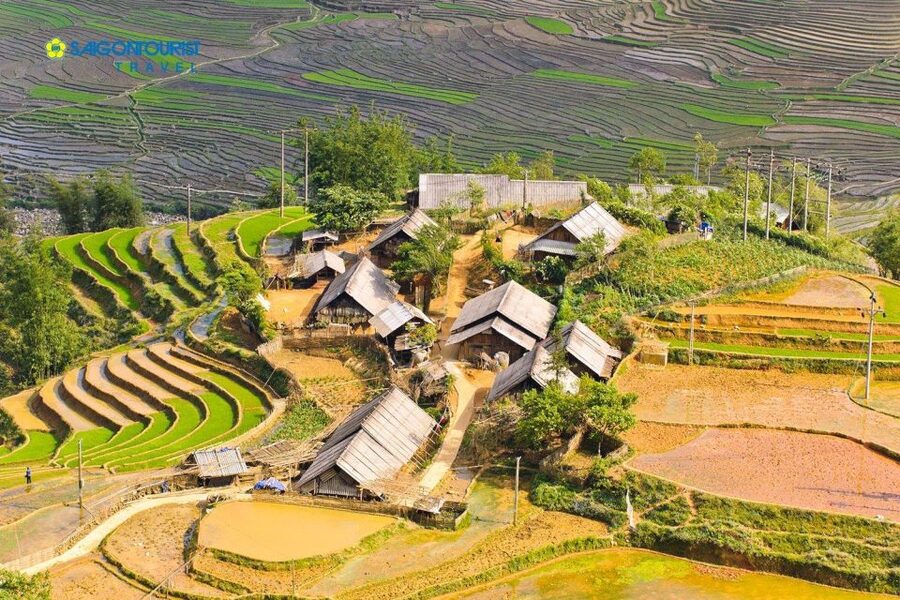
- Terraced fields without the constant crowd energy, including rice, corn, and potato plots
- Lai Chai village visit and ethnic minority context from a local guide who can explain customs and habits
- Waterfall photo stop to pause, breathe, and get that classic Sapa view
- Included local lunch that fits the day, with drinks not included
- Return shuttle to Sapa so you can keep your schedule simple
Other Sapa walks, from gentle to genuinely hard
- Sa Pa: Muong Hoa Valley Trek and Local Ethnic Villages★ 4.6 · 864 reviews
- Sapa: Eco Adventure Terrace Fields and Local Villages Trek★ 4.9 · 636 reviews
- From Sapa: 1-Day Guided Trek to Lao Chai & Ta Van with Lunch★ 4.9 · 416 reviews
- Sapa 1 Day Long Trek: Trek to Hau Thao and Sa Seng Villages★ 4.6 · 344 reviews
Sapa Terrace Views, Real Villages, and a Local-Guide Focus
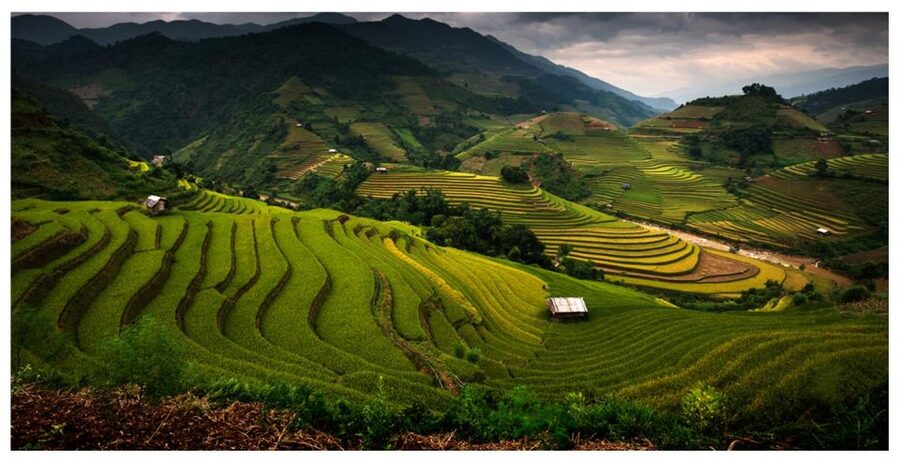
If your mental picture of Sapa is mostly postcards, this trek pushes you closer to what people actually do day to day. After pickup, you don’t just march toward a viewpoint. You walk past fields, cut through village areas, and get cultural context from someone who knows the community from the inside.
This is the kind of half-day that can change how you read the scenery. In the terraced zones, you start noticing how water and farming shape the hillsides. In the villages, you’re not only looking at houses, you’re learning why people live the way they do.
The price, $22 per person, is honestly the big reason most people pick this. You’re paying for a full package for a 7-hour day: pickup and drop-off, guided trek, village entry fees, a local lunch, and a shuttle back to town. It’s not a luxury experience, but it is good value for an organized, guided day out of Sapa.
Hotel Pickup That Also Helps You Learn the Town
Pickup runs from about 8:00 to 8:45am. Your local guide starts by walking from hotel to hotel to gather guests, so depending on where you’re staying, pickup can take 30 to 45 minutes. For me, that matters because it turns the morning transfer into a gentle way to orient yourself in Sapa town.
Instead of jumping straight onto a trail, you ease into the day. You also get a quick sense of where the trekking groups are coming from and how your schedule will flow. Then you move on from the town into farmland.
This part is low stress, but it’s still time you should build into your plans. If you’re trying to squeeze in a morning activity or late breakfast, start planning carefully, because pickup is not instant.
From Sapa Town to Terrace Fields on a Non-Touristy Route
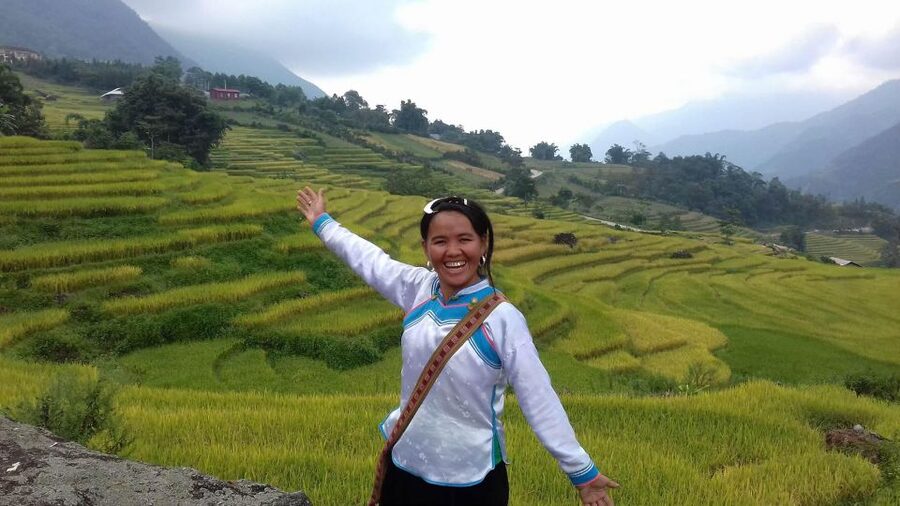
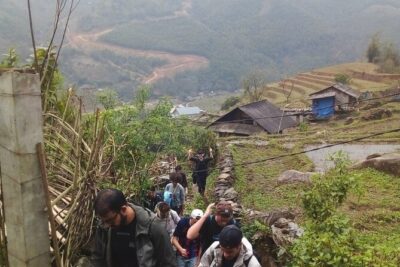
Once you leave Sapa town, the trek shifts into the farming heart of the area. Your route is described as non-touristy, and that’s a key difference for how the day feels.
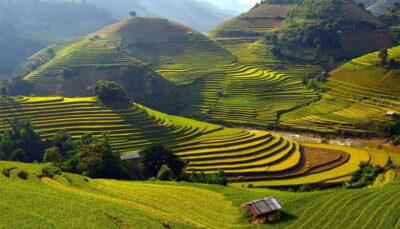
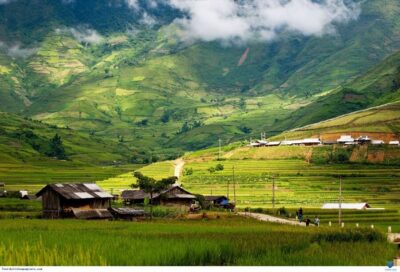
You’ll walk through terraced rice, and also see corn and potato fields. That variety helps break up the scenery, and it gives you more than just one type of view. Terraces can look similar from afar, but up close you notice differences in crops, growing stages, and how households use small plots across the slopes.
You’ll also be hiking on paths that can be wet, especially if there’s fog. Some guides and groups handle that well, but you still need to dress for it. More on that in the gear section.
Lai Chai and Ethnic Minority Culture With Your Local Guide
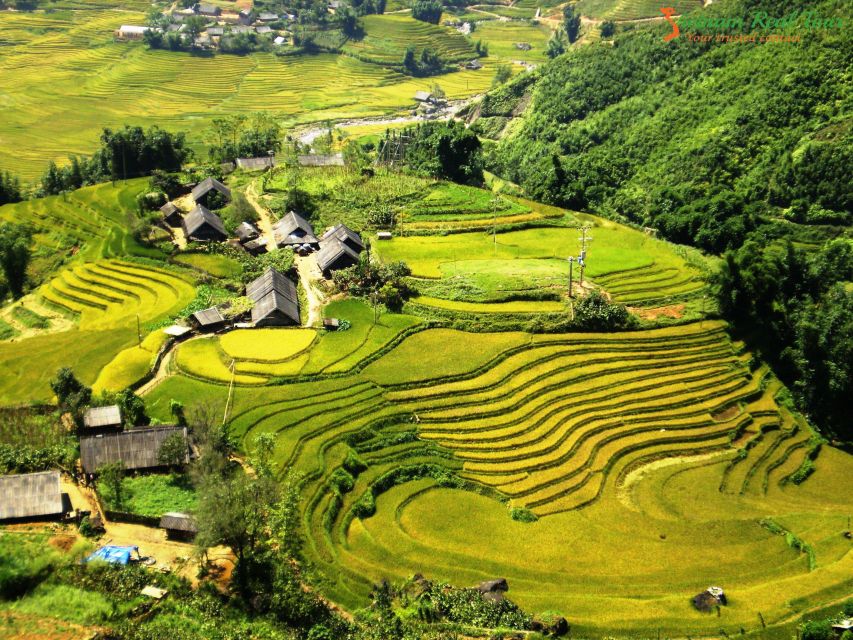
A standout part of this trek is the cultural storytelling. Your guide is from the local ethnic minority communities, and the walk includes time to learn about customs and daily habits.
A specific name that comes up in the reviews is Mao. One review notes that Mao was attentive, answered questions, and even showed the guide’s house and family. That kind of detail is what turns a trek from scenery-only into a real human experience.
You’ll also make your way to Lai Chai, described as a small village on the tribal hill. This matters because it frames the terrace fields as part of a village system, not just a backdrop for photos. You get to see how farming and community life connect on the hillside.
To get the most from this section, I recommend asking simple questions while you walk, not only at stops. In a village setting, good conversation comes in small moments between paths.
Sleep in a village, walk between them

Bamboo Forest, Waterfall Stops, and the Mud Reality
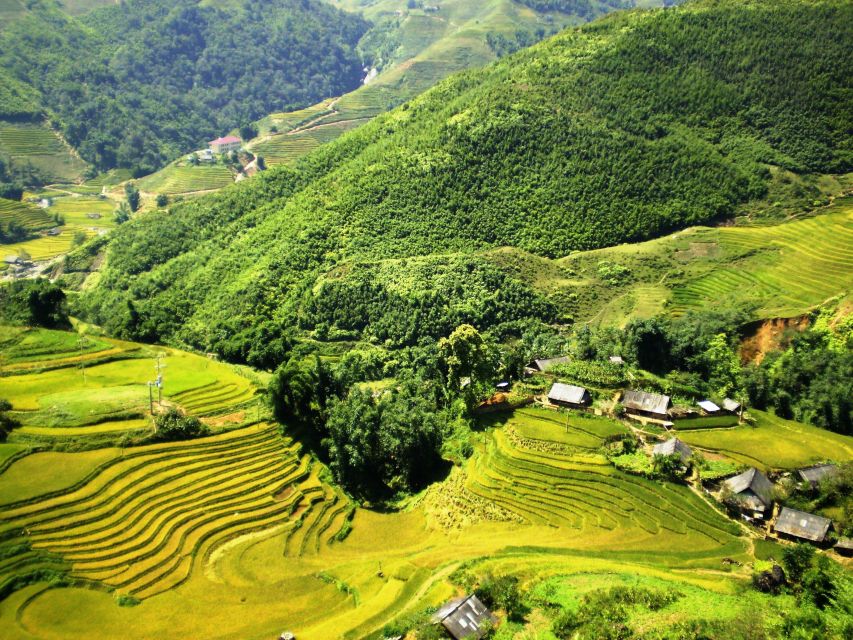
After leaving the town and working your way through fields and villages, the route includes a stop at a waterfall for a break and photos. These pauses are useful because they let you reset physically. Also, they’re where you can take in the view without feeling rushed.
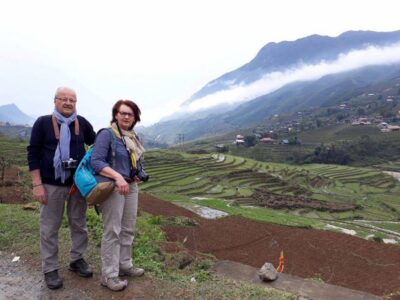
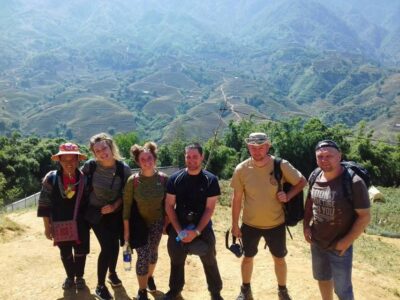
Now for the part you should not ignore: weather and traction. One review specifically mentions fog, slippery paths, and a hike that became physically difficult. In that same review, the person was not as prepared as other guests, and someone wearing rubber boots and using trekking poles seemed more stable. Another review echoed the mud factor and recommended rubber boots.
So here’s my practical take:
- Bring footwear you trust on slick ground.
- If it’s foggy, expect mud and limited traction.
- Trekking poles can help, but boots matter more if the paths are slick.
Even if your day starts clear, Sapa weather can change fast on the hills. So plan as if the ground will be wet. That reduces the odds of a scary slip and makes the hike more enjoyable.
Lunch at a Local Restaurant, and What’s Included (and Not)
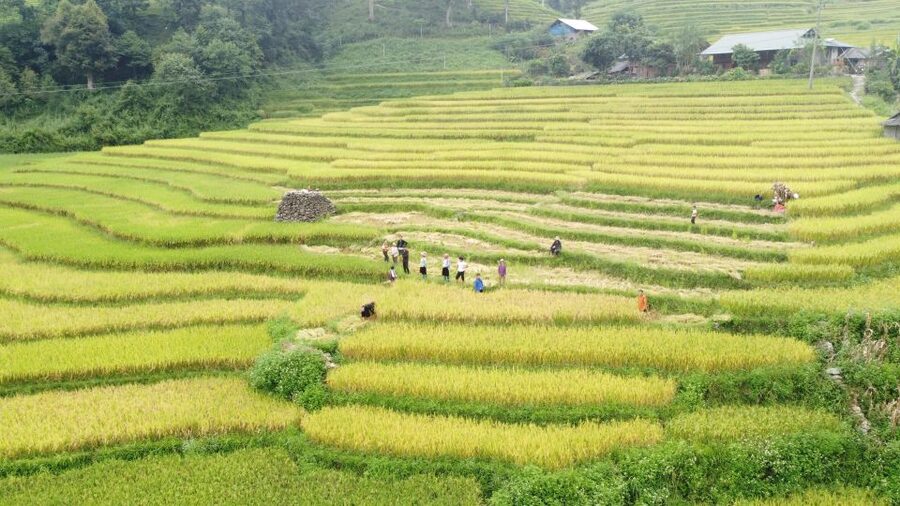
After your trek, you’ll replenish your energy with lunch at a local restaurant. Lunch is included, and it’s described as having varied local flavors.
This is a smart inclusion because it keeps the whole day from turning into a hunt for food mid-hike. You can also use lunch to ask questions about what you just saw, because the guide is still in “translator mode” after the walk.
A small but important note: drinks are not included. That means you should budget for water or other drinks separately. If you’re the type who gets thirsty while hiking, bring your own water plan or be ready to buy on site.
Price and Logistics: Is $22 Good Value in Sapa?
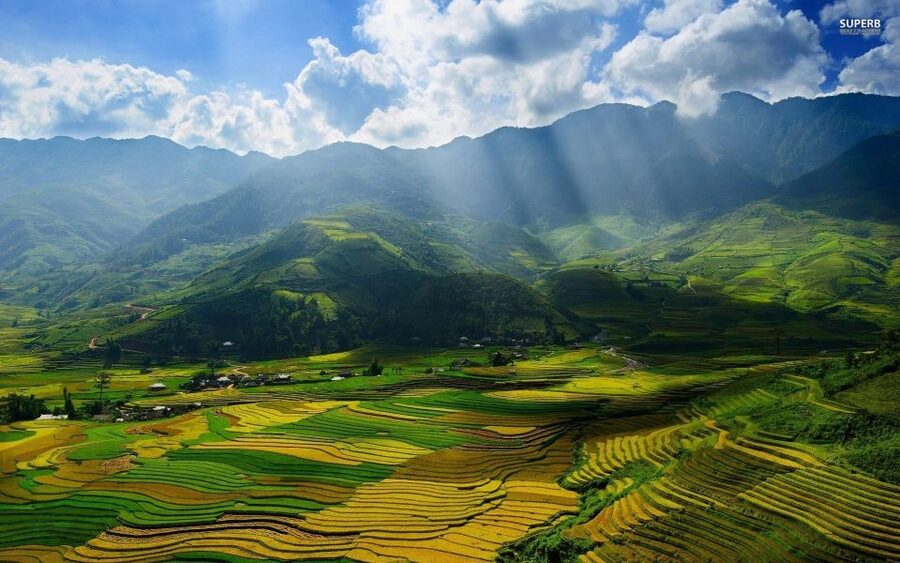
For $22 per person, this tour is priced like an everyday local experience, not a premium sightseeing product. The value comes from what’s bundled:
- Hotel pickup and drop-off
- Guided trek
- Villages entry fees
- Local lunch
- Shuttle bus back to Sapa
If you add up those pieces on your own, the organizer is saving you time and hassle. You get the route structure, a guide from the community, and a return plan, which is especially useful in a place where weather can mess with schedules.
The biggest “hidden cost” is really your preparation. If you show up in non-ideal shoes for mud and fog, you might spend energy fighting your footing. If you prepare for the terrain, the $22 feels even more fair.
One more reality check: because it’s a village and field trek, the experience can feel more “hike and village walk” than “big monuments and skyline.” If you want a heavy sightseeing day, this isn’t that kind of tour. But if you want Sapa’s working hillside life, it’s a solid fit.
Who This Trek Fits Best (and Who Should Skip It)
This experience is listed as not suitable for:
- Children under 5
- People with back problems
- People with heart problems
- Wheelchair users
- People over 275 lbs (125 kg)
- People over 70
That’s consistent with what you’d expect from a hillside trek that can involve slippery, uneven paths. Even when weather is kind, you’re walking for most of the day and crossing terrain that is not flat.
I’d also add a personal decision rule. If you hate mud and slipping risks, treat this as a “prep carefully” tour. If you’re comfortable with basic hiking and can handle uneven ground, you’ll likely enjoy the mix of fields, village conversation, and waterfall views.
English is supported by the live guide, which helps a lot if you want cultural context, not just directions.
My Take: Should You Book This Sapa Terrace Fields Trek?
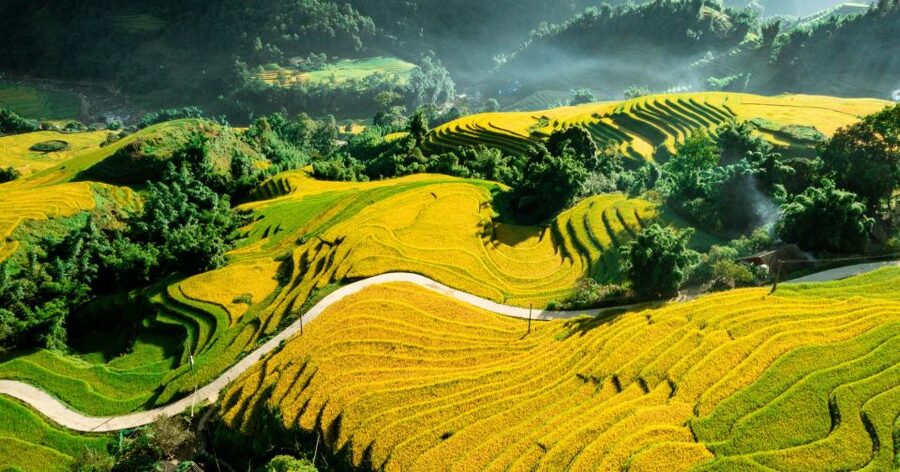
I’d book this tour if you want a Sapa day that feels practical and human. The combination of terraced fields, a village stop like Lai Chai, and a local ethnic guide who can explain everyday customs is the core appeal. Plus, you get lunch and a shuttle back, so you’re not stuck managing logistics while you’re tired.
I would think twice if:
- You have limited mobility or health concerns that affect walking on uneven ground
- You’re arriving expecting a totally dry, easy trail
- You strongly dislike any itinerary that includes village entry and guided stops, because the experience is partly about community access and structured context
If you do book, prepare for mud and fog like it’s part of the plan. The best version of this day is when you feel stable underfoot and can focus on the fields and stories around you.
FAQ
What time does pickup happen in Sapa?
Pickup is scheduled between 8:00 and 8:45am. Your guide walks from hotel to hotel to pick up guests, which can take about 30 to 45 minutes depending on where you are in Sapa town.
How long is the trek?
The duration is 7 hours.
Is lunch included?
Yes. Lunch at a local restaurant is included in the tour.
Are drinks included?
No. Drinks are not included.
Is the guide English-speaking?
Yes, the live tour guide is listed as English.
How do you get back to Sapa after the trek?
A shuttle bus takes you back to your hotel in Sapa after lunch and the trek.
Who should not take this trek?
It is not suitable for children under 5, people with back problems, people with heart problems, wheelchair users, people over 275 lbs (125 kg), or people over 70.
What is the cancellation policy?
You can cancel up to 24 hours in advance for a full refund.
Walk, Then Stay
- Sa Pa: Muong Hoa Valley Trek and Local Ethnic Villages★ 4.6 · 864 reviews
- Sapa: Eco Adventure Terrace Fields and Local Villages Trek★ 4.9 · 636 reviews
- From Sapa: 1-Day Guided Trek to Lao Chai & Ta Van with Lunch★ 4.9 · 416 reviews
- Sapa 1 Day Long Trek: Trek to Hau Thao and Sa Seng Villages★ 4.6 · 344 reviews
- EXPLORE SAPA: 2D1N TREKKING & HMONG CULTURE WITH DINH★ 4.9 · 191 reviews
Sapa on Foot
- Sa Pa: Muong Hoa Valley Trek and Local Ethnic Villages★ 4.6 · 864 reviews
- Sapa: Eco Adventure Terrace Fields and Local Villages Trek★ 4.9 · 636 reviews
- From Sapa: 1-Day Guided Trek to Lao Chai & Ta Van with Lunch★ 4.9 · 416 reviews
- Sapa 1 Day Long Trek: Trek to Hau Thao and Sa Seng Villages★ 4.6 · 344 reviews
- Sapa: Fansipan Cable, Cat Cat Village, Moana Instagram Tour★ 4.8 · 294 reviews
Other Sa Pa tours our reviewers keep coming back to
- Hanoi: Sapa Trekking 2 Days 1 Night – Sleeper Bus from Hanoi
★ 4.6 · 18 reviews - AUTHENIC 2D1N Trek & Bungalow Retreat with Dinh Hmong Family
★ 5.0 · 19 reviews - Sapa: Ta Phin Village Trek & Red Dao Herbal Bath
★ 5.0 · 22 reviews - Sapa: Cat Cat Village, Moana, Alpine Coaster, Fansipan Cable
★ 4.7 · 22 reviews - From Hanoi: Explore Sapa 2-Day Tour
★ 4.3 · 22 reviews - Alpine Coaster Ban Mong Experience in Sapa – Vietnam
★ 4.3 · 22 reviews
Sapa Trekking and Fansipan, compared.
 ★ 5.0Sapa 2 Days 1 Night From Hanoi – Overnight in Ta Van VillageFrom $592,669 reviews
 ★ 5.0Hanoi – Sapa 2 Days 1 Night Overnight At HomestayFrom $89899 reviews
 ★ 4.6Sa Pa: Muong Hoa Valley Trek and Local Ethnic VillagesFrom $23864 reviews
 ★ 5.0Sapa: Fansipan Cable, Cat Cat Village & Moana Instagram TourFrom $30777 reviews
 ★ 4.8From Hanoi: 2-Day Sapa Trekking Trip with Homestay & MealsFrom $71704 reviews
 ★ 5.0Sapa 3 Days 2 Nights Trekking Tour (1 Night In Ta Van Village, 1 Night In Hotel)From $139699 reviews
 ★ 4.9Sapa: Eco Adventure Terrace Fields and Local Villages TrekFrom $27636 reviews
 ★ 5.03-Day Trekking Adventure of Sapa from Hanoi – Stay Ta Van VillageFrom $109611 reviews
Also in these Vietnam lists