

REVIEW · SAPA TREKKING AND FANSIPAN
From Hanoi: Sapa 3-Day Medium Trek and Limousine Trip
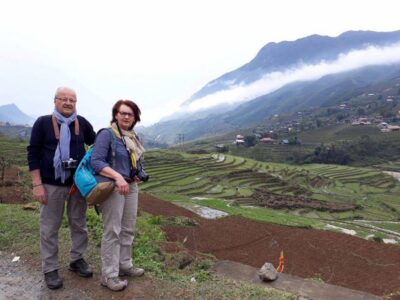
Sapa hits different at walking speed. This 3-day trip from Hanoi trades traffic for mountain views and village paths, starting with a morning limousine ride and ending with a homestay in Ta Van. You’ll trek through Sin Chai and then spend real time in Muong Hoa Valley, where the hills and rice terraces do the talking.
I also love how much the experience depends on the guide. In the best runs, guides such as Jo and Ai shape the pace, explain what you’re seeing, and keep logistics running smoothly, from meal timing to when you’ll reach each village. The main drawback to plan for is that the “comfort” side can vary, especially on the long road from Hanoi, where pickup timing and stop communication are not always consistent.
In This Review
- Key things I’d plan around
- Why this Sapa trek works, even with tight timelines
- Hanoi to Sapa by limousine: comfortable, but watch the clock
- Day 1 in Sapa: Sin Chai (Black Hmong) and a night in town
- Day 2 in Muong Hoa Valley: from main road to suspension bridge, then Ta Van
- Day 3: terraced rice, bamboo forest, waterfall pause, and Giang Ta Chai
- Homestays: the cultural win, with a comfort reality check
- The guide is the difference maker, from Jo to Ai to May
- Price and value: what $165 really buys you
- What to pack: shoes, warmth, and cash in dong
- A practical note on paid-following during the trek
- Who should book this Sapa trek, and who should skip it
- Should you book this one?
- FAQ
- What time do you get picked up in Hanoi?
- How long is the ride from Hanoi to Sapa?
- What is included in the trek and meals?
- Do I sleep in a homestay?
- Are homestays like regular hotels?
- How difficult is the trek?
- What should I bring for Sapa weather and comfort?
- Is the tour suitable for mobility impairments?
Key things I’d plan around
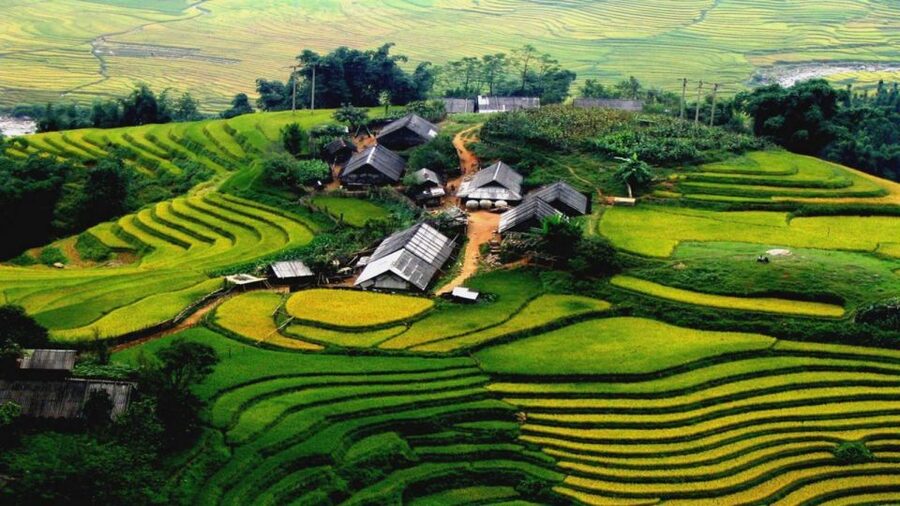
- Sin Chai (Black Hmong) on day 1 with a simple, rustic village feel just outside town
- Muong Hoa Valley walking day including a suspension bridge and stops in Y Linh Ho, Lao Chai, and Ta Van
- Ta Van homestay evening that’s a true community experience, not a hotel night
- Day 3 bamboo forest and a waterfall break before reaching Giang Ta Chai (Red Zao)
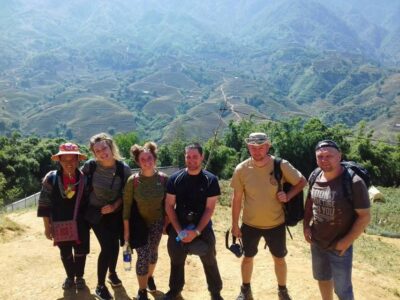
- Guide-led pacing that can adapt to your hiking ability, with standout guides like Jo and Ai mentioned often
- Transport and pickup smoothness can be uneven, so keep your expectations flexible
Other Sapa walks, from gentle to genuinely hard
- Sa Pa: Muong Hoa Valley Trek and Local Ethnic Villages★ 4.6 · 864 reviews
- Sapa: Eco Adventure Terrace Fields and Local Villages Trek★ 4.9 · 636 reviews
- From Sapa: 1-Day Guided Trek to Lao Chai & Ta Van with Lunch★ 4.9 · 416 reviews
- Sapa 1 Day Long Trek: Trek to Hau Thao and Sa Seng Villages★ 4.6 · 344 reviews
Why this Sapa trek works, even with tight timelines
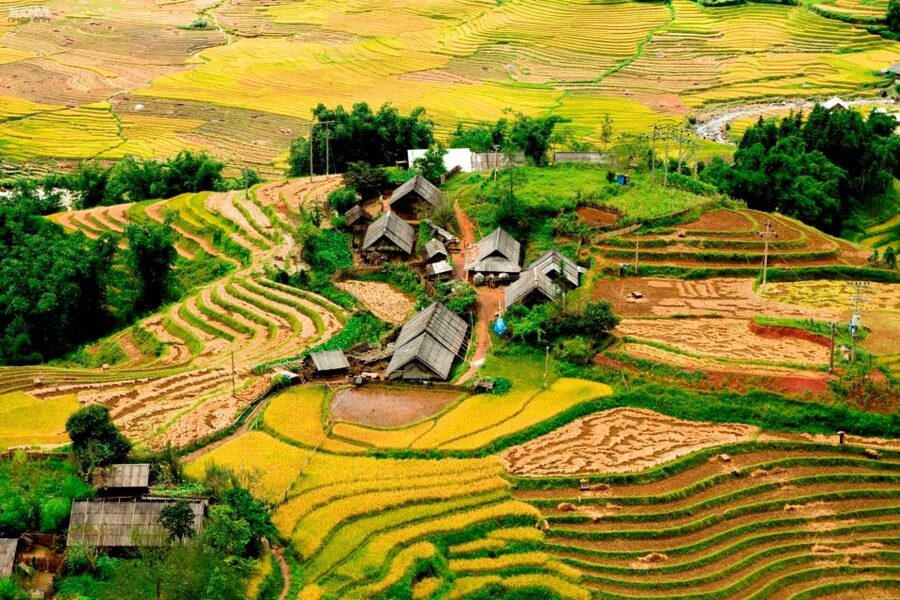
Sapa can be a blur if you only do town streets and photo spots. This trip is built around walking from village to village, so you see how people live on steep ground and how the scenery changes with every turn.
You’re also not just doing one generic viewpoint stop. The route moves across different ethnic communities: Black Hmong in Sin Chai, Hmong villages during the Muong Hoa Valley day, Zay in Ta Van, and Red Zao in Giang Ta Chai. That variety matters because it gives you different everyday rhythms to notice, like where people farm, how homes are arranged, and how trails connect communities.
Hanoi to Sapa by limousine: comfortable, but watch the clock
You start with pickup in Hanoi’s Old Quarter around 6:30 to 7:00am. The ride to Sapa is described as about 6 hours, with two planned stops for snacks and restroom breaks.
In practice, road timing is the wildcard. Some people report a late start from Hanoi or confusion around which vehicle stop means what, especially when the first stop in Sapa happens and nobody is sure who to get out for. There are also complaints in a few cases about the drive feeling aggressive or the driver being unwell, plus long waiting times if the planned restroom stop runs short.
Still, the trip does aim to keep things “tour-comfort,” with modern air-conditioned limousine transport included both ways. My advice is simple: bring patience for the road, keep your basics in an easy-to-reach bag, and treat restroom stops as a “might happen sooner, might happen later” situation.
Day 1 in Sapa: Sin Chai (Black Hmong) and a night in town
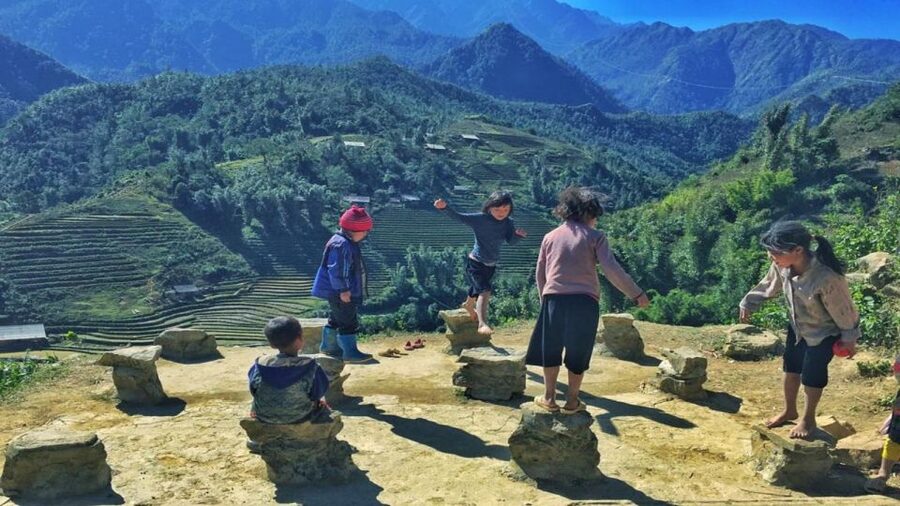
After arriving in Sapa, you get lunch at a local restaurant, then check in and reset for the trek. Your first walk heads southwest of town, about 4 km, to Sin Chai village of the Black Hmong. Sin Chai is described as more than 2 km from the center of Sapa, so you’re not just doing a quick village photo stop. You’ll see daily life in a more rustic, highland setting.
This day is a great “warm up” because the hiking is shorter than the next two days. It also helps you get oriented to the region. You’ll notice how trails snake along contours, how the valley air feels cooler, and how the village siting responds to the terrain.
When you finish, you go back to your hotel, freshen up, and dinner is included. One of the fun extras here is the chance to explore Sapa at night, like roasting corn and baked eggs by a charcoal fire, or doing a bit of shopping if you’re in the mood. It’s a nice shift from the structured trekking day to something more casual.
Day 2 in Muong Hoa Valley: from main road to suspension bridge, then Ta Van
Day 2 is the big “wow” walking day, and it’s built around Muong Hoa Valley and the Hoang Lien Son mountain region.
You start with breakfast, then check out and head south. You follow the main road for about an hour before turning onto a footpath downhill into the valley. This matters because the first part of the day keeps you from getting tired too early. Then the trail starts delivering scenery, with the sense that the higher parts of the Hoang Lien Son range are right there above you, depending on visibility.
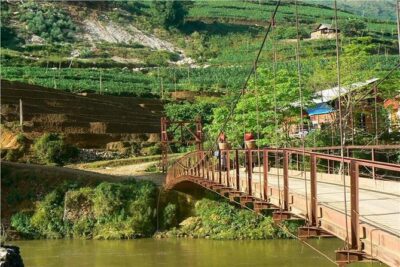
A key moment is crossing a suspension bridge to reach Y Linh Ho. That’s where you can visit Hmong families and watch everyday work. It’s one of those segments where the trail stops being only about views and starts being about people, routine, and small-scale farming.
Lunch comes during the day, and after that you follow the trail through hills for around 2 hours until you reach Lao Chai. Then you move along the river bank to Ta Van, described as a Zay community. Here you visit local homes and get that slower, “hang around the neighborhood” feel, not just a quick pass-through.
The night is in a Ta Van homestay, with your evening built around community time rather than hotel convenience. If you’ve ever wanted to understand why homestays feel meaningful, this is the day that usually makes it click for most people.
Sleep in a village, walk between them

Day 3: terraced rice, bamboo forest, waterfall pause, and Giang Ta Chai
Day 3 starts after breakfast, and it changes pace from Muong Hoa Valley walking into uphill effort. The trail goes upward, passing terraced rice fields and smaller Hmong hamlets, then through a bamboo forest to reach a waterfall.
The waterfall stop is not just a photo moment. It’s where you slow down and reset your energy before continuing. Then you trek about 30 minutes onward to Giang Ta Chai, home to the Red Zao people.
Lunch is served nearby, and you’ll have time to relax and prepare before heading back. The return pickup is at 2:00pm, and the drive back to Hanoi takes around 5 to 6 hours depending on traffic. The usual arrival time is 8:30 to 9:30pm.
Homestays: the cultural win, with a comfort reality check
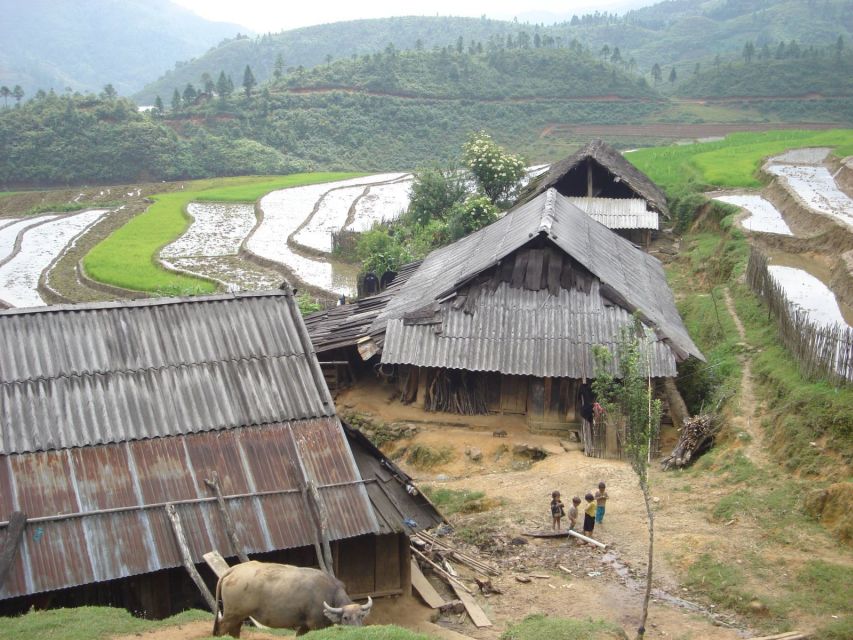
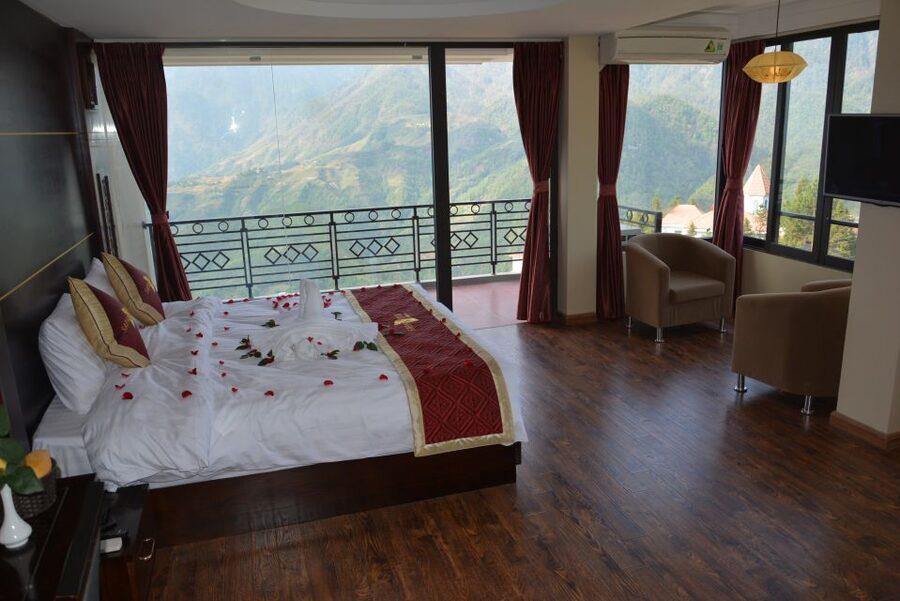
Homestays are part of the core promise of this tour, but the tradeoff is clarity. The trip explicitly warns that homestay facilities are not the same standard as Sapa hotels.
Some experiences sound genuinely great. One highlight is sharing meals with local families and helping cook, with clean, comfortable setups mentioned. In other cases, the homestay is described as rustic and dorm-like, with many people sleeping in an open barn-style space and limited privacy. Bathroom setups can be very basic, sometimes shared by a larger group than you’d expect in a hotel.
So here’s how to decide if this is for you. If you’re open to simple and a bit “rough around the edges,” homestay nights can be a strong memory anchor for the whole trip. If you need privacy, quiet, and a private bathroom, you may feel frustrated.
Either way, pack for the reality of cold mountain nights. The tour notes that Sapa is normally cold from September to March, and weather can swing. A scarf, hat, or cap is not optional.
The guide is the difference maker, from Jo to Ai to May
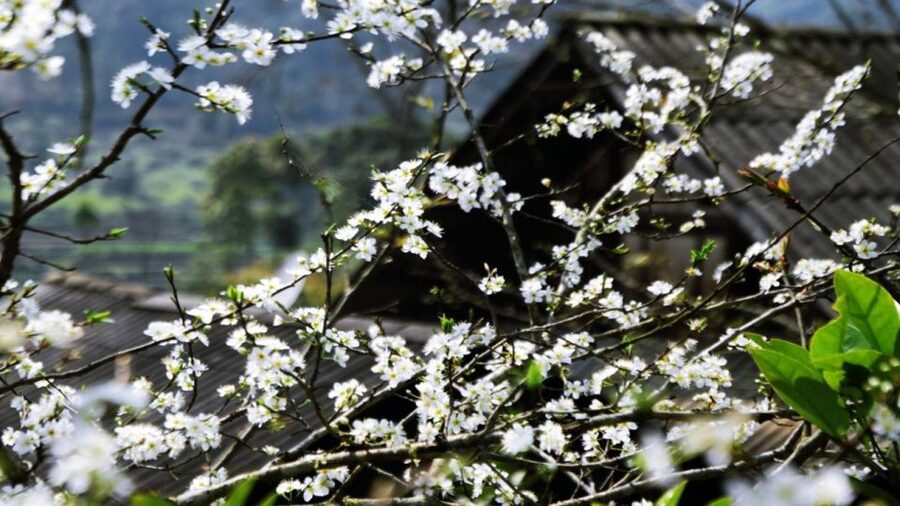
This is one of those tours where the guide is not a small detail. It shapes pace, safety, and how understandable the culture feels along the way.
Guides mentioned include Jo and Ai in particular, and May as well. People praised Jo for keeping a good hiking rhythm, explaining the itinerary timing, and managing everything from meal times to when bags would be dropped off. Ai is highlighted for adapting the hike when needed and for sharing local knowledge learned growing up there.
That local context matters more than you’d think. When you know what you’re looking at, rice terraces stop being scenery and start being a story about land, water, and seasonal work. When you’re also guided well on trails, you spend less mental energy on navigation and more on noticing what’s around you.
Price and value: what $165 really buys you
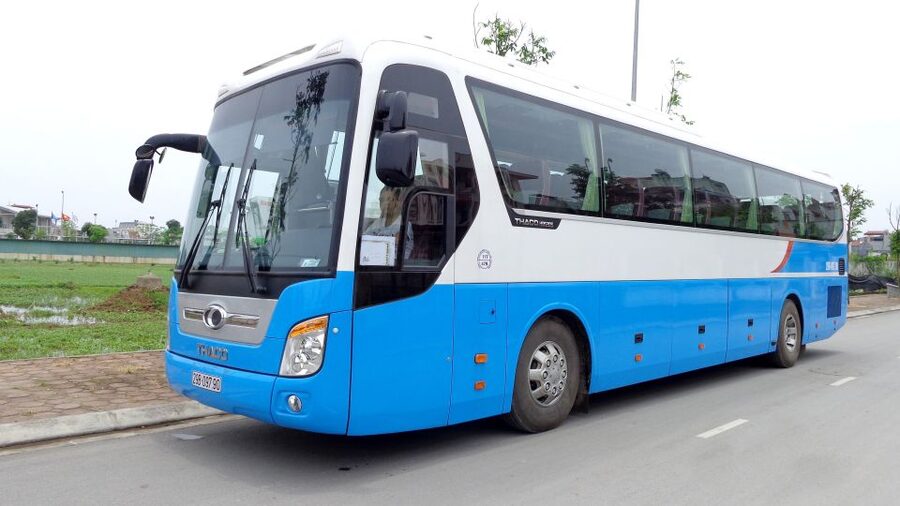
At $165 per person, the value comes from what’s included, not just the trekking itself.
Included are the modern air-conditioned limousine from Hanoi to Sapa and back, Sapa ground transport by an experienced driver, an English-speaking local guide, 2 breakfasts, 3 lunches, and 2 dinners, entrance tickets to indicated sites, and 2 nights accommodation.
Beverages and personal expenses are not included, so budget for drinks and any snacks you buy along the way.
Is $165 expensive or cheap? In this kind of Sapa program, the big cost blocks are transport, a guide, and accommodation plus meals. Since those are bundled, your money goes farther than it would if you pieced together Hanoi transport, guide fees, and homestay meals separately.
The real value question is consistency. If your road timing and homestay setup line up with the smoother experiences, it’s a solid deal. If you end up with late pickups or very basic dorm-style lodging, the value still may be fair, but your enjoyment will depend more on your attitude.
What to pack: shoes, warmth, and cash in dong
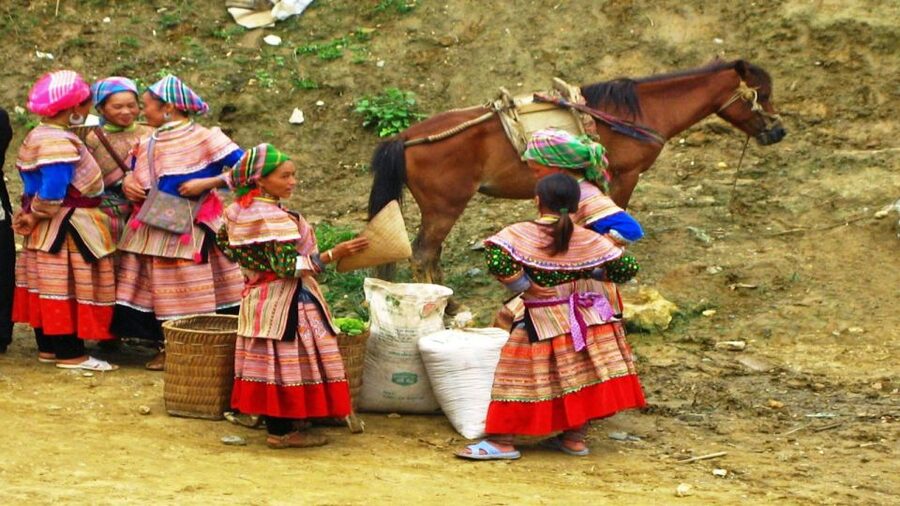
Sapa weather is famously unpredictable. Bring warm clothes, including a scarf and hat or cap. The tour also notes fog is sometimes an issue from December through March, due to altitude.
Footwear is critical. You’re trekking through valley paths, river banks, and uphill sections, and the tour simply says bring comfortable shoes. I’d add one practical rule: use shoes with solid grip, not just “comfortable.”
Other helpful items listed include sunglasses, sun cream, and insect repellent. And because you’re at altitude and weather can shift fast, carry basic medicine in case you feel unwell.
Money logistics also matter. The tour asks you to bring cash in Vietnamese dong because banking systems in Sapa sometimes don’t work well. US dollars, euros, and Australian dollars are accepted in Sapa, so you’re not limited to dong only, but cash is still your friend.
A practical note on paid-following during the trek
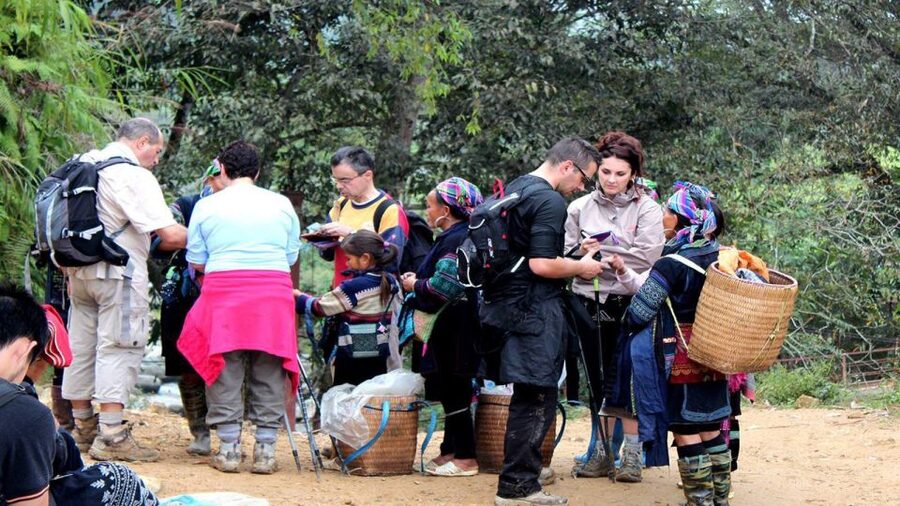
One thing the tour warns about is ethnic people trying to accompany you along the trekking way to ask for money or sell local items at high prices. The advice is to ignore them and stick with the guide.
That sounds uncomfortable, but it’s workable. Keep your focus on the group and the guide’s instructions. If someone tries to pull you off the route, step back to where the guide is and let the guide handle questions. Don’t argue in the middle of a slippery trail. Just keep moving with your group.
This also means you should pick a guide you trust. When the guide is clear and present, it’s easier to filter out distractions and maintain a steady pace.
Who should book this Sapa trek, and who should skip it
This trip is best for active walkers who want a village-focused experience, not just a scenery drive. You’ll be trekking about 9 kilometers, and the itinerary mixes downhill valley sections with uphill effort.
It’s not recommended for older guests or children, based on the trek distance and profile. It’s also not suitable for people with mobility impairments.
If you want a hands-on cultural day, you’ll probably love it. If you want guaranteed comfort and private lodging, you might feel disappointed during homestay nights. If you’re flexible and prepared for basic facilities and mountain weather, you’ll get a lot out of this route.
Should you book this one?
I’d book this tour if your priority is walking with an English-speaking guide through Sin Chai, Muong Hoa Valley, Ta Van, and Giang Ta Chai, and if you’re okay trading hotel comfort for real village nights. The payoff is the sense of being in the communities, not just passing through them.
I’d hesitate if you have limited tolerance for road hiccups, or if you know you’ll be upset by dorm-style homestay conditions and shared bathrooms. For some people, that’s fine. For others, it ruins the whole trip.
If you’re active, pack warm, and show up with flexibility, this is a strong value way to experience Sapa beyond the town center.
FAQ
What time do you get picked up in Hanoi?
Pickup is included at your hotel in Hanoi’s Old Quarter at around 6:30 to 7:00am.
How long is the ride from Hanoi to Sapa?
The limousine ride to Sapa is described as about 6 hours, with two stops for snacks and restroom breaks.
What is included in the trek and meals?
The tour includes an English-speaking local guide, all entrance tickets to indicated sites, and meals listed as 2 breakfasts, 3 lunches, and 2 dinners.
Do I sleep in a homestay?
Yes, the trip includes 2 nights accommodation, and it notes that you may overnight at a homestay for the first night or the second night depending on circumstances.
Are homestays like regular hotels?
No. The facilities at the homestay are not the same as in Sapa hotels.
How difficult is the trek?
There is a 9-kilometer trek, and it is not recommended for older guests or children.
What should I bring for Sapa weather and comfort?
Bring comfortable shoes, warm clothes (including a scarf and hat or cap), trekking shoes if you have them, sunglasses, sun cream, insect repellent, and medicine in case of illness.
Is the tour suitable for mobility impairments?
No, it is not suitable for people with mobility impairments.
Walk, Then Stay
- Sa Pa: Muong Hoa Valley Trek and Local Ethnic Villages★ 4.6 · 864 reviews
- Sapa: Eco Adventure Terrace Fields and Local Villages Trek★ 4.9 · 636 reviews
- From Sapa: 1-Day Guided Trek to Lao Chai & Ta Van with Lunch★ 4.9 · 416 reviews
- Sapa 1 Day Long Trek: Trek to Hau Thao and Sa Seng Villages★ 4.6 · 344 reviews
- EXPLORE SAPA: 2D1N TREKKING & HMONG CULTURE WITH DINH★ 4.9 · 191 reviews
Sapa on Foot
- Sa Pa: Muong Hoa Valley Trek and Local Ethnic Villages★ 4.6 · 864 reviews
- Sapa: Eco Adventure Terrace Fields and Local Villages Trek★ 4.9 · 636 reviews
- From Sapa: 1-Day Guided Trek to Lao Chai & Ta Van with Lunch★ 4.9 · 416 reviews
- Sapa 1 Day Long Trek: Trek to Hau Thao and Sa Seng Villages★ 4.6 · 344 reviews
- Sapa: Fansipan Cable, Cat Cat Village, Moana Instagram Tour★ 4.8 · 294 reviews
Other Sa Pa tours our reviewers keep coming back to
- Hanoi: Sapa Trekking 2 Days 1 Night – Sleeper Bus from Hanoi
★ 4.6 · 18 reviews - AUTHENIC 2D1N Trek & Bungalow Retreat with Dinh Hmong Family
★ 5.0 · 19 reviews - Sapa: Ta Phin Village Trek & Red Dao Herbal Bath
★ 5.0 · 22 reviews - Sapa: Cat Cat Village, Moana, Alpine Coaster, Fansipan Cable
★ 4.7 · 22 reviews - From Hanoi: Explore Sapa 2-Day Tour
★ 4.3 · 22 reviews - Alpine Coaster Ban Mong Experience in Sapa – Vietnam
★ 4.3 · 22 reviews
Sapa Trekking and Fansipan, compared.
 ★ 5.0Sapa 2 Days 1 Night From Hanoi – Overnight in Ta Van VillageFrom $592,669 reviews
 ★ 5.0Hanoi – Sapa 2 Days 1 Night Overnight At HomestayFrom $89899 reviews
 ★ 4.6Sa Pa: Muong Hoa Valley Trek and Local Ethnic VillagesFrom $23864 reviews
 ★ 5.0Sapa: Fansipan Cable, Cat Cat Village & Moana Instagram TourFrom $30777 reviews
 ★ 4.8From Hanoi: 2-Day Sapa Trekking Trip with Homestay & MealsFrom $71704 reviews
 ★ 5.0Sapa 3 Days 2 Nights Trekking Tour (1 Night In Ta Van Village, 1 Night In Hotel)From $139699 reviews
 ★ 4.9Sapa: Eco Adventure Terrace Fields and Local Villages TrekFrom $27636 reviews
 ★ 5.03-Day Trekking Adventure of Sapa from Hanoi – Stay Ta Van VillageFrom $109611 reviews
Also in these Vietnam lists