
REVIEW · SAPA TREKKING AND FANSIPAN
2-Day Fansipan Mountain Trek – Indochina’s Highest Peak
Fansipan is tough, then suddenly worth it. I love that this 2-day trek from Sapa gives you a real shot at Vietnam’s highest peak with sunrise on top and a guide who explains Black Mong, Red Dzao, and Dzay life along the way. The main drawback to factor in is the steep, long distance (around 26 kilometers total) plus basic sleeping conditions that can feel cold.
What makes this hike more than a checklist is the human touch. Your porter and English-speaking guide handle a lot for you, and the meals feel like part of the experience, not just fuel. If you want a serious mountain push with cultural context, this one hits.
In This Review
- Key things to know before you hike Fansipan in 2 days
- Fansipan summit views start with a very simple goal
- What the $120 price covers (and why value depends on you)
- Day 1 in plain terms: Sapa to Tram Ton, then up toward 2800 meters
- The one thing to watch on Day 1
- A cultural bonus you can use, not just observe
- Day 2: the 5:00 AM breakfast, then the summit push to 7:30 AM
- Camping and cold nights: what you’re really signing up for
- Guides and porters: the quality is the whole trip
- The itinerary pace, distance, and effort level
- Where some people may get uncomfortable
- Sunrise is the real product here
- Should you book the 2-day Fansipan trek from Sapa?
- FAQ
- What is the meeting point and time in Sapa?
- How long is the Fansipan trek?
- What is included in the price?
- Is a cable car ticket included?
- What is the trek like in terms of difficulty?
- What time do you reach the summit?
- What kinds of views can you expect from the top?
- Where do you sleep on the trek?
- What should I do about food needs or allergies?
- Is travel insurance included?
Key things to know before you hike Fansipan in 2 days
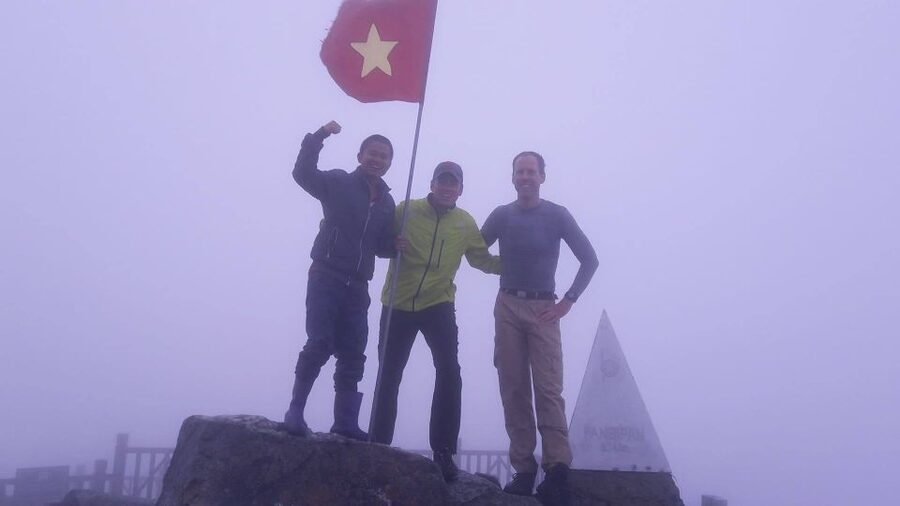
- Early summit timing (around 7:30 AM) so you can chase sunrise views over Sa Pa and the valleys
- Forest to bamboo to summit with vegetation thinning as you climb toward 3143 meters
- Indigenous-culture stops explained by your guide covering Black Mong, Red Dzao, and Dzay people
- Meals cooked on the trail plus a picnic-style lunch at higher elevations
- Porter support for your food and sleeping bag so you can focus on walking with your essentials
- Cold-night reality check since one group reported temperatures falling to around zero degrees
Other Sapa walks, from gentle to genuinely hard
- Sa Pa: Muong Hoa Valley Trek and Local Ethnic Villages★ 4.6 · 864 reviews
- Sapa: Eco Adventure Terrace Fields and Local Villages Trek★ 4.9 · 636 reviews
- From Sapa: 1-Day Guided Trek to Lao Chai & Ta Van with Lunch★ 4.9 · 416 reviews
- Sapa 1 Day Long Trek: Trek to Hau Thao and Sa Seng Villages★ 4.6 · 344 reviews
Fansipan summit views start with a very simple goal
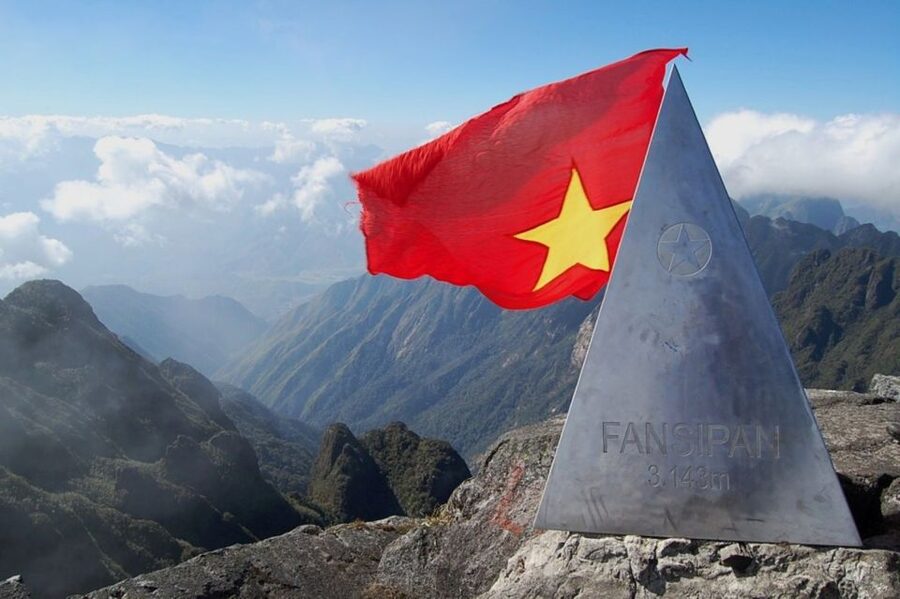
This trek is built around one clear idea: get you up to Mount Fansipan, Vietnam’s highest peak, and back down with enough comfort and planning that you can focus on the trail. You start in Sapa, drive up to Tram Ton pass, then climb high enough to sleep around 2800 meters before going for the summit early the next morning.
The payoff is not just the height. It is the early start, the shift in scenery as you climb, and the moment when the vegetation changes and the summit feels close. The itinerary also promises wide views over Sa Pa and Lai Chai Province, and it even notes that you might be able to spot mountains in China’s Yunnan Province when visibility is good.
You should also know what kind of “adventure” this is. This is not a gentle nature walk. The route is steep, it involves rocky steps and ladders, and it adds up to a long day on foot. If your legs are okay with that, the experience feels grounded and honest, not touristy.
What the $120 price covers (and why value depends on you)
At $120 per person for this 2-day hike, you are not just paying for a view. The cost includes several core things that make a real difference on a remote mountain.
Included highlights you’ll actually feel:
- An English-speaking guide
- Permits and entrance fee
- Transport to and from the trekking starting point (to Tram Ton area)
- Meals: 2 lunches, 1 dinner, 1 breakfast
- Accommodation (sleeping bag, hut, or tent, depending on the setup)
- 1.5 liters of water a day
- Hot shower at the end, plus hot shower and luggage storage when you arrive
- A porter who carries your food and sleeping bag up the mountain
What is not included matters too:
- Cable car ticket (listed at 800,000 VND), and also an extra cost for descent is mentioned as 700,000 VND if you need it
- Drinks
- VAT
- Travel insurance
- A Lunar New Year surcharge of 70 USD per person (from the 26th to the 2nd of Feb 2025), due at the meeting point
For value, the biggest question is whether you will truly use the included support. If you want someone to handle permits, route guidance, meals, and porter assistance, $120 starts to look fair. If you are looking for a fully comfortable experience with premium lodging, you might feel the budget limits, especially at night.
Day 1 in plain terms: Sapa to Tram Ton, then up toward 2800 meters
The day begins in Sapa with a morning meeting at the Vietnam Nomadtrails office. One part of the plan says you will be welcomed around 7:00 AM for a hot shower and to store large luggage. The meeting details also list 8:00 AM at No 013 Tue Tinh str, Sapa town. To avoid stress, I’d plan to be there early, get your basics handled, and then settle in.
From there, you drive to Tram Ton pass, the starting point for the ascent. You will meet your porter, described as coming from the Black Mong community. The porter carries the food and your sleeping bag, which makes a noticeable difference once the trail turns steep.
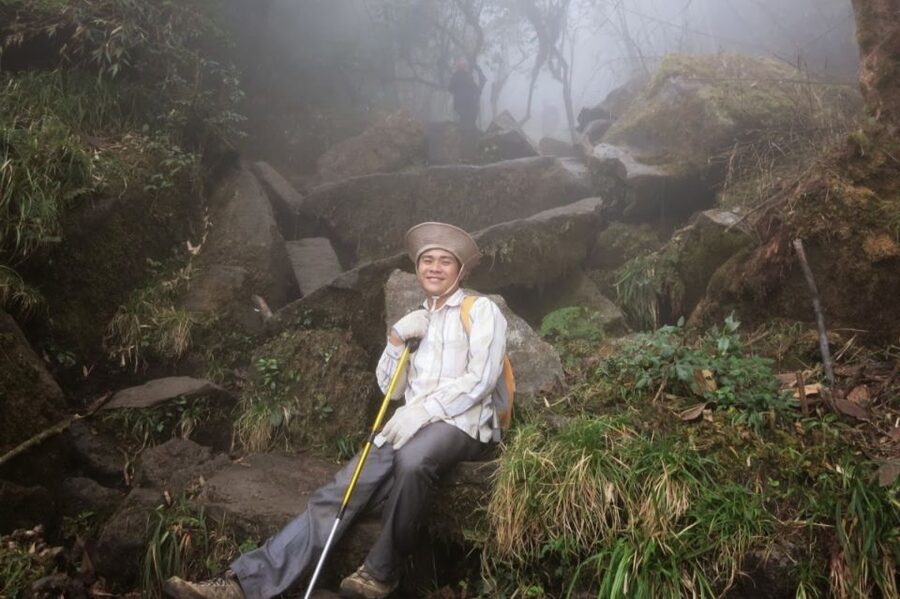
The hike climbs through pine and bamboo forests and alongside streams in a cool climate. Around noon, the route reaches about 2200 meters for a picnic lunch prepared by the guide and porter. After a rest, you continue up to your sleeping spot around 2800 meters, typically arriving around 4:00 PM.
You then get time to rest or explore near your tent or hut area, while dinner is prepared. Dinner is scheduled for 6:30 PM, and the plan encourages early sleep.
The one thing to watch on Day 1
The pace is physical. This is the part where you really feel the “mountain” in mountain trekking, not just the distance. If you rush, you pay for it later, so go steady, keep water coming, and let the altitude and slope do their work without panic.
Sleep in a village, walk between them
A cultural bonus you can use, not just observe
One of the most praised aspects of this trek is the way the guide brings the local people into the walk. As you hike, you get context about indigenous groups living in the Sa Pa region, specifically Black Mong, Red Dzao, and Dzay.
This matters because it changes how you view the area. Instead of seeing people only as background, you learn what those communities are known for and how they fit into the mountain landscape. Even the detail about your porter’s Black Mong background adds a real connection, because you see cultural life through practical roles, like carrying supplies and supporting the group.
You’ll get these lessons while walking through forests and along streams. So you are not stuck in a classroom moment. The information lands naturally because it is attached to what you are seeing and doing.
Day 2: the 5:00 AM breakfast, then the summit push to 7:30 AM
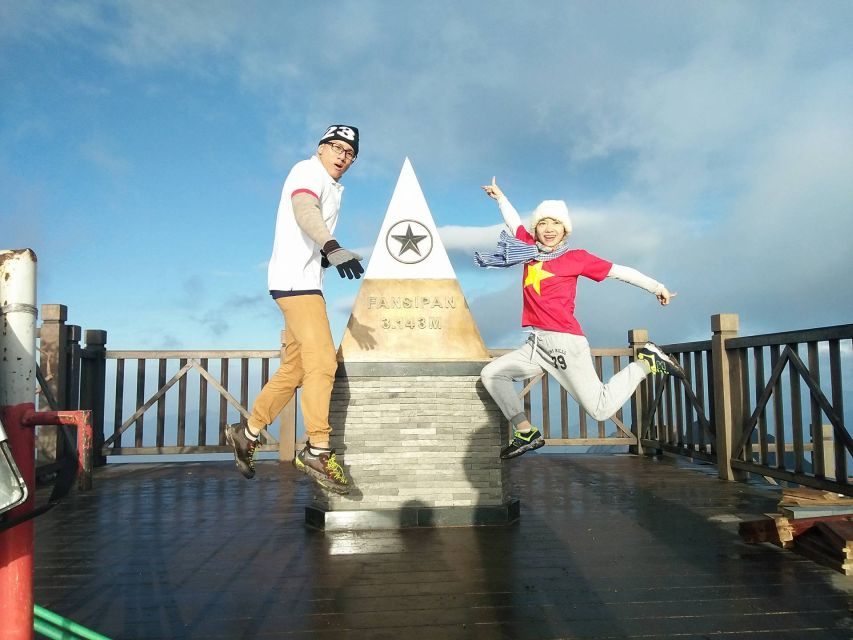
Day 2 starts early, with breakfast at 5:00 AM and hot tea or coffee. Then you head back into the bamboo forest and climb toward the top. The itinerary notes that the vegetation becomes less and less as you approach the summit, which is one of those small details that makes the final ascent feel real.
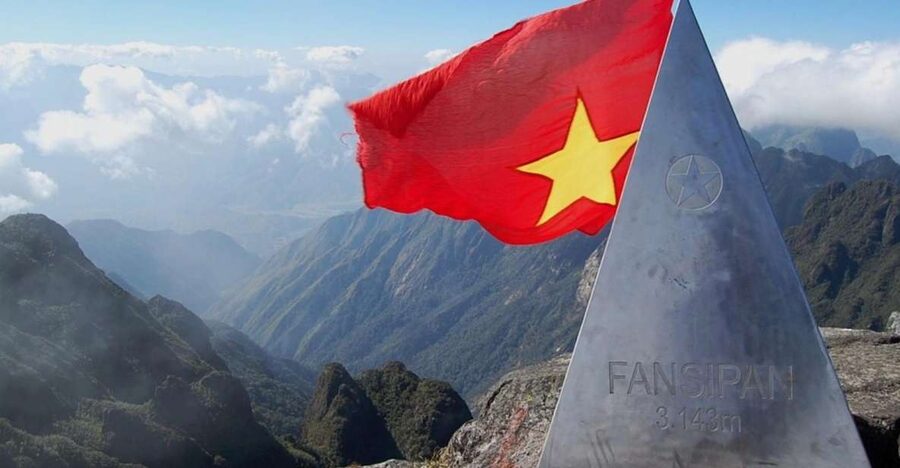
At 7:30 AM, you arrive at the summit. That is built for sunrise and the emotional moment of standing on Vietnam’s highest point at 3143 meters. The view is described as looking over the Sa Pa valleys and Lai Chai Province, and possibly toward Yunnan in China if conditions allow.
You start descending around 8:00 AM and eat a picnic lunch on the way down to Tram Ton. By mid to late afternoon, between 3:30 and 4:30 PM, you reach Tram Ton. A car waits to take you back to Sapa, and you can shower at the office before continuing travel.
One practical note: transport back to Hanoi is on your charge. That is fine, but it means you should plan your onward schedule with a late afternoon arrival in mind.
Camping and cold nights: what you’re really signing up for
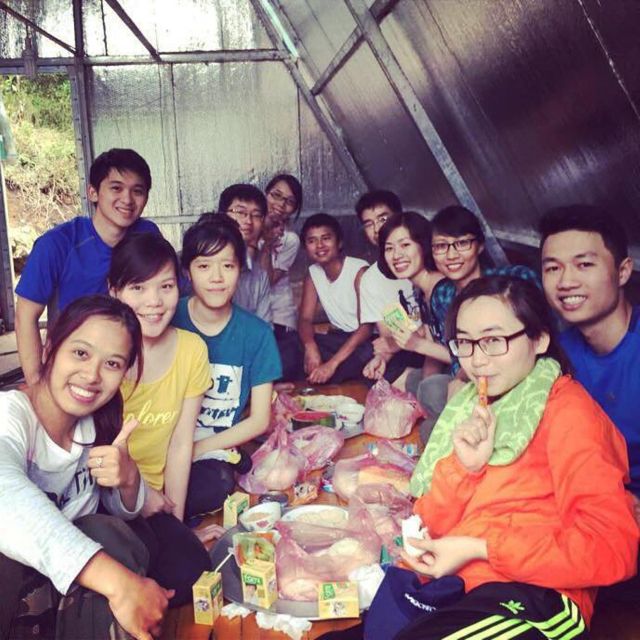
Even though the trek includes sleeping bags and either a hut or tent setup, this is still mountain camping. A cold night is part of the deal, and one review specifically noted temperatures dropping to zero degrees.
The sleeping bags may not be ideal for every body, especially if you run cold. So I recommend you assume you might need extra warmth. Wear layers you can move in, and bring what you can for insulation. Think of this as a “survive the night, recover fast” situation rather than a cozy lodge stay.
Accommodation is described as sleeping bag, hut, or tent, so expect basic conditions. The goal is to let you wake up rested enough for the summit push, not to recreate a hotel experience.
Guides and porters: the quality is the whole trip
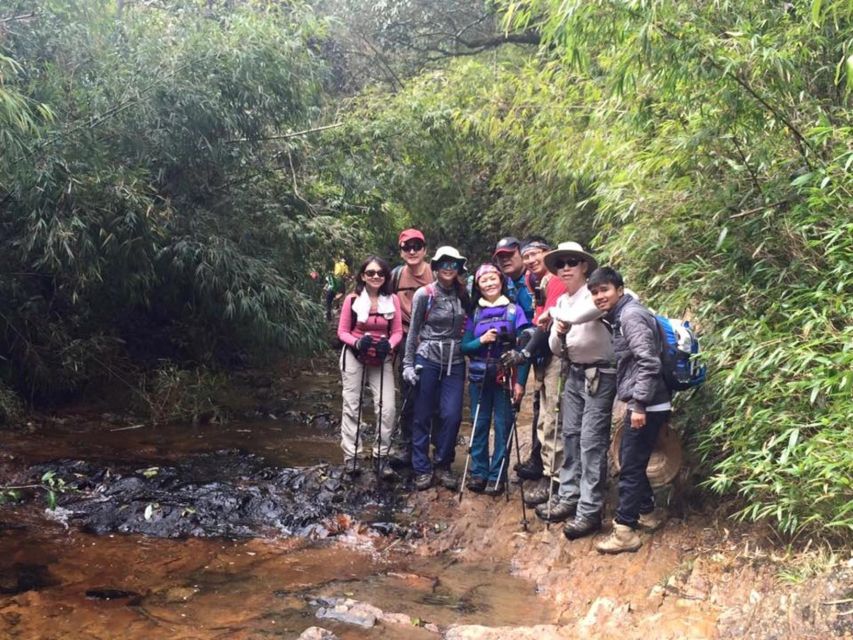
This kind of trek rises or falls based on the guide. The best parts of this experience tend to come from guides who check in often, keep the pace manageable, and explain what you see in a way that makes the trail feel meaningful.
In the feedback you provided, guide names like Sinh and Cha show up as standouts, with comments about being friendly, helpful, and super attentive to comfort. That attention matters on a steep track with ladders and boulders, because morale and safety both improve when you feel supported.
Porter communication can also shape your experience. Your porter is part of the group and carries key items like food and your sleeping bag. If language is limited, the cultural and practical parts still come through, but you might get less detailed conversation than you would with an English-speaking guide. The guide is your main link for explanations, routes, and pace.
If you’re the kind of traveler who loves a personal connection, this is one reason the tour performs well. You are not just hiking with a map. You are walking with a teacher and a team.
The itinerary pace, distance, and effort level
The trek is described as long and steep, and the important info notes it is not suitable for those with disabilities and that children under 17 should not do it. Elderly people are advised not to attempt the long trek, which is listed as around 26 kilometers.
So what does that mean for you? You should only book if you can hike uphill for extended stretches without needing constant breaks. The terrain includes rocky sections, steps, and ladders. Even if you are fit, expect a workout.
The upside is that the schedule gives you built-in rhythm: a lunch stop around 2200 meters on Day 1, a camp at about 2800 meters, then an early summit on Day 2 with a picnic lunch on descent. That structure helps you stay on track without guessing.
Where some people may get uncomfortable
The two common pressure points are:
- Cold at night, even with a sleeping bag setup
- Steep downhills that can be harder on tired legs
There is an option to reduce pain if you feel worn out. The tour mentions that if you get tired, you can ask your guide to buy a cable car ticket for the descent at extra cost.
Sunrise is the real product here
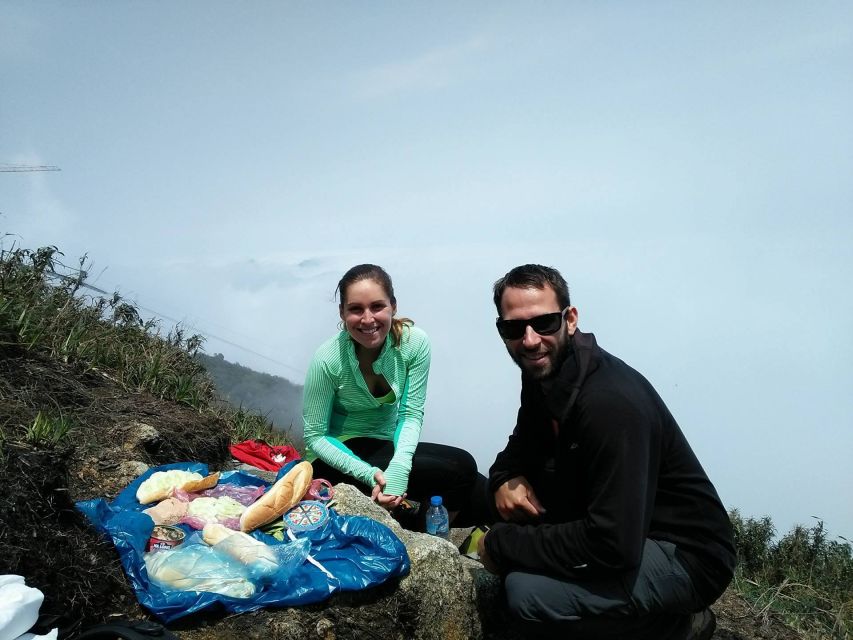
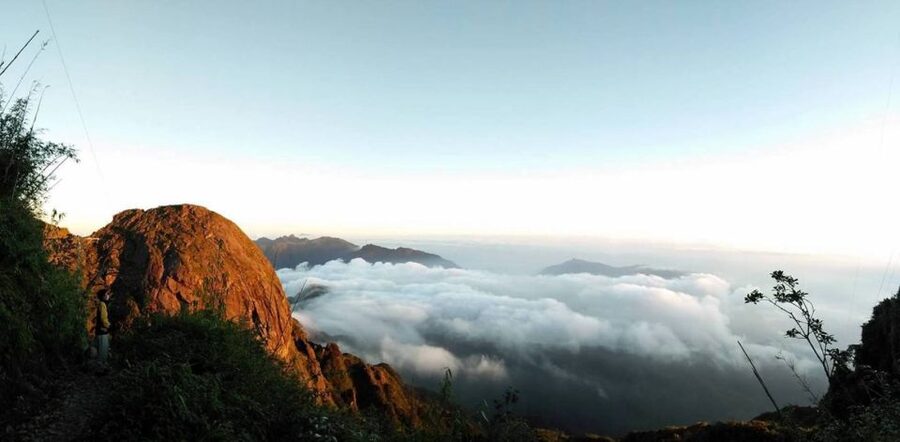
This trek markets a summit morning, and it delivers it through timing. With arrival at 7:30 AM on Day 2, the plan is tuned for sunrise, and multiple parts of the description focus on early-morning summit views.
That means your highest emotional moment is likely not midafternoon. It’s the early hour when you are on top and the valley light comes up. The views over Sa Pa and nearby areas are the visual reward, and the summit experience is about that feeling of reaching a target you worked for.
If you prefer hiking for scenery during the day, you can still enjoy it, because Day 1 passes forests of pine and bamboo and Day 2 includes bamboo forest before the summit. But the biggest “moment” is the morning top-of-the-world feel.
Should you book the 2-day Fansipan trek from Sapa?
I think this tour is a strong pick if you want:
- A real summit goal (not just a scenic hike)
- An English-speaking guide who shares indigenous culture as you walk
- Included support like permits, meals, and porter help
- A sunrise-focused itinerary
You might want to skip it or consider a gentler alternative if:
- You know you get cold easily and you are uncomfortable with basic camping
- You do not handle steep terrain well
- You are traveling with kids under 17 or you fall into the group advised to avoid the long trek (like elderly travelers who should not attempt it)
- You want a more comfortable, low-effort style vacation
If you do book, come prepared for a serious hike, bring warm layers, and treat the summit morning as the main event. Do that, and you will likely finish the second day with that rare mix of exhaustion and satisfaction.
FAQ
What is the meeting point and time in Sapa?
The meeting point is Vietnam Nomadtrails office, No 013 Tue Tinh str, Sapa town, Lao Cai, VietNam. The welcome is described as starting around 7:00 AM for a hot shower and luggage storage, and the meeting time is also listed as 8:00 AM.
How long is the Fansipan trek?
The trek runs for 2 days.
What is included in the price?
Included are an English-speaking guide, entrance fee and permit, transport to and from the trekking starting point, 2 lunches, 1 dinner, and 1 breakfast, 1.5 liters of water per day, porter service for carrying food and your sleeping bag, hot shower at the start and end, and accommodation (sleeping bag, hut, or tent).
Is a cable car ticket included?
No. The cable car ticket is not included, and there is an option to buy one for the descent if you feel tired, for an additional cost.
What is the trek like in terms of difficulty?
It is described as a steep and long trek. The long trek length is given as 26 kilometers, and it is not suitable for people with disabilities and children under 17. Elderly people are advised not to do the long trek.
What time do you reach the summit?
The itinerary states you arrive at the summit at around 7:30 AM on Day 2.
What kinds of views can you expect from the top?
You should expect views over the valleys of Sa Pa and Lai Chai Province, and the plan notes you may even see mountains in Yunnan Province in China if conditions are right.
Where do you sleep on the trek?
Accommodation is described as sleeping bag, hut, or tent. On Day 1 you reach a sleeping point around 2800 meters around 4:00 PM.
What should I do about food needs or allergies?
You should inform the operator of dietary requirements such as allergies or vegetarian food requests.
Is travel insurance included?
No. Travel insurance is listed as not included.
Walk, Then Stay
- Sa Pa: Muong Hoa Valley Trek and Local Ethnic Villages★ 4.6 · 864 reviews
- Sapa: Eco Adventure Terrace Fields and Local Villages Trek★ 4.9 · 636 reviews
- From Sapa: 1-Day Guided Trek to Lao Chai & Ta Van with Lunch★ 4.9 · 416 reviews
- Sapa 1 Day Long Trek: Trek to Hau Thao and Sa Seng Villages★ 4.6 · 344 reviews
- EXPLORE SAPA: 2D1N TREKKING & HMONG CULTURE WITH DINH★ 4.9 · 191 reviews
Sapa on Foot
- Sa Pa: Muong Hoa Valley Trek and Local Ethnic Villages★ 4.6 · 864 reviews
- Sapa: Eco Adventure Terrace Fields and Local Villages Trek★ 4.9 · 636 reviews
- From Sapa: 1-Day Guided Trek to Lao Chai & Ta Van with Lunch★ 4.9 · 416 reviews
- Sapa 1 Day Long Trek: Trek to Hau Thao and Sa Seng Villages★ 4.6 · 344 reviews
- Sapa: Fansipan Cable, Cat Cat Village, Moana Instagram Tour★ 4.8 · 294 reviews
Other Sa Pa tours our reviewers keep coming back to
- Hanoi: Sapa Trekking 2 Days 1 Night – Sleeper Bus from Hanoi
★ 4.6 · 18 reviews - AUTHENIC 2D1N Trek & Bungalow Retreat with Dinh Hmong Family
★ 5.0 · 19 reviews - Sapa: Ta Phin Village Trek & Red Dao Herbal Bath
★ 5.0 · 22 reviews - Sapa: Cat Cat Village, Moana, Alpine Coaster, Fansipan Cable
★ 4.7 · 22 reviews - From Hanoi: Explore Sapa 2-Day Tour
★ 4.3 · 22 reviews - Alpine Coaster Ban Mong Experience in Sapa – Vietnam
★ 4.3 · 22 reviews
Sapa Trekking and Fansipan, compared.
 ★ 5.0Sapa 2 Days 1 Night From Hanoi – Overnight in Ta Van VillageFrom $592,669 reviews
 ★ 5.0Hanoi – Sapa 2 Days 1 Night Overnight At HomestayFrom $89899 reviews
 ★ 4.6Sa Pa: Muong Hoa Valley Trek and Local Ethnic VillagesFrom $23864 reviews
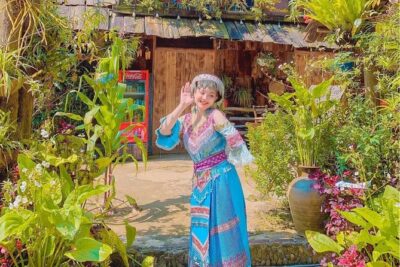 ★ 5.0Sapa: Fansipan Cable, Cat Cat Village & Moana Instagram TourFrom $30777 reviews
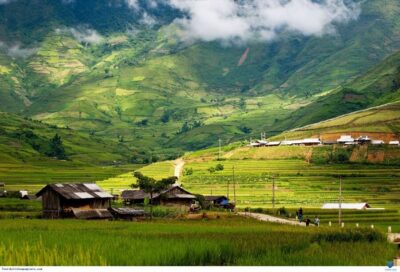 ★ 4.8From Hanoi: 2-Day Sapa Trekking Trip with Homestay & MealsFrom $71704 reviews
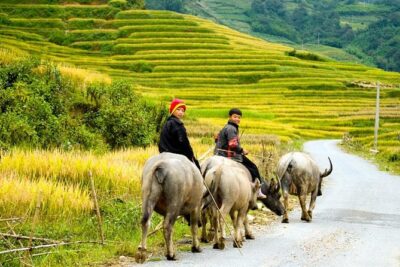 ★ 5.0Sapa 3 Days 2 Nights Trekking Tour (1 Night In Ta Van Village, 1 Night In Hotel)From $139699 reviews
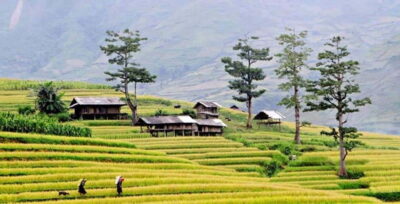 ★ 4.9Sapa: Eco Adventure Terrace Fields and Local Villages TrekFrom $27636 reviews
 ★ 5.03-Day Trekking Adventure of Sapa from Hanoi – Stay Ta Van VillageFrom $109611 reviews
Also in these Vietnam lists