
REVIEW · VIETNAM
Sapa3D2N TrekkingAdventures,Valleys,Bambooforest,Waterfall
Three days in Sapa, then you feel the mountains. This Sapa trekking plus homestay loop in Dong Bac mixes high viewpoints, village walks, and waterfall time.
I especially like the Dragon Mountain start, with big panoramas over Fansipan and Muong Hoa Valley, plus the village nights with Dinh’s family and helpful guidance from locals like Dinh and Mama May. One consideration: you are walking 9 to 15 km per day, so comfortable shoes and a steady pace matter.
In This Review
- Key takeaways before you go
- Sapa 3-Day Trek That Mixes Big Views With Village Days
- Meeting Dinh: Pickup, Languages, and the Rhythm of a Local-Led Trek
- Day 1: Dragon Mountain to Hang Da and Hau Thao Homestay
- Day 2: Ta Van to Giang Ta Chai Waterfalls and Red Dao Country
- Bamboo Forest, Nam Cang Valley, and Why These Stops Matter
- Day 3: Lao Chai, Y Linh Ho, Muong Hoa River Bridges, and Back to Sapa
- What You Actually Get for $80, and Why It Feels Fair
- Pace, Packing, and the Small Comforts That Make the Difference
- Who This Trek Suits Best (and Who Might Prefer Another Option)
- Should You Book Dinh Sapa Trekking Adventures?
- FAQ
- FAQ
- What time do we start on Day 1?
- How far do you walk each day?
- What is included in the $80 price?
- Does the tour include homestay meals?
- Do I get a shower during the homestay?
- What languages are the guides using?
- Is the trek refundable if plans change?
Key takeaways before you go
- Dragon Mountain (1900 m) kicks off Day 1 with views toward Fansipan (3,143 m) and Sapa town
- Black Hmong villages plus a home base in Hau Thao means real daily life, not just passing sights
- Giang Ta Chai waterfalls on Day 2 are part trek reward, part scenery break, with bridges and side trails
- Bamboo forest time is included somewhere on the route, so expect a change of texture and shade from rice paddies
- Two homestay nights plus multiple family meals help keep the trip value strong at $80 per person
Narrowing it down? These Sa Pa tours kept surfacing in our reviews.
- Sa Pa: Muong Hoa Valley Trek and Local Ethnic Villages★ 4.6 · 864 reviews
- Sapa: Eco Adventure Terrace Fields and Local Villages Trek★ 4.9 · 636 reviews
- From Sapa: 1-Day Guided Trek to Lao Chai & Ta Van with Lunch★ 4.9 · 416 reviews
- Sapa 1 Day Long Trek: Trek to Hau Thao and Sa Seng Villages★ 4.6 · 344 reviews
Sapa 3-Day Trek That Mixes Big Views With Village Days
In Sapa, it is easy to get only one kind of experience: viewpoint tourism. This route aims for a balance. You get your mountain moments, but the day also keeps circling back to villages, fields, and the everyday work that makes these valleys tick.
The other thing I like is that the tour is built around local hosting. Dinh, a Hmong girl guide, is the host voice you’ll hear first. Her sister also picks you up and guides. That matters because you are not only moving through places, you are also being explained to. You hear why certain paths matter, why a village is where it is, and how people live with the terrain around them.
The price is also fairly straightforward for what you get. At $80 per person for 3 days and 2 nights, you are typically buying more than the walk. You’re also paying for an English-speaking guide for the full trek, village entry fees for eight villages, and most meals along the way.
Meeting Dinh: Pickup, Languages, and the Rhythm of a Local-Led Trek
Your Day 1 starts in Sapa at 9:00 AM. You meet either at your hotel or in front of Sapa’s main church, depending on where you are staying. After a short introduction, you head out right away.
Language support is listed as English and Vietnamese with a local English guide for three days. That is helpful because the trek is only half the experience. The other half is understanding what you’re looking at as you move between rice terraces, small hamlets, and bridge crossings.
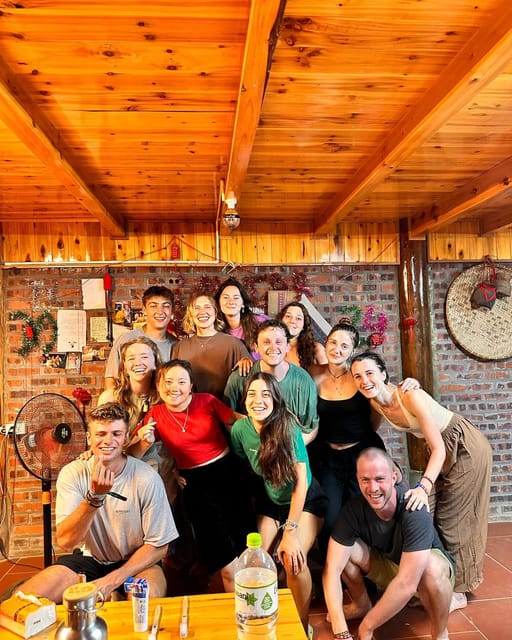
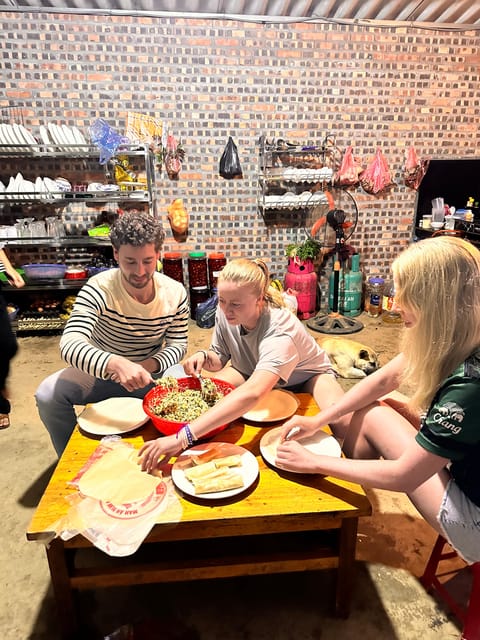
In the evenings, the tone is intentionally family-focused. The plan includes rest time after trekking, time for a hot shower, and dinner with the homestay family. One review detail that lines up with this style: Mama May is described as both a guide and a warm presence during the trip. Also, there can be extra family-led moments like shared drinks called happy water, plus some singing and dancing when the group is in that mood.
Day 1: Dragon Mountain to Hang Da and Hau Thao Homestay
Day 1 is the best “wake up your legs and eyes” day. The walking distance is about 10 to 15 km for roughly 6 hours, and it follows a simple progression: viewpoint, then downhill into village life, then a homestay that feels like a real base.
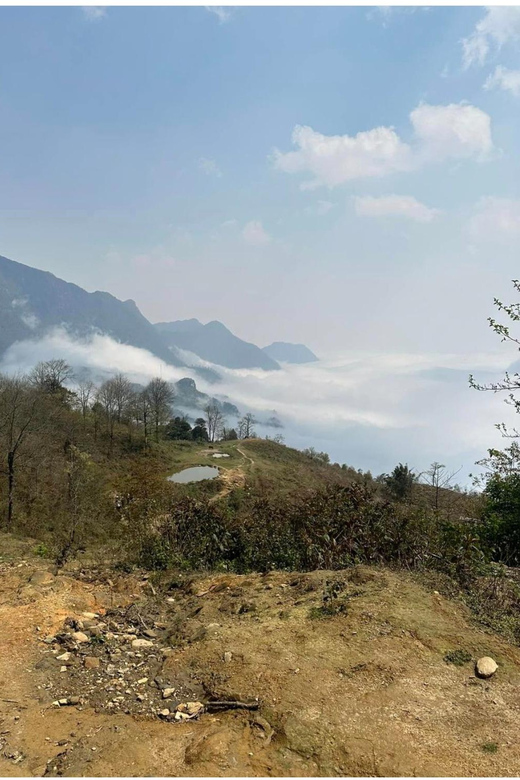
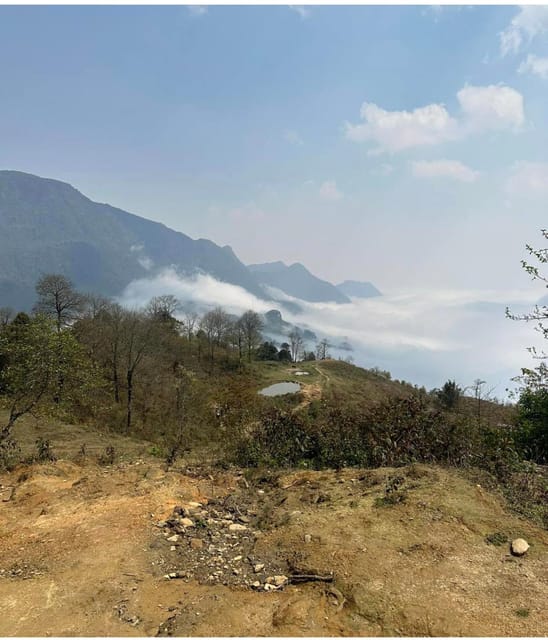
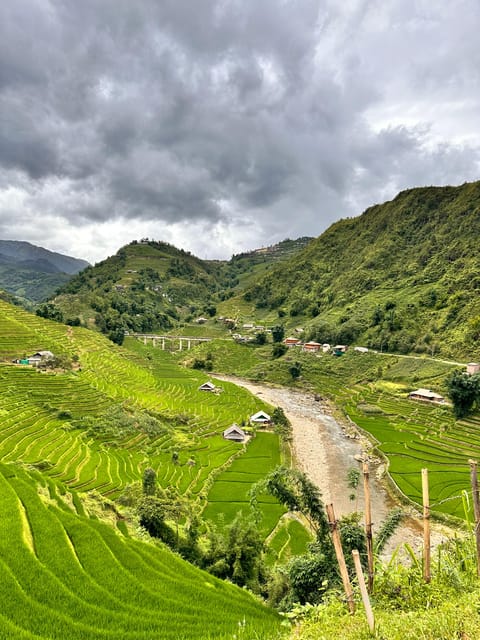
You begin with an uphill push of about 1 km on a small trail toward the Dragon Mountain viewpoint at 1900 m. From here, you’re looking toward Fansipan (3,143 m), the highest peak in Indochina, and you can also see across Sapa town. More importantly for your photo plan, you get a strong look toward the famous rice terrace systems in Muong Hoa Valley, plus the bigger river and valley lines that define the region.
After enjoying the views, you continue down toward Hang Da, described as a village of the Black Hmong minority. This is where the trek starts to feel like an on-the-ground walk, not just a hike. The route also passes animal sights you might notice along the way, like buffaloes, cows, pigs, or similar farm life depending on the season.
Lunch is included and served at a small local restaurant run by a family. Then you move to Hau Thao, another Black Hmong village. If timing lines up, you may see people working in the fields, including harvesting or planting rice. That kind of moment is often what separates a “photos only” trip from one that actually sticks with you.
Finally, you’re welcomed by the homestay family in Hau Thao and stay for two nights. Your day ends with downtime, a hot shower, and dinner at the family home. If you want a practical packing tip, this is why you should bring a change of clothes and something comfortable for the evening. You’ll want to feel human before you sleep in the mountains.
Day 2: Ta Van to Giang Ta Chai Waterfalls and Red Dao Country
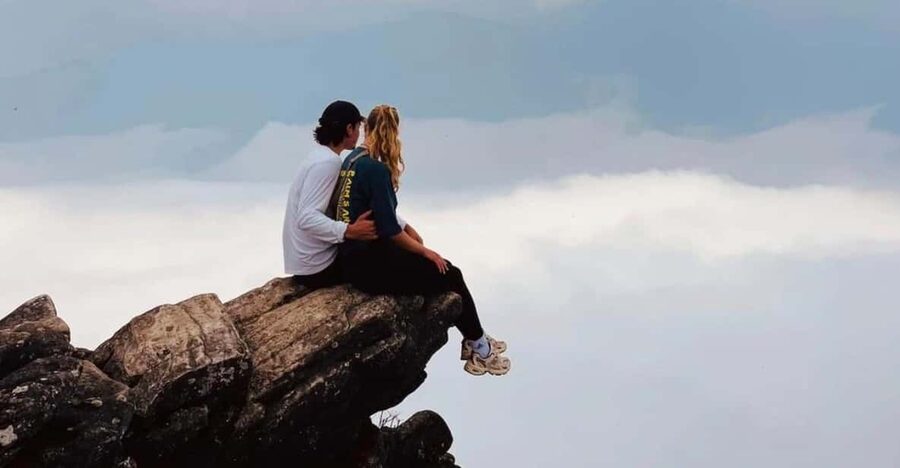
Day 2 shifts from big starting views into a mix of trekking, culture stops, and a waterfall payoff. The walking distance is listed as 9 to 11 km for around 5.5 hours.
You start after breakfast at the homestay, then head down the path toward Hau Thao again and on to Su Pan, a small village near the Black Hmong mountains. Su Pan is a good place for panorama photos of rice fields. The focus here is on everyday village life, including traditional homes that you can see up close.
The trek then continues, with a retake uphill into the mountains. Eventually, you reach the waterfalls of Giang Ta Chai. This is where the “waterfall” promise becomes real. You also get an experience upgrade through the way you travel to the waterfall area: you cross bridges, and the tour notes an alternative trail approach later in the day.
After the waterfall time, you enter the Red Dao area. This is a culture-focused stretch. You’ll visit a Red Dao family and learn more about daily life and traditions through your local guide. Since the exact structure of the visit isn’t spelled out in detail, treat it as a conversational cultural stop rather than a museum-style experience.
Next comes lunch in Giang Ta Chai village, at a small local restaurant run by a Hmong family. The tour then walks back toward Ta Van village, where you stay again with the homestay family. If you’re planning how to handle energy, Day 2 is long enough that you’ll want to pace yourself on the uphill segments, then let the bridges and waterfall breaks carry you through.
Bamboo Forest, Nam Cang Valley, and Why These Stops Matter
The route description includes bamboo forest time and Nam Cang Valley scenery. Even when a trek’s main points are rice terraces and bridges, these two elements change the feel of the day.
Bamboo forest stretches tend to cool you off and give your eyes a break from wide open paddies. It also adds texture to your photos, since bamboo creates vertical lines and shade patterns that don’t look like the typical open field shots.
Nam Cang Valley is mentioned as a place where you can relax and take in the natural scenery. That likely means a slower moment, not constant motion. In a trek with 3 days of walking, those small pauses matter. They help you avoid the common trap of turning every minute into effort.
Day 3: Lao Chai, Y Linh Ho, Muong Hoa River Bridges, and Back to Sapa
Day 3 is the “see it again, but from higher” finale. The walk is listed as about 9 to 13 km for around 5.5 hours.
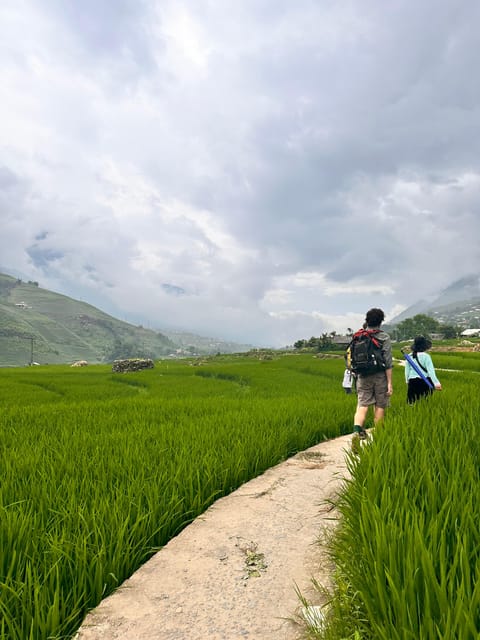
After breakfast, you trek to Lao Chai and Y Linh Ho. One of the signature moments is reaching the hanging bridge of the Muong Hoa River. The tour then continues uphill into the mountains, which is where you typically get your strongest terraced views.
From these ridge and terrace viewpoints, you can admire some of the biggest and most beautiful rice terraces in Vietnam, along with mountain views on top of Hoang Lien Son Mountain. This is the kind of viewpoint that makes you understand why the area gets trekked in different seasons.
Then you go ahead back toward Sapa. There’s also a practical luggage note: you will be able to leave your big bag while the group handles transportation, and you will stay at Dinh’s house. That helps because carrying a heavy pack for all three days can turn a scenic hike into an endurance test.
What You Actually Get for $80, and Why It Feels Fair
At $80 per person for 3 days and 2 nights, this trek is priced around a “full day plan” model, not just a walking service. Here’s what’s included:
- Local English guide for three days
- Village entry fees for eight villages
- 3 lunches, 2 dinners, and 2 breakfasts
- 2 nights homestay
- 1 water per person per day
- Transportation back to Sapa after ending in the village area
Not included is personal travel insurance, and extra drinks during hiking. That is normal, but it’s also a useful reminder to budget for what you want to drink beyond the included water.
The value shows up in three places. First, the guide support is for the whole 3 days, not a handoff at the start. Second, meals are already accounted for, which helps you avoid constantly hunting for food at the end of a long walk. Third, village entry fees suggest you’re meant to be welcomed into the areas you visit, rather than simply trekking past private land with no fees.
If you like trips that are organized but still human, this one fits that style.
Pace, Packing, and the Small Comforts That Make the Difference
Distances are not tiny on this trip. You are looking at roughly:
- Day 1: 10 to 15 km (about 6 hours)
- Day 2: 9 to 11 km (about 5.5 hours)
- Day 3: 9 to 13 km (about 5.5 hours)
So, pace planning is real. The good news is that the itinerary includes breaks that break up effort: meals, homestay downtime, viewpoint time, and the waterfall segment.
Packing matters because the tour list asks for practical items, including sunglasses, a sun hat, sunscreen, change of clothes, comfortable clothes, and even swimwear. Swimwear is a clue that there may be moments to cool off near water depending on conditions, so bring it if you like the option.
Also, don’t ignore the “small comfort” choices. You get time for a hot shower at the homestay base after Day 1. That is a genuine morale boost on a multi-day trek.
Finally, consider that the tour is not suitable for people over 95 years. If you’re traveling with someone older, ask your guide or booking contact how the terrain and pace are handled for people who move more slowly. Even if the distances are fixed, the pace and rest rhythm can be adjusted when guides are experienced.
Who This Trek Suits Best (and Who Might Prefer Another Option)
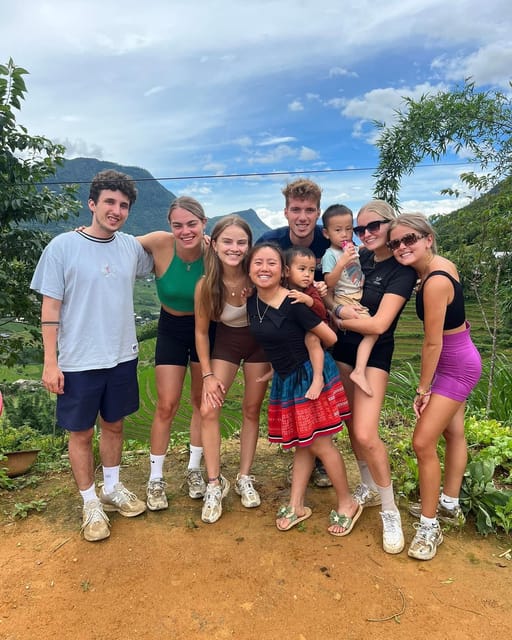
This is best for you if you want a Sapa trek that feels lived in. You’ll like it if you care about:
- Village visits and learning how daily farm work fits into the season
- Walking between rice terraces and viewpoint points like Dragon Mountain and the Muong Hoa river bridge areas
- A homestay experience that includes actual family dinner time
- An itinerary that includes both waterfall time and bridge crossings
You might choose a different option if you want a lighter stroll. With 9 to 15 km days, plus uphill segments, it’s not built as a gentle day trip.
You should also think about your comfort with modest, basic homestay lodging. The plan clearly includes meals, hot showers, and rest time, but it is still a mountain homestay environment rather than a hotel.
Should You Book Dinh Sapa Trekking Adventures?
If your goal is to see Sapa beyond the town and get real time in village valleys, I’d lean toward booking this. The structure is strong: big viewpoint payoff at Dragon Mountain, village life stretches through Black Hmong communities, culture contact in the Red Dao area, and the Giang Ta Chai waterfalls day that gives your legs a reason to keep going.
The main decision comes down to fitness and expectations. If you’re comfortable with 3 days of walking and you like homestay-style evenings, this is a solid value at $80. If you want something shorter or lower effort, you might feel the distances more than you expect.
FAQ
FAQ
What time do we start on Day 1?
Day 1 starts at 9:00 AM. You meet either at your hotel in Sapa or in front of Sapa’s main church.
How far do you walk each day?
The trek distances are listed as about 10 to 15 km for Day 1 (around 6 hours), 9 to 11 km for Day 2 (about 5.5 hours), and 9 to 13 km for Day 3 (about 5.5 hours).
What is included in the $80 price?
The price includes an English guide for 3 days, village entry fees for eight villages, three lunches, two dinners, two breakfasts, two nights homestay, one water per person per day, and transportation back to Sapa after the tour ends.
Does the tour include homestay meals?
Yes. You have two breakfasts, three lunches, and two dinners included, plus two nights in homestay.
Do I get a shower during the homestay?
The plan includes time to rest after trekking and it mentions you can take a hot shower.
What languages are the guides using?
The tour is listed with English and Vietnamese.
Is the trek refundable if plans change?
Free cancellation is offered up to 24 hours in advance for a full refund.
Other Sa Pa tours our reviewers keep coming back to
- Hanoi: Sapa Trekking 2 Days 1 Night – Sleeper Bus from Hanoi
★ 4.6 · 18 reviews - AUTHENIC 2D1N Trek & Bungalow Retreat with Dinh Hmong Family
★ 5.0 · 19 reviews - Sapa: Ta Phin Village Trek & Red Dao Herbal Bath
★ 5.0 · 22 reviews - Sapa: Cat Cat Village, Moana, Alpine Coaster, Fansipan Cable
★ 4.7 · 22 reviews - From Hanoi: Explore Sapa 2-Day Tour
★ 4.3 · 22 reviews - Alpine Coaster Ban Mong Experience in Sapa – Vietnam
★ 4.3 · 22 reviews