
REVIEW · SAPA TREKKING AND FANSIPAN
Explore Sapa by TrekkingAdventures, Mountain,Rice fields
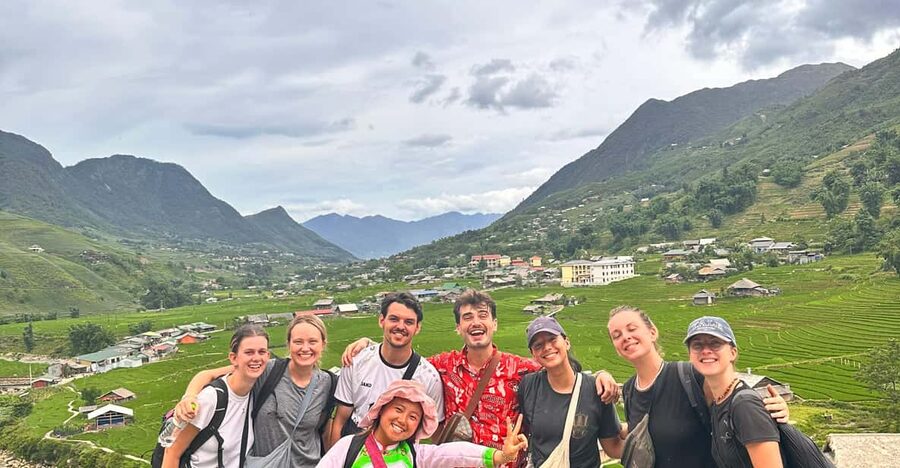
Sapa feels real when you walk it. This one day trek by Dinh Sapa Trekking Adventures strings together Sapa’s rice terraces and local Hmong sisters’ stories in Black Hmong and Dzay villages, with an easy to moderate pace you can match to your legs.
The big draw here is seeing how people live day to day, not just taking photos, and getting that context from guides who grew up in these mountain communities. The one thing to consider is that the trail can be muddy and slippery, especially in cooler months, and visibility can drop when fog rolls in.
In This Review
- Key highlights I think you should know
- Sapa by Local Hmong Sisters, not a tour from a bus
- The walking route: Sapa to Y Linh Ho, Lao Chai, and Ta Van
- Stop 1: Sapa down to Y Linh Ho (Black Hmong village)
- Stop 2: Continue to Lao Chai (one of the oldest and largest Hmong communities)
- Stop 3: Lunch in Lao Chai, plus a traditional house visit
- Stop 4: Walk to Ta Van Village (Dzay people)
- What you actually learn on the trail, and why it matters
- Rice terraces and village stops: the “wow” factor with less tourist noise
- The pace, distance choices, and what easy vs hard feels like
- Rain, mud, and fog: how to prepare so the day stays fun
- Price and value: what $23 buys in a place like Sapa
- Who this trek suits best
- Should you book this one day Sapa trek?
- FAQ
- What time does the Sapa trek start?
- How long is the tour?
- How difficult is the hike?
- What is included in the price?
- What should I bring?
- Will the tour run in rainy weather?
- Can I book a private tour?
Key highlights I think you should know
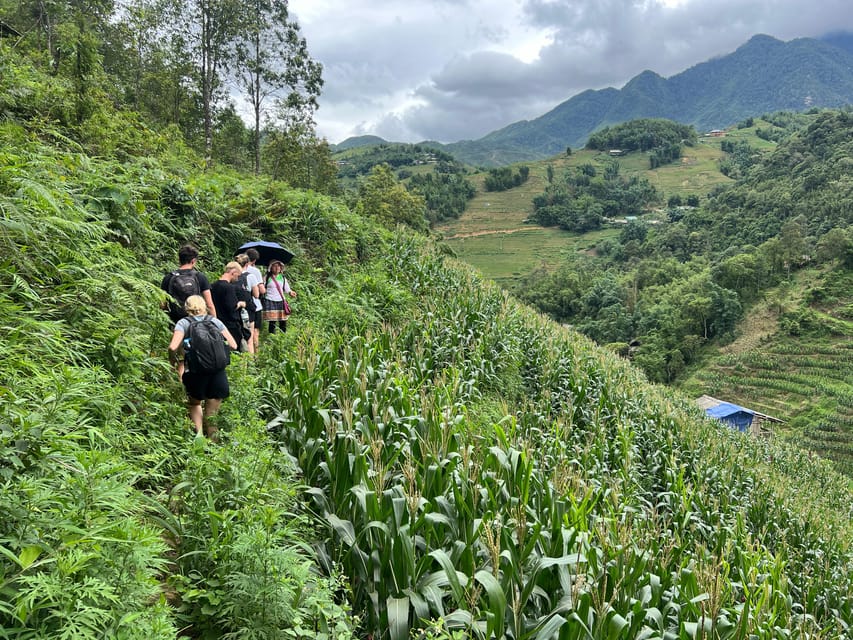
- Y Linh Ho to Lao Chai to Ta Van in one day, so you cover more cultural ground without rushing.
- Black Hmong storytelling, including what it means to support girls and women through local work opportunities.
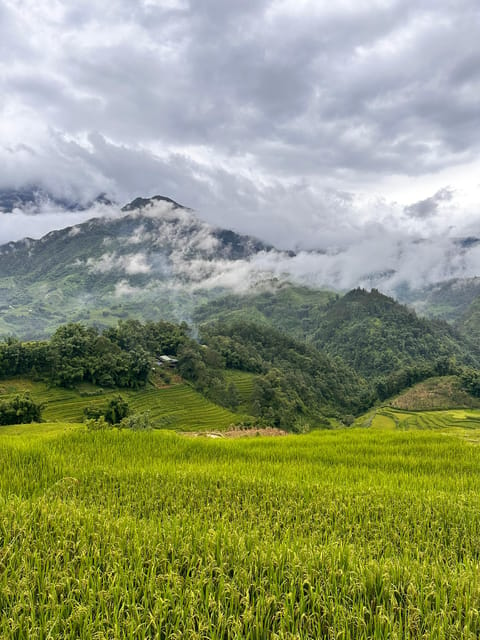
- Rice terrace scenery that looks dramatic even when the light is cloudy.
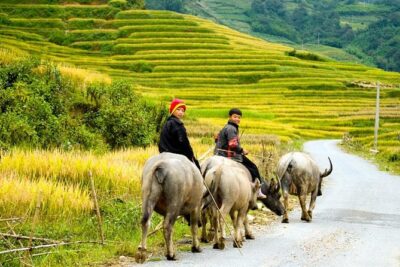
- Small details on the route, like seeing buffalo, pigs, and chickens along the way.
- Lunch included in a local setting, with vegetarian and even vegan options reported by guests.
- Rain-ready trekking basics, including boots and trekking sticks when weather turns.
Other Sapa walks, from gentle to genuinely hard
- Sa Pa: Muong Hoa Valley Trek and Local Ethnic Villages★ 4.6 · 864 reviews
- Sapa: Eco Adventure Terrace Fields and Local Villages Trek★ 4.9 · 636 reviews
- From Sapa: 1-Day Guided Trek to Lao Chai & Ta Van with Lunch★ 4.9 · 416 reviews
- Sapa 1 Day Long Trek: Trek to Hau Thao and Sa Seng Villages★ 4.6 · 344 reviews
Sapa by Local Hmong Sisters, not a tour from a bus
This is the kind of Sapa day trip that changes how you see the area. Instead of staying in Sapa Town’s misty streets, you start walking downhill into working valleys, where rice terraces shape the view and daily routines.
What makes it special is that the guides are local women, including sisters working together through Dinh’s trekking effort. In plain terms, booking this trek is a way to put money into community jobs, including support for school and work for local children and women. The guides also share personal life stories, so the history you hear feels human, not like a script.
The walking route: Sapa to Y Linh Ho, Lao Chai, and Ta Van
You meet up in Sapa around 9:00 AM, either at your hotel in Sapa Town or in front of the main church. Then you get a short break time to settle in, do quick shopping, and get oriented before the trek really begins. Expect a group vibe since it is a group tour, and the day flows like a guided walk with stops rather than a strict running schedule.
Stop 1: Sapa down to Y Linh Ho (Black Hmong village)
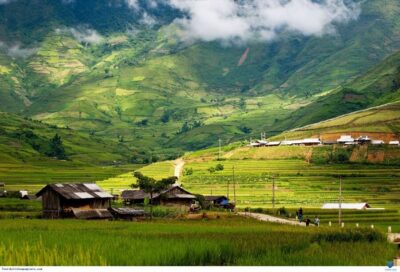
The first trek section is down into Y Linh Ho, a Black Hmong village known for those classic Sapa rice terraces. Along the path, you may spot local animals such as buffalo, pigs, and chickens, which makes the route feel like a living farm landscape rather than a photo stop.
This part of the day is where the views start to open up, and where your guide’s explanations make sense. You will learn not just names of places, but how farming and village life connect to the mountain slopes.
Practical note: if you choose a harder option, you may deal with narrower paths and trickier footing. If you choose easier, you still get the terrace views, just with less scrambling.
Stop 2: Continue to Lao Chai (one of the oldest and largest Hmong communities)
Next comes Lao Chai, a major Black Hmong community. It is a good second chapter because the scale feels bigger than the smaller stops, and you get a stronger sense of how these villages function as connected parts of a region.
You also get more chances to talk with your guide. The tour focuses on culture differences between ethnic minority groups in Sapa, and your guide can usually explain what you are seeing in everyday terms.
Beyond the ring road, a few more
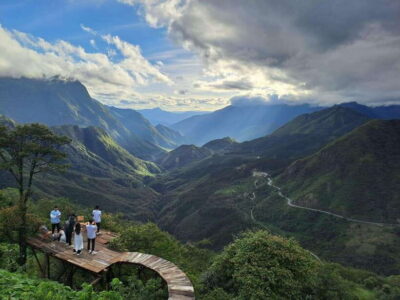
Stop 3: Lunch in Lao Chai, plus a traditional house visit
Lunch is included and served at a local restaurant in Lao Chai. This is not a cafeteria lunch, and it is a big reason many people rate this as excellent value. You get a real break, and the timing tends to land after the first half of walking, so you are hungry in a good way.
After lunch, you visit a traditional Black Hmong house and learn about daily life and culture. This is often the moment where the stories shift from general culture to specific routines. How people live, how they organize space, and what items mean in daily use is where the visit clicks.
Food tip: guests have reported vegetarian and vegan options, so if you have dietary needs, ask ahead or early with your guide.
Stop 4: Walk to Ta Van Village (Dzay people)
Then you keep trekking to Ta Van Village, home of the Dzay people. This final section is where the day can feel like a full loop, because the scenery and village feel change. If the timing and season line up, you might see rice planting or harvesting, which turns the terraces into a working calendar instead of a background view.
The tour typically ends around 3:00 PM in Ta Van Village. A private car takes you back to Sapa Town.
What you actually learn on the trail, and why it matters
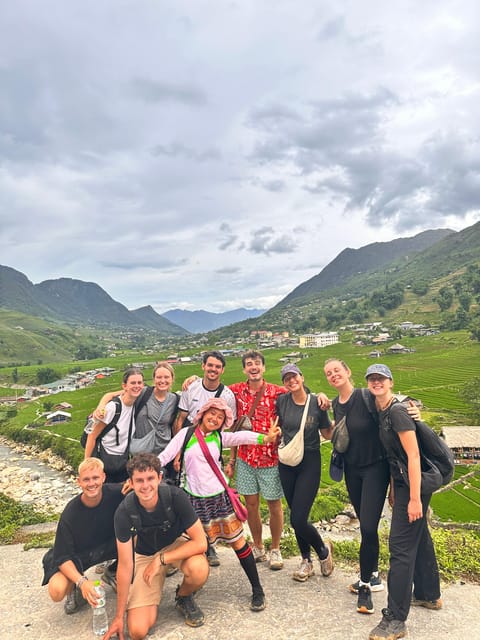
A lot of Sapa tours show you villages. Fewer explain why the villages look the way they do.
Here, your guide’s personal background adds weight to what you hear. Many of the stories connect to mountain life: limited schooling opportunities in the past for girls, early marriage in some cases, and how women now find work through guiding and community support. When your guide describes these realities, it is not abstract. It is tied to the path you are walking and the people you meet.
You also learn practical cultural differences between ethnic minority groups in Sapa. Even if you only remember a couple of key points, it helps you interpret what you see later in town, at markets, or when you hear other tour guides use different names for different communities.
Rice terraces and village stops: the “wow” factor with less tourist noise
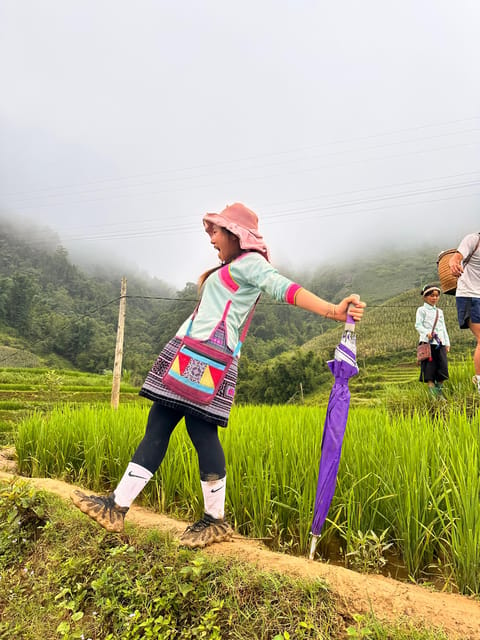
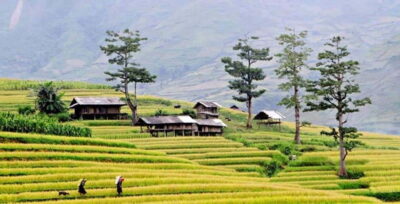
Yes, the rice terraces are the visual star. But what makes them worth hiking for is how they sit with the villages around them. Your guide will point out how terraces relate to mountain farming, where water and slope matter, and why certain paths make sense from a working perspective.
From the guest feedback, the terrace views can be breathtaking even on less-than-perfect days. On clear days, you get strong depth to the valley, and the walking routes reveal layers of terraces. In foggy winter conditions, the views can be more muted, but the villages still feel close and real, and the walking becomes more about sound, texture, and conversation.
The pace, distance choices, and what easy vs hard feels like
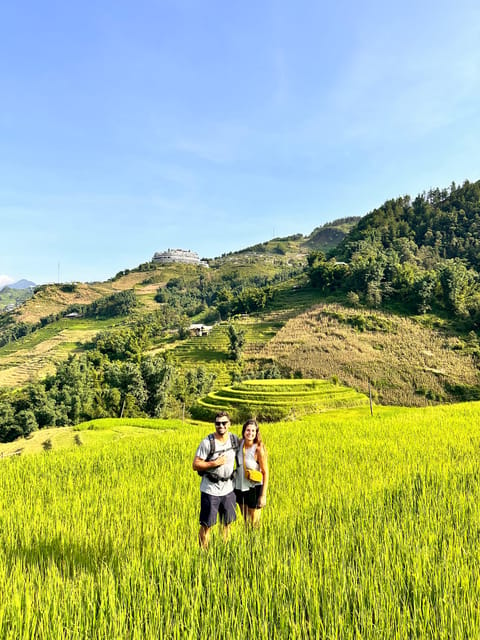
This trek gives you choices for distance and effort. The route is about 5 to 11 km depending on the option you pick, and the level is described as easy to moderate, or hard then easy. That matters because Sapa trails can be steep and uneven, and 11 km downhill adds up fast.
A few practical patterns based on what guests experienced:
- You will likely walk for most of the 5-hour window, with short breaks.
- Downhill sections can get slippery when it rains or the ground is wet.
- Even when the walking feels manageable, you need good balance for narrow paths and small obstacles.
Group tours also mean you share the pace with other people. Most days feel smooth because your guide keeps the group together and slows down for tricky bits.
Rain, mud, and fog: how to prepare so the day stays fun
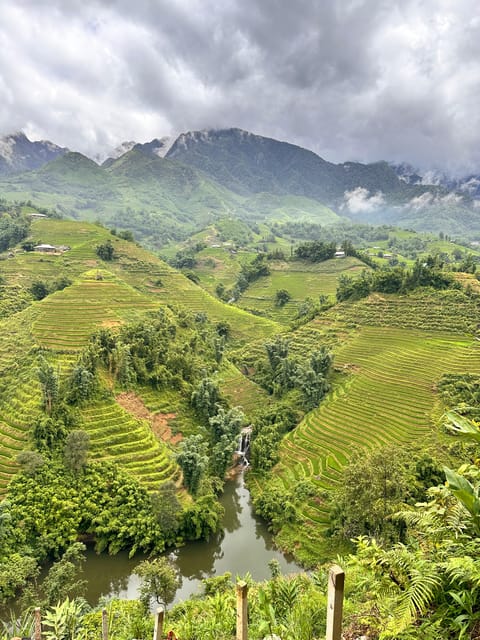
Sapa weather can change fast. This tour specifically prepares for rain, with boots and trekking sticks available when conditions are wet.
Still, you should plan like a grown-up hiker:
- Wear comfortable walking shoes with decent grip.
- Bring sunscreen and sun protection even when it feels cool.
- Expect insects and bring repellent.
In winter months, fog is a real factor. If visibility is low, your views can be reduced. The good news is that you still get the village experience, and many guides keep the storytelling going so the day stays rewarding even when the scenery is muted.
Price and value: what $23 buys in a place like Sapa
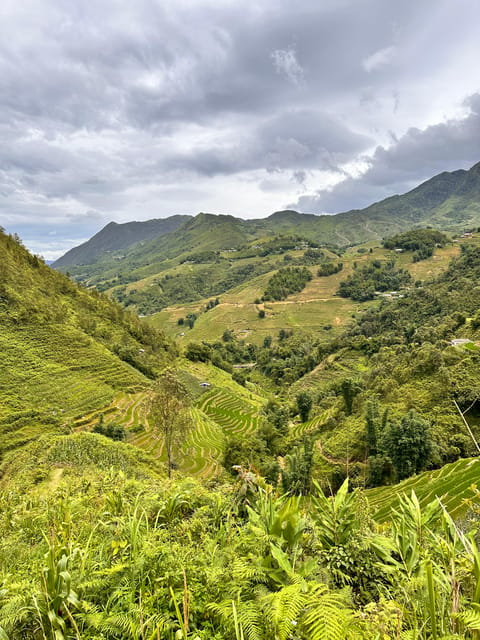
At about $23 per person for around 5 hours, this trek offers a lot of value because it includes several costs that many tours charge separately. You get:
- A local English speaking guide (English and Vietnamese are available)
- Lunch
- Water
- Village entry fees
- Transportation back to Sapa Town after the trek ends
The smart part is that the money goes beyond your guide’s time. The guiding effort is tied to local women working together and supporting broader community goals like school and jobs. That means you are paying for something with direct local impact, not just a route someone else designed.
In practical terms, you should also budget small extras. There is usually no pressure to buy, but handmade items and crafts may come up during the walk. If you want to buy, bring cash. If you do not, decide early and politely stick to your choice.
Who this trek suits best
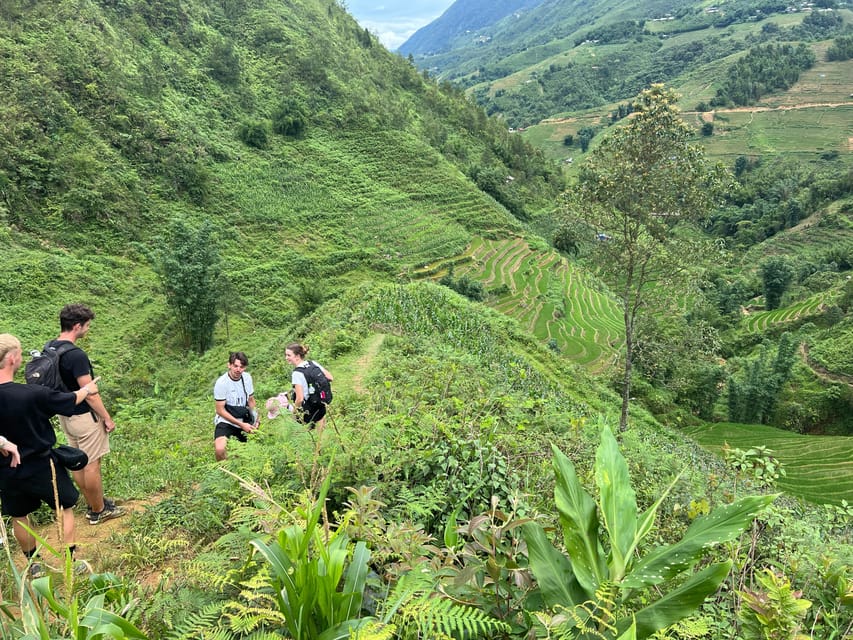
This one day Sapa trek suits you if you want:
- Authentic village life context, explained by people who grew up here
- A manageable hike with options for harder and easier routes
- A day that blends countryside walking, culture learning, and lunch without long drives
It may be less ideal if you have very limited mobility, since the route can include steep downhill sections and narrow trails. The tour is not suitable for people over 95 years, and that is an honest boundary.
It is also a great pick if you are short on time. Instead of doing nothing but town sightseeing in Sapa, you get out into the rice terrace region and come back the same day.
Should you book this one day Sapa trek?
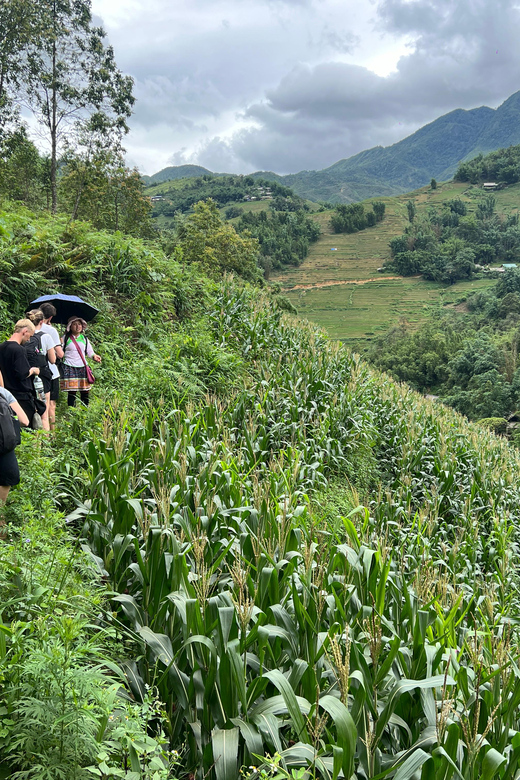
Book it if you care more about meeting real people and understanding mountain life than collecting only scenic shots. The best reason to choose it is the combination of rice terraces plus personal guidance from local Hmong women, with lunch and village access included.
Skip or think twice if you hate muddy footing, struggle with downhill walking, or you are hoping for guaranteed big visibility. Fog happens in cooler seasons, and the trail requires balance, but the guide support and rain gear help a lot.
If you do book, do this before you go: ask your guide about the difficulty option you are choosing and mention any dietary needs for lunch. Bring cash for any crafts you might want, pack sunscreen and a sun hat, and put your best walking shoes on. Then enjoy the best kind of Sapa day, one that feels like it belongs to the valley, not to a checklist.
FAQ
What time does the Sapa trek start?
It starts at 9:00 AM, or you can request a different start time. Your guide meets you at your hotel in Sapa Town or in front of the main church.
How long is the tour?
The duration is listed as about 5 hours.
How difficult is the hike?
The trek is described as easy to moderate, or hard then easy. You can choose a route length, roughly 5 to 11 km, so you can match the day to your comfort level.
What is included in the price?
The price includes a local English speaking guide, lunch, water, village entry fees, and transportation back to Sapa Town after the trek ends.
What should I bring?
Bring cash, sunglasses, a sun hat, sunscreen, a camera, and comfortable walking shoes. It is also smart to bring a raincoat, insect repellent, and clothes suitable for cool mountain weather.
Will the tour run in rainy weather?
Yes. Boots and trekking sticks are available in case of rain.
Can I book a private tour?
Yes. The tour is usually a group tour, but private tours may be available for an extra cost.
Rice Fields Start Here
- 1-Day Sapa Long Trek – Rice Field Terrace, Ethnic Culture★ 4.9 · 62 reviews
- Sapa: Love Silver Waterfall, LonelyTree in Heaven-Rice Field★ 4.9 · 28 reviews
Sapa on Foot
- Sa Pa: Muong Hoa Valley Trek and Local Ethnic Villages★ 4.6 · 864 reviews
- Sapa: Eco Adventure Terrace Fields and Local Villages Trek★ 4.9 · 636 reviews
- From Sapa: 1-Day Guided Trek to Lao Chai & Ta Van with Lunch★ 4.9 · 416 reviews
- Sapa 1 Day Long Trek: Trek to Hau Thao and Sa Seng Villages★ 4.6 · 344 reviews
- Sapa: Fansipan Cable, Cat Cat Village, Moana Instagram Tour★ 4.8 · 294 reviews
Other Sa Pa tours our reviewers keep coming back to
- Hanoi: Sapa Trekking 2 Days 1 Night – Sleeper Bus from Hanoi
★ 4.6 · 18 reviews - AUTHENIC 2D1N Trek & Bungalow Retreat with Dinh Hmong Family
★ 5.0 · 19 reviews - Sapa: Ta Phin Village Trek & Red Dao Herbal Bath
★ 5.0 · 22 reviews - Sapa: Cat Cat Village, Moana, Alpine Coaster, Fansipan Cable
★ 4.7 · 22 reviews - From Hanoi: Explore Sapa 2-Day Tour
★ 4.3 · 22 reviews - Alpine Coaster Ban Mong Experience in Sapa – Vietnam
★ 4.3 · 22 reviews
Sapa Trekking and Fansipan, compared.
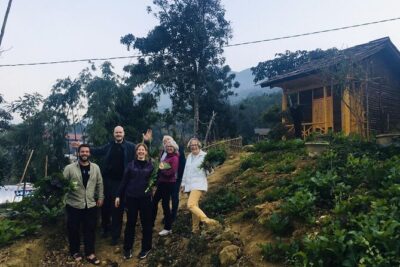 ★ 5.0Sapa 2 Days 1 Night From Hanoi – Overnight in Ta Van VillageFrom $592,669 reviews
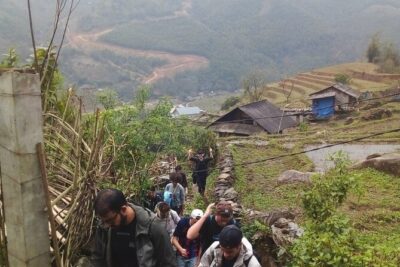 ★ 5.0Hanoi – Sapa 2 Days 1 Night Overnight At HomestayFrom $89899 reviews
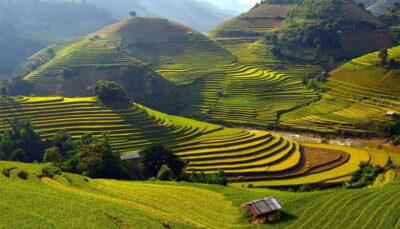 ★ 4.6Sa Pa: Muong Hoa Valley Trek and Local Ethnic VillagesFrom $23864 reviews
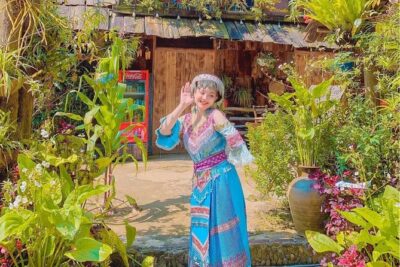 ★ 5.0Sapa: Fansipan Cable, Cat Cat Village & Moana Instagram TourFrom $30777 reviews
 ★ 4.8From Hanoi: 2-Day Sapa Trekking Trip with Homestay & MealsFrom $71704 reviews
 ★ 5.0Sapa 3 Days 2 Nights Trekking Tour (1 Night In Ta Van Village, 1 Night In Hotel)From $139699 reviews
 ★ 4.9Sapa: Eco Adventure Terrace Fields and Local Villages TrekFrom $27636 reviews
 ★ 5.03-Day Trekking Adventure of Sapa from Hanoi – Stay Ta Van VillageFrom $109611 reviews
Also in these Vietnam lists