
REVIEW · SAPA TREKKING AND FANSIPAN
SAPA : Climb up to Fansipan mountain with LOCAL GUIDE
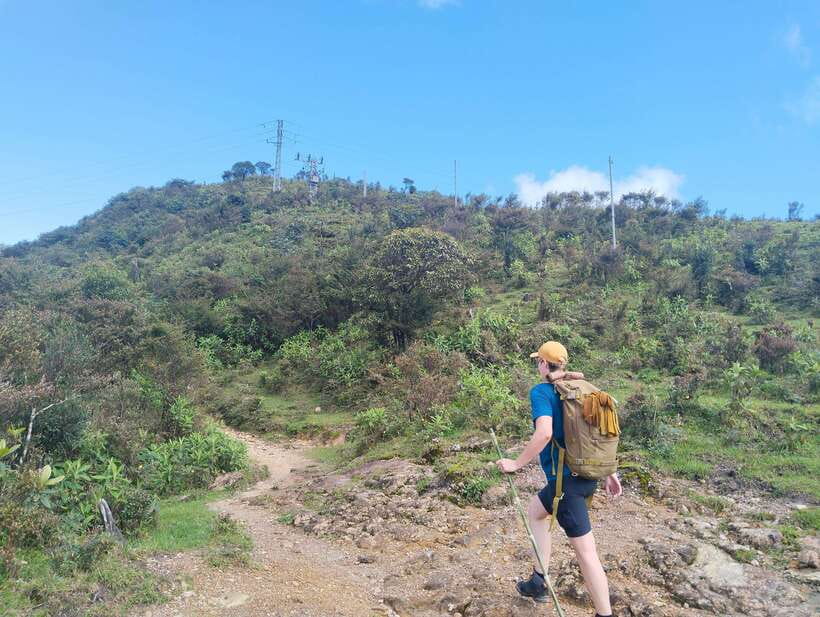
One big climb, one local guide. This one-day Fansipan hike from Sapa is interesting because you’re not just chasing a summit, you’re climbing with a Black H’mông local guide and stopping for a picnic lunch along the way. The drawback is real though: at this altitude, weather can turn, and muddy trail slows you down.
You’ll start early, transfer to Tram Ton Pass, trek for roughly 7-9 hours total, and return to Sapa by late afternoon. Guides like Za (and other English-speaking local guides such as Zo, Ke, Mai, and Khu on different dates) also bring the stories, the local context, and a pace that helps you finish safely.
In This Review
- Key moments that make the Fansipan climb feel worth your time
- Starting from Sapa, then punching in on Tram Ton Pass
- The early start: 5:30 AM pickup and a 6:00 AM walk
- Trekking through altitude changes, cardamom, and the Muong Hoa valley
- Arriving near the top: Fansipan peak at 3,143 m
- The descent plan: back down to around 2,900 m and rejoining the vehicle
- Lunch, water, and gloves: the trail basics you should not skip
- Guide support on a hard day, with Black H’mông culture built in
- Cable car down: a smart safety valve, but it costs extra
- Price and value: why $72 can make sense for this specific trek
- Who should book this Fansipan climb with a local guide?
- Practical packing notes so the day goes smoother
- Should you book this one-day Fansipan trek?
- FAQ
- How long is the Fansipan climb with a local guide?
- What time does the tour start?
- Where do you get picked up in Sapa?
- How high is Fansipan peak?
- What is included in the price?
- Is the cable car included?
- How much does the cable car cost if I use it?
- What should I bring for the hike?
- Is the hike suitable for kids and seniors?
- Is there free cancellation?
Key moments that make the Fansipan climb feel worth your time
- Tram Ton Pass start (about 1,800 m), so you gain altitude fast and get into the hike early
- A summit prize at 3,143 m plus a Fansipan climbing certificate to mark the achievement
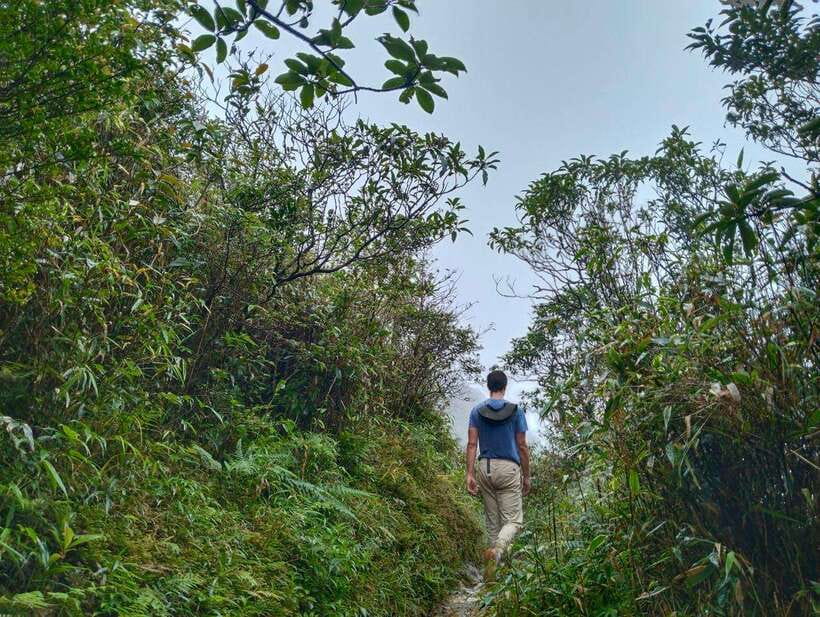
- Trail ecology by altitude, including cardamom and changing forest types
- Muong Hoa valley views on the way up, when the cloud cover allows it
- Guide support when it gets tough, especially on the final stretch and the descent
Other Sapa walks, from gentle to genuinely hard
- Sa Pa: Muong Hoa Valley Trek and Local Ethnic Villages★ 4.6 · 864 reviews
- Sapa: Eco Adventure Terrace Fields and Local Villages Trek★ 4.9 · 636 reviews
- From Sapa: 1-Day Guided Trek to Lao Chai & Ta Van with Lunch★ 4.9 · 416 reviews
- Sapa 1 Day Long Trek: Trek to Hau Thao and Sa Seng Villages★ 4.6 · 344 reviews
Starting from Sapa, then punching in on Tram Ton Pass
This is a classic one-day Fansipan format, but the practical win is your first hours are structured. The day begins with pickup in Sapa, then you transfer up to Tram Ton Pass (around 1,800 m) before you lace up and start walking.
That matters because Fansipan is not a stroll. Even if the trek is described as moderate to challenging, you’re gaining elevation from the start. With a local guide leading the way, you’re less likely to waste energy second-guessing routes, timing breaks, or figuring out what’s safe on slick rock.
Also, the scenery along the way is tied to altitude. The area is described as having 2,024 floral varieties and 327 faunal species, and you’ll notice forest types shifting as you climb. If you like hikes that teach you something while you work for it, this setup delivers.
The early start: 5:30 AM pickup and a 6:00 AM walk
You meet your guide and driver around 5:30 AM at Stone Church Sapa or another pickup point along the route from Sapa to Tram Ton Pass. Then you transfer up, arriving at Tram Ton Pass close to 6:00 AM to begin the trek.
A 5:30 AM start is not romantic, it’s smart. On Fansipan, starting early gives you more daylight for a long ascent and descent. It also increases the odds you’ll have at least some visibility on the upper section, since cloud and fog can happen any day.
One practical detail: the tour length is listed at 8 hours overall, and the most challenging part can take 7 to 9 hours total of hiking time. That mix tells you the day will feel full, not “sample-sized.” Bring realistic expectations.
Trekking through altitude changes, cardamom, and the Muong Hoa valley
Once you start walking from Tram Ton Pass, the hike becomes a chain of small milestones. It’s not only about getting higher. It’s about what changes as you climb.
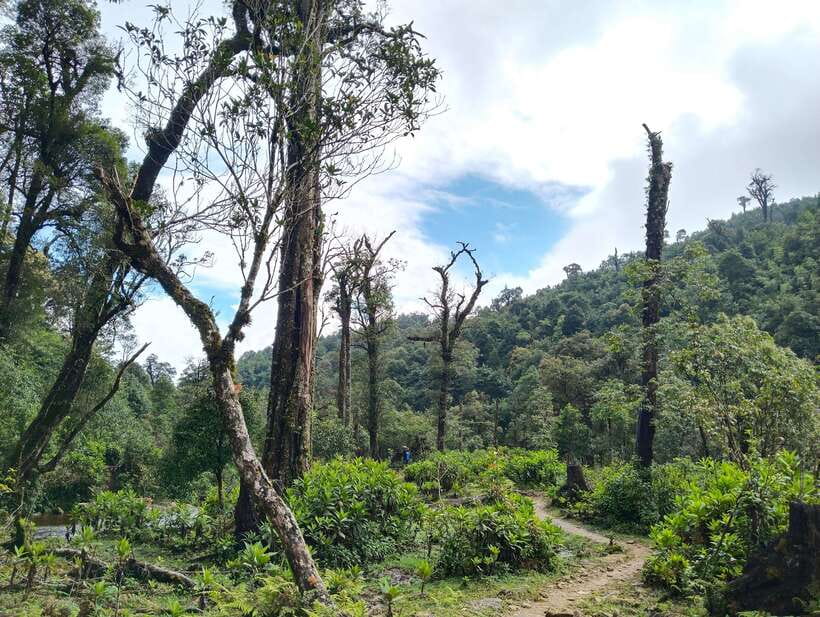
You’ll see a transition in the mountain ecosystem as altitude increases. The route is described as passing through areas where forest types change with elevation. You also get specific natural and cultural stops, including cardamom. Cardamom here is treated as a spice you might recognize from cooking, but on the mountain it becomes part of the living landscape you’re hiking through.
And then there’s the Muong Hoa valley. When visibility is decent, you can catch valley views along the ascent. When it’s cloudy, you still get the sense of the terrain shifting, even if the far views are limited.
This is where a good guide changes the whole day. A local guide can explain what you’re seeing, not just point at it. With guides like Za or Zo, the walk tends to feel like a conversation as much as a workout.
Arriving near the top: Fansipan peak at 3,143 m
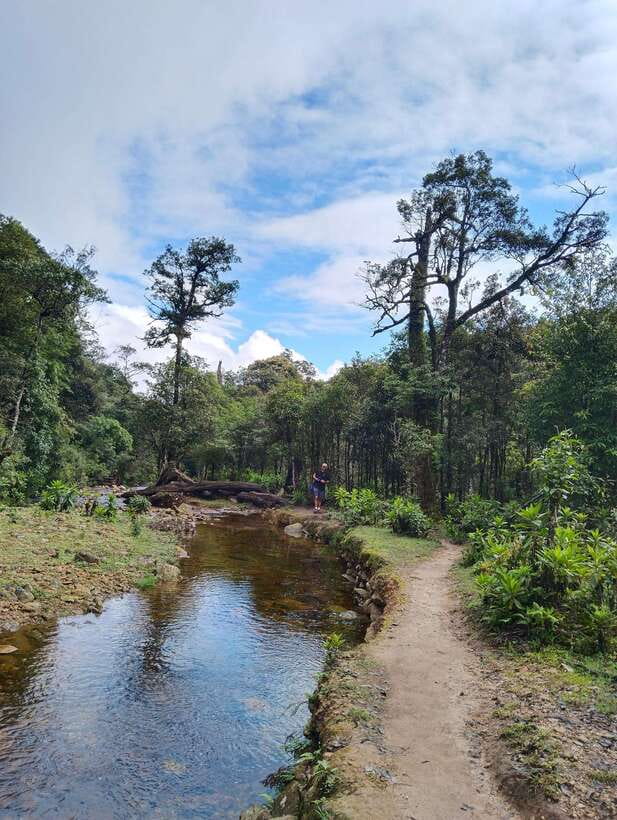
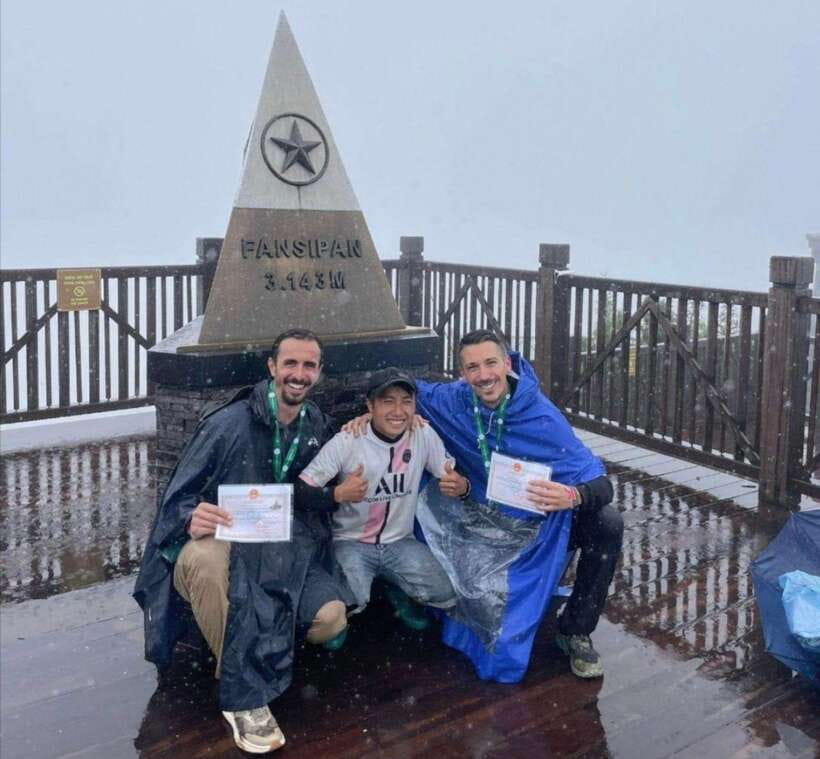
The itinerary goal is clear: reach Fansipan peak (3,143 m) around noon. At the top, you’re there for views, photos, and the satisfaction of reaching the roof of Indochina.
Two things can shape your experience at the summit. First, the view quality depends on weather. Cloud cover at the top happens, and you may not get crisp pictures. Second, the top can be busy if the conditions are good and many hikers arrive.
Even if the summit is foggy, this part of the climb can still feel like a win because you’ve earned it. You also have that physical landmark in front of you, and you can take a breath and celebrate. The tour also includes Fansipan climbing certificate, and many people appreciate this kind of official-looking proof that the hard day was real.
The descent plan: back down to around 2,900 m and rejoining the vehicle
Hiking up is tough, but the descent is where many people feel it in their legs. This tour schedules your descent efficiently. After arriving at the peak around noon, you’re back down to about 2,900 m by around 1:30 PM, then you continue down to Tram Ton Pass.
From there, the driver is waiting for your transfer back to Sapa. You’re expected to arrive back in Sapa town around 4 PM to 6 PM.
That timing is helpful for planning the rest of your day in Sapa. It’s late enough that you won’t want to stack another hard activity afterward, but early enough that you can still grab dinner and shower without staying out until midnight.
Also, keep in mind that your pace can affect the exact timing. The description repeatedly signals that terrain, weather, and your fitness level influence how long each segment takes.
Lunch, water, and gloves: the trail basics you should not skip
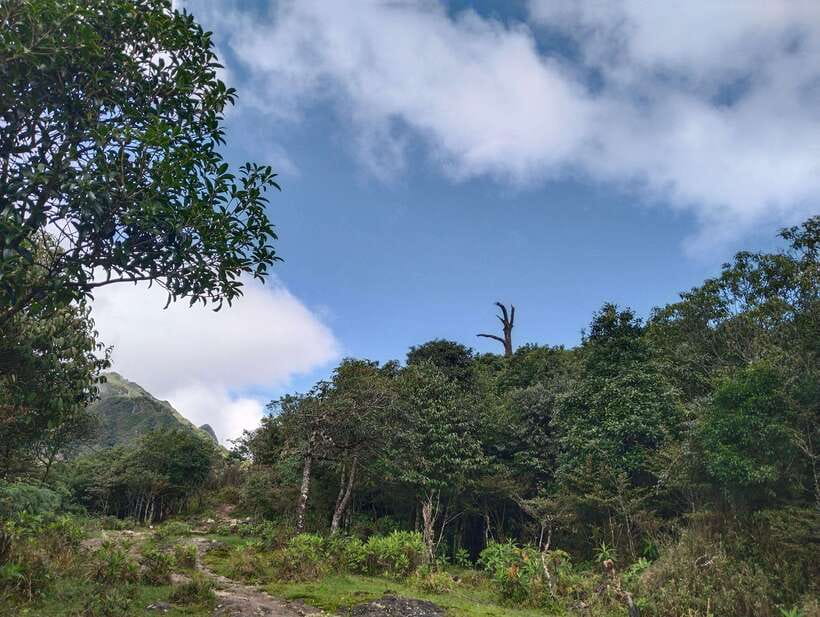
This tour includes a lot of the essentials you need for a hard day. You get:
- Picnic lunch
- 1.5 liters of water
- Entrance fee
- Gloves
- Transportation to and from your pickup point
- A guide (English)
A guide-prepared lunch on a mountain is not just comfort food. It keeps your energy stable before the steepest parts, and it reduces the temptation to push too hard on an empty stomach. Many hikers also describe the lunch as a major highlight of the day, including warm, filling options made by the guide.
Gloves are a small inclusion that can matter. On Fansipan, conditions can be cool at altitude, and you might be using your hands for balance on rocky sections. If you’re sensitive to cold, having gloves provided takes one headache off your packing list.
Bring your own shoes that can handle real trail. Comfortable shoes are listed, and hiking shoes are strongly implied as the safer choice.
Guide support on a hard day, with Black H’mông culture built in
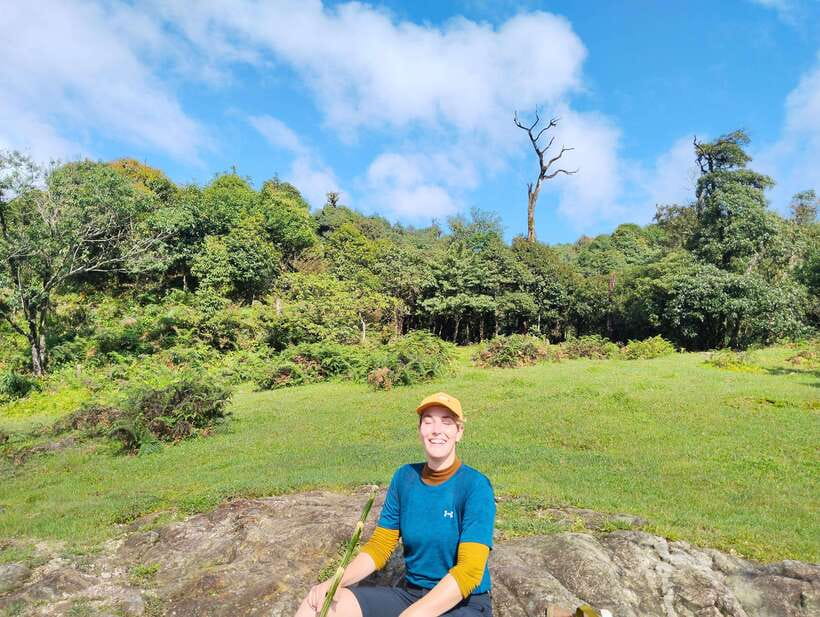
The strongest praise in this experience is the guide. This is not a generic “follow the leader” hike. The guide is positioned as the core value: local, English-speaking, and invested in your safety.
Za is the featured local guide in the description. In the day-to-day reality of the trek, you might also be guided by other local English-speaking guides such as Zo, Ke, Mai, Khu, or A Già depending on the date. The common thread is local knowledge and day-of problem solving.
What does that look like in practical terms?
- They set a pace that matches your group, instead of turning the mountain into a race.
- They manage breaks, including when rain or fatigue slows you down.
- They look out for safety on scrambling sections and on the descent.
- They share stories about the Black H’mông community and the mountain, so you understand what you’re walking through.
If you care about cultural context, this is where the tour earns its keep. You’re not just collecting a summit photo. You’re learning how locals think about the mountain, and how communities live around it.
Cable car down: a smart safety valve, but it costs extra
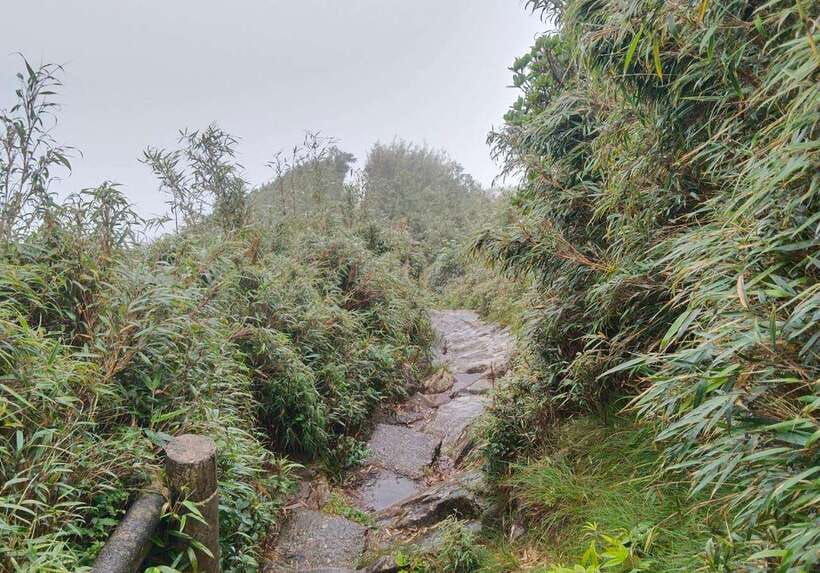
There is an important option: when you reach the top, if you’re too tired, you can take the cable car down. But two things to know upfront.
First, this is not included. The cable car ticket is listed at 800,000 VND per person in the available information. Second, while cable car down can shorten the day for your legs, it doesn’t automatically solve everything. Shuttle service from the cable car station to your accommodation is also described as not included, so you may need to handle the last transfer.
If you’re worried about the descent or you want to preserve energy for other hikes in Vietnam, the cable car option is a very real consideration. If you can handle the climb and the down day without trouble, hiking the full route is part of what makes the achievement feel earned.
Price and value: why $72 can make sense for this specific trek
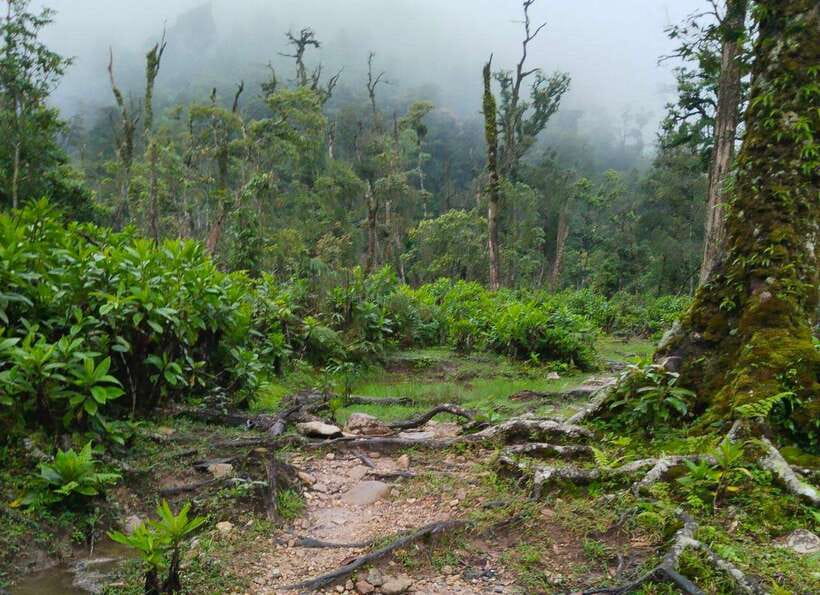
At $72 per person for a full one-day guided Fansipan climb, this can be strong value, mainly because of what’s bundled. You’re paying for:
- a live English guide
- transportation to Tram Ton Pass and back
- entrance fee
- a guide-prepared picnic lunch
- 1.5 liters of water
- gloves
- a Fansipan climbing certificate
- a porter option for groups of 4 or more
For a summit hike, guide-led logistics are the expensive part you don’t always see on a “basic” trek. Here, you’re also getting that local-culture ingredient, which changes how the day feels.
The main cost you might add is the cable car if you choose it (not included). So if you’re budgeting for a worst-case scenario on fatigue or weather, keep that extra amount in mind.
Who should book this Fansipan climb with a local guide?
This is a great fit if you:
- want a guided one-day summit with cultural context
- like early mornings and steady effort
- can handle moderate to challenging hiking in mountain weather
- prefer structured pickup and drop-off rather than figuring it out yourself
It may not be the best fit if you:
- expect easy walking, because parts can involve scrambling and heavy effort, especially late in the day
- want guaranteed clear summit views, because fog and cloud can happen
- have tight timing constraints, because the trek can stretch depending on conditions
There are also clear age notes: it’s not suitable for children under 15, and it’s not suitable for people over 70.
If you do book, plan like an adult about altitude and weather. The route starts high, and rain can make the trail muddy, which increases difficulty and adds time.
Practical packing notes so the day goes smoother
The essentials list is simple:
- Comfortable shoes, and ideally hiking shoes
- Rain gear
- Long-sleeved shirt and a T-shirt layer
- Closed-toe shoes
Add-ons that often matter on mountain days include a way to keep dry if rain hits, since the itinerary notes that conditions at this altitude are unpredictable and muddy trail can complicate the climb.
And if you’re sensitive to altitude effects, consider preparing for that possibility. The hike is strenuous, and you should be in good physical condition to complete the climb in one day.
Should you book this one-day Fansipan trek?
Book it if you want the roof of Indochina experience in a single day, and you care about going with a local guide who helps with safety, pace, and cultural context. The inclusion of guide support, transportation, lunch, water, and a certificate makes it feel like a complete day plan, not a bare-bones hike.
Skip or consider a different approach if you want an easy walk, need guaranteed clear summit photos, or you’re not comfortable with a long ascent and descent in unpredictable mountain weather. If you think you might struggle on the way down, remember the cable car option exists, but it’s extra and not fully bundled with transfers.
If your goal is a challenging, meaningful day that ends back in Sapa with a summit win, this one-day Fansipan climb is a solid choice.
FAQ
How long is the Fansipan climb with a local guide?
The tour is listed as about 8 hours total.
What time does the tour start?
Pickup starts around 5:30 AM in Sapa, and the trek begins around 6:00 AM at Tram Ton Pass.
Where do you get picked up in Sapa?
You can be picked up at Stone Church Sapa or at hotels located along the route from Sapa to Tram Ton Pass.
How high is Fansipan peak?
Fansipan peak is listed at 3,143 meters above sea level.
What is included in the price?
Included are the tour guide, entrance fee, picnic lunch, transportation, porter for groups of 4 or more, Fansipan climbing certificate, 1.5 liter water, and gloves.
Is the cable car included?
No. Cable car down is optional and not included in the tour price.
How much does the cable car cost if I use it?
The cable car ticket is listed as 800,000 VND per person in the provided information.
What should I bring for the hike?
Bring comfortable or hiking shoes, rain gear, long-sleeved shirt, T-shirt, and closed-toe shoes.
Is the hike suitable for kids and seniors?
It is not suitable for children under 15 years old, and not suitable for people over 70.
Is there free cancellation?
Yes, you can cancel up to 24 hours in advance for a full refund.
Sapa on Foot
- Sa Pa: Muong Hoa Valley Trek and Local Ethnic Villages★ 4.6 · 864 reviews
- Sapa: Eco Adventure Terrace Fields and Local Villages Trek★ 4.9 · 636 reviews
- From Sapa: 1-Day Guided Trek to Lao Chai & Ta Van with Lunch★ 4.9 · 416 reviews
- Sapa 1 Day Long Trek: Trek to Hau Thao and Sa Seng Villages★ 4.6 · 344 reviews
- Sapa: Fansipan Cable, Cat Cat Village, Moana Instagram Tour★ 4.8 · 294 reviews
Other Sa Pa tours our reviewers keep coming back to
- Hanoi: Sapa Trekking 2 Days 1 Night – Sleeper Bus from Hanoi
★ 4.6 · 18 reviews - AUTHENIC 2D1N Trek & Bungalow Retreat with Dinh Hmong Family
★ 5.0 · 19 reviews - Sapa: Ta Phin Village Trek & Red Dao Herbal Bath
★ 5.0 · 22 reviews - Sapa: Cat Cat Village, Moana, Alpine Coaster, Fansipan Cable
★ 4.7 · 22 reviews - From Hanoi: Explore Sapa 2-Day Tour
★ 4.3 · 22 reviews - Alpine Coaster Ban Mong Experience in Sapa – Vietnam
★ 4.3 · 22 reviews
Sapa Trekking and Fansipan, compared.
 ★ 5.0Sapa 2 Days 1 Night From Hanoi – Overnight in Ta Van VillageFrom $592,669 reviews
 ★ 5.0Hanoi – Sapa 2 Days 1 Night Overnight At HomestayFrom $89899 reviews
 ★ 4.6Sa Pa: Muong Hoa Valley Trek and Local Ethnic VillagesFrom $23864 reviews
 ★ 5.0Sapa: Fansipan Cable, Cat Cat Village & Moana Instagram TourFrom $30777 reviews
 ★ 4.8From Hanoi: 2-Day Sapa Trekking Trip with Homestay & MealsFrom $71704 reviews
 ★ 5.0Sapa 3 Days 2 Nights Trekking Tour (1 Night In Ta Van Village, 1 Night In Hotel)From $139699 reviews
 ★ 4.9Sapa: Eco Adventure Terrace Fields and Local Villages TrekFrom $27636 reviews
 ★ 5.03-Day Trekking Adventure of Sapa from Hanoi – Stay Ta Van VillageFrom $109611 reviews
Also in these Vietnam lists