
REVIEW · SAPA TREKKING AND FANSIPAN
Sapa: 3-Day Ha Giang Loop Motorbike Tour
Fog and motorbikes and mountain roads. That mix is why this 3-day Ha Giang Loop tour feels more like a journey than a sightseeing loop. You get big-pass viewpoints, traditional stops, and hands-on local guidance.
Two things I’d happily rank high are the Ma Pi Leng pass panoramas (plus the Tu San defile viewpoint stops) and the chance to cool off with a Du Gia Waterfall swim. One consideration is that this is long, driving-heavy riding, with basic homestays and long days that reward a flexible attitude.
If your idea of fun is long roads, big scenery, and learning how people live in northern Vietnam’s highlands, this tour fits well. If you want short days, modern comforts, and lots of downtime, you may find the pace tiring.
In This Review
- Key highlights worth planning around
- Why the Ha Giang Loop feels special for riders
- The Sapa start: overnight bus, early arrival, then a reset
- Day 1: Quan Ba, Heaven Gate, Yen Minh terraces, Tham Ma Pass, and Dong Van’s fort
- Day 2: Dong Van market, the cliff of death, Ma Pi Leng, Tu San, and Du Gia
- Day 3: Duong Thuong Valley roads, Thuong Street to Thuan Hoa, Song Lo to Ha Giang, then Hanoi
- What the included gear and safety rules mean in real life
- Homestays, hotels, and how to handle basic facilities
- Guide and group energy, including names from the road
- Value check: what you pay for, what you skip, and what costs extra
- Should you book this Ha Giang Loop 3-day tour?
- FAQ
- How far is the Ha Giang Loop in this 3-day tour?
- What time do you depart from Sapa, and when do you reach Hanoi at the end?
- Are meals included, and what kind of food is served?
- What accommodation is included?
- What motorbike and safety gear do you get?
- Do I need to buy entrance tickets and permits?
- Is travel insurance included?
Key highlights worth planning around

- Ma Pi Leng pass + Panorama viewpoints: dramatic drop-offs and cliffside views that make the route feel like a real event.
- Du Gia Waterfall swim time: one of the most memorable ways to break up the riding with a natural reset.
- Dong Van Old Town and fort stop: a historical stop that ties the region’s French-era past to today.
- Local market energy in Dong Van: a cultural and shopping moment built into the loop.
- Local guide support (English-speaking): you travel with instruction and context, not just a route sheet.
- Safety gear provided: helmets, knee and elbow protection, basic rain gear, plus bag straps and covers.
Other Sapa walks, from gentle to genuinely hard
- Sa Pa: Muong Hoa Valley Trek and Local Ethnic Villages★ 4.6 · 864 reviews
- Sapa: Eco Adventure Terrace Fields and Local Villages Trek★ 4.9 · 636 reviews
- From Sapa: 1-Day Guided Trek to Lao Chai & Ta Van with Lunch★ 4.9 · 416 reviews
- Sapa 1 Day Long Trek: Trek to Hau Thao and Sa Seng Villages★ 4.6 · 344 reviews
Why the Ha Giang Loop feels special for riders
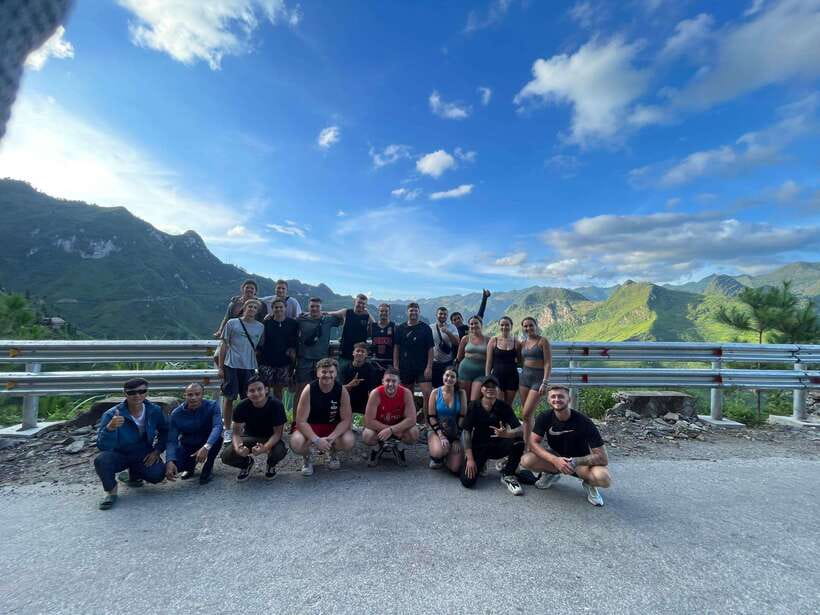
The Ha Giang Loop has a reputation because it is not just about one famous photo spot. It is about the rhythm of the road, the way passes stack on passes, and how quickly the scenery shifts from rice terraces to rocky highlands to river valleys.
This tour makes that shift easier to manage. You ride quality Japanese motorcycles, you have protective gear included, and you move as a group with an English-speaking guide who helps translate what you are seeing. That matters on a route like this, where the roads are twisty and the details on the ground can get lost if you are only focused on navigation.
The other reason it feels different is the day-to-day mix. You are not only doing viewpoints. You also get market time, an old fort stop, and a natural break for swimming at Du Gia, plus a listed Nho Que River boat ride as part of the overall experience.
The Sapa start: overnight bus, early arrival, then a reset
You begin in Sapa around 7:30 PM. The tour uses a big bus to reach Ha Giang City overnight. The key value here is momentum. You do not burn an entire day commuting, and you arrive early enough to check in and take a nap.
That first early-morning rest is more than comfort, it sets you up for Day 1. Riding days here are long, and even if you feel excited, your body still needs sleep to stay sharp on winding roads.
The tour also includes a free dorm bed when you arrive on a night bus. That is practical if you are traveling light and want to keep things simple before the motorbike part begins.
Day 1: Quan Ba, Heaven Gate, Yen Minh terraces, Tham Ma Pass, and Dong Van’s fort
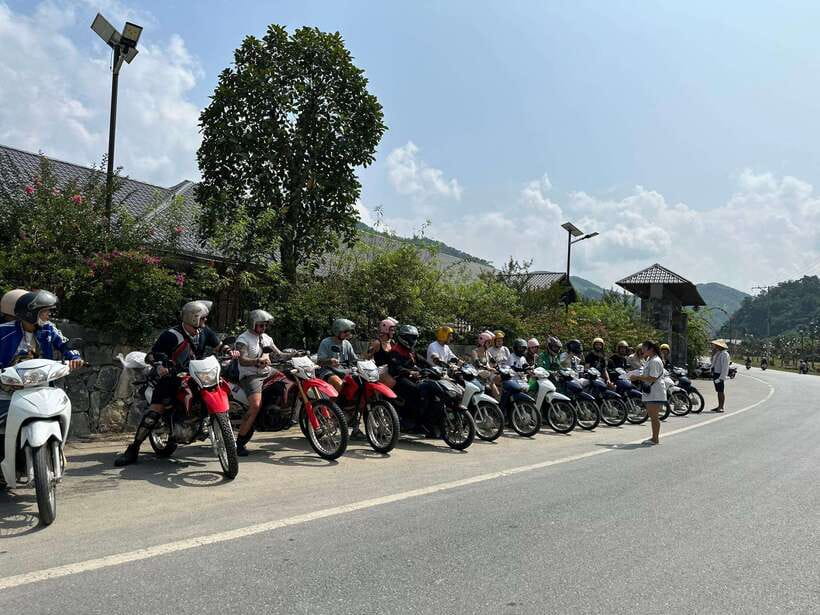
Day 1 is about getting your eyes used to the scale of northern Vietnam’s highlands. You cover around 135 km, and the itinerary builds from scenic roads to cultural stops, then into Dong Van Town.
You start from Ha Giang City and head north following a route known locally as the Happiness Road. The first big climb takes you through the Quan Ba area, including the Quan Ba – Bac Sum Pass and the Dong Van Karst Plateau Geopark route. If you like views, you’ll appreciate how quickly the terrain changes, and how the road gives you sweeping angles over long stretches of cultivated fields.
A standout stop is Quan Ba Heaven Gate. It sits above a steep zigzag road, so your “lookout moment” feels earned. You are not just stopping at a flat viewpoint. You’re arriving at a point where the road itself hints at the drama of the mountains around you.
Then you roll past Fairy Hill and continue toward Yen Minh, climbing another pass covered by pine forest. You’ll have lunch along the way, and this is one of the places where the tour format helps. A long pass day is easier when someone else plans meal timing and route transitions.
Later you ride through Tham Ma Pass on national highway 4C. The road here is winding, and the purpose of that switch is simple: it connects you to the next set of cultural stops.
Sa Phin is the cultural anchor of Day 1. You visit the one-hundred-year-old palace of Vuong Chinh Duc, the King of the H’mong. Even if your knowledge of H’mong history is basic going in, the stop gives you a mental map for the region’s power centers and local heritage.
Finally, you reach Dong Van Town and stop in Dong Van Old Town. The fort visit is built for context, not only photos. It helps you understand why Europeans and regional authorities built defensive structures in rough terrain, and why the region felt strategically important.
Potential drawback on Day 1: you will likely feel the “transition fatigue” between road segments and stops. The schedule is packed, so you’ll want a calm mindset. Think of it as a full day of pacing, not a day to linger.
Day 2: Dong Van market, the cliff of death, Ma Pi Leng, Tu San, and Du Gia
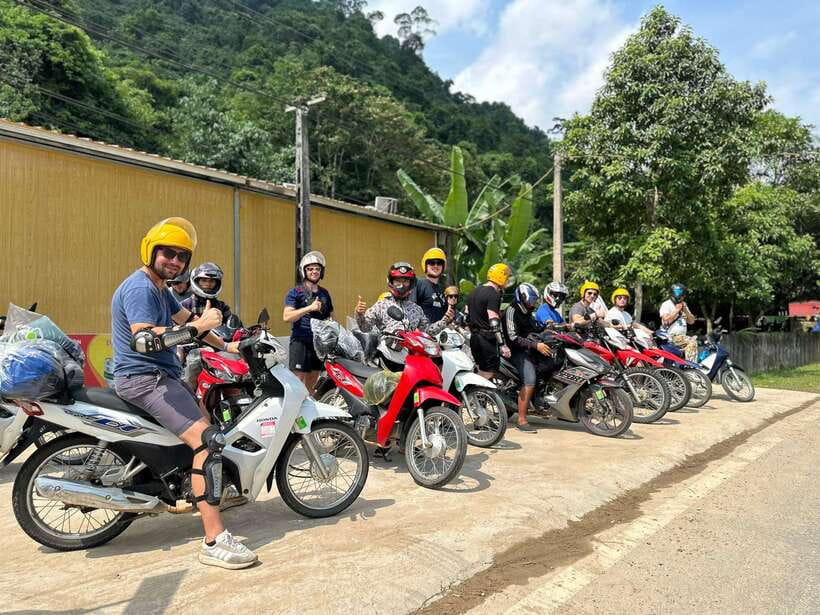
Day 2 is the one most people plan their expectations around. You cover about 120 km, and the itinerary stacks the route’s famous moments with one big nature break.
You start with breakfast, then check out and head into Dong Van Old Town for the Dong Van market. This is described as the largest exchange of goods and culture in the rocky plateau. Practical takeaway: markets are not just shopping. They are a snapshot of who trades, what people prioritize, and how life works at mountain scale.
Then you move through major mountain passes. You’ll hit the cliff of death, followed by the climb to Ma Pi Leng Pass. This is where the tour earns its reputation. At the top, the Panorama Viewpoint gives a striking view of mountains and terraced fields, and it also frames the Tu San defile below.
The Tu San defile stop is the “wow” moment for riders who like depth. From high ground, the river cutting through the rocks looks impossibly narrow and sharp. The tour format helps because you get the viewpoint time, not just a quick drive-by.
You’ll have lunch at Mau Due. That break matters because you are likely building fatigue after repeated turns and altitude shifts.
After lunch, the itinerary keeps you on rocky mountain passes, then slows just enough to rest and admire the wildness of the region’s natural features. You then reach Du Gia Village.
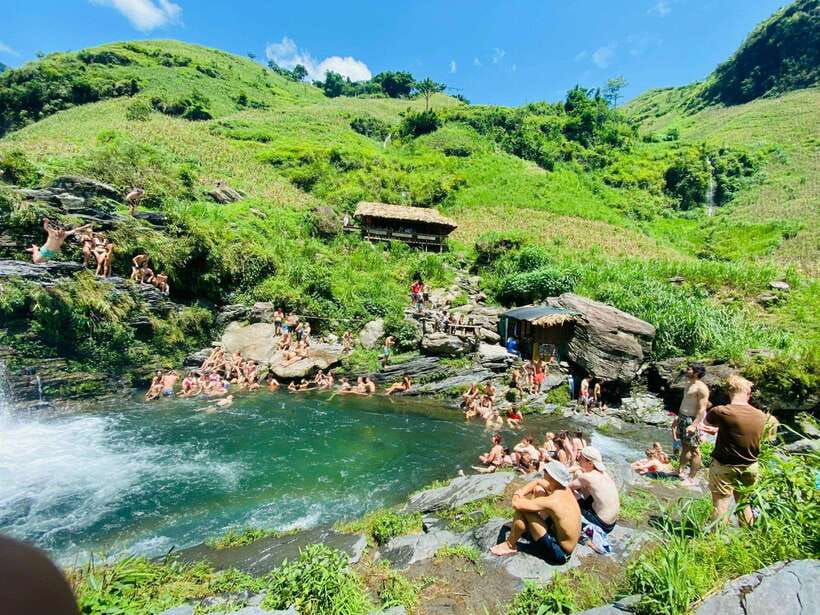
Du Gia is where the tour stops feeling like a driving test and becomes a nature escape. You visit and swim, jumping into a waterfall in a deep green forest setting. This is also one of the places where you feel why the loop is worth more than a list of passes. Riding gives you the scale. Swimming gives you relief.
Important practical note: the itinerary text focuses on swimming at Du Gia, and your highlight list also includes a Nho Que River boat ride. Since the exact timing of that boat segment is not spelled out day-by-day here, just expect it to be part of the overall loop program on your dates.
The Ha Giang Loop, ridden and reviewed again
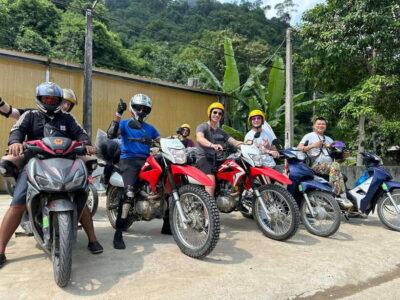
Day 3: Duong Thuong Valley roads, Thuong Street to Thuan Hoa, Song Lo to Ha Giang, then Hanoi
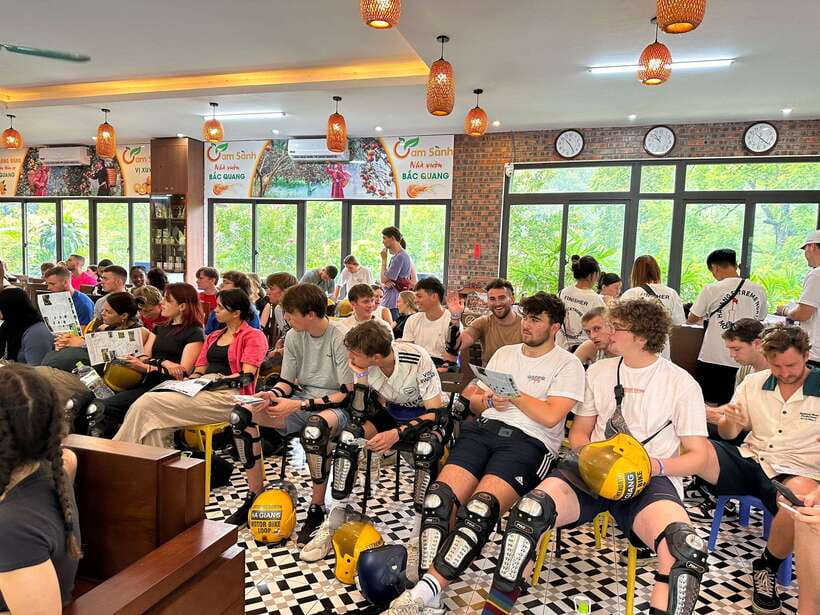
Day 3 is shorter at around 100 km, but the vibe is still serious riding. It’s a “say goodbye to the highlands” day, so the roads feel like a slow fade from dramatic peaks into wider valleys.
After breakfast in Du Gia, you start south through Duong Thuong Valley. The description calls out that the route is low and dangerous. That’s the tour’s polite way of saying: respect the road, stay attentive, and trust the guide’s pace.
You go from Thuong Street to Thuan Hoa. The scenery along the way is described as majestic, and you’re also crossing passes along the Song Lo Valley toward Ha Giang. If you’re someone who likes river geography, this leg gives you a different angle than the earlier cliffside viewpoints.
Lunch is served at your hostel in Ha Giang. After lunch, the plan includes free time to visit a local village near the hostel or simply rest for a few hours.
Then it’s back to buses. The bus pick-up happens after your free time, and you reach Hanoi around midnight to end the tour.
Potential drawback on Day 3: the “danger” phrasing means you might feel tense even if the distance is shorter. The upside is that the day is designed as a return and a transition. It is more about getting you back safely with final views, not about squeezing in one last crazy pass.
What the included gear and safety rules mean in real life
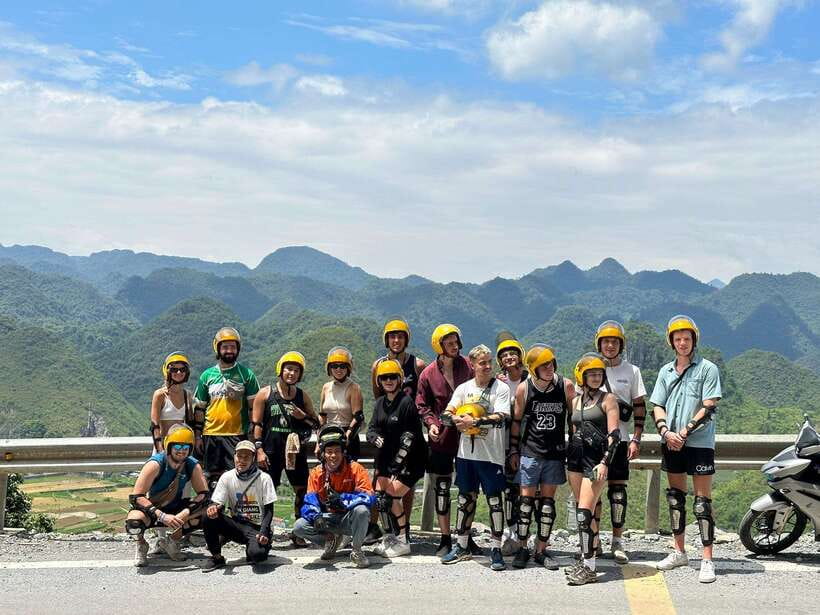
This tour treats safety as more than a checkbox. Helmets are provided, and you also get protective knee and elbow gear, plus basic rain clothes. You’ll also have bungee cords and plastic covers for your bags, which helps when the weather turns or when roads spray water from earlier sections.
Here’s why this matters for you: on a multi-day loop, small comfort problems turn into big ones. Proper head protection and rain readiness reduce stress, so you can focus on the road instead of worrying about gear.
The tour also includes full fuel, entrance tickets, and permits. That removes a lot of the small friction that can slow down a trip. When you’re riding all day, you do not want to stop to figure out payment systems or locate obscure ticket offices.
Also note the rider reality: the tour is built for long riding days. You should bring clothing for multiple conditions. Roads can be cool at altitude and wet if the weather shifts, and the included rain gear is basic, so plan to dress in layers.
Homestays, hotels, and how to handle basic facilities
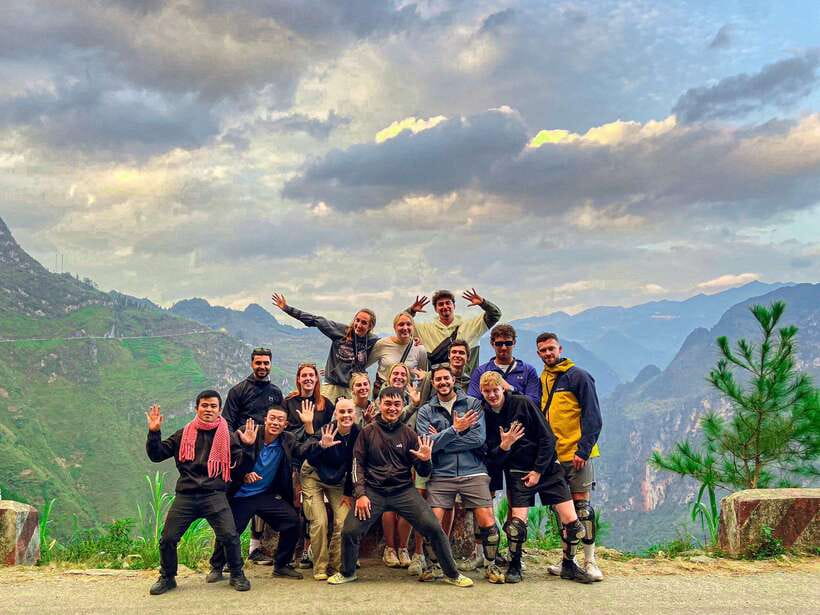
Accommodation is a mix of traditional ethnic minority homestays and basic hotels. Single rooms may be possible for an extra fee.
What you should expect: this is not a resort standard. The value is in getting a more grounded sense of where you are and how people live nearby. Homestays can be simple, and meals are local Vietnamese food rather than a Western-friendly buffet.
The tour includes all meals as indicated in the itinerary, plus drinking water and soft drinks during lunch. That makes your daily logistics much easier. You still might want snacks for the ride, but you won’t be stuck hunting for every meal.
Practical tip for packing: bring a small bag or backpack with essentials to carry on the motorbike. Your large suitcases or non-essential items will be stored at a hostel in Ha Giang City. That storage support is included, which keeps you from hauling everything through winding roads.
Guide and group energy, including names from the road
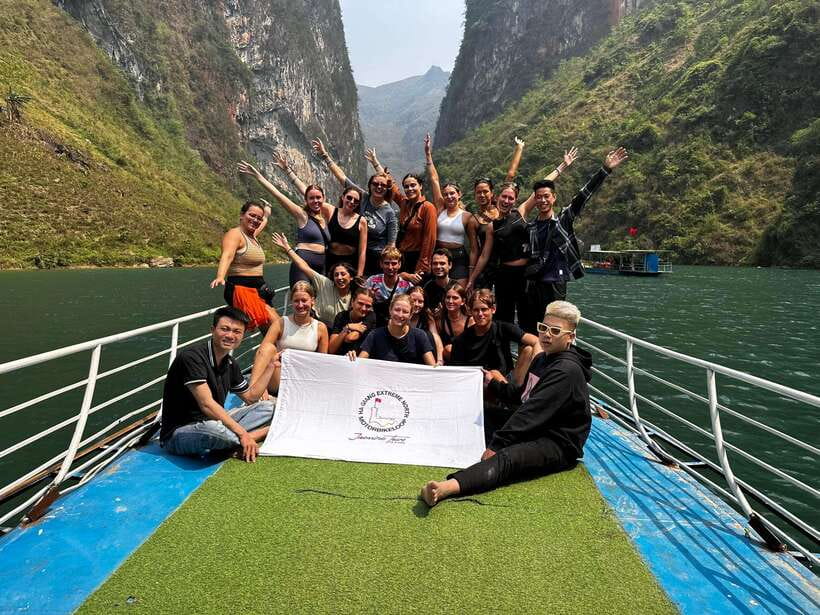
A lot of the emotional payoff on this kind of trip comes from the people who keep the day moving. This tour uses an English-speaking guide, and the overall setup encourages teamwork.
In the feedback tied to this experience, the names Phuc and Chu stand out. One pilot, Chu, is described with the nickname black horns, and the group leader, Phuc, is described as supportive and kind. That matches what you want on the loop: clear instruction and a calm hand when the road gets tight.
Even beyond safety, a good guide changes how you experience the stops. When you understand why a palace was important, or what a market trade means in a rocky plateau, the scenery becomes more than a backdrop.
If you prefer a social setting, this tour also helps. You are not solo, and the shared pace makes it easier to swap small travel questions. You can focus on enjoying the ride instead of doing everything yourself.
Value check: what you pay for, what you skip, and what costs extra
There’s no single “cheap” angle here. This is a structured 3-day motorbike loop with transport, gear, lodging, meals, and permits built in.
What makes it feel like good value is the package nature:
- Motorbikes are included (Japanese models are specifically mentioned).
- Fuel and entrance tickets are included.
- You get helmets, knee and elbow protection, and basic rain clothes.
- You get a mix of homestays and hotels, plus all meals.
The extra-cost items are also clearly defined. You might pay extra for a single room. You should expect a holiday surcharge during Xmas and Tet, listed as 50 US$ per person. Bus upgrades are available if you want a luxury bus instead of the standard option.
Not included items that matter for planning:
- Personal expenses
- Personal travel insurance
- Travel insurance is not provided, so you should arrange that separately.
- Easy riders are available on request, but they are not part of the base set of included services.
- A bus to Ninh Binh is available on request, which suggests you can extend your trip if you want.
Who this tour fits best: riders or travelers who like active travel with real context, want to see passes and natural stops without planning every turn, and can handle basic accommodations. It’s also a good fit if you care about safety gear and a guide who can explain what you are seeing.
Who should think twice: if you get easily worn down by long days of riding, or if you need a hotel with modern amenities and a slower schedule, the loop format may feel too intense.
Should you book this Ha Giang Loop 3-day tour?
Book it if your ideal northern Vietnam trip includes multiple famous passes, one real nature swim moment, and a route structured around safety and logistics. The inclusion of gear, meals, and permits reduces the chaos that can slow down road trips.
Skip it if you want a light, low-effort tour. This is a 350 km, 3-day road program. It is designed to be ridden, not drifted through.
If you’re the type who gets satisfaction from big road days, market stops, and a guide-led flow, this tour is a strong bet. And if you end up with a guide and pilot like Phuc and Chu on your dates, that group energy can turn a hard route into a memorable one.
FAQ
How far is the Ha Giang Loop in this 3-day tour?
The tour covers around 350 km over 3 days.
What time do you depart from Sapa, and when do you reach Hanoi at the end?
You are picked up from your hotel or hostel in Sapa around 7:30 PM and take a big bus to Ha Giang City overnight. The tour ends with a bus back to Hanoi around midnight on the last day.
Are meals included, and what kind of food is served?
Yes. All meals are included as indicated in the itinerary, using local Vietnamese food. Drinking water is also included, and water or soft drinks are provided during lunch.
What accommodation is included?
Accommodation is included and is typically a mix of ethnic minority homestays and basic hotels. Single rooms are possible for an extra fee.
What motorbike and safety gear do you get?
The tour includes quality genuine Japanese motorcycles. Safety gear included is helmets (full or half), protective knee and elbow gear, basic rain clothes, plus bag bungee cords and plastic covers.
Do I need to buy entrance tickets and permits?
No. Entrance tickets and permits are included.
Is travel insurance included?
No. Personal travel insurance is not included, so you should arrange it separately.
The Loop, Ridden Again
- From Sapa: 3-Day Ha Giang Loop with Safe Rider (max 8 pax)★ 4.9 · 285 reviews
Sapa on Foot
- Sa Pa: Muong Hoa Valley Trek and Local Ethnic Villages★ 4.6 · 864 reviews
- Sapa: Eco Adventure Terrace Fields and Local Villages Trek★ 4.9 · 636 reviews
- From Sapa: 1-Day Guided Trek to Lao Chai & Ta Van with Lunch★ 4.9 · 416 reviews
- Sapa 1 Day Long Trek: Trek to Hau Thao and Sa Seng Villages★ 4.6 · 344 reviews
- Sapa: Fansipan Cable, Cat Cat Village, Moana Instagram Tour★ 4.8 · 294 reviews
Other Sa Pa tours our reviewers keep coming back to
- Hanoi: Sapa Trekking 2 Days 1 Night – Sleeper Bus from Hanoi
★ 4.6 · 18 reviews - AUTHENIC 2D1N Trek & Bungalow Retreat with Dinh Hmong Family
★ 5.0 · 19 reviews - Sapa: Ta Phin Village Trek & Red Dao Herbal Bath
★ 5.0 · 22 reviews - Sapa: Cat Cat Village, Moana, Alpine Coaster, Fansipan Cable
★ 4.7 · 22 reviews - From Hanoi: Explore Sapa 2-Day Tour
★ 4.3 · 22 reviews - Alpine Coaster Ban Mong Experience in Sapa – Vietnam
★ 4.3 · 22 reviews
Sapa Trekking and Fansipan, compared.
 ★ 5.0Sapa 2 Days 1 Night From Hanoi – Overnight in Ta Van VillageFrom $592,669 reviews
 ★ 5.0Hanoi – Sapa 2 Days 1 Night Overnight At HomestayFrom $89899 reviews
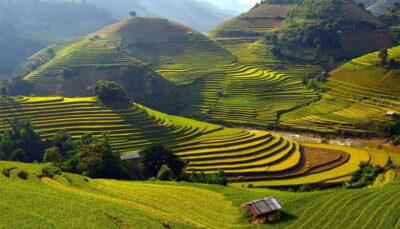 ★ 4.6Sa Pa: Muong Hoa Valley Trek and Local Ethnic VillagesFrom $23864 reviews
 ★ 5.0Sapa: Fansipan Cable, Cat Cat Village & Moana Instagram TourFrom $30777 reviews
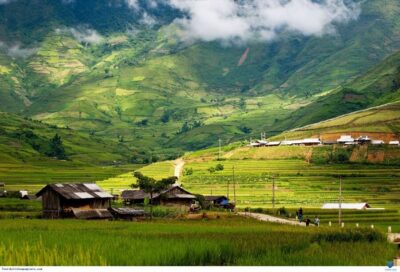 ★ 4.8From Hanoi: 2-Day Sapa Trekking Trip with Homestay & MealsFrom $71704 reviews
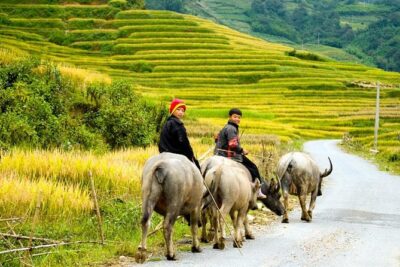 ★ 5.0Sapa 3 Days 2 Nights Trekking Tour (1 Night In Ta Van Village, 1 Night In Hotel)From $139699 reviews
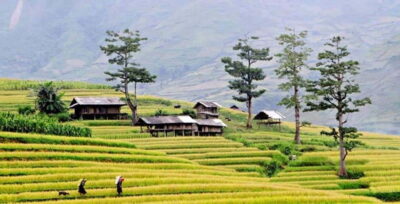 ★ 4.9Sapa: Eco Adventure Terrace Fields and Local Villages TrekFrom $27636 reviews
 ★ 5.03-Day Trekking Adventure of Sapa from Hanoi – Stay Ta Van VillageFrom $109611 reviews
Also in these Vietnam lists