
REVIEW · HOI AN ANCIENT TOWN TOURS
Hoi An: Experience Pottery Making With Local Craftsmen
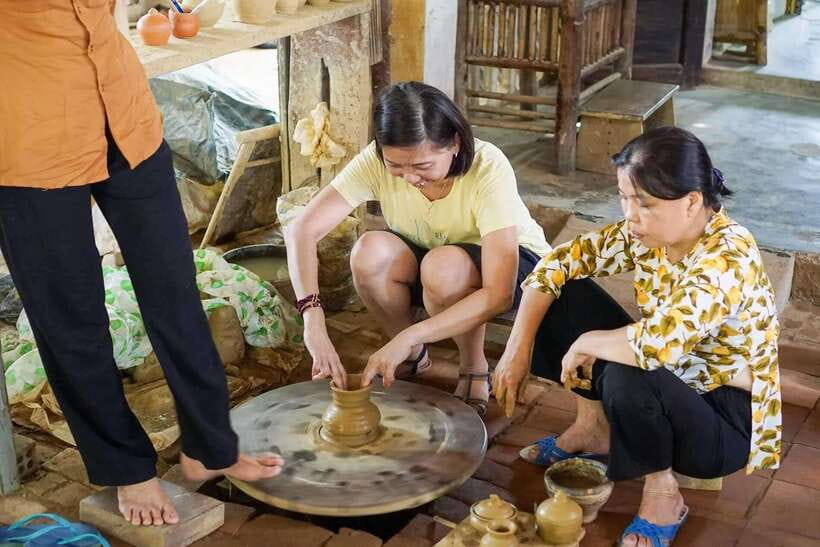
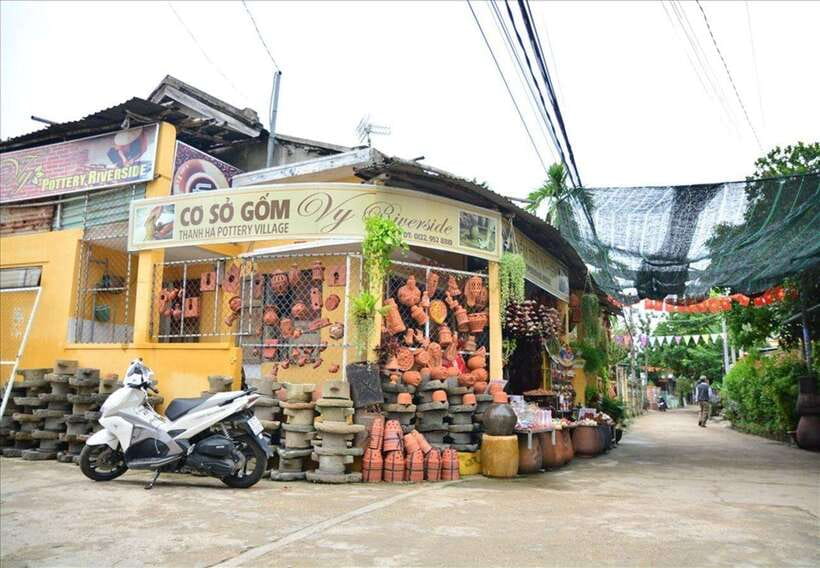
You make a souvenir in a local home. A short trip out of Hoi An takes you into Thanh Ha pottery village, where friendly craftsmen show you how pottery is made in daily life, not just as a show. I especially like the chance to make something yourself and take home your own finished pottery after a simple, hands-on session. One thing to keep in mind: English is limited, so you’ll rely on gestures, patient guidance, and a calm pace.
The workshop is built around a quick start, a small set of steps, and time to actually create. You’ll meet at Nguyen Sau Experience House, then head over to the craftsmen’s area for an introduction to local pottery products before you try. The class is listed at 20 minutes, but many people end up staying longer once they add painting, so build in breathing room if your schedule is tight.
After the hands-on part, you can wander on your own. There’s time to visit Xuan My Communal House and Nam Dieu Temple, tied to the pottery founders, if you want to see the craft’s roots around the village. The activity isn’t suitable for wheelchair users, and you should plan around a Vietnamese-speaking instructor and a very relaxed, local rhythm.
In This Review
- Key points to know before you go
- Why Thanh Ha pottery village feels more real than a quick workshop
- Entering the craftsmen’s home: how the first minutes set the tone
- What happens during the pottery class (and how to get the best outcome)
- Painting your pottery: where the experience can quietly grow longer
- Taking a masterpiece home: what is included and what you should plan for
- Price and value: why $7 can be a great deal in Hoi An
- After the workshop: Xuan My Communal House and Nam Dieu Temple
- Who this pottery workshop is best for (and who should skip it)
- Practical tips to make the most of limited English and first-time pottery
- Should you book this Hoi An pottery experience?
- FAQ
- How long is the pottery making experience in Hoi An?
- How much does the experience cost?
- What is included in the price?
- Do I need to pay for Thanh Ha Village entrance tickets?
- Where do I meet for the workshop?
- What language is used during the class?
- Can I visit places after the pottery class?
- Is this activity wheelchair accessible?
- Are food and drinks included?
Key points to know before you go
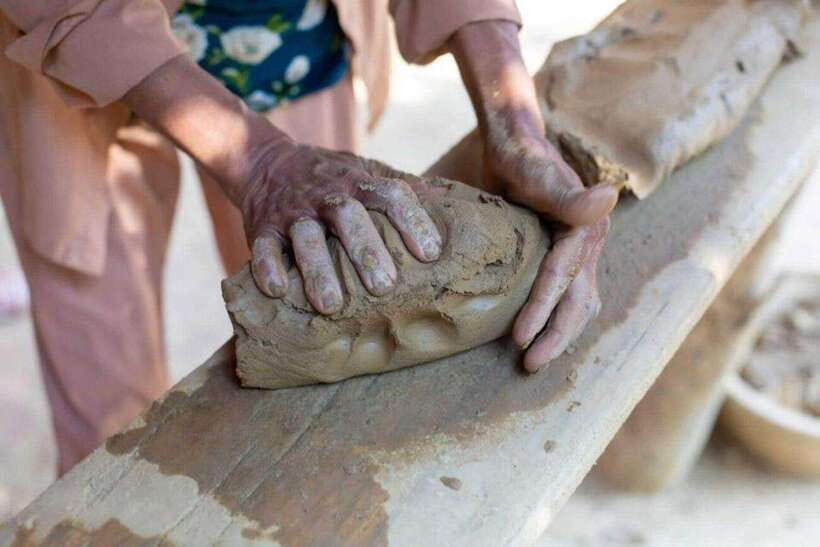
- Family-run pottery setting in Thanh Ha pottery village, not a factory or tourist studio
- Hands-on making where you pick a shape, try the process, and receive guidance throughout
- You take home what you make, with one souvenir included
- Painting time can stretch the experience, so treat the 20-minute class as a minimum
- Quiet village pace, plus an optional self-guided stop at craft-founder sites
Deeper into the Ancient Town
- Hoi An: Basket Boat Ride in the Coconut Forest★ 4.9 · 4,956 reviews
- Hoi An: Vietnamese Coffee Culture and Coffee Making Class★ 4.9 · 4,006 reviews
- Hoi An: Vietnamese Foldable Lantern Making Class★ 4.9 · 3,742 reviews
- Cooking Class Hoi An:Local Market, Basket Boat, Fishing & Cooking★ 5.0 · 3,660 reviews
Why Thanh Ha pottery village feels more real than a quick workshop
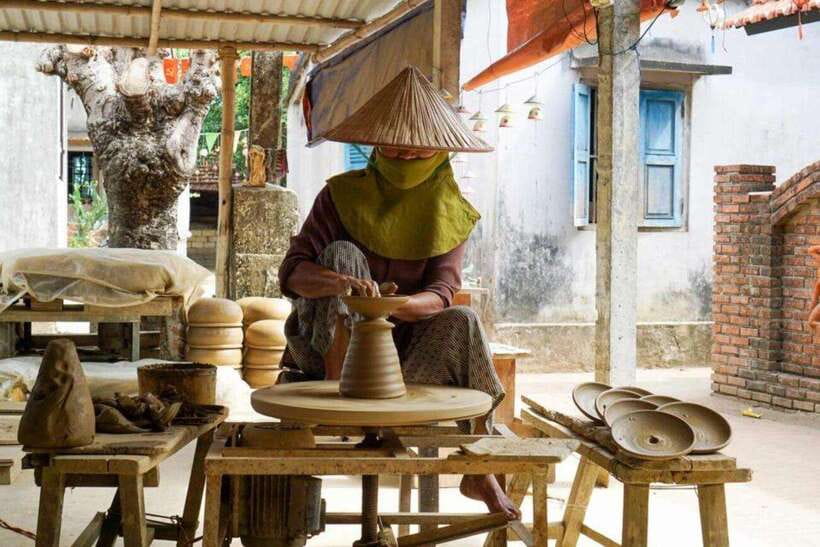
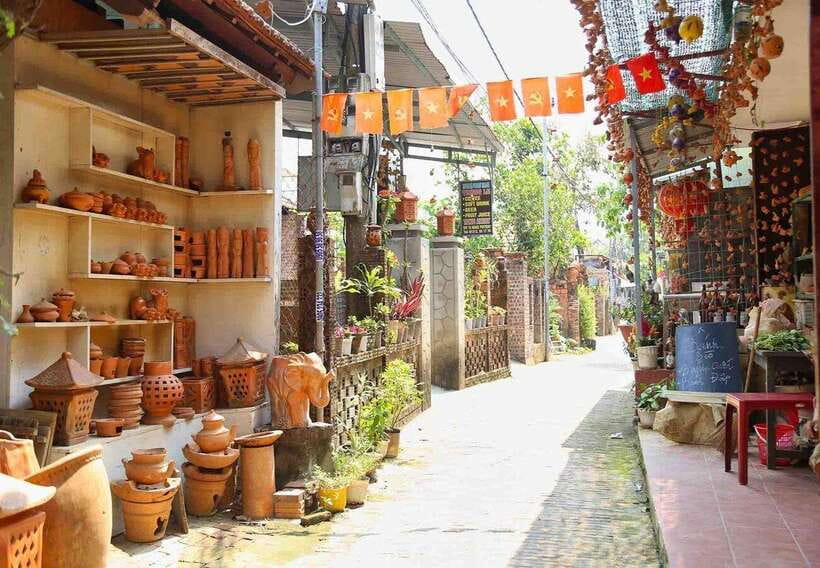
Hoi An is famous for lights, lantern streets, and shopping streets that can feel a bit scripted. This pottery experience flips the vibe. Instead of watching from a distance, you’re sitting close enough to understand how the craft is taught inside the rhythm of a working village.
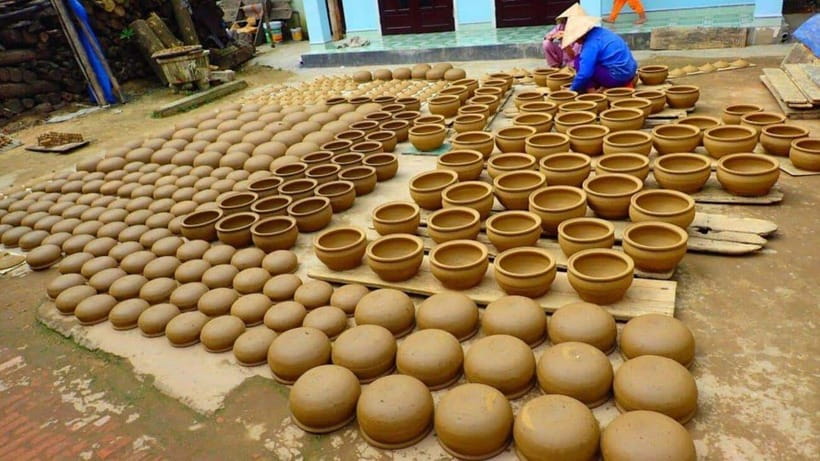
Thanh Ha pottery village has been around for centuries, and that shows in how the workshop is run: you get welcomed into the craftsmen’s space, you hear about what they make, then you move into making your own piece. It’s the kind of activity where the goal is not to rush you through, but to help you produce something you’re genuinely proud of.
Two things I think you’ll like right away. First, the hosts tend to be patient and helpful, even when English is limited. Second, the reward is immediate and tangible, you don’t leave with a postcard souvenir. You leave with a mug, bowl, or similar item you made, then painted.
Entering the craftsmen’s home: how the first minutes set the tone
You’ll begin with a meet-up at Nguyen Sau Experience House. From there, you’ll head to the pottery-making area a short distance from the Hoi An ancient town. The welcome is part of the point. Local craftsmen greet you at their workshop in their home setting, so the atmosphere is informal, calm, and personal.
The session usually starts with an introduction to local pottery products. Even if you only catch some words, you’ll understand the main idea quickly: these shapes and styles come from practice, family methods, and local demand. Then you start the class portion.
A practical note: English communication is limited. This does not mean you’re on your own. It means you should expect simple instructions, demonstrations, and lots of hands-on help. If you’re comfortable being flexible and letting the process guide you, you’ll feel right at home.
What happens during the pottery class (and how to get the best outcome)
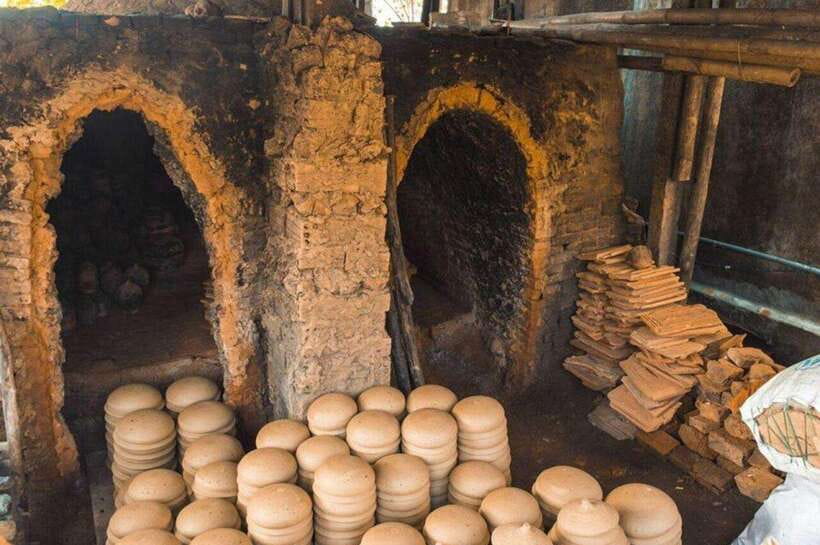
The class follows a simple flow, and that’s part of its value. You’re not asked to become a ceramic expert in one sitting. Instead, you learn the method from local people in a short, achievable session.
What you can expect during your time at the workshop:
- You watch how the craftsmen shape pottery
- You choose a piece to make
- You work with local guidance while you create your item
- You finish with a souvenir you’ll take home
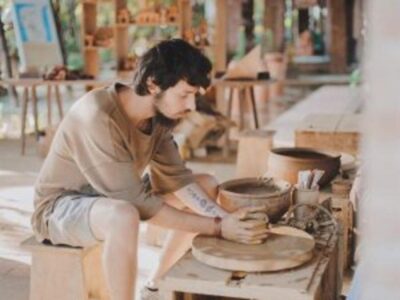
Many people are taught on a potter’s setup with a rotating base or wheel-like technique, and the pace is designed for first-timers. You’ll likely get more help at the moments that matter most: shaping, centering, and getting the form to look right.
From the experience, the biggest factor for success is not speed. It’s patience and following the steps they show you. If you try to power through or fight the process, you’ll just make the session feel harder than it needs to be.
Painting your pottery: where the experience can quietly grow longer
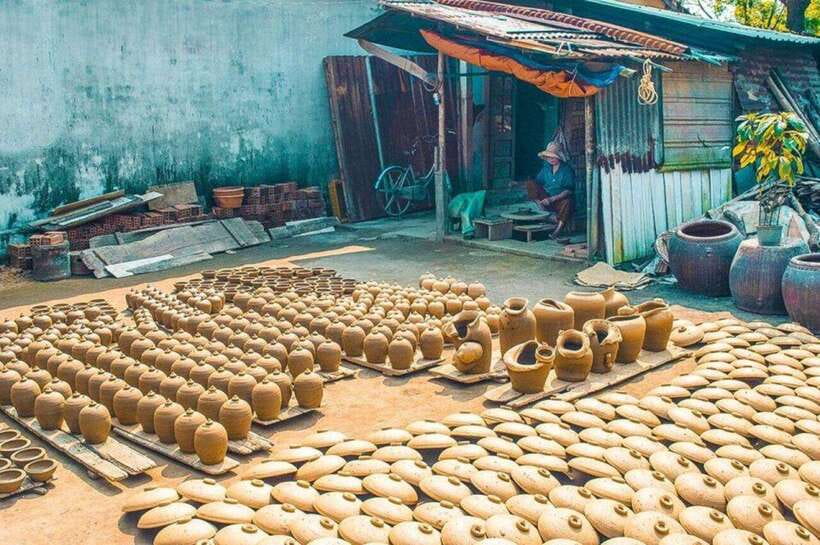
Making the shape is only half the fun. After the pottery is formed, you get to paint your own creation. This is where you can make the souvenir feel personal.
In the listing, the class duration is about 20 minutes, but in real timing, there are two common patterns:
- You spend closer to 45 minutes or so when painting is included as part of the full process
- If you take your time with shapes and details, it can run longer
If you have another activity right after, treat the 20-minute label as a minimum time. I recommend planning a buffer, especially if you want to paint carefully instead of dashing through it.
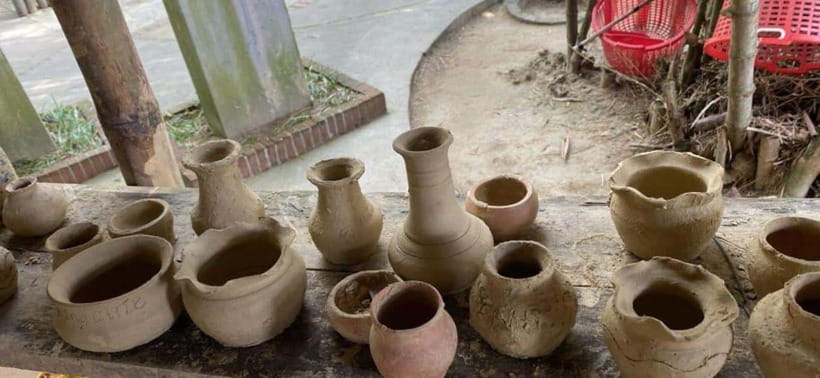
Also, you’re not just painting blindly. The craftspeople typically show you different shapes and styles, then help you with your choices. That’s why even without strong language skills, you usually leave with something that looks like it belongs in your kitchen or on a shelf.
One more value point: you can usually keep the piece you make as the included souvenir. Some sessions may allow extra items if time allows and if you pay an additional amount, but the included takeaway is one piece you make yourself.
Made by hand: more workshops nearby

Taking a masterpiece home: what is included and what you should plan for
Your included items are straightforward:
- Making pottery experience
- One souvenir made by yourself
That’s the core value of paying around $7 per person. You’re paying for a short, hands-on lesson plus the physical result. It’s not like paying for a museum ticket where you leave empty-handed.
Two things to consider before you go. First, entrance tickets to Thanh Ha Village are not included. The extra cost listed is 35,000 VND per person. So you may pay this on top of the workshop price, depending on how your booking is structured on the day.
Second, the workshop provides a little gift as part of the flow. Beyond that, the big takeaway is the piece you make yourself. If you love practical souvenirs, this is one of the best kinds: it’s useful, it’s personal, and it’s hard to fake.
Price and value: why $7 can be a great deal in Hoi An
Hoi An has plenty of activities where you pay more for less, especially when the experience is mainly watching. Here, your money goes toward doing.
At roughly $7 per person, you’re getting:
- A guided process led by Vietnamese craftsmen
- Time spent making and painting a pottery item
- A souvenir you keep
You also get something less measurable but very real: a calmer slice of village life. That quiet factor matters because it balances Hoi An’s busy energy. The workshop is described as relaxed, enjoyable, and away from the hustle, and that matches what you’ll likely feel once you step out of the ancient town rush.
The only real downside to the value equation is timing. If your day is packed, the experience might take longer than you expect because painting and making can stretch. If you build in that time, the value stays strong.
After the workshop: Xuan My Communal House and Nam Dieu Temple
Once you finish making and painting, you can extend the trip on your own. The experience includes optional self-guided time to visit two sites connected to the pottery founders:
- Xuan My Communal House
- Nam Dieu Temple
This is a smart add-on if you want context, because the workshop is about technique, while these places connect the craft to people and tradition. You don’t need a guide for this part since you’re exploring independently, but you should still be ready for local signage and Vietnamese-first information.
If you prefer a simple schedule, you can also stop after the pottery and head back toward Hoi An. Either way, you’ll likely appreciate the slower pace.
Who this pottery workshop is best for (and who should skip it)
This is a strong fit for:
- Families who want an activity that’s hands-on and not purely passive
- Couples who want a low-stress break from the street scene
- First-timers who like trying something practical and creative
- Anyone who prefers authentic, local settings over a polished, staged experience
It’s less ideal if:
- You need wheelchair accessibility, because the activity is not suitable for wheelchair users
- You hate communication gaps. You can still manage with limited English, but the session works best when you’re patient and willing to follow demonstrations
Also, bring the right mindset. This isn’t about making a museum-grade masterpiece. It’s about learning a local technique while creating something you can actually use later.
Practical tips to make the most of limited English and first-time pottery
Here are a few things that help a lot in a workshop like this, even when language is limited:
- Go slow with your hands. Follow what they demonstrate, not what you think should happen.
- Plan extra time for painting. The 20-minute class label is often shorter than the full experience.
- Ask for clarification with gestures. Pointing at what you want to do works better than trying to force words.
- Expect help throughout. The instruction style is supportive, not strict.
- Wear something you can relax in. Pottery activities can get messy, even if it’s a quick class.
If you’re traveling as a group, keep in mind the workshop pace. Some people will finish faster, others will take more time to shape and paint. If you’re naturally competitive or in a hurry, try to switch gears. The fun is in the process.
Should you book this Hoi An pottery experience?
Book it if you want a hands-on, authentic Hoi An break that ends with a real souvenir. The combination of a family-run workshop, helpful local guidance, and the chance to make and paint your own pottery is hard to beat for the price.
Skip it or think twice if your schedule is tight to the minute, because the session can run longer once you start painting. Also, if you need wheelchair access, this isn’t the right fit.
If you’re looking for something calm, creative, and genuinely local, this is exactly the kind of activity that makes a Hoi An day feel human, not just photographed.
FAQ
How long is the pottery making experience in Hoi An?
The pottery making class is often around 20 minutes. You can extend the time more to finish your product if you want.
How much does the experience cost?
The price is listed at $7 per person.
What is included in the price?
The experience includes the pottery making class and one souvenir made by you.
Do I need to pay for Thanh Ha Village entrance tickets?
Entrance tickets to Thanh Ha Village are not included. The listed cost is 35,000 VND per person.
Where do I meet for the workshop?
You meet at Nguyen Sau Experience House.
What language is used during the class?
The languages are Vietnamese. English communication is limited, and the instructor is Vietnamese.
Can I visit places after the pottery class?
Yes. After the class, you can visit The Xuan My Communal House and Nam Dieu Temple of the pottery founders by yourself.
Is this activity wheelchair accessible?
No, it is not suitable for wheelchair users.
Are food and drinks included?
No, food and drinks are not included. Personal expenses and other items not mentioned are also not included.
Workshops, Kilns and Silk
- Professional Photography Tour Optional Ao Dai Dress in Hoi An★ 5.0 · 99 reviews
- Hoi An: Thanh Ha Village Tour with Pottery Making and Gift★ 4.8 · 78 reviews
- Discover Traditional Silk Process in Hoi An Silk Village★ 4.4 · 60 reviews
- Cocopalm Forest To A Craft Village★ 5.0 · 31 reviews
Hoi An, Still More
- Hoi An: Basket Boat Ride in the Coconut Forest★ 4.9 · 4,956 reviews
- Hoi An: Vietnamese Coffee Culture and Coffee Making Class★ 4.9 · 4,006 reviews
- Hoi An: Vietnamese Foldable Lantern Making Class★ 4.9 · 3,742 reviews
- Cooking Class Hoi An:Local Market, Basket Boat, Fishing & Cooking★ 5.0 · 3,660 reviews
- Hoi An Cooking Class(Market,BasketBoat Crabfishing&Cooking Class)★ 5.0 · 3,386 reviews
Other Hoi An tours our reviewers keep coming back to
- 3 Hours Motorbike Tour in Hoi An Countryside.
★ 5.0 · 18 reviews - My Son Sanctuary Discovery Half day Private Tour
★ 5.0 · 18 reviews - Hoi An local food tour – enjoy taste of Vietnam at ancient town!
★ 5.0 · 18 reviews - Experience Cooking Class for Lunch or Afternoon With Local Chef
★ 5.0 · 18 reviews - HOI AN Vegetable Village, Basket Boat, Palm Forest PRIVATE TOUR
★ 5.0 · 18 reviews - Hoi An Countryside Tour with Bamboo Basket Boat Rowing , Buffalo Ride, Farming
★ 5.0 · 18 reviews
Hoi An Ancient Town Tours, compared.
 ★ 4.9Hoi An: Basket Boat Ride in the Coconut ForestFrom $34,956 reviews
 ★ 4.9Hoi An: Vietnamese Coffee Culture and Coffee Making ClassFrom $144,006 reviews
 ★ 4.9Hoi An: Vietnamese Foldable Lantern Making ClassFrom $103,742 reviews
 ★ 5.0Cooking Class Hoi An:Local Market, Basket Boat, Fishing & CookingFrom $283,660 reviews
 ★ 5.0Hoi An Cooking Class(Market,BasketBoat Crabfishing&Cooking Class)From $283,386 reviews
 ★ 5.0Hue to Hoi An ( Hoi An to Hue) Top Gear with Lefamily Riders Tours ( 1 way)From $503,156 reviews
 ★ 4.9Hoi An: My Son Sanctuary Early Morning w. Champa Food BrunchFrom $202,750 reviews
 ★ 4.8From Hoi An: Market Tour, Basket Boat Ride and Cooking ClassFrom $172,208 reviews
Also in these Vietnam lists