
REVIEW · HOI AN ANCIENT TOWN TOURS
Hoi An: Vietnamese Coffee Culture and Coffee Making Class
Phin filters turn coffee into theater. In this Hoi An workshop, you learn how Vietnamese coffee is built from crop to cup, then you brew and taste multiple styles yourself. I especially like the hands-on Phin metal-filter method, because it makes the flavors feel practical, not mysterious.
My other big win is the storytelling angle, with plenty of humor from hosts, including Tan and Le. You also end up with skills and recipes you can repeat after your trip. One caution: the session has a lot of coffee in a short window, so if you are caffeine sensitive, you will want to plan ahead and pace yourself.
In This Review
- Key Things That Make This Class Worth Your Time
- Hoi An Coffee Culture in Two Hours, Crop to Cup
- Where to Go: Silk Lantern Workshop and the Coffee Making Sign
- The Start: Herbal Tea, Then the Coffee Story Begins
- Learning the Phin Filter Method the Way Locals Brew
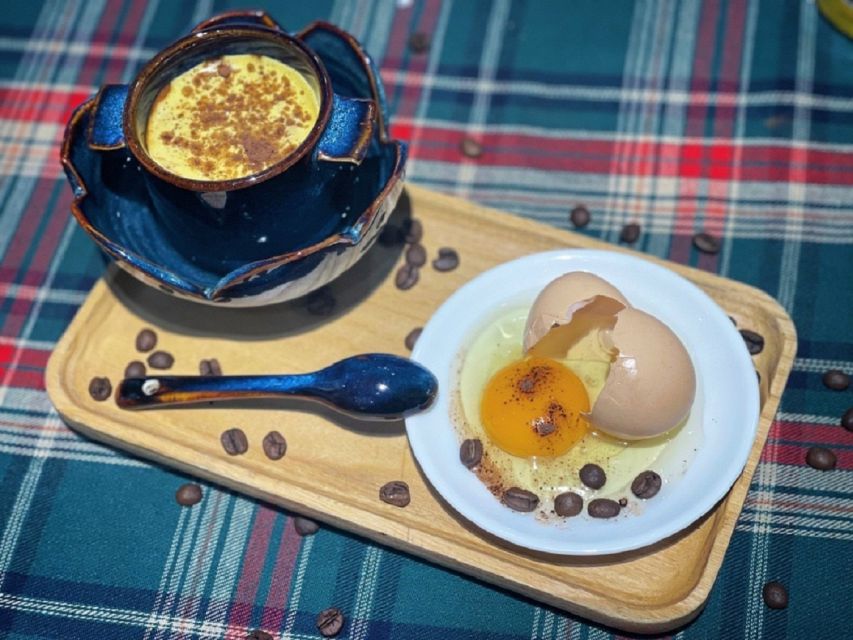
- The Coffee Lineup: Black, Happy White, Hue Salt, Coconut, and Hanoi Egg
- The Egg Coffee Step: Why It Takes Time
- Hue Imperial Salt Coffee and Coconut: Flavor Tweaks You Can Replicate
- Atmosphere, Music, and a Comfortable Group Dynamic
- What You Take Home: Recipes and a Tool for Brewing Later
- Price and Value: Is $14 a Good Deal?
- Who Should Book This, and Who Might Skip It
- Should You Book This Hoi An Coffee Making Class?
- FAQ
- How long is the Hoi An Vietnamese coffee making class?
- How many people are in the group?
- What coffee styles will I make and taste?
- What is included in the price?
- Is hotel pickup included?
- What should I bring?
Key Things That Make This Class Worth Your Time
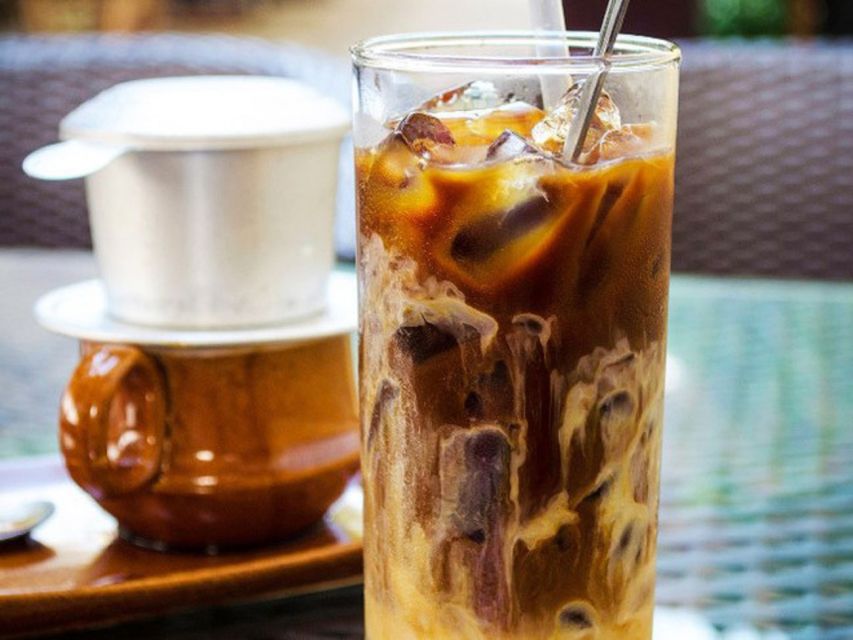
- Phin filter brewing basics that show why the metal filter matters for taste
- Crop-to-cup walkthrough so you understand what dark roasting and condensed milk change
- Egg coffee details including how long it takes and why that wait exists
- A lineup of Vietnamese favorites like Hue salt coffee, coconut coffee, and Hanoi egg coffee
- Small group energy with a max of 10 participants and English and Vietnamese guidance
- Take-home recipes and tools so you can recreate the drinks later
Deeper into the Ancient Town
- Hoi An: Basket Boat Ride in the Coconut Forest★ 4.9 · 4,956 reviews
- Hoi An: Vietnamese Coffee Culture and Coffee Making Class★ 4.9 · 4,006 reviews
- Hoi An: Vietnamese Foldable Lantern Making Class★ 4.9 · 3,742 reviews
- Cooking Class Hoi An:Local Market, Basket Boat, Fishing & Cooking★ 5.0 · 3,660 reviews
Hoi An Coffee Culture in Two Hours, Crop to Cup
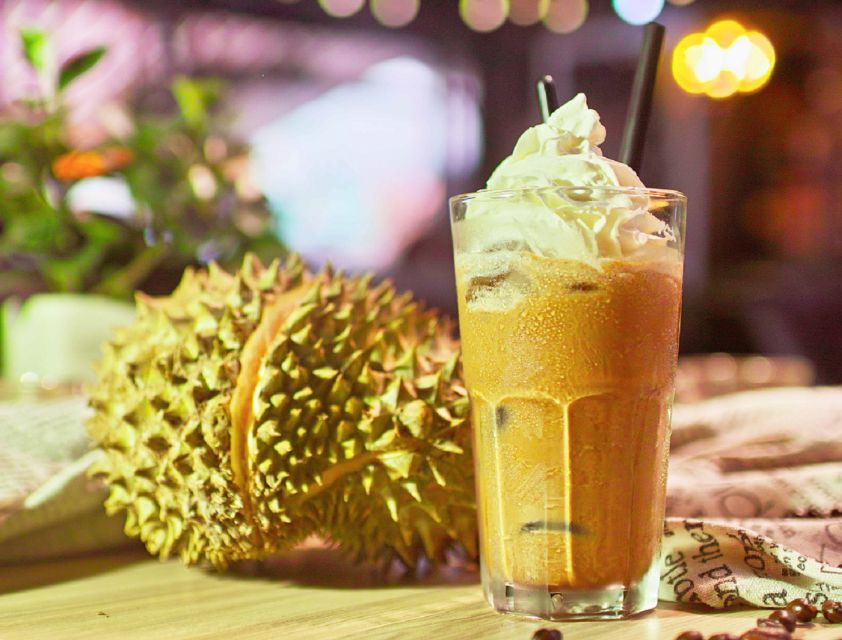
Vietnam’s café culture is famous for a reason, and this class gives you the inside view fast. In about 2 hours, you go from how coffee is grown and roasted to how it gets brewed in everyday Vietnamese cafés. The pace is friendly, and the teaching sticks because you actually do each step.
You start by connecting coffee to local life, not just flavor. The guide shares stories behind popular Vietnamese café drinks and where the techniques come from, so the drinks feel tied to the place you are standing in, not like a generic demo.
And you get value that many “taste-only” tours skip: you learn the process. Brewing Vietnamese coffee is not hard, but it is specific, and this class gives you the method you can repeat at home.
Where to Go: Silk Lantern Workshop and the Coffee Making Sign
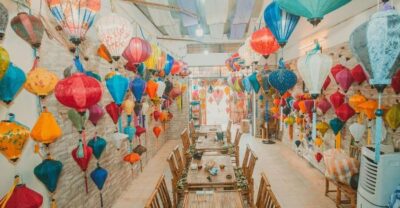
The meeting spot is easy to spot once you know what to look for. Head to the workshop decorated with silk lanterns, and look for the board that says COFFEE MAKING WORKSHOP.
No hotel pickup is included, so you will want to plan your own short walk or short taxi ride. The upside is you control your timing, and you can arrive without waiting around for a van.
Also, bring a camera. You are not going to just taste and leave, you will be making, pouring, and watching the Phin process closely, and it is fun to capture.
The Start: Herbal Tea, Then the Coffee Story Begins
The class begins with a cup of special herbal tea. It is a gentle opener before the caffeine wave, and it helps you settle into the workshop atmosphere.
Then your instructor sets the scene with stories about Vietnamese cafés and how the coffee style became part of local routine. This matters more than you might expect. Once you understand the why behind the drink, the flavor choices start to make sense, like why condensed milk plays such a big role and why Vietnamese roasting is built to handle it.
The class is taught in English and Vietnamese, and it includes an English audio guide. Even if you tune out a few moments, you will still catch the structure of each recipe.
Learning the Phin Filter Method the Way Locals Brew
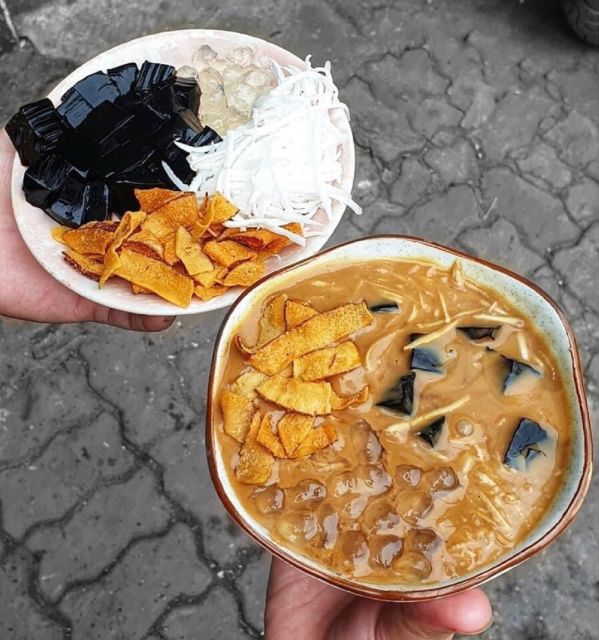
Here is the method you will be talking about later at home. Vietnamese coffee is commonly brewed with a small metal filter called a Phin, described as a version of a French press.
In class, you learn the mechanics of that filter and why it changes the outcome. The Phin slows the flow and concentrates the coffee in a way that matches the sweetness and dairy choices people make in Vietnam. It is not just equipment, it is technique.
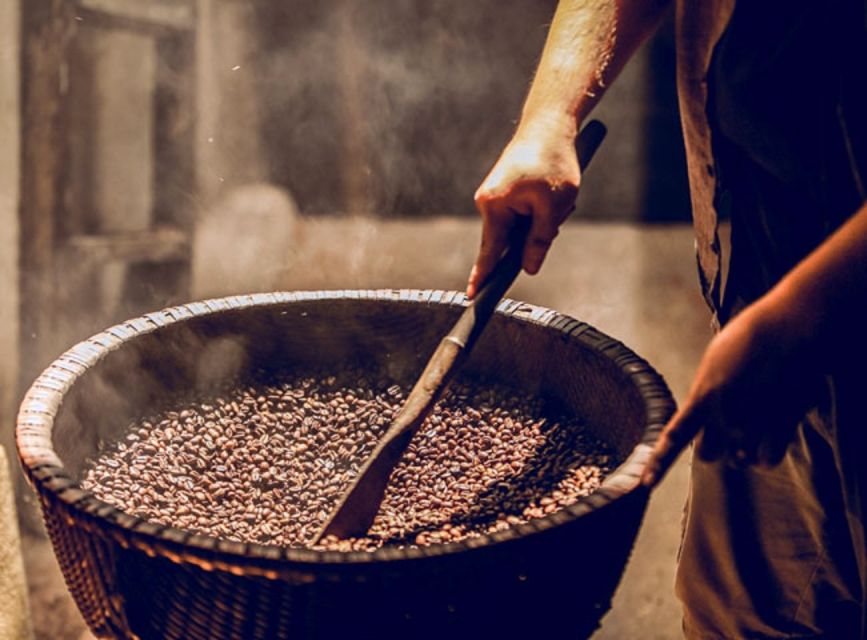
You will also hear the steps needed to roast dark beans so they mix well with sweet condensed milk. That roast-and-sweet combination is a big part of what makes Vietnamese coffee feel bold and comfortingly sweet at the same time.
If you like learning by doing, this section is where the class clicks. You are not only watching, you are brewing.
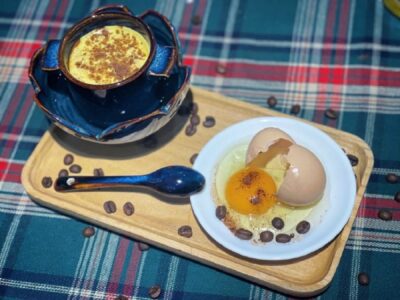
The Coffee Lineup: Black, Happy White, Hue Salt, Coconut, and Hanoi Egg

This workshop is built around multiple Vietnamese coffee styles, and you will make and try a set of recognizable favorites.
You can expect these drinks in the mix:
- Black coffee
- Happy white coffee
- Hue Imperial salt coffee
- Coconut coffee
- Hanoi capital egg coffee (egg coffee)
Even if you have seen one or two of these on menus at home, making them is different. You notice how each recipe handles sweetness, texture, and strength. You also learn what you control, like how you pour and how you balance ingredients when the coffee is hot and fresh.
Practical tip: eat before you go. People do not always realize how much coffee gets served in a 2 hour class. If you are caffeine sensitive, plan to start with food so you enjoy the tasting instead of bouncing off the walls.
One small rhythm note: the workshop includes a cookie at the end, which is a nice reset once the caffeine and sweetness have landed.
The Egg Coffee Step: Why It Takes Time
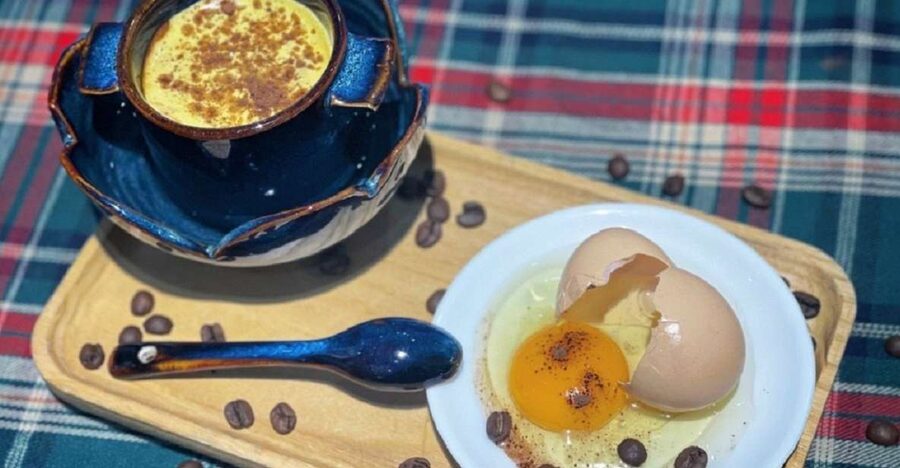
Egg coffee is the star for a reason, and the class focuses on what makes it work. You learn about the process behind Hanoi egg coffee, including why there is a wait involved before you can drink it.
That timing detail matters because egg coffee has a specific preparation step. In many classes, it is the most unusual part of the whole lineup, so it is worth paying attention during the instruction, not multitasking with your phone.
If you want the best tasting experience, stay present for the egg coffee moment. It is easy to get impatient, but the wait is part of the recipe logic.
(Inside the Dominican Republic's reviews has the Dominican Republic version.)
Hue Imperial Salt Coffee and Coconut: Flavor Tweaks You Can Replicate
Salt coffee and coconut coffee are where Vietnamese coffee feels creative in a very grounded way.
Hue Imperial salt coffee gives you a salty-sweet idea that feels unusual until you make it and taste it. Coconut coffee brings another layer, and it often lands well for people who want something a bit softer and more aromatic than straight black coffee.
The value here is not just the taste, it is the technique. Once you learn how the base coffee pairs with different additions, you can adjust the idea at home. You can explore your own ratios, swap flavors you like, and avoid ordering the same sweet drink every time.
Atmosphere, Music, and a Comfortable Group Dynamic
This is a small group class with a max of 10 participants. That size is a sweet spot. You are close enough to see the steps clearly, and you have enough room to ask questions without the group feeling split or rushed.
The workshop also has a comfortable vibe with good music. Hosts bring humor and keep the tone light, and the jokes are not distracting. They help you relax so you can focus on the brewing steps.
If you enjoy meeting other travelers, you will also likely find it easy to chat during tastings. The class structure gives natural breaks between drinks.
What You Take Home: Recipes and a Tool for Brewing Later
You are not leaving empty-handed. The class includes ingredients and tools during the session, and you take away more than just memories.
You should plan on receiving recipes you can follow later to recreate the drinks. In addition, many people report getting a small Phin filter to take home. If that is available in your session, it is a great souvenir that actually gets used.
Either way, the real take-home value is skill. Vietnamese coffee is all about the base brew and the balance with sweet additions. Once you can brew confidently with a Phin, you can recreate most of what you tasted here.
Price and Value: Is $14 a Good Deal?
At $14 per person for a 2 hour class, this offers strong value for three reasons.
First, you get instruction, not just tasting. You learn a method you can repeat, which turns the experience into something practical. Second, you sample multiple coffee styles, including egg coffee, salt coffee, and coconut coffee. Third, the class is small and guided, with English and Vietnamese support.
If you compare it to paying for a few café drinks plus a tour, this works out well because you get depth. You walk away understanding how the drinks are made, not just what they taste like.
One more value check: there is no hotel pickup included. That can be a plus or a minus depending on your plans, but it also keeps the price more reasonable. If you can reach the lantern-lined workshop on your own, you are set.
Who Should Book This, and Who Might Skip It
This class is a great fit if you:
- Want a hands-on food and drink experience in Hoi An
- Like coffee and want to learn the Phin brewing method
- Enjoy cultural context, especially café history and local stories
- Want something small group, not a big crowd thing
You might consider skipping or choosing a different activity if:
- You are very caffeine sensitive and do not want to drink multiple coffees in one sitting
- You are traveling with anyone who needs more pacing and less tasting volume than a guided class provides
- You are looking for a purely quiet, slow experience, because this one is social and hands-on
One practical note from how the class is described: it is not suitable for people over 95 years. It is also wheelchair accessible, so mobility needs are supported.
Should You Book This Hoi An Coffee Making Class?
I think you should book it if you want a fun, efficient way to understand Vietnamese coffee culture while learning a skill you will use again. The combination of Phin brewing instruction, a tasting lineup that includes egg coffee, and hosts who keep the mood light is exactly the kind of activity that turns a few hours in Hoi An into a story you will repeat.
If you are sensitive to caffeine, fix it with one simple move: eat beforehand and take your time between tastings. With that small prep, most people get a great experience without it feeling like too much.
If coffee is important to you, this is one of the most practical ways to spend a couple of hours in town.
FAQ
How long is the Hoi An Vietnamese coffee making class?
The class runs for 2 hours.
How many people are in the group?
It is a small group limited to 10 participants.
What coffee styles will I make and taste?
You will prepare and try black coffee, happy white coffee, Hue Imperial salt coffee, coconut coffee, and Hanoi capital egg coffee.
What is included in the price?
The experience includes the coffee making class, ingredients and tools, coffee and Vietnamese tea, cookies, and a local guide. An English audio guide is also included.
Is hotel pickup included?
No, hotel pickup and drop-off are not included.
What should I bring?
Bring a camera.
Hoi An, Still More
- Hoi An: Basket Boat Ride in the Coconut Forest★ 4.9 · 4,956 reviews
- Hoi An: Vietnamese Foldable Lantern Making Class★ 4.9 · 3,742 reviews
- Cooking Class Hoi An:Local Market, Basket Boat, Fishing & Cooking★ 5.0 · 3,660 reviews
- Hoi An Cooking Class(Market,BasketBoat Crabfishing&Cooking Class)★ 5.0 · 3,386 reviews
- Hoi An: My Son Sanctuary Early Morning w. Champa Food Brunch★ 4.9 · 2,750 reviews
Other Hoi An tours our reviewers keep coming back to
- 3 Hours Motorbike Tour in Hoi An Countryside.
★ 5.0 · 18 reviews - My Son Sanctuary Discovery Half day Private Tour
★ 5.0 · 18 reviews - Hoi An local food tour – enjoy taste of Vietnam at ancient town!
★ 5.0 · 18 reviews - Experience Cooking Class for Lunch or Afternoon With Local Chef
★ 5.0 · 18 reviews - HOI AN Vegetable Village, Basket Boat, Palm Forest PRIVATE TOUR
★ 5.0 · 18 reviews - Hoi An Countryside Tour with Bamboo Basket Boat Rowing , Buffalo Ride, Farming
★ 5.0 · 18 reviews
Hoi An Ancient Town Tours, compared.
 ★ 4.9Hoi An: Basket Boat Ride in the Coconut ForestFrom $34,956 reviews
 ★ 4.9Hoi An: Vietnamese Foldable Lantern Making ClassFrom $103,742 reviews
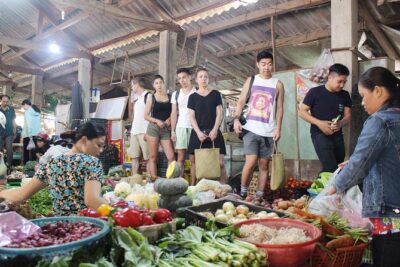 ★ 5.0Cooking Class Hoi An:Local Market, Basket Boat, Fishing & CookingFrom $283,660 reviews
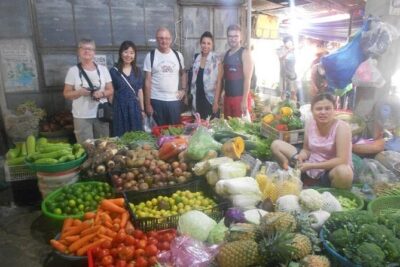 ★ 5.0Hoi An Cooking Class(Market,BasketBoat Crabfishing&Cooking Class)From $283,386 reviews
 ★ 5.0Hue to Hoi An ( Hoi An to Hue) Top Gear with Lefamily Riders Tours ( 1 way)From $503,156 reviews
 ★ 4.9Hoi An: My Son Sanctuary Early Morning w. Champa Food BrunchFrom $202,750 reviews
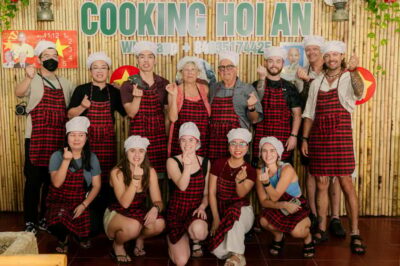 ★ 4.8From Hoi An: Market Tour, Basket Boat Ride and Cooking ClassFrom $172,208 reviews
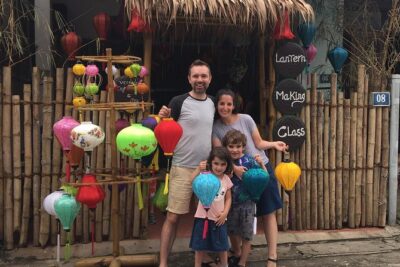 ★ 5.0Hoi An Full Lantern Making Class- A special Foldable lanternFrom $152,007 reviews
Also in these Vietnam lists