
REVIEW · HOI AN ANCIENT TOWN TOURS
Discover Traditional Silk Process in Hoi An Silk Village
Silk starts with a leaf. This short Hoi An visit walks you through how Vietnam’s traditional silk is made, from mulberry growing to cocoon-to-thread weaving. You also get a clear explanation of what makes real silk different, which helps when you shop after the demo.
My favorite part is the hands-on clarity of the process, and the way the guide connects it to local craft history. One thing to consider: the visit is only about 50 minutes, so you get a fast but focused look, not a slow, museum-style experience.
In This Review
- Key points worth knowing before you go
- Why this silk process tour fits Hoi An so well
- Price and value: what $11 buys in 50 minutes
- The meeting point and getting started at Nguyen Tat Thanh
- Quang Nam traditional house and craft sericulture story
- Mulberry gardens: where the process actually begins
- Silkworm-breeding house: feeding, cocoon life, and how it’s handled
- Unraveling House: turning a cocoon into workable silk thread
- The weaving house and Champ craft influence
- Pure silk vs fake silk: how the exhibition helps your shopping
- What to buy, and what to watch for
- Timing, group size, and what might cause delays
- Included extras, and what you need to handle yourself
- What to wear and bring for comfort
- Who should book this silk process tour, and who might skip it
- Should you book this Traditional Silk Process tour?
- FAQ
- How long is the Traditional Silk Process tour?
- How much does it cost?
- What is included in the tour price?
- What is not included?
- Where do I meet the guide?
- Do I need to buy tickets in advance?
- What language is the tour guide?
- What should I wear and bring?
- Is the tour suitable for wheelchair users or people with mobility impairments?
- Can I cancel and get a refund?
Key points worth knowing before you go
- Mulberry genetics story: the village highlights its rare mulberry genetic sources and why that matters for silk quality.
- Cocoon extraction happens in front of you: you can see the real step of getting thread from cocoons.
- Silkworm-breeding house + mulberry gardens: you see where the process starts, not just the finished fabric.
- Unraveling House demo: this is where silk thread becomes something a weaver can use.
- Champa to Dai Viet craft links: the weaving tradition is explained through historical continuity.
- Shop smarter: you’ll learn how to tell pure silk from fake fabric before you buy.
Deeper into the Ancient Town
- Hoi An: Basket Boat Ride in the Coconut Forest★ 4.9 · 4,956 reviews
- Hoi An: Vietnamese Coffee Culture and Coffee Making Class★ 4.9 · 4,006 reviews
- Hoi An: Vietnamese Foldable Lantern Making Class★ 4.9 · 3,742 reviews
- Cooking Class Hoi An:Local Market, Basket Boat, Fishing & Cooking★ 5.0 · 3,660 reviews
Why this silk process tour fits Hoi An so well
Hoi An is famous for lantern-lit streets and tailoring, but this stop explains the logic behind the products. The Traditional Silk Process tour in Hoi An Silk Village focuses on the living chain of mulberry, silkworms, and skilled hands that turn fibers into cloth.
I like that it is not just talk. You visit the mulberry gardens and the silkworm-breeding area first, then move through stages of how silk thread is prepared and woven. That order matters, because once you understand the start, the finished fabric makes more sense.
Price and value: what $11 buys in 50 minutes
At about $11 per person for a 50-minute visit, the value is mostly about access and explanation. You are paying for an English-speaking guide, entrance, and a bottle of water, plus the chance to see working craft steps in a short time window.
This is not a long “tour day.” It is a quick craft lesson that you can plug into a packed itinerary. If you are doing Hoi An tailoring anyway, this kind of background helps you ask better questions in the shop, and it can save you from guessing what you are buying.
Two practical notes on value:
- You do not get hotel pickup, so you need to get to the meeting point on your own.
- A 50-minute format means the tour stays efficient, so questions are best when they’re specific.
The meeting point and getting started at Nguyen Tat Thanh
The meeting point is 28 Nguyen Tat Thanh, Hoi An, Quang Nam, Viet Nam. You should inform your name at the reception to confirm your booking.
Because luggage and large bags are not allowed, travel light. That usually means small daypack only, no oversized shopping bags that you want to keep handy. Comfortable shoes matter too, since you will be moving through multiple areas on foot.
If you want the experience to feel smooth, arrive a few minutes early. Even when a tour runs on time, silk-making stops involve small transitions, and you will want to be ready when the guide calls the group together.
Quang Nam traditional house and craft sericulture story
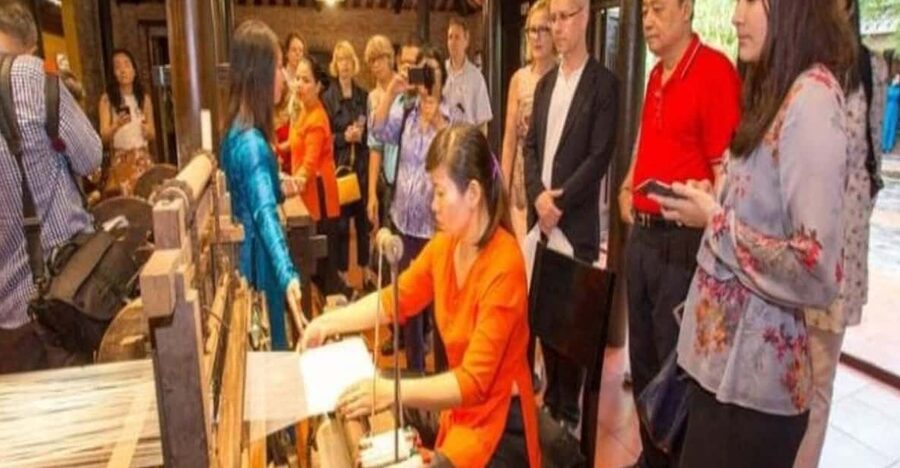
The tour begins with a welcome drink, then you head into a traditional house area in Quang Nam. Here, you listen to the story of craft sericulture, which sets the tone for the rest of the visit.
This first segment is useful because it frames silk as a local system, not a one-off souvenir trick. The village emphasizes how silk garments were traditionally constructed, and it connects the craft to historical threads from the Champa to Dai Viet eras.
One of the best parts of this portion is pacing. Instead of throwing you straight into tools, the guide gives you context first, so later demos feel logical. Guides often explain slowly enough for real questions, too, and I found that a big deal on craft tours.
Made by hand: more workshops nearby
Mulberry gardens: where the process actually begins
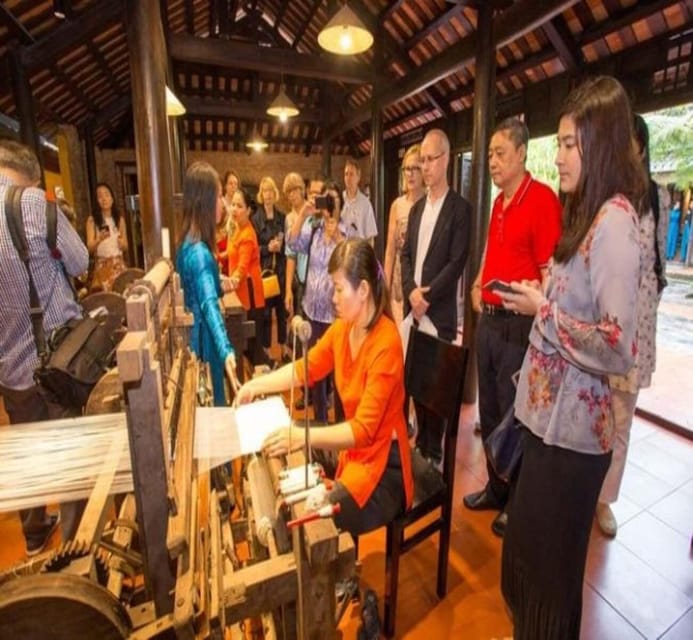
Next comes the ancient mulberry gardens, and this is where you see the foundation of silk. Mulberry is not just a plant in the background. It is the food source for the silkworms, and the tour treats it like the starting engine of the whole industry.
The tour also highlights the village’s unique position in preserving valuable mulberry genetics. Whether you are a total silk beginner or you already know the basics, it’s the kind of detail that helps you understand why real silk quality is tied to careful cultivation.
If you are the type of person who loves nature-meets-people moments, this stop usually delivers. You are not just looking at plants, you are seeing how farming supports daily craft work.
Silkworm-breeding house: feeding, cocoon life, and how it’s handled
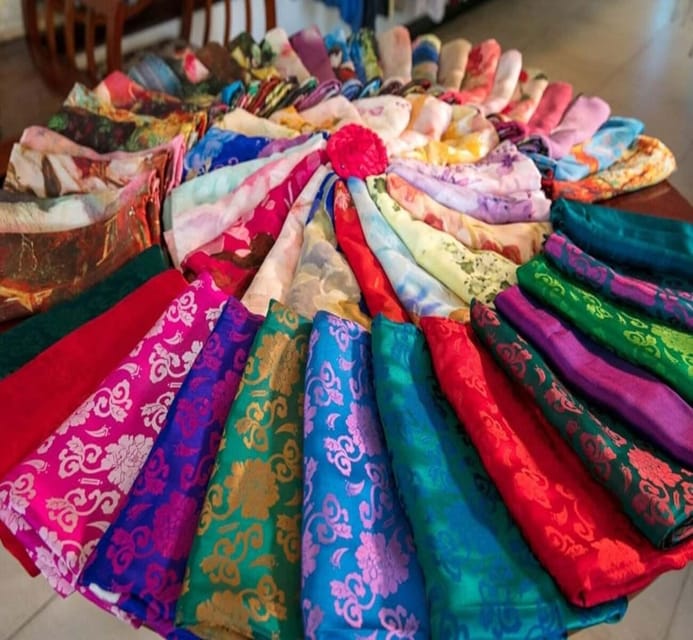
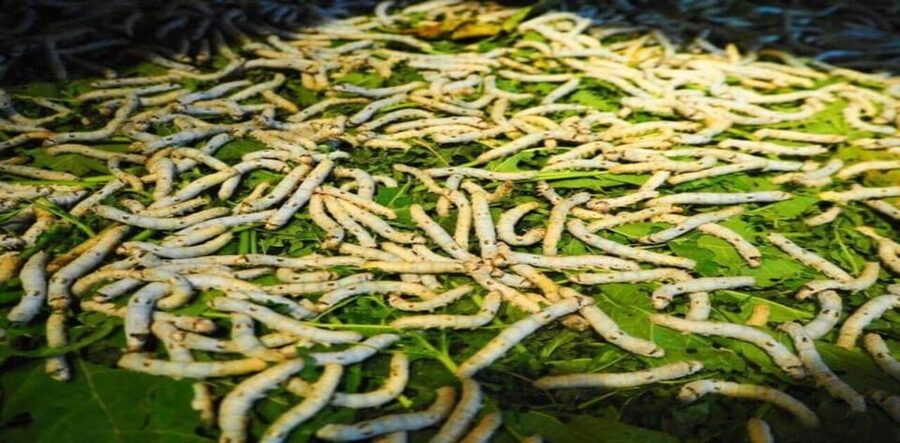
After the mulberry gardens, you move to the silkworm-breeding house. This is where the tour becomes very real, because you learn how silkworms are fed and how cocoon production fits into the timeline.
One of the most discussed parts of the tour experience is the moment you understand how cocoons connect to the next step. You learn how cocoons are handled using traditional methods, and you see how silk thread is prepared from them.
There is an important reality to know before you go: the process involves living insects and the cocoon stage. If you feel strongly about that, you might want to think it through ahead of time. On the other hand, if you want authenticity, this is the part where the tour does not hide behind a sanitized display.
Unraveling House: turning a cocoon into workable silk thread
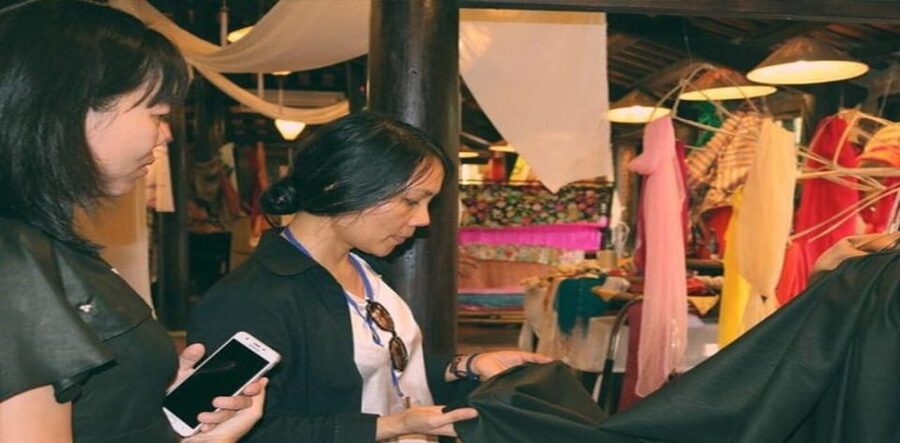
The Unraveling House is a key stop because it answers the question most people have but rarely get to see explained. How does a cocoon become thread a weaver can actually use?
Here, you learn the steps for getting silk thread from the cocoon. In plain terms, the tour helps you understand that silk is not made by magic. It is a process of careful extraction that converts something delicate and small into usable strands.
Even if you do not plan to weave yourself, this part changes how you look at fabric. After you see the cocoon step, you start to understand why different fabrics can feel different and why “cheap silk” claims should be questioned.
The weaving house and Champ craft influence
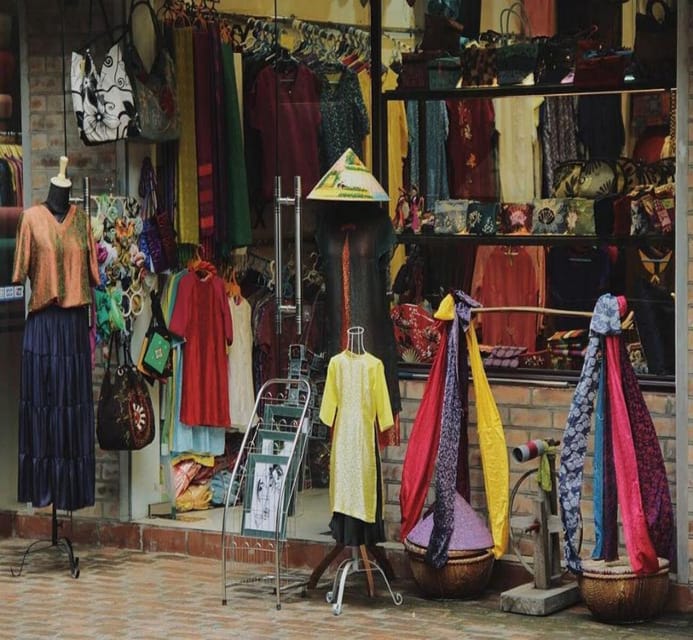
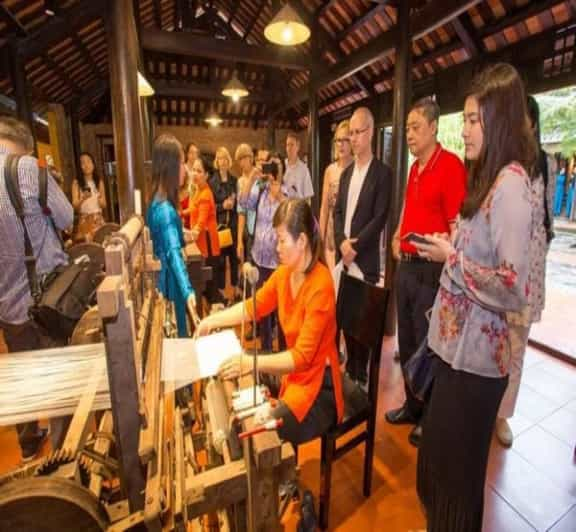
Once the thread is explained, the tour moves into a traditional weaving house. This is where you see workers weaving silk into beautiful fabrics, and where the guide ties craft technique to cultural tradition.
The experience includes handicrafts of Champ people and explains how traditional textiles were made across history. In practice, it is not just a history lecture. It is a look at technique, tools, and the patience that weaving requires.
I also like how this portion stays interactive in a subtle way. Even when you are watching rather than weaving, you can follow what’s happening because the guide has already set up the chain of production. That makes the weaving demo feel earned, not random.
Pure silk vs fake silk: how the exhibition helps your shopping
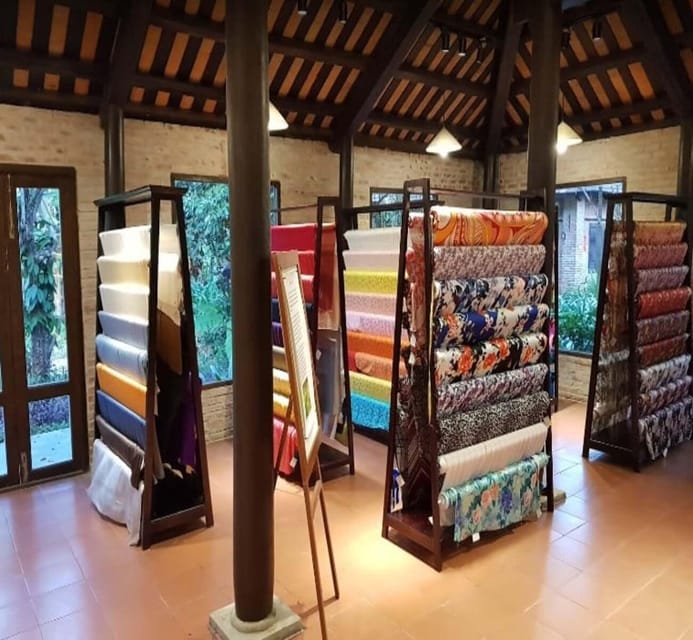
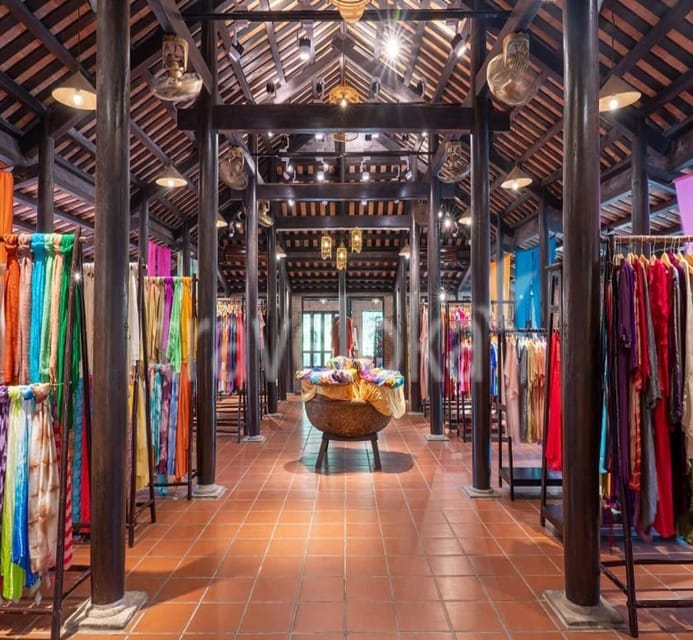
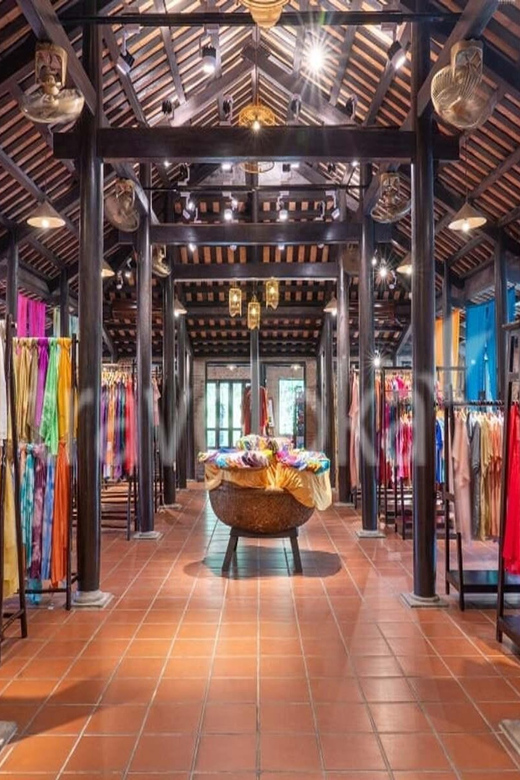
The final stop is the Hoi An Silk Village exhibition area, where you learn the difference between pure silk and fake silk fabric. This matters if you are budgeting for tailoring or if you want gifts that feel like real silk, not shiny fabric with a silk story.
The tour does not just say “trust us.” It tries to educate you so you can recognize what you are looking for. That education is useful because most people want two things on the shopping stage: confidence and speed.
From what I’ve seen, this is also where the guide’s explanations can shape your decisions. If you ask about what you are actually buying, you can get answers that match your needs, like whether you want clothing fabric, home textiles, or something specific for gifting.
What to buy, and what to watch for
Yes, there is shopping, and you will likely see plenty of silk products. Many visitors leave feeling good about the quality of items they purchase, especially silk shirts made from real silk.
Still, shopping taste is personal. One consideration is that print options can feel less appealing depending on your style. If you are picky about color combinations, plan to browse with intention and compare what you like before you commit.
Practical advice for buying during or after the tour:
- Ask what makes the fabric pure silk, and how they explain the difference from fake material.
- If you are buying a garment, think about fit and fabric feel, not only the design.
- If you want gifts, decide early if you prefer solid colors or patterned pieces, since you may see variety in different styles.
Also, there is a cafe on site, so if your schedule allows, you can take a breather after the demo, especially if you are combining this with other Hoi An activities.
Timing, group size, and what might cause delays
The tour duration is 50 minutes, and it includes a live English speaking guide and time to move through multiple areas. It also skips the ticket line, which helps keep things smooth.
Group size can be small. Some people get a more relaxed pace, partly because certain buildings have limited room. That also means it can feel a bit tighter when the group reaches indoor demo spaces.
Delays can happen if school groups are present when your slot starts. When that occurs, staff usually keep people informed and help manage the wait. If you have another appointment right after this tour, give yourself some buffer.
Included extras, and what you need to handle yourself
Here is what is included:
- English speaking guide
- Entrance fee
- Bottle of water
Not included:
- Hotel pickup and drop-off
- Meal
- Personal expenses
This matters because you might need to plan a snack or lunch separately. Also, because there’s no pickup, you should treat the meeting point like a real start point, not a casual suggestion. If you arrive late or stressed, the tour can feel rushed in the wrong way.
What to wear and bring for comfort
The tour advice is straightforward:
- Bring comfortable shoes
- Wear comfortable clothes
Because luggage or large bags are not allowed, avoid bringing bulky shopping. If you are touring mid-day in warm weather, light clothing helps, and a small water plan is good since you only get a bottle as part of the tour.
If you like taking photos, keep your phone or camera easy to reach. Demo steps can move quickly, especially once you reach the unraveling and weaving stages.
Who should book this silk process tour, and who might skip it
I think this tour is a great fit if you want an authentic look at how silk is made in Central Vietnam, without needing a full day. It suits couples, curious solo travelers, and people who plan to shop for silk garments in Hoi An.
It may be less ideal if:
- You need wheelchair access or have mobility limitations. This tour is not suitable for wheelchair users or people with mobility impairments.
- You want a very deep, multi-hour workshop. This is a focused 50-minute process walkthrough.
- You dislike learning about the real cocoon extraction step involving silkworms.
On the plus side, the guide’s English level is often highlighted as clear and understandable. If you get a guide like Thu or Tsu, you can usually expect patient explanations and room for questions.
Should you book this Traditional Silk Process tour?
Book it if you want a smart, efficient way to understand silk production in Hoi An, and if you care about buying with confidence after the demo. The best part is seeing how silkworm cocoons become thread and then watching the weaving work, because that turns silk from a product into a process you actually get.
Skip it or choose a different style of experience if you have limited tolerance for indoor demos with limited space, or if the cocoon stage would feel too uncomfortable. Also skip if you are only here for shopping and do not want to spend time on the making side.
If your goal is value for $11 and you like learning while you walk through real craft steps, this one usually lands well.
FAQ
How long is the Traditional Silk Process tour?
The duration is 50 minutes.
How much does it cost?
The price is $11 per person.
What is included in the tour price?
It includes an English speaking guide, entrance fee, and a bottle of water.
What is not included?
Hotel pick up and drop off, meals, and personal expenses are not included.
Where do I meet the guide?
Meet at 28 Nguyen Tat Thanh, Hoi An, Quang Nam, Viet Nam. Confirm your booking by informing your name at reception.
Do I need to buy tickets in advance?
The tour includes skipping the ticket line.
What language is the tour guide?
The tour guide speaks English.
What should I wear and bring?
Wear comfortable clothes and comfortable shoes.
Is the tour suitable for wheelchair users or people with mobility impairments?
No. It is not suitable for wheelchair users or people with mobility impairments.
Can I cancel and get a refund?
Yes, you can cancel up to 24 hours in advance for a full refund.
Workshops, Kilns and Silk
- Professional Photography Tour Optional Ao Dai Dress in Hoi An★ 5.0 · 99 reviews
- Hoi An: Thanh Ha Village Tour with Pottery Making and Gift★ 4.8 · 78 reviews
- Hoi An: Experience Pottery Making With Local Craftsmen★ 4.8 · 54 reviews
- Cocopalm Forest To A Craft Village★ 5.0 · 31 reviews
Hoi An, Still More
- Hoi An: Basket Boat Ride in the Coconut Forest★ 4.9 · 4,956 reviews
- Hoi An: Vietnamese Coffee Culture and Coffee Making Class★ 4.9 · 4,006 reviews
- Hoi An: Vietnamese Foldable Lantern Making Class★ 4.9 · 3,742 reviews
- Cooking Class Hoi An:Local Market, Basket Boat, Fishing & Cooking★ 5.0 · 3,660 reviews
- Hoi An Cooking Class(Market,BasketBoat Crabfishing&Cooking Class)★ 5.0 · 3,386 reviews
Other Hoi An tours our reviewers keep coming back to
- 3 Hours Motorbike Tour in Hoi An Countryside.
★ 5.0 · 18 reviews - My Son Sanctuary Discovery Half day Private Tour
★ 5.0 · 18 reviews - Hoi An local food tour – enjoy taste of Vietnam at ancient town!
★ 5.0 · 18 reviews - Experience Cooking Class for Lunch or Afternoon With Local Chef
★ 5.0 · 18 reviews - HOI AN Vegetable Village, Basket Boat, Palm Forest PRIVATE TOUR
★ 5.0 · 18 reviews - Hoi An Countryside Tour with Bamboo Basket Boat Rowing , Buffalo Ride, Farming
★ 5.0 · 18 reviews
Hoi An Ancient Town Tours, compared.
 ★ 4.9Hoi An: Basket Boat Ride in the Coconut ForestFrom $34,956 reviews
 ★ 4.9Hoi An: Vietnamese Coffee Culture and Coffee Making ClassFrom $144,006 reviews
 ★ 4.9Hoi An: Vietnamese Foldable Lantern Making ClassFrom $103,742 reviews
 ★ 5.0Cooking Class Hoi An:Local Market, Basket Boat, Fishing & CookingFrom $283,660 reviews
 ★ 5.0Hoi An Cooking Class(Market,BasketBoat Crabfishing&Cooking Class)From $283,386 reviews
 ★ 5.0Hue to Hoi An ( Hoi An to Hue) Top Gear with Lefamily Riders Tours ( 1 way)From $503,156 reviews
 ★ 4.9Hoi An: My Son Sanctuary Early Morning w. Champa Food BrunchFrom $202,750 reviews
 ★ 4.8From Hoi An: Market Tour, Basket Boat Ride and Cooking ClassFrom $172,208 reviews
Also in these Vietnam lists