
REVIEW · WORKSHOPS
Da Nang: Tandoori Naan Bread-Making Class
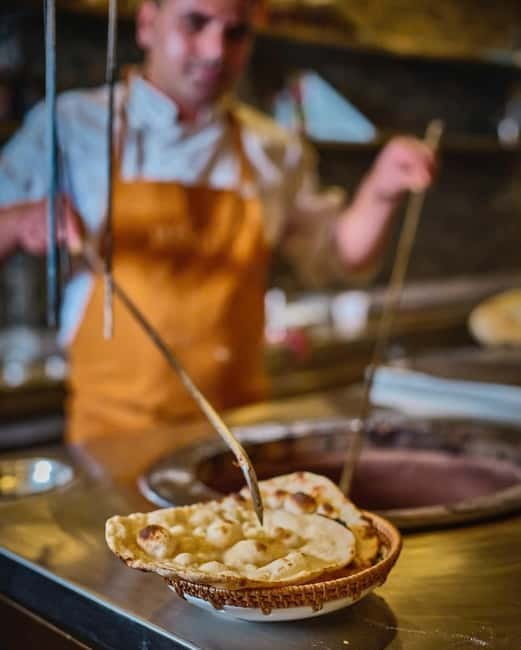
Warm naan smells like home. At RANG Danang in Da Nang, you’ll learn tandoori naan step-by-step in a real working Indian kitchen, not a demo setup. I love getting my hands in the dough, and I also like that the spot behind it is a MICHELIN Bib Gourmand Indian restaurant (fusion or not, the bread quality is the point).
You’ll come away with skills you can use right away: shaping naan, seasoning it with authentic spices, and tasting it straight from the heat. I particularly like the way you’re taught to adapt the tandoor action into a home setup, plus the bread comes with signature dips that make the whole class feel like a meal, not homework.
One thing to consider: this is a hands-on class around hot bread-baking heat, so if you’re traveling with very young kids, it’s not suitable for children under 7. Also, no alcohol is allowed, so plan any celebratory drinks for after.
In This Review
- Key things I’d focus on before you go
- RANG Danang and why this kitchen setup is part of the value
- What beginner-friendly really means in a naan class
- From kneading to seasoning: the core skills that make naan taste right
- The slap-to-bake moment and how tandoor technique becomes a home hack
- Plain, garlic, butter, and stuffed naan, plus the dips that finish the job
- Pairing your naan with curry at RANG Danang, without making it complicated
- Price and value: why this feels like a smart deal
- Who this class is perfect for, and who should rethink it
- What to expect from the instructors and the overall vibe
- Should you book this Da Nang tandoori naan bread-making class?
- FAQ
- Where does the naan-making class meet in Da Nang?
- How long is the tandoori naan bread-making class?
- What is the price per person?
- Do I need any prior cooking experience?
- How large is the class group?
- What languages are the instructors able to use?
- Will I learn how to make plain naan and variations?
- Do we bake naan in a tandoor?
- Is the class suitable for children?
- Is alcohol allowed during the activity?
- What cancellation and payment options are available?
Key things I’d focus on before you go
- Small group, up to 8 people: you get real chef attention, not a quick walk-through.
- From dough to baked naan: you knead, season, shape, and taste, all with guidance.
- Tandoor technique with home alternatives: you learn the slap-and-bake method, then how to recreate it without a tandoor.
- Plain, garlic, butter, and stuffed options: you’ll practice more than one style so you’re not stuck with only one bread.
- Fresh tasting with signature dips: the class ends with instant payoff, warm bread and flavorful pairings.
- English, Vietnamese, and Hindi support: helpful if your language comfort varies.
Narrowing it down? These Da Nang tours kept surfacing in our reviews.
- Full Day Golden Bridge and Ba Na Hills Small Group Tour★ 5.0 · 2,369 reviews
- Morning Small group to Marble Mountains – Am Phu Cave – Monkey Mountain★ 5.0 · 1,097 reviews
- Da Nang: Ba Na Hills and Golden Bridge Tour★ 5.0 · 938 reviews
- Da Nang & Hoi An: Food, Sightseeing, Culture & Hidden Gems★ 5.0 · 806 reviews
RANG Danang and why this kitchen setup is part of the value
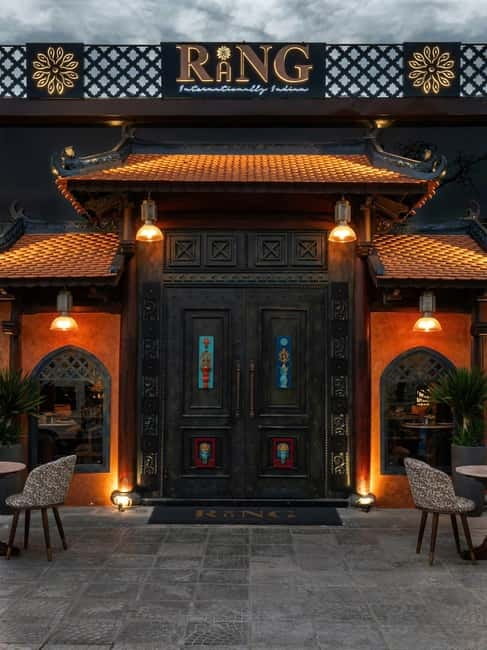
This class takes place at RANG Danang, an Indian restaurant that has a serious credential: it became the first fusion Indian establishment to receive MICHELIN Bib Gourmand in 2024 and 2025. That matters because it tells you you are learning in a place that already runs a real kitchen well, with quality controls and customer service dialed in.
In practice, it also means you are surrounded by normal restaurant energy. During your class, chefs are preparing food for diners while you work. You get to see how naan fits into a broader Indian meal rhythm: bread, curries, dips, and timing that keeps everything hot and fresh.
If you’re the type who wants experiences with a clean, professional feel, you’ll probably appreciate this setup. One of the nicest surprises from people’s experiences is how welcoming and joyful the team is while still keeping the kitchen organized.
What beginner-friendly really means in a naan class
The class is designed for people with no prior experience. You’re not expected to know dough chemistry, yeast behavior, or any baking terms. The instructors guide you through each step, and the small group size helps a lot.
You can expect instruction in English, Vietnamese, and Hindi, which is a big deal when you want to actually understand the why behind the steps, not just copy motions. Limited to 8 participants, you can usually ask questions without feeling rushed or invisible.
Also, you should be comfortable with a hands-on format. You’ll knead dough and work with spices, then shape and bake naan. If you like doing, not watching, this style fits perfectly.
One more practical note: no alcohol or drugs are allowed. It keeps the vibe focused, and it makes the class feel more like a cooking workshop than a party.
From kneading to seasoning: the core skills that make naan taste right
Let’s talk about what naan is really about. Naan is soft, fluffy, and flavorful, and the best ones feel a little elastic and tender. The class teaches the basics that drive that texture, starting with dough prep.
You’ll knead the dough with guidance, learning how it should feel as you work it. It’s the kind of skill that sounds simple but can be tricky without a coach. This is where the instructor attention matters, because once your dough is right, everything after becomes easier.
Then comes the seasoning step. You’ll season with authentic spices, not a random pantry mix. That means your bread tastes like it belongs in an Indian meal, rather than tasting like plain flatbread with a vague hint of flavor.
A big bonus is that you don’t just do one plain version. You’ll learn how naan changes with additions, including garlic and butter, and even stuffed varieties. The class framework includes styles like plain naan, garlic or butter naan, and stuffed options such as paneer or keema. Even if you end up loving only one style, practicing a second one helps you understand how toppings and fillings behave when the bread bakes.
The slap-to-bake moment and how tandoor technique becomes a home hack
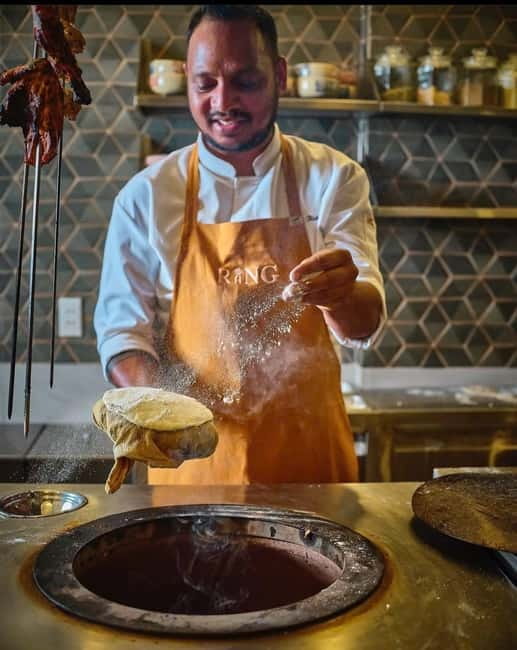
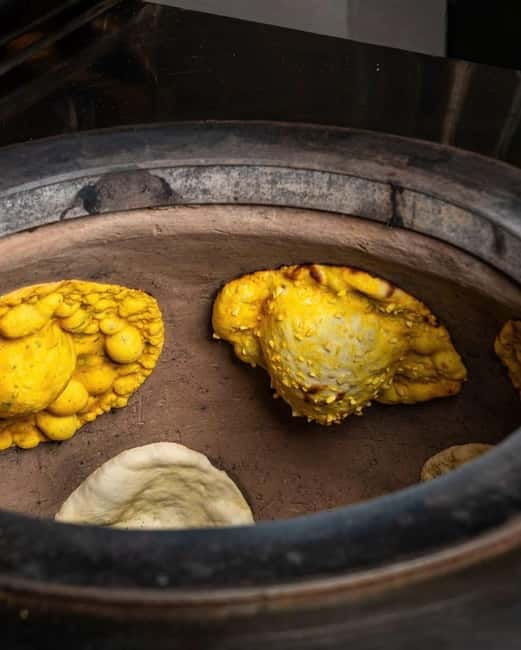
Here’s the fun part. The class includes the thrill of placing naan onto a tandoor. That slap action is not just a gimmick. It’s tied to heat contact and how the bread sets quickly, which helps create that classic naan texture and blistering.
In some experiences, the naan is baked fresh in a charcoal-fired tandoor or similar intense oven setup. Either way, you get that immediate oven drama: bread rises, surfaces develop color, and the kitchen starts smelling like you made it, because you did.
What I like most is that the class does not end at tandoor bragging rights. You also get pro tips for making restaurant-quality naan at home, using an oven alternative. The goal is realistic: you will not magically recreate a full clay tandoor at home, but you can still get that fluffy interior and tasty browning if you use the right approach.
A practical way to think about it: learn the method you can replicate. You might not have the same heat source, but you can copy the dough feel, the shaping, and the timing. That’s what makes the home tips feel genuinely usable.



Plain, garlic, butter, and stuffed naan, plus the dips that finish the job
If you’ve ever tasted naan that’s more flavorful than you expected, it often comes down to two things: how the bread is built and how it’s served. This class focuses on both.
You’ll learn to make naan in multiple styles, including:
- Plain naan as the base technique
- Garlic and butter variations for that rich, comforting bite
- Stuffed styles, including paneer or keema style fillings
Then, the bread tasting matters. Your freshly baked naan is served with signature dips. Even if you’re not a dip person, these are typically the right kind of salty, tangy, spiced companions that help you notice what you did right in the dough and seasoning.
One person noted that the naan came out so good it was better than what they were used to, especially because it’s served hot and fresh. That’s the big deal with bread cooking classes: your results are not theoretical. You can taste the difference immediately.
Pairing your naan with curry at RANG Danang, without making it complicated
Your naan experience naturally connects to Indian meals, because naan is a curry delivery system. One of the simplest ways to enjoy that connection is to pair your freshly baked bread with curry from the restaurant.
People found it easy to combine the class with a meal in the restaurant, using their own homemade naan to dip into curry. It’s also worth knowing that while you’re in the kitchen area, other chefs are preparing food for customers, so you’re not waiting in a vacuum. The food culture is right there in front of you.
You don’t have to do anything fancy. If you’re hungry, plan to eat in the restaurant after your class so you can experience the bread at its best with warm curry. The tasting moment already proves the point, but pairing it makes it feel like a full food outing.
Price and value: why this feels like a smart deal
The price listed is $2.60 per person, and yes, that number is startlingly low for a hands-on cooking workshop. The value comes from the combination of things you actually get:
- real chef guidance while you knead, season, and shape
- small group attention (limited to 8)
- freshly baked naan tasting
- signature dips
- history and technique context so you understand what you’re doing
In other words, you are paying for skill transfer, not just for eating bread. And because the learning happens in a restaurant kitchen that also serves customers, it feels like a working culinary environment, not a pop-up photo opportunity.
If you’re trying to build a memorable food-focused day in Da Nang on a budget, this is the kind of activity that makes your itinerary feel smarter, not pricier. The math gets even better if you enjoy cooking and want a take-home skill you can use later.
Who this class is perfect for, and who should rethink it
This class is a strong fit if you:
- like hands-on activities more than watching
- want a beginner-friendly introduction to Indian cooking
- enjoy warm bread and spices
- want practical home tips, especially how to handle naan without a tandoor
It’s also ideal if you’re traveling solo or as a couple, because the group is small and the experience is interactive. If you’re with friends, it can be fun to compare which naan style you liked most and whether your garlic-butter version came out the way you hoped.
Who should be cautious? The class is not suitable for children under 7. Also, if you hate hot kitchen work or you’re expecting a totally low-effort activity, this is not that kind of class. You’ll be doing real dough work and handling hot bread baking, even though it’s guided.
What to expect from the instructors and the overall vibe
The instructor team supports multiple languages: English, Vietnamese, and Hindi. That helps you follow along and ask questions about dough feel, seasoning, and technique.
From the experiences shared, the staff style is warm and professional. One set of feedback specifically mentions Chef Manku and server Amit as standout friendly presences. That’s a good sign for two reasons: first, you’ll likely feel comfortable asking questions, and second, you’ll probably get clear directions instead of vague hints.
Expect a clean, organized kitchen feel. You’re in a restaurant environment, so everything has to run smoothly. You’ll also likely appreciate that the staff is not pushy. The experience centers on teaching you naan, not pressuring you to buy extra food or drink.
Should you book this Da Nang tandoori naan bread-making class?
Book it if you want a hands-on, budget-friendly food experience that ends with you eating something truly fresh. The combination of small group size, tandoor-style technique, and home-cooking tips is what makes it worth your time.
Skip it or consider another option if you’re traveling with a child under 7, or if you want a purely observational activity where you never get your hands involved.
If you’re on the fence, I’d use this rule: if you’ve ever wished you could make restaurant naan at home, this class gives you the method, not just the recipe. And when bread is baked by your own hands, the results are hard to beat.
FAQ
Where does the naan-making class meet in Da Nang?
The meeting point is RANG Danang, an Indian restaurant in Da Nang, Vietnam.
How long is the tandoori naan bread-making class?
The activity is listed as lasting 1 day.
What is the price per person?
The price is $2.60 per person.
Do I need any prior cooking experience?
No. The class is described as beginner-friendly and no prior experience is needed.
How large is the class group?
It is a small group limited to 8 participants.
What languages are the instructors able to use?
The instructor supports English, Vietnamese, and Hindi.
Will I learn how to make plain naan and variations?
Yes. The class includes making tandoori naan and mentions variations such as plain, garlic, butter, and stuffed versions like paneer or keema.
Do we bake naan in a tandoor?
You will experience slapping naan onto a tandoor, and you will also learn oven alternatives for home cooking.
Is the class suitable for children?
No. It is not suitable for children under 7.
Is alcohol allowed during the activity?
No. Alcohol and drugs are not allowed.
What cancellation and payment options are available?
You can cancel up to 24 hours in advance for a full refund. You can also reserve now and pay later, meaning you pay nothing today.
Other Da Nang tours our reviewers keep coming back to
- Guided Dragon Bridge Breathing Fire/Water & Da Nang city tour
★ 5.0 · 18 reviews - Explore Hoi An ancient town and local villages with a local guide
★ 5.0 · 18 reviews - Da Nang To Hoi An Transfer By Limousine Dcar Luxury
★ 5.0 · 18 reviews - Private Candle Massage In Da Nang
★ 5.0 · 18 reviews - Da Nang : Lady Buddha – Marble Mountains – Am Phu Cave Tour
★ 4.8 · 18 reviews - Bana Hills & Golden Hand Bridge Tour from Hoi An/ Da Nang
★ 4.4 · 18 reviews
Workshops, compared.
 ★ 5.0Hanoi Cooking Class: Culture, Local Market & Meaning CSR ImpactFrom $395,147 reviews
 ★ 5.05 Traditional Dishes Hanoi Cooking Class with Market TripFrom $354,890 reviews
 ★ 4.9Hoi An: Vietnamese Coffee Culture and Coffee Making ClassFrom $144,006 reviews
 ★ 4.9Hoi An: Vietnamese Foldable Lantern Making ClassFrom $103,742 reviews
 ★ 5.0Cooking Class Hoi An:Local Market, Basket Boat, Fishing & CookingFrom $283,660 reviews
 ★ 5.0Hoi An Cooking Class(Market,BasketBoat Crabfishing&Cooking Class)From $283,386 reviews
 ★ 4.8From Hoi An: Market Tour, Basket Boat Ride and Cooking ClassFrom $172,208 reviews
 ★ 5.0Hoi An Full Lantern Making Class- A special Foldable lanternFrom $152,007 reviews
Also in these Vietnam lists