
REVIEW · COOKING CLASSES
Hanoi Cooking Class: Culture, Local Market & Meaning CSR Impact
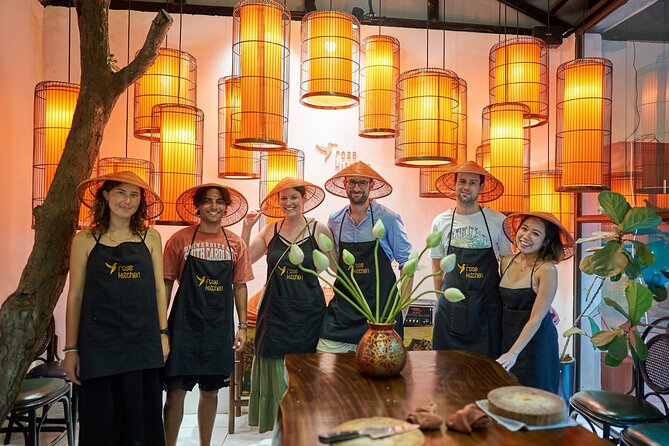
A market first, then real cooking lessons. This Hanoi cooking class at Rose Kitchen pairs an ingredient shopping walk with step-by-step cooking in a garden villa, plus a clear link to local CSR projects. You’ll also get an English-speaking host to connect flavors to daily life in Hanoi, not just recipes.
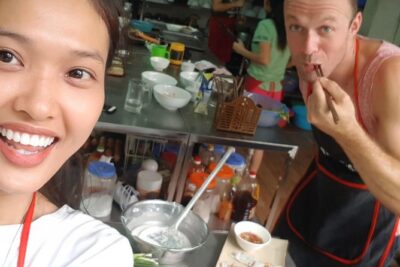
I especially like the market walk with guides such as Maxie or Simon, because you learn what’s in season and why it belongs in the dish. I also love the hands-on instruction from chefs like Aroma and Alex (Trung), with each station set up so you can actually cook, not just watch.
One drawback to keep in mind is time: the experience is listed around 4 hours 30 minutes, and it can run a bit longer or shorter depending on pacing and group flow. Also, there’s one outlier complaint about hygiene checks in a specific session, so it’s fair to be observant and ask the team to confirm hands and prep areas are fresh and clean.
In This Review
- Key highlights to know
- A market walk that actually teaches you how Hanoi eats
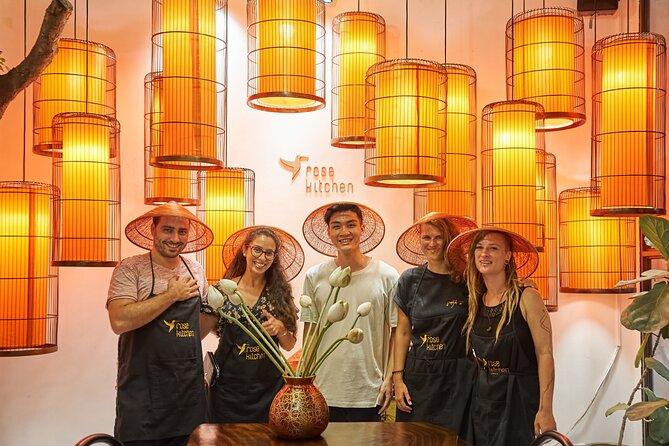
- Rose Kitchen garden villa, cozy cooking room, and a friendly team
- The dishes you’ll learn, from spring rolls to bun cha
- How the class flows, hands-on stations and real steps you can repeat
- Lunch or dinner that’s part of the lesson, plus fruit wine and herbal tea
- CSR impact tied to meals, education, and ethnic minority employment
- Price and value at $39 in Hanoi, what makes it feel worth it
- Timing, weather, and the one caution to be smart about
- Morning vs afternoon booking, and who should choose which
- Should you book Rose Kitchen in Hanoi?
Key highlights to know
- Old Quarter pickup and drop-off keeps the day easy to plan
- Market walk before cooking helps your food choices make sense
- Hands-on Vietnamese dishes like spring rolls, bun cha, and mango salads
- Herbal tea, homemade fruit wine tasting, and a full lunch or dinner
- Vegetarian option available if you request it in advance
- Your ticket supports CSR, including charity meals and education programs
Narrowing it down? These Hanoi tours kept surfacing in our reviews.
- Hanoi Jeep Tour: Food, Culture and Fun by Vietnam Army Jeep★ 5.0 · 15,222 reviews
- Full-Day Ninh Binh Highlights Tour from Hanoi★ 5.0 · 7,761 reviews
- Hanoi: Ha Long Bay Day Cruise – Swimming, Meal, Kayaking★ 4.7 · 7,415 reviews
- Hanoi: Water Puppet Show Tickets★ 4.6 · 7,029 reviews
A market walk that actually teaches you how Hanoi eats
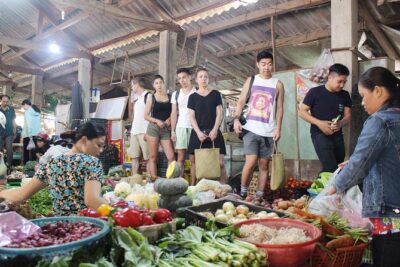
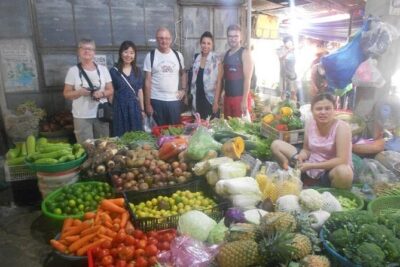
If you’re heading to Hanoi for food, you’ll learn faster when you start with ingredients, not spices. This class begins with a market stroll where you spot seasonal produce and common pantry items you’d never think to buy for a home kitchen. The point is simple: when you understand what you’re holding, the cooking steps stop feeling mysterious.
This is also where the class starts to feel local. Guides such as Maxie or Simon tend to explain how people shop day to day, which makes the market feel like part of the city’s routine rather than a tourist stop. You’ll also get a practical advantage: you’ll know what to look for later when you try to recreate the dishes at home.
Rose Kitchen garden villa, cozy cooking room, and a friendly team
After the market, you move to Rose Kitchen’s garden villa setup. It’s the kind of place that feels like someone’s home kitchen, but designed for groups, with an air-conditioned cooking and dining space if the weather turns. That comfort matters, because you’ll spend time chopping, mixing, and assembling, and you want a setup that stays pleasant.
The teaching style tends to be warm and structured. Chefs and hosts like Aroma and Alex (Trung) are praised for clear direction, which means you can follow along even if Vietnamese cooking has never made sense to you before. One review even mentions the class running like a family function, which lines up with the way people describe the atmosphere: welcoming, organized, and easy to join.
The dishes you’ll learn, from spring rolls to bun cha
This is not just one recipe class. You’ll typically cook multiple Vietnamese dishes, with spring rolls showing up repeatedly as a signature item. Expect variety across meat, herbs, noodles, and crunchy fresh components, plus some sauces and assembly steps that teach you why Vietnamese food tastes so balanced.
Common dishes you may make include:
- bun cha
- spring rolls
- mango salad or green mango salad
- fresh summer rolls
- stir-fried vegetables
- traditional noodles
- egg coffee (seen as part of the experience in at least one session)
A nice detail is that groups participate together. In one account, the meal structure was described as a 4-course format with the group choosing or voting on what to cook, which can make the day feel a little different each time.
How the class flows, hands-on stations and real steps you can repeat
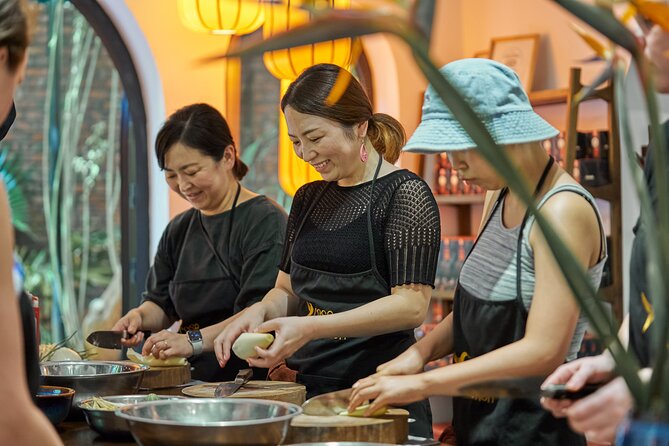
The rhythm is usually straightforward. First you shop for ingredients, then you return to the kitchen where you’re guided step-by-step to prepare what you’ll cook and eat. You’re not just assembling one plate. You learn multiple techniques, like rolling, stir-frying, and building flavors with herbs and fresh elements.
In the kitchen, you’ll likely work in teams and rotate through stations. One review notes that gloves are used for certain tasks, which is a helpful sign for hygiene and comfort when you’re handling ingredients. Also, the gear is provided, so you can focus on technique rather than hauling tools.
One practical takeaway is that you should leave with enough confidence to cook at home. Several reviews mention recipes being sent after the class, and that support makes a big difference. A market walk plus instruction is one thing, but having a follow-up recipe sheet is what turns it into a skill you can use again.
Same again in Valencia? valenciatrips.com/explore/markets/.



Lunch or dinner that’s part of the lesson, plus fruit wine and herbal tea
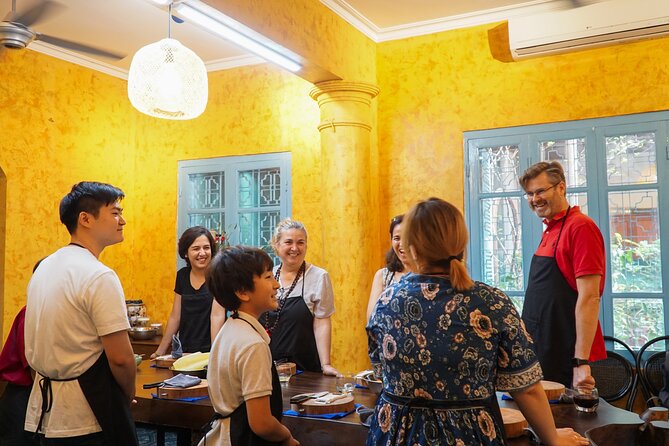
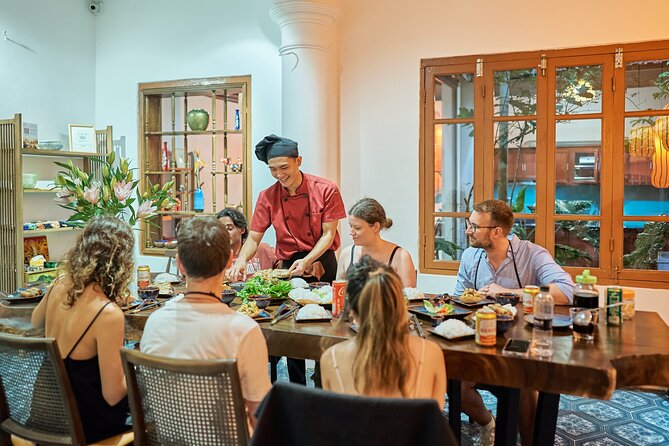
This class includes a full Vietnamese lunch or dinner depending on whether you book the morning or afternoon session. That’s a big value point because a lot of cooking experiences stop at tasting. Here, you eat the meal you helped make, with fresh seasonal fruit afterward.
Before cooking, you get a complimentary herbal tea welcome drink. During the experience, you also get unlimited free mineral water, which is a small detail that matters when you’re walking a market and then cooking in a warm kitchen setting.
Then comes the fun part: a complimentary tasting of Rose Kitchen’s signature homemade fruit wine. Even if you don’t drink much alcohol, the tasting is usually enough to add a local flavor to the meal without turning the session into a party.
CSR impact tied to meals, education, and ethnic minority employment
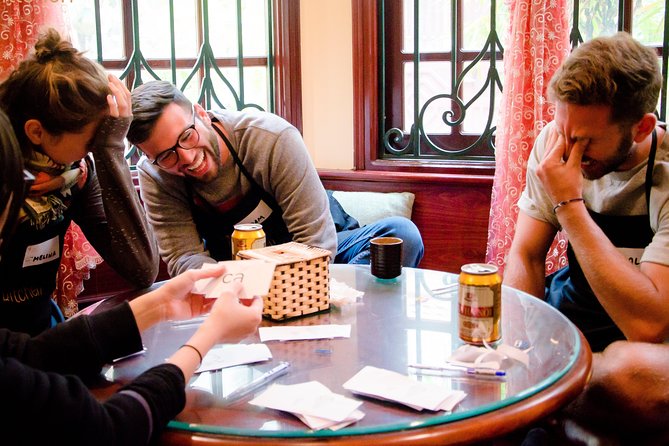
This is one of the most meaningful ways to spend money in Hanoi, because the class is tied to ongoing CSR projects, not just marketing language.
Your booking supports:
- monthly charity meals for cancer patients
- educational programs for disadvantaged children in remote regions
- sustainable employment for ethnic minority women who work as butlers at Rose Kitchen
What that means for you, in practical terms, is that you’re helping fund real, recurring work. And inside the experience, you’ll often feel that care in how the staff treat guests, because the team is part of those employment and training outcomes.
If you like connecting your travel spending to direct local results, this is a strong match. It turns a cooking class into something with purpose beyond the food.
Price and value at $39 in Hanoi, what makes it feel worth it
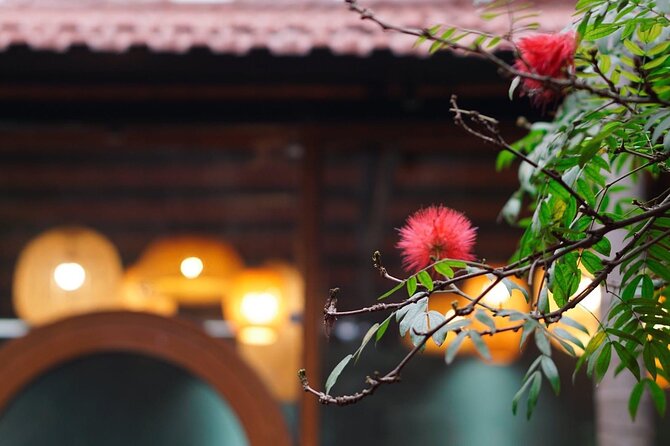
At $39 per person, the biggest value is that the price covers more than the cooking session. You get hotel pickup and drop-off within Hanoi’s Old Quarter, an English-speaking local guide and cultural storyteller, cooking equipment and utensils, and a full meal. You also get welcome drinks, unlimited water, and fruit wine tasting, plus a digital certificate if you request it and a digital guidebook.
Many cooking classes charge less or more depending on what’s included. The key here is that you get the whole arc: market education, hands-on cooking, and a sit-down meal you create. That makes the cost easier to justify, especially if you’d otherwise be spending money on market meals and hiring a separate guide.
Also, there’s an option to upgrade to a private class if you want more attention and less group pacing. If you’re traveling as a couple or with kids, private can be a smart way to keep the experience comfortable without losing the market-to-kitchen structure.
Timing, weather, and the one caution to be smart about
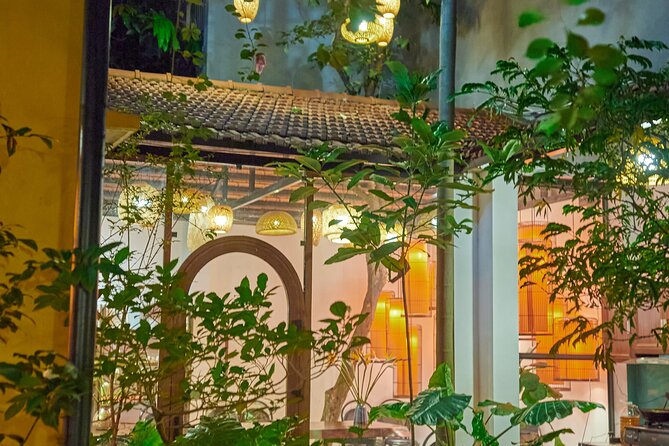
The class runs about 4 hours 30 minutes and operates in all weather conditions, so you shouldn’t plan on cancelling just because of rain. Still, one note in the experience info says that if poor weather leads to cancellation, you’ll be offered a different date or a full refund.
In real life, conditions can affect group flow. One review describes a rainy day where the group size was 13, and everyone was made to feel welcome. Another mentions that the time on site can vary, with expectation around 3 to 4 hours for some sessions depending on the guide and chef.
One caution flag worth taking seriously: there is a single low-rating complaint that mentioned hygiene concerns in a specific session. The operator responded with an apology and follow-up actions, but as a practical traveler, you can still do your part. If you see something that feels off, speak up early so it can be corrected right away.
Morning vs afternoon booking, and who should choose which
You’ll choose between morning and afternoon classes, and the difference isn’t just timing. Morning means you’re more likely to pair the day with early sightseeing in Hanoi, and you’ll typically end with lunch. Afternoon means you may wrap with dinner.
Pick the time that fits how you like to travel. If mornings make you feel more energetic in markets, go morning. If you prefer a slower start, go afternoon and let the class become your main food anchor for the day.
This class is a strong choice if you’re:
- a food lover who wants market education, not just cooking
- a beginner who needs clear step-by-step guidance
- a family or group who appreciates a cozy, structured environment
- a value hunter who wants pickup, meal, and instruction included
If you have dietary needs, request them at booking. Vegetarian options are available, and that planning step helps you avoid confusion once you’re in the kitchen.
Should you book Rose Kitchen in Hanoi?
I’d book this if you want a Hanoi cooking class that mixes market learning, hands-on cooking, and an actual meal, all while supporting CSR work. The $39 price feels especially fair because it includes Old Quarter pickup, a full lunch or dinner, drinks, and staff support through the whole process.
Book it now if you’re excited to learn dishes like spring rolls, bun cha, and mango salads, and you want recipes and a digital guidebook afterward to keep the food alive at home. The only reason to hesitate is if you’re very sensitive to hygiene issues, in which case it’s smart to ask the team what their checks look like for your particular session.
If you want one food experience in Hanoi that connects everyday ingredients to real cooking, Rose Kitchen is a very solid bet.
Other Hanoi tours our reviewers keep coming back to
- Hanoi Vespa After Dark Street food + Train Street+ Live Music
★ 5.0 · 18 reviews - (Free Pick-up) Vietnamese Body Massage in Hanoi City
★ 5.0 · 18 reviews - The Insider’s Hanoi,Train Street, Countryside Highlight by Vespa
★ 5.0 · 18 reviews - Skip the line: Thang Long Water Puppet Theater Entrance Tickets
★ 4.0 · 18 reviews - Hanoi Street Food Tour and MORE
★ 5.0 · 18 reviews - Hanoi – Hoa Lu – Tam Coc – Mua Cave – 1 Day / By Luxury Limousine & Small Group
★ 5.0 · 18 reviews
Cooking Classes, compared.
 ★ 5.05 Traditional Dishes Hanoi Cooking Class with Market TripFrom $354,890 reviews
 ★ 5.0Cooking Class Hoi An:Local Market, Basket Boat, Fishing & CookingFrom $283,660 reviews
 ★ 5.0Hoi An Cooking Class(Market,BasketBoat Crabfishing&Cooking Class)From $283,386 reviews
 ★ 5.0HCM:Mekong Delta Boat,Khotcake cooking Coconut Village,SmallGroupFrom $162,374 reviews
 ★ 4.8From Hoi An: Market Tour, Basket Boat Ride and Cooking ClassFrom $172,208 reviews
 ★ 5.0Hoi An Cooking Class(Local market,Basket Boat,Fishing & Cooking)From $281,323 reviews
 ★ 5.0Mekong Delta 4 Islands, TukTuk, Boat, Try Khot Cake Local CookingFrom $231,148 reviews
 ★ 4.9Hoi An: Basket Boat Ride, Cooking Class by HangcoconutFrom $19802 reviews
Also in these Vietnam lists