
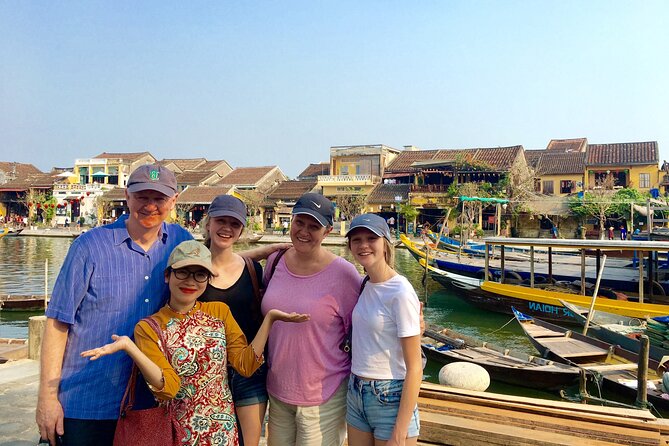
REVIEW · HOI AN ANCIENT TOWN TOURS
Da Nang & Hoi An: Food, Sightseeing, Culture & Hidden Gems
Da Nang and Hoi An in one day is a serious treat. You get easy private transport plus an efficient loop of big sights, tasty stops, and UNESCO streets without playing navigation roulette. For me, the best part is how the day mixes modern city highlights with the older riverside feel of Hoi An.
I love that entry tickets are included for key stops, so you spend less time asking questions and more time looking up at real details. I also like the small group size, up to 10 people, which makes it easier to ask your guide questions and actually hear the answers.
One consideration: this is a fast, packed day. If you like to linger, you may feel a little time pressure, especially around the walking segments in Hoi An.
In This Review
- Key Things I’d Highlight Before You Go
- Why This One-Day Da Nang and Hoi An Plan Works
- Pickup, Schedule Rhythm, and What You Can Control
- Da Nang by the Sea: My Khe Beach and Dragon Bridge
- A Quick Coffee Stop That Tells You More Than You Think
- Son Tra (Monkey) Mountain and the Lady Buddha Pagoda
- Entering Hoi An Ancient Town, UNESCO Streets, and Historic Assembly Halls
- Japanese Covered Bridge and Tan Ky: Where Details Pay Off
- Night Market Walk, Lanterns, and Included Local Food
- Transport Comfort: Why Private Vehicle Beats the Stress
- What to Wear and Bring for a Comfortable Day
- Who Should Book This Tour
- Should You Book Da Nang & Hoi An: Food, Sightseeing, Culture & Hidden Gems?
- FAQ
- How long is the Da Nang and Hoi An tour?
- What’s included in the price?
- Is pickup offered?
- Which major places does the tour visit?
- Are any entrance fees free or included?
- Is it a small group?
- Are there options for dietary requirements?
Key Things I’d Highlight Before You Go
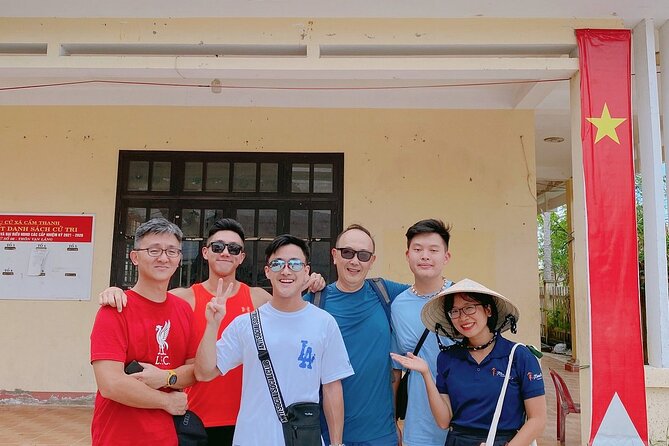
- Small-group size (max 10), which helps the guide keep things smooth and personal
- Private vehicle with a professional driver, so you skip public-transport stress
- Included entrance fees and a set of high-value stops
- Food focus, from egg-yolk Vietnamese coffee to the night market
- Guide quality shows up in the details, with people praising names like Dat, Thinh, Mee, Kelly, Lam, Anh, Tracee, and Long
Deeper into the Ancient Town
- Da Nang & Hoi An: Food, Sightseeing, Culture & Hidden Gems★ 5.0 · 806 reviews
- From Da Nang or Hoi An: Ba Na Hills Golden Bridge Tour★ 4.7 · 618 reviews
- Hoi An/Da Nang: Snorkelling & Island-Hopping Speedboat Tour★ 4.6 · 397 reviews
- Da Nang International Airport PRIVATE Transfer To Da Nang/Hoi An★ 5.0 · 392 reviews
Why This One-Day Da Nang and Hoi An Plan Works

This tour is built for travelers who want a solid overview without sacrificing the fun. You start in central Da Nang, then move up to the mountains and viewpoints, and finally settle into Hoi An for heritage sights and evening food.
At about 5 to 6 hours, the pacing is realistic if you expect a highlight reel, not a slow study. The value is strong because you’re not just hopping between landmarks, you’re also getting included transport, entry fees, and local food and drinks.
Pickup, Schedule Rhythm, and What You Can Control
The day starts with a meeting point in central Da Nang at Cups Coffee Roastery, 192 Nguyễn Văn Thoại, Bắc Mỹ Phú, Ngũ Hành Sơn. Pickup is offered, and the tour uses a modern vehicle with a professional driver, which matters when traffic and distances add up.
You’ll typically have morning city time, then a mountain-and-pagoda block, and then Hoi An in the afternoon into evening. The tour ends back at the starting point in Da Nang, so you do not have to worry about the last leg home.
This format also helps you stay flexible. In the feedback pattern I saw, guides like Dat, Thinh, and Mee were praised for being patient and adjusting pacing when needed. Even if you’re an easygoing person, that kind of flexibility makes the day feel calmer.
Da Nang by the Sea: My Khe Beach and Dragon Bridge
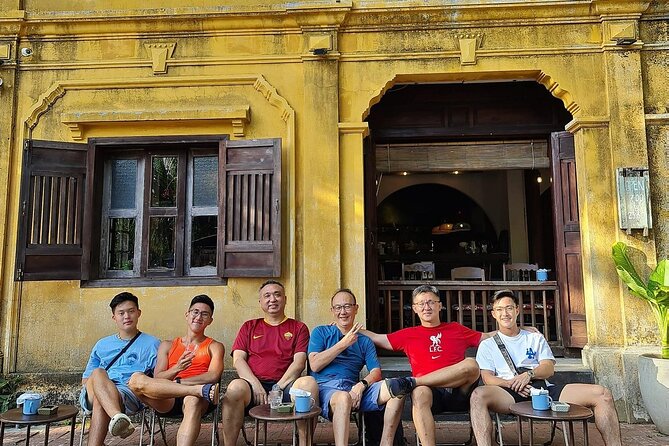
My Khe Beach is the opening mood-setter. It is a long stretch of coastline, about 10 kilometers, running from the Son Tra Peninsula toward the Marble Mountains. It’s famous enough to show up on major lists, but what makes it worth your time is the daily scene: you’ll see local life along the shore, including fishers heading out.
Expect this stop to be more than a photo break. It’s your chance to get your bearings in Da Nang and understand the city’s relationship with the coast.
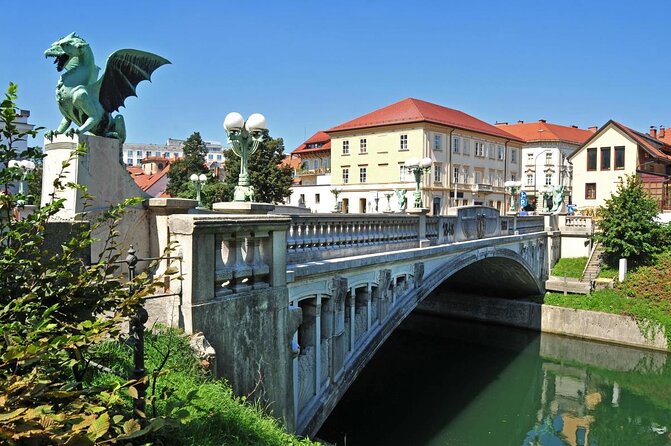
Next up is Dragon Bridge, one of Da Nang’s signature landmarks. It sits at the Le Dinh Duong and Bach Dang traffic circle area, right over the Han River. The bridge is known for its distinctive design, so even if you’re not a bridge person, you will likely enjoy staring at it for a minute and spotting the details your guide points out.
A small tip: if you want photos without a crowd feeling your personal space, aim for the edges of the viewing area and be ready to shoot while the group is moving. The guide’s pacing helps here.
A Quick Coffee Stop That Tells You More Than You Think
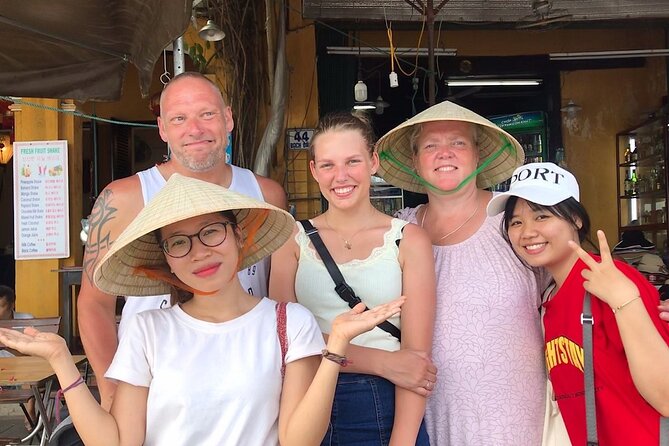
Between major sights, the tour includes a stop at a traditional coffee shop in Da Nang. You’ll get a taste of sweet Vietnamese coffee made with egg yolks and condensed milk, a classic style that’s richer and heavier than most people expect if they only know drip coffee.
This is one of those included moments that feels small until you realize it sets context. Vietnamese coffee is not just a drink, it’s a culture of daily stops and lingering conversations. When your guide talks through how it’s made and why locals love it, it makes the rest of the day more meaningful, not just more scheduled.
If you’re sensitive to sweetness, take small sips and pair it with the bottle of water provided. It’s included, so you’re not rationing your hydration all day.

Son Tra (Monkey) Mountain and the Lady Buddha Pagoda
Now you get the “mountains meet the city” payoff. Son Tra (Monkey) Mountain is a national park area, and it’s the kind of stop that changes the tone of the trip. You’re high enough to feel the air shift, and you’re close enough to Da Nang to see why people come here for viewpoints.
The route is short by driving standards, about a 35-minute drive from Da Nang, so you’re not losing the day to travel time. Once you’re there, the Lady Buddha Pagoda on Son Tra Peninsula is the headline.
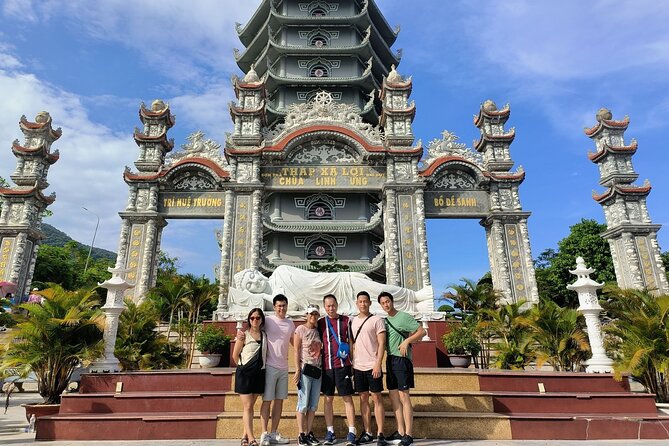
This stop is listed at about 45 minutes, and it’s easy to see why. The Lady Buddha statue, also known as Linh Ung Pagoda, is famous for its size, standing at 67 meters. Even if you don’t do much temple sightseeing at home, this one has a “look up and breathe” effect. It’s also a good place to pause after the seaside and do a reset before Hoi An.
Practical advice: wear shoes you can walk in comfortably. There can be uneven surfaces and steps. If you’re sensitive to sun, bring something for your head and use the time to rest when you see shade.
Entering Hoi An Ancient Town, UNESCO Streets, and Historic Assembly Halls
When you reach Hoi An Ancient Town, you’re stepping into a UNESCO World Heritage setting built around a trading port story from centuries ago. The walking time here is about 2 hours, so it’s long enough to absorb the vibe and hit the main landmarks without feeling rushed for a whole afternoon.
The included sights are the kind that help you understand Hoi An’s mixed cultural influences. You’ll see landmarks like the Japanese Covered Bridge, completed in 1593, plus older homes such as the Old House of Tan Ky.
You’ll also visit an assembly hall tied to Chinese communities. The tour includes the Fujian (Phuc Kien) Assembly Hall, built around 1690. Assembly halls matter because they were community anchors, and in Hoi An you can actually feel how these structures connect people across generations.
The overview also points to other key historic sites you might recognize by name, like the Cantonese Assembly Hall and the ancient Duc An House. Even when the signage is what catches your eye first, your guide’s running commentary usually makes the details click faster.
One thing I appreciate about this part is that it’s not just “look, look, look.” You get a real walk through the old-town core so you can connect what you see to why it’s here. And with a small group, your questions do not get lost.
Japanese Covered Bridge and Tan Ky: Where Details Pay Off
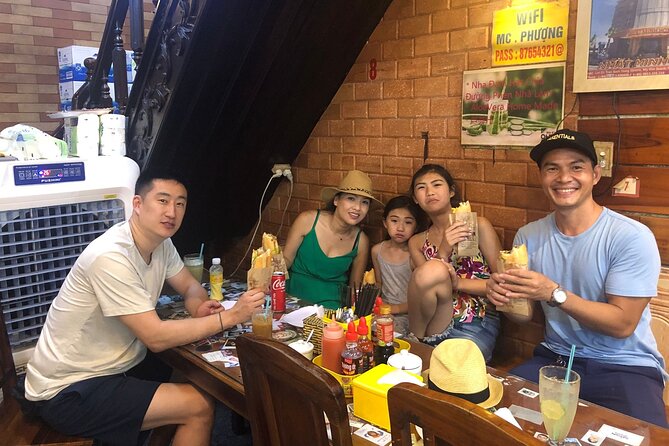
Some landmarks are famous because they are easy to photograph. The Japanese Covered Bridge (Chùa Cầu) is that, but it also rewards close attention. It’s iconic for a reason, and your guide can usually help you spot architectural elements and explain the timeline, including that 16th-century context mentioned for the area.
Then there’s the Old House of Tan Ky, which gives you a different perspective than a street-level monument. Instead of just viewing a landmark, you’re reading the house as a living artifact of daily life. It’s included as a shorter stop, about 30 minutes, but it’s long enough to notice how the layout supports family life, social identity, and local craftsmanship.
If you enjoy small details like woodwork and the way spaces are designed for heat and weather, this is where your time is best spent. When you have limited hours in Hoi An, I like picking the stops that let me see the human side of history, not just the postcard side.
Night Market Walk, Lanterns, and Included Local Food
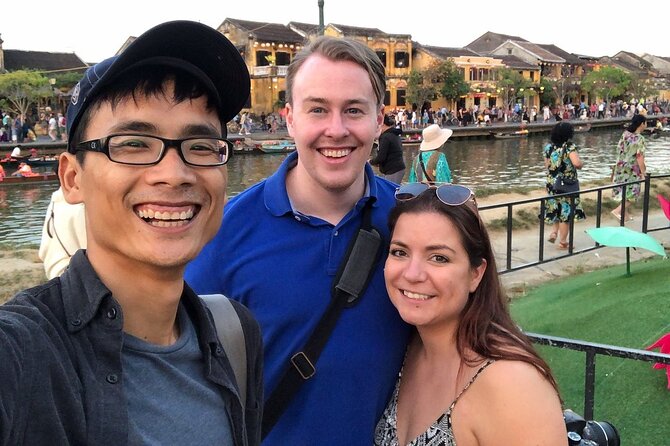
After your heritage stops, you shift into evening mode. The tour wraps up with a walk through the night market, where food and local products take center stage. One highlight here is Hoi An’s lanterns, which show up throughout the area and make the evening feel special in a way daylight photos do not always capture.
Food is included here through local food and drinks, which is a big deal for value. You are not doing the “maybe I’ll buy something, maybe I won’t” thing. You get guided recommendations on what to try, and you can focus on tasting instead of negotiating menu confusion.
Based on the guide feedback patterns I saw, people often appreciated when guides like Kelly and Long were willing to help with extra choices, including where to go for evening food and good shopping for things like tailored clothing. That kind of practical advice is worth its weight in time.
If you’re traveling with a sweet tooth, the night market is where you can keep the dessert energy going after egg-yolk coffee. If you’re not, you can still eat well by choosing savory items and sharing plates in a group.
Transport Comfort: Why Private Vehicle Beats the Stress
One reason people rate this tour so highly is simple: the transport works. You’re using a private vehicle with a professional driver, and several guide comments mention comfort such as air-conditioning, which helps a lot in Vietnam’s warmer months.
That means your schedule stays predictable. You avoid transfers, you avoid searching for the right vehicle, and you avoid the “wait, where is this pick-up point” moment that can drain a good day.
Also, a small-group format tends to reduce the stop-start chaos you can get with larger tours. If the group is waiting, it’s usually for the guide to finish explaining or for everyone to catch up, not because the tour is juggling ten different interests at once.
What to Wear and Bring for a Comfortable Day
This is a practical checklist, not fancy gear advice.
- Comfortable walking shoes for Hoi An streets and pagoda areas
- Sun protection for My Khe Beach and the mountain viewpoints
- A light layer for the drive time and the indoor coffee shop stop
- Water needs are covered since bottled water is included
If you have dietary requirements, you should advise them at booking. The tour explicitly asks you to share dietary needs ahead of time, which helps your guide plan what you can eat at the included food moments.
Who Should Book This Tour
I’d point you to this tour if:
- you want a one-day overview of both Da Nang and Hoi An
- you prefer a small group with enough room for questions
- you like food stops, not just sightseeing checklists
- you are short on time and still want the UNESCO highlights
It also fits well if you’re coming in and out of Da Nang and do not want to figure out logistics yourself. With a meeting point in the city and drop-off back there, you keep the day simple.
It may not fit if you want a slow, unstructured trip. This tour is efficient. If your idea of a perfect day is two or three places with long breaks, you might feel the schedule pressing.
Should You Book Da Nang & Hoi An: Food, Sightseeing, Culture & Hidden Gems?
If your goal is to see the big essentials plus some meaningful culture, I think this is a strong buy for $72. The math makes sense because entry fees and food and drinks are included, and you’re also paying for private transport with a professional driver and an English-speaking guide.
I’d book it if you like guided context. The guide names that come up repeatedly, like Dat, Thinh, Mee, Kelly, Lam, Anh, Tracee, and Long, suggest a real focus on making the day understandable, not just moving people between stops. That kind of help matters in places like Hoi An, where the details are the point.
I’d hesitate only if you hate tight timing. This tour is designed to cover a lot in half a day, plus evening market time. If you can handle a highlight pace, you’ll likely come away with a clean mental map of both cities.
FAQ
How long is the Da Nang and Hoi An tour?
It’s about 5 to 6 hours.
What’s included in the price?
The tour includes all entrance fees, use of a modern vehicle with a professional driver, bottled water, local food and drinks, and an English-speaking guide.
Is pickup offered?
Yes, pickup is offered, and the tour starts at the meeting point in central Da Nang.
Which major places does the tour visit?
You’ll visit My Khe Beach, Dragon Bridge, Son Tra (Monkey) Mountain, the Lady Buddha Pagoda, Hoi An Ancient Town, the Fujian (Phuc Kien) Assembly Hall, the Japanese Covered Bridge, and the Old House of Tan Ky.
Are any entrance fees free or included?
The Dragon Bridge stop lists admission ticket free, while Lady Buddha and Hoi An Ancient Town list admission tickets included. Overall, all entrance fees are included.
Is it a small group?
Yes. It’s a small-group tour with a maximum of 10 travelers.
Are there options for dietary requirements?
You can advise specific dietary requirements at the time of booking.
Hoi An, Still More
- Marble Mountains – Hoi An Ancient Town Sunset Daily Ingroup Tour★ 5.0 · 690 reviews
- From Da Nang or Hoi An: Ba Na Hills Golden Bridge Tour★ 4.7 · 618 reviews
- Hoi An/Da Nang: Snorkelling & Island-Hopping Speedboat Tour★ 4.6 · 397 reviews
- Da Nang International Airport PRIVATE Transfer To Da Nang/Hoi An★ 5.0 · 392 reviews
- Hoi An/Da Nang: My Son Sunset Tour, Boat Trip with Brunch★ 4.4 · 322 reviews
Other Da Nang tours our reviewers keep coming back to
- Guided Dragon Bridge Breathing Fire/Water & Da Nang city tour
★ 5.0 · 18 reviews - Explore Hoi An ancient town and local villages with a local guide
★ 5.0 · 18 reviews - Da Nang To Hoi An Transfer By Limousine Dcar Luxury
★ 5.0 · 18 reviews - Private Candle Massage In Da Nang
★ 5.0 · 18 reviews - Da Nang : Lady Buddha – Marble Mountains – Am Phu Cave Tour
★ 4.8 · 18 reviews - Bana Hills & Golden Hand Bridge Tour from Hoi An/ Da Nang
★ 4.4 · 18 reviews
Hoi An Ancient Town Tours, compared.
 ★ 4.9Hoi An: Basket Boat Ride in the Coconut ForestFrom $34,956 reviews
 ★ 4.9Hoi An: Vietnamese Coffee Culture and Coffee Making ClassFrom $144,006 reviews
 ★ 4.9Hoi An: Vietnamese Foldable Lantern Making ClassFrom $103,742 reviews
 ★ 5.0Cooking Class Hoi An:Local Market, Basket Boat, Fishing & CookingFrom $283,660 reviews
 ★ 5.0Hoi An Cooking Class(Market,BasketBoat Crabfishing&Cooking Class)From $283,386 reviews
 ★ 5.0Hue to Hoi An ( Hoi An to Hue) Top Gear with Lefamily Riders Tours ( 1 way)From $503,156 reviews
 ★ 4.9Hoi An: My Son Sanctuary Early Morning w. Champa Food BrunchFrom $202,750 reviews
 ★ 4.8From Hoi An: Market Tour, Basket Boat Ride and Cooking ClassFrom $172,208 reviews
Also in these Vietnam lists