
REVIEW · TREKKING AND VILLAGE HOMESTAYS
Trekking Through Rice Terraced Fields – 1Day
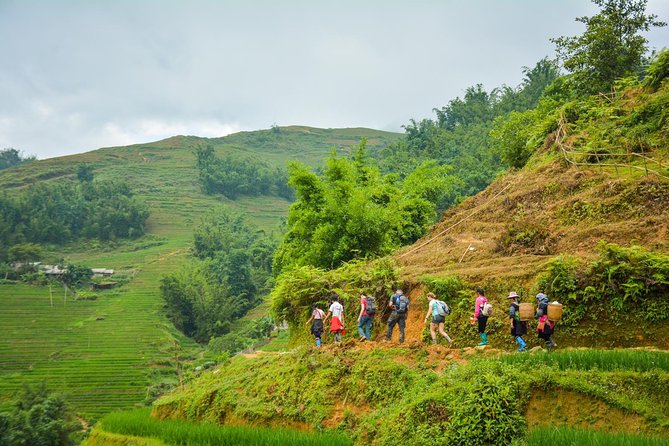
A one-day trek in Sapa can change your whole trip. This route takes you through terraced rice fields and across the valley feel of the region, while your local guide explains everyday life in the Hmong and Giay communities. I especially like the mix of big mountain views and hands-on cultural stops, from village work to family traditions like Hmong marriage rituals.
The best part is that the day is run as a true small-group walk (max 15), and many guides get high praise for clear, friendly explanations, not just pointing out scenery. One thing to plan for: the trekking can be longer and steeper than you expect, so it is not a great pick if you want an easy stroll, have mobility limits, or dislike muddy uphill sections.
In This Review
- Key highlights you should not miss
- A one-day trek that feels personal, not rushed
- Starting in Sapa: pickup and where the guide meets you
- Stop 1, Y Linh Ho: where the walk starts to make sense
- Stop 2, Lao Chải: Black Hmong village life and rhythm
- Stop 3, Ta Van: Giay minority and learning the differences
- The rice terrace walk: what “moderate” really means for your legs
- Lunch and the value of what is included
- Guides make or break this trek, and the names matter
- Group size and pacing: why it can feel special
- Who should book this trek, and who should skip it
- Should you book Trekking Through Rice Terraced Fields – 1Day?
- FAQ
- How long is the Trekking Through Rice Terraced Fields – 1Day tour?
- Where do we meet and when does it start?
- Do you visit multiple villages and which ones?
- What is included in the price?
- Is pickup included, and will I get a ticket on my phone?
- What level of fitness is needed?
- Can I cancel for a full refund?
Key highlights you should not miss
- Max 15 people keeps the day from feeling like a factory tour and makes Q&A easier
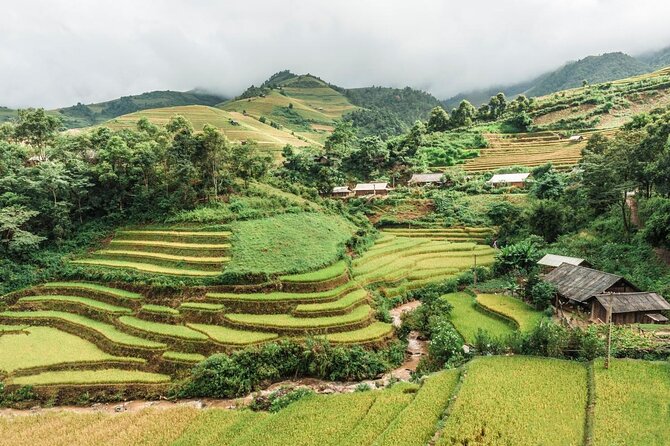
- Rice terrace walking plus village stops means you see Sapa beyond the town center
- Hmong and Giay cultural context covers daily work, house building techniques, and traditions like marriage rituals
- Lunch included with local dishes plus vegetarian options, so you can focus on the hike
- Guides with strong English (for many groups) help the experience feel meaningful, not random
Sleep in a village, walk between them
- Number one top rated ethical cultural trekking and homestay by ETHOS★ 5.0 · 456 reviews
- Sa Pa Full Day Trekking Tour★ 5.0 · 414 reviews
- 1 day Fansipan Trekking★ 5.0 · 180 reviews
- Trekking Through Rice Terraced Fields – 1Day★ 5.0 · 173 reviews
A one-day trek that feels personal, not rushed
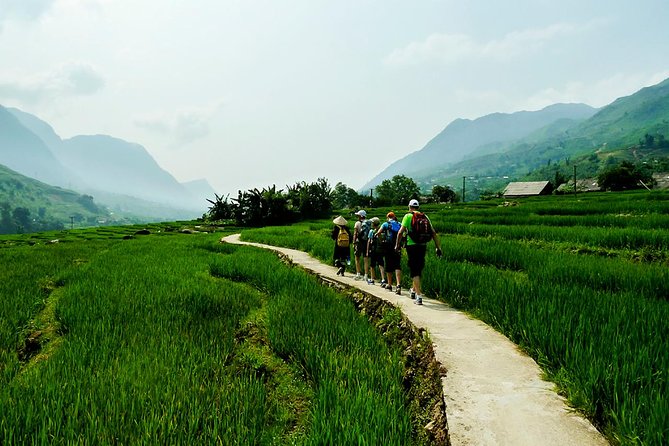
Sapa is easy to overdo. You can hop from one viewpoint to another and still miss the human side of the place. This trek is built around a slower rhythm, with time in three villages and plenty of walking that lets the rice terraces do their thing.
What makes it work well is that you get both the scenery and the story. You walk through terraced paddies, then you step into the real daily world around them, including work patterns and how families build and organize homes. And because the group is small, you can ask practical questions on the spot, like why terrace farming looks the way it does or how community life is structured.
The tour is also priced to feel fair for what you get. At $45 per person, you are not just paying for a view. You get lunch, bottled water, village entry fees, and transport back to Sapa. If you were to piece that together yourself, it tends to add up quickly.
Starting in Sapa: pickup and where the guide meets you
Your day starts in the Sapa area around the late morning start window (the tour lists a 9:30 am start time). The guide meets you either at your hotel in Sapa Town or near the main church, depending on where you are staying, and then you head out toward the trail.
You also have an in-person meeting option at the listed departure point near Thác Bạc, which can be handy if you are not sure where pickup should happen. The experience notes you are near public transportation, so if you are already moving around Sapa on your own, getting to the start should not be a headache.
One small detail I appreciate: you get a mobile ticket, so you are not stuck hunting for printed paper in the morning.
Stop 1, Y Linh Ho: where the walk starts to make sense
Y Linh Ho is where the trek builds its foundation. You begin with a short introduction, then you head downhill toward the road area that links you to the surrounding village routes. From there, the day becomes a steady progression through paths that match the terrain.
This is a good first stop because it sets your expectations. You are not just walking in a straight line. You are entering the hillside logic of Sapa, where terraces, paths, and village areas are intertwined. And in the time you spend here, your guide can start sharing the kinds of topics you will keep hearing about, like rice field work and how households live and build.
If you have only one day in Sapa, this matters. It is the moment you stop thinking of the terraces as a photo background and start seeing them as a system.
Stop 2, Lao Chải: Black Hmong village life and rhythm
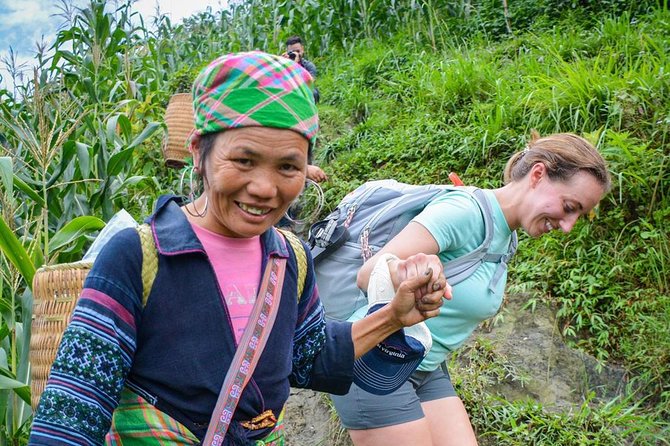
Next you move on to Lao Chải, a village associated with the Black Hmong community. This is one of the main cultural chunks of the day, and it is usually where the guide’s explanations become more practical.
You can expect a mix of walking and village viewing, with time to understand how people live alongside the rice terraces. The tour description highlights topics such as rice fields, work routines, and house building techniques. That is valuable because it turns what could be an easy sightseeing walk into a cultural experience you can actually remember and explain later.
This is also where you should use your curiosity. Some feedback praised guides for sharing a lot of knowledge, while another comment said the rice cultivation part did not get explained enough unless asked. So if rice farming details matter to you, ask early. You might ask how terraces are maintained across seasons, or what day-to-day tasks take the most effort.
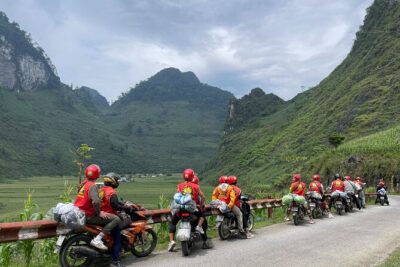
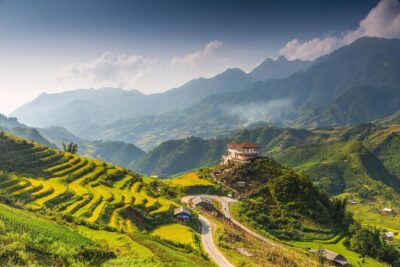
Stop 3, Ta Van: Giay minority and learning the differences
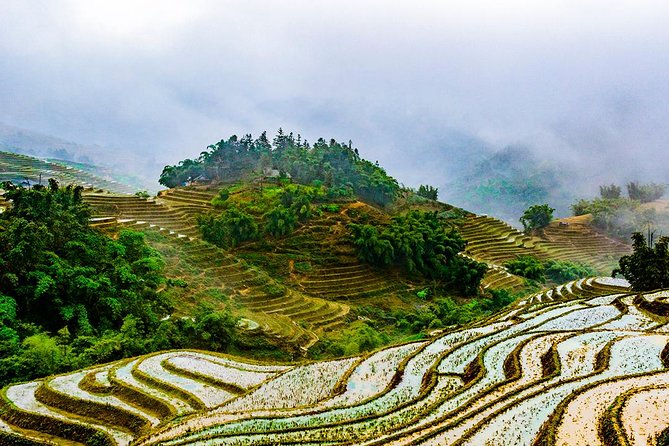
Then the trek continues to Ta Van village, where you meet the Giay minority. This section is where the cultural comparison becomes clearer. The tour focuses on differences between ethnic minority groups in Sapa, so the guide can connect what you saw earlier with what is distinctive here.
One hour is not long, but it is long enough to pick up the feel of the place, especially when your guide answers questions in real time. This is also a good segment for families, since the walk tends to stay scenic and you are not stuck in one long grind the entire time.
The rice terrace walk: what “moderate” really means for your legs
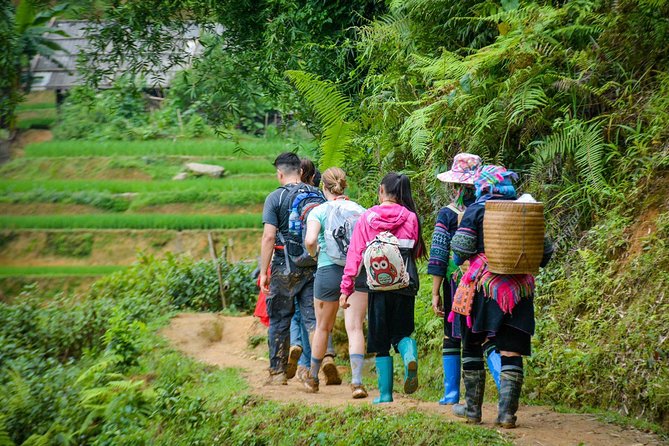
The tour lists moderate physical fitness as the target level. In practice, that means you should plan for uphill sections and uneven ground.
Some feedback mentioned a longer route, with a 12 km long mountain climb, and others shared examples of around 6 miles or roughly an 11 km round trip depending on how the day is paced and where you start from. Translation: do not assume this is a flat nature walk.
Also, the ground can be wet and slippery. People specifically recommended grippy footwear because mud can make footing tricky. If it has rained in Sapa before your day, you will thank yourself for bringing shoes with real traction.
Practical packing for this kind of day:
- Good grip shoes with closed toes
- A light rain layer, even if the morning looks fine
- Water planning, even though bottled water is included
- A small day bag with snacks if you get hungry between lunch and the finish
Lunch and the value of what is included
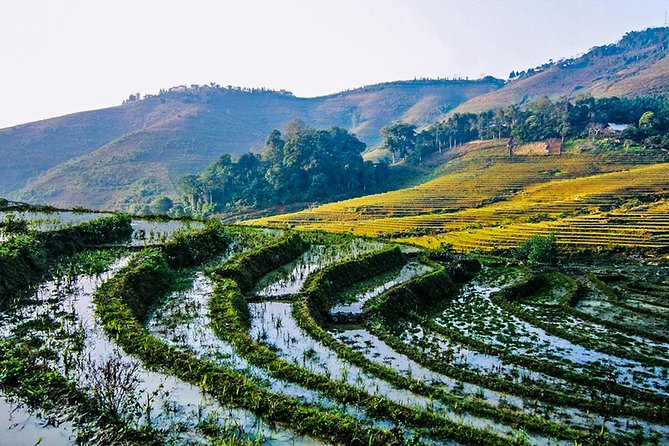
Lunch is included and is served as local foods with vegetables and meat, plus a vegetarian option. Bottled water is included as one small bottle per person, and village entry fees are also covered.
This is a key value point. In Sapa, food can be good, but when you add transportation and entry fees on top of a trekking ticket, the price can creep up fast. Here, you are paying once and getting the main extras lined up.
That said, one comment described the end-of-day meal as mediocre. Another said lunch was great. That tells me lunch quality can vary by what is available and where you eat. If you are picky about food, a small snack backup can be smart, but you should still expect a simple local meal rather than a fancy restaurant experience.
Guides make or break this trek, and the names matter
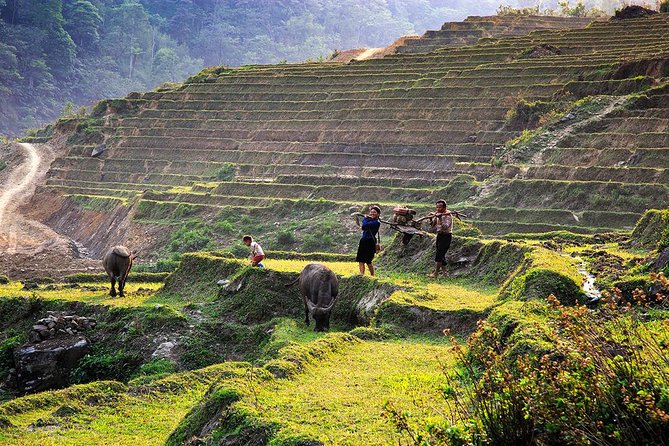
This is one of those tours where your guide is not a side character. Your guide is the whole point.
Across feedback, guides like Chu, Sang, Vang, Mai, Du, Dom, and Mau show up again and again, and the strongest praise is consistent: friendly attitude, good English for many groups, and lots of cultural explanation, including details about daily life and traditions. Some guides also get highlighted for speaking authentically because they live in the village community.
If you get a guide who is quiet, you might still have a great day because the scenery and villages carry you. But if you care about culture, ask questions early. A strong guide will happily guide you deeper, whether you are curious about marriage traditions, how rice is grown, or how houses are built.
Group size and pacing: why it can feel special
The group is capped at 15. Many people described their day as well-paced, with enough time to enjoy the terraces and ask questions rather than being rushed from one place to another.
Small groups also help with the “feel” of the day. People even mentioned having a small number of participants, which can make the trek feel more like a shared walk with a local than a scheduled production.
Still, remember that duration is listed as about 5 to 6 hours. That sounds short until you are walking on uneven paths. Keep your pace steady, take breaks when offered, and focus on finishing strong rather than racing the clock.
Who should book this trek, and who should skip it
I think this tour is a great match if:
- You want rice terraces plus village culture in one day
- You like guided explanation, especially about Hmong and Giay daily life
- You are comfortable with a few hours of walking and some uphill climbing
- You want a small-group day, not a big bus circuit
I would skip or rethink it if:
- You need a low-effort hike with flat ground
- You have mobility limitations or limited ability to handle slippery mud
- You expect a totally gentle walk with no uphill work
- You mainly want photo stops and do not care about cultural context
Families can do it too. One account described a trek with children and praised the guide’s patience. But you still should be realistic about terrain and traction.
Should you book Trekking Through Rice Terraced Fields – 1Day?
If you have one day in Sapa and you want a meaningful mix of rice terraces and ethnic minority village life, book it. This is not just a viewpoint hop. The day is built around villages of the Hmong, Giay, and Red Dao ethnic minorities, plus real explanations about how people live, farm, and preserve traditions, including Hmong marriage customs and house building techniques.
I would only hesitate if you are easily discouraged by longer uphill walks or if you are not comfortable on wet, muddy ground. If that is you, choose your footwear carefully, plan your pace, and ask your guide what you can expect about rice cultivation and the day’s walking effort before you commit.
FAQ
How long is the Trekking Through Rice Terraced Fields – 1Day tour?
The tour typically runs about 5 to 6 hours.
Where do we meet and when does it start?
The start time is listed as 9:30 am. The guide meets you at your hotel in Sapa Town or in front of the main church, and there is also a listed meeting point near Thác Bạc.
Do you visit multiple villages and which ones?
Yes. You visit Y Linh Ho, Lao Chải, and Ta Van village. The tour also focuses on the Hmong, Giay, and Red Dao ethnic minority cultures.
What is included in the price?
Included are local lunch (with vegetables, meat, and vegetarian options), bottled water (one small bottle per person), village entry fees, and transport back to Sapa.
Is pickup included, and will I get a ticket on my phone?
Pickup is offered, and the tour uses a mobile ticket.
What level of fitness is needed?
The tour is intended for travelers with moderate physical fitness.
Can I cancel for a full refund?
Yes. You can cancel up to 24 hours before the experience starts for a full refund. If you cancel within 24 hours, the amount paid is not refunded.
Walk, Then Stay
- Number one top rated ethical cultural trekking and homestay by ETHOS★ 5.0 · 456 reviews
- Sa Pa Full Day Trekking Tour★ 5.0 · 414 reviews
- 1-day Authentik trek & Panorama valley views★ 5.0 · 189 reviews
- 1 day Fansipan Trekking★ 5.0 · 180 reviews
- Sapa 1 day trek with local guide to the village by Comlam★ 5.0 · 148 reviews
Other Sapa tours our reviewers keep coming back to
- 1 Day Sapa Tour Explore Y Linh Ho And Lao Chai And Ta Van Village
★ 5.0 · 18 reviews - Canyoning Tour from Sapa Vietnam
★ 5.0 · 19 reviews - Sapa 2 Day Trekking with 1 Night Homestay
★ 5.0 · 20 reviews - Sapa Half-Day Motorbike Tour: Villages & Rice Fields
★ 5.0 · 22 reviews - Sapa Mountain Escape: 2-Day Trekking, Rice Terraces & Homestay
★ 5.0 · 23 reviews - Sapa Dragon Cloud Glass Bridge and Silver Waterfall Half-Day Tour
★ 5.0 · 25 reviews
Trekking and Village Homestays, compared.
 ★ 5.0Hanoi – Sapa 2 Days 1 Night Overnight At HomestayFrom $89899 reviews
 ★ 4.6Sa Pa: Muong Hoa Valley Trek and Local Ethnic VillagesFrom $23864 reviews
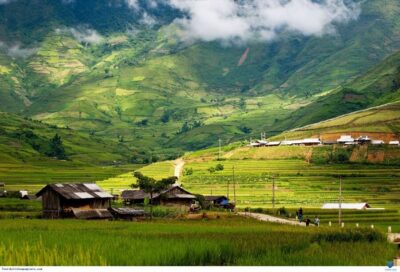 ★ 4.8From Hanoi: 2-Day Sapa Trekking Trip with Homestay & MealsFrom $71704 reviews
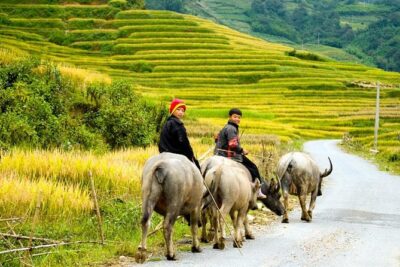 ★ 5.0Sapa 3 Days 2 Nights Trekking Tour (1 Night In Ta Van Village, 1 Night In Hotel)From $139699 reviews
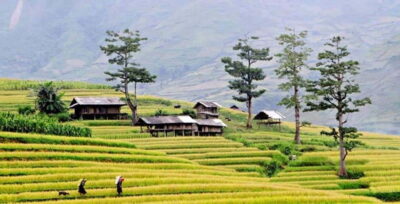 ★ 4.9Sapa: Eco Adventure Terrace Fields and Local Villages TrekFrom $27636 reviews
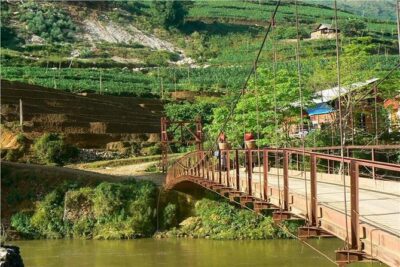 ★ 5.03-Day Trekking Adventure of Sapa from Hanoi – Stay Ta Van VillageFrom $109611 reviews
 ★ 5.03D and 2N Lan Ha Bay Cat Ba Island Kayaking & Trekking with VegaFrom $365593 reviews
 ★ 5.0Number one top rated ethical cultural trekking and homestay by ETHOSFrom $93456 reviews
Also in these Vietnam lists