
REVIEW · SAPA TREKKING AND FANSIPAN
Sapa Valley Trek and Homestay – 3D2N
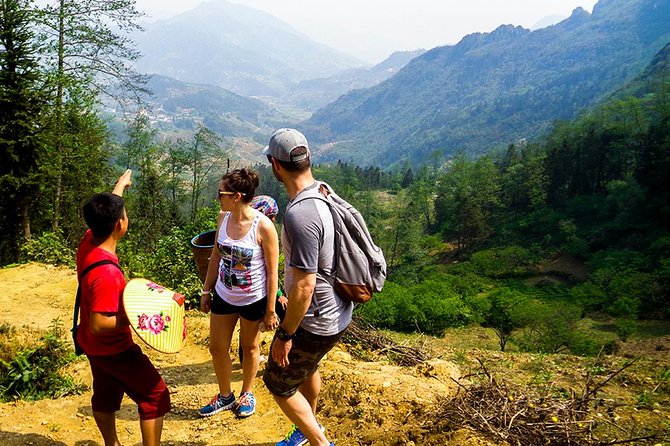
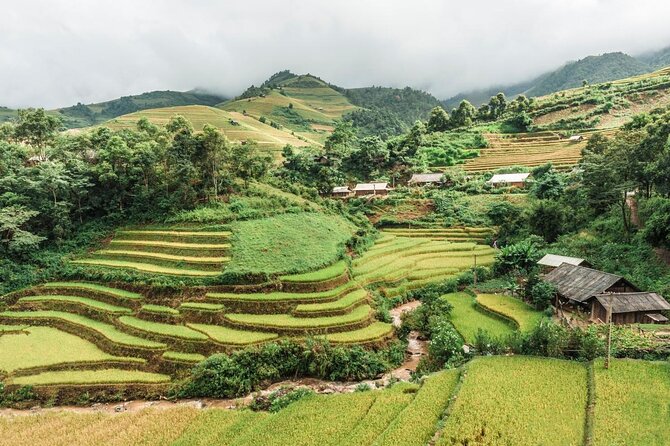
Sapa feels real on this short trek. You walk through villages of the Hmong, Giay, and Red Dao ethnic minorities, with guide-led lessons about daily life, plus a Ta Van homestay built into a 3D2N loop. Along the way, you hit big Sapa valley views, rice terraces, and stops like Y Linh Ho and Ban Ho that most people only ever see from the road.
I especially like that the day-by-day pace mixes easy moments (coffee, village breaks, hot shower time) with proper trekking, and you get a local guide who clearly knows how to explain what you’re seeing.
The main thing to consider is the walking. This is marked for people with moderate physical fitness, and some parts are uphill and can get slippery in wet mountain weather.
In This Review
- Key Highlights You Can Count On
- A Trek Built Around Real Village Life, Not Just Views
- Day 1: Starting From Sapa Church, Walking Toward Y Linh Ho, Then Homestay in Ta Van
- Day 2: Giang Ta Chai Waterfalls, Then the Black Hmong and Red Dao Route to Ban Ho
- Day 3: Ban Ho Traditional Houses and Tay Culture, Then Nam Tong Finish
- Homestay Reality: What Is Included, What You Should Expect
- Guides Like SoSo, Ly, May, Dom, and Sush, and Why Their Explanations Matter
- Price and Value: What $170 Actually Covers in Sapa Trekking
- Who Should Book This Sapa Valley Trek, and Who Might Want a Different Route
- Should You Book This 3D2N Sapa Valley Trek and Homestay?
- FAQ
- What time does the Sapa Valley Trek and Homestay start?
- Where is the meeting point for this tour?
- Is pickup available for the trek?
- How long is the tour?
- How many nights do I stay in a homestay?
- What meals are included?
- Are village entry fees included?
- Is bottled water included?
- What is not included in the price?
- What happens if the weather is poor or I need to cancel?
Key Highlights You Can Count On
- 5 village visits across multiple ethnic groups, not just one quick photo stop
- Homestay for 1 night in Ta Van with time to rest and a hot shower
- Waterfalls day with the Giang Ta Chai route, plus plenty of photo chances
- Village entry fees included, so you do not get stuck paying at each stop
- Small group (max 15), which makes it easier to move together and ask questions
- Local guide culture lessons, including topics like marriage traditions, house building, and rice-field work
Other Sapa walks, from gentle to genuinely hard
- Sapa: Fansipan Cable, Cat Cat Village & Moana Instagram Tour★ 5.0 · 777 reviews
- Cat Cat Village, Moana, Fansipan Cable Car, Alpine Coaster – Sapa★ 5.0 · 420 reviews
- Sa Pa Full Day Trekking Tour★ 5.0 · 414 reviews
- Sapa Motorbike Tour With Local Guide 1 Day – Waterfalls, Villages★ 5.0 · 254 reviews
A Trek Built Around Real Village Life, Not Just Views
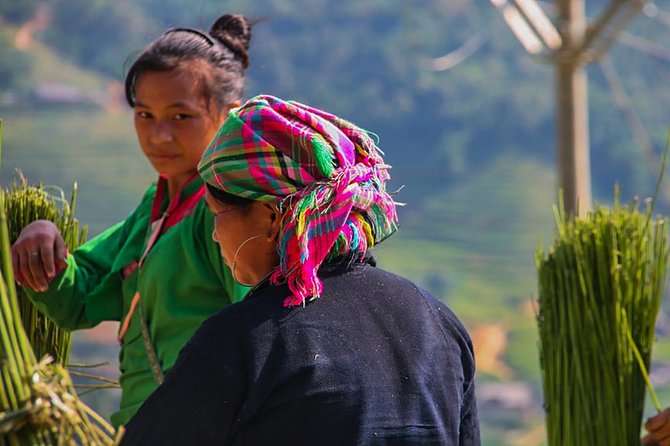
This trip is designed for people who want more than a drive-by look at Sapa. Yes, you’ll spend time outdoors, but the core of the experience is cultural: you visit villages of the Hmong, Giay, and Red Dao communities, and you’re guided through everyday practices, traditions, and how people make a living in the mountains.
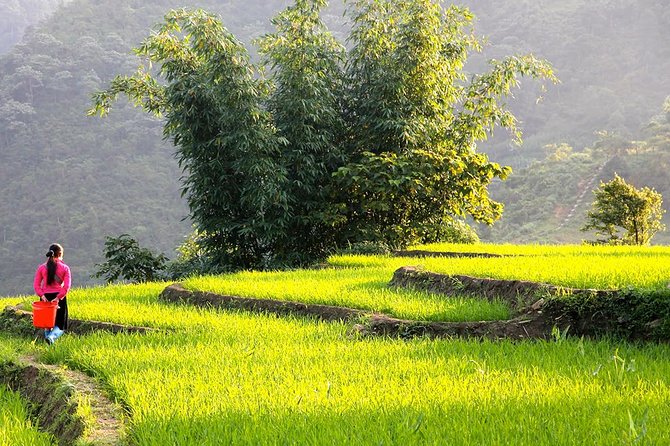
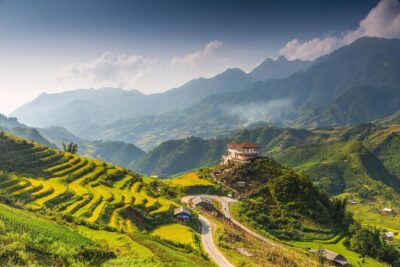
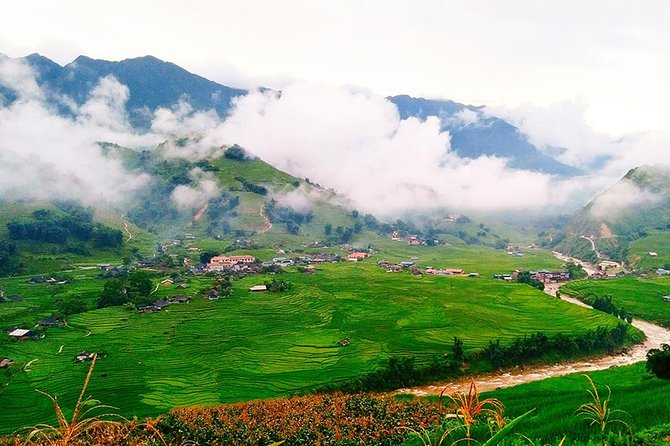
You’ll also get hit with the scenery that makes Sapa famous. The route includes rice terrace fields and time in and around a major river and valley area. That matters because rice terraces are not just pretty patterns. They reflect how people shape the land for farming, and your guide’s explanations help you see what you’re looking at instead of just taking pictures and moving on.
There’s also a strong learning angle. Your guide introduces things like Hmong marriage traditions and the practical know-how behind rice-field work and house building. If you like travel where you leave with a few clear answers, this works.
Day 1: Starting From Sapa Church, Walking Toward Y Linh Ho, Then Homestay in Ta Van
You start at 9:00 am at Sapa Church. Your group meets there, and the guide also meets people at a hotel in Sapa Town or in front of the local main church, depending on where you’re staying.
From there, the day begins with a transfer into the walking portion. The route takes you about 2 km down to Cat Cat’s road area, where you continue into the village experience. This is a nice first day setup because you ease into the trek without feeling like you jumped straight to steep mountain climbing.
The next stop is Ta Van Village, home to the Giay minority. This is where the homestay becomes real. Your host family welcomes you, and you get time to rest, including a chance for a hot shower, then you head out for dinner plans.
Why Day 1 feels good: you’re not spending the entire day only walking. You get a proper “arrive, settle, then explore” flow. That makes a big difference if you are not used to trekking right away.
What to watch for: because Day 1 includes a downhill start and then a homestay evening, it’s worth taking it easy with your energy. If you push too hard early, you’ll feel it the next morning.
Day 2: Giang Ta Chai Waterfalls, Then the Black Hmong and Red Dao Route to Ban Ho
Day 2 starts with that classic Sapa rhythm: coffee or tea first, then breakfast. You also get time to explore the homestay surroundings and nearby rice fields before the day turns into uphill trekking.
The main action is the climb toward Giang Ta Chai waterfalls. After breakfast, you move uphill into the mountains, and the goal is to reach the waterfalls area. This is the day where your shoes earn their keep. The grade and footing matter more here than on the first day, especially if the ground is damp.
After the waterfall segment and a break, the route continues toward Ban Ho Village. You first head toward Su Pan, described as a community of the Black Hmong minority, then you continue walking to Ban Ho. At Ban Ho, you’re introduced to multiple ethnic groups, including Red Dao and Tay (and more, as listed in the overall village mix).
This day is valuable because it shows how different groups live side by side across a shared mountain geography. You’re not just hearing names. You’re moving through villages and learning how the same rugged terrain becomes home, work space, and community life.
Possible drawback: Day 2 is the most likely to feel like the hardest day. If you’re sensitive to long uphill walking or slippery ground, slow down early and focus on steady steps over speed.
Day 3: Ban Ho Traditional Houses and Tay Culture, Then Nam Tong Finish
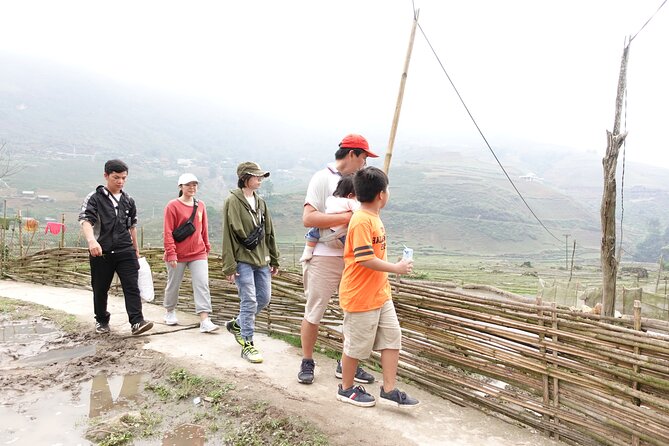
The third morning starts back at Ban Ho Village. After breakfast, you visit traditional houses and learn about Tay culture. This is a calmer kind of learning compared with the uphill trekking day. Instead of focusing on reaching a view point, you spend time looking closer at how people live.
Then the route continues to Nam Tong village. The goal here is to round out the experience with another village setting before the tour ends.
At the end, you’re transported back to Sapa, so you do not have to figure out getting yourself out of the mountains on your own. Your tour activity ends back at the meeting point, which is helpful if you have a plan later the same day.
Why this ending works: it’s satisfying. You’re not just leaving after the views. You’ve had at least one full day that emphasizes community life, then a final morning that focuses on houses and culture, then you’re back to town.
Sleep in a village, walk between them

Homestay Reality: What Is Included, What You Should Expect
This tour includes homestay accommodation for 1 night. Based on what’s described in the day flow, you arrive in Ta Van on Day 1, rest there, and sleep at the host family’s place. That’s part of why this kind of trek is so popular, you’re not only visiting villages, you’re slowing down enough to experience them from the inside.
Meals are also part of the deal. You get:
- Breakfast (2)
- Lunch (3)
- Dinner (2)
Village entry fees are included too, so you’re not constantly asking what you need to pay for at each stop. You also get 1 big bottle of water per person.
What you need to plan around: extra drinks, like additional bottled water or beer at the homestay, are not included. Tips are also not included. That means the price covers the basics, but you should still budget a little for small add-ons and politeness at the end.
One more practical thought: homestays can mean simple comfort rather than hotel comfort. The good news is you do get a hot shower time included in the Ta Van arrival flow, so at least one of the big “will I be able to wash up?” worries is handled.
Guides Like SoSo, Ly, May, Dom, and Sush, and Why Their Explanations Matter
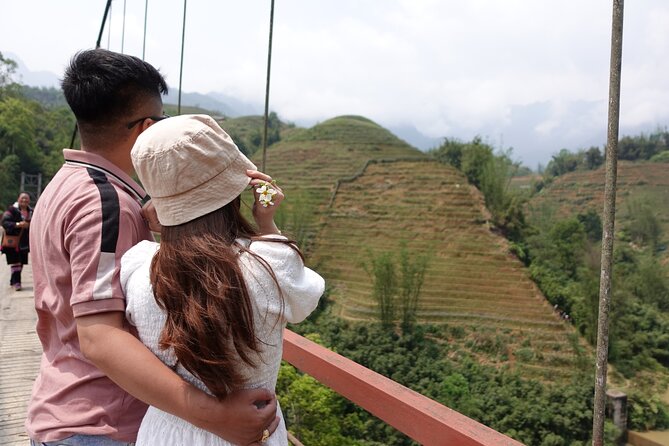
The tour is guided by a local guide, and the whole point is their explanations. You’re not just walking from village sign to village sign. You’re learning how the communities live and work in the Sapa mountains.
The topics listed are specific:
- Hmong marriage traditions
- rice fields and farming work
- house building techniques
- general customs and traditions across the groups you meet
In real experiences shared for this route, guide names like SoSo, Ly, May, Dom, Mae, and Sush show up. Not every group will have the same person, but the best part is consistent: the guides tend to talk clearly and keep the group moving while answering questions.
How to get the most out of the guiding: ask the easy questions early. For example, ask how farming changes by season, or what a family expects during big ceremonies. Your guide’s job is to translate the everyday into something you can understand quickly.
Price and Value: What $170 Actually Covers in Sapa Trekking
At $170 per person, the value is less about the price tag and more about what’s included. This is not only a walking route. You get:
- a local guide
- homestay accommodation (1 night)
- transport back to Sapa at the end
- village entry fees
- meals across the 3 days (2 breakfasts, 3 lunches, 2 dinners)
- 1 big bottle of water per person
- admission ticket items listed for the stops
So you’re paying for the whole machine, not just the hike. That’s a big deal in Sapa, where “cheap treks” sometimes turn into a patchwork of extra payments once you’re in the villages.
What the price does not cover: personal travel insurance, extra drinks at the homestay, and tips. You should also assume you need decent trekking gear and shoes on any multi-day mountain route, even though the tour does not list gear requirements.
One more value note: the group size is capped at 15, which helps keep the experience more personal than mass-market tours.
Who Should Book This Sapa Valley Trek, and Who Might Want a Different Route
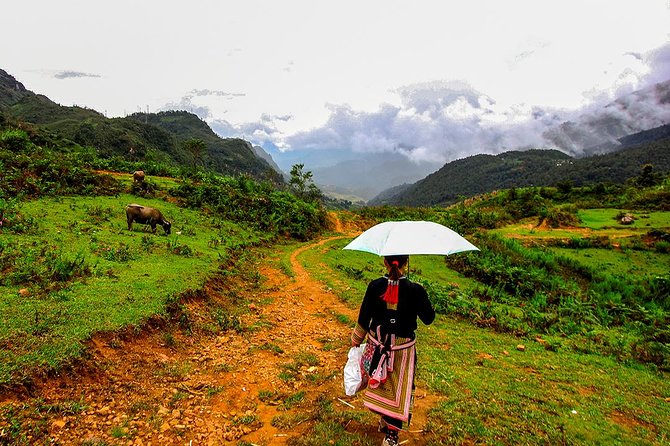
This is a smart fit if you want a culture-focused trek with a real homestay night and multiple ethnic village visits. If you enjoy asking questions and learning why people do things, the guide-led topics will make your walks feel purposeful.
It’s also a good fit if you’re comfortable with a multi-day rhythm: mornings are active, afternoons include village stops and breaks, evenings are spent settling in with the host family.
I’d be cautious if you want mostly flat walking, or if you know you struggle with uphill days or slippery trails. The tour is labeled for moderate physical fitness, and it includes a longer active segment toward waterfalls on Day 2.
Should You Book This 3D2N Sapa Valley Trek and Homestay?
Book it if your main goal is to experience Sapa through village life: Giay in Ta Van, plus the Hmong and Red Dao areas on the route. The mix of trekking plus homestay plus guided culture explanations is exactly the kind of trip that makes Sapa feel like more than a weekend view.
Skip it or consider an easier alternative if you’re trying to avoid uphill walking or you hate being on the move for hours each day. Also remember the experience requires good weather. If the weather is poor, it may be canceled or rescheduled.
If you’re the type who likes learning practical details, this trek delivers. You’ll come away with names, customs, and a clearer sense of how people live in the Sapa mountains.
FAQ
What time does the Sapa Valley Trek and Homestay start?
The tour starts at 9:00 am.
Where is the meeting point for this tour?
The meeting point is Sapa Church (P. Hàm Rồng, TT. Sa Pa, Sa Pa, Lào Cai 333100, Vietnam).
Is pickup available for the trek?
Pickup is offered. Your local guide meets you at your hotel in Sapa Town or in front of the local main church.
How long is the tour?
The duration is 3 days, described as approximately 3 days.
How many nights do I stay in a homestay?
You stay in a homestay for 1 night.
What meals are included?
Breakfast is included twice, lunch is included three times, and dinner is included twice.
Are village entry fees included?
Yes, village entry fees are included.
Is bottled water included?
Yes. You receive 1 big bottle of water per person.
What is not included in the price?
Personal travel insurance, extra drinks at the homestay, and tips are not included.
What happens if the weather is poor or I need to cancel?
The experience requires good weather. If it is canceled due to poor weather, you are offered a different date or a full refund. The tour also has free cancellation up to 24 hours in advance for a full refund.
Walk, Then Stay
- Number one top rated ethical cultural trekking and homestay by ETHOS★ 5.0 · 456 reviews
- Sa Pa Full Day Trekking Tour★ 5.0 · 414 reviews
- 1-day Authentik trek & Panorama valley views★ 5.0 · 189 reviews
- 1 day Fansipan Trekking★ 5.0 · 180 reviews
- Trekking Through Rice Terraced Fields – 1Day★ 5.0 · 173 reviews
Sapa on Foot
- Sapa: Fansipan Cable, Cat Cat Village & Moana Instagram Tour★ 5.0 · 777 reviews
- Cat Cat Village, Moana, Fansipan Cable Car, Alpine Coaster – Sapa★ 5.0 · 420 reviews
- Sa Pa Full Day Trekking Tour★ 5.0 · 414 reviews
- Sapa Motorbike Tour With Local Guide 1 Day – Waterfalls, Villages★ 5.0 · 254 reviews
- 1 day Fansipan Trekking★ 5.0 · 180 reviews
Other Sapa tours our reviewers keep coming back to
- 1 Day Sapa Tour Explore Y Linh Ho And Lao Chai And Ta Van Village
★ 5.0 · 18 reviews - Canyoning Tour from Sapa Vietnam
★ 5.0 · 19 reviews - Sapa 2 Day Trekking with 1 Night Homestay
★ 5.0 · 20 reviews - Sapa Half-Day Motorbike Tour: Villages & Rice Fields
★ 5.0 · 22 reviews - Sapa Mountain Escape: 2-Day Trekking, Rice Terraces & Homestay
★ 5.0 · 23 reviews - Sapa Dragon Cloud Glass Bridge and Silver Waterfall Half-Day Tour
★ 5.0 · 25 reviews
Sapa Trekking and Fansipan, compared.
 ★ 5.0Sapa 2 Days 1 Night From Hanoi – Overnight in Ta Van VillageFrom $592,669 reviews
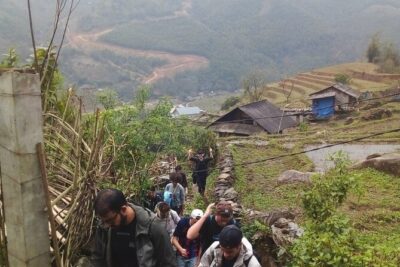 ★ 5.0Hanoi – Sapa 2 Days 1 Night Overnight At HomestayFrom $89899 reviews
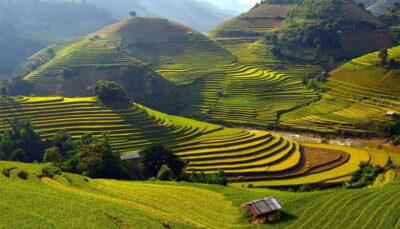 ★ 4.6Sa Pa: Muong Hoa Valley Trek and Local Ethnic VillagesFrom $23864 reviews
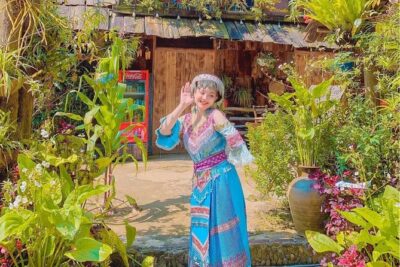 ★ 5.0Sapa: Fansipan Cable, Cat Cat Village & Moana Instagram TourFrom $30777 reviews
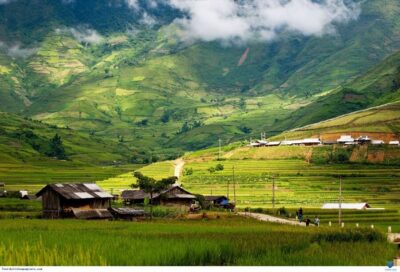 ★ 4.8From Hanoi: 2-Day Sapa Trekking Trip with Homestay & MealsFrom $71704 reviews
 ★ 5.0Sapa 3 Days 2 Nights Trekking Tour (1 Night In Ta Van Village, 1 Night In Hotel)From $139699 reviews
 ★ 4.9Sapa: Eco Adventure Terrace Fields and Local Villages TrekFrom $27636 reviews
 ★ 5.03-Day Trekking Adventure of Sapa from Hanoi – Stay Ta Van VillageFrom $109611 reviews
Also in these Vietnam lists