
REVIEW · SAPA TREKKING AND FANSIPAN
Sapa Trekking Tour Full Day
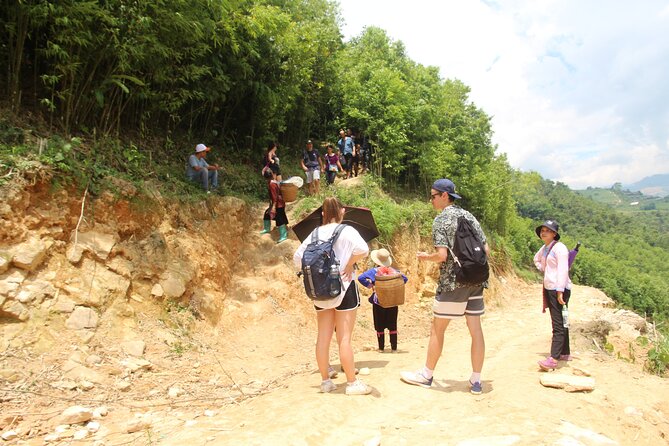
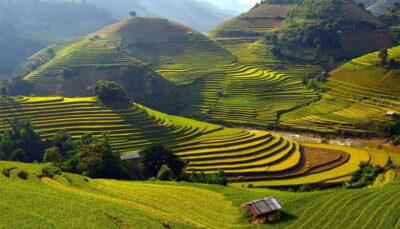
Muong Hoa Valley looks different on foot. This full day Sapa trekking tour runs through bamboo forest and village trails with an on site H’Mong or Dao guide, who shares customs as you walk, not after the fact. I love the small group cap of 10-12, because it keeps the pace human and makes photo breaks and rest stops feel workable. I also love that you reach a high point with panoramic Muong Hoa Valley views over terraced fields and toward the Hoang Lien Son Range, which is exactly when cloud cover can turn into great photo moments.
The main downside to plan for is footing. When the paths are wet, this route can get extremely muddy, so you want moderate fitness and shoes with real grip, ideally gum boots. And one more caution, in a small number of cases a guide was reported moving ahead too much, so if you need a slower pace or extra reassurance, tell the guide early and clearly.
In This Review
- Key things I’d underline before you go
- How this 6-hour Sapa trek becomes a real village day
- Price and value: what about $24.17 really buys you
- Meet-up at Sapa Retreat Condotel, and how to start smoothly
- Y Linh Ho Village: bamboo trails and a village start that sets the tone
- Muong Hoa Valley pass: learning the H’Mông, Red Dao, Tay, and Giay mix
- Lao Chải Village and the stream-side feel
- Ta Van at 12:30: where lunch and farming culture meet
- The highest-point panorama and cloud-hunting strategy
- Guide experience: why names like Mao Cô matter
- What to pack for muddy trails in Sapa
- Who this trek is best for, and who should think twice
- Should you book Sapa Trekking Tour Full Day?
- FAQ
- How long is the Sapa trekking tour full day?
- When and where does pickup happen?
- What is included in the price, and what is not?
- How big is the group?
- What fitness level do I need?
- Is free cancellation available?
Key things I’d underline before you go
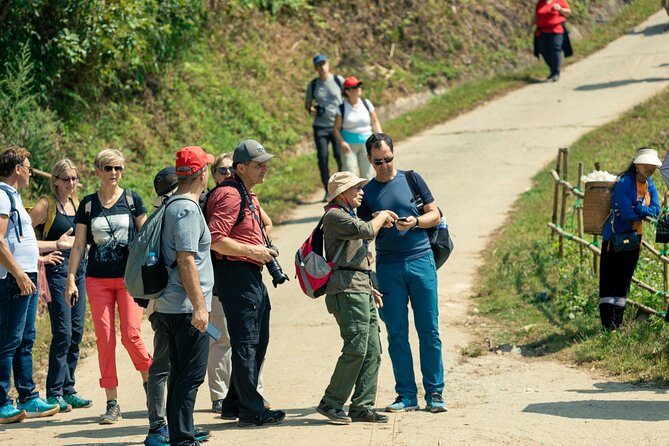
- Small group size (max 12) helps keep the walk comfortable and the guide attentive.
- Local H’Mông or Dao guidance turns villages like Y Linh Ho, Lao Chải, and Ta Van into a real conversation.
- Muong Hoa Valley panoramas at the highest point, with terraced fields and the Hoàng Liên Sơn Range in view.
- Lunch included mid route, so you are not scrambling for food halfway through.
- Muddy trail reality means you should pack for traction, especially after rain.
Other Sapa walks, from gentle to genuinely hard
- Sapa: Fansipan Cable, Cat Cat Village & Moana Instagram Tour★ 5.0 · 777 reviews
- Cat Cat Village, Moana, Fansipan Cable Car, Alpine Coaster – Sapa★ 5.0 · 420 reviews
- Sa Pa Full Day Trekking Tour★ 5.0 · 414 reviews
- Sapa Motorbike Tour With Local Guide 1 Day – Waterfalls, Villages★ 5.0 · 254 reviews
How this 6-hour Sapa trek becomes a real village day
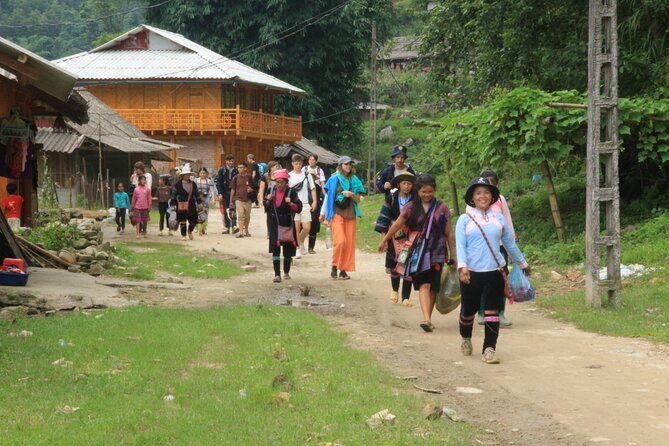
This tour is designed for a short time in Sapa, but it still feels like a day in the countryside. You start in Sapa town, head out along Muong Hoa Valley routes, and spend the morning with village stops that focus on daily life, farming, and ethnic minority communities.
The walking time is about 6 hours (approx.), which is long enough to feel the rhythm of the trail, but not so long that you’re exhausted before lunch and doomed for the rest of the day. Also, the itinerary is flexible, with optional stops and route adjustments based on what the group wants and what the conditions allow.
Price and value: what about $24.17 really buys you
At $24.17 per person, the best part is what comes bundled in. You get lunch, a tour guide, sightseeing tickets, insurance, and pickup and drop off from central areas. Drinks are not included, so if you like a soda, coffee, or bottled water during the walk, budget a little extra.
For many people, the hidden value is the pickup and return. In Sapa, timing matters. You want to be out on the trail while daylight is still good, and you do not want to spend half the experience coordinating your own transport. This tour takes care of that.
Another value lever is the group size. When a trek caps at 10-12 people, you spend less time waiting at bottlenecks and more time actually walking, asking questions, and taking photos without pressure.
Meet-up at Sapa Retreat Condotel, and how to start smoothly
Your morning starts with pickup between 8:00 and 8:30. You can be collected at your hotel in town or meet at Sapa Retreat Condotel (03 Hoàng Liên, TT. Sa Pa, Sa Pa, Lào Cai).
If you have luggage, you can leave it at the hotel before departing for the trek. That small detail matters in Sapa. You want your hands free and your bag weight under control before you start walking downhill and uphill.
The tour ends back at the meeting point, so you are not left figuring out where the drop off is once you finish.
Y Linh Ho Village: bamboo trails and a village start that sets the tone
The first stop is Y Linh Ho Village, and you spend about 2 hours there. Admission tickets are included, which usually means you are not just passing through from a distance. You get real time in the village area, which is where the guide’s role becomes clear.
Expect a mix of walking and short pauses for viewpoints and explanations. This is the part of the day that helps you understand the larger picture. Muong Hoa Valley is famous for terraced fields, but the villages are where you see how people adapt their routines to that steep terrain.
Practical note: this is also where the trail conditions can start to show. If the weather has been wet, you might feel it underfoot quickly, before you even get to the highest section.
Sleep in a village, walk between them

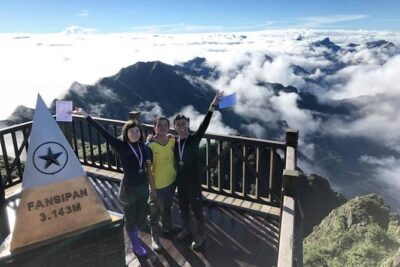
Muong Hoa Valley pass: learning the H’Mông, Red Dao, Tay, and Giay mix
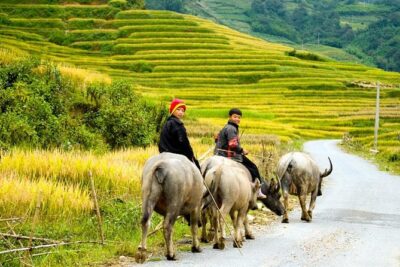
Between the village stops, you spend time moving through Muong Hoa Valley. This is more than scenery. The guide highlights how the valley is home to multiple ethnic minority groups, including H’Mông, Red Dao, Tay, and Giay.
You can expect conversation around differences in clothing, language, food, and customs. The practical value here is that it helps you read what you see. Instead of seeing a person in traditional dress and shrugging, you start noticing the details that connect identity to daily life.
The walking through the valley also naturally shifts your perspective. From one bend to the next, you go from close, human scale village scenes to wider views over fields and mountain slopes.
Lao Chải Village and the stream-side feel
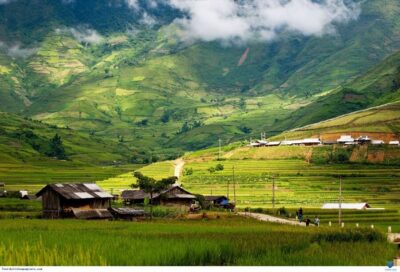
As you continue, you reach Lao Chải Village. This stop is described as a village area with a small, clear stream running nearby. That kind of detail matters because the stream gives you a sense of why the valley looks the way it does, and why settlement patterns make sense in a steep region.
You also get a stronger view of the Hoàng Liên Son mountain backdrop. When you walk through a valley, mountains are not just behind you. They shape wind, cloud movement, and even how temperatures feel at different elevations.
If your group tends to move slowly, this is a good place to set expectations. The better your pacing early in the day, the easier it is to enjoy the rest without feeling rushed.
Ta Van at 12:30: where lunch and farming culture meet
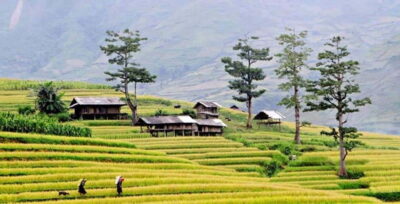
At 12:30, you arrive in Ta Van Village. Ta Van is home to several ethnic groups, including H’Mông, Dao, Giáy, and Tày. People here typically rely on farming, livestock raising, and rice cultivation.
This is also where lunch fits in. Lunch is included on the tour, and in practice it is often served on or near the final stop of the trekking portion. Either way, plan to eat after the morning effort, not before it.
The value of reaching Ta Van by midday is timing. You get a break when you still have energy to enjoy conversation. You are also more likely to have clear moments for photos, because early cloud cover can lift as the day progresses.
The highest-point panorama and cloud-hunting strategy
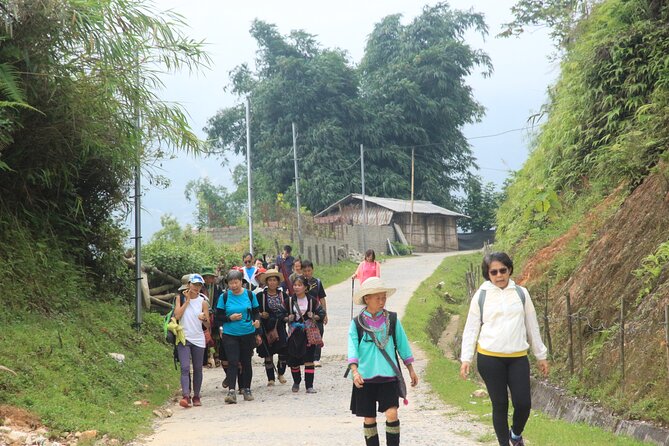
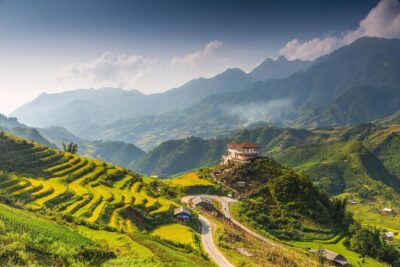
The tour includes a high point where you can see the Muong Hoa Valley in panoramic views, along with terraced fields and the Hoàng Liên Son Range. This is also your chance for cloud-hunting, which basically means you watch the clouds shift and use that timing for photos.
If you want the best shots, do this: pause longer than you think you should at the viewpoint. People tend to rush to the next photo, but clouds change quickly in the mountains. A few extra minutes can mean the difference between flat mist and a full view.
If you hit the high point and visibility is poor, do not treat it as a failure. Wet conditions and low clouds are common. You can still enjoy the way the terrain layers, and your guide can often help you understand what you are seeing even when it is partially obscured.
Guide experience: why names like Mao Cô matter
A trekking tour is only as good as the guide leading it. This one is led by an on site H’Mông or Dao guide, and in the strongest experiences, the guide turns the hike into a cultural exchange.
From past bookings, guides you might hear about include Mao Cô, Ms Su, and Maucha. When a guide has strong English and a calm, caring style, it changes everything. You get clearer directions, better context for village life, and a more confident feeling when the trail turns slippery.
That said, there is one caution worth respecting. In a small number of cases, a guide was reported moving ahead too fast, which made the hike feel more like a solo trek. If you are slower than average, you need more frequent photo stops, or you worry about footing, you should set that tone at the start. A good guide will adjust, especially on a group capped at 10-12.
What to pack for muddy trails in Sapa
Here is the rule: assume you will encounter mud, then pack like you want traction, not luck.
At minimum, bring footwear that grips wet dirt. If it has rained, gum boots are a smart move. Multiple people highlighted the importance of gum boots because the paths can get slippery enough that falling is a real risk.
Bring a small dry bag or a waterproof cover for your phone and camera. You may not get soaked head to toe, but a muddy trail has a way of flinging damp onto your gear.
Also, keep your schedule flexible. This tour is built to adjust the route based on preferences. When conditions are tough, the best experience comes from working with the guide on pace, not pushing for speed.
Who this trek is best for, and who should think twice
This is a great fit if you want:
- A full day in Sapa countryside without taking a multi-day trek
- Village context, not just a photo walk
- A manageable walking commitment for someone with moderate physical fitness
- Pickup and drop off that keeps logistics simple
It might be less ideal if:
- You hate slippery footing and cannot handle muddy trails
- You expect a guaranteed, wide open viewpoint regardless of weather
- You want a strictly timed, never-changing itinerary. Flexibility is part of the plan, and your day can shift based on route adjustments.
Should you book Sapa Trekking Tour Full Day?
Yes, if you want an efficient way to experience Muong Hoa Valley on foot with a small group, lunch included, and a guide who can explain what you’re seeing. The value is strong for the price because you get not only guidance and tickets, but also insurance and transport.
Book with extra care if you have a fear of slipping or low tolerance for mud. For that situation, your success depends on footwear and your willingness to move at the group’s pace. If you do those two things, you stand a good chance of getting one of the best Sapa days, with villages, stream-side moments, and panoramic high-point views when the clouds cooperate.
FAQ
How long is the Sapa trekking tour full day?
It runs for about 6 hours.
When and where does pickup happen?
Pickup is scheduled between 8:00 and 8:30. You can be picked up from a town center hotel, or you can go directly to the meeting point at Sapa Retreat Condotel. The tour ends back at the meeting point.
What is included in the price, and what is not?
The price includes lunch, the tour guide, sightseeing tickets, insurance, and pickup and drop off at central hotels. Drinks are not included.
How big is the group?
The tour has a maximum of 12 travelers, with small group pacing.
What fitness level do I need?
The tour is listed for travelers with a moderate physical fitness level.
Is free cancellation available?
Yes. You can cancel for a full refund up to 24 hours in advance of the experience start time.
Walk, Then Stay
- Number one top rated ethical cultural trekking and homestay by ETHOS★ 5.0 · 456 reviews
- Sa Pa Full Day Trekking Tour★ 5.0 · 414 reviews
- 1-day Authentik trek & Panorama valley views★ 5.0 · 189 reviews
- 1 day Fansipan Trekking★ 5.0 · 180 reviews
- Trekking Through Rice Terraced Fields – 1Day★ 5.0 · 173 reviews
Sapa on Foot
- Sapa: Fansipan Cable, Cat Cat Village & Moana Instagram Tour★ 5.0 · 777 reviews
- Cat Cat Village, Moana, Fansipan Cable Car, Alpine Coaster – Sapa★ 5.0 · 420 reviews
- Sa Pa Full Day Trekking Tour★ 5.0 · 414 reviews
- Sapa Motorbike Tour With Local Guide 1 Day – Waterfalls, Villages★ 5.0 · 254 reviews
- 1 day Fansipan Trekking★ 5.0 · 180 reviews
Other Sapa tours our reviewers keep coming back to
- 1 Day Sapa Tour Explore Y Linh Ho And Lao Chai And Ta Van Village
★ 5.0 · 18 reviews - Canyoning Tour from Sapa Vietnam
★ 5.0 · 19 reviews - Sapa 2 Day Trekking with 1 Night Homestay
★ 5.0 · 20 reviews - Sapa Half-Day Motorbike Tour: Villages & Rice Fields
★ 5.0 · 22 reviews - Sapa Mountain Escape: 2-Day Trekking, Rice Terraces & Homestay
★ 5.0 · 23 reviews - Sapa Dragon Cloud Glass Bridge and Silver Waterfall Half-Day Tour
★ 5.0 · 25 reviews
Sapa Trekking and Fansipan, compared.
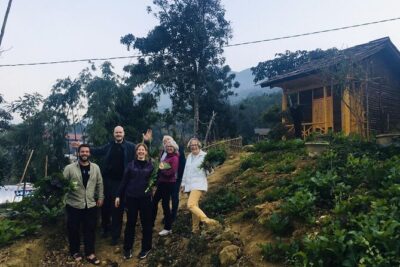 ★ 5.0Sapa 2 Days 1 Night From Hanoi – Overnight in Ta Van VillageFrom $592,669 reviews
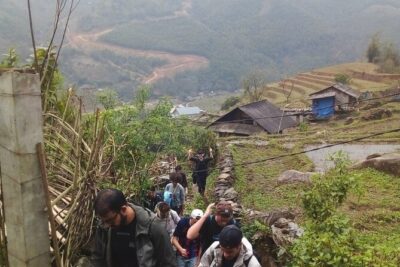 ★ 5.0Hanoi – Sapa 2 Days 1 Night Overnight At HomestayFrom $89899 reviews
 ★ 4.6Sa Pa: Muong Hoa Valley Trek and Local Ethnic VillagesFrom $23864 reviews
 ★ 5.0Sapa: Fansipan Cable, Cat Cat Village & Moana Instagram TourFrom $30777 reviews
 ★ 4.8From Hanoi: 2-Day Sapa Trekking Trip with Homestay & MealsFrom $71704 reviews
 ★ 5.0Sapa 3 Days 2 Nights Trekking Tour (1 Night In Ta Van Village, 1 Night In Hotel)From $139699 reviews
 ★ 4.9Sapa: Eco Adventure Terrace Fields and Local Villages TrekFrom $27636 reviews
 ★ 5.03-Day Trekking Adventure of Sapa from Hanoi – Stay Ta Van VillageFrom $109611 reviews
Also in these Vietnam lists