
REVIEW · SAPA TREKKING AND FANSIPAN
Sapa Trekking / Hiking through Sapa Valley with native Hmong
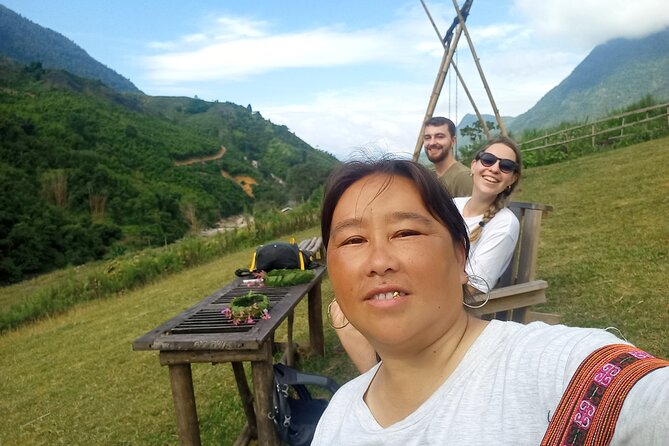
Hmong mountain trails feel personal. This Sapa Valley hike is led by local Hmong guides like Sue, with a Ta Van homestay that includes dinner and a hot shower, plus time on rice terraces, bamboo forests, waterfalls, and jungle trails. I like the fact you can customize the route for your interests and fitness, and I also like the real village access through Y Linh Ho, Lao Chai, and Ta Van. The main drawback to plan for is weather, since this is a mountain trek where clouds or rain can limit the views.
You start in Sapa and end back where you began, with pickup offered, a mobile ticket, and a private setup so it’s only your group. The walking is serious enough to need moderate fitness, with about a full day of trekking on Day 1 and a longer Day 2 in Hoang Lien National Park.
At a price point of $110 for 2 days and 1 night, this is good value if you want more than look-at-the-view sightseeing. You are paying for guide time, homestay lodging, and guided trail access, not just transport.
In This Review
- Key things to know before you go
- Hmong-Hosted Sapa Valley Trek, why it feels different
- Your Day 1 Route: Y Linh Ho, Lao Chai, then Ta Van
- Ta Van Homestay: hot shower, private room, and family dinner
- Day 2 in Hoang Lien National Park: forests, waterfalls, and longer trails
- Guide quality: English, village connections, and real explanations
- Price and Logistics: what $110 covers and why it adds up
- When to go and what to pack for cold, cloudy mountain days
- Who this Sapa Valley trek is best for
- Should you book this Hmong Sapa Trek?
- FAQ
- How long is the Sapa Valley trekking experience?
- Where does the trek start and when?
- Is pickup available?
- Is this tour private?
- What villages and areas are included?
- What if the weather is bad?
Key things to know before you go
- Hmong-led trekking for authentic village time, not only quick photo stops.
- Route customization, based on season, your interests, and your ability level.
- Ta Van homestay setup with private comfort, including a hot shower and a private room with bathroom and double bed.
- Day 2 includes Hoang Lien National Park trails, with forests and waterfalls.
- A clear meeting point in central Sapa, starting around 8:30 am at Sapa Church.
- Strong guide communication, with English described as excellent by people who did the trek.
Other Sapa walks, from gentle to genuinely hard
- Sapa: Fansipan Cable, Cat Cat Village & Moana Instagram Tour★ 5.0 · 777 reviews
- Cat Cat Village, Moana, Fansipan Cable Car, Alpine Coaster – Sapa★ 5.0 · 420 reviews
- Sa Pa Full Day Trekking Tour★ 5.0 · 414 reviews
- Sapa Motorbike Tour With Local Guide 1 Day – Waterfalls, Villages★ 5.0 · 254 reviews
Hmong-Hosted Sapa Valley Trek, why it feels different
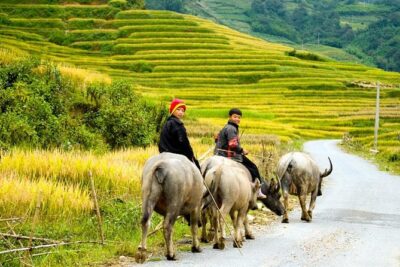
This is the kind of Sapa trek that gives you names, context, and daily rhythm instead of just scenery. The guiding is rooted in a Hmong family presence in Sapa Valley for generations, so you are not just walking past villages, you are walking with someone who grew up there and can explain what you are seeing.
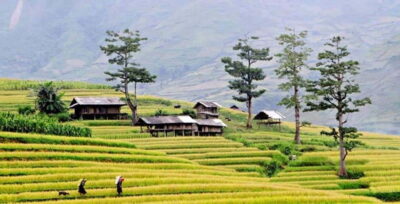
I especially like that the trek is customizable. If you care most about rice fields, the guide can time your route around what’s happening in the paddies. If you care more about jungle paths, bamboo forest walks, or waterfall viewpoints, that can shape the day. That flexibility matters because Sapa can look different from one month to the next, and a fixed itinerary can feel rushed if you’re unlucky with conditions.
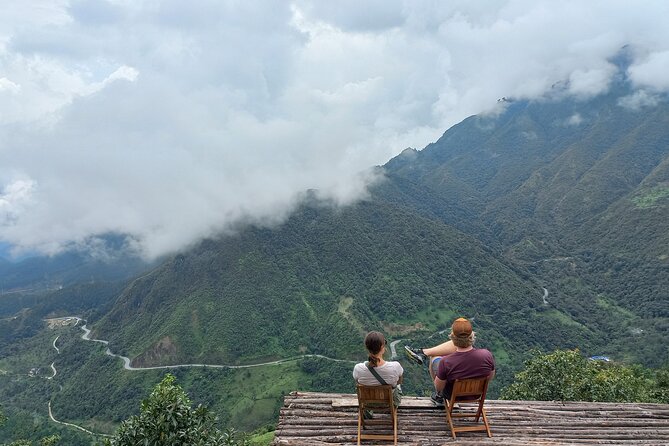
The “consideration” here is reality, mountain trekking is weather-dependent. If fog rolls in or temperatures drop, your day can still be meaningful, but the dramatic panorama moments may be muted. Pack for cold or wet conditions, and bring the mindset of walking for experience, not only for perfect views.
Your Day 1 Route: Y Linh Ho, Lao Chai, then Ta Van
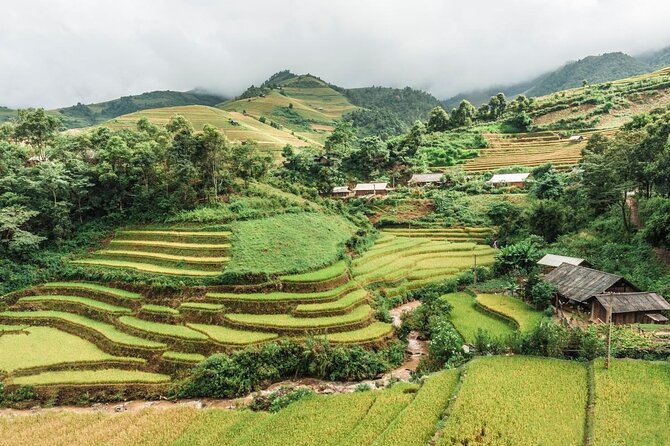
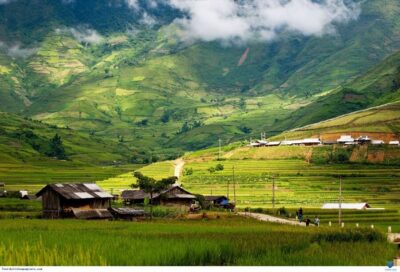
Day 1 starts with meeting in Sapa, around 8:30 am, at Sapa Church. From there, you head toward Y Linh Ho village, which sets the tone for the trek. This isn’t a quick drive-by, you’re moving into the valley by foot, with time to see how the terrain shapes village life.
Next comes Lao Chai, where lunch is included. Lao Chai is often the kind of stop where you can feel the valley’s scale and understand how communities connect across hills. Even if you only have a short break for food, you get more than a pause. You have a chance to ask questions about daily routines and the relationship between farming and the mountains.
After lunch, the walking continues toward Ta Van, the guide’s hometown. This is where the trek stops feeling like a “tour” and starts feeling like an invitation. The day includes the main hiking effort, and it also includes dinner with the host family.
One more practical point: Day 1 is long. Plan on a full stretch of walking time, plus the time it takes to move between villages and settle in once you reach Ta Van.
Ta Van Homestay: hot shower, private room, and family dinner
The overnight in Ta Van is the reason many people choose this specific trek. You get more than a bed. You get the chance to slow down and be part of an evening in the valley with the family.
The homestay offering here is notably comfortable for a village stay. You can expect a private suite with bathroom, plus a double bed and hot shower. That’s a big deal if you’ve had your fill of basic rooms while traveling, and it also makes the trek feel less punishing.
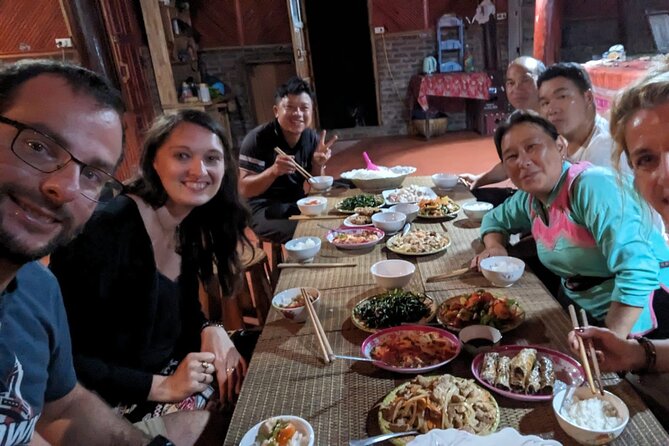
Dinner is provided with the family. Even if you don’t know what’s on the menu, you can count on a home-cooked meal that reflects the region. The best part is not just the food, it’s the conversation time that tends to happen when you sit down with people who live there year-round.
Tip from the same logic I use anywhere I stay with local hosts: be curious, not demanding. Ask what you should try, what a dish is called, and how rice season affects work. The guide is there to translate and connect, but your attitude makes the experience.
Day 2 in Hoang Lien National Park: forests, waterfalls, and longer trails

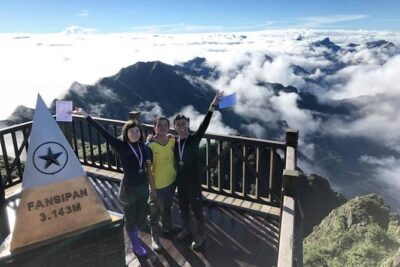
Day 2 shifts from village paths into Hoang Lien National Park. This is the longest and more nature-focused part of the trip, with about 7 hours of trekking through trails, forests, and waterfall areas around the Sapa valley.
The big value of this day is variety. Day 1 gives you village rhythm and the farmed valley. Day 2 gives you the feeling that the mountains have their own rules, with paths under forest canopy and natural water features breaking up the walk.
Admission is included for the park portion, so you are not worrying about fees mid-trip. You still need to be ready for a solid hike. The route is described as trail and waterfall focused, which usually means changing footing, some uneven ground, and the kind of pace where you stop more often to look and listen.
A smart way to handle Day 2 is to pace yourself for steady movement rather than sprinting for photo stops. You’ll get more from watching water and forest change through the day than from trying to do everything at once.
Sleep in a village, walk between them

Guide quality: English, village connections, and real explanations
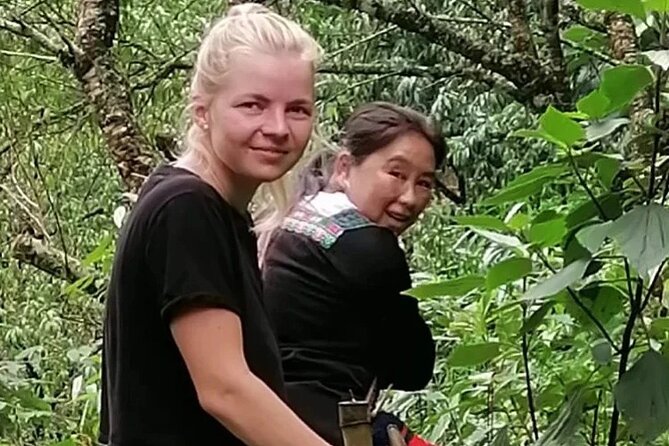
What separates a good Sapa trek from a great one is the guide. This experience is built around native Hmong knowledge, and the reviews consistently highlight strong English and a friendly, human tone.
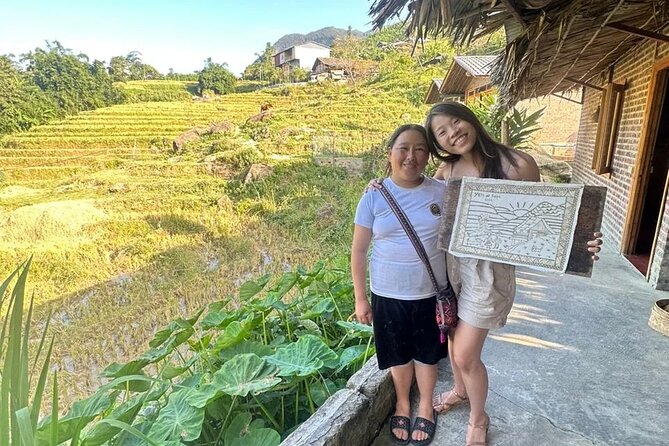
Guides you may meet include Sue as the main host name, with other guides and family members sometimes leading parts of the experience. You might also encounter guides such as Mai, Miy, and support from Bao, depending on the date and team. The key point isn’t the specific name, it’s the pattern: people here want to talk, explain, and connect.
The conversations tend to cover how generations have lived in the valley, how different hill tribe groups relate to the land, and what plants and seasons mean in everyday work. When the guide knows routes between villages and understands local culture deeply, your trek becomes a living story you can walk through.
Practical advice for you: bring a couple of questions in mind before you start. Examples:
- What plants grow here and why?
- How does rice planting and harvest change the months?
- What do families do on rainy days when trekking paths are tougher?
That way, the guide’s knowledge turns into your experience, not just background information.
Price and Logistics: what $110 covers and why it adds up
Let’s talk value in plain terms. At $110 for 2 days, 1 night, you are paying for:
- A private tour for only your group
- A guide who sets a full route across villages and through the national park
- Homestay lodging in Ta Van, including hot shower
- Meals like dinner, and lunch on Day 1
- National park access being covered for the Day 2 portion
- Pickup offered, plus a mobile ticket
- Start and end back at the central meeting point in Sapa
The value calculation gets better if you would otherwise have to buy the pieces separately. If you try to DIY Sapa trekking without a native guide, you’re often paying in stress: figuring out routes, finding a trustworthy homestay, and hoping your timing lines up with what you actually want to see.
The drawback is that you’re still signing up for hiking. If your idea of vacation is short walks and lots of time in cafes, you may find the pace too intense. This tour fits best when you want to be active, learn as you go, and accept that the mountains set the schedule.
When to go and what to pack for cold, cloudy mountain days
Sapa weather is its own character. If you travel in cooler months like March, you should expect the possibility of cold, cloudy conditions. That doesn’t mean your trek is ruined, but it does change the experience. You might see less far-distance scenery, and you’ll feel the chill more on longer trail stretches.
Bring warm layers, a rain shell or light waterproof layer, and shoes with enough grip for uneven paths. Even if the day starts crisp, mountain weather can shift while you’re walking between villages.
Also, pack for comfort during long hiking hours. This is especially true for Day 2 when you have a full 7-hour park hike. Plan your clothing so you can adjust layers as you warm up and cool down.
And because this experience requires good weather, have flexibility in your mindset. The operator can reschedule if conditions are poor.
Who this Sapa Valley trek is best for
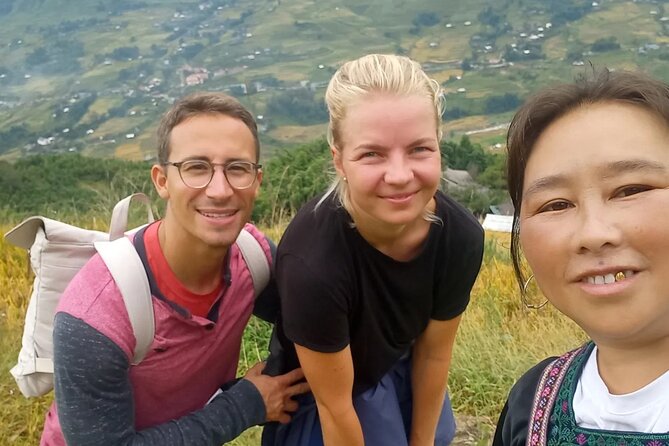
This tour suits you if you want a real Hmong-hosted experience in Sapa Valley. It’s a strong choice for:
- Couples and small groups who want a private guide and a homestay night
- People who enjoy walking enough to handle a full day of trekking
- Travelers who like culture that comes with context, not only photos
- You if you want flexibility, since the guide can adjust the trek for your interests and ability level
It may be less ideal if you:
- Want only easy, short hikes
- Are very sensitive to cold or wet conditions without much room for adjusting
- Expect a resort-style overnight, this is a homestay model even with private comfort
On the fitness side, the experience is described as requiring moderate physical fitness. That’s not elite hiking, but you should be ready for sustained walking on uneven terrain.
Should you book this Hmong Sapa Trek?
I’d book it if your goal is to walk with people who actually belong to this valley. The mix of village stops, a Ta Van homestay with hot shower and private room, and the Hoang Lien National Park trekking is a great package. You’re not just buying a walk, you’re buying access to local understanding, and that’s usually what makes Sapa feel special long after you leave.
Don’t book it if you mainly want guaranteed big-sky views and minimal walking. This trek gives you mountains and culture, but weather can shape what you see. If you know you get frustrated when plans shift due to fog or rain, you may want a more flexible, shorter option.
If you’re on the fence, the best question to ask yourself is simple: do you want to trade some comfort and predictability for a deeper, human Sapa experience? If yes, this is a strong fit.
FAQ
How long is the Sapa Valley trekking experience?
It’s listed as a 2-day experience, with about 2 days and 1 night including the Ta Van homestay.
Where does the trek start and when?
The meeting point is Sapa Church, and the start time is 8:30 am. The activity ends back at the same meeting point.
Is pickup available?
Yes, pickup is offered.
Is this tour private?
Yes, it’s described as a private tour/activity, meaning only your group participates.
What villages and areas are included?
The trek includes Y Linh Ho, Lao Chai, Ta Van, and a Hoang Lien National Park trek on Day 2.
What if the weather is bad?
This experience requires good weather. If it gets canceled due to poor weather, you’ll be offered a different date or a full refund.
Walk, Then Stay
- Number one top rated ethical cultural trekking and homestay by ETHOS★ 5.0 · 456 reviews
- Sa Pa Full Day Trekking Tour★ 5.0 · 414 reviews
- 1-day Authentik trek & Panorama valley views★ 5.0 · 189 reviews
- 1 day Fansipan Trekking★ 5.0 · 180 reviews
- Trekking Through Rice Terraced Fields – 1Day★ 5.0 · 173 reviews
Sapa on Foot
- Sapa: Fansipan Cable, Cat Cat Village & Moana Instagram Tour★ 5.0 · 777 reviews
- Cat Cat Village, Moana, Fansipan Cable Car, Alpine Coaster – Sapa★ 5.0 · 420 reviews
- Sa Pa Full Day Trekking Tour★ 5.0 · 414 reviews
- Sapa Motorbike Tour With Local Guide 1 Day – Waterfalls, Villages★ 5.0 · 254 reviews
- 1 day Fansipan Trekking★ 5.0 · 180 reviews
Other Sapa tours our reviewers keep coming back to
- 1 Day Sapa Tour Explore Y Linh Ho And Lao Chai And Ta Van Village
★ 5.0 · 18 reviews - Canyoning Tour from Sapa Vietnam
★ 5.0 · 19 reviews - Sapa 2 Day Trekking with 1 Night Homestay
★ 5.0 · 20 reviews - Sapa Half-Day Motorbike Tour: Villages & Rice Fields
★ 5.0 · 22 reviews - Sapa Mountain Escape: 2-Day Trekking, Rice Terraces & Homestay
★ 5.0 · 23 reviews - Sapa Dragon Cloud Glass Bridge and Silver Waterfall Half-Day Tour
★ 5.0 · 25 reviews
Sapa Trekking and Fansipan, compared.
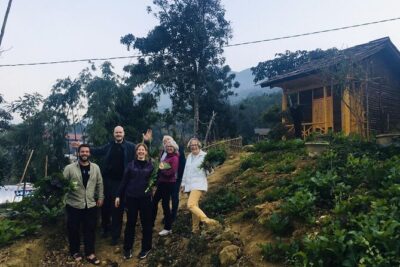 ★ 5.0Sapa 2 Days 1 Night From Hanoi – Overnight in Ta Van VillageFrom $592,669 reviews
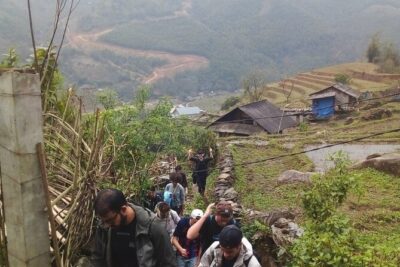 ★ 5.0Hanoi – Sapa 2 Days 1 Night Overnight At HomestayFrom $89899 reviews
 ★ 4.6Sa Pa: Muong Hoa Valley Trek and Local Ethnic VillagesFrom $23864 reviews
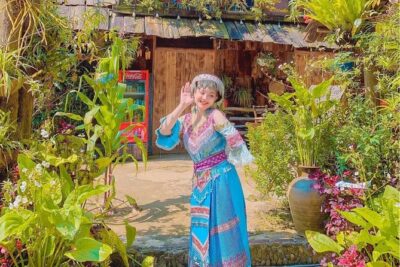 ★ 5.0Sapa: Fansipan Cable, Cat Cat Village & Moana Instagram TourFrom $30777 reviews
 ★ 4.8From Hanoi: 2-Day Sapa Trekking Trip with Homestay & MealsFrom $71704 reviews
 ★ 5.0Sapa 3 Days 2 Nights Trekking Tour (1 Night In Ta Van Village, 1 Night In Hotel)From $139699 reviews
 ★ 4.9Sapa: Eco Adventure Terrace Fields and Local Villages TrekFrom $27636 reviews
 ★ 5.03-Day Trekking Adventure of Sapa from Hanoi – Stay Ta Van VillageFrom $109611 reviews
Also in these Vietnam lists