
REVIEW · SAPA TREKKING AND FANSIPAN
Sapa Trekking & Cooking with H’Mong Locals –Local Culture
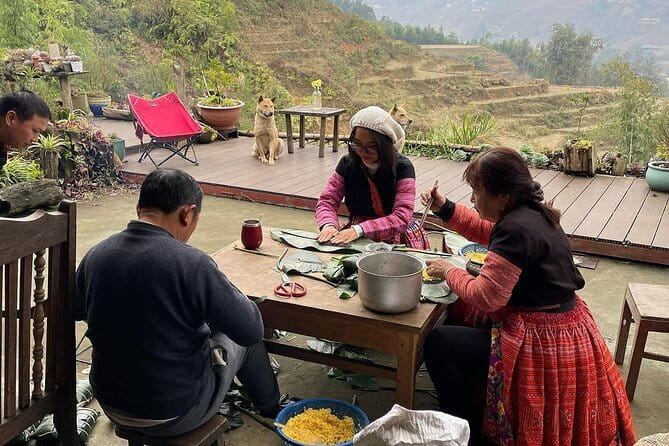
Footpaths beat buses in Sapa. This 7-hour trek pairs scenic village walking with a cooking class inside an H’Mong home, aimed at getting you closer to small communities and everyday life. You start in Sapa town, pass Cat Cat on the way in, and keep walking into quieter villages most people skip.
I especially like two things. First, the route focuses on the smaller hillside roads and the places where concrete is rare, so you actually feel like you’re moving through village space, not just checking boxes. Second, the cooking lesson is built around a proper Vietnamese meal, not a quick demo, with lunch plus water and fruit, and coffee or tea included.
One consideration: Cat Cat Village is a popular stop, and its admission ticket is not included, so you’ll want to plan for that small extra cost. Also, since this is weather dependent and involves walking, I recommend you double check you’re comfortable with a moderate fitness level, and confirm the day’s stops match what you booked.
In This Review
- Key highlights to know before you go
- Why this Sapa trek-and-cook combo works
- Starting in Sapa town: quick orientation, then out into village roads
- Cat Cat Village, without getting stuck in the crowd
- Y Linh Ho: the homestay cooking class you actually do
- Lao Chai terraced views and everyday hillside life
- Ta Van village finish: a gentle landing back into town
- What’s included with the meal (and what that means for value)
- Pace, fitness, and what to wear on the day
- Price and value: is $38 really fair?
- Weather, logistics, and the one thing to watch
- Who should book this tour, and who should skip it
- Should you book this Sapa Trekking and Cooking Tour?
- FAQ
- How long does the Sapa trekking and cooking tour take?
- Is pickup offered from Sapa?
- Is this a private tour or shared group?
- What’s included in the lunch and drinks?
- What cooking dishes will I learn about?
- Is Cat Cat Village admission included?
- Do I need moderate fitness?
- What if the weather is poor?
- What is the cancellation policy?
Key highlights to know before you go
- Private group setup: only your group participates, so the guide can pace the walk for you.
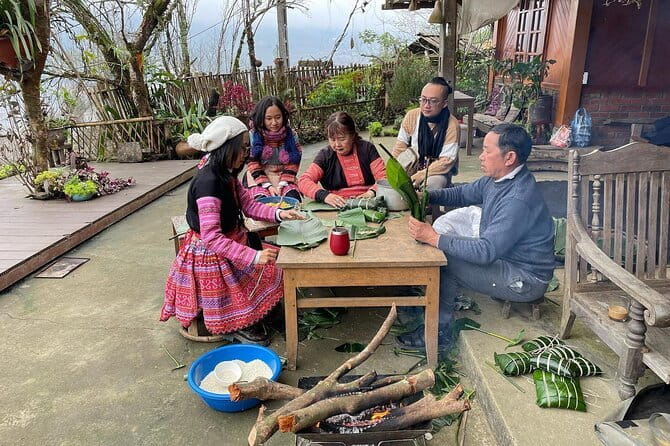
- Hands-on H’Mong cooking: you cook with locals and learn how to build a complete Vietnamese meal.
- Most of the time is on foot: you leave the main crowds and continue deeper toward quieter villages.
- Lunch is part of the experience: included meal, plus water, fruit, and coffee or tea.
- Cat Cat Village entry not included: the stop is planned, but you may need a separate ticket.
- Moderate fitness required: good for active half-day walkers, not for total beginners.
Other Sapa walks, from gentle to genuinely hard
- Sapa: Fansipan Cable, Cat Cat Village & Moana Instagram Tour★ 5.0 · 777 reviews
- Cat Cat Village, Moana, Fansipan Cable Car, Alpine Coaster – Sapa★ 5.0 · 420 reviews
- Sa Pa Full Day Trekking Tour★ 5.0 · 414 reviews
- Sapa Motorbike Tour With Local Guide 1 Day – Waterfalls, Villages★ 5.0 · 254 reviews
Why this Sapa trek-and-cook combo works
Sapa can feel like a parade of viewpoints if you only do the easiest stops. This tour is a better match for how most people actually travel well: walk a little, slow down with local life, then eat what you learned to make.
You’ll spend about seven hours total, starting in Sapa town and finishing back in town. In between, the day mixes short segments of trekking with longer time in villages. That matters because Sapa walking is not just a “get there” chore. The route is designed to get you away from the busiest center and toward small communities such as Y Linh Ho and Ta Van, where you can see daily routines up close.
Then there’s the part many trekking days skip: you get real time in a homestay setting for a cooking class. That’s what turns a scenic walk into something you can bring home, at least in the form of flavors you can recognize and recreate later.
Starting in Sapa town: quick orientation, then out into village roads
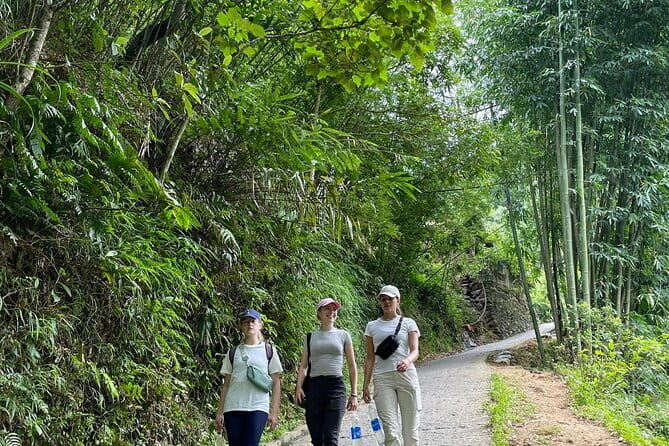
The day begins back in Sapa town for about 30 minutes. This short start window is useful because it helps you get your bearings before you hit the footpaths and hillside roads. It also gives your guide time to review what the day will look like, how long you’ll be walking between village stops, and what to expect with the cooking segment later.
If you’re the type who likes to know what’s coming, this start helps. You aren’t thrown straight into a full trek without context. And because the tour offers pickup, you may not have to stress about timing getting to the start point.
What I’d do right away: wear comfortable walking shoes and keep water within reach. You will have water included with lunch, but having your own sip stash early in the walk can help you stay relaxed.
Cat Cat Village, without getting stuck in the crowd
Cat Cat is one of the most famous Sapa village stops, and it’s also one of the easiest places to feel like you’re in a tourist bottleneck. Here, the plan is to pass by the more crowded area and continue deeper rather than linger in the busiest center.
That approach can be a win. You still get the geographic context and the sense that you’re on a classic route, but you don’t waste your best trekking hours just standing in line or watching the same handful of souvenir stalls.
Still, one practical detail: Cat Cat Village admission ticket is not included. So budget a little extra and bring some small cash if you want to avoid last-minute stress. Also, if you’re sensitive to crowds, this “pass by” approach is definitely worth the attention.
Y Linh Ho: the homestay cooking class you actually do
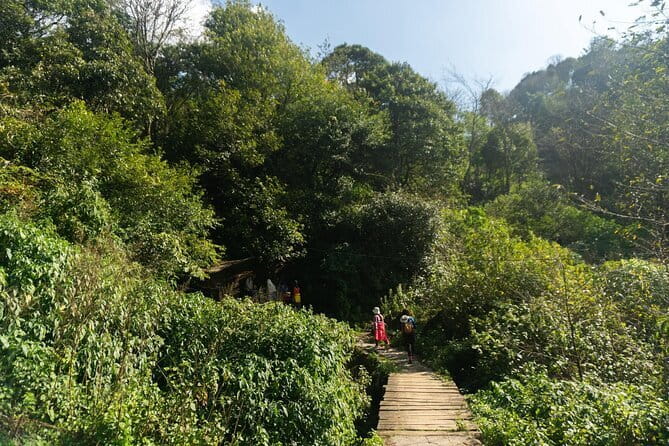
This is the heart of the day. In Y Linh Ho, you stop at a H’Mong indigenous house and join the cooking class together. You spend about three hours here, which is the right amount of time for a real meal versus a rushed tasting.
The cooking portion is described as hands-on, and the menu isn’t vague. You’ll learn typical Vietnamese dishes such as:
- fried spring rolls
- stewed pork
- vegetables and fruits gathered from the small area
That list matters, because a good Vietnamese meal is built from multiple components. You’re not just eating one thing. You’re working through the parts that make the meal feel complete: a crunchy starter, a savory main, and fresh sides.
I also like that this isn’t positioned as a performance. It’s presented as a shared class, and that’s what makes it feel more human. You’ll likely see how ingredients fit into daily life and how people think about flavor balance in straightforward, practical steps.
Since lunch is part of the cooking experience, it keeps the energy steady. You don’t have to hunt for food afterward, and you don’t have to guess if you’ll get something that sits well with your appetite after walking.
Sleep in a village, walk between them


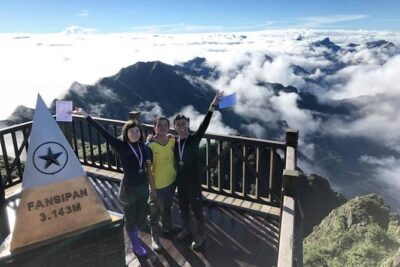
Lao Chai terraced views and everyday hillside life
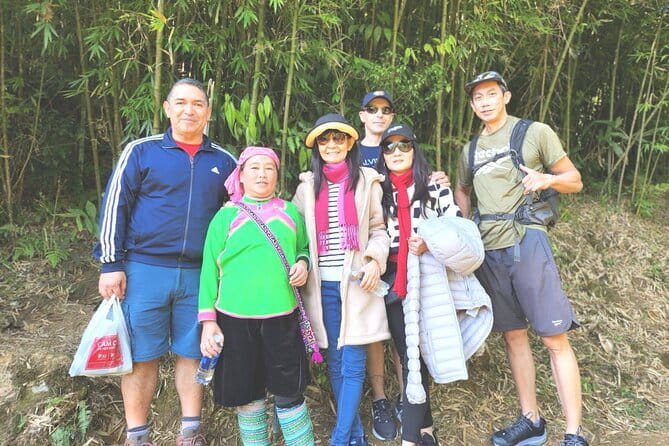
After Y Linh Ho, you continue the journey toward Lao Chai. This is where the walk shifts into more classic Sapa scenery: terraced fields and hillside roads that connect the villages.
You cross Lao Chai village, and the stop time here is about 45 minutes. It’s long enough for photos and for noticing how people move through their area, but not so long that the day drags. That balance is important on a trek day, because your legs are already doing the work.
What I think works well in this segment is the rhythm. The day stays active, but you still get time to look. If you’ve ever done a Sapa walk that feels like a nonstop conveyor belt, this one avoids that by giving you a mix of walking and village time.
Tips for this part:
- Slow down for photos. Terraces look best when you stop and let your eyes adjust.
- Keep your footing in mind. Even when the ground looks manageable, hillside paths can turn slippery, especially after misty weather.
Ta Van village finish: a gentle landing back into town
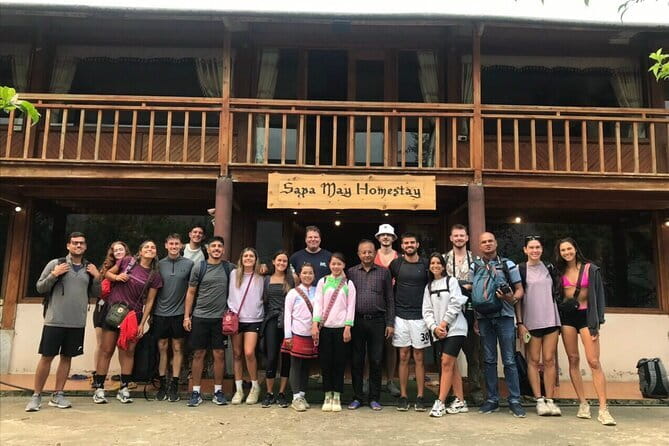
The final walk segment ends in Ta Van village. This stop is about 1 hour 15 minutes, and it functions like a soft landing. You’ve done the walking sections, you’ve had the meal, and now you finish with more village atmosphere before heading back.
At the end, the taxi picks you up and returns you to Sapa town. That matters because it keeps the day from becoming a grind. Instead of dragging your legs the entire way back, you get a clean break.
If you’re someone who likes to keep momentum, you might find Ta Van is the perfect finishing note. It’s enough time to feel like you wrapped up your village experience, and then you’re back where you can shower, snack, and enjoy the evening.
What’s included with the meal (and what that means for value)

Let’s talk food, because this is where the price starts to make sense.
Lunch is included, along with water and fruit. You also get coffee and/or tea. That’s a real inclusion set for a day that could easily turn into “you pay for everything once you’re out.”
More than the items, the value is in the way you learn. The cooking class is meant to teach you how to make a complete Vietnamese meal, using popular dishes and local ingredients. In plain terms, you leave with a better understanding of the flavors and the structure of the meal, not just a full stomach.
Also, since you’re eating lunch right after the class, it’s a practical setup. You’re not hungry, and you’re not waiting around too long. That helps if you’re trying to balance walking with comfort.
One note: additional drinks like beer or coffee are not included. If you like a soda or a cold drink with lunch, plan for it. The included coffee or tea covers the basics, but not every craving.
Pace, fitness, and what to wear on the day

This experience calls for moderate physical fitness. That’s a good signal. It suggests the walk is not extreme, but it is still real trekking across village roads and hillside paths.
How I’d read “moderate” in Sapa: you should be able to walk for stretches, handle uneven ground, and keep going even if the weather is damp. If that sounds like you, you’ll likely feel comfortable.
What to wear:
- sturdy, grippy shoes (no slippery sandals)
- breathable layers, since temperatures in Sapa can shift
- a light rain layer in case the sky does its usual Sapa thing
Also plan your day around the idea that you’re active for most of the tour. This is not a sit-and-watch cultural stop. Even with village time, your legs will do a good chunk of the work.
Price and value: is $38 really fair?
At $38 per person, this tour sits in the “good value” zone if you care about both walking and food. Why?
You’re paying for three things at once:
1) guided village walking in the Sapa area
2) a certified guide and a private group setup
3) a hands-on cooking class plus included lunch, fruit, and coffee or tea
Many “cheap” trekking days in Sapa save money by cutting the food value or turning the cooking into a short show and then sending you off to find lunch. Here, the meal is built into the experience and included in the price, which reduces surprise costs.
The private group part can also change the feel. If you’re with friends or family, you’ll usually enjoy a tour where the guide can pace you and you are not constantly reacting to a larger crowd.
The main value check is this: Cat Cat Village entry is not included. That’s not a deal breaker, but it means the final out-of-pocket can be slightly higher than $38.
Weather, logistics, and the one thing to watch
This experience requires good weather. If conditions aren’t right, the operator offers a different date or a full refund. That’s a fair policy for trekking, because bad weather can turn walking paths into a slippery mess.
Now, the other thing to watch is consistency. There is at least one complaint recorded about stops being skipped compared to what was listed. I can’t know if that’s a one-off situation, but it’s enough that I recommend you do two simple checks:
- confirm the villages and their order with the operator shortly before departure
- ask how long each stop is expected to last on your specific day
This kind of confirmation takes five minutes and can prevent a day of frustration.
Who should book this tour, and who should skip it
I’d book this if you want:
- a village-focused trek that goes beyond the most crowded center
- time in a H’Mong home for a hands-on cooking class
- an included lunch you can feel good about after walking
It may not be your best fit if you:
- hate walking on uneven ground
- need a super flexible schedule with no chance of weather disruption
- want Cat Cat Village fully, because this plan passes by the busy area and keeps going deeper
Best match: active couples, small friend groups, and anyone who likes the idea of learning food traditions as part of a trekking day.
Should you book this Sapa Trekking and Cooking Tour?
Book it if you want a half-day style adventure that combines real village time with a cooking class and an included meal. The 4.9 rating and 97% recommendation rate suggest most people feel they got what they came for, and the structure makes sense: walk, learn, eat, then return to town.
Don’t book it blindly if you’re counting on every stop being handled exactly as written, because there is at least one unhappy note about missing stops. If that would upset you, confirm the schedule the day before.
If you like practical travel experiences, this one fits the bill. You’ll leave with stories from village roads and a clearer sense of how a Vietnamese meal comes together, not just a handful of photos.
FAQ
How long does the Sapa trekking and cooking tour take?
It runs about 7 hours (approx.).
Is pickup offered from Sapa?
Yes, pickup is offered.
Is this a private tour or shared group?
It is private. Only your group participates.
What’s included in the lunch and drinks?
Lunch is included, along with water and fruit. Coffee and/or tea are also included.
What cooking dishes will I learn about?
The class includes typical Vietnamese dishes such as fried spring rolls, stewed pork, and vegetables and fruits picked from the area.
Is Cat Cat Village admission included?
No. Cat Cat Village admission is not included.
Do I need moderate fitness?
Yes. The tour recommends travelers have a moderate physical fitness level.
What if the weather is poor?
This experience requires good weather. If it is canceled due to poor weather, you’ll be offered a different date or a full refund.
What is the cancellation policy?
You can cancel for a full refund up to 24 hours in advance of the experience start time.
Walk, Then Stay
- Number one top rated ethical cultural trekking and homestay by ETHOS★ 5.0 · 456 reviews
- Sa Pa Full Day Trekking Tour★ 5.0 · 414 reviews
- 1-day Authentik trek & Panorama valley views★ 5.0 · 189 reviews
- 1 day Fansipan Trekking★ 5.0 · 180 reviews
- Trekking Through Rice Terraced Fields – 1Day★ 5.0 · 173 reviews
Sapa on Foot
- Sapa: Fansipan Cable, Cat Cat Village & Moana Instagram Tour★ 5.0 · 777 reviews
- Cat Cat Village, Moana, Fansipan Cable Car, Alpine Coaster – Sapa★ 5.0 · 420 reviews
- Sa Pa Full Day Trekking Tour★ 5.0 · 414 reviews
- Sapa Motorbike Tour With Local Guide 1 Day – Waterfalls, Villages★ 5.0 · 254 reviews
- 1 day Fansipan Trekking★ 5.0 · 180 reviews
Other Sapa tours our reviewers keep coming back to
- 1 Day Sapa Tour Explore Y Linh Ho And Lao Chai And Ta Van Village
★ 5.0 · 18 reviews - Canyoning Tour from Sapa Vietnam
★ 5.0 · 19 reviews - Sapa 2 Day Trekking with 1 Night Homestay
★ 5.0 · 20 reviews - Sapa Half-Day Motorbike Tour: Villages & Rice Fields
★ 5.0 · 22 reviews - Sapa Mountain Escape: 2-Day Trekking, Rice Terraces & Homestay
★ 5.0 · 23 reviews - Sapa Dragon Cloud Glass Bridge and Silver Waterfall Half-Day Tour
★ 5.0 · 25 reviews
Sapa Trekking and Fansipan, compared.
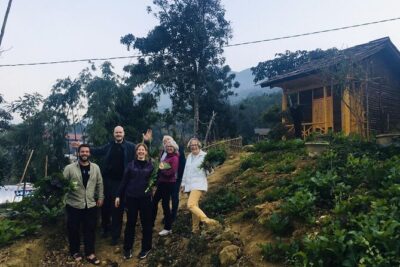 ★ 5.0Sapa 2 Days 1 Night From Hanoi – Overnight in Ta Van VillageFrom $592,669 reviews
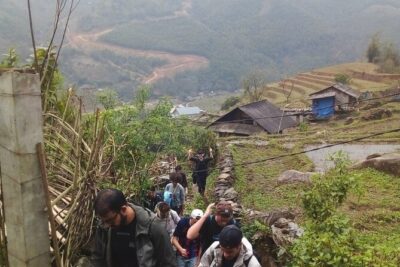 ★ 5.0Hanoi – Sapa 2 Days 1 Night Overnight At HomestayFrom $89899 reviews
 ★ 4.6Sa Pa: Muong Hoa Valley Trek and Local Ethnic VillagesFrom $23864 reviews
 ★ 5.0Sapa: Fansipan Cable, Cat Cat Village & Moana Instagram TourFrom $30777 reviews
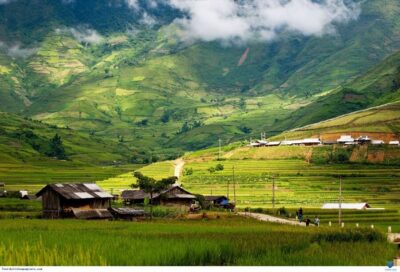 ★ 4.8From Hanoi: 2-Day Sapa Trekking Trip with Homestay & MealsFrom $71704 reviews
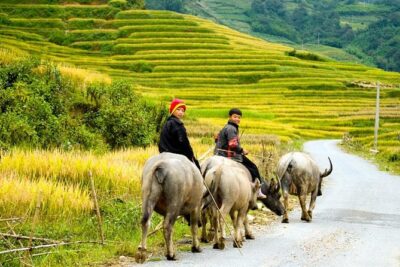 ★ 5.0Sapa 3 Days 2 Nights Trekking Tour (1 Night In Ta Van Village, 1 Night In Hotel)From $139699 reviews
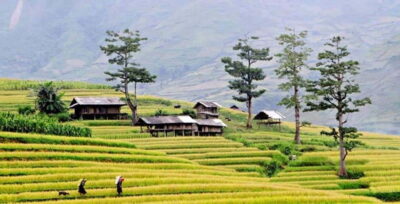 ★ 4.9Sapa: Eco Adventure Terrace Fields and Local Villages TrekFrom $27636 reviews
 ★ 5.03-Day Trekking Adventure of Sapa from Hanoi – Stay Ta Van VillageFrom $109611 reviews
Also in these Vietnam lists