
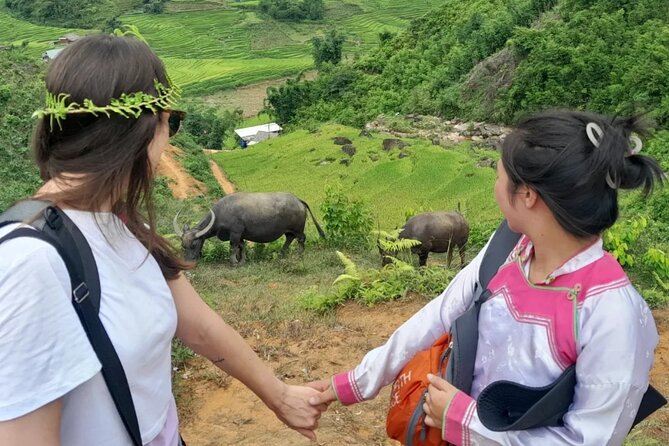
REVIEW · SAPA TREKKING AND FANSIPAN
Sapa trekking 2 days small group
A short hike can change how you see a place. This 2-day Sapa homestay trek takes you through Muong Hoa valley villages, with time to learn daily life and eat with local families. What I especially like is the small-group feel (max 15) and the strong focus on culture with guides such as Lily or Lulu, who are praised for being careful and answering questions. One consideration, it is still trekking day after day, so you should be ready for long stretches on mountain paths.
Your “base” is Sapa town with a pickup, then you shift into village life for one night. You’ll have dinner and breakfast, two lunches, plus 1.5L of water per day, which is a big practical help on the trail. At about $80 per person for roughly two days, the value is strongest if you want more than just views, you want real contact with the communities along the route.
Here’s the good part: the route is designed as a gradual story, starting in Black H’mong villages and ending with Red Dzao food and a finish near Su Pan. The pace is framed as suitable for most travelers, but your comfort will depend on footwear and how you handle uneven, sometimes steep ground.
In This Review
- Key highlights worth your time
- Entering Sapa’s village route, not just Sapa town
- Day 1: Muong Hoa valley villages, from Y Linh Ho to Ta Van
- Ta Van homestay night, relaxation with real conversations
- Day 2: high views from Ta Van and a Red Dzao lunch
- Price and logistics: is $80 actually good value?
- Trekking reality check: pace, terrain, and what to pack
- Who this Sapa 2-day homestay trek suits best
- Should you book this Sapa trekking 2 days homestay?
- FAQ
- How long is the Sapa trekking 2 days small group tour?
- Is pickup included?
- What’s the maximum group size?
- What meals and lodging are included?
- Is water provided?
- Do I need to buy tickets for the village stops?
- What is included in the price, and what is not?
Key highlights worth your time
- Small group size (up to 15), which helps with pacing and getting questions answered
- Lily or Lulu as standout guides, praised for being professional, careful, and cheerful
- Homestay night in Ta Van, with time to relax and talk after trekking hard
- Village meals included, with lunch at Lao Chai and a Red Dzao lunch on Day 2
- Muong Hoa valley walking, including Y Linh Ho, Lao Chai, and Ta Van rice terrace scenery
Other Sapa walks, from gentle to genuinely hard
- Sapa: Fansipan Cable, Cat Cat Village & Moana Instagram Tour★ 5.0 · 777 reviews
- Cat Cat Village, Moana, Fansipan Cable Car, Alpine Coaster – Sapa★ 5.0 · 420 reviews
- Sa Pa Full Day Trekking Tour★ 5.0 · 414 reviews
- Sapa Motorbike Tour With Local Guide 1 Day – Waterfalls, Villages★ 5.0 · 254 reviews
Entering Sapa’s village route, not just Sapa town
This trek works because it starts where most people feel the “tourist bubble” fade fast. You’re picked up in or around Sapa town (about 8:00 to 8:30), meet your local guide, and get a quick orientation before you head out.
The heart of the experience is the Muong Hoa valley walking. Instead of doing one quick photo stop at a village, you move between communities that are connected by paths and daily work. You’ll also notice how your guide sets the tone, keeping you aware on the trail and offering context while you walk.
Day 1: Muong Hoa valley villages, from Y Linh Ho to Ta Van
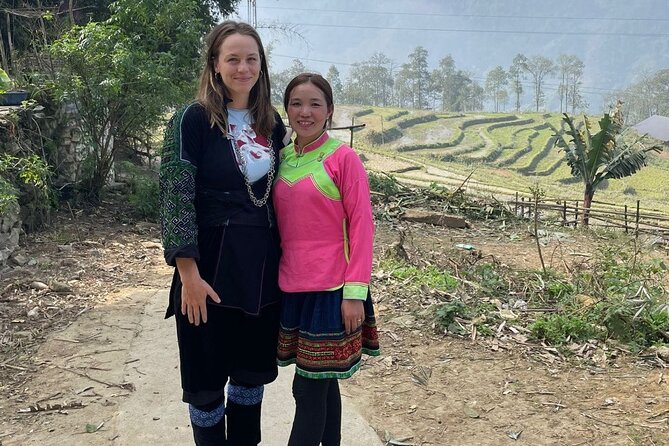
Day 1 is about settling in and then gradually getting deeper into the region. After pickup, you begin trekking southeast along Muong Hoa valley, with the first stop at Y Linh Ho, a Black H’mong community. This is where you get your first real taste of village life, and it’s an easy win for anyone who likes learning, even if you’re not a “history person.”
From there, you continue to Lao Chai, another Black H’mong village. Expect a gentle rhythm: walk, arrive, look around, and keep moving. The route crosses into the valley area, and you’ll have the chance to pause and take in the river-side surroundings before lunch.
Lunch is built into the day at Lao Chai, with local food served in a restaurant near the river. If you like options, the plan also mentions a picnic-style alternative uphill. Either way, eating here matters because it keeps you from rushing, and it keeps the experience grounded in everyday meals rather than staged catering.
Late afternoon brings you to Ta Van, where the trekking shifts into the rice terrace scenery. You’ll walk to see the terraces and interact with the Giáy people. By the time you arrive at your homestay or local house, you’ve earned the quiet, slower time that follows.
Ta Van homestay night, relaxation with real conversations
The homestay night is where a “trek tour” becomes a “people tour.” You arrive after an active day and get a set amount of downtime, which is important. This isn’t just sleep, you’re given time to talk together after trekking hard, and that’s a chance to ask questions you might not think to ask while you’re walking.
Dinner is included, and breakfast is included the next morning. The reviews tied to this kind of trip also highlight how guide-led conversations help you connect dots, not just collect photos. You’ll still want to be flexible. Homestays can vary in comfort from one place to another, and one comment noted the place felt a bit small, even though it did the job and the food was good.
If you’re hoping for a hotel experience, this is not that. If you want a night that feels like part of village life, it’s a strong fit.
Day 2: high views from Ta Van and a Red Dzao lunch
Day 2 starts with breakfast, then you head out again from Ta Van. The plan includes trekking to see Muong Hoa valley from higher ground, so you get another change of perspective compared with Day 1. This is one of the most rewarding moments if you like panoramic thinking, seeing how the valley systems and terraces relate.
Next comes the trek toward Giang Ta Chai village, home of the Red Dzao people. You’ll have lunch at a local home and try local food, again included. The value here is not only the food itself, it’s the context around it, with your guide helping connect what you’re seeing to daily life.
In the afternoon, you work your way toward the finish near Su Pan village. The day ends at the main road area, and then a car picks you up back to your accommodation in Sapa town. That last pickup moment is practical, especially if your legs are done and you just want to reset.
Sleep in a village, walk between them

Price and logistics: is $80 actually good value?
At $80 per person for about two days, this tour is priced like a small-group village trek with meals and lodging included, not like a basic day hike. The value improves when you look at what’s covered: dinner, breakfast, two lunches, accommodation, and water (1.5L per day).
You also get two things that matter on the ground: a pickup and a mobile ticket. Pickup reduces friction in the morning, and the mobile ticket removes one more thing you have to manage while you’re traveling.
What’s not included is mostly expected for this type of trip, tips and personal expenses. So if you like to tip your guide, plan for that cost. Also remember that you are trading a later check-in and classic hotel comfort for a homestay night and local meals.
Group size helps your experience feel manageable. With a maximum of 15, you’re more likely to have your guide keep an eye on everyone and adjust pacing when needed.
Trekking reality check: pace, terrain, and what to pack
The trip says most travelers can participate, and the walking is described as village-to-village trekking with breaks for meals. Still, it’s two full days of being on your feet, often on uneven ground and mountain paths. If you’ve ever done a valley walk, you already know the truth: your shoes matter more than your willpower.
For packing, keep it simple:
- Wear closed-toe shoes with grip. This is not a flip-flop kind of day.
- Bring a small day bag for water and essentials, and keep your phone protected from dust and mist.
- Pack a layer. Sapa can feel cooler in the morning and on higher trails, and the day can shift quickly.
Since water is included as 1.5L per day, you’re set for hydration. You’ll still want snacks only if your stomach usually runs on trail time. The tour includes meals, so you’re not required to carry food, but having a small backup can calm nerves.
Who this Sapa 2-day homestay trek suits best
This is a great match if you want:
- Culture with context, not just a collection of stops
- A guide-led experience where you can ask questions and get answers
- A homestay night in Ta Van rather than returning to town every evening
- A manageable small group where the day doesn’t feel chaotic
It may be less ideal if you need predictable comfort levels like a standard hotel, or if you have very limited tolerance for long walks. One practical clue from the vibe of feedback tied to this route is that the guide’s personality matters. Guides like Lily and Lulu are specifically praised for being careful and for bringing energy, which can make the trek feel lighter.
If you’re traveling solo, this can also be a nice social format. Small group plus shared meals plus homestay conversations create natural conversation time.
Should you book this Sapa trekking 2 days homestay?
I’d book it if your idea of a great Sapa trip is village life, local food, and a guided route through Muong Hoa valley that includes a real homestay night. The combination of included meals, accommodation, and water makes it feel like less of a money puzzle once you’re there.
I’d think twice if you’re looking for a low-effort activity with zero physical demand. This is still trekking, even if it’s framed as doable for most people. Also, if you’re very picky about homestay facilities, choose this only if you’re confident you’ll enjoy the tradeoff.
If you book, message yourself to pack good shoes and a calm mindset. With a guide like Lily or Lulu leading the way, this is the kind of Sapa experience that turns the valley into something you remember, not just something you passed through.
FAQ
How long is the Sapa trekking 2 days small group tour?
It runs for about 2 days, with pickup in the morning on Day 1, trekking and village stops through Day 2, and then a return to Sapa town near Su Pan in the afternoon.
Is pickup included?
Yes, pickup is offered in Sapa town at the start of the trip.
What’s the maximum group size?
The tour has a maximum of 15 travelers.
What meals and lodging are included?
Dinner and breakfast are included, plus lunch on both days. Accommodation for 1 night is included as part of the homestay/local house experience.
Is water provided?
Yes, water is included at 1.5L per day.
Do I need to buy tickets for the village stops?
No admission tickets are listed for the village stops in the schedule.
What is included in the price, and what is not?
Included are dinner, breakfast, both lunches, accommodation, and water. Not included are tips and personal expenses.
Walk, Then Stay
- Number one top rated ethical cultural trekking and homestay by ETHOS★ 5.0 · 456 reviews
- Sa Pa Full Day Trekking Tour★ 5.0 · 414 reviews
- 1-day Authentik trek & Panorama valley views★ 5.0 · 189 reviews
- 1 day Fansipan Trekking★ 5.0 · 180 reviews
- Trekking Through Rice Terraced Fields – 1Day★ 5.0 · 173 reviews
Sapa on Foot
- Sapa: Fansipan Cable, Cat Cat Village & Moana Instagram Tour★ 5.0 · 777 reviews
- Cat Cat Village, Moana, Fansipan Cable Car, Alpine Coaster – Sapa★ 5.0 · 420 reviews
- Sa Pa Full Day Trekking Tour★ 5.0 · 414 reviews
- Sapa Motorbike Tour With Local Guide 1 Day – Waterfalls, Villages★ 5.0 · 254 reviews
- 1 day Fansipan Trekking★ 5.0 · 180 reviews
Other Sapa tours our reviewers keep coming back to
- 1 Day Sapa Tour Explore Y Linh Ho And Lao Chai And Ta Van Village
★ 5.0 · 18 reviews - Canyoning Tour from Sapa Vietnam
★ 5.0 · 19 reviews - Sapa 2 Day Trekking with 1 Night Homestay
★ 5.0 · 20 reviews - Sapa Half-Day Motorbike Tour: Villages & Rice Fields
★ 5.0 · 22 reviews - Sapa Mountain Escape: 2-Day Trekking, Rice Terraces & Homestay
★ 5.0 · 23 reviews - Sapa Dragon Cloud Glass Bridge and Silver Waterfall Half-Day Tour
★ 5.0 · 25 reviews
Sapa Trekking and Fansipan, compared.
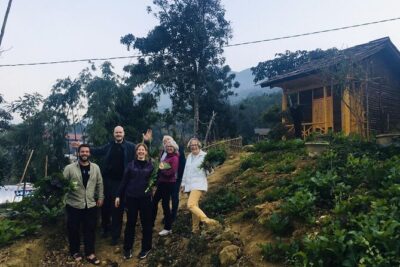 ★ 5.0Sapa 2 Days 1 Night From Hanoi – Overnight in Ta Van VillageFrom $592,669 reviews
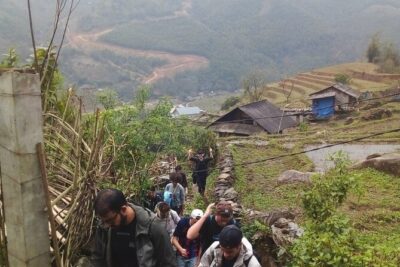 ★ 5.0Hanoi – Sapa 2 Days 1 Night Overnight At HomestayFrom $89899 reviews
 ★ 4.6Sa Pa: Muong Hoa Valley Trek and Local Ethnic VillagesFrom $23864 reviews
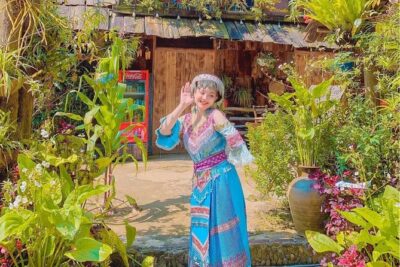 ★ 5.0Sapa: Fansipan Cable, Cat Cat Village & Moana Instagram TourFrom $30777 reviews
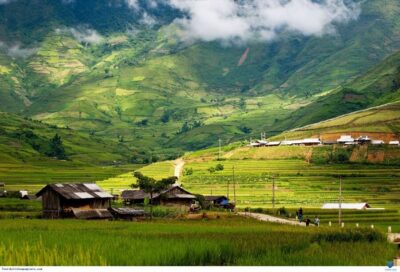 ★ 4.8From Hanoi: 2-Day Sapa Trekking Trip with Homestay & MealsFrom $71704 reviews
 ★ 5.0Sapa 3 Days 2 Nights Trekking Tour (1 Night In Ta Van Village, 1 Night In Hotel)From $139699 reviews
 ★ 4.9Sapa: Eco Adventure Terrace Fields and Local Villages TrekFrom $27636 reviews
 ★ 5.03-Day Trekking Adventure of Sapa from Hanoi – Stay Ta Van VillageFrom $109611 reviews
Also in these Vietnam lists