
REVIEW · SAPA TREKKING AND FANSIPAN
Sapa Tour: 2-Day Fansipan Trekking
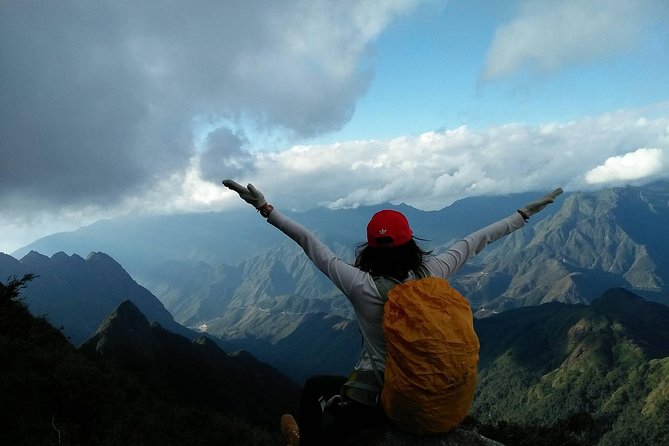
Fog on Fansipan changes everything. What makes this trek special is the way your guide connects the climb to the mountain’s environment and the Indigenous tribes who call this region home. It is not just a hike, it is a guided introduction to a high-altitude world that feels different at every turn.
I especially like the practical setup. You get help so you do not end up lugging an entire camp on your back, including a porter convenience and an overnight stay with sleeping gear. In one of the best reported moments, the group slept in a shared wooden cabin with separate rooms, and the food was solid.
The main drawback to plan for is the effort and the cold. Fansipan sits at over 10,000 feet, so even with a guided route, the hike can feel tiring, and temperatures at the top can be sharp.
In This Review
- Key Things I’d Note Before You Go
- Why Fansipan Feels Bigger Than a “2-Day Trek”
- Price and Value: What $136.65 Covers (And Why It Might Save You Money)
- Meeting Point, Pickup, and How You Get to the Start
- Day 1 in Motion: Breakfast, Tram Ton, and Settling Into the Hike
- Night on the Mountain: Cabin Comfort, Shared Spaces, Real Cold
- Day 2 to the Summit: Guided to the Top, Then Down to Tram Ton
- The Guide and Group Experience: Small Group, Clear Communication
- What You’re Getting, Meal by Meal
- What to Pack (So Day 1 Feels Like a Trek, Not a Struggle)
- Who This Tour Fits Best
- Should You Book the 2-Day Fansipan Trek?
- FAQ
- How long is the Fansipan trekking tour?
- What does the tour cost?
- What time does the tour start, and where does it meet?
- What is included in the price?
- Is there a porter or assistance for carrying things?
- What kind of overnight accommodation is provided?
- Do I get picked up from the station or hotel?
- What is the maximum group size?
- Do I need a passport?
- Can I cancel for a refund?
Key Things I’d Note Before You Go
- Indigenous stories on the mountain, not just a summit photo stop
- Porter support so you do not carry everything yourself
- Meals plus water included, including two lunches and dinner
- Overnight in a cabin or hut/tent, with sleeping bags provided
- Small group size up to 20, guided all the way to the top
- Round-trip transfers from train or bus, so you are not stuck figuring out logistics
Other Sapa walks, from gentle to genuinely hard
- Sapa: Fansipan Cable, Cat Cat Village & Moana Instagram Tour★ 5.0 · 777 reviews
- Cat Cat Village, Moana, Fansipan Cable Car, Alpine Coaster – Sapa★ 5.0 · 420 reviews
- Sa Pa Full Day Trekking Tour★ 5.0 · 414 reviews
- Sapa Motorbike Tour With Local Guide 1 Day – Waterfalls, Villages★ 5.0 · 254 reviews
Why Fansipan Feels Bigger Than a “2-Day Trek”
Fansipan is one of Southeast Asia’s highest mountains, and the altitude is part of the deal. The air feels different, the climbs come in short waves of effort, and the mountain mood shifts quickly, from clear ridgelines to sudden mist.
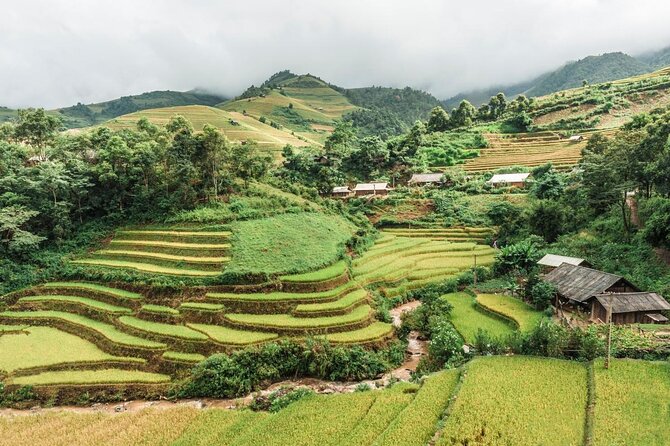
What I think most people will appreciate is the framing. This is not sold as a “silent mountain grind.” Your guide spends time explaining the environment and the Indigenous tribes living on the mountain. That matters because it turns the hike from movement into meaning. You stop asking only, How far is left? and start noticing how the mountain works, how people relate to it, and why the path is treated with respect.
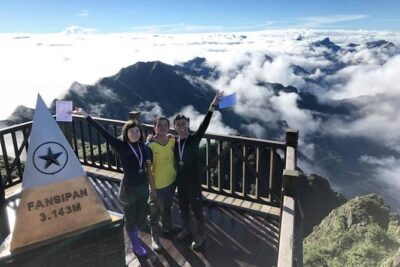
Also, you are aiming for views that reach beyond Vietnam. The summit experience includes the chance to see across the region, including nearby China when weather allows. Even if fog takes over, the weather itself becomes part of the memory.
Price and Value: What $136.65 Covers (And Why It Might Save You Money)
At about $136.65 per person for roughly 2 days, this trek is not a budget penny-pinch option. But the value is in what is wrapped into the package.
You are paying for a lot of the hard-to-organize pieces:
- An English-speaking guide
- National park permission and entrance fees
- Meals (breakfast, two lunches, and dinner)
- Water (1.5 liters per person per day)
- Accommodation on the mountain, with sleeping bags provided
- Transport to the trekking area and back, including transfers from Sapa train or bus connections
When you add up those basics on your own, it is easy to spend more once you factor in guide fees, permits, and the overnight side of things. Here, the tour handles the “messy” parts, so you spend your brainpower on pacing and packing, not spreadsheets.
One small planning note: the experience is commonly booked ahead (about 21 days in advance on average). If you have a tight schedule in Sapa, I would not wait until the last minute.
Meeting Point, Pickup, and How You Get to the Start
The meeting point is Nomadtrails Boutique Sapa, at 15 Tuệ Tĩnh, Sa Pa, Lào Cai, Vietnam, with a start time of 8:30 am. The activity ends back at the same meeting point.
You also have multiple pickup patterns, depending on where you are already staying:
- Pickup from Lao Cai station or from your hotel in Sapa
- Round-trip transfers from Sapa’s train and bus stations are included
So even if your arrival day is a bit chaotic, you are not left trying to reverse-engineer transit to the trailhead. The tour is built for real travel days, not just perfect arrivals.
One more detail worth knowing: the group stays small, with a maximum of 20 travelers. That generally makes it easier to keep a steady pace and keep everyone together when the route gets narrow or steep.
Day 1 in Motion: Breakfast, Tram Ton, and Settling Into the Hike
Your day starts with pickup and breakfast, then you move toward Tram Ton for the trek route toward Fansipan. Admission is included, and your guide is there from the beginning, which helps a lot on Day 1 when you are still adjusting to altitude and rhythm.
This is also the day where you get time in Sa Pa Town before the climb, on your own pace. That is a smart touch because it gives you breathing room. Instead of feeling like you sprint from hotel to trail with no sense of place, you can grab a snack, stretch your legs, and get your bearings in town.
What to expect on the trail on Day 1 is straightforward: you hike enough to feel the climb, then you settle in for the overnight portion of the trip. The big takeaway is that you should treat Day 1 as both travel and training. Pace matters. If you start fast, you will feel it later.
Sleep in a village, walk between them

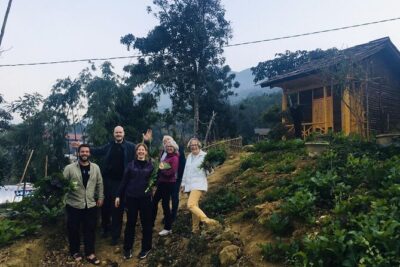
Night on the Mountain: Cabin Comfort, Shared Spaces, Real Cold
Overnight is included, with sleeping bags plus a mountain stay in a hut or tent (and in one standout case, a shared wooden cabin). Reviews highlight that the cabin setup can include shared space with separate rooms, which helps when you want a bit of privacy after a tiring day.
This is not a hotel night. Expect the mountain to be colder than town, and expect less noise control than a city. But for many people, that is part of the point. You are there for the mountain experience, and sleeping under those conditions brings the whole trip together.
If you get cold easily, plan layers like you mean it. Even if the morning starts mild, temperatures can drop quickly after you stop moving. (The tour provides sleeping bags, but you still want to be dressed for the weather.)
Day 2 to the Summit: Guided to the Top, Then Down to Tram Ton
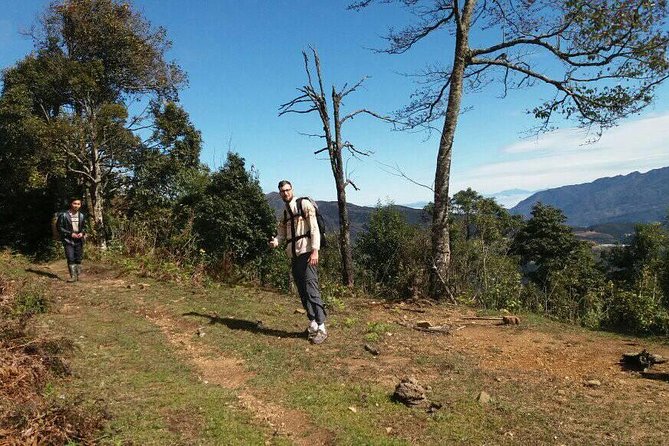
Day 2 is the summit push. You climb up to the top, and then you go back down to Tram Ton.
Two things make this feel “safer” than a DIY trek:
- You have an English-speaking guide accompanying you all the way to the summit.
- The route is handled, so you are not making navigation decisions at altitude.
That matters if fog shows up. One of the most praised experiences includes mystical fog at the summit. If visibility drops, having a guide who keeps you moving on track is the difference between frustration and a calm, controlled day.
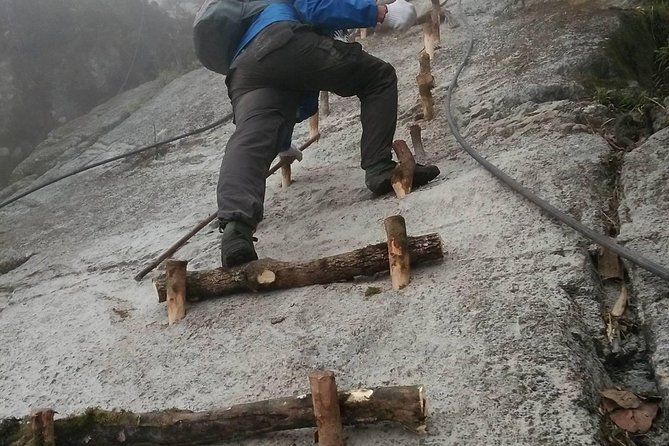
After the summit, you hike down. The descent can feel easier in theory, but it still takes focus on your feet. Watch your footing, keep your pace steady, and remember you are still in the mountain environment even on the way back.
A practical heads-up: if you were dreaming of taking a cable car down, do not plan your entire day around it. In at least one recent experience, the cable car was on maintenance. The safe approach is to be ready for the hike down as the default.
The Guide and Group Experience: Small Group, Clear Communication
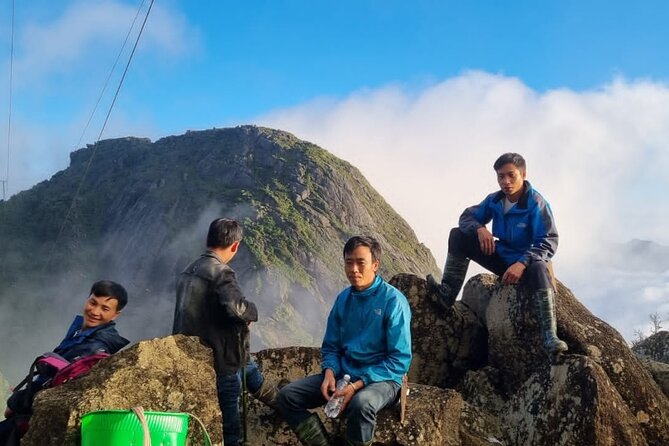
This is an English-speaking guided experience, and that is not a small detail. On a mountain, it helps to understand instructions fast, especially when weather changes.
One guide named Mr Zi is specifically praised for help during the trip and for speaking English that is clear and correct. What stood out is that he may not be the loudest personality in the group, but he stays helpful and keeps things running smoothly. That style actually fits a trekking environment. You want guidance that is calm and dependable.
With a maximum of 20 travelers, you are also less likely to feel lost in a crowd. You get a group feel, plus enough space for the guide to keep an eye on everyone.
What You’re Getting, Meal by Meal
Food on trekking days matters more than people think. Here, the schedule is built in:
- Day 1 includes breakfast, then you hike
- Meals include two lunches and one dinner
- Water is included at 1.5 liters per person per day
That setup makes the trip feel “complete.” You do not waste time hunting for food, and you do not get stuck guessing whether a snack stop will happen. The included water also helps you stay consistent with hydration, which is key when you are at altitude.
If you have dietary needs, the tour says you should advise them at booking. That is important, so do it early rather than hoping for an on-the-fly fix.
What to Pack (So Day 1 Feels Like a Trek, Not a Struggle)
The tour covers the big logistics and gear basics like sleeping bags, plus it reduces unexpected carrying. But you still need to show up prepared.
From the cold and tiring nature of the route, here is what I’d prioritize:
- Warm layers for summit and nighttime temperatures
- A rain shell or waterproof outer layer (mountain weather can turn)
- Sturdy hiking shoes with good grip
- A daypack for your personal items
- Any personal meds you might need
Also, you will need a current valid passport on travel day. That is not optional for this experience, so keep it accessible.
Who This Tour Fits Best
This trek is a strong match if you want:
- A guided climb to the summit without navigation stress
- A small group pace with practical logistics taken care of
- A taste of mountain culture, including stories about the environment and Indigenous tribes
- Overnight mountain accommodation that is more than camping-from-scratch
It is likely less ideal if you want a leisurely stroll. This is a real hike, and the temperature at altitude can be cold. If you are sensitive to cold or you hate feeling tired at the end of the day, plan to manage expectations and pack for comfort.
Should You Book the 2-Day Fansipan Trek?
If you want the summit experience with less hassle, I think this is worth booking. The price looks reasonable once you consider guide, permits, meals, sleeping gear, and transfers. The standout value is how much is taken off your plate, so you can focus on the hiking and the mountain mood.
Book it if you like structured travel, you want English-speaking guidance, and you are excited by the idea of learning about the mountain’s environment and local Indigenous communities as you climb.
Skip it or reconsider if you are expecting a warm, easy walk or you want the entire experience to revolve around cable car logistics. The trek is the plan here, and it is best approached as a real two-day mountain journey.
FAQ
How long is the Fansipan trekking tour?
The tour duration is about 2 days.
What does the tour cost?
The price is $136.65 per person.
What time does the tour start, and where does it meet?
It starts at 8:30 am and meets at Nomadtrails Boutique Sapa, 15 Tuệ Tĩnh, Sa Pa, Lào Cai, Vietnam.
What is included in the price?
Inclusions include an English speaking guide, national park permission and entrance fees, breakfast, dinner, two lunches, water (1.5 liters per person per day), accommodation on the mountain with sleeping bags, and transport to the trekking point and back.
Is there a porter or assistance for carrying things?
The tour description notes that you do not have unexpected loads to carry and you can enjoy the convenience of a porter.
What kind of overnight accommodation is provided?
Accommodation is provided with sleeping bags and includes a hut or tent in the mountain area (and one reported setup included a shared wooden cabin with separate rooms).
Do I get picked up from the station or hotel?
Yes. Pickup is offered from Lao Cai station or your hotel in Sapa, and transport includes round trip transfers from Sapa’s train and bus stations.
What is the maximum group size?
The group has a maximum of 20 travelers.
Do I need a passport?
Yes, a current valid passport is required on the day of travel.
Can I cancel for a refund?
Yes, you can cancel for a full refund up to 24 hours in advance of the experience’s start time.
Walk, Then Stay
- Number one top rated ethical cultural trekking and homestay by ETHOS★ 5.0 · 456 reviews
- Sa Pa Full Day Trekking Tour★ 5.0 · 414 reviews
- 1-day Authentik trek & Panorama valley views★ 5.0 · 189 reviews
- 1 day Fansipan Trekking★ 5.0 · 180 reviews
- Trekking Through Rice Terraced Fields – 1Day★ 5.0 · 173 reviews
Sapa on Foot
- Sapa: Fansipan Cable, Cat Cat Village & Moana Instagram Tour★ 5.0 · 777 reviews
- Cat Cat Village, Moana, Fansipan Cable Car, Alpine Coaster – Sapa★ 5.0 · 420 reviews
- Sa Pa Full Day Trekking Tour★ 5.0 · 414 reviews
- Sapa Motorbike Tour With Local Guide 1 Day – Waterfalls, Villages★ 5.0 · 254 reviews
- 1 day Fansipan Trekking★ 5.0 · 180 reviews
Other Sapa tours our reviewers keep coming back to
- 1 Day Sapa Tour Explore Y Linh Ho And Lao Chai And Ta Van Village
★ 5.0 · 18 reviews - Canyoning Tour from Sapa Vietnam
★ 5.0 · 19 reviews - Sapa 2 Day Trekking with 1 Night Homestay
★ 5.0 · 20 reviews - Sapa Half-Day Motorbike Tour: Villages & Rice Fields
★ 5.0 · 22 reviews - Sapa Mountain Escape: 2-Day Trekking, Rice Terraces & Homestay
★ 5.0 · 23 reviews - Sapa Dragon Cloud Glass Bridge and Silver Waterfall Half-Day Tour
★ 5.0 · 25 reviews
Sapa Trekking and Fansipan, compared.
 ★ 5.0Sapa 2 Days 1 Night From Hanoi – Overnight in Ta Van VillageFrom $592,669 reviews
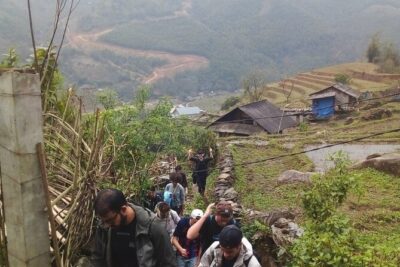 ★ 5.0Hanoi – Sapa 2 Days 1 Night Overnight At HomestayFrom $89899 reviews
 ★ 4.6Sa Pa: Muong Hoa Valley Trek and Local Ethnic VillagesFrom $23864 reviews
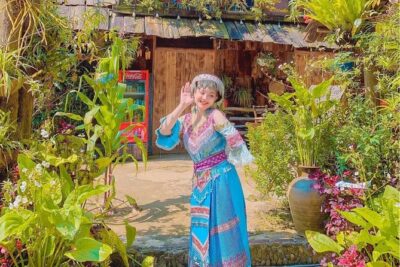 ★ 5.0Sapa: Fansipan Cable, Cat Cat Village & Moana Instagram TourFrom $30777 reviews
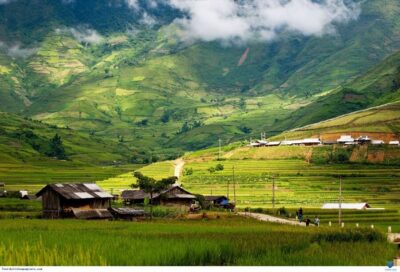 ★ 4.8From Hanoi: 2-Day Sapa Trekking Trip with Homestay & MealsFrom $71704 reviews
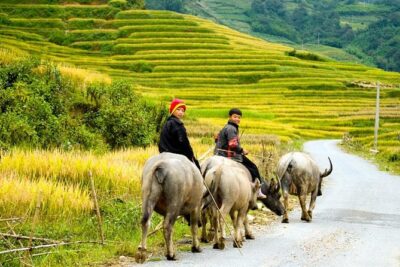 ★ 5.0Sapa 3 Days 2 Nights Trekking Tour (1 Night In Ta Van Village, 1 Night In Hotel)From $139699 reviews
 ★ 4.9Sapa: Eco Adventure Terrace Fields and Local Villages TrekFrom $27636 reviews
 ★ 5.03-Day Trekking Adventure of Sapa from Hanoi – Stay Ta Van VillageFrom $109611 reviews
Also in these Vietnam lists