
REVIEW · SAPA TREKKING AND FANSIPAN
Sapa The Hidden Trail Trek 1 Day – Mountain & Rice Valley
Rice valleys meet real village life in one day.
This trek in Sapa takes you along mountain paths and down into the Muong Hoa Valley world of ethnic minority communities, with standout scenery from the Dragon Jaw area, a short bamboo forest stretch, and stops at multiple villages. The pace is active enough to feel like you earned the views, but it is guided and planned for day-hikers.
I love two things most: the big viewpoint moments toward Sapa town and the valley from the Dragon Jaw area, and the chance to learn village culture directly through a local guide, including time at Hang Da and Giang Ta Chai. One drawback to plan for is that the trail can be steep, uneven, and muddy, and when cloud and rain roll in, the valley views can disappear fast.
In This Review
- Key things to know before you go
- Why This One-Day Hidden Trail Trek Feels Real
- Getting Started at 9:00 am, Pickup Options, and First Instructions
- Hàm Rồng / Dragon Jaw Area Viewpoints and That 1,970 m High-Mountain Feeling
- Hang Da Village: Huge Rocks, Black H’Mong Life, and Photo-Worthy Edges
- Hau Chu Ngai and the Bamboo Forest Section on the Way Down
- Giang Ta Chai Village Museum Stop, Traditional Clothing, and Local Customs
- How Hard Is This Trek, Really, and What to Wear
- Lunch Included, But Keep Expectations Simple
- Price and Value: Why $35 Can Make Sense
- Guides You Might Meet: Local Voices Matter More Than You Think
- Weather and Timing: When Views Are Clear, and When They Vanish
- Who Should Book This Trek, and Who Should Consider Another Plan
- Should You Book Sapa The Hidden Trail Trek One Day, Mountain and Rice Valley?
- FAQ
- How long does the Sapa The Hidden Trail Trek last?
- What time does the trek start?
- Where do we meet, and do we get pickup?
- What is included in the $35 price?
- Is this trek suitable for beginners?
- Is it a private tour?
- What is the cancellation policy?
Key things to know before you go
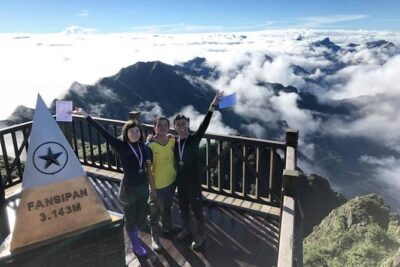
Dragon Jaw viewpoint payoff: you reach the high viewpoint zone around 1,970 m for wide Sapa and valley views.
Village culture, not just photos: you spend real time in Hang Da and Giang Ta Chai, including a small museum stop with traditional clothing and customs.
Bamboo forest and descent terrain: expect a short bamboo forest section on the way down, with uneven ground.
Lunch is included: you eat a local meal during the day, though it can be simple depending on the lunch stop.
Guides can adjust your route: some groups get pace changes, even switching to an easier route when needed.
Other Sapa walks, from gentle to genuinely hard
- Sapa: Fansipan Cable, Cat Cat Village & Moana Instagram Tour★ 5.0 · 777 reviews
- Cat Cat Village, Moana, Fansipan Cable Car, Alpine Coaster – Sapa★ 5.0 · 420 reviews
- Sa Pa Full Day Trekking Tour★ 5.0 · 414 reviews
- Sapa Motorbike Tour With Local Guide 1 Day – Waterfalls, Villages★ 5.0 · 254 reviews
Why This One-Day Hidden Trail Trek Feels Real
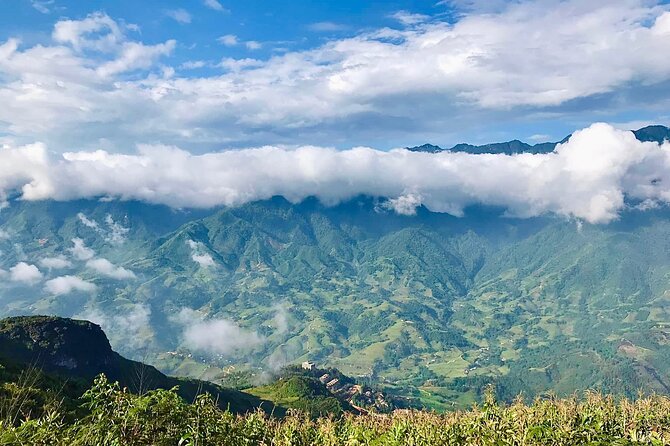
This is the kind of Sapa day trip that makes sense even if you only have limited time. You start in town, climb into the mountain viewpoint zone, then work your way through village roads and paths that actually connect people’s daily routines. It is not just a scenic walk, it is a route where you pass farms, terraces, and village lanes, then learn what you are seeing in plain language from your guide.
The best part is how the day moves between altitude and life below. From the viewpoint, you get the wide sense of scale, Sapa town packed into the mountains. Then you drop down toward villages in the Muong Hoa area and the pace becomes more human. You are no longer looking at a postcard, you are standing in the day-to-day rhythm of local communities.
Getting Started at 9:00 am, Pickup Options, and First Instructions
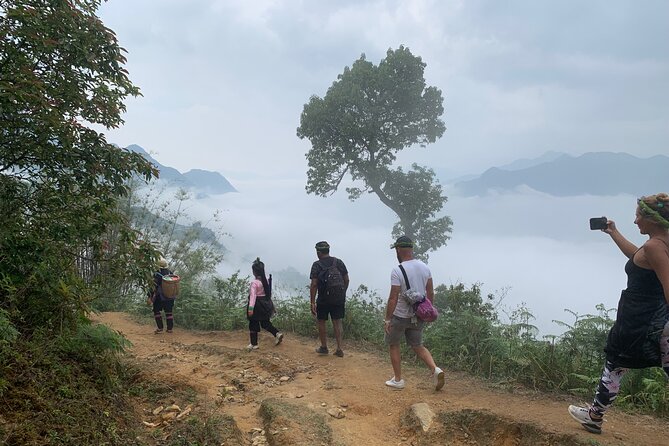
The trek starts at 9:00 am. You can usually choose convenience: some departures offer hotel pickup in Sapa town, or the guide meets you at Sapa Church if you are easier to reach there. Either way, you get a quick briefing on how the day runs before you start walking.
Why this matters: starting on time keeps your window for clearer views. Sapa weather can change, and the earlier ascent means you are not fighting the day’s later cloud buildup as much. It also helps you manage energy. A trek day like this is all about timing, because the real work is in the uphill sections.
Hàm Rồng / Dragon Jaw Area Viewpoints and That 1,970 m High-Mountain Feeling
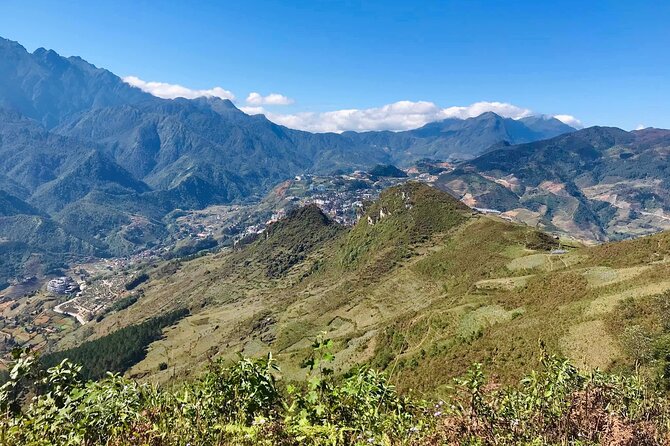
Your first stop is the mountain viewpoint area around Hàm Rồng and Dragon Jaw, with the high point listed at about 1,970 m. From up there, you get the big payoff: panoramic looks over Sapa town and the villages stretching through the Muong Hoa valley.
What to expect at this stage is a mix of climbing effort and frequent pauses. Guides usually slow down the group so you can look around and take photos without feeling like you are sprinting uphill. If you tend to rush when you see a view, use that instinct less here. The altitude and the steepness make the climb feel harder if you try to muscle through.
If weather is clear, this part can feel like the highlight of Sapa in miniature: mountains everywhere, valleys dropping away, and village dots scattered across the green. If it is cloudy, you still get the hiking reward of mountain air and forested paths, but your far-reaching views may be limited.
Hang Da Village: Huge Rocks, Black H’Mong Life, and Photo-Worthy Edges
Next you head to Hang Da Village, a community associated with the H’Mong people. This stop is focused and hands-on. You are brought to the village area and introduced to the culture and setting, including standout terrain features like huge rocks.
The practical win here is that Hang Da is not just a stop where you walk through quickly. Your time is structured so you can absorb the place: where people live, how the village sits against the mountains, and what makes the scenery around it feel so dramatic. You also get a sense of how the landscape shapes daily choices, from routes people walk to how farms fit into the slopes.
One note from the trek reality: this is part of the day where you may notice temperature swings. The mountain viewpoint can feel cooler than town, and then the village area can feel more humid, especially if rain has been around.
Sleep in a village, walk between them

Hau Chu Ngai and the Bamboo Forest Section on the Way Down
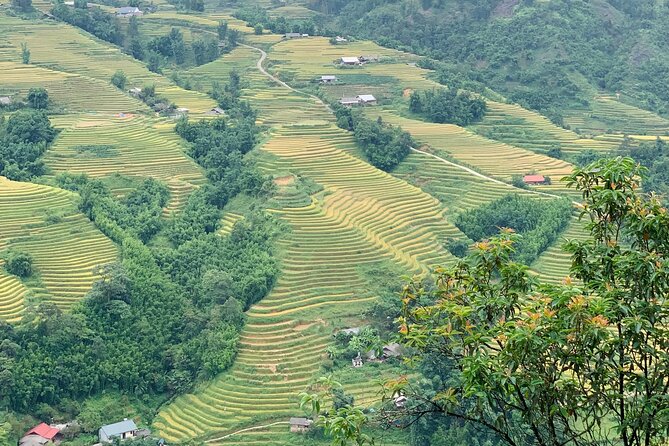
After lunch, your route continues down toward the Hau Chu Ngai area, using village roads and short bamboo forest trails. This is where the “hidden trail” vibe starts to make sense. You are no longer thinking about top-of-mountain panoramas. You are thinking about moving carefully and enjoying the smaller details, like the look of paths winding through greenery and the way the bamboo forest changes the feel of the air.
This portion is also where you need to be honest about your footing. Reviews and experience patterns point to uneven ground and mud as real possibilities, especially in rainy periods. Plan your pace like a careful descent, not a sprint. If you take your time here, you will arrive in better shape for the last village stop.
Giang Ta Chai Village Museum Stop, Traditional Clothing, and Local Customs
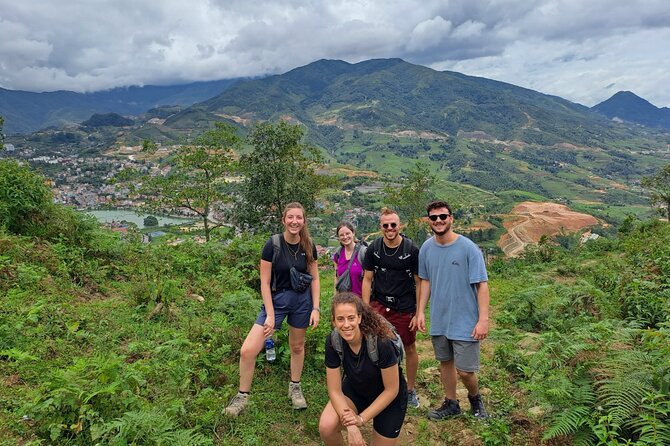
Giang Ta Chai is another key cultural stop, tied to Black H’Mong and Dao communities. You spend a shorter block of time here, but it is meaningful. A guide brings you to a small museum where they explain things you can usually only read about online: traditional clothing, local customs, and what you are seeing in the village.
I like this stop because it turns your photos into something you actually understand. You are not just collecting images. You are learning how people describe their own identities and traditions in daily terms, and that makes the village feel more personal.
If you are the type who enjoys “explain it to me” moments, this is the part of the day where you will feel most satisfied. Your guide can connect clothing patterns and community references to the setting you walked through earlier.
How Hard Is This Trek, Really, and What to Wear
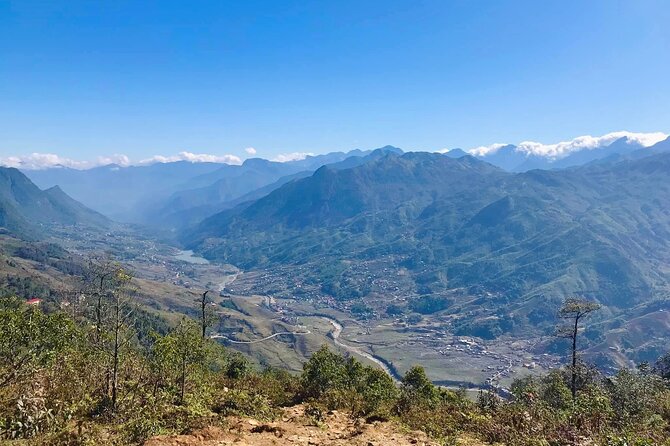
This is a one-day hike, and it is not flat walking. You should expect step inclines, uneven surfaces, and a day that can run about 5 to 6 hours total. Some groups report closer to 6 to 7 hours of active hiking time, with breaks included. One review described about 20,000 steps and roughly 9 miles, with a big chunk uphill.
So here is the real advice: if you can walk uphill for a while, you will likely do well. If you are used to only gentle city walking, bring patience and expect to go slower.
Mud is also a factor. One review called out that the trek can be quite muddy, and that was part of the day’s challenge. That means good traction shoes matter, not just good intentions. Walking poles can help too, and one review specifically suggested poles for people above about 40, since the steep bits can feel tougher late in the route.
Heat matters as well. Uphill on a hot day is tiring anywhere, and Sapa trails can feel relentless when the sun hits the slope.
Lunch Included, But Keep Expectations Simple
Lunch is included, and it is part of why the $35 price feels workable for a budget day. Reviews describe the local meal as good, and some mention rice from Sapa terraces.
At the same time, one review noted the food was bland and that lunch happened at a small restaurant rather than a local home setting. Translation for you: lunch is practical and included, but do not expect a surprise multi-course dining experience. Think comfort food that keeps you moving.
A good move before lunch is to let your guide know if you have dietary restrictions. The information you have here does not spell out special meal options, so you want clarity early.
Price and Value: Why $35 Can Make Sense
At $35 per person, the big question is what you get for the day. This trek includes bottled water, village entry fees, a local guide, lunch, and transportation back to town. Those pieces add up quickly if you tried to piece together the day on your own.
It also helps that your day is planned as a guided circuit with multiple stops, not just a single viewpoint walk. You are paying for time and local context: your guide connects the places you see to the communities you meet. Guides are often described as friendly, patient, and able to explain culture and details in a way that makes the trek feel less like a task and more like understanding what you are passing.
Tips are not included, so budget a little extra if you plan to be generous with your guide. Personal expenses are also on you.
Guides You Might Meet: Local Voices Matter More Than You Think
The trek is powered by your local guide, and that comes through strongly in the reviews. People mention guides like Nhu, Zo, Chu, Jacob, TJ, Phenh, Fin, and Paine. The standout theme is patience and flexibility.
For example, one group described Nhu as accommodating when a friend struggled early on, including switching to an easier route. Another described a guide adjusting pace so slower walkers could keep up. In plain terms, this trek works better when your guide is paying attention to the group, not just the clock.
I recommend you treat guide questions like part of the hiking effort. Ask what you are seeing, how villages fit into the mountains, and what the clothing and customs mean. The best day is usually the one where you slow down enough to talk.
Weather and Timing: When Views Are Clear, and When They Vanish
Sapa can be moody. One review pointed out that June is in the rainy season, and that means cloud cover and slippery conditions can block the valley and mountain views from the viewpoint areas. Their advice was that better months to try for clearer trekking views are around March to April, and September to October.
What to do with that: if you are traveling in a wetter month, do not treat missing views as a failure. You are still getting the village and culture part, plus the daily hike experience. Just be ready for mud and lower visibility.
Also, plan your photography expectations. If the valley is hidden, switch to details: clothing, village textures, bamboo shade, and the look of terraces near the paths you walk.
Who Should Book This Trek, and Who Should Consider Another Plan
You should book this one-day Hidden Trail Trek if you want a solid introduction to Sapa beyond the town center, and you like mixing viewpoints with village culture. It is a great fit for people who enjoy hiking but still want the day to feel guided, organized, and meaningful.
It is also smart as a first trek in Sapa if you are trying to get oriented. One review suggested it as a good pick early in a multi-day Sapa stay, especially if you are deciding between it and other big-ticket hikes.
You might want to think twice if:
- You dislike steep uphill walking, even briefly.
- You are traveling in rainy months and you hate muddy trails.
- You expect a relaxed stroll with no uneven ground.
Should You Book Sapa The Hidden Trail Trek One Day, Mountain and Rice Valley?
Yes, if your idea of a great day is walking through the mountains, meeting people in villages, and getting real context from a local guide, not just standing in one scenic spot. The value is strong because the price covers guide time, village entry fees, lunch, and transport back to town.
If you are fit enough for moderate uphill and you bring proper footwear, this trek is likely to hit the sweet spot. If weather is rainy, go in with flexible expectations and you will still come back with stories, not just photos.
FAQ
How long does the Sapa The Hidden Trail Trek last?
The tour lasts about 5 to 6 hours.
What time does the trek start?
It starts at 9:00 am.
Where do we meet, and do we get pickup?
Pickup is offered. The guide can pick you up at your hotel in Sa Pa, or meet you at Sapa Church.
What is included in the $35 price?
The price includes bottled water, villages entry fees, a local guide, lunch, and transportation back to town. Tips and personal expenses are not included.
Is this trek suitable for beginners?
It is listed for travelers with a moderate physical fitness level. The route includes step inclines and uneven surfaces, so you should be prepared for some challenging walking.
Is it a private tour?
Yes. Only your group participates.
What is the cancellation policy?
You can cancel for a full refund up to 24 hours in advance of the experience start time. If you cancel less than 24 hours before, the amount paid will not be refunded.
Walk, Then Stay
- Number one top rated ethical cultural trekking and homestay by ETHOS★ 5.0 · 456 reviews
- Sa Pa Full Day Trekking Tour★ 5.0 · 414 reviews
- 1-day Authentik trek & Panorama valley views★ 5.0 · 189 reviews
- 1 day Fansipan Trekking★ 5.0 · 180 reviews
- Trekking Through Rice Terraced Fields – 1Day★ 5.0 · 173 reviews
Sapa on Foot
- Sapa: Fansipan Cable, Cat Cat Village & Moana Instagram Tour★ 5.0 · 777 reviews
- Cat Cat Village, Moana, Fansipan Cable Car, Alpine Coaster – Sapa★ 5.0 · 420 reviews
- Sa Pa Full Day Trekking Tour★ 5.0 · 414 reviews
- Sapa Motorbike Tour With Local Guide 1 Day – Waterfalls, Villages★ 5.0 · 254 reviews
- 1 day Fansipan Trekking★ 5.0 · 180 reviews
Other Sapa tours our reviewers keep coming back to
- 1 Day Sapa Tour Explore Y Linh Ho And Lao Chai And Ta Van Village
★ 5.0 · 18 reviews - Canyoning Tour from Sapa Vietnam
★ 5.0 · 19 reviews - Sapa 2 Day Trekking with 1 Night Homestay
★ 5.0 · 20 reviews - Sapa Half-Day Motorbike Tour: Villages & Rice Fields
★ 5.0 · 22 reviews - Sapa Mountain Escape: 2-Day Trekking, Rice Terraces & Homestay
★ 5.0 · 23 reviews - Sapa Dragon Cloud Glass Bridge and Silver Waterfall Half-Day Tour
★ 5.0 · 25 reviews
Sapa Trekking and Fansipan, compared.
 ★ 5.0Sapa 2 Days 1 Night From Hanoi – Overnight in Ta Van VillageFrom $592,669 reviews
 ★ 5.0Hanoi – Sapa 2 Days 1 Night Overnight At HomestayFrom $89899 reviews
 ★ 4.6Sa Pa: Muong Hoa Valley Trek and Local Ethnic VillagesFrom $23864 reviews
 ★ 5.0Sapa: Fansipan Cable, Cat Cat Village & Moana Instagram TourFrom $30777 reviews
 ★ 4.8From Hanoi: 2-Day Sapa Trekking Trip with Homestay & MealsFrom $71704 reviews
 ★ 5.0Sapa 3 Days 2 Nights Trekking Tour (1 Night In Ta Van Village, 1 Night In Hotel)From $139699 reviews
 ★ 4.9Sapa: Eco Adventure Terrace Fields and Local Villages TrekFrom $27636 reviews
 ★ 5.03-Day Trekking Adventure of Sapa from Hanoi – Stay Ta Van VillageFrom $109611 reviews
Also in these Vietnam lists