
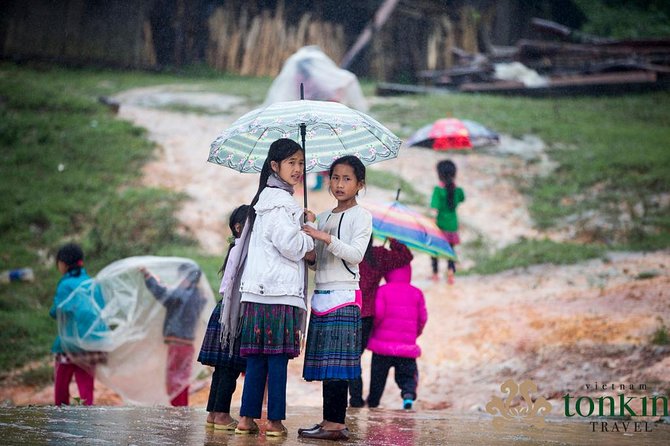
REVIEW · SAPA TREKKING AND FANSIPAN
Sapa hard trekking villages homestay 3days/ 2nights tour – amazing culture
A three-day hike through Sapa villages changes your pace fast. You spend two nights in local homestays, trekking between Hmong, Giay, Tay, and Red Dao communities while rice terraces and mountain views do most of the talking.
I especially like the small-group feel (up to 15) and the fact that meals and village fees are built in, so you spend less time figuring things out. One thing to keep in mind: accommodation is basic, with sharing and simple rooms, so comfort is practical, not hotel-luxury.
You’ll start mid-day, walk into village trails with an English-speaking guide, and come home with clearer local context than you get from photos alone. The rhythm is: hike, eat together, sleep close to the family, then hike again. A possible drawback is the walking time is real on multiple days, so plan for a workout, not a stroll.
In This Review
- Key highlights that matter
- What you’re really booking in Sapa: villages, not just viewpoints
- Price and logistics: where $110 is going (and what to budget)
- Day 1: Y Linh Ho terraces down to Lao Chai, then Ta Van homestay
- The Y Linh Ho stop and why the terraces matter
- Lao Chai: Hmong hometown vibe with a viewpoint break
- Ta Van: Giay welcome, cooking with the family
- Day 2: wake up to farm life, bamboo and Silk waterfall, then Ban Ho Tay homestay
- Bamboo forest and the Silk waterfall area
- Giang Ta Chai and picnic lunch
- Ban Ho: Tay welcome and a second night in the same rhythm
- Day 3: river walk to Nam Toong (Red Dao) and a dip near Lavie waterfall
- Nam Toong village and Red Dao identity
- Fresh water near Lavie waterfall
- Back to Sapa: shower time and onward transfer
- Homestay reality check: what basic lodging feels like in the best way
- Fitness level, weather, and how to plan for Sapa’s mood swings
- Guides, communication, and why the village explanations change everything
- Should you book this Sapa hard trekking villages homestay tour?
- FAQ
- What is the duration of the tour?
- What’s included in the $110 price?
- Where does the tour start, and when?
- What is the maximum group size?
- Are drinks included?
- What happens if the tour is canceled due to weather or if I cancel?
Key highlights that matter
- Two nights in homestays with home-cooked dinners and breakfast routines you can actually see
- Breathtaking rice terraces around Y Linh Ho and the route between villages
- Day 2 trail variety with bamboo forest and the Silk waterfall area
- Cultural village visits across Hmong, Giay, Tay, and Red Dao communities
- Meals included (2 breakfasts, 3 lunches, 2 dinners) so budget stays predictable
- Up to 15 people with an English-speaking guide and time to ask questions
Other Sapa walks, from gentle to genuinely hard
- Sapa: Fansipan Cable, Cat Cat Village & Moana Instagram Tour★ 5.0 · 777 reviews
- Cat Cat Village, Moana, Fansipan Cable Car, Alpine Coaster – Sapa★ 5.0 · 420 reviews
- Sa Pa Full Day Trekking Tour★ 5.0 · 414 reviews
- Sapa Motorbike Tour With Local Guide 1 Day – Waterfalls, Villages★ 5.0 · 254 reviews
What you’re really booking in Sapa: villages, not just viewpoints
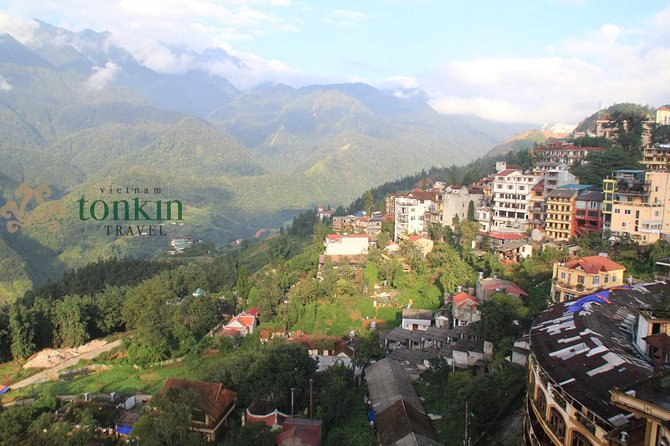
If you only chase Sapa’s cable-car crowds and short photo stops, you miss the point of the region. This kind of trek is built around the village edges, where you can watch daily life flow around farming terraces and narrow footpaths.
What makes this format work is that your trip is split into walking days, with real overnight time in local homes. That matters because you don’t just pass through. You see how families cook, how mornings start, and how conversation happens when you sit down to eat. The tour also keeps your logistics simpler: entrances, trekking arrangements, and meals are included, so you can focus on walking and learning instead of managing paperwork.
For value, the big win is that you don’t just pay for the walk. You’re also paying for guided village access plus two nights of included accommodation and meals.
Price and logistics: where $110 is going (and what to budget)
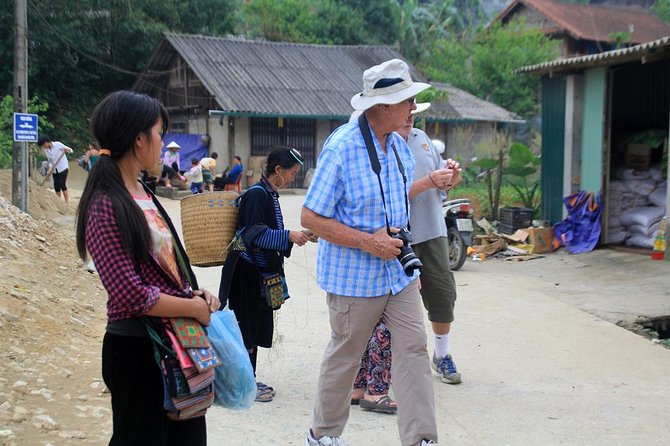
The price is $110 per person for a 3-day, 2-night experience in Sapa. For many travelers, that is the sweet spot because the cost includes a lot of the stuff that usually adds up in Vietnam treks: guide services, village and sightseeing fees, and accommodation for two nights.
Here’s what you can count on being included:
- An English-speaking guide
- Entrance and sightseeing fees related to the trek
- All meals during the tour days (2 breakfasts, 3 lunches, 2 dinners)
- Accommodation for 2 nights in local homes or basic rooms
- Air-conditioned transport during the travel portions
- Pickup service from your hotel in Sapa or the bus station area, and a scheduled return toward the bus office
What you should plan for separately:
- Beverages and drinks are not included
- On Lunar New Year dates (Feb 14 to Feb 23, 2026), there is a surcharge of $50 per person
Timing matters too. You start around 1:00 pm at the Delta Sapa Hotel meeting point. That late-morning to early-afternoon start is convenient because Sapa mornings can be foggy or cold, and it also gives you time to settle into your base before the trek.
Group size is capped at 15 people, which usually means less waiting on the trail and more chances to ask your guide practical questions about daily life and traditions.
Day 1: Y Linh Ho terraces down to Lao Chai, then Ta Van homestay
Day 1 has a strong “first taste” energy. You get picked up from your hotel in Sapa or from the bus station around noon time, then the tour meets at Delta Sapa Hotel around 1:00 pm. You have lunch at the hotel, then start walking at 2:30 pm.
The Y Linh Ho stop and why the terraces matter
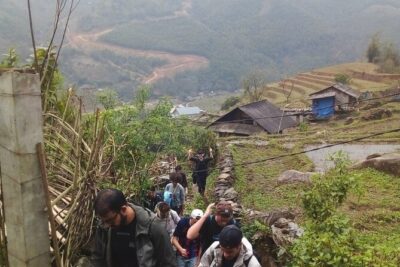
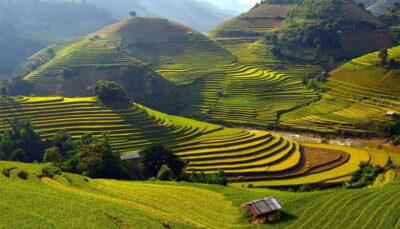
Your first village trek step is Y Linh Ho, home to the Hmong minority. This is where you see hereditary terraces that are estimated around 100 years old. Whether you’re a geography person or not, it helps to see how long-term farming shapes the entire valley. The terraces also give you a clear sense of why the route works, since the trail follows the village edges and fields.
Photographs are natural here, but the better value is in understanding the human story. Your guide can explain what you’re looking at while you’re standing there, not after you’ve left.
Sleep in a village, walk between them

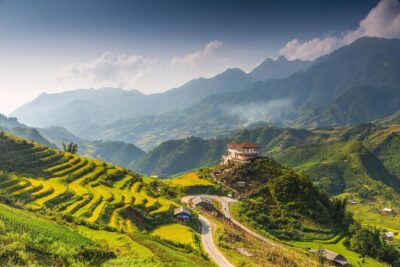
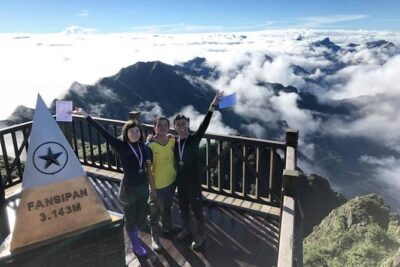
Lao Chai: Hmong hometown vibe with a viewpoint break
From Y Linh Ho you walk toward Lao Chai. This is described as the Hmong home town area. You get a short break, and you can enjoy drinks while taking in views of the terraces and surrounding hills.
That pause is more than comfort. It’s a moment to slow your breathing, then reset for the remaining trek into Ta Van.
Ta Van: Giay welcome, cooking with the family
By the time you reach Ta Van, you’ll be entering an area established by Hmong and Giay communities. The evening plan is the heart of Day 1: a warm welcome by a local Giay family, then an overnight stay in their home.
One of the best parts of this style of trek is dinner with the household. You’re also set up to do cooking and having dinner with the local family, which turns the evening into something more than a checkbox. You can ask simple questions, learn daily routines, and see how hospitality works in practice.
Day 1 is roughly 7 hours of trekking, which is a good start. It’s long enough to feel the countryside, but not so long that your legs are fully wrecked before the next day.
Day 2: wake up to farm life, bamboo and Silk waterfall, then Ban Ho Tay homestay
Day 2 starts with a very different alarm clock than city life. You wake up to sounds like a rooster or pigs, depending on the household routine. Breakfast is served outdoors and is described as pancakes plus hot tea or hot coffee, with views over rice terraces.
That morning detail is important. It’s not just cute atmosphere. When you eat with a family, you start to read the landscape differently. You notice where water might flow, where families farm, and why paths connect the villages the way they do.
Bamboo forest and the Silk waterfall area
After breakfast, you say goodbye to the local home, then trek through an enchanting bamboo forest and toward the Silk waterfall area. This is a nice mid-trip change of scenery because it breaks up the rice-terrace pattern you likely saw on Day 1.
Keep your expectations practical. Waterfalls can be impressive, but the big draw here is the walk itself, the shade under bamboo, and the way the trail feels tucked into the hills.
Giang Ta Chai and picnic lunch
You then reach Giang Ta Chai village after a few hours of trekking. You get a picnic lunch with scenic views. A picnic pause like this is one of those things that makes a long day feel manageable, because it gives you fuel without needing to search for a restaurant halfway through.
Ban Ho: Tay welcome and a second night in the same rhythm
From Giang Ta Chai you continue trekking to Ban Ho village, where the Tay minority welcomes you. Dinner is with the local family, and you sleep overnight in a Ban Ho homestay.
Day 2 is the longest walking day on this plan, listed around 15 hours. That number may include transit and breaks, but you should still treat it as the “main training day.” If you’re the kind of traveler who can handle multi-hour hikes, this should feel like a full adventure, not a stressful grind. If you’re newer to trekking, go steady and use your guide’s pace.
Day 3: river walk to Nam Toong (Red Dao) and a dip near Lavie waterfall
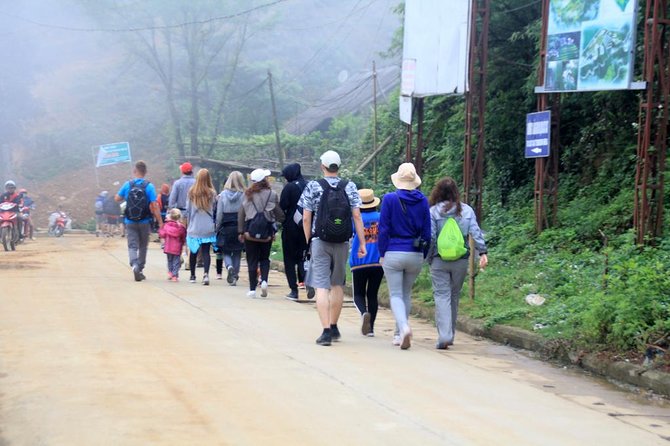
Day 3 keeps the cultural route going, but adds a little freedom. Wake up, have breakfast at the homestay, then take a short walk along the river.
Nam Toong village and Red Dao identity
The river walk leads you to Nam Toong village, described as the Red Dao minority village. This is another chance to see how ethnic groups shape village life and how trails connect communities along the valleys.
If you like learning through real settings, Day 3 delivers. You’re not just walking for photos, you’re moving between living places.
Fresh water near Lavie waterfall
After returning toward Ban Ho, the plan includes time to dip into fresh water close to Lavie waterfall. That little swim or soak idea is a big motivation for people who hike hard and get warm. You should treat it as optional, depending on temperature and conditions.
Back to Sapa: shower time and onward transfer
After lunch back at the homestay, you head by car back to Sapa around 2:00 pm. You get a shower at the hotel, then at 3:00 pm there is a shuttle to the bus office where the team helps you with check-in for your ride back to Hanoi. Before you leave, you’re prepared sandwiches to take away.
This is a practical finish because it reduces your “last day scramble.” You don’t need to hunt food, and you don’t have to worry about timing as much.
Homestay reality check: what basic lodging feels like in the best way
The homestay portion is often what people remember most, and it’s also the part that can surprise you. This tour uses basic rooms and sharing bathrooms for the homestay nights, while also including one night at a local house environment.
That means you should expect:
- Simple bedding and a no-frills setup
- Shared bathroom arrangements
- A more family-centered routine than a hotel schedule
What you get back is the human part. You’re fed well during the trek days, and dinners are described as very good local food. People also mention interaction like playing games with children and seeing handicrafts, which can make the evening feel social and natural rather than awkward.
My practical advice: bring an attitude of flexibility. If you treat it like a chance to slow down and connect, the “basic” parts stop mattering as much.
Fitness level, weather, and how to plan for Sapa’s mood swings
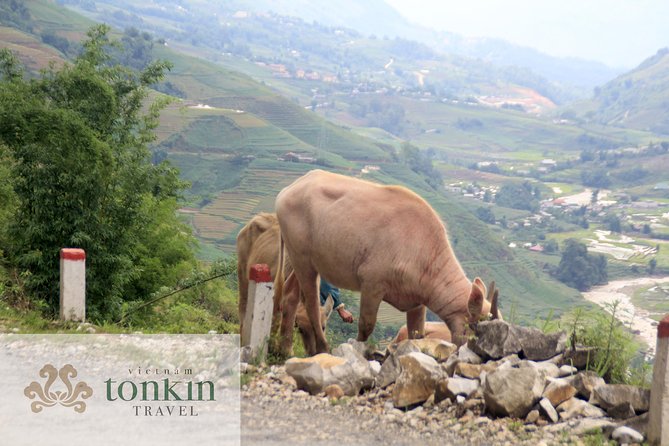
Sapa weather can change quickly. Your trek may run through mist or fog, and the view experience depends on visibility. The good news is that the route is still enjoyable when the valley is softened by fog, and it can make village scenes feel even more atmospheric.
This tour also notes that good weather is required, and if it’s canceled due to poor weather, you’ll be offered a different date or a full refund.
Fitness-wise, this trek is best for active travelers. You should expect:
- Several hours of downhill and uphill walking on Day 1
- The longest walking stretch on Day 2
- Additional short walks on Day 3, plus time for a river dip
If you’re recovering from injury or you hate hills, you might find it tough. If you like being outside and you can handle long walks, you’re in the right zone.
Packing tips that match the actual hike:
- Wear comfortable trekking shoes with decent grip
- Bring a light rain layer and something warm for mornings
- Expect to carry water and small snacks during the walk, even though meals are included
- Pack a small towel if you like to feel fully reset after a dip or shower day
Guides, communication, and why the village explanations change everything
A huge part of the value here is that you’re not walking alone. You have an English-speaking guide, and the experience is structured so you can learn while you walk.
In past experiences with this kind of trek organization, guide names like Tran, Ha, Jack, Dem, Dinh, Lu, and Hung come up, and they’re described as friendly, funny, and clear about village histories and daily life. That fits what you want on a trek: someone who can answer practical questions and keep the walk feeling understandable, not just physical.
Ask questions in simple ways:
- How do families farm these terraces?
- What changes between seasons?
- What’s life like in the village each morning?
Your guide’s job is to make the place legible, and strong communication is where this tour wins over DIY hikes.
Should you book this Sapa hard trekking villages homestay tour?
Book it if you want real village time, not just roadside views. This is a strong match if you like walking, chatting, and eating with locals, and you’re comfortable with basic homestay conditions. The best value is that meals, fees, and trekking arrangements are already handled, so you can concentrate on the experience.
Skip it, or choose a gentler option, if:
- You want a short, easy walk with minimal uphill
- You expect hotel-style bedding and private modern bathrooms
- You have limited flexibility for weather changes
If you like the idea of rice terraces older than a century, bamboo forest trails, waterfall scenery, and a guided look at Hmong, Giay, Tay, and Red Dao village life, this trek is a good buy for your Sapa trip.
FAQ
What is the duration of the tour?
The tour is listed as 3 days (approximately) with 2 nights of accommodation.
What’s included in the $110 price?
The tour includes an English-speaking guide, entrance and sightseeing fees, and the trekking trip. It also includes 2 nights of accommodation at local house/basic rooms with sharing bathroom, plus meals: 2 breakfasts, 3 lunches, and 2 dinners. Air-conditioned vehicle transport is also included.
Where does the tour start, and when?
The meeting point is Delta Sapa Hotel (031 Ng. Cầu Mây, TT. Sa Pa, Sa Pa, Lào Cai). Start time is 1:00 pm, and pickup may be arranged from hotels in Sapa or from the bus station around noon time.
What is the maximum group size?
The tour has a maximum of 15 travelers.
Are drinks included?
No. Beverages and drinks are not included.
What happens if the tour is canceled due to weather or if I cancel?
The tour requires good weather. If it is canceled due to poor weather, you will be offered a different date or a full refund. You can cancel for free up to 24 hours in advance for a full refund.
Walk, Then Stay
- Number one top rated ethical cultural trekking and homestay by ETHOS★ 5.0 · 456 reviews
- Sa Pa Full Day Trekking Tour★ 5.0 · 414 reviews
- 1-day Authentik trek & Panorama valley views★ 5.0 · 189 reviews
- 1 day Fansipan Trekking★ 5.0 · 180 reviews
- Trekking Through Rice Terraced Fields – 1Day★ 5.0 · 173 reviews
Sapa on Foot
- Sapa: Fansipan Cable, Cat Cat Village & Moana Instagram Tour★ 5.0 · 777 reviews
- Cat Cat Village, Moana, Fansipan Cable Car, Alpine Coaster – Sapa★ 5.0 · 420 reviews
- Sa Pa Full Day Trekking Tour★ 5.0 · 414 reviews
- Sapa Motorbike Tour With Local Guide 1 Day – Waterfalls, Villages★ 5.0 · 254 reviews
- 1 day Fansipan Trekking★ 5.0 · 180 reviews
Other Sapa tours our reviewers keep coming back to
- 1 Day Sapa Tour Explore Y Linh Ho And Lao Chai And Ta Van Village
★ 5.0 · 18 reviews - Canyoning Tour from Sapa Vietnam
★ 5.0 · 19 reviews - Sapa 2 Day Trekking with 1 Night Homestay
★ 5.0 · 20 reviews - Sapa Half-Day Motorbike Tour: Villages & Rice Fields
★ 5.0 · 22 reviews - Sapa Mountain Escape: 2-Day Trekking, Rice Terraces & Homestay
★ 5.0 · 23 reviews - Sapa Dragon Cloud Glass Bridge and Silver Waterfall Half-Day Tour
★ 5.0 · 25 reviews
Sapa Trekking and Fansipan, compared.
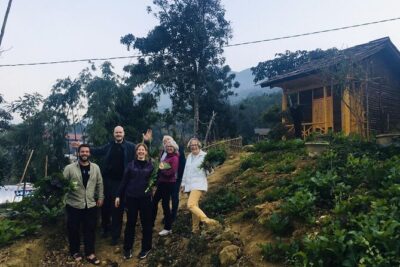 ★ 5.0Sapa 2 Days 1 Night From Hanoi – Overnight in Ta Van VillageFrom $592,669 reviews
 ★ 5.0Hanoi – Sapa 2 Days 1 Night Overnight At HomestayFrom $89899 reviews
 ★ 4.6Sa Pa: Muong Hoa Valley Trek and Local Ethnic VillagesFrom $23864 reviews
 ★ 5.0Sapa: Fansipan Cable, Cat Cat Village & Moana Instagram TourFrom $30777 reviews
 ★ 4.8From Hanoi: 2-Day Sapa Trekking Trip with Homestay & MealsFrom $71704 reviews
 ★ 5.0Sapa 3 Days 2 Nights Trekking Tour (1 Night In Ta Van Village, 1 Night In Hotel)From $139699 reviews
 ★ 4.9Sapa: Eco Adventure Terrace Fields and Local Villages TrekFrom $27636 reviews
 ★ 5.03-Day Trekking Adventure of Sapa from Hanoi – Stay Ta Van VillageFrom $109611 reviews
Also in these Vietnam lists