
REVIEW · SAPA TREKKING AND FANSIPAN
Sapa Easy Trekking Tour 1 Day – Rice Paddies and Cultures
Sapa hits you fast, in the best way. This 1-day walk blends rice terraces, village visits with Black Hmong and Red Dao communities, and a stop at Ta Phin’s cave, with a local guide who brings the places to life.
What I like most is how the day is built around seeing everyday culture instead of rushing from viewpoint to viewpoint. You get time in small hamlets, you’ll meet farm animals like water buffalo, and you’ll also see working touches like cardamom growing in the valleys.
One consideration: this is called easy, but it is still a full half-day plus trekking, with up to around 1,900m altitude and some uneven, slippery sections possible in wet weather. If you’re sensitive to pace or footing, you should wear solid shoes and ask your guide to match your speed early.
In This Review
- Key moments that make this tour worth your time
- A practical overview of the Sapa Easy Trekking day
- Starting at Sapa Church, then straight into the valleys
- Suoi Ho and the Black Hmong village feel
- Rice terraces and mountain views, minus the rush
- Ta Phin, and why the cave stop is more than a photo break
- Getting the altitude right, and pacing your body
- Price and value: what $40 really covers
- Your guide experience, from Hmong life stories to nature knowledge
- Who should book this one-day trek
- Tips to make the day smoother (and more comfortable)
- Should you book the Sapa Easy Trekking Tour 1 Day?
- FAQ
- How long is the Sapa Easy Trekking Tour?
- What time does the tour start?
- Where does the tour begin and end?
- Is pickup available?
- What is included in the price?
- Is lunch vegetarian?
- What is not included?
- How much does the tour cost?
- What kind of fitness level is required?
- Is the group size limited?
Key moments that make this tour worth your time
- Two minority village experiences: You’ll visit Black Hmong and Red Dao areas, not just one stop for a quick photo.
- Ta Phin’s cave visit: A well-known Sapa draw, mixed into a walk rather than a separate sightseeing block.
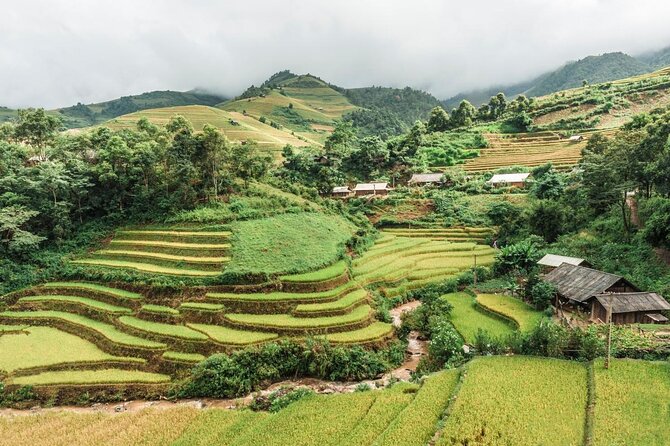
- Cardamom valley scenery: You’ll pass through small valleys where locals grow cardamom, one of the region’s prized fruits.
- Farm animals up close: Expect local animals such as water buffalo, chickens, dogs, and pigs during village segments.
- Small group of max 2: The tour keeps it intimate, which helps if you want questions answered and better pacing control.
- Vegetarian lunch included: You get a meal built into the plan, plus a small bottle of water.
Other Sapa walks, from gentle to genuinely hard
- Sapa: Fansipan Cable, Cat Cat Village & Moana Instagram Tour★ 5.0 · 777 reviews
- Cat Cat Village, Moana, Fansipan Cable Car, Alpine Coaster – Sapa★ 5.0 · 420 reviews
- Sa Pa Full Day Trekking Tour★ 5.0 · 414 reviews
- Sapa Motorbike Tour With Local Guide 1 Day – Waterfalls, Villages★ 5.0 · 254 reviews
A practical overview of the Sapa Easy Trekking day
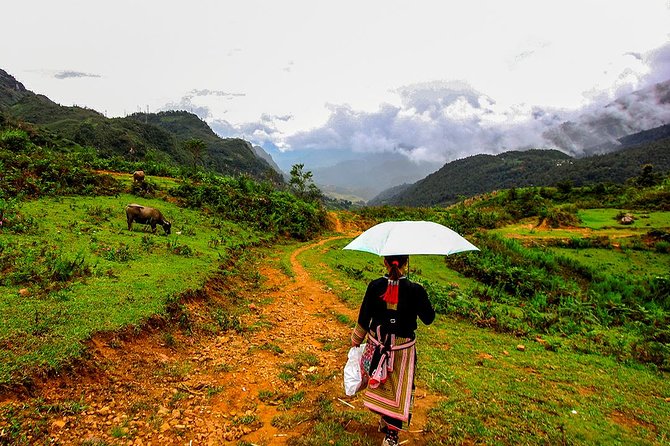
This tour runs about 5 hours 30 minutes and starts at 9:00 am from Sapa Church (P. Hàm Rồng, TT. Sa Pa). Pickup is offered, so you can often get collected from your hotel in Sapa town or meet at the church if that’s easier.
The basic idea is simple: you’ll trek from Sapa through village paths and valley scenery, meet communities along the way, and finish back at the start point. Along the route, you’ll hit key sights like the cardamom-growing areas and Ta Phin. The day also works in a lunch, village entry fees, a local guide, and even a small bottle of water.
The tour is priced at $40 per person, which is a reasonable deal for a guided half-day trek that includes more than just walking. You’re not only paying for a route, you’re also paying for village access, a guide, and a meal, plus transport back into Sapa.
Starting at Sapa Church, then straight into the valleys
Your day begins at Sapa Church, and after a short intro, you’ll step onto a small trail where the scenery changes quickly from town edges to working valley paths. One moment I’d plan around is the time spent in that first stretch, because it sets the tone for the whole walk.
Soon you’re heading toward places like Suoi Thau and onward through Ma Tra, with a stop near Ta Phin later in the route. You’ll also see cardamom trees in small valleys early on. That matters because cardamom is not just a background detail. It’s tied to how people earn and plant, so the walk feels connected to daily life rather than staged viewpoints.
From a comfort standpoint, the early walking is a good place to judge your pace. If you prefer a slower rhythm, this is when you should speak up. The one caution I’ve seen is that some guests want the guide to slow down on slippery stretches, so don’t wait until you’re already halfway into the tough part.
Suoi Ho and the Black Hmong village feel
One of the most memorable parts of this trek is the stop around Suoi Ho, described as a Black Hmong village area. The setting is very down-to-earth, with older, small houses and a sense that you’re walking through people’s routines, not just passing by an attraction.
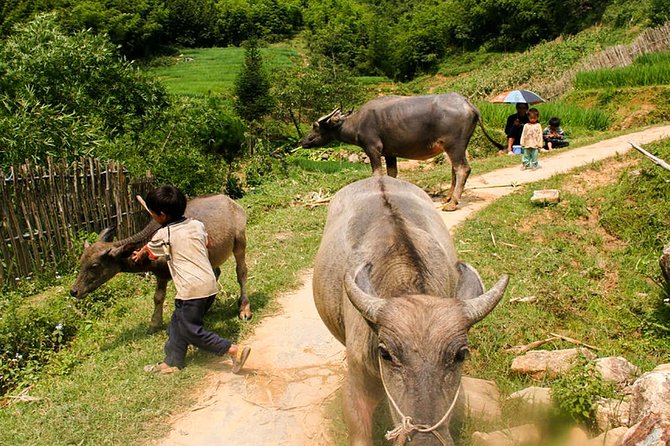
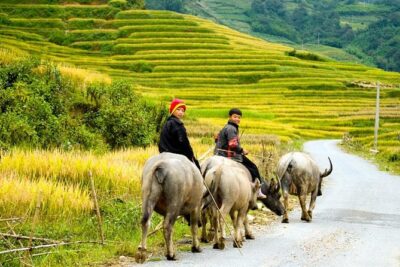
This is also where you’ll meet farm animals tied to local life. Expect to see animals used by villagers, including water buffalo, plus chickens, dogs, pigs, and more. It’s not a zoo situation, and it’s not a staged feeding show. The animals are simply part of how the village works, which makes your “look, photo, move on” instinct less useful.
Village entries are included, so you can focus on the experience instead of scanning for surprise fees. And because this is a small group, you’ll usually have more space to ask questions rather than being rushed along like a line item.
Practical note: village paths can be uneven and may get slick if the weather turns. Bring shoes that grip. If you’re the type who worries about ankle rolls, tighten up your pace and keep your eyes on the ground.
Rice terraces and mountain views, minus the rush
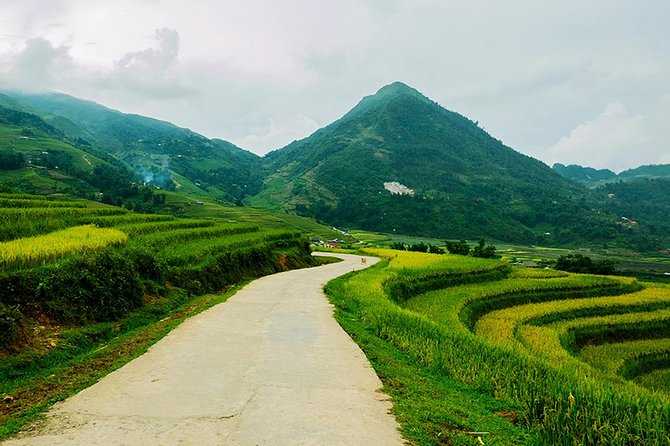
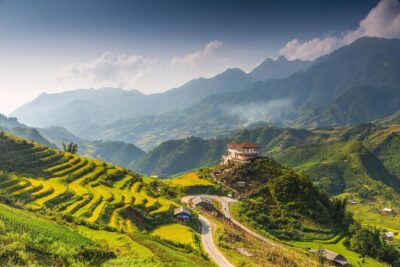
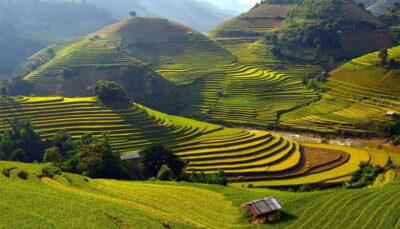
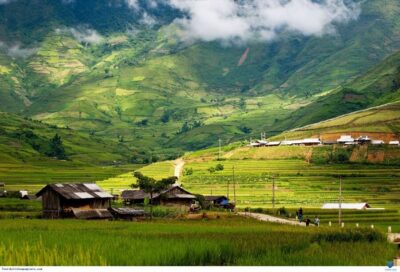
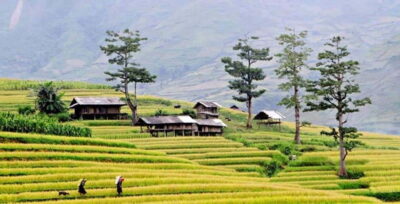
Sapa’s rice terraces can look like they belong on postcards, but on foot they feel more real. During the trek, you’ll see fantastic views of rice terrace fields and surrounding mountains, and you’ll get that wide, stepped pattern that defines the region.
Here’s why I think this part is valuable: you’re not just seeing a landscape from one spot. You’re walking across the edges of it, which changes the scale. A terrace view from a high overlook is impressive, but a terrace view as you move through valleys makes it easier to understand how villages are shaped around agriculture.
Also, this is the kind of scenery where timing matters. The tour is about 5.5 hours, so it doesn’t guarantee perfect light in every season, but it does give you time in the route segments where you can actually appreciate the pattern of fields.
If you’re craving photos, you’ll get chances. If you’re more into slow noticing, this is still a good fit because the walk includes brief moments between stops that give you space to take it in.
Sleep in a village, walk between them

Ta Phin, and why the cave stop is more than a photo break
Later in the route you’ll reach Ta Phin and visit Ta Phin’s cave, described as a well-known feature in Sapa. This is one of those stops that works well in a trekking itinerary, because you’re already in the area’s rhythm and then the cave adds a different kind of Sapa experience.
What makes this stop feel meaningful is the contrast. Outside, you’re in open valley and terrace views. Inside the cave, the experience shifts to something quieter, cooler, and more sheltered. Even if you’re not a “cave person,” it gives you variety in the day without stretching the schedule.
The itinerary timing supports this too. The tour includes admission for the Ta Phin segment, so you’re not trying to track down tickets while you’re standing in the middle of a busy area.
As always, caves can mean uneven footing and cool surfaces. You might find it helpful to wear something comfortable you can move in, and to hold your phone a bit more carefully if it’s raining outside.
Getting the altitude right, and pacing your body
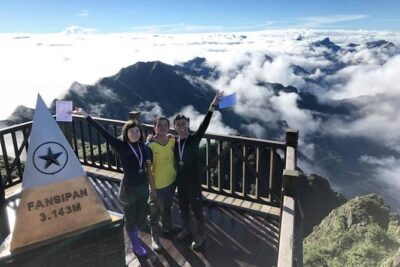
This trek goes up to around 1,900m above sea level. Even if you don’t feel dramatic altitude effects, the higher elevation can change how fast you tire. That’s why “easy” can still feel like work, especially if you’re coming from lower elevations or if your first stop is warmer and then you hit cooler air.
The tour’s moderate fitness recommendation is there for a reason. You are walking long enough to feel it, but it’s not designed as a technical climb. Still, you should treat slippery slopes and uneven village paths as real possibilities, not worst-case scenarios.
The most practical strategy is pacing. If you want a calmer walk, ask for it at the start. One negative experience I’ve seen mentioned issues when the guide didn’t slow down on slippery stretches. That doesn’t mean you’ll face the same thing, but it does tell you what to do: communicate your pace needs early, and if conditions worsen, request more careful walking.
Price and value: what $40 really covers
At $40 per person, you’re paying for more than a guide with a watch. The included items are the real value points:
- Lunch (vegetarian)
- Transport back to Sapa
- Village entry fees
- Local guide
- 1 small bottle of water
What’s not included is also clear: drinks at the restaurant and homestay (if any), personal travel insurance, and tips. If you’re trying to budget, this means you can count on food being handled, then plan to pay for drinks separately.
And because the group is limited to a maximum of 2 travelers, your money is buying a more personal experience. In practice, that usually means your guide can slow down or answer questions without juggling a big crowd.
If you’re comparing this with shorter, cheaper half-hour tours, the extra time is what you’re really paying for. This is a walk that takes you into village areas and into the Ta Phin cave moment, not just a quick pass through.
Your guide experience, from Hmong life stories to nature knowledge
A big part of why people rate this tour highly is the guide. In past experiences shared in the details here, guides named Pang and Zhu have been praised for telling stories connected to their lives and community traditions, not just listing facts. If you’re lucky enough to get a guide who explains things in a human way, the day feels more personal fast.
You should also expect the guide to point out small things you might otherwise miss, like the cardamom trees in the valleys. That kind of “look here” guidance is what turns a trek into a learning walk without turning it into a lecture.
Since the tour includes village entry, your guide also handles access. That’s not a small thing in rural areas, where the path you take matters and where a respectful approach is essential.
Who should book this one-day trek
This tour is a good fit if you want:
- A one-day way to see Sapa beyond the town center
- Cultural village contact with Black Hmong and Red Dao areas
- A mix of rice terraces, farm animals, and a major stop like Ta Phin’s cave
- A small group situation, max 2 travelers, for a calmer pace and more questions
It may not be ideal if:
- You dislike uneven walking or slipping hazards in poor weather
- You need a very slow, very controlled pace and you don’t want to communicate your preferences
- You’re looking for a short “stroll only” outing. This is still trekking, just not a mountain-hike expedition
If you’re traveling as a couple or solo, this format is especially efficient because you’re not stuck with a big group schedule.
Tips to make the day smoother (and more comfortable)
You’re trekking up near 1,900m, so bring a few basics that make sense for your comfort:
- Wear shoes with good grip for uneven, potentially slippery paths
- Bring a light layer, because Sapa weather can change and cooler air near higher elevation is common
- If you have a pace preference, say it at the start and remind the guide if conditions get tricky
- Plan for vegetarian lunch, and if you like specific drinks, budget for what you’ll need since drinks aren’t included
Because the route includes village segments and a cave stop, also be mindful of phone safety and careful footing, especially if it’s wet outside.
Should you book the Sapa Easy Trekking Tour 1 Day?
I’d book this if you want a value-packed half-day trek that mixes scenery with real village contact and a known stop at Ta Phin’s cave. The fact that lunch, village entry fees, transport back to Sapa, and a guide are included makes the $40 price feel less “tour tax” and more like a complete day plan.
I’d pause before booking if your main goal is an ultra-gentle walk or if you’re very worried about slippery sections. In that case, you should ask detailed questions before you go, and you should go in with footwear confidence.
Bottom line: if you’re okay with a moderate trek and you’ll appreciate Black Hmong and Red Dao village life, this is a strong way to spend one day in Sapa without trying to do everything.
FAQ
How long is the Sapa Easy Trekking Tour?
The duration is about 5 hours 30 minutes.
What time does the tour start?
It starts at 9:00 am.
Where does the tour begin and end?
The meeting point is Sapa Church, and the tour ends back at the same meeting point.
Is pickup available?
Yes, pickup is offered.
What is included in the price?
Included items are lunch (vegetarian), transport back to Sapa, village entry fees, a local guide, and 1 small bottle of water.
Is lunch vegetarian?
Yes, lunch is vegetarian.
What is not included?
Personal travel insurance, extra drinks (such as bottled water or beer) at the restaurant and homestay, and tips are not included.
How much does the tour cost?
The price is $40.00 per person.
What kind of fitness level is required?
It’s recommended for travelers with a moderate physical fitness level.
Is the group size limited?
Yes. This activity has a maximum of 2 travelers.
Walk, Then Stay
- Number one top rated ethical cultural trekking and homestay by ETHOS★ 5.0 · 456 reviews
- Sa Pa Full Day Trekking Tour★ 5.0 · 414 reviews
- 1-day Authentik trek & Panorama valley views★ 5.0 · 189 reviews
- 1 day Fansipan Trekking★ 5.0 · 180 reviews
- Trekking Through Rice Terraced Fields – 1Day★ 5.0 · 173 reviews
Sapa on Foot
- Sapa: Fansipan Cable, Cat Cat Village & Moana Instagram Tour★ 5.0 · 777 reviews
- Cat Cat Village, Moana, Fansipan Cable Car, Alpine Coaster – Sapa★ 5.0 · 420 reviews
- Sa Pa Full Day Trekking Tour★ 5.0 · 414 reviews
- Sapa Motorbike Tour With Local Guide 1 Day – Waterfalls, Villages★ 5.0 · 254 reviews
- 1 day Fansipan Trekking★ 5.0 · 180 reviews
Other Sapa tours our reviewers keep coming back to
- 1 Day Sapa Tour Explore Y Linh Ho And Lao Chai And Ta Van Village
★ 5.0 · 18 reviews - Canyoning Tour from Sapa Vietnam
★ 5.0 · 19 reviews - Sapa 2 Day Trekking with 1 Night Homestay
★ 5.0 · 20 reviews - Sapa Half-Day Motorbike Tour: Villages & Rice Fields
★ 5.0 · 22 reviews - Sapa Mountain Escape: 2-Day Trekking, Rice Terraces & Homestay
★ 5.0 · 23 reviews - Sapa Dragon Cloud Glass Bridge and Silver Waterfall Half-Day Tour
★ 5.0 · 25 reviews
Sapa Trekking and Fansipan, compared.
 ★ 5.0Sapa 2 Days 1 Night From Hanoi – Overnight in Ta Van VillageFrom $592,669 reviews
 ★ 5.0Hanoi – Sapa 2 Days 1 Night Overnight At HomestayFrom $89899 reviews
 ★ 4.6Sa Pa: Muong Hoa Valley Trek and Local Ethnic VillagesFrom $23864 reviews
 ★ 5.0Sapa: Fansipan Cable, Cat Cat Village & Moana Instagram TourFrom $30777 reviews
 ★ 4.8From Hanoi: 2-Day Sapa Trekking Trip with Homestay & MealsFrom $71704 reviews
 ★ 5.0Sapa 3 Days 2 Nights Trekking Tour (1 Night In Ta Van Village, 1 Night In Hotel)From $139699 reviews
 ★ 4.9Sapa: Eco Adventure Terrace Fields and Local Villages TrekFrom $27636 reviews
 ★ 5.03-Day Trekking Adventure of Sapa from Hanoi – Stay Ta Van VillageFrom $109611 reviews