
REVIEW · SAPA TREKKING AND FANSIPAN
Sapa 3-Day Trekking Adventure from Hanoi
Three days in Sapa, minus the tourist rush.
I like how this tour keeps the group to 12 guests max and lets you hike with local ethnic guides, not a distant driver-and-watch-your-steps setup. One thing to plan for: in wet weather, the trail can turn slippery and muddy, so your shoes matter.
This is a practical, end-to-end trip from Hanoi: pickup by VIP cabin bus, a first afternoon in Cat Cat Village, then two trekking days through Muong Hoa rice terraces, village stops, and one night sleeping in a private homestay in Ta Van.
In This Review
- Key highlights worth your attention
- Why this Sapa trek works better than the usual big-tour format
- Day 1 from Hanoi to Cat Cat Village, then an easy evening in Sapa town
- Day 2: 9 km through Muong Hoa rice terraces to Ta Van homestay
- Ta Van homestay: what makes it feel real
- Day 3: 4 km to Giang Ta Chai and Su Pan villages, then back to Hanoi
- Price and value: what $126 includes, and what you should budget for
- Shoes, mud, and fitness: how hard this really feels
- The real village experience, plus the selling you cannot ignore
- Should you book this 3-day Sapa trekking adventure?
- FAQ
- What is the group size for this Sapa tour?
- Where does the pickup happen in Hanoi?
- Is hotel drop-off included in Hanoi at the end?
- What meals are included during the 3 days?
- Is there a cooking class?
- How much trekking is included on days 2 and 3?
- What should I bring for the trek?
Key highlights worth your attention
- Max group size of 12 for a more personal pace on the trail
- Local ethnic guides lead the whole experience and help with navigation and village context
- Muong Hoa rice-terrace hiking with big mountain views after the muddy stretches
- One night in a Ta Van private homestay with included meals
- Homestay cooking class gives you a hands-on evening, not just a photo stop
Other Sapa walks, from gentle to genuinely hard
- Sapa 2 Days 1 Night From Hanoi – Overnight in Ta Van Village★ 5.0 · 2,669 reviews
- Hanoi – Sapa 2 Days 1 Night Overnight At Homestay★ 5.0 · 899 reviews
- From Hanoi: 2-Day Sapa Trekking Trip with Homestay & Meals★ 4.8 · 704 reviews
- Sapa 3 Days 2 Nights Trekking Tour (1 Night In Ta Van Village, 1 Night In Hotel)★ 5.0 · 699 reviews
Why this Sapa trek works better than the usual big-tour format
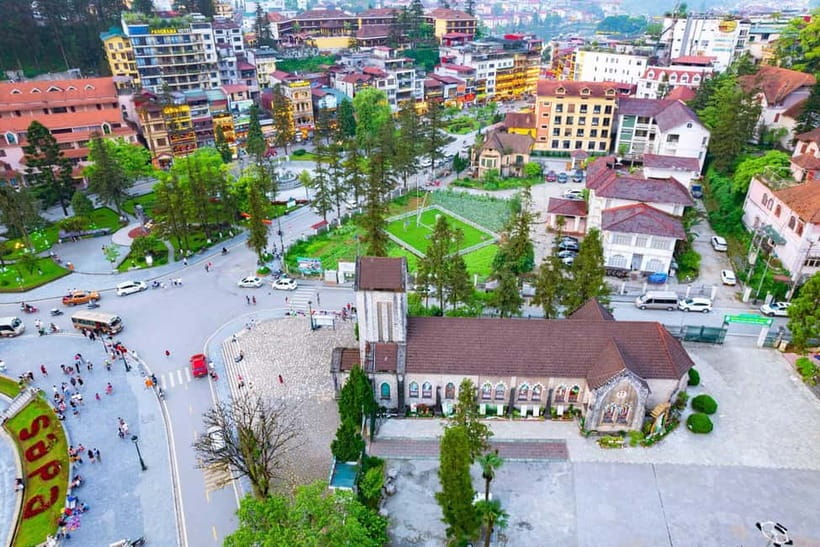
Sapa gets busy, fast. This tour fights that by limiting your group size to 12. That small number changes the feel of everything, from walking tempo to how easily your guide can answer questions, help you navigate narrow paths, and keep the day from turning into a rushed parade.
Another smart choice is the focus on local ethnic guides. You are not just shown a village like a stop on a checklist. You get your bearings from people who actually live in this region and understand how the trails, fields, and village rhythm connect.
Now the honest part: the itinerary includes real trekking. On days 2 and 3, the total walking distance is about 14 km, and the route can be muddy. If you hate slip risk, you can still do it, but bring proper footwear and expect the first part of day 2 to be the messiest in wet conditions.
Day 1 from Hanoi to Cat Cat Village, then an easy evening in Sapa town
You start early, with hotel pickup in the Old Quarter area or at a meeting point. The bus heads toward Sapa on a highway route. After about 5 hours, you arrive around 13:15 to 13:40 and check in.
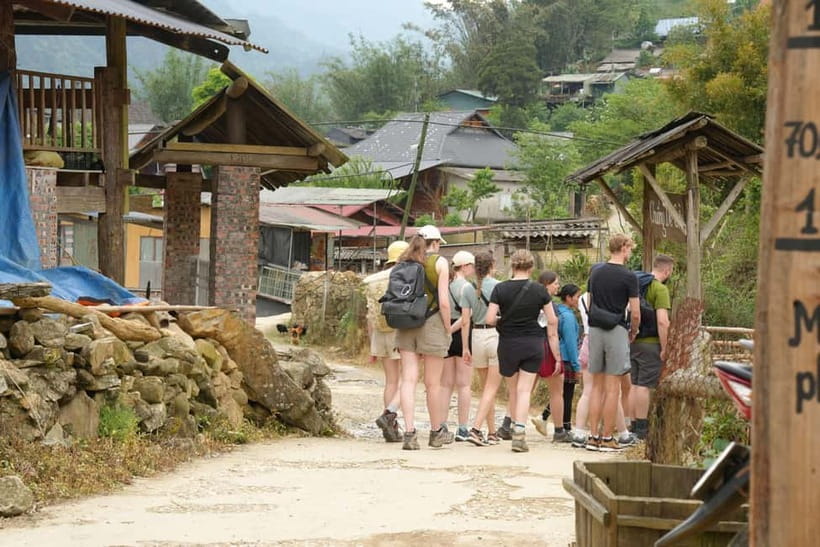
What you do next is a low-stress ramp-up. You eat lunch at a restaurant with the group, then meet your guide for an afternoon walk to Cat Cat Village. Cat Cat is a H’Mong village known for its waterfall and the hydroelectric power plant built by the French in the early twentieth century. You also get time to see local customs, habits, and everyday village life at a visitor-friendly pace.
From a purely practical point of view, Cat Cat is a good way to ease in before the longer village-to-village treks. A balanced note: some people do not love Cat Cat Village because it can feel more tourist-oriented than the later village hikes. Still, the scenery and the chance to learn from the guide make it worthwhile as your first day.
Dinner comes next at a restaurant, then you are free to explore Sapa town on your own. This is the one point in the trip where you can decide how much energy you want to save for tomorrow, because the real effort starts on day 2.
Day 2: 9 km through Muong Hoa rice terraces to Ta Van homestay

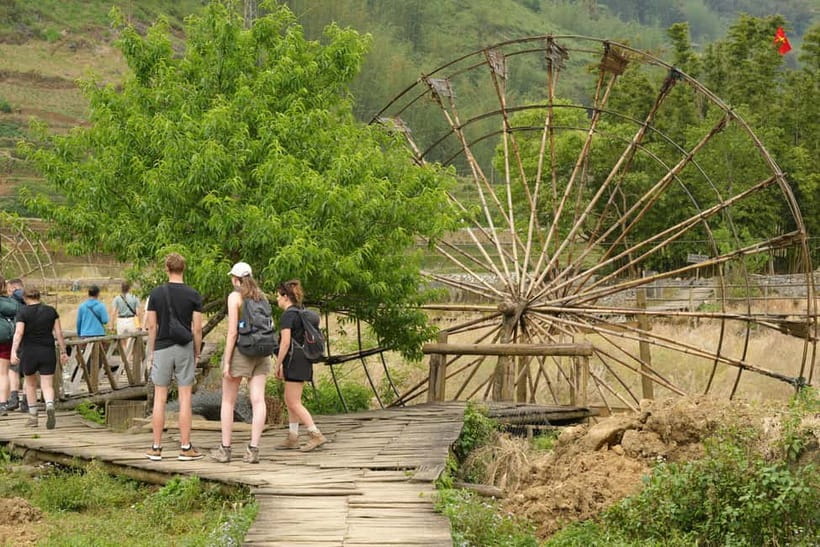
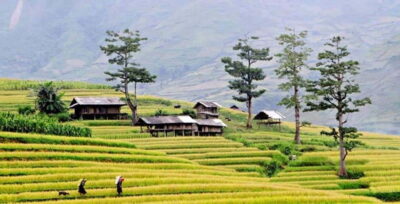
Breakfast starts early, then you begin trekking around 08:30. Day 2 is built around a classic Muong Hoa route, moving from Y Linh Ho through terraced rice areas near the Muong Hoa Stream and onward to Lao Chai, a village area tied to the Black H’Mong minority.
This is where the views start paying you back. After the initial slog, you get wide mountain scenery and a sense of how the terraces and water system connect to daily farming life. Hoang Lien Son mountain range scenery is a big part of the appeal, and the trail gives you time to look rather than only pose for photos.
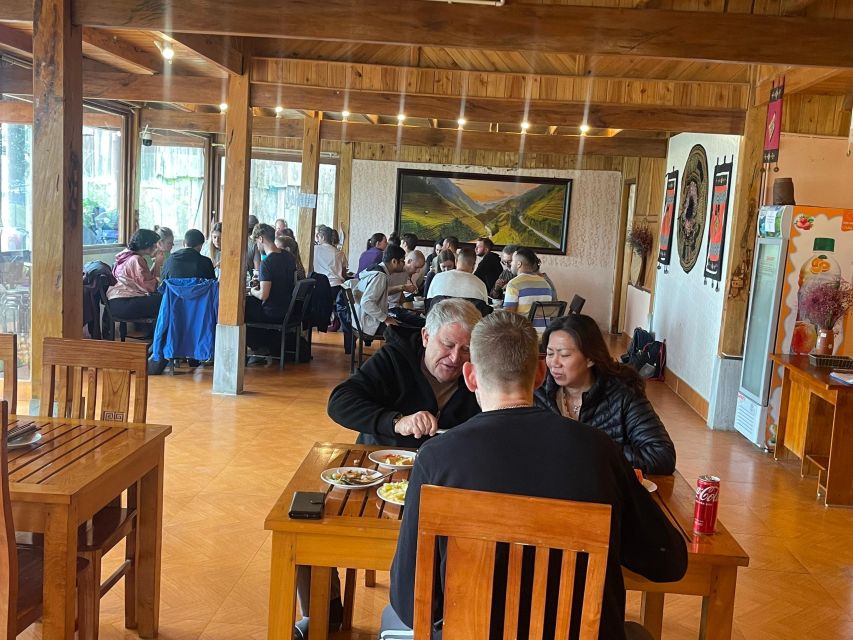
Lunch is at Ta Van village, around 12:30. After eating, you check in and rest at the homestay. The afternoon is yours to slow down, use the downtime to dry out socks if needed, and get comfortable with the homestay routine.
Late afternoon brings one of the most memorable elements: a cooking class at the homestay. Around 17:00 to 17:30, you learn how locals prepare dishes, then you eat dinner made by your own hands around 18:30. That part matters because it turns your evening into something useful and personal, not just another meal.
If you are curious about the social side of homestays, you might also get homestay group activities guided by your leader. The vibe tends to be relaxed, especially after a long walk.
Ta Van homestay: what makes it feel real
A private homestay in Ta Van village is included for one night, and the payoff is location. You sleep down in the valley, closer to the terraced fields and village life than you would from a hotel in town.
Food is included, with dinner after the cooking class and breakfast before you trek again. In practice, it is often filling and satisfying because your body is already in work mode from the trail. One review note also suggested the homestay food could be more Vietnamese, but the key point for you is simple: you are eating what the homestay provides, not a restaurant menu.
Comfort level can be basic compared to a hotel. Still, the homestay night is generally described as clean and cozy, with a view and a real sense of being in the villages rather than hovering near them.
Sleep in a village, walk between them


Day 3: 4 km to Giang Ta Chai and Su Pan villages, then back to Hanoi
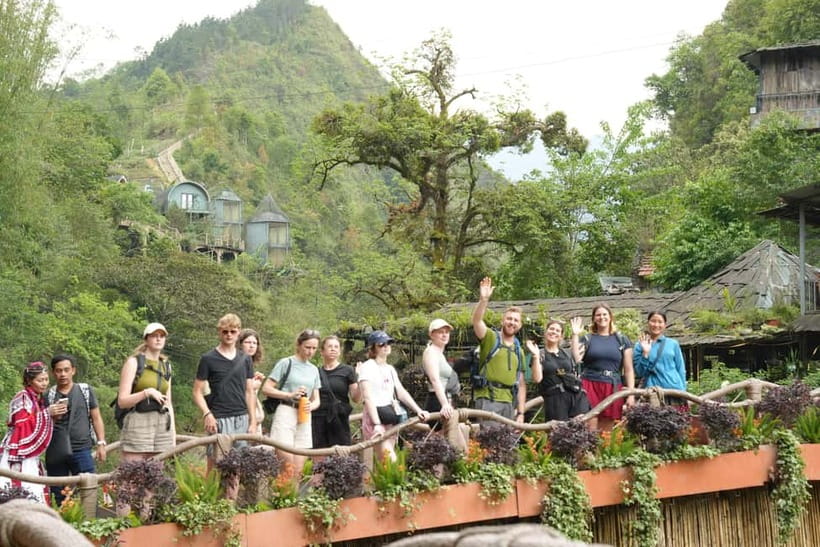
Day 3 starts with breakfast at the homestay, then you begin trekking again between 09:00 and 09:30. This morning’s walking is shorter at about 4 km, but it is still trail walking through village areas.
Your route includes Giang Ta Chai Village and Su Pan Village, connected to the Red Dao. The goal here is cultural learning through everyday settings, from village customs to what makes each community distinct. You also get lunch at 12:00, then more downtime at the homestay before heading back.
At about 13:00, a car pick-up returns you to Sapa. Then the big transition happens: you board the bus back to Hanoi and arrive around 22:00, with drop-off at Tran Quang Khai Street, Hoan Kiem, Hanoi.
That late arrival is normal for a full three-day itinerary. It also means you should plan something low-key for the evening in Hanoi, because you will likely be tired and your muscles will remember day 2.
Price and value: what $126 includes, and what you should budget for
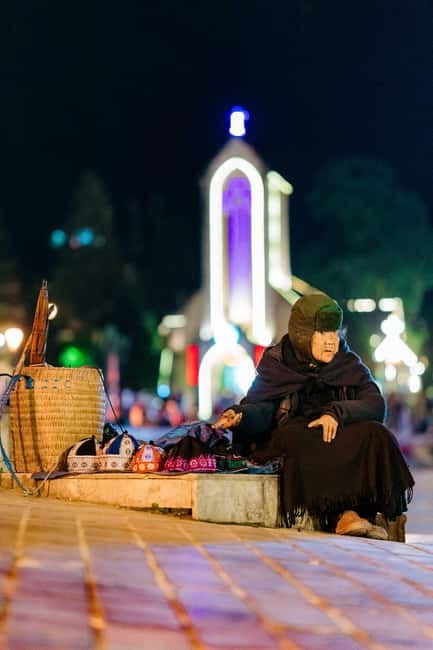
At $126 per person, the value comes from what is bundled. You get:
- VIP cabin bus transportation round trip between Hanoi and Sapa
- One night in a private Ta Van homestay
- One night in a 3-star hotel in Sapa town (Sapa Retreat Condotel or Delta Sapa Hotel)
- English-speaking local guidance for the key parts of the trip
- Meals included per the schedule (2 breakfasts, 2 dinners, 3 lunches)
- Entrance fees and permits
- A homestay cooking class on day 2
That is not just transport and beds. You also get guided route planning and included cultural access through village walking and activities. When you add up the cost of buses, hotels, meals, and a guide, the price starts to look fair, especially because the group size is kept small.
Your main extra costs are simple and expected: drinks with meals, personal purchases, and anything not listed. Also note that drinks are not included, and you are responsible for visas if you need them.
Shoes, mud, and fitness: how hard this really feels
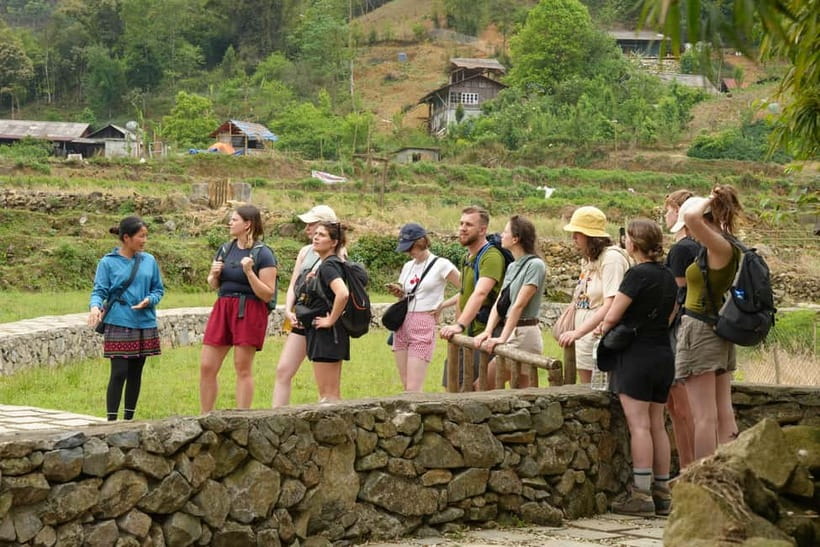
This tour is not a casual stroll. The itinerary includes real trekking, with a total of around 14 km across days 2 and 3, and the trail can be muddy. If the weather turns wet, clay-like mud can make sections slippery enough that you feel it in your calves and your confidence.
The biggest practical tip is footwear. Bring hiking shoes or boots with traction. Also plan for waterlogged conditions on day 2. Even if you consider yourself an experienced walker, the combination of steep grades and slick surfaces is what makes this challenging.
There is also a good reason people talk about help on the trail. Local ladies sometimes step in to support walkers during the worst slippery sections, and that can literally prevent a fall and keep the group moving safely. You still should not rely on luck. You should dress and pack for mud.
Fitness-wise, the trip may not be a fit if you have back problems, mobility impairments, or if you are over 75. It is also not suitable for children under 3. If you are unsure, think about your ability to walk uneven ground for hours with elevation changes and occasional stops for village visits.
The real village experience, plus the selling you cannot ignore

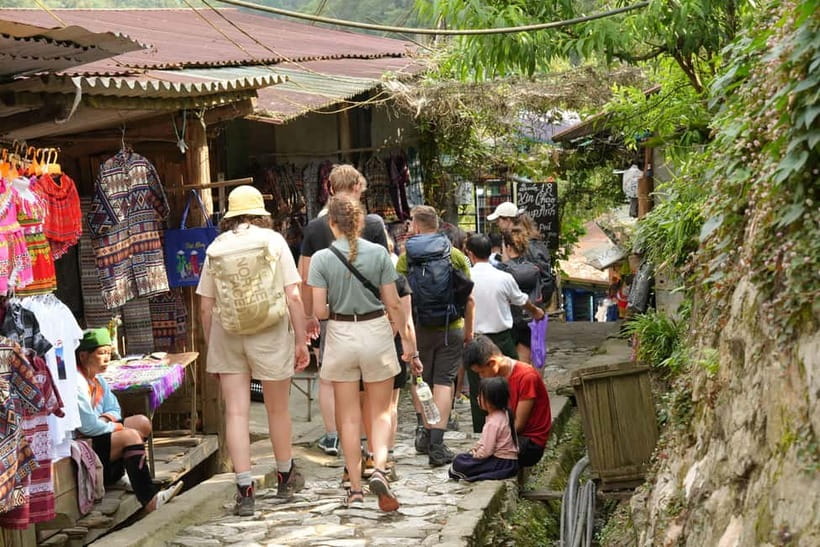
Walking in the villages means you will see local people making and selling crafts and small items. The tour information is clear that locals may follow you to offer goods and you do not have to buy anything.
In real life, the intensity can vary by time of day and where you are on the route. Some people find the selling pressure irritating, especially when they just want to look around in peace. My advice is straightforward:
- Decide your budget for purchases ahead of time, or decide you will not buy anything.
- Keep moving when you are not interested.
- Ask your guide for context if you want to learn what you are looking at, not just pass through.
If you want authentic village interaction, treat selling as part of the local economy, not as a reason to avoid the villages.
Should you book this 3-day Sapa trekking adventure?
Book it if you want a small-group, guide-led trek that includes a real homestay night and a hands-on cooking class. This is a good fit if you like hiking with structure, enjoy meeting people in H’Mong, Dao, and related village areas, and you are okay with basic comfort in exchange for more authentic access.
Skip it or choose a lighter version if you hate muddy trails, if you need easy walking, or if your body has limits that make uneven ground risky. Also, if you dislike any selling pressure, go in with a plan to say no and keep it simple.
If you book, do one thing that makes everything easier: pack proper traction shoes and warm layers. From October to March, you will want warm clothes, plus insect repellent and hiking pants. Then show up ready for day 2. Once you get through the slippery stretch, the rest of the trek can feel like a true payoff: big views, village rhythm, and a homestay night you can actually remember.
FAQ
What is the group size for this Sapa tour?
The tour limits the group to a maximum of 12 guests.
Where does the pickup happen in Hanoi?
The bus picks you up from your hotel in the Old Quarter or from a meeting point.
Is hotel drop-off included in Hanoi at the end?
No. The tour includes pickup but not drop-off at your Hanoi hotel. At the end, the bus drops you off at Tran Quang Khai street, Hoan Kiem, Hanoi.
What meals are included during the 3 days?
Meals included are 2 breakfasts, 2 dinners, and 3 lunches.
Is there a cooking class?
Yes. There is a cooking class activity at the homestay on day 2.
How much trekking is included on days 2 and 3?
Activities on day 2 and 3 total about 14 km of hiking. Day 2 is 9 km, and day 3 includes a 4 km trek.
What should I bring for the trek?
Bring a passport or ID card, comfortable shoes and hiking shoes, comfortable clothes, insect repellent, and hiking pants. For October to March, wear warm clothes, and bring warm layers and sunscreen as needed.
Walk, Then Stay
- Hanoi – Sapa 2 Days 1 Night Overnight At Homestay★ 5.0 · 899 reviews
- From Hanoi: 2-Day Sapa Trekking Trip with Homestay & Meals★ 4.8 · 704 reviews
- Sapa 3 Days 2 Nights Trekking Tour (1 Night In Ta Van Village, 1 Night In Hotel)★ 5.0 · 699 reviews
- 3-Day Trekking Adventure of Sapa from Hanoi – Stay Ta Van Village★ 5.0 · 611 reviews
- 3D and 2N Lan Ha Bay Cat Ba Island Kayaking & Trekking with Vega★ 5.0 · 593 reviews
Sapa on Foot
- Sapa 2 Days 1 Night From Hanoi – Overnight in Ta Van Village★ 5.0 · 2,669 reviews
- Hanoi – Sapa 2 Days 1 Night Overnight At Homestay★ 5.0 · 899 reviews
- From Hanoi: 2-Day Sapa Trekking Trip with Homestay & Meals★ 4.8 · 704 reviews
- Sapa 3 Days 2 Nights Trekking Tour (1 Night In Ta Van Village, 1 Night In Hotel)★ 5.0 · 699 reviews
- 3-Day Trekking Adventure of Sapa from Hanoi – Stay Ta Van Village★ 5.0 · 611 reviews
Other Hanoi tours our reviewers keep coming back to
- Hanoi Vespa After Dark Street food + Train Street+ Live Music
★ 5.0 · 18 reviews - (Free Pick-up) Vietnamese Body Massage in Hanoi City
★ 5.0 · 18 reviews - The Insider’s Hanoi,Train Street, Countryside Highlight by Vespa
★ 5.0 · 18 reviews - Skip the line: Thang Long Water Puppet Theater Entrance Tickets
★ 4.0 · 18 reviews - Hanoi Street Food Tour and MORE
★ 5.0 · 18 reviews - Hanoi – Hoa Lu – Tam Coc – Mua Cave – 1 Day / By Luxury Limousine & Small Group
★ 5.0 · 18 reviews
Sapa Trekking and Fansipan, compared.
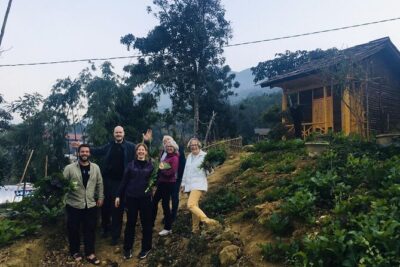 ★ 5.0Sapa 2 Days 1 Night From Hanoi – Overnight in Ta Van VillageFrom $592,669 reviews
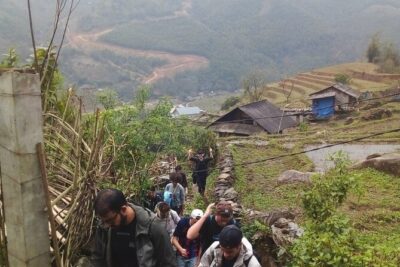 ★ 5.0Hanoi – Sapa 2 Days 1 Night Overnight At HomestayFrom $89899 reviews
 ★ 4.6Sa Pa: Muong Hoa Valley Trek and Local Ethnic VillagesFrom $23864 reviews
 ★ 5.0Sapa: Fansipan Cable, Cat Cat Village & Moana Instagram TourFrom $30777 reviews
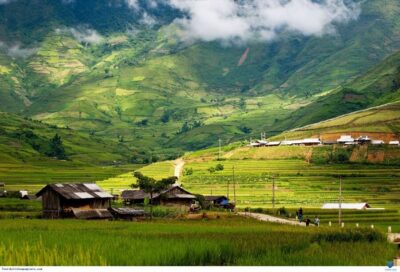 ★ 4.8From Hanoi: 2-Day Sapa Trekking Trip with Homestay & MealsFrom $71704 reviews
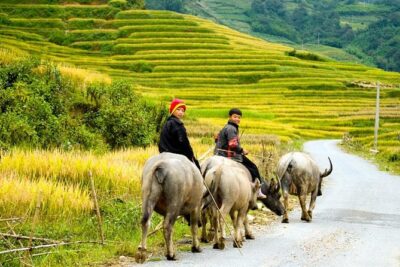 ★ 5.0Sapa 3 Days 2 Nights Trekking Tour (1 Night In Ta Van Village, 1 Night In Hotel)From $139699 reviews
 ★ 4.9Sapa: Eco Adventure Terrace Fields and Local Villages TrekFrom $27636 reviews
 ★ 5.03-Day Trekking Adventure of Sapa from Hanoi – Stay Ta Van VillageFrom $109611 reviews
Also in these Vietnam lists