

REVIEW · SAPA TREKKING AND FANSIPAN
Sapa: 3-Day, 3-Night Trek and Hotel with Overnight Train
A long train ride leads to mountain villages. This Sapa 3-day trek is built around real time in the Muong Hoa Valley, village walks with Vietnam’s ethnic minority groups, and a genuine 1-night homestay in Ta Van. I like the mix of easy-to-follow logistics (pickup, transfers, meals) and the human side of the trip, where guides such as Chu, Mai, Su Su, and Ai are known for friendly, chatty explanations. The one thing to keep in mind is that the trek can feel demanding, especially if the weather turns wet or if you are not used to long walks.
Here’s the trade-off: you get authentic village life, but you also get the reality of people trying to sell items along the route. The tour team specifically asks you to ignore persistent sellers and stick with your guide, which is exactly what you should do. If you’re expecting a quiet, no-interaction hike, this one might test your patience for a moment.
In This Review
- Key things I’d zero in on before you book
- Overnight train Hanoi to Lao Cai: sleep, reset, then start walking
- Day 1: Sapa arrival, Sin Chai Village, and your first taste of hill tribe life
- Day 2: Muong Hoa Valley treks through Y Linh Ho, Lao Chai, then to Ta Van
- Ta Van homestay: what to expect from a Zay Hill Tribe overnight
- Day 3: Red Dzao and H’mong villages, waterfall, rattan bridge, then back to Hanoi
- The craft stop and cultural learning you can actually use
- Price and logistics: what $212 gets you, and where you might feel the cost
- Selling pressure on the trail: how to handle it without killing the vibe
- Fitness, weather, and packing for Sapa’s altitude mood swings
- Who this Sapa trek fits best, and who should skip it
- Should you book this Sapa trek with overnight train?
- FAQ
- How do I start the trip in Hanoi for the overnight train?
- Where do I meet the tour staff?
- What lodging is included during the 3 nights?
- What meals are included?
- Is drinks at meals included?
- How long and how active is the trek?
- What should I pack for Sapa weather?
- Is this tour suitable for wheelchair users or mobility impairments?
Key things I’d zero in on before you book
- Overnight train from Hanoi to Lao Cai, with an air-conditioned shared cabin that makes the night feel manageable
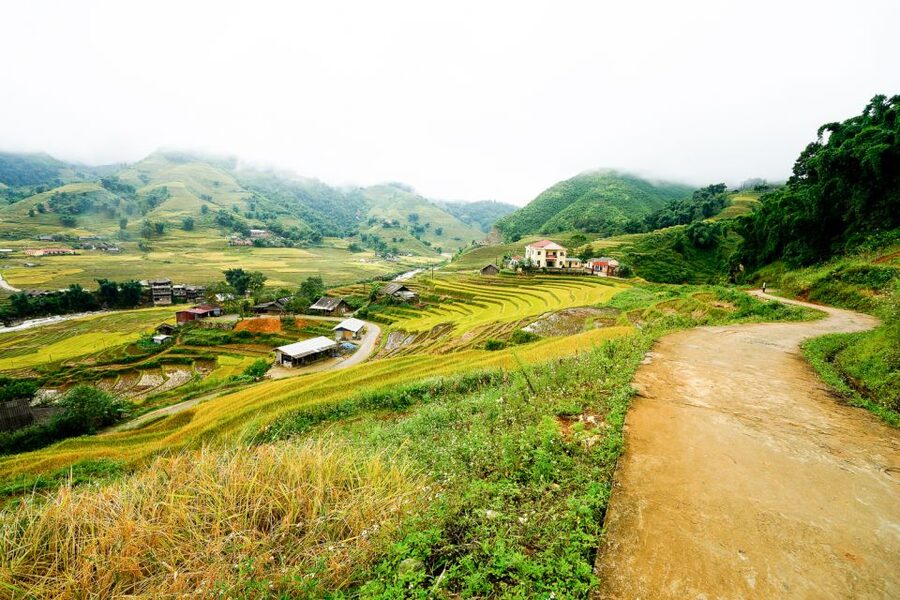
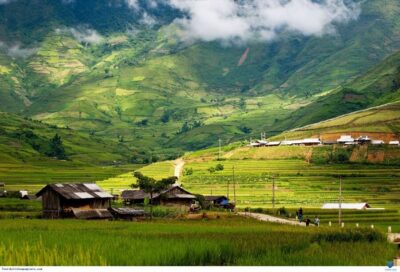
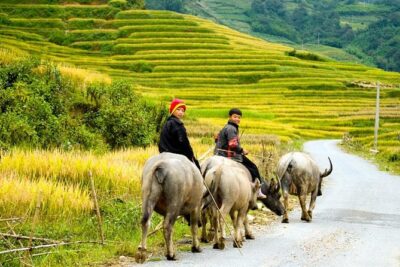
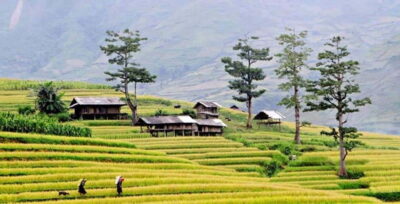
- Muong Hoa Valley trekking, moving through Hmong communities and terraced rice views
- Ta Van homestay with the Zay Hill Tribe, your closest look at daily life, not just a quick stop
- Village variety over 3 days, including Black H’mong, Dzay (Zay), and Red Dzao communities
- Photo-friendly walking pace, with time for pauses at rice terraces, bamboo shade, and viewpoints
- A practical caution about selling pressure, where you’ll need to stay firm and follow your guide
Other Sapa walks, from gentle to genuinely hard
- Sapa 2 Days 1 Night From Hanoi – Overnight in Ta Van Village★ 5.0 · 2,669 reviews
- Hanoi – Sapa 2 Days 1 Night Overnight At Homestay★ 5.0 · 899 reviews
- From Hanoi: 2-Day Sapa Trekking Trip with Homestay & Meals★ 4.8 · 704 reviews
- Sapa 3 Days 2 Nights Trekking Tour (1 Night In Ta Van Village, 1 Night In Hotel)★ 5.0 · 699 reviews
Overnight train Hanoi to Lao Cai: sleep, reset, then start walking
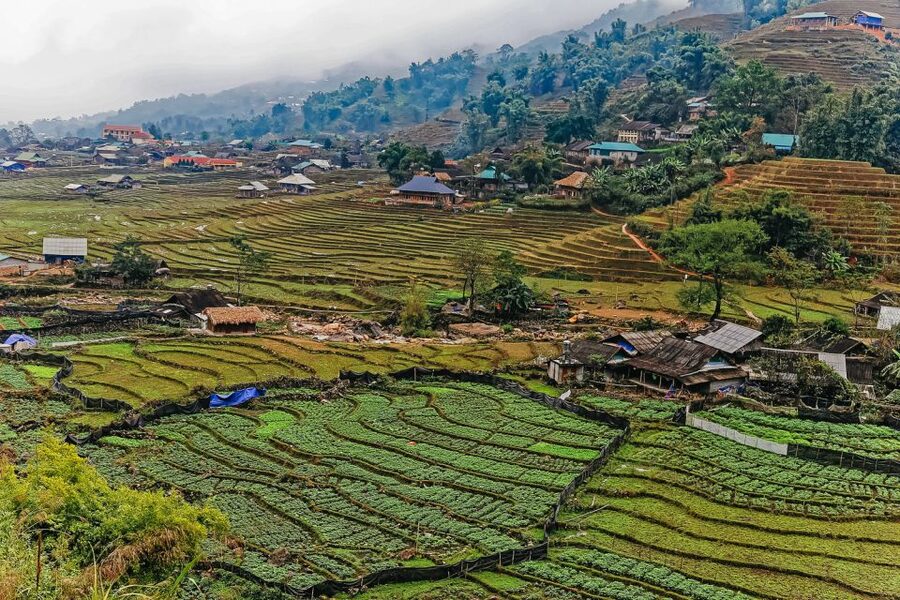
The best thing about this itinerary is that it turns a long distance into part of your adventure. You head out at night from Hanoi, boarding the overnight train at 10 PM. You’re aiming to be at the station by about 9 PM, then you spend the night traveling and wake up in the Sapa region the next morning.
Your train lodging is a shared 4-bed air-conditioned cabin, so you are not stuck in the open or rolling the dice on comfort. A pair of things people consistently like: the berths are described like a real bed, and the cabin setup makes it easier to sleep than you might expect from an overnight train. That said, it is still a train, so noise and bumpy motion can happen. The toilet is also described as a bit tricky to use, so plan for that and bring a calm attitude for the first night.
Why this works for you: instead of spending a whole day trapped in transit, you arrive ready to start trekking. It is also a budget-friendly way to add a night of lodging without paying for a full extra hotel night.
Day 1: Sapa arrival, Sin Chai Village, and your first taste of hill tribe life
On Day 1, the morning starts early. Your guide meets you at the train station and you transfer back toward Sapa at 6 AM. After you arrive, you typically transfer to your hotel first to drop off luggage. Then comes breakfast, and you’re set for the first village walk.
The core walking stop is Sin Chai Village, home to the Black H’mong. Sin Chai is described as rustic and simple, more than 2 km from Sapa town. That distance matters. It helps you get away from the easy tourist paths and into a quieter rhythm where everyday life is still the main story.
After trekking, you head back to your hotel for lunch and downtime. This break is not wasted time. Sapa gets cold fast, and your feet will thank you if you rest, change socks, and let your legs settle before the next day.
Dinner is at 6 PM, and this is where Sapa feels like Sapa. You might roast corn and bake eggs beside a charcoal fire, a small, local-style dinner moment that makes the town feel more lived-in than just a base. If you feel restless, you can also explore at night or do light shopping.
The practical drawback: hotel check-in is generally at 2 PM, so you may have a wait if you arrive early. If you want early check-in, that’s offered as an add-on you would need to arrange.
Day 2: Muong Hoa Valley treks through Y Linh Ho, Lao Chai, then to Ta Van

Day 2 is the day most people feel in their legs. After breakfast, you start trekking along the side of the Muong Hoa Valley, heading first to the Y Linh Ho Village of the Black H’mong. This is a key “tone-setting” stop. The trail is about movement through daily scenery: steps, small paths, and viewpoints that open up over the valley.
Next, you keep walking down to Lao Chai, another Hmong village area. Lao Chai is a contrast to Sin Chai in the sense that it is also tied to terraces and the farming calendar. You’ll stop for lunch, then the route transitions into walking through terraced rice fields toward Ta Van.
Ta Van is where your itinerary shifts from sightseeing to staying. You’ll arrive in Ta Van Village, home to the Dzay (Zay) minority, and you spend the night there. This is the part you’ll remember, because you’re not just passing through a village. You are hosted.
Two things to watch for on Day 2:
- Weather can change fast in Sapa, so rain gear and warm layers matter.
- You are walking through spaces where people live, farm, and sell. That means constant reminders that you are a visitor. The tour guidance is clear: stick with your guide and ignore persistent requests.
Ta Van homestay: what to expect from a Zay Hill Tribe overnight
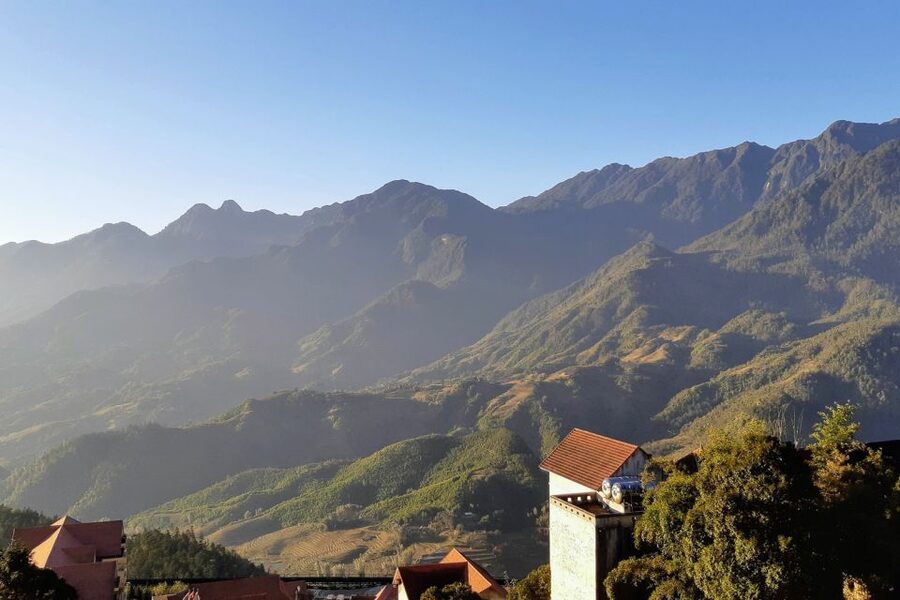
A homestay is not a theme park. It is a human exchange. You’ll be staying one night at a homestay in Ta Van village with the Zay Hill Tribe, and that means you get a closer look at how families live than you would from a bus window.
What I like about this setup for you is the pacing. You are not rushed through a single room, and you’re not just dropped off and picked up. You arrive after a full day of trekking, so your host’s world is already part of your day.
What you should be mentally prepared for:
- Your comfort will depend on the homestay arrangement, since this is village lodging, not a standardized resort.
- You might hear and see a lot, including daily chores, conversations, and food prep.
- People may be curious about you, and you may be asked about buying items.
If you want to get more out of the homestay, keep your questions simple and respectful. Ask about daily routines, food, and what the family does. Even if language is limited, a smile and patience go far.
Also remember: this trek involves a practical 9 km route (not recommended for older guests or children). That means the homestay is partly about recovery too. Build in time to rest, eat, and rehydrate.
Sleep in a village, walk between them


Day 3: Red Dzao and H’mong villages, waterfall, rattan bridge, then back to Hanoi
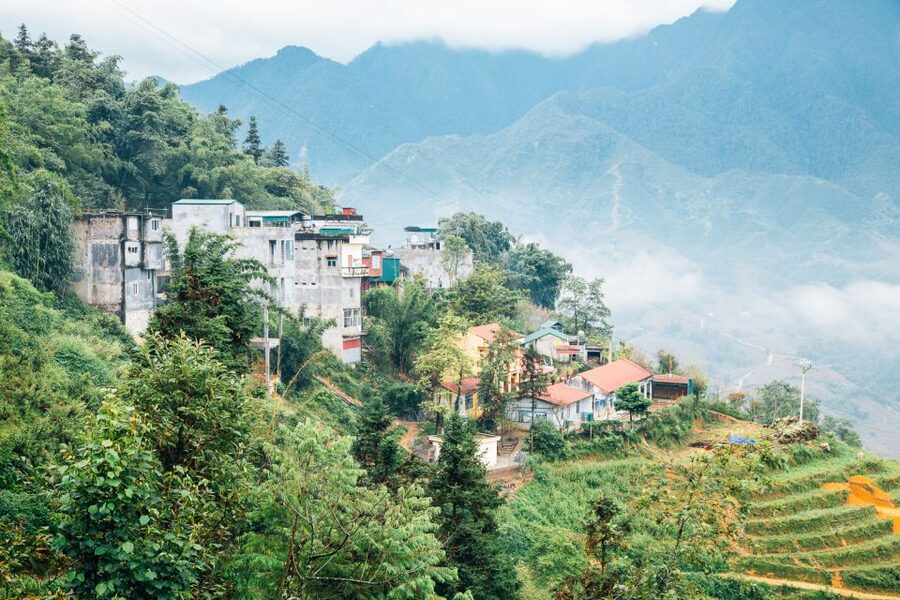
Day 3 continues the walking, and it is structured to keep variety high without making you sprint. After breakfast in Ta Van, you head out to visit two villages, including communities of the Red Dzao and the H’mong.
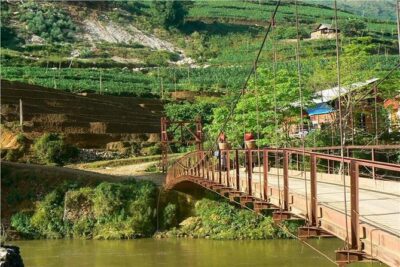
Along the way, you can expect a waterfall stop and a rattan bridge. Those details matter because they give you more than “walk, look, walk.” You get landmarks that help you appreciate the terrain, plus breaks that let you regroup.
The route also includes time with views through a bamboo forest, which tends to feel cooler and calmer than the open trail. It is a nice change of scenery right before you transition back to transport.
By the time you reach the main road, you’ll shift from foot to vehicle back toward Sapa. Around 2 PM, you pack up and leave Sapa in a limousine back to Hanoi, with drop-off at your hotel around 8 to 9 PM.
A realistic consideration: this is your last day on the trail. If you want to shop or linger in Sapa, build that habit into your Day 1 free time or after dinner on Day 1, not on the final transport day.
The craft stop and cultural learning you can actually use
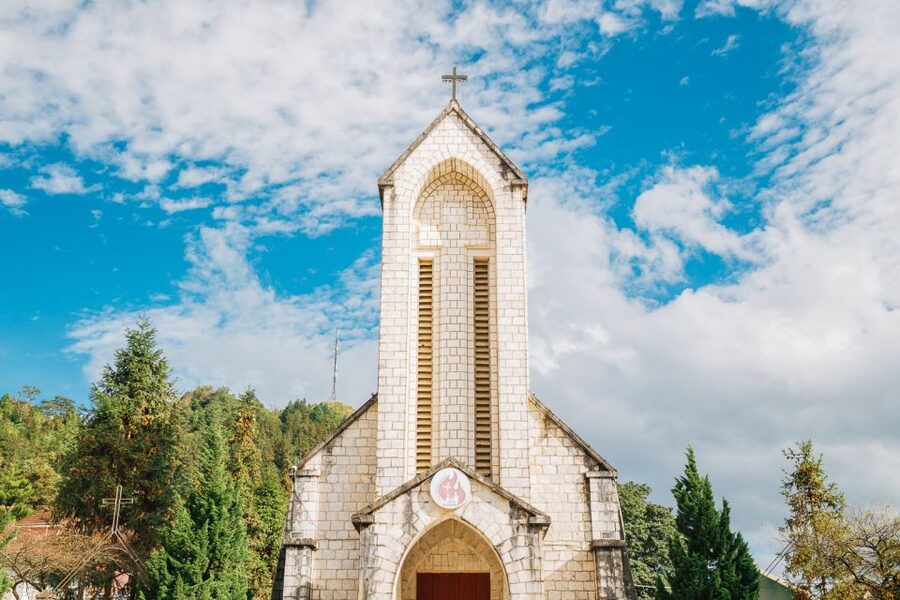
One of the tour highlights is a visit to a local handicraft center where women gather to exchange skills. This kind of stop is valuable because it shifts the story from performance to process. You get a chance to see work that supports daily life, not just a quick glance for photos.
In a place like Sapa, it is easy to fall into a loop of buying souvenirs just to feel like you participated. I prefer using craft centers differently:
- Watch how items are made, ask what takes the most time, and learn what materials are used.
- If you buy something, buy with respect for the skill and effort, not just because someone is selling.
This also connects to the overall lesson of the trek: you are walking through living communities. The best interactions are the ones that feel like conversation, not negotiation.
Price and logistics: what $212 gets you, and where you might feel the cost

At $212 per person, the value mostly comes from the combo deal. You are paying for:
- Overnight train Hanoi to Lao Cai in a shared air-conditioned cabin
- A 1-night homestay in Ta Van
- A 1-night stay at a 3-star hotel in Sapa center
- An English-speaking local guide
- Transfers and transport connections (including Lao Cai to Sapa by shared minibus, plus the limousine back to Hanoi)
- Meals listed in the itinerary
- Sightseeing fees, taxes, and service charges
That’s a lot bundled together, which saves you time and stress. In practice, that matters most on an itinerary that starts at a train station at night and ends with an evening return to Hanoi.
Where you need to watch the fine print:
- Drinks are not included with meals.
- If you want early hotel check-in on Day 1, that is an extra.
- If you are solo, there may be a single supplement for the hotel nights and any private bungalow arrangement (updated at booking).
And here’s the one friction point the itinerary flags directly: there can be persistent ethnic people who try to accompany you along the trekking way to ask for money or sell items at higher prices. You are told to ignore them and stick to your guide. This is not a small issue. It’s part of Sapa’s tourism pressure.
Selling pressure on the trail: how to handle it without killing the vibe
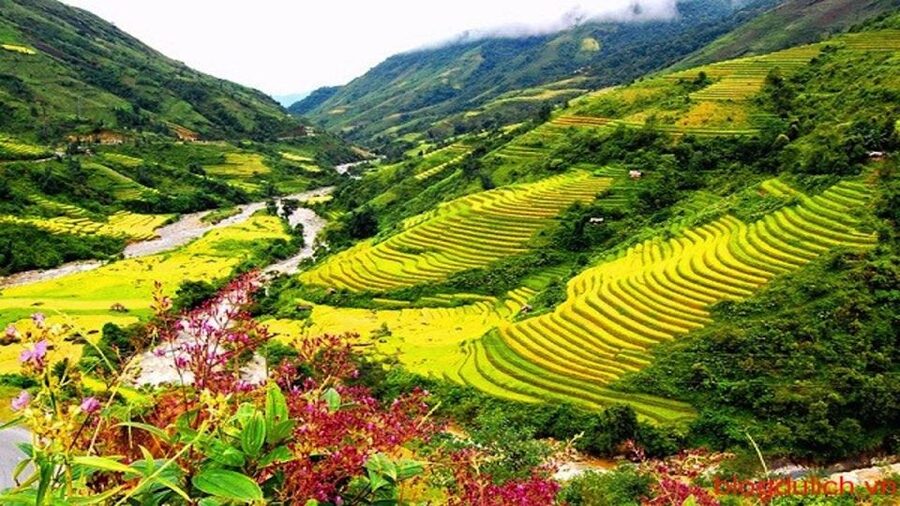
Let’s be honest. Sapa can involve sellers following you, asking to accompany you, or bringing items up repeatedly. The tour even calls out the problem as pressing, with guidance for what to do.
My advice is simple and works:
- Stay close to your guide and let your guide handle the pace and route.
- If someone tries to steer you away from your group, politely refuse and keep walking.
- Don’t reward persistence. If you want to buy, do it deliberately at designated stops, not mid-trail under pressure.
Also, keep a human perspective. These communities are making a living. A hard boundary is still fair, because your trip time is limited and the route is planned. Your job is to stay respectful while protecting your headspace.
This approach is especially important for photography. If you want a calm moment to shoot terraces or the bamboo forest, you don’t want to pause for every offer. Moving with the group and using planned stops keeps your trip enjoyable.
Fitness, weather, and packing for Sapa’s altitude mood swings

Sapa’s weather is unpredictable, and the altitude can add fog in certain months. The tour guidance is to bring warm layers, including a scarf and hat or cap. It is normally cold from September to March, and December through March can bring fog.
That fog matters for two reasons:
- Your first day views might be muted if visibility drops.
- Your photos might turn more dramatic, but only if you dress warm enough to stay outside.
For footwear, you should prioritize trekking shoes and comfortable shoes. You also want sunglasses and sun cream, because bright breaks in the cloud cover can still hit hard. Add insect repellent too.
Finally, know the physical reality: the tour notes a 9 km trek that is not recommended for older guests or children. Even if you are generally fit, treat this as a real walk, not a stroll. Rain makes it heavier. Cold makes it slower. And all of that is normal in the mountains.
Who this Sapa trek fits best, and who should skip it
This is a strong choice if you want:
- A mix of trekking and cultural contact, not just a single viewpoint tour
- To see multiple ethnic minority areas across three days
- To add an overnight train experience from Hanoi without losing a full day
- A homestay night in Ta Van rather than only hotel time
It is less ideal if:
- You have mobility issues, since it is not suitable for wheelchair users and people with mobility impairments
- You hate cold weather, fog, and the reality of changing conditions
- You are sensitive to persistent selling pressure and do not want to actively manage it
If you are a solo traveler, pay attention to how group logistics feel. The itinerary is designed, but it can feel confusing if you are hopping between stations, meeting points, and daily guide handoffs without a clear explanation. Ask questions early and confirm where you need to be.
Should you book this Sapa trek with overnight train?
I’d book it if you want a classic Sapa experience built around the Muong Hoa Valley, village walking, and a Ta Van homestay night, all held together by local guidance and included meals. The price makes sense because it bundles transport, lodging, guide help, and the hard part of coordinating overnight rail.
I would pause before booking if you are expecting a totally low-effort hike, a quiet trail, or all-day comfort regardless of weather. The train night can be a bit bumpy and the toilet is not the highlight of anyone’s travel story. Also, the selling pressure is real, and you’ll need to follow the tour’s instruction to ignore persistent sellers and stick to your guide.
If you show up ready to walk, dress warm, and handle a bit of negotiation fatigue with kindness and firmness, this trip is a solid way to experience northern Vietnam beyond Sapa town.
FAQ
How do I start the trip in Hanoi for the overnight train?
You make your way to Hanoi Railway Station by about 9 PM. You meet the staff and get your tickets to board. The train departs at 10 PM for Lao Cai.
Where do I meet the tour staff?
The start meeting point is Hanoi Railway Station. You move to the elevator, go to the 2nd floor, then proceed to gate 2A. If you need help, a local partner can arrange a taxi from your hotel.
What lodging is included during the 3 nights?
You get one night in a shared 4-bed air-conditioned cabin on the overnight train from Hanoi to Lao Cai. Then you spend one night at a homestay in Ta Van Village. You also get one night at a 3-star hotel in Sapa center.
What meals are included?
Meals included are the ones listed in the itinerary: breakfast on Day 1, Day 2, and Day 3, plus lunch and dinner on the trekking days where indicated.
Is drinks at meals included?
No. Drinks are not included and you will need to pay for them.
How long and how active is the trek?
The overall experience runs 3 to 3.5 days. The tour notes a 9 km trek that is not recommended for older guests or children.
What should I pack for Sapa weather?
Bring comfortable shoes and warm clothing. The tour also recommends a scarf and hat or cap. It’s helpful to pack trekking shoes, sunglasses, sun cream, and insect repellent.
Is this tour suitable for wheelchair users or mobility impairments?
No. It is not suitable for people with mobility impairments or wheelchair users.
Walk, Then Stay
- Hanoi – Sapa 2 Days 1 Night Overnight At Homestay★ 5.0 · 899 reviews
- From Hanoi: 2-Day Sapa Trekking Trip with Homestay & Meals★ 4.8 · 704 reviews
- Sapa 3 Days 2 Nights Trekking Tour (1 Night In Ta Van Village, 1 Night In Hotel)★ 5.0 · 699 reviews
- 3-Day Trekking Adventure of Sapa from Hanoi – Stay Ta Van Village★ 5.0 · 611 reviews
- 3D and 2N Lan Ha Bay Cat Ba Island Kayaking & Trekking with Vega★ 5.0 · 593 reviews
Sapa on Foot
- Sapa 2 Days 1 Night From Hanoi – Overnight in Ta Van Village★ 5.0 · 2,669 reviews
- Hanoi – Sapa 2 Days 1 Night Overnight At Homestay★ 5.0 · 899 reviews
- From Hanoi: 2-Day Sapa Trekking Trip with Homestay & Meals★ 4.8 · 704 reviews
- Sapa 3 Days 2 Nights Trekking Tour (1 Night In Ta Van Village, 1 Night In Hotel)★ 5.0 · 699 reviews
- 3-Day Trekking Adventure of Sapa from Hanoi – Stay Ta Van Village★ 5.0 · 611 reviews
Other Hanoi tours our reviewers keep coming back to
- Hanoi Vespa After Dark Street food + Train Street+ Live Music
★ 5.0 · 18 reviews - (Free Pick-up) Vietnamese Body Massage in Hanoi City
★ 5.0 · 18 reviews - The Insider’s Hanoi,Train Street, Countryside Highlight by Vespa
★ 5.0 · 18 reviews - Skip the line: Thang Long Water Puppet Theater Entrance Tickets
★ 4.0 · 18 reviews - Hanoi Street Food Tour and MORE
★ 5.0 · 18 reviews - Hanoi – Hoa Lu – Tam Coc – Mua Cave – 1 Day / By Luxury Limousine & Small Group
★ 5.0 · 18 reviews
Sapa Trekking and Fansipan, compared.
 ★ 5.0Sapa 2 Days 1 Night From Hanoi – Overnight in Ta Van VillageFrom $592,669 reviews
 ★ 5.0Hanoi – Sapa 2 Days 1 Night Overnight At HomestayFrom $89899 reviews
 ★ 4.6Sa Pa: Muong Hoa Valley Trek and Local Ethnic VillagesFrom $23864 reviews
 ★ 5.0Sapa: Fansipan Cable, Cat Cat Village & Moana Instagram TourFrom $30777 reviews
 ★ 4.8From Hanoi: 2-Day Sapa Trekking Trip with Homestay & MealsFrom $71704 reviews
 ★ 5.0Sapa 3 Days 2 Nights Trekking Tour (1 Night In Ta Van Village, 1 Night In Hotel)From $139699 reviews
 ★ 4.9Sapa: Eco Adventure Terrace Fields and Local Villages TrekFrom $27636 reviews
 ★ 5.03-Day Trekking Adventure of Sapa from Hanoi – Stay Ta Van VillageFrom $109611 reviews