
REVIEW · SAPA TREKKING AND FANSIPAN
Sapa 2-Day Trekking Tour – Explore Villages & Scenic Trails
Sapa hits different when you hike into village life. This 2-day, 1-night trek in Northern Vietnam takes you into Muong Hoa Valley for rice terraces, ethnic villages, and real conversations with local guides. I especially love how the route choice lets you go cultural (Tả Van) or more remote (Hầu Thào). One thing to consider, the hiking is 10 to 14 km per day, so good shoes matter.
You also get a proper homestay stop, not just a photo break, with traditional meals and a guide who knows where to walk and what to notice. In small groups, it feels flexible, and you can ask questions without shouting over crowds, which shows up in guides like Mao and Sung. The main drawback is that some trails can turn muddy in rainy season, so plan for slippery moments and a slower pace if the weather is wet.
In This Review
- Key highlights you will actually feel on the trail
- Tả Van and Hầu Thào: your Sapa trek choice
- Day 1: Sapa to Y Linh Ho, Lao Chai, and your first homestay night
- First village rhythm: Y Linh Ho and Lao Chai
- Lunch with terrace views
- Overnight homestay: Dzay (Ta Van) or Black Hmong (Hầu Thào)
- Day 2: bamboo, bridge crossings, waterfalls, and Giang Ta Chai
- If you pick Tả Van: suspension bridge and bamboo forest
- If you pick Hầu Thào: narrow mountain trails and cliffside views
- The guides make the trek feel human, not scripted
- Homestay food and dietary care: what to expect
- Pace, distance, and the real difficulty on 10 to 14 km days
- Knee and comfort reality check
- What to pack for Sapa weather and trail conditions
- Small group value and the $58 price question
- Who should book this trek, and who should skip it
- Should you book this Sapa 2-day trekking tour?
- FAQ
- What time does the trek start from Sapa Town?
- How far do I hike each day?
- What are my route options in Sapa?
- Is there an overnight homestay?
- Are meals included?
- Does the itinerary include a suspension bridge?
- What is the difficulty level?
- What should I bring for the hike?
- Is the tour suitable for mobility issues or pregnancy?
Key highlights you will actually feel on the trail
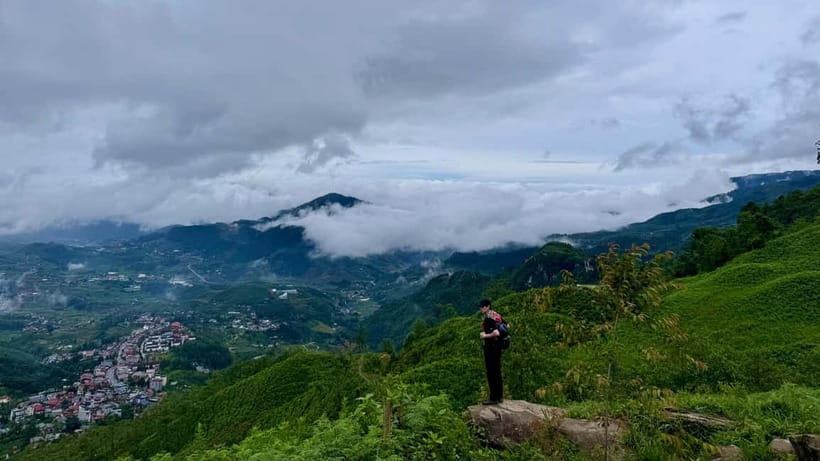
- Two route options: Tả Van for a gentler, culture-forward walk, or Hầu Thào for a quieter, off-the-beaten-path vibe
- 10 to 14 km/day pacing with a moderate difficulty level and time to regroup at viewpoints
- Homestay night in the villages with Vietnamese-style meals and vegetarian or vegan options
- Photo-worthy village stops like Y Linh Ho and Lao Chai, plus Giang Ta Chai on Day 2
- Small groups and guides who adjust the route for comfort, like Mao and Thao
- A guide who adds context, including cultural details shared by leaders such as Sung, Su, and Ai
Other Sapa walks, from gentle to genuinely hard
- Sapa 2 Days 1 Night From Hanoi – Overnight in Ta Van Village★ 5.0 · 2,669 reviews
- Hanoi – Sapa 2 Days 1 Night Overnight At Homestay★ 5.0 · 899 reviews
- From Hanoi: 2-Day Sapa Trekking Trip with Homestay & Meals★ 4.8 · 704 reviews
- Sapa 3 Days 2 Nights Trekking Tour (1 Night In Ta Van Village, 1 Night In Hotel)★ 5.0 · 699 reviews
Tả Van and Hầu Thào: your Sapa trek choice
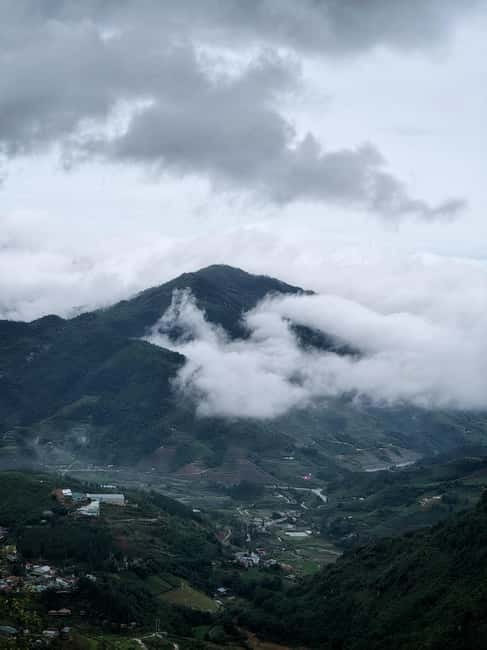
This trek is built around one simple decision: do you want a more village-centered walk, or a more remote mountain feel?
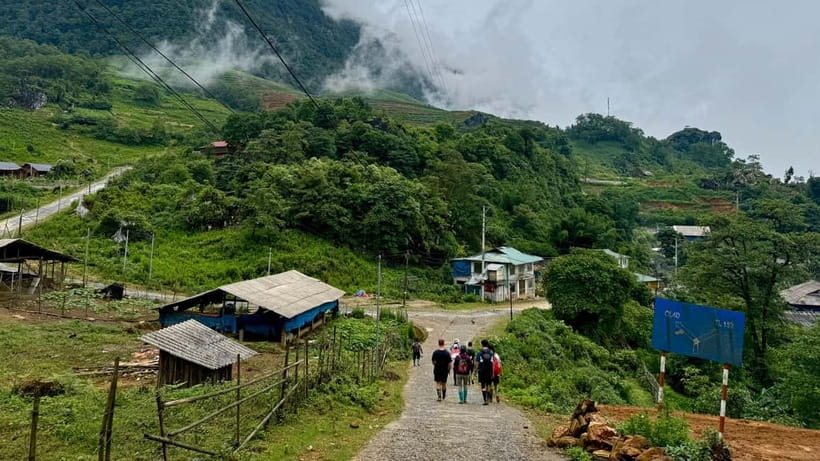
Tả Van is the easier sell for most people. The route follows the Muong Hoa Valley rhythm, with manageable walking and strong cultural stops like Y Linh Ho and Lao Chai. On the first day you reach Ta Van and sleep in a Dzay homestay, with dinner and storytelling time in the evening.
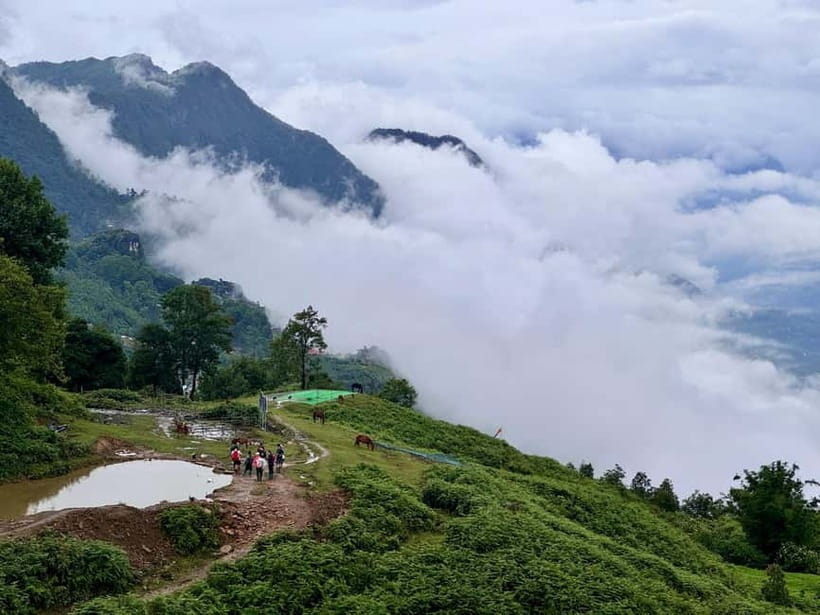
Hầu Thào is for when you want fewer tourists and more raw mountain character. You still pass through the same early village sequence, then continue hiking toward the higher, quieter area to reach Hầu Thào. The vibe is more about panoramic views and spending the night with a Black Hmong family.
Either way, you are not just moving through scenery. You are walking through how people actually live, with costume, craft, and farming visible along the paths.
Day 1: Sapa to Y Linh Ho, Lao Chai, and your first homestay night
The trekking day starts at 9:00 AM from Sapa Town, so I recommend arriving 15 to 30 minutes early to check in and get a clear pre-trek briefing. The distances are set for a 10 to 14 km day, which usually works out to a moderate effort, not a suffer-fest. Still, you will feel it if you are not used to slopes.
First village rhythm: Y Linh Ho and Lao Chai
The first day includes Y Linh Ho and Lao Chai, which are famous for colorful local clothing and day-to-day village life. Even without turning this into a museum visit, these stops make the whole trek make sense. You start to understand why the trails exist where they do, and why farmers, kids, and craft makers move the way they do.
The walk often includes viewpoint breaks, so the best advice is to stop when you have a view, not when you feel tired. You will thank yourself on the way into the homestay.
Lunch with terrace views
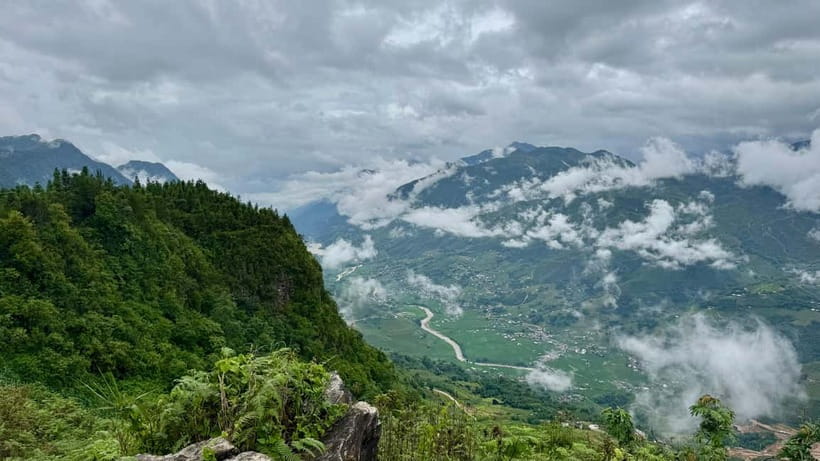
On the Ta Van option, there is lunch with stunning rice terrace views before you head to the homestay. That matters more than it sounds. Rice terraces are not just pretty. They explain the scale of the valley and why some paths are steep, narrow, and switchbacked.
Sleep in a village, walk between them


Overnight homestay: Dzay (Ta Van) or Black Hmong (Hầu Thào)
Your overnight is a private room in a village homestay. Meals are included, and the tour information states meals are Vietnamese dishes made with local ingredients. In practice, the reviews point to food that is fresh, local, and carefully handled for dietary needs.
For example, I liked how some guides handled allergies carefully by double-checking with the host family, not just offering a generic safe-sounding dish. So if you have dietary limits, tell the team in advance and do not be shy about clarifying.
Day 2: bamboo, bridge crossings, waterfalls, and Giang Ta Chai
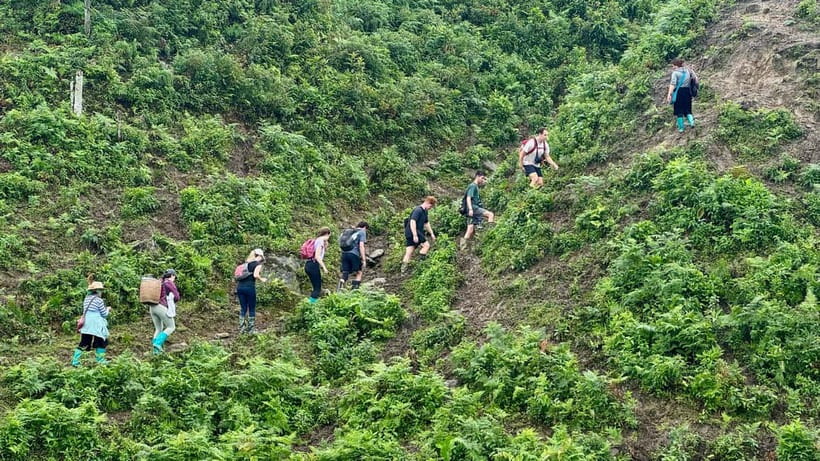
Day 2 is built around getting you to Giang Ta Chai, a Red Dao village near a waterfall, then returning to Sapa.
What makes Day 2 feel special is the variety. You go from terraced valley walking into more forested or mountain-trail sections depending on your route.
If you pick Tả Van: suspension bridge and bamboo forest
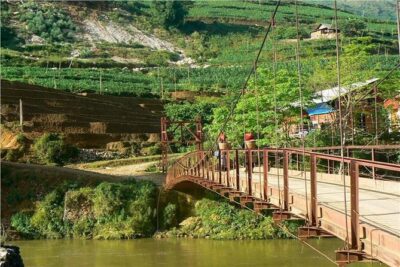
On the Ta Van route, you cross a suspension bridge and trek through bamboo forests to Giang Ta Chai. That section can feel different underfoot than the rice-terrace paths, and bamboo forest trails often come with extra dampness after rain.
Then you have lunch after reaching Giang Ta Chai, and the driver returns you to Sapa.
If you pick Hầu Thào: narrow mountain trails and cliffside views
On the Hầu Thào route, the second day includes narrow mountain trails with more dramatic cliffside scenery before returning to Sapa after lunch. This is the day you feel how remote the route can be, and it is also where hikers with knee issues may want to pace very carefully.
A smart tip from people who did this route, wear hiking shoes, not just sneakers. The trails can be muddy, and footing gets sketchier on small paths.
The guides make the trek feel human, not scripted
This tour leans heavily on local guidance. The tour information says you will have expert local guides sharing village insights, and the reviews back it up with names and behavior.
I noticed a few patterns across the guides people mentioned:
- They spoke excellent English in multiple cases, including guides like Mao, Thao, Sung, Su, Tung, Chai, and Ai.
- They helped everyone stay together and kept the pace steady, with adjustments when someone needed an easier route.
- They shared cultural context in a way that felt personal. Stories and daily-life explanations made stops like Lao Chai feel more than just a landmark.
Small groups help, too. One review described a group of five people, which is about the size where you can actually hear answers and ask follow-up questions without waiting your turn.
If you like meeting locals through conversation, not through performance, this is one of the better styles of trekking in Sapa.
Homestay food and dietary care: what to expect
Food is included across the trek, and the tour notes spell out meal counts: 2 lunches, 1 dinner, and 1 breakfast. Vegetarian or vegan options are available.
From the experiences people shared, the meals often include meat-based dishes with vegetarian alternatives. The best part is how guides handle needs. One person mentioned having an allergy and getting double-checked meals, not just a quick heads-up.
So here is my practical advice:
- Tell the company about allergies or special diets before you go.
- Bring a short note or message in plain terms about what you cannot eat.
- Expect Vietnamese flavors and local ingredients. This is not a Western menu in a village dining room.
Pace, distance, and the real difficulty on 10 to 14 km days
The trek is described as moderate difficulty, with basic fitness required. That usually means you are walking continuously, with climbs, descents, and uneven ground.
Why distance matters here: 10 to 14 km/day sounds reasonable until you realize you are on slopes and footpaths that can get muddy. In rain season, May to September, you should plan for wet trails. People also noted how muddy conditions were still manageable, but you will move slower.
Knee and comfort reality check
One review mentioned that the trek is manageable for most people but might be tough for knee issues. That matches how I would judge it: descending trails can be harder than climbing.
What helps:
- Sturdy hiking shoes.
- Long pants if you have sensitive skin or want extra protection.
- Trekking poles if you use them, especially on slippery downhill sections (not stated as included, so bring your own if you have them).
What to pack for Sapa weather and trail conditions

Sapa weather changes fast, and you will feel it even across the two days. The tour packing list is clear, so follow it.
Bring:
- Comfortable shoes with real tread
- Sunglasses and a sun hat
- Long pants
- A change of clothes
- Water
- Insect repellent
- Comfortable clothes
- A rain jacket if you expect wet weather
For day two, if you want more comfort for a waterfall-area day, consider packing swimwear. One person mentioned cooling off near a nearby waterfall and wished they had a swimsuit ready. That detail is not guaranteed, but it is a smart optional add if you like being prepared.
Also store big bags before you start. The tour info says big bags can be stored at the office, and you should bring a small daypack.
Small group value and the $58 price question
At $58 per person, the value depends on what you are comparing it to. This price is low for two full trekking days plus an overnight homestay with meals and guided village routing.
Here is what you are paying for, in practical terms:
- Local guiding through villages like Y Linh Ho, Lao Chai, and Giang Ta Chai
- The homestay for one night, including traditional meals
- A defined daily route with included meals and sightseeing tickets as noted
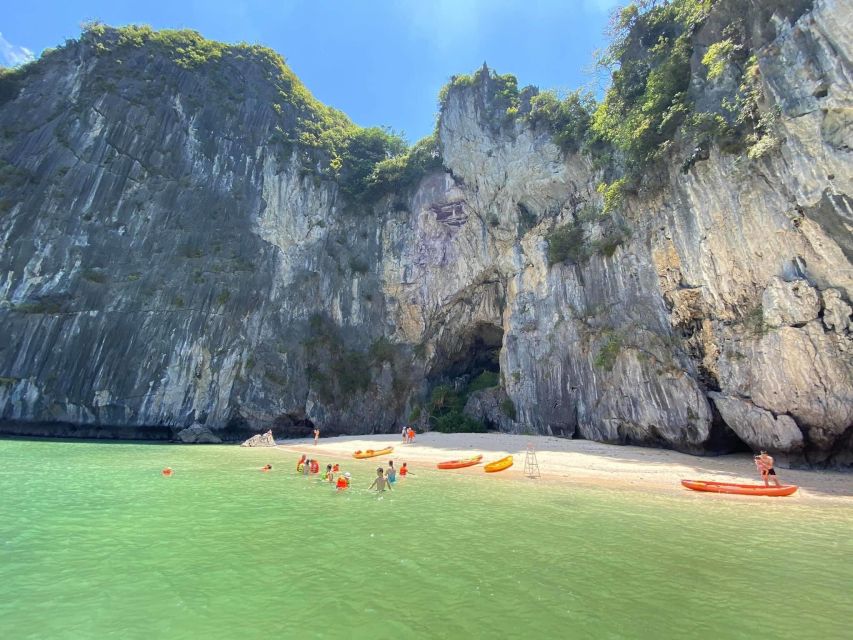
That said, the package information you were given also includes details that sound like a Cat Ba and Lan Ha Bay cruise component (pickup from Hanoi to Cat Ba, private car near the harbour, kayak rentals, and a day cruise). That does not match the Sapa-only story in the trekking itinerary.
So before you assume the entire price includes Sapa trek only, I strongly suggest you confirm your exact inclusions when booking. Ask plainly whether your package includes only the 2-day Sapa trek, or if it also includes Cat Ba and Ha Long Bay cruise elements.
Who should book this trek, and who should skip it
This trek fits well if you want:
- A village-centered Sapa walk with real homestay time
- A choice between a gentler culture-forward route (Ta Van) and a quieter remote route (Hầu Thào)
- A small-group feel with guides who answer questions and help pace the group
It is not a match if you:
- Need wheelchair access or have mobility impairments (not suitable per tour info)
- Have back problems, heart problems, or are pregnant (not suitable per tour info)
- Have insect allergies (not suitable per tour info)
- Have visual impairment needs (not suitable per tour info)
Pets are allowed only under specific conditions, meaning they must be leashed and registered in advance.
Should you book this Sapa 2-day trekking tour?
I would book it if you want Sapa that feels local and you can handle a real two-day hike. The route choice is genuinely useful, and the homestay night with included meals is the difference between a photo tour and an experience where you actually meet people.
Skip it if your priority is low physical effort or if you are not comfortable with muddy trails in rainy months. Also, double-check your package details because the provided inclusions mention Cat Ba and a Ha Long Bay cruise, which can change what you are actually getting.
If you do book, pick the route that matches your mood:
- Choose Tả Van for a steadier, culture-focused walk.
- Choose Hầu Thào when you want fewer crowds and more mountain remoteness.
FAQ
What time does the trek start from Sapa Town?
The trek starts at 9:00 AM from Sapa Town, and you should arrive 15 to 30 minutes early.
How far do I hike each day?
Expect about 10 to 14 km per day.
What are my route options in Sapa?
You can choose either the Tả Van route or the Hầu Thào route.
Is there an overnight homestay?
Yes, it is a 2-day, 1-night trek with an overnight homestay in the village.
Are meals included?
Yes. The trek includes 2 lunches, 1 dinner, and 1 breakfast. Vegetarian or vegan options are available.
Does the itinerary include a suspension bridge?
On the Tả Van route, Day 2 includes a suspension bridge crossing.
What is the difficulty level?
It is listed as moderate difficulty with basic fitness required.
What should I bring for the hike?
Bring comfortable hiking shoes, sunglasses, a sun hat, long pants, insect repellent, a change of clothes, water, and comfortable clothes. A rain jacket is also recommended.
Is the tour suitable for mobility issues or pregnancy?
No. The tour information says it is not suitable for wheelchair users and also not suitable for pregnant women, people with back problems, heart problems, or mobility impairments.
If you tell me your travel month and which route you are considering, I can help you decide between Ta Van and Hầu Thào based on trail conditions and your comfort level.
Walk, Then Stay
- Hanoi – Sapa 2 Days 1 Night Overnight At Homestay★ 5.0 · 899 reviews
- From Hanoi: 2-Day Sapa Trekking Trip with Homestay & Meals★ 4.8 · 704 reviews
- Sapa 3 Days 2 Nights Trekking Tour (1 Night In Ta Van Village, 1 Night In Hotel)★ 5.0 · 699 reviews
- 3-Day Trekking Adventure of Sapa from Hanoi – Stay Ta Van Village★ 5.0 · 611 reviews
- 3D and 2N Lan Ha Bay Cat Ba Island Kayaking & Trekking with Vega★ 5.0 · 593 reviews
Sapa on Foot
- Sapa 2 Days 1 Night From Hanoi – Overnight in Ta Van Village★ 5.0 · 2,669 reviews
- Hanoi – Sapa 2 Days 1 Night Overnight At Homestay★ 5.0 · 899 reviews
- From Hanoi: 2-Day Sapa Trekking Trip with Homestay & Meals★ 4.8 · 704 reviews
- Sapa 3 Days 2 Nights Trekking Tour (1 Night In Ta Van Village, 1 Night In Hotel)★ 5.0 · 699 reviews
- 3-Day Trekking Adventure of Sapa from Hanoi – Stay Ta Van Village★ 5.0 · 611 reviews
Other Hanoi tours our reviewers keep coming back to
- Hanoi Vespa After Dark Street food + Train Street+ Live Music
★ 5.0 · 18 reviews - (Free Pick-up) Vietnamese Body Massage in Hanoi City
★ 5.0 · 18 reviews - The Insider’s Hanoi,Train Street, Countryside Highlight by Vespa
★ 5.0 · 18 reviews - Skip the line: Thang Long Water Puppet Theater Entrance Tickets
★ 4.0 · 18 reviews - Hanoi Street Food Tour and MORE
★ 5.0 · 18 reviews - Hanoi – Hoa Lu – Tam Coc – Mua Cave – 1 Day / By Luxury Limousine & Small Group
★ 5.0 · 18 reviews
Sapa Trekking and Fansipan, compared.
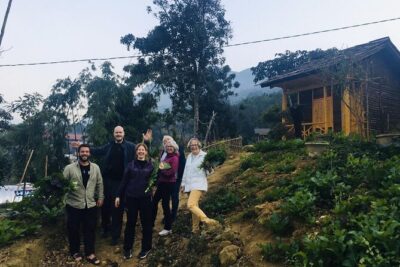 ★ 5.0Sapa 2 Days 1 Night From Hanoi – Overnight in Ta Van VillageFrom $592,669 reviews
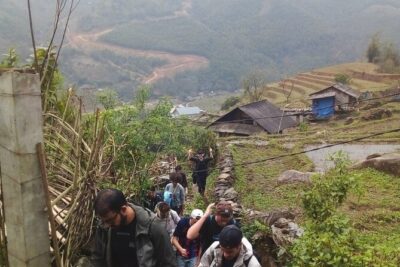 ★ 5.0Hanoi – Sapa 2 Days 1 Night Overnight At HomestayFrom $89899 reviews
 ★ 4.6Sa Pa: Muong Hoa Valley Trek and Local Ethnic VillagesFrom $23864 reviews
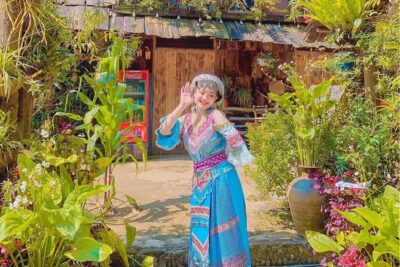 ★ 5.0Sapa: Fansipan Cable, Cat Cat Village & Moana Instagram TourFrom $30777 reviews
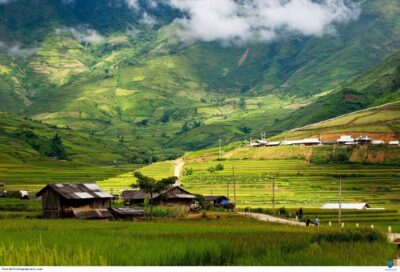 ★ 4.8From Hanoi: 2-Day Sapa Trekking Trip with Homestay & MealsFrom $71704 reviews
 ★ 5.0Sapa 3 Days 2 Nights Trekking Tour (1 Night In Ta Van Village, 1 Night In Hotel)From $139699 reviews
 ★ 4.9Sapa: Eco Adventure Terrace Fields and Local Villages TrekFrom $27636 reviews
 ★ 5.03-Day Trekking Adventure of Sapa from Hanoi – Stay Ta Van VillageFrom $109611 reviews
Also in these Vietnam lists