
REVIEW · SAPA TREKKING AND FANSIPAN
Muong Hoa Valley Trek & Homestay Experience – 4D3N
Five villages, one valley, lots of steps.
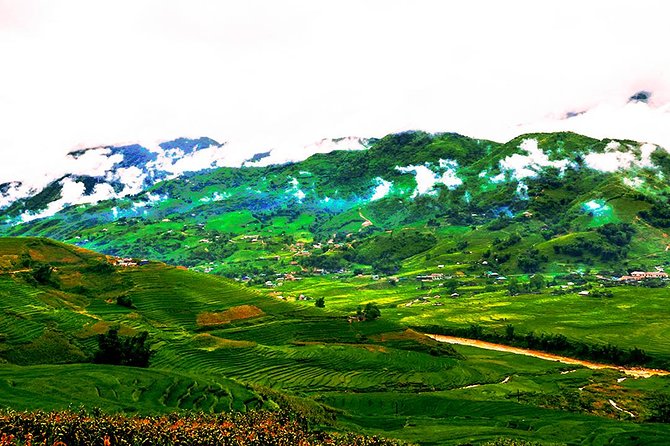
This Muong Hoa Valley trek plus homestay experience in Sapa mixes ethnic-minority village visits with classic Muong Hoa River scenery and rice terrace views, led by a local guide. You’re not just walking for photos, you’re meeting people and learning how they work, build, marry, and live in the mountains.
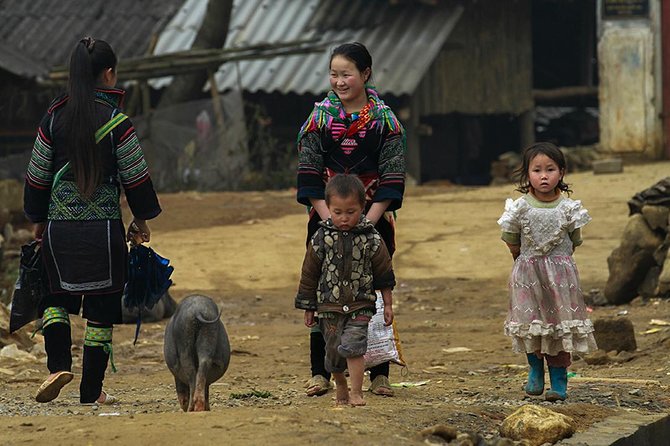
What I like most is the mix of culture and scenery. You get village time with the Hmong, Giay, and Red Dao communities, plus the guide explains real-world traditions like Hmong marriage customs, how families work their rice fields, and even house-building techniques. I also love that the tour is built around comfort basics, like meals and a homestay night, with village entry fees handled and a big bottle of water per person.
One thing to consider is the effort level and weather. The trek is designed for moderate fitness, and in the wet summer months the valley heat can feel intense, even when Sapa itself feels mild, so pack for sweat and possible rain.
In This Review
- Key Highlights You Should Know Before You Go
- Meeting at Sapa Church and Getting Your Bearings
- Day 1: Y Linh Ho First Feel, Then Ta Van’s Rice Terrace Views
- Day 2: Giang Ta Chai Waterfalls and Red Dao Culture Time
- Day 3: Ban Ho and Nam Toong, Red Dzao Life Beyond the Slogan
- Day 4: Thanh Phu to Ban Ho Along the Muong Hoa River
- Homestay Night and Meals That Keep You Trekking Right
- Price and Value: Is $190 Worth It?
- Timing in the Wet Summer: June Heat and the Rain Reality
- Who This Trek Suits Best (And Who Might Want a Different Option)
- A Quick Note on the Local Guide Feel
- Should You Book This Muong Hoa Valley Trek and Homestay?
- FAQ
- What time does the tour start?
- Where do I meet the guide?
- How long is the trek?
- Is homestay accommodation included?
- What meals are included?
- Are village entry fees included?
- Is pickup offered?
- What physical level is recommended?
- Is cancellation free?
Key Highlights You Should Know Before You Go
- Max 15 people keeps the pace friendly and the guide time more personal
- Five village stops across Hmong, Giay, and Red Dao communities
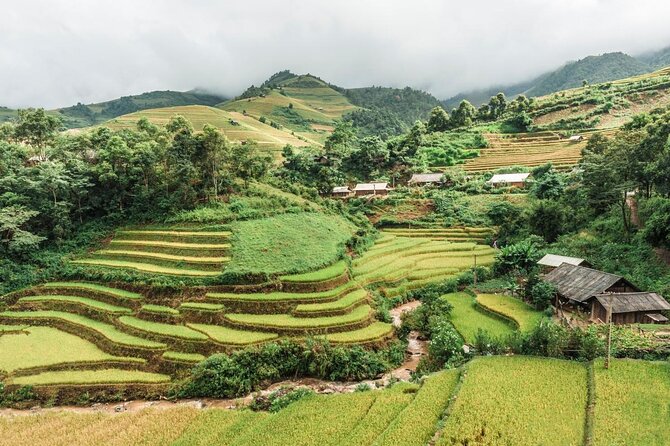
- Rice terrace views and Hoang Lien mountain lookouts are a major payoff
- Giang Ta Chai waterfalls add a scenic reset during the uphill day
- Homestay night plus all key meals mean less logistics and more time outside
- Muong Hoa River follow-back on Day 4 helps you finish with an easier, scenic walk
Other Sapa walks, from gentle to genuinely hard
- Sapa: Fansipan Cable, Cat Cat Village & Moana Instagram Tour★ 5.0 · 777 reviews
- Cat Cat Village, Moana, Fansipan Cable Car, Alpine Coaster – Sapa★ 5.0 · 420 reviews
- Sa Pa Full Day Trekking Tour★ 5.0 · 414 reviews
- Sapa Motorbike Tour With Local Guide 1 Day – Waterfalls, Villages★ 5.0 · 254 reviews
Meeting at Sapa Church and Getting Your Bearings
I like that this trek starts in a clear, easy-to-find place: Sapa Church at 9:00 am. That matters because Sapa traffic and hotel locations can get messy fast, and a firm meeting point helps you start relaxed instead of scrambling.
Once you meet your guide, you’ll get a quick intro and then head into the countryside. The tour includes a start-to-finish village flow with transport back to Sapa after the trek ends, so you’re not stuck figuring out buses on your own when your legs are tired.
A small-group cap (up to 15) also changes the feel. You’re more likely to keep a steady trekking rhythm rather than being stretched out like a long line of ants.
Day 1: Y Linh Ho First Feel, Then Ta Van’s Rice Terrace Views
Day 1 is about easing into the trek while still delivering big scenery. You begin with a village-style start around Y Linh Ho, then you move toward Cat Cat Road area after a short downhill segment. It’s a good setup for people who want to begin seeing the hills right away, without jumping into the steepest climbs immediately.
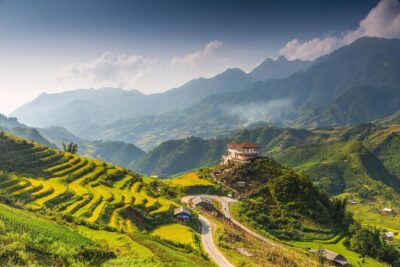
Then comes Ta Van Village, one of the classic Sapa terrace-view zones. This is where the trip earns its reputation. You’ll get to admire the rice terraces and enjoy mountain views from higher ground, with Hoang Lien mountain mentioned as the backdrop you can look toward.
Why this matters: Ta Van is not just a scenic stop. It helps you understand how terrace farming shapes daily life in Sapa. When you later learn how locals work rice fields, those terrace walls suddenly make sense. You’re seeing the “why” and not just collecting the “wow.”
Possible downside on Day 1: you may feel the walking right away, even though the pace is reasonable. Shoes that can handle uneven ground are a must, especially after a morning with some downhill and then rebound uphill walking later.
Day 2: Giang Ta Chai Waterfalls and Red Dao Culture Time
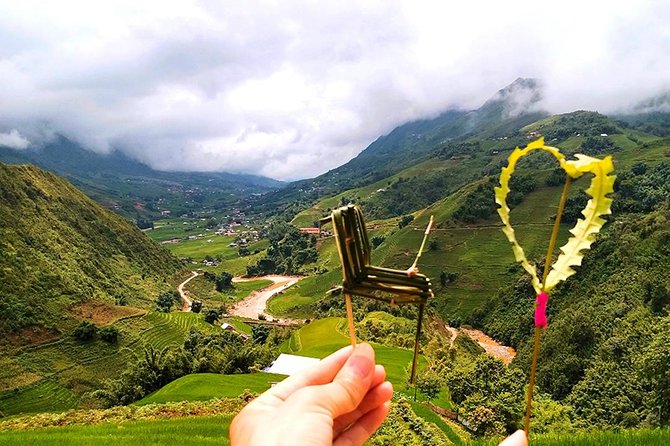
Day 2 starts with breakfast, then you head uphill into the mountains. The destination is Giang Ta Chai, including the waterfalls. Waterfall time is one of those “small reward, big mood” moments on treks, because it breaks the monotony of climbing and gives your eyes a new focal point.
After that, you enter the Red Dao area. This is where the tour’s cultural focus becomes more than a checklist. Your local guide works with you to learn about their customs and traditions, including the kinds of community knowledge that don’t fit into a photo caption.
From a value perspective, this is a smart design. A purely scenic trek can start to feel like walking through viewpoints. Here, you’re pairing the physical effort with context, so the hikes feel purposeful.
One practical consideration: uphill days can be sweaty even when the air feels cooler in town. If you’re coming in the wet summer, you’ll want breathable clothes and a light rain layer. Even one guide-day with mist or showers can make paths slippery.
Day 3: Ban Ho and Nam Toong, Red Dzao Life Beyond the Slogan
Day 3 is anchored around Ban Ho Village. After an excellent breakfast, you continue walking toward Nam Toong, about 3 km away, so you get another real stretch on foot instead of short, chopped-up segments.
Nam Toong is the Red Dzao-focused part of the day. This is where the tour talks about learning details of daily life for the Red Dzao community, rather than treating villages like a quick stop for spectacle.
This day is particularly worthwhile if you care about how communities organize work and social life. The tour’s overview promises deeper looks into traditions like customs and village living, and the itinerary’s structure lines up with that idea. You’re spending enough time in the area that the guide can explain more than just where things are.
A consideration: this is the day where you’ll likely feel trekking fatigue the most, since it follows a full Day 1 and Day 2. Pace matters. If you tend to burn out early, plan to slow down slightly during uphill sections so you have energy for village conversations.
Sleep in a village, walk between them

Day 4: Thanh Phu to Ban Ho Along the Muong Hoa River
Day 4 is your wind-down day, built around a walk from Thanh Phu back toward Ban Ho by a different route, following the Muong Hoa River. The route is described as easy but beautiful, which is exactly what you want after three trekking days.
Following the river is a smart choice for the final day. You get a steady visual guide for the path, and river routes often feel less punishing than steep ridge hiking. Your legs may still be tired, but the trail tends to feel more forgiving.
This last-day river walk also gives you time to process what you learned earlier. By now you’ve seen rice terraces, walked through waterfall scenery, and spent days with ethnic-minority communities. On the river side, it clicks into place how the landscape supports daily routines, farming patterns, and the way paths connect villages.
One last tip: keep some energy for the viewpoints at the edges of the trail. Day 4 is easy enough that you can enjoy them, not just survive them.
Homestay Night and Meals That Keep You Trekking Right
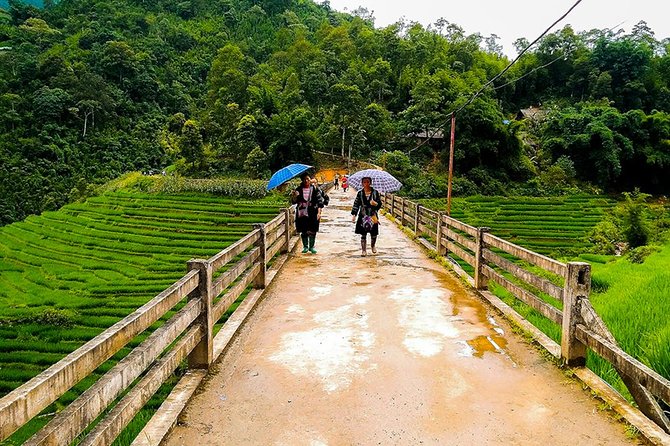
The tour includes an accommodation homestay night plus a full set of meals: breakfast (3), lunch (4), and dinner (3). That’s not a small detail. On treks, good food and predictable meal times can be the difference between enjoying the hike and turning it into constant snack management.
There’s also a big bottle of water per person included. On longer walking days, that matters. You can focus on the route, not the constant stop-and-go water hunt.
Etiquette note, based on how village homestays work in Sapa: pack something for basic respect. Clean habits, quiet voices in living areas, and following your guide’s pace and instructions make everything smoother. If you’re offered shared food, take it, even if it’s unfamiliar. That’s often the moment you learn the most.
The biggest payoff of the homestay setup is that it makes the cultural part feel real. Instead of watching from the outside, you’re living in the environment for one night, which naturally leads to better conversations the next day.
Price and Value: Is $190 Worth It?
At $190 per person, this trek sits in the “planned, guided, and included” category. You’re paying for more than walking.
Here’s what your money covers: village entry fees, a local guide, homestay accommodation for one night, transport back to Sapa after the tour, and a steady lineup of meals. It also includes 1 big bottle of water per person, which helps keep the experience comfortable even when the trail runs long.
I consider it good value if you want an all-in-one experience. If you’d otherwise have to hire a guide, arrange meals, pay entrance fees, and figure out homestay logistics, the price becomes easier to justify fast.
One pricing angle to keep in mind: this is a small-group trek (max 15). Smaller groups usually cost more, but you tend to get better interaction and a less chaotic schedule. With a 98% recommendation rate and a 5 out of 5 average rating from 42 reviews, the track record is strong.
Timing in the Wet Summer: June Heat and the Rain Reality
One review shared a real June snapshot. In that trip window, Sapa was around 23 degrees, while the valley felt like 31 to 32 degrees during the walk. That’s a key detail for how you pack.
If you’re traveling in late spring to summer, I’d plan for sweat even if the town feels mild. Light, breathable layers are your friend. If you only pack for cooler Sapa weather, you can end up overheating in the valley.
Rain is the other reality. The tour is described as requiring good weather, and if conditions are poor, you should expect an offer to reschedule or receive a full refund. That’s the right safety approach.
My practical advice: bring a rain layer that you can access quickly during sudden showers, and wear footwear with grip. Wet trails change everything.
Who This Trek Suits Best (And Who Might Want a Different Option)
This Muong Hoa Valley trek is a strong match if you want a guided walk with meaningful village contact. The ethnic lineup is part of the draw: Hmong, Giay, and Red Dao communities are all part of the experience, and your guide explains customs like Hmong marriage traditions, plus how rice fields and house building work.
It’s also a good fit if you like structure. A lot of Sapa treks become DIY stress when you try to arrange meals and homestays on your own. Here, lunches, dinners, breakfasts, homestay, guide, and entry fees are bundled.
Where it may not fit: if you want a fully effortless stroll. The tour says you should have moderate physical fitness, and there are uphill stretches and multi-day walking.
If you prefer very slow, flat walking with minimal elevation, you might feel more tired than you expect, especially during hot months. For everyone else who enjoys walking and conversation, this one is a solid choice.
A Quick Note on the Local Guide Feel
The company behind the trek communicates in a way that signals this is local-led. In a customer response, a representative named Sinh mentions they are a small group in Sapa, led by local Hmong people, and the goal is to show the real Sapa.
Even without getting lost in branding, that matters. When a trek is run by local people who know how to guide respectfully and explain traditions, you get better context on what you’re seeing.
On the trail, that tends to show up as more patient explanations, smoother village transitions, and a better sense of what’s worth paying attention to.
Should You Book This Muong Hoa Valley Trek and Homestay?
I’d book it if you want the full Sapa countryside experience with real village interaction. The combination of rice terrace scenery, multiple ethnic community stops, and a homestay night is the sweet spot for many first-time Sapa hikers.
I’d also book it if you like value that feels practical, not just “touristic.” Meals are included, entry fees are included, and you have a guide plus transport back to Sapa at the end.
Hold off if you’re very sensitive to heat or you’re hoping for an easy walk with minimal uphill effort. Also, plan around weather. Since the trek depends on good conditions, you’ll want flexibility in your schedule.
If you’re ready to trade a little comfort for authentic mountain days, this one delivers.
FAQ
What time does the tour start?
The tour starts at 9:00 am.
Where do I meet the guide?
The meeting point is Sapa Church, P. Hàm Rồng, TT. Sa Pa, Sa Pa, Lào Cai 333100, Vietnam.
How long is the trek?
It’s a 4-day, 3-night experience.
Is homestay accommodation included?
Yes. Homestay accommodation for 1 night is included.
What meals are included?
Lunch is included on 4 days, dinner is included on 3 days, and breakfast is included on 3 days.
Are village entry fees included?
Yes. Village entry fees are included.
Is pickup offered?
Pickup is offered.
What physical level is recommended?
You should have a moderate physical fitness level.
Is cancellation free?
Yes, you can cancel for a full refund up to 24 hours before the experience starts. If it’s canceled due to poor weather, you’ll be offered a different date or a full refund.
Walk, Then Stay
- Number one top rated ethical cultural trekking and homestay by ETHOS★ 5.0 · 456 reviews
- Sa Pa Full Day Trekking Tour★ 5.0 · 414 reviews
- 1-day Authentik trek & Panorama valley views★ 5.0 · 189 reviews
- 1 day Fansipan Trekking★ 5.0 · 180 reviews
- Trekking Through Rice Terraced Fields – 1Day★ 5.0 · 173 reviews
Sapa on Foot
- Sapa: Fansipan Cable, Cat Cat Village & Moana Instagram Tour★ 5.0 · 777 reviews
- Cat Cat Village, Moana, Fansipan Cable Car, Alpine Coaster – Sapa★ 5.0 · 420 reviews
- Sa Pa Full Day Trekking Tour★ 5.0 · 414 reviews
- Sapa Motorbike Tour With Local Guide 1 Day – Waterfalls, Villages★ 5.0 · 254 reviews
- 1 day Fansipan Trekking★ 5.0 · 180 reviews
Other Sapa tours our reviewers keep coming back to
- 1 Day Sapa Tour Explore Y Linh Ho And Lao Chai And Ta Van Village
★ 5.0 · 18 reviews - Canyoning Tour from Sapa Vietnam
★ 5.0 · 19 reviews - Sapa 2 Day Trekking with 1 Night Homestay
★ 5.0 · 20 reviews - Sapa Half-Day Motorbike Tour: Villages & Rice Fields
★ 5.0 · 22 reviews - Sapa Mountain Escape: 2-Day Trekking, Rice Terraces & Homestay
★ 5.0 · 23 reviews - Sapa Dragon Cloud Glass Bridge and Silver Waterfall Half-Day Tour
★ 5.0 · 25 reviews
Sapa Trekking and Fansipan, compared.
 ★ 5.0Sapa 2 Days 1 Night From Hanoi – Overnight in Ta Van VillageFrom $592,669 reviews
 ★ 5.0Hanoi – Sapa 2 Days 1 Night Overnight At HomestayFrom $89899 reviews
 ★ 4.6Sa Pa: Muong Hoa Valley Trek and Local Ethnic VillagesFrom $23864 reviews
 ★ 5.0Sapa: Fansipan Cable, Cat Cat Village & Moana Instagram TourFrom $30777 reviews
 ★ 4.8From Hanoi: 2-Day Sapa Trekking Trip with Homestay & MealsFrom $71704 reviews
 ★ 5.0Sapa 3 Days 2 Nights Trekking Tour (1 Night In Ta Van Village, 1 Night In Hotel)From $139699 reviews
 ★ 4.9Sapa: Eco Adventure Terrace Fields and Local Villages TrekFrom $27636 reviews
 ★ 5.03-Day Trekking Adventure of Sapa from Hanoi – Stay Ta Van VillageFrom $109611 reviews
Also in these Vietnam lists