
REVIEW · HUE IMPERIAL CITY AND ROYAL TOMBS
Hue: Private Dragon Boat, Pagoda, and Royal Tomb Tour
Hue’s royal stories start on the river. I love the calm dragon boat ride on the Perfume River, and I like that the English guide puts real people behind the names, including emperors, wives, concubines, and eunuchs. One consideration: the day can hit peak heat and humidity, so you’ll want water and a realistic pace.
You’ll also get Thien Mu Pagoda, Hue’s famous 17th-century Buddhist landmark with seven floors, plus tombs that feel like different chapters of power and belief. The contrast is sharp, especially with Khai Dinh, where Western and Eastern styles show up in one burial monument.
In This Review
- Key things I’d circle before you go
- Perfume River dragon boat: the easiest start to a big Hue day
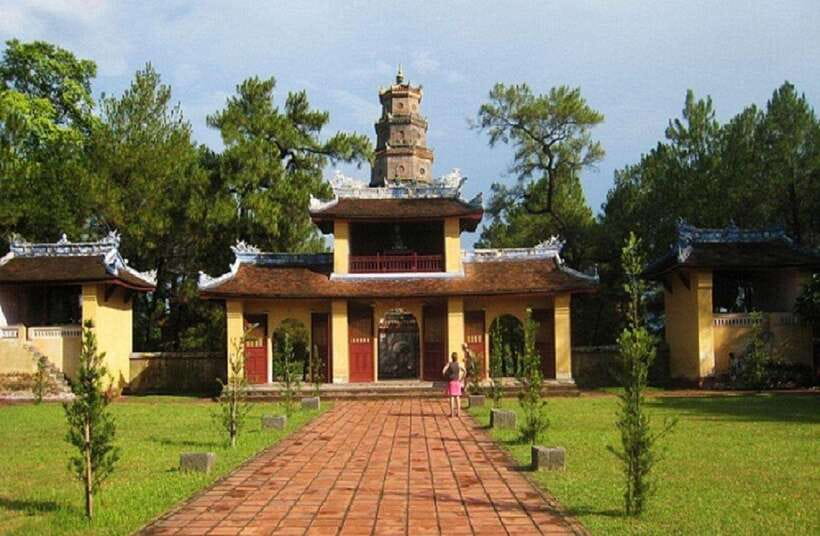
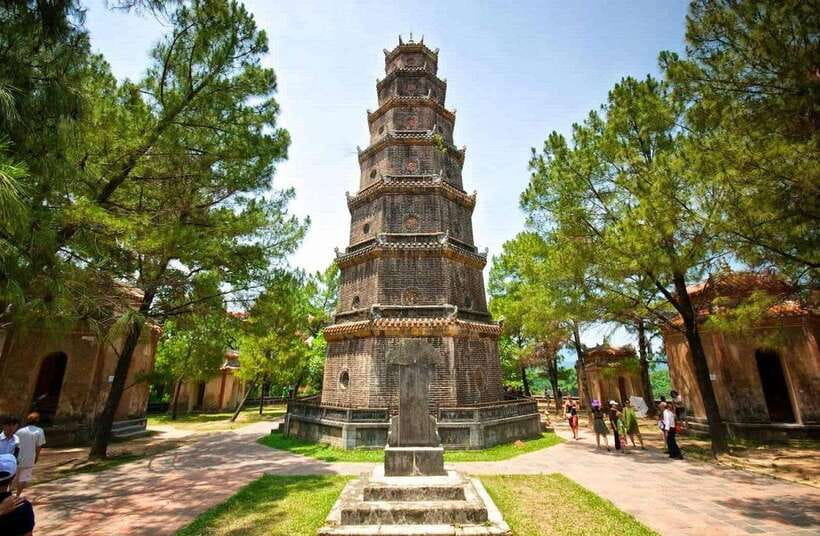
- Thien Mu Pagoda: seven floors, one of Hue’s most important spiritual landmarks
- Imperial City area: how the Nguyen dynasty shaped what you see next
- Minh Mang Tomb: the royal builder’s style and setting
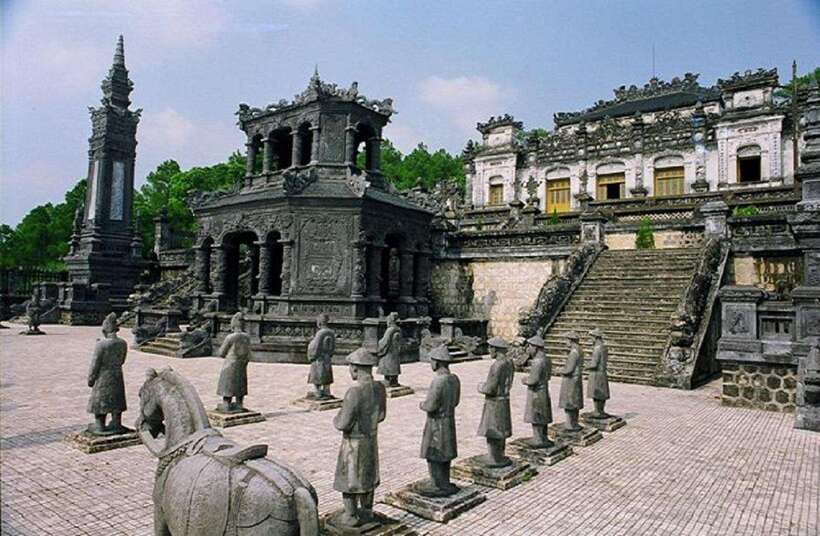
- Khai Dinh Tomb: small site, long build, and a striking Western-meets-Asian blend
- Tu Duc Tomb: the tomb that also functioned like a late-life home
- Longer versions include Thuy Bieu, Vong Canh Hill, and Dong Khanh
- Private transport plus a real guide: why this tour feels smooth
- Price and tickets: where the real cost comes in
- Should you book this Hue dragon boat and royal tomb tour?
- FAQ
- What is the duration of the Hue private dragon boat and royal tomb tour?
- What’s included in the price?
- Are entry tickets included for the tombs and Imperial City?
- Can I choose how many royal tombs to visit?
- Are there combo tickets to save time or cost?
- What kind of transport do I use during the tour?
- Where does pickup and drop-off happen?
Key things I’d circle before you go
- Private dragon boat timing: a short, scenic Perfume River cruise that starts the story before you ever reach land.
- Thien Mu Pagoda’s 7 floors: a clear walk-and-look structure that makes the site easy to understand.
- Three tombs, three vibes: Minh Mang’s grandeur, Khai Dinh’s unusual mix of styles, and Tu Duc’s life-like design.
- Drop-off flexibility: you can finish back at your hotel or even at the Imperial City.
- English guides who actually steer the day: many guides, including Hung and Nhi, are praised for clear explanations and smart pacing.
More of the citadel and the tombs along the river
- Hue Customizable Tour with Imperial Citadel & Forbidden City★ 4.9 · 937 reviews
- Hue :Exploring Royal City with Multi Options and Dragon Boat★ 5.0 · 675 reviews
- Hue City Tour Full Day – Group Tour★ 4.7 · 518 reviews
- From Hue: DMZ Tour with Vinh Moc Tunnels and Khe Sanh Base★ 4.9 · 503 reviews
Perfume River dragon boat: the easiest start to a big Hue day

This tour kicks off with pickup in central Hue, then you head to the river for a private dragon boat cruise. The ride itself is about 20 minutes, long enough to slow your brain down and make the pagoda approach feel special, not rushed.
What I like is the sequence. You’re on the water first, so when you reach Thien Mu Pagoda, you’re already oriented to the setting and the views. It also helps if you’re tired of constant car transfers, because this gives you a reset with a little “Hue by water” magic.
Your dragon boat experience is private, and that matters. It means fewer interruptions and more room for photos, plus you’re not stuck listening to someone else’s loud phone call while you’re trying to enjoy the river.
Thien Mu Pagoda: seven floors, one of Hue’s most important spiritual landmarks
Thien Mu Pagoda is the star early stop. It’s a 17th-century Buddhist site on a hill that overlooks the Perfume River, and it’s considered Hue’s oldest Buddhist pagoda. The tour focuses on understanding the structure as you move through its seven floors.
This is where your guide’s storytelling really pays off. A strong guide will connect what you’re seeing with why Buddhism mattered so much in Vietnam’s culture and history, not just as religious tradition, but as a reason for how people built, honored, and organized their world.
In practice, you’ll spend time exploring the grounds and moving through the levels, so wear shoes you’ll trust. If you go at midday, it can feel toasty on the hill walk, and the best strategy is to pace yourself, take breaks when offered, and accept that this is a walking day.
If the day’s rhythm is right, this pagoda stop becomes more than a photo stop. It becomes your map for interpreting the rest of Hue, because it frames the blend of belief, power, and landscape that shows up again and again in the royal sites.
Imperial City area: how the Nguyen dynasty shaped what you see next
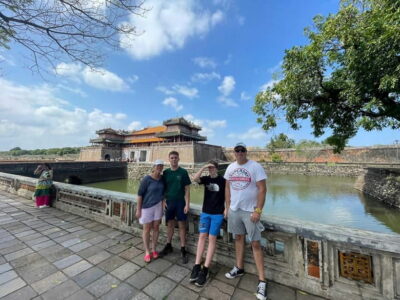
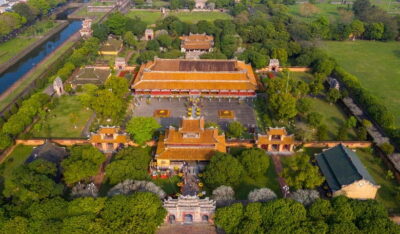
After the river, you transfer by private car to the Imperial City, known for being the living and working space of 13 emperors of the Nguyen dynasty until 1945. The tour may include time in the Imperial City area, or at least position you near it so you can understand how the tombs fit into the broader capital system.
Even when you’re not spending hours inside every gate, this context helps. The Nguyen tombs aren’t random monuments. They’re part of a worldview where rulers, ritual, and memory were designed into stone and layout.
Important practical note: tickets are not included for the Imperial City. You’ll need to purchase them separately, and the tour provides combo ticket options if you want to bundle Imperial City with tomb access over two days.
Minh Mang Tomb: the royal builder’s style and setting
One of the tomb stops is Minh Mang Tomb, known for its beautiful architecture and setting. This is a good choice when you want to see the “big kingdom” side of the Nguyen emperors, with scale and careful design.
What I like here is that Minh Mang Tomb often feels more immersive in layout than in one single dramatic structure. You walk through a planned environment meant to communicate order, authority, and intention. With a guide, you’ll also get the human side: how life at court worked and how family and rank shaped everything, from daily rituals to succession thinking.
If you’re choosing just one tomb, Minh Mang is a solid anchor stop. You’ll come away with a clearer sense of why these places were built to last, not just to be visited once.

Khai Dinh Tomb: small site, long build, and a striking Western-meets-Asian blend
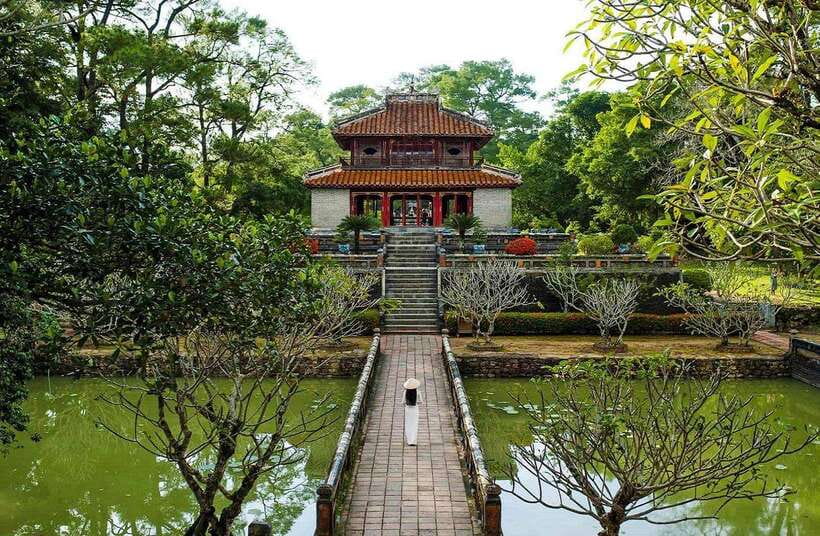
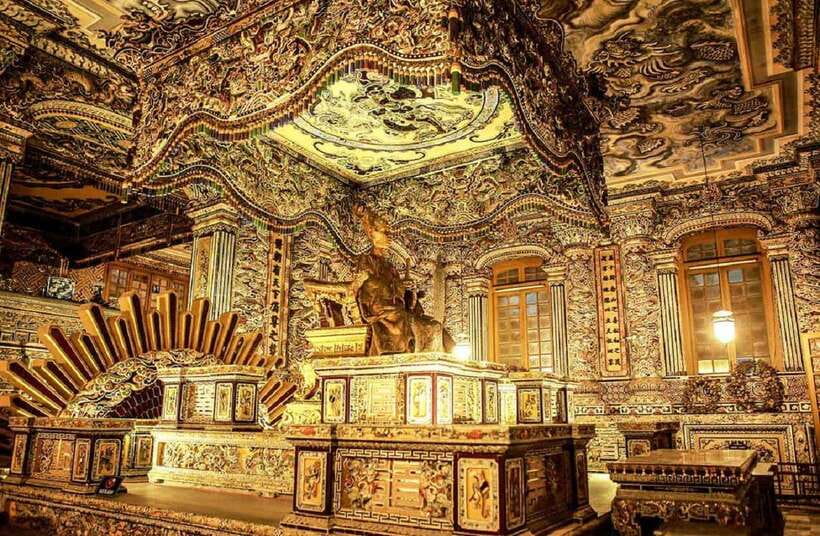
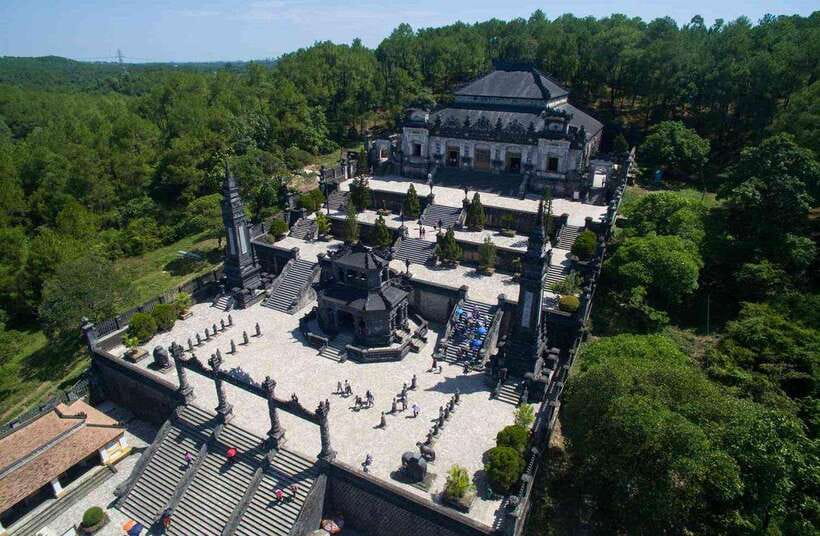
Khai Dinh Tomb is the one people bring up by name, and for good reason. It’s described as the smallest of the Nguyen imperial tombs, yet it took the longest to build. That combination makes it feel intentional, almost like the court wanted time, materials, and experimentation to show.
It’s also the tomb famous for a blend of Western and Eastern architectural styles. Even without getting technical, you can see how the design choices feel different from the more “traditional” royal tomb shapes.
This is a great stop if you want contrast. If you pair Khai Dinh with another tomb, your brain starts doing pattern recognition, like: where does the Nguyen dynasty stay consistent, and where do they adapt? Having an English guide helps you spot those details instead of just admiring them.
Several guides have been praised for making sure you spend enough time at Khai Dinh, because it’s the kind of place where rushing makes you miss the point.
Tu Duc Tomb: the tomb that also functioned like a late-life home
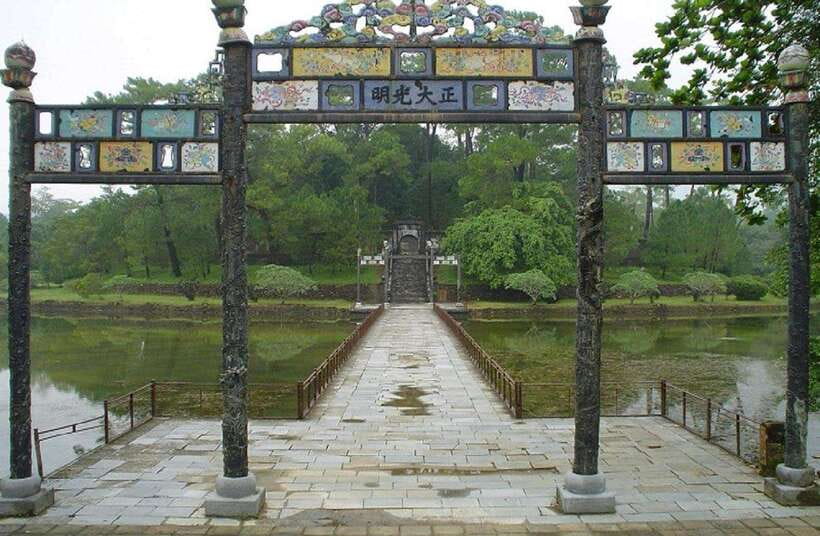
Tu Duc Tomb is the other major contrast stop, because it was completed while Emperor Tu Duc was still alive. That detail changes how you read the space.
This tomb served as a place for the emperor to live and work at the end of his life. In other words, it’s not only a monument for mourning. It also feels like a working environment, shaped around how power and daily routines continued right up to the end.
If you like sites with atmosphere, Tu Duc often lands well. You’re not just walking through a burial complex, you’re walking through a designed routine. With a guide, you’ll also get context for the emperor’s world, including the royal court structure that kept the empire running.
If you’re choosing two tombs, I’d use this logic: pick one tomb that highlights design scale, and pair it with either Tu Duc for the lived-in feel or Khai Dinh for the style shift. That gives you a fuller picture than picking two that feel too similar.
Longer versions include Thuy Bieu, Vong Canh Hill, and Dong Khanh
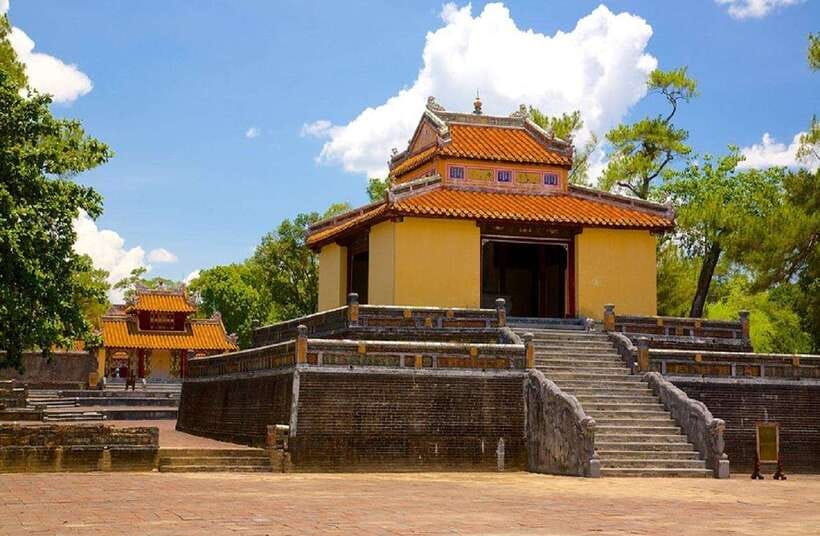
Some versions of the route run longer and add more stops after Tu Duc, including the Tiger Arena area in Thuy Bieu Village, Vong Canh Hill, and the Mausoleum of Emperor Dong Khanh.
This portion is more active. The tour description points to walking and a chance for rides like bike tour, scooter ride, or even motorcycle ride, plus off-road adventure style experiences depending on what’s available that day. If you like light adventure and you’re okay with heat and movement, this can turn a history day into a more “Hue in motion” day.
Vong Canh Hill is another highlight name here. It’s presented as a stop with its own visit and scenic views opportunities, so plan on photo time and slower wandering.
Dong Khanh is another tomb stop, giving you yet another royal design example. This is for you if you feel you’ll enjoy comparing tomb styles and layouts more than ticking off just one or two.
Private transport plus a real guide: why this tour feels smooth
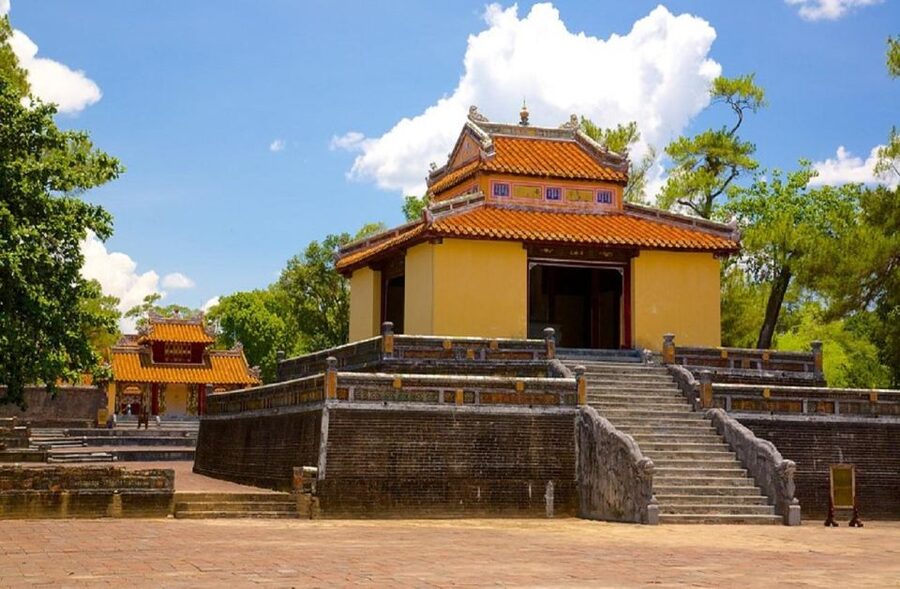
A big part of the value is that you’re not left to figure out logistics between sites. The tour includes a private car or mini van with an experienced driver, plus an English live guide depending on your option.
In the feedback pattern, the best tours are the ones where time isn’t strangled. Guides like Hung and Nhi are praised for letting you look around at your pace while still keeping the story clear. Several people also mention air-conditioned comfort and cold water, which is not a small detail in Hue.
The guide also makes a difference in how you interpret what you see. You’ll hear explanations tied to court life, including the roles around the emperor’s world. That turns tombs from “beautiful buildings” into “designed systems for power and remembrance.”
There’s also flexibility. A few people describe adjusting the schedule on the go, and that can matter when the heat makes a noon walk feel like a bad idea. You don’t want to waste your limited energy by being overly rigid.
Price and tickets: where the real cost comes in
The tour price is listed at $13 per person, and that’s for the core experience pieces that do not include entry tickets. What you’re paying for includes pickup and drop-off (in central areas or the train station), private transport, and a private dragon boat cruise, plus an English guide depending on option.
Then you hit the part that usually surprises people: tickets are separate. Royal tomb entry is listed at 150k per person per tomb, and Imperial City tickets are 200k per person. The good news is the tour also points you toward combo ticket options if you want to bundle sites.
Combo ticket options listed include:
- 420k per ticket for Imperial City plus 2 tombs, valid in two days
- 530k per ticket for Imperial City plus 3 tombs, valid in two days
Here’s the practical way to think about value. If you plan to do more than one tomb, it usually makes sense to compare your likely tomb count to the combo options so you’re not buying separate tickets unnecessarily. If you’re only doing one tomb and you might skip Imperial City, you might not need the combo.
Also, food and drinks are not included, but you can buy them along the way. Plan for water, and keep some cash or payment method handy for tickets.
Finally, remember the tour duration can stretch from about 150 to 450 minutes, depending on which tomb combination you choose and whether your route includes the extra stops.
Should you book this Hue dragon boat and royal tomb tour?
I think you should book this tour if you want the Hue highlights with minimal hassle. The private dragon boat start is a genuine time saver on the experience side, and the guide support makes the royal sites easier to understand. It’s also a smart choice if you’re short on time and you don’t want to coordinate multiple taxis between hills and tombs.
You might skip or adjust if you prefer fully independent travel with no guided explanations, or if you’re very sensitive to heat and long walks. This is a day that can include hilltop moving and museum-like exploring, and Hue weather can be unforgiving.
My quick decision rule: if you want a smooth, story-driven day that starts on the river and ends with a flexible drop-off, this is a strong fit. If you want maximum physical effort and zero guidance, plan a different style of Hue day.
FAQ
What is the duration of the Hue private dragon boat and royal tomb tour?
The duration is listed as 150 to 450 minutes, and it depends on the starting time and which tomb option you choose.
What’s included in the price?
Included are pickup and drop-off from center locations (or the train station), private car or mini van with an experienced driver, a private dragon boat cruise on the Perfume River, and a live English tour guide depending on the option.
Are entry tickets included for the tombs and Imperial City?
No. Tickets are not included. Royal tomb tickets are listed at 150k per person per tomb, and Imperial City tickets are listed at 200k per person.
Can I choose how many royal tombs to visit?
Yes. You can choose an option that includes your visit to Pagoda plus 1 tomb, Pagoda plus 2 tombs, or Pagoda plus 3 tombs. The tour also notes that included sites can differ by option.
Are there combo tickets to save time or cost?
The tour notes combo ticket options with Imperial City bundled with tombs: 420k for Imperial City with 2 tombs, or 530k for Imperial City with 3 tombs, valid in two days.
What kind of transport do I use during the tour?
You’ll travel by private car or mini van with an experienced driver, and you’ll also use a private dragon boat for the Perfume River cruise.
Where does pickup and drop-off happen?
Pickup and drop-off are included for center hotels or the Hue train station. There may be an extra charge if your location is not in the city center or for pickups at Phu Bai Airport.
Hue, Citadel and Tombs
- Hue Customizable Tour with Imperial Citadel & Forbidden City★ 4.9 · 937 reviews
- Hue :Exploring Royal City with Multi Options and Dragon Boat★ 5.0 · 675 reviews
- Hue City Tour Full Day – Group Tour★ 4.7 · 518 reviews
- From Hue: DMZ Tour with Vinh Moc Tunnels and Khe Sanh Base★ 4.9 · 503 reviews
- Hue: Private Car to Hoi An via Fabulous Stops★ 5.0 · 371 reviews
Other Hue Vietnam tours our reviewers keep coming back to
- Hue Royal Tombs Tour: Visit Best Pagodas & Mausoleums
★ 4.9 · 19 reviews - Hue Imperial city walking tour and optional royal tombs
★ 4.7 · 19 reviews - Hue Imperial City & Abandoned Water Park Tour by E-Scooter
★ 5.0 · 20 reviews - From Hue: Private Half-Day DMZ Tour with Vinh Moc Tunnels
★ 4.8 · 22 reviews - Phong Nha National Park: Paradise Cave Half-Day Tour
★ 5.0 · 23 reviews - Guided Private Tour – Explore Hue’s Royal Tombs & Thien Mu
★ 5.0 · 24 reviews
Hue Imperial City and Royal Tombs, compared.
 ★ 5.0Hue to Hoi An ( Hoi An to Hue) Top Gear with Lefamily Riders Tours ( 1 way)From $503,156 reviews
 ★ 5.0Easy Rider private tour via Hai Van pass from Hue – Da Nang – Hoi An (1Way|Loop)From $551,542 reviews
 ★ 4.9Hue Customizable Tour with Imperial Citadel & Forbidden CityFrom $12937 reviews
 ★ 4.6Imperial City, Hue: Day Tour from Hoi An and Da NangFrom $47830 reviews
 ★ 5.0Easy Rider From Hue Da Nang Hoi An Via Hai Van Pass With Mister TFrom $58769 reviews
 ★ 4.7Da Nang/Hoi An: Hue Imperial City via Hai Van Pass & LunchFrom $9753 reviews
 ★ 5.0Hue to Dn/Hoi An: Hai Van Pass, beaches & Mt Monkey or vice versaFrom $59743 reviews
 ★ 5.0Hue: Imperial City Walk, Motorbike Tour & Private Car OptionsFrom $7732 reviews
Also in these Vietnam lists