
REVIEW · HUE IMPERIAL CITY AND ROYAL TOMBS
Hue Imperial city walking tour and optional royal tombs
Hue’s royal walls teach you how to look. This 2.5-hour walk through the Hue Imperial City and Forbidden City turns history into something you can spot, not just read. You’ll follow the Nguyen Dynasty story through gates, pavilions, temples, and palace spaces, with a guide who explains what you are seeing and why it mattered.
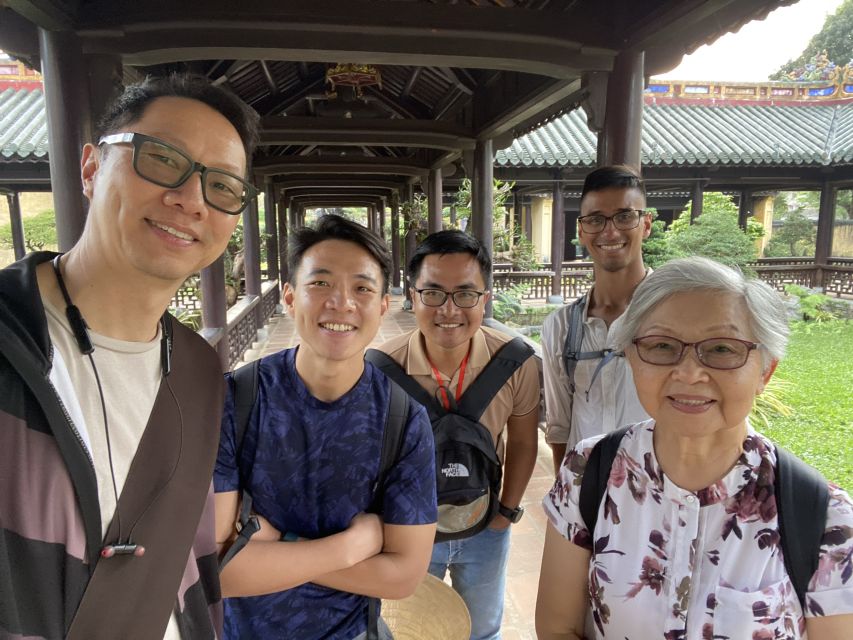
I especially like two things about this tour. First, the historian-style narration links the big story, why Hue was chosen as capital, to the small details like court architecture and how influences such as Feng Shui or weather shaped building choices. Second, the small-group format keeps questions flowing, and guides like Matthew and Dang earn repeat praise for making the palaces feel real, including practical engineering stories about managing flood waters and wind currents.
One consideration before you go: the walking is real, Hue can be hot and humid in summer, and the entrance ticket is extra (200,000 VND per person). Bring water, wear light clothes, and plan on adding that ticket cost to the advertised price.
In This Review
- Key Things That Make This Tour Worth Your Time
- Hue Imperial City and Forbidden City, Why It Feels Bigger Than Photos
- The 2.5-Hour Walk, What You Actually Do With Your Feet
- Meeting Point at the Nine Holy Cannons, Then Straight Into the Story
- Inside the Imperial City: The Stops That Give You a Real Sense of Power
- Hien Lam Cac Pavilion, Where Court Life Gets Its Stage
- Mieu Temple, The Sacred Side of a Political Machine
- Queen Mother Residence, Power Close to the Center
- Purple Forbidden City, The Area With Limits You Can Feel
- Learning Hue’s Nguyen Dynasty Story, Not Just Touring Buildings
- The Morning Bonus: Changing Guard at Ngo Mon Gate
- Optional Royal Tombs: When You Want the Rest of the Dynasty
- Price and Value: What Your $26 Really Buys
- Weather, Shoes, and Small Practical Tips That Actually Matter
- Who This Tour Suits Best
- Should You Book This Hue Imperial City Tour?
- FAQ
- How long is the Hue Imperial City walking tour?
- What is included in the price?
- Is the entrance ticket included?
- Where do I meet the tour guide?
- Does the tour include a morning ceremony?
- What language is the tour in?
- Is there a heat or weather tip for the tour?
- Is pay later available, and what about refunds?
Key Things That Make This Tour Worth Your Time
- Historian-led answers that connect Nguyen Dynasty power to what’s carved, built, and placed in each zone
- Imperial and Forbidden City coverage with named sights like the Hien Lam Cac Pavilion and Purple Forbidden City spaces
- Architecture and environment explanations, including practical thinking behind court design
- Small-group comfort, so you get more than a fast walk-through
- Morning tour bonus option: Changing Guard Ceremony at 8 am at Ngo Mon Gate
- Optional add-on for more royal history, with the common choice being royal tomb visits
More of the citadel and the tombs along the river
- Hue Customizable Tour with Imperial Citadel & Forbidden City★ 4.9 · 937 reviews
- Hue :Exploring Royal City with Multi Options and Dragon Boat★ 5.0 · 675 reviews
- Hue City Tour Full Day – Group Tour★ 4.7 · 518 reviews
- From Hue: DMZ Tour with Vinh Moc Tunnels and Khe Sanh Base★ 4.9 · 503 reviews
Hue Imperial City and Forbidden City, Why It Feels Bigger Than Photos
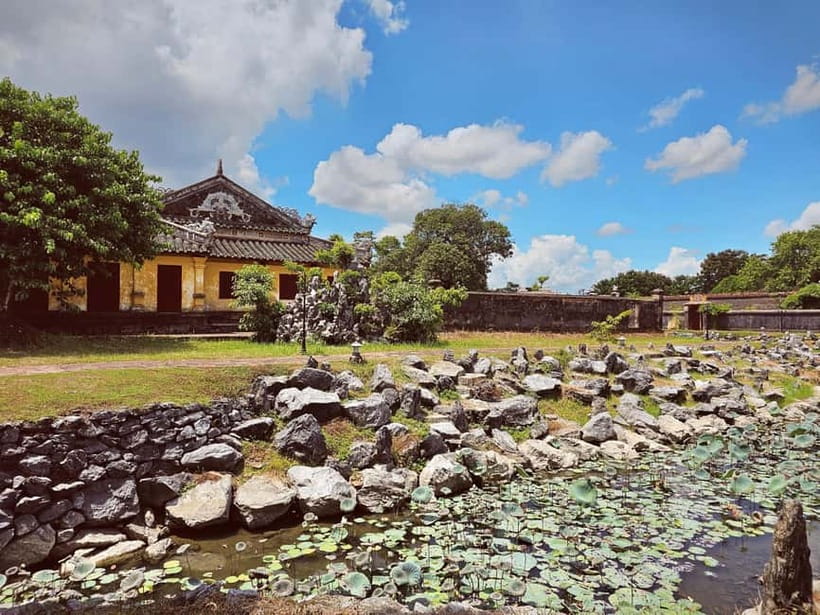
Hue Imperial City sits in Central Vietnam, and it carries the kind of authority you can feel even when you are just walking. It was recognized as a UNESCO World Cultural Heritage site in 1993, and the best part of a guided walk is that you stop treating it like a museum map. You start treating it like a system, a place built to control movement, display power, and impress the right people at the right time.
This tour is built around the Nguyen Dynasty period, when Hue served as the capital from 1802 to 1945. That date range matters because it explains why the complex feels so intentional, from the layout of spaces to the way visitors are guided past certain thresholds. Your guide also frames the bigger arc, including what led to the Nguyen Dynasty’s downfall, so the story does not end when the buildings do.
If you like history that answers the question why, this is your format. The guide does not just point at a gate and move on. They connect it to court life and planning choices, which makes the Imperial City feel like a living blueprint rather than scattered ruins.
The 2.5-Hour Walk, What You Actually Do With Your Feet
The core experience is a 2.5-hour walking tour, led by an English-speaking guide with a historian tone. That timing is a sweet spot. Long enough to get context and see key areas, short enough that you are not stuck sweating through the whole afternoon.
You will also appreciate the pacing because the tour is designed for meaning, not speed. You are moving through a large site, but the commentary helps you notice patterns. For example, you will learn how the court spaces relate to hierarchy and access, which changes how you perceive the Purple Forbidden City sections when you reach them.
And yes, it’s hot in Hue in summer (May to August). This is not a reason to skip the tour, it’s a reason to prepare. I suggest water from the start, light clothing, and shoes you can walk in comfortably. The Imperial City areas can involve uneven ground and lots of steps, so plan for that.
Meeting Point at the Nine Holy Cannons, Then Straight Into the Story
Logistics here are refreshingly simple. You meet your guide at the 4-cannon side of the Nine Holy Cannons (the opposite side is the 5-cannon). The guide texts you via WhatsApp before the meeting to make sure everything lines up.
That little WhatsApp check is a big deal in Hue, because the site area can be confusing if you arrive without a plan. It also reduces the stress of finding a guide in a hot zone, which is worth something in itself.
At the end, the tour returns to the same meeting point. That keeps your day clean, especially if you want to pair this with a market stop or the optional tomb visit.
Inside the Imperial City: The Stops That Give You a Real Sense of Power
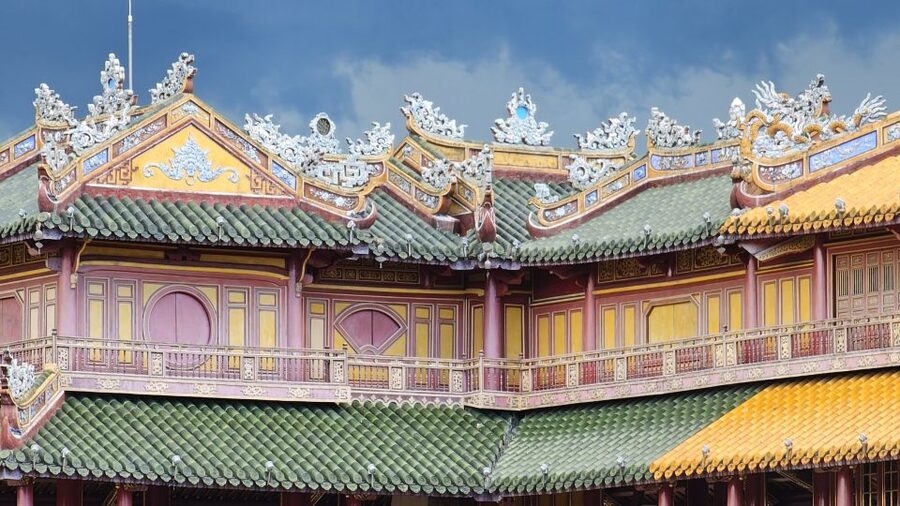
The tour focuses on key areas inside Hue’s Imperial City. The exact flow can vary with the guide and your interests, but these are among the places you can expect to see.

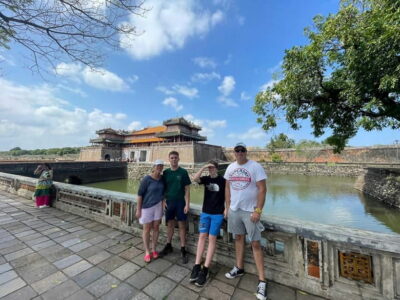
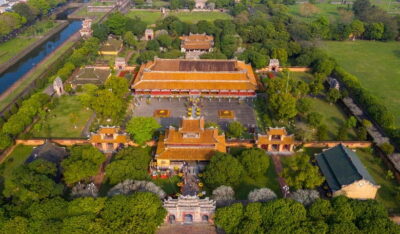
Hien Lam Cac Pavilion, Where Court Life Gets Its Stage
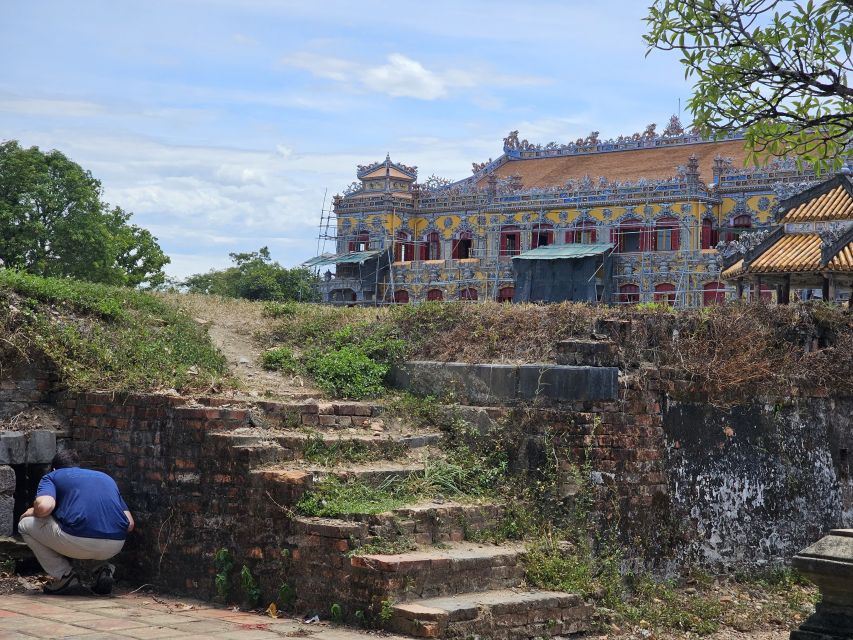
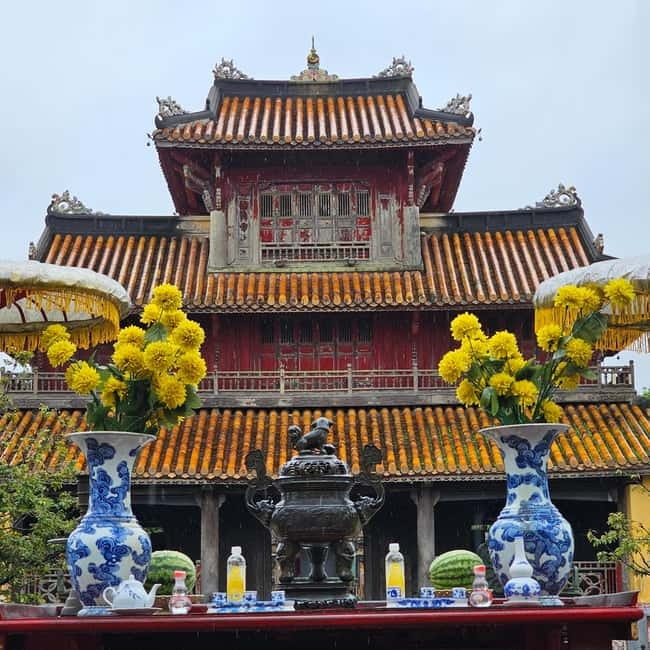
The Hien Lam Cac Pavilion is one of those spots that looks impressive in a photo, but it hits harder with explanation. Your guide helps you understand how pavilions in the court setting were designed for display and ceremony, not casual strolling. In other words, it’s not just about beauty. It’s about how the Nguyen court communicated authority.
Mieu Temple, The Sacred Side of a Political Machine
Next you may visit the Mieu Temple. Temples in imperial settings do double duty: they are spiritual spaces and political statements at the same time. If you have ever wondered why rulers cared so much about ritual, this is where you start seeing the logic.
The guide’s role here is important. Without context, you might treat it as another building in a complex. With context, you see it as part of a system that supported the dynasty’s legitimacy.
Queen Mother Residence, Power Close to the Center
The tour also includes the Queen Mother Residence, which is a strong reminder that courts were not only about emperors. Family roles, influence, and proximity to power shaped decisions. Your guide helps connect the residence space to court structure, so you understand what the design implies about authority within the palace world.
Purple Forbidden City, The Area With Limits You Can Feel
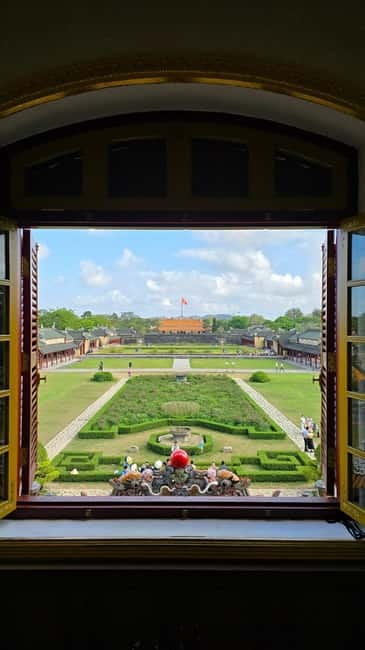
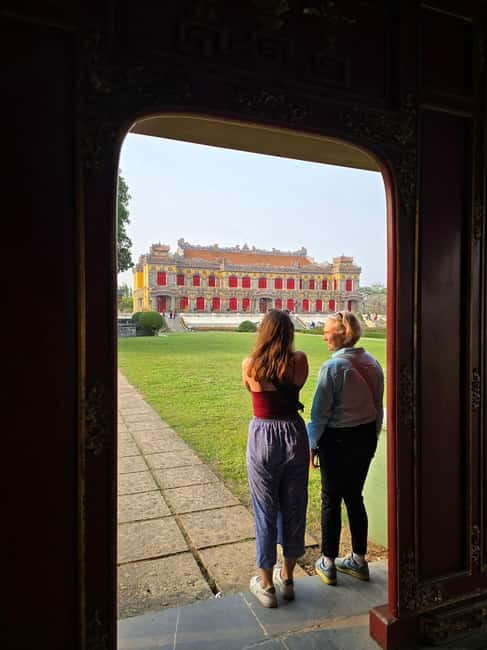
The tour highlights the Purple Forbidden City, including spaces such as Kien Trung Palace and the Royal Garden. This part is especially useful because it teaches you how forbidden spaces worked in real life. You learn why some areas were restricted and how design and access reinforced that boundary.
Kien Trung Palace and the garden areas are the kind of places where you can easily miss the point if you are just photographing. With the guide’s commentary, you start noticing the intention behind placement and layout, and that makes the site feel more coherent.
Learning Hue’s Nguyen Dynasty Story, Not Just Touring Buildings
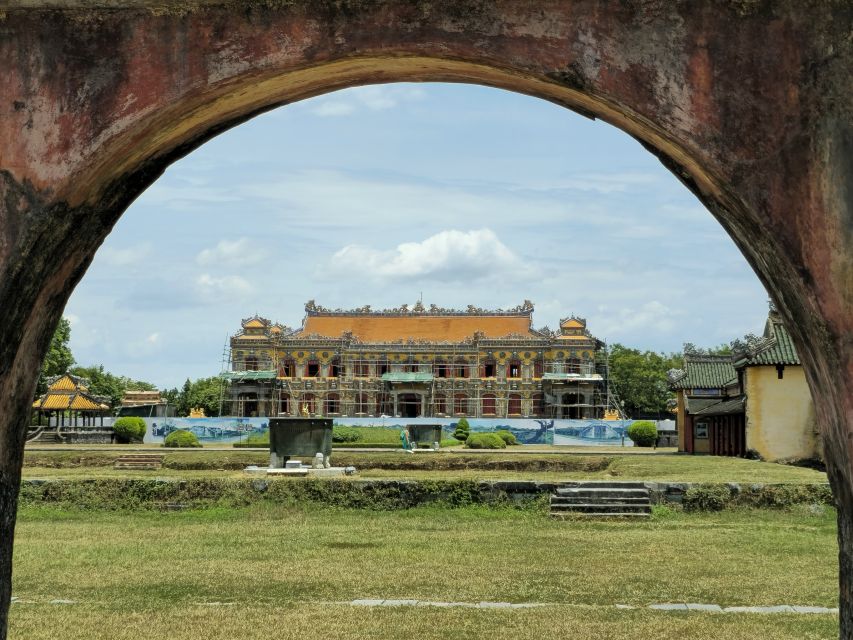
One of the most praised strengths is how guides explain the Nguyen Dynasty story in a way that is easy to track. You learn why Hue was selected as the capital and how that choice connected to the dynasty’s long-term ambitions.
You also get to hear about architectural thinking during the Nguyen era. Your guide may discuss questions like whether the constructions reflected Feng Shui principles or practical concerns such as weather conditions. Even when you cannot test those ideas today, it helps you understand that building decisions were not random. They were tied to belief systems and real-world planning.
And then there is the ending of the story. The tour covers reasons behind the dynasty’s downfall, which keeps the experience from feeling like a closed chapter. You walk through impressive spaces, yes, but you also leave with the sense of how quickly political fortunes can shift.
The Morning Bonus: Changing Guard at Ngo Mon Gate
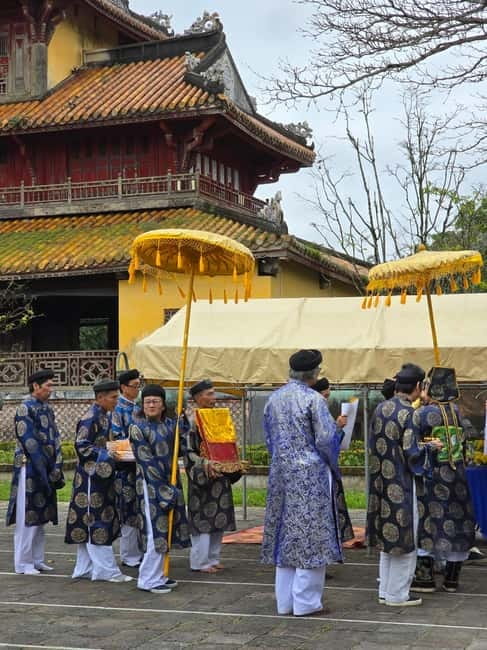
If you book the morning option, there is an added bonus. You can watch the Changing Guard Ceremony at 8 am in front of Ngo Mon Gate.
This matters because ceremonies turn architecture into theater. Instead of seeing the gate as a structure, you see it as a stage for ritual and visibility. It’s also a smart time to go if you want the experience to feel more alive, though you will still want water and sunscreen.
If you prefer a slower start and less early timing pressure, you can choose the regular schedule. Just know that you will miss this specific ceremony moment.
Optional Royal Tombs: When You Want the Rest of the Dynasty
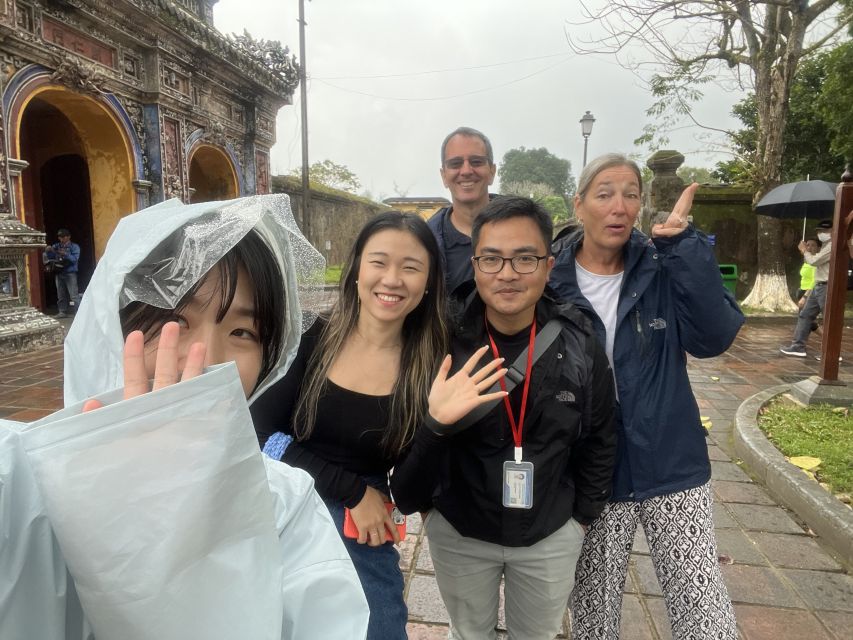
This experience can be expanded with optional royal tombs. One common add-on is a follow-up visit to two kings’ tombs, guided by the same kind of historian storytelling you get during the Imperial City walk.
This extension is valuable because tombs help complete the emotional arc of the Nguyen story. The Imperial City shows power in the active sense, the working court. The tombs shift the focus to legacy, memory, and how rulers wanted to be remembered long after their reign.
If you only have a short stay in Hue, the Imperial City walk alone is enough. If you like a full theme day, pair the Imperial City tour with the tomb add-on and you’ll feel you got the dynasty from both angles.
Price and Value: What Your $26 Really Buys
The advertised price is $26 per person, and the provider notes the price can vary depending on which option you choose. What you can count on is that the guiding fee is included.
The big separate cost is the entrance ticket. The tour does not include the entrance fee, listed as 200,000 VND per person. That means your total day cost is guide plus site ticket, not just the $26.
Is it good value? For me, it mostly comes down to one thing: you are not just paying for walking access. You are paying for interpretation of what you see. The very high ratings come from guides who explain history and architecture clearly, including the way palace engineering managed things like flood water and wind currents.
If you are comfortable roaming on your own, you might see the same walls without a guide. But if you want the site to make sense, the price is reasonable for a focused, 2.5-hour historian-guided experience.
Weather, Shoes, and Small Practical Tips That Actually Matter
Hue can be unforgiving in summer, May through August. Hot, humid air slows you down, and it also makes long outdoor explanations more intense.
Here’s what I’d do:
- Start early if you can, especially if you choose the 8 am ceremony option.
- Bring extra water and plan to drink during the tour, not at the end.
- Wear comfortable shoes. You are walking through a major heritage complex, not a flat city block.
If you have mobility limits, you should consider whether the walking and steps are comfortable for you. The tour is short at 2.5 hours, but the site itself is still a big outdoor environment.
Who This Tour Suits Best
This is a strong match if you:
- Want a guided explanation of Nguyen Dynasty court life, not just sightseeing
- Enjoy architecture and design thinking, including why places were built the way they were
- Like small-group tours where you can ask follow-up questions
It’s also a great choice if you want Hue to connect to the wider story of Vietnam. The best guides make the Imperial City feel like a key chapter, not an isolated tourist stop.
If you prefer to spend most of your time taking photos without stopping for historical context, you may find the guided narration changes your pace. But if you want your questions answered while you are standing in front of the exact building, you’ll probably love it.
Should You Book This Hue Imperial City Tour?
If your goal is to understand Hue’s imperial core, I’d book it. The combination of a historian guide, a well-paced 2.5-hour walk, and named highlights like Hien Lam Cac Pavilion, Mieu Temple, Queen Mother Residence, and the Purple Forbidden City spaces is exactly what turns the UNESCO site into an experience you remember.
Just plan for the extra 200,000 VND entrance ticket and bring water if you are visiting in the hotter months. Do that, and this tour becomes one of the most efficient ways to get the meaning behind Hue’s imperial walls.
FAQ
How long is the Hue Imperial City walking tour?
The walking tour is 2.5 hours.
What is included in the price?
The included item is the guiding fee.
Is the entrance ticket included?
No. The entrance fee is 200,000 VND per person and is not included.
Where do I meet the tour guide?
You meet the guide at the 4-cannon side of the Nine Holy Cannons. The opposite side is the 5-cannon.
Does the tour include a morning ceremony?
If you book the morning tour, you can watch the Changing Guard Ceremony at 8 am in front of Ngo Mon Gate.
What language is the tour in?
The tour is in English.
Is there a heat or weather tip for the tour?
Yes. Hue is often hot and humid in summer (May to August), so you should bring more water.
Is pay later available, and what about refunds?
Reserve and Pay Later is offered. You can cancel up to 24 hours in advance for a full refund.
Hue, Citadel and Tombs
- Hue Customizable Tour with Imperial Citadel & Forbidden City★ 4.9 · 937 reviews
- Hue :Exploring Royal City with Multi Options and Dragon Boat★ 5.0 · 675 reviews
- Hue City Tour Full Day – Group Tour★ 4.7 · 518 reviews
- From Hue: DMZ Tour with Vinh Moc Tunnels and Khe Sanh Base★ 4.9 · 503 reviews
- Hue: Private Car to Hoi An via Fabulous Stops★ 5.0 · 371 reviews
Other Hue Vietnam tours our reviewers keep coming back to
- Hue Royal Tombs Tour: Visit Best Pagodas & Mausoleums
★ 4.9 · 19 reviews - Hue Imperial city walking tour and optional royal tombs
★ 4.7 · 19 reviews - Hue Imperial City & Abandoned Water Park Tour by E-Scooter
★ 5.0 · 20 reviews - From Hue: Private Half-Day DMZ Tour with Vinh Moc Tunnels
★ 4.8 · 22 reviews - Phong Nha National Park: Paradise Cave Half-Day Tour
★ 5.0 · 23 reviews - Guided Private Tour – Explore Hue’s Royal Tombs & Thien Mu
★ 5.0 · 24 reviews
Hue Imperial City and Royal Tombs, compared.
 ★ 5.0Hue to Hoi An ( Hoi An to Hue) Top Gear with Lefamily Riders Tours ( 1 way)From $503,156 reviews
 ★ 5.0Easy Rider private tour via Hai Van pass from Hue – Da Nang – Hoi An (1Way|Loop)From $551,542 reviews
 ★ 4.9Hue Customizable Tour with Imperial Citadel & Forbidden CityFrom $12937 reviews
 ★ 4.6Imperial City, Hue: Day Tour from Hoi An and Da NangFrom $47830 reviews
 ★ 5.0Easy Rider From Hue Da Nang Hoi An Via Hai Van Pass With Mister TFrom $58769 reviews
 ★ 4.7Da Nang/Hoi An: Hue Imperial City via Hai Van Pass & LunchFrom $9753 reviews
 ★ 5.0Hue to Dn/Hoi An: Hai Van Pass, beaches & Mt Monkey or vice versaFrom $59743 reviews
 ★ 5.0Hue: Imperial City Walk, Motorbike Tour & Private Car OptionsFrom $7732 reviews
Also in these Vietnam lists