
REVIEW · SAPA TREKKING AND FANSIPAN
Hanoi- SaPa: 3-Day Homestay Trek to Explore Ethnic cultures
Rice terraces and villages, but with real people.
I love how this trek mixes big mountain views with face-to-face time with ethnic minority families, not just quick photo stops. You also get the comfort of a small group (up to 14) with an English-speaking guide who can explain daily life as you walk. One thing to plan for: the timing is intense, with an overnight bus ride and very early starts in Sapa.
The route is built around three villages and two homestays, so you get a slow, human pace instead of hopping around all day. Expect hikes through farm paths and forest trails, plus village lunches and dinners that feel part of the community rhythm. My main caution is practical: you need solid trekking footwear and you should be ready for cold, damp weather at least sometimes in the mornings.
In This Review
- Quick Take: What Matters Most on This Sapa Trek
- Why This Trek Feels Personal, Not Tourist-Route
- Getting From Hanoi to Sapa: The Overnight Bus Reality
- Day 1, Lao Chai Through Y Linh Ho to Ta Van (Hmong and Giay Country)
- Day 2, Bamboo Forest Trek, Red Dao Villages, and Ban Ho Free Time
- Day 3, Ban Ho Sunrise, Nam Tong Traditions, and the Return to Hanoi
- Homestays: What You’re Really Paying For
- Price and Logistics: Does $139 Feel Fair?
- What to Pack for Cold Mornings and Muddy Paths
- Who This Trek Suits Best (and Who Should Skip)
- Should You Book This Hanoi to Sapa Homestay Trek?
- FAQ
- How long is the Hanoi to Sapa homestay trek?
- What is included in the price?
- Where do I meet the tour in Hanoi?
- Which ethnic communities do you visit during the trek?
- What should I bring for the trek?
- Is this trek suitable for kids or limited mobility?
Quick Take: What Matters Most on This Sapa Trek
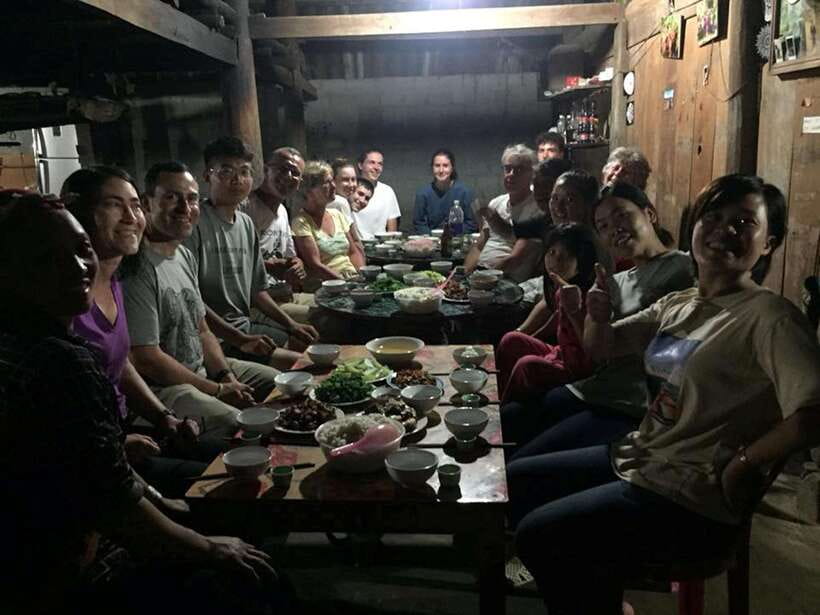
- Two homestays in Ta Van and Ban Ho means you sleep with local families, not in a big hotel bubble
- A sunrise moment in Ban Ho valley sets the tone for the last day’s trek
- Ethnic culture stops with real village context, including Hmong areas near Lao Chai, Giay in Ta Van, and Red Dao villages
- One English-speaking guide for the group, plus small-group walking time to ask questions
- Meals are largely included (3 breakfasts, 3 lunches, 2 dinners), which makes the $139 price feel more realistic
- Trekking is the main activity, so comfort depends on shoes, weather readiness, and your pace
Other Sapa walks, from gentle to genuinely hard
- Sapa 2 Days 1 Night From Hanoi – Overnight in Ta Van Village★ 5.0 · 2,669 reviews
- Hanoi – Sapa 2 Days 1 Night Overnight At Homestay★ 5.0 · 899 reviews
- From Hanoi: 2-Day Sapa Trekking Trip with Homestay & Meals★ 4.8 · 704 reviews
- Sapa 3 Days 2 Nights Trekking Tour (1 Night In Ta Van Village, 1 Night In Hotel)★ 5.0 · 699 reviews
Why This Trek Feels Personal, Not Tourist-Route
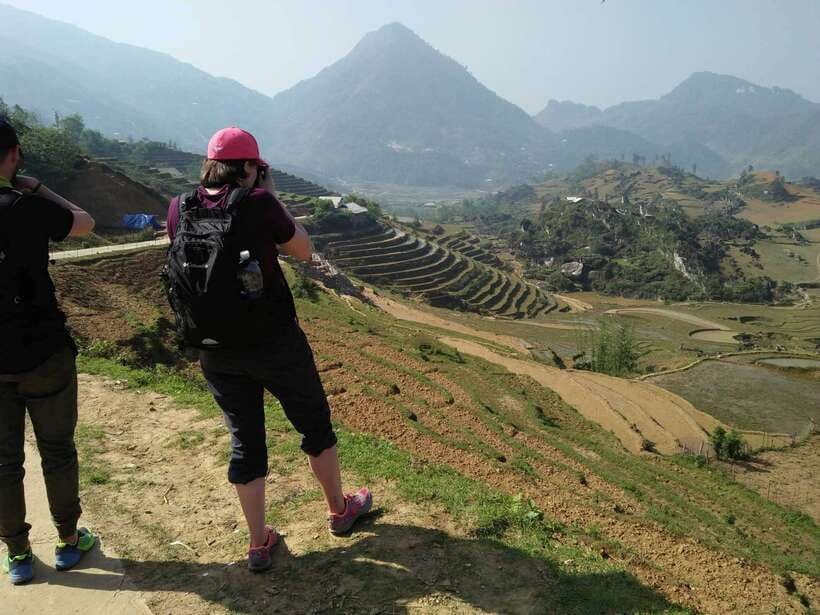
I like tours that trade speed for meaning, and this one does that with a simple formula: walk, eat with people, sleep where people live. Over three days, you move between villages where different ethnic groups call home, and you get time to observe daily life at close range, not just from a viewpoint.
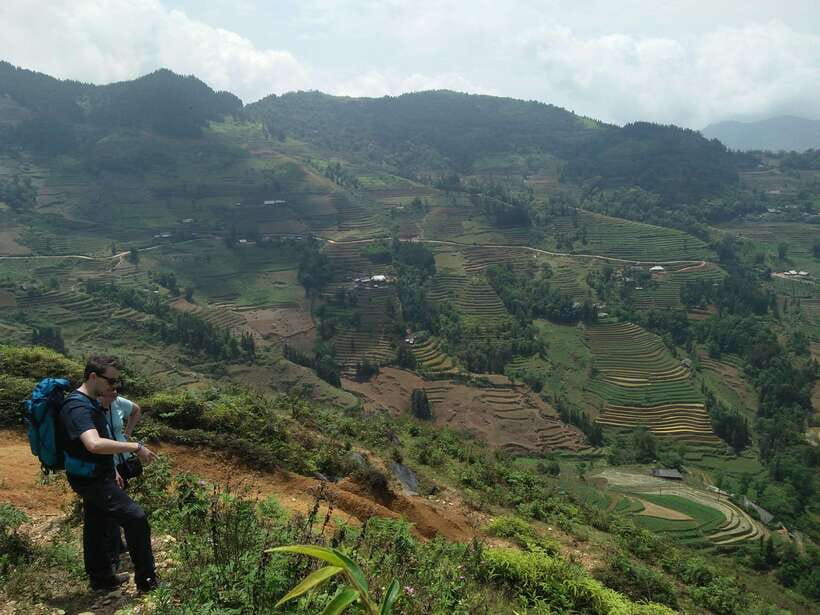
Two parts tend to be the emotional highlights. First, the homestays in Ta Van and Ban Ho. You are not just visiting the village, you are living inside the family routine for two nights. Second, the walking itself is the connector. You see rice terraces along the way, you pause for village meals, and you get a sense of how communities use the terrain.
The tradeoff is that it is not a comfort-first experience. The trek can feel long on foot, and the schedule is built around getting to Sapa early and hiking before conditions change.
Getting From Hanoi to Sapa: The Overnight Bus Reality
This tour starts with pickup in Hanoi’s Old Quarter area, and then you head overnight toward Sapa. You’ll likely meet your group late in the day, with pickup around 20:45 from 30 Hàng Muối (Lý Thái Tổ area). Then the big schedule shift happens early: you arrive in Sapa around 04:00 the next morning.
A practical detail I think matters: the plan is to sleep on the bus until about 06:00, then you get woken up and taken to a boutique hotel for breakfast. That means you are not starting the first hike straight out of the bus with no food. You do, however, spend part of the morning in a transit groove, so bring what you need for comfort, hydration, and cold protection.
Another thing to keep in mind: this is specifically an Old Quarter pickup. If you are staying elsewhere in Hanoi, you must make your own way to the bus station area for departure. It’s not difficult, but it can be annoying if you’re tired and running late.
If you hate early starts or you dislike buses for long rides, this is the part of the trip most likely to test your mood.
Day 1, Lao Chai Through Y Linh Ho to Ta Van (Hmong and Giay Country)

Your first full day begins after breakfast at the boutique hotel in Sapa. You’ll meet your guide around 09:00, then head into the walking portion. The trek starts toward the area around Lao Chai, connected with the Hmong community, and you pass through Y Linh Ho village.
What makes Day 1 special is that it mixes scenic walking with an early “community” rhythm. You hike through rural paths and village edges, then stop for lunch in Lao Chai, in a local family home. That matters because it makes the day feel grounded, not like a long string of photos.
After lunch, you continue on foot toward Ta Van village, where the Giay people live. Your pace is not a race. The idea is to let the terrain and village stops slow you down enough to notice how people manage everyday life.
Then comes the first night in the trip. You stay overnight in Ta Van, which is where you start understanding what homestay time actually means. You get a family base, and you likely spend the evening in a more relaxed, residential setting rather than a structured group activity.
What to watch for on Day 1: in colder and wetter weather, visibility and comfort can change fast. Even if you get clouds later, the morning can feel sharp. Warm layers and water-friendly shoes can make the difference between gritting it out and enjoying the walk.
Day 2, Bamboo Forest Trek, Red Dao Villages, and Ban Ho Free Time
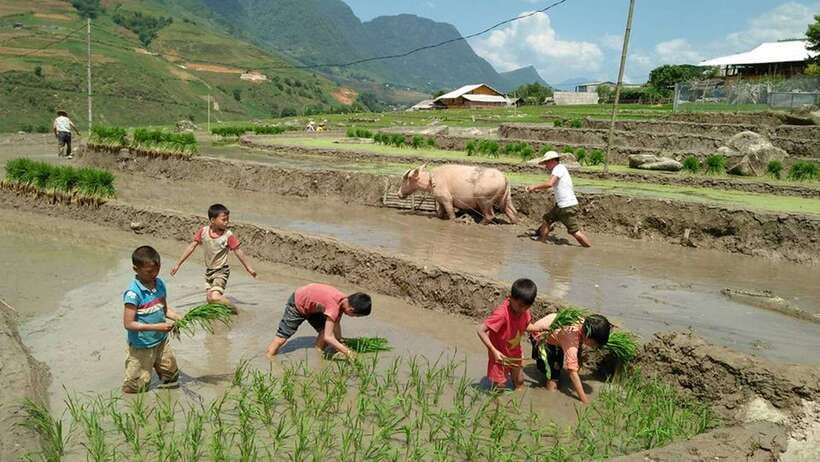
Day 2 starts with breakfast locally, then you leave Ta Van and head into a different stretch of terrain. One of the standout parts here is the bamboo forest section. Even when the weather is plain, bamboo trails tend to feel cool, shaded, and calmer than open fields.
Your route takes you to Giang Ta Chai village, home to the Red Dao (often written as Red Dzao in tour materials). You’ll meet people in their village setting, not just walk through the outskirts. You also visit a rattan bridge, which is one of those simple rural structures that instantly makes the landscape feel engineered for daily travel.
A key cultural stop on Day 2 is time inside or alongside a Red Dao family home. You’ll also have lunch while trekking, with lunch served along the footpath. That’s a practical bonus too, because it keeps momentum without forcing you into long gaps or late meals.
Then you continue trekking to Ban Ho village. This is where the day shifts from movement to settling in. You get free time to relax and stroll in the village, which I appreciate because it gives you a moment to decompress after a full day of walking and socializing.
Dinner happens in the homestay setting, and you sleep another night with a local family. One of the best parts of doing homestays back-to-back is that you’re not constantly adjusting to new routines. By the second night, you know where your rhythm fits.
Sleep in a village, walk between them


Day 3, Ban Ho Sunrise, Nam Tong Traditions, and the Return to Hanoi
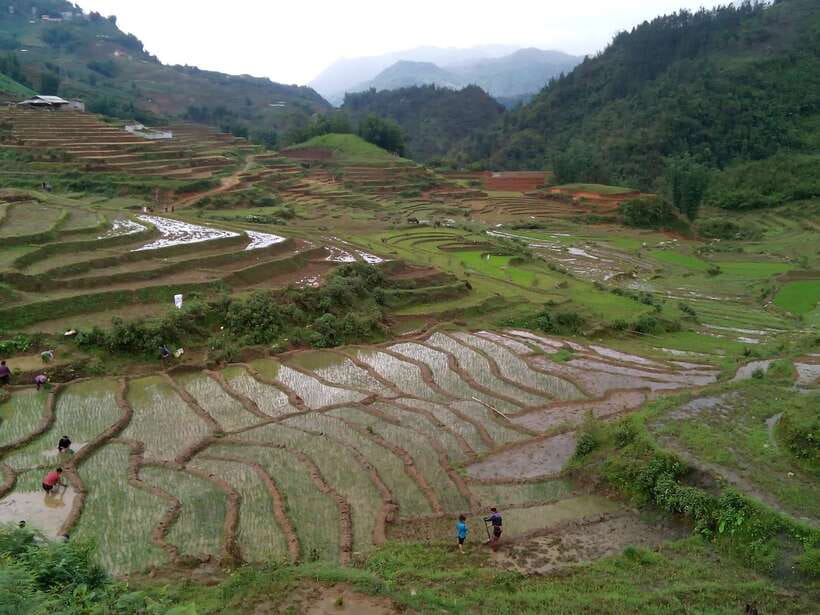
Day 3 is the shortest on paper, but it has two moments that tend to stick in your memory. First is the sunrise in Ban Ho valley. Morning light over the valley is the kind of payoff that makes early waking feel worth it.
Then you start a short trek to Nam Tong village, another Red Dao community. The idea is to deepen your understanding of how the same group lives and adapts across different parts of the region, not just repeat one stop.
You’ll learn about culture and traditions, then return to Ban Ho village for pickup. After that, you go back to Sapa, relax briefly at the hotel, and then leave by bus at 16:00. You’ll reach Hanoi around 22:00, and the tour ends back at the meeting point.
This final day is built for closure. You get the early visual reward, a final village connection, and then a smooth glide into the ride back to the city.
Practical reality check: since the trip ends late, plan for a low-key evening arrival. Don’t stack extra commitments in Hanoi that night. You’ll be tired in a good way, but still tired.
Homestays: What You’re Really Paying For
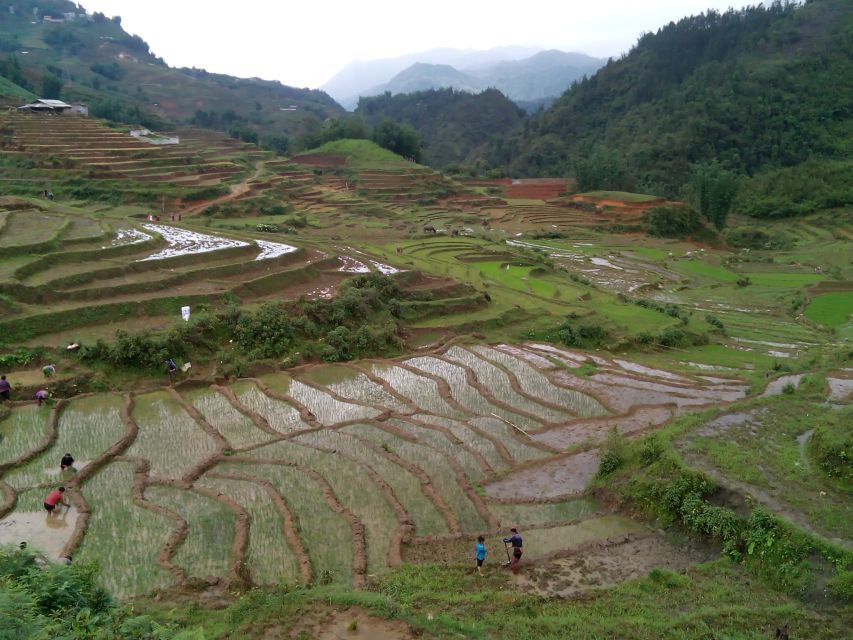
The homestays are the heart of this itinerary, and they also explain much of the value. You’re paying for two things that money can’t fully replace: time and access. Two nights with families in Ta Van and Ban Ho creates a closer exchange than a standard day-visit.
From what I’ve seen in strong homestay-style treks, what makes the experience work best is respect and flexibility. Your hosts may have limited English, and conversations might be a mix of gestures, simple questions, and whatever your guide can translate. That’s normal. What matters is how you show curiosity and patience.
Food tends to be part of the cultural exchange too. You’ll have dinners included on both homestay nights, and lunches are included during the trekking days. If you have dietary needs, you should be ready for the fact that you’re eating what the family prepares, which is often hearty and filling. The tour materials also mention mineral water is included, which is helpful.
One comfort-related caution: you should still expect basic conditions compared to a city hotel. The guides and operators work hard to keep things clean, but this is rural lodging. Bring a tolerant mindset, and you’ll enjoy it more.
Price and Logistics: Does $139 Feel Fair?
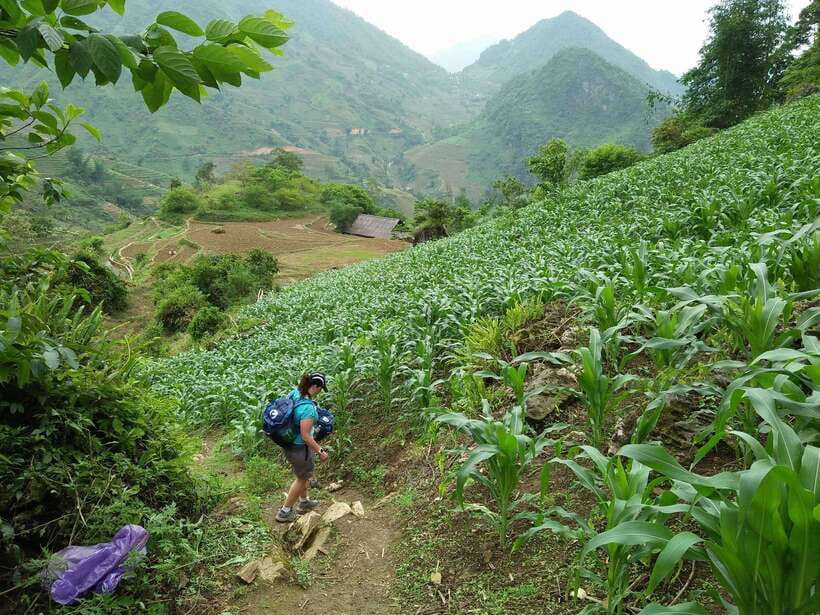
At $139 per person for a 3-day experience, the price can feel reasonable once you map out what’s included. You get roundtrip bus from Hanoi to Sapa, an English-speaking guide, 2 nights in homestays, plus 3 breakfasts, 3 lunches, and 2 dinners. Mineral water is included too.
The food coverage is a big value lever. Many trekking days can turn expensive fast if you’re buying lunch and snacks yourself. Here, you’re largely on the meal plan, so the cost stays predictable.
The main exclusions are beverages, travel insurance, and VAT, plus personal expenses. There is also a $75 Lunar New Year surcharge for dates from 26 Jan to 2 Feb 2025, which you pay at the meeting point. If your travel dates land in that window, budget for it early.
To me, the decision comes down to this: if you want a standard Sapa sightseeing day, you’ll likely find cheaper options. If you want a real trek with two homestays and organized meals, this price starts to make sense.
Also consider the hidden cost of comfort: you will likely spend more on warm clothing for Sapa if you don’t already have it, and decent trekking shoes are not optional.
What to Pack for Cold Mornings and Muddy Paths
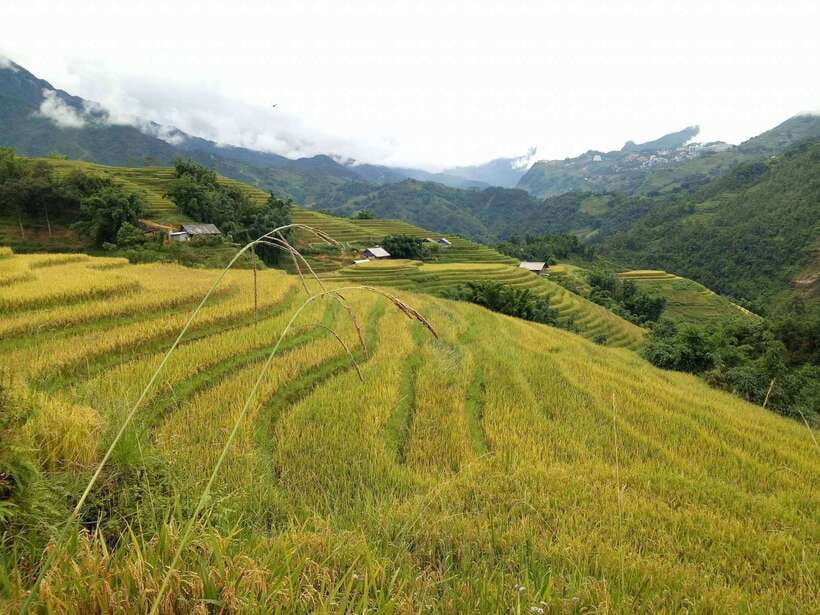
This tour gives you a clear packing list, and I agree with it. Wear comfortable shoes with good grip. In Sapa, trail surfaces can be slick, and wet mornings can turn a normal walk into a slow, careful one.
Bring sun hat, sunglasses, and sunscreen. The sun can still hit even when the air feels cold. Also pack insect repellent, since rural areas mean bugs are part of the environment.
Cold-weather timing matters. The guidance says warm clothes are recommended from October to March. If you’re traveling in those months, treat warmth as a priority, not an afterthought.
Finally, consider small comfort items for the overnight portion. Even if you expect rougher conditions on transport, having a scarf, lip balm, a light layer for the bus, and a small water strategy can keep you from feeling miserable.
Who This Trek Suits Best (and Who Should Skip)
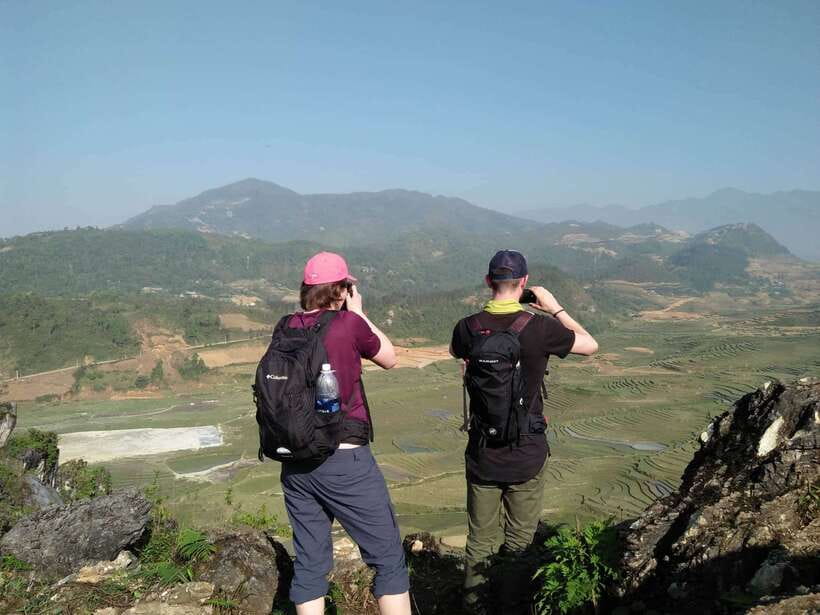
This trek is best for you if you want cultural connection through walking, and you’re comfortable with a real physical component. It’s also a good fit if you like small groups and want an English guide to help you interpret what you see.
It is not for everyone. The tour is not suitable for people with limited mobility, wheelchair users, children under 6, or pregnant women. If you fall into any of those categories, you’ll likely find the trekking and schedule too demanding.
Also, if you’re the type who needs a private room, modern bathroom comforts, and a long sleep schedule, you might end up frustrated. The trip is not “luxury rural.” It’s rural comfort with cultural access.
That said, if you can handle basic conditions and you’re excited to meet ethnic minority communities, this is exactly the kind of itinerary that delivers.
Should You Book This Hanoi to Sapa Homestay Trek?
I’d recommend booking if you check these boxes: you’re willing to hike for multiple days, you want homestay time in Ta Van and Ban Ho, and you value cultural learning as part of the journey, not an add-on.
I’d think twice if you mainly want a relaxed Sapa view day, or if the overnight bus and early pickup schedules will wreck your energy. Also be realistic about weather. Even if later days bring clearer views, Day 1 can be cold and wet, and you’ll want to be prepared for that rhythm.
If you want to do Sapa the “walk-and-live” way, this trek hits the right notes: small group size, English guidance, included meals, and two homestays tied directly to village life.
FAQ
How long is the Hanoi to Sapa homestay trek?
It’s a 3-day trek, with pickup in Hanoi and return to Hanoi at night. You arrive in Sapa around 04:00 the next day after pickup, and the bus back to Hanoi leaves at 16:00 on Day 3.
What is included in the price?
The tour includes roundtrip bus from Hanoi to Sa Pa, a guide, 2 nights in homestays, 3 breakfasts, 3 lunches, 2 dinners, and mineral water.
Where do I meet the tour in Hanoi?
The meeting point is 30 Hàng Muối, Lý Thái Tổ, Hoàn Kiếm, Hà Nội, Vietnam. Pickup is available from the Hanoi Old Quarter area.
Which ethnic communities do you visit during the trek?
You’ll trek through areas associated with the Hmong, visit Giay people in Ta Van, and visit Red Dao communities in areas including Giang Ta Chai, Ban Ho, and Nam Tong.
What should I bring for the trek?
You should bring comfortable shoes, sunglasses, sun hat, sunscreen, and insect repellent. Warm clothes are recommended in Sapa from October to March.
Is this trek suitable for kids or limited mobility?
No. It is not suitable for children under 6, and it is not suitable for people with limited mobility, wheelchair users, or pregnant women.
Walk, Then Stay
- Hanoi – Sapa 2 Days 1 Night Overnight At Homestay★ 5.0 · 899 reviews
- From Hanoi: 2-Day Sapa Trekking Trip with Homestay & Meals★ 4.8 · 704 reviews
- Sapa 3 Days 2 Nights Trekking Tour (1 Night In Ta Van Village, 1 Night In Hotel)★ 5.0 · 699 reviews
- 3-Day Trekking Adventure of Sapa from Hanoi – Stay Ta Van Village★ 5.0 · 611 reviews
- 3D and 2N Lan Ha Bay Cat Ba Island Kayaking & Trekking with Vega★ 5.0 · 593 reviews
Sapa on Foot
- Sapa 2 Days 1 Night From Hanoi – Overnight in Ta Van Village★ 5.0 · 2,669 reviews
- Hanoi – Sapa 2 Days 1 Night Overnight At Homestay★ 5.0 · 899 reviews
- From Hanoi: 2-Day Sapa Trekking Trip with Homestay & Meals★ 4.8 · 704 reviews
- Sapa 3 Days 2 Nights Trekking Tour (1 Night In Ta Van Village, 1 Night In Hotel)★ 5.0 · 699 reviews
- 3-Day Trekking Adventure of Sapa from Hanoi – Stay Ta Van Village★ 5.0 · 611 reviews
Other Hanoi tours our reviewers keep coming back to
- Hanoi Vespa After Dark Street food + Train Street+ Live Music
★ 5.0 · 18 reviews - (Free Pick-up) Vietnamese Body Massage in Hanoi City
★ 5.0 · 18 reviews - The Insider’s Hanoi,Train Street, Countryside Highlight by Vespa
★ 5.0 · 18 reviews - Skip the line: Thang Long Water Puppet Theater Entrance Tickets
★ 4.0 · 18 reviews - Hanoi Street Food Tour and MORE
★ 5.0 · 18 reviews - Hanoi – Hoa Lu – Tam Coc – Mua Cave – 1 Day / By Luxury Limousine & Small Group
★ 5.0 · 18 reviews
Sapa Trekking and Fansipan, compared.
 ★ 5.0Sapa 2 Days 1 Night From Hanoi – Overnight in Ta Van VillageFrom $592,669 reviews
 ★ 5.0Hanoi – Sapa 2 Days 1 Night Overnight At HomestayFrom $89899 reviews
 ★ 4.6Sa Pa: Muong Hoa Valley Trek and Local Ethnic VillagesFrom $23864 reviews
 ★ 5.0Sapa: Fansipan Cable, Cat Cat Village & Moana Instagram TourFrom $30777 reviews
 ★ 4.8From Hanoi: 2-Day Sapa Trekking Trip with Homestay & MealsFrom $71704 reviews
 ★ 5.0Sapa 3 Days 2 Nights Trekking Tour (1 Night In Ta Van Village, 1 Night In Hotel)From $139699 reviews
 ★ 4.9Sapa: Eco Adventure Terrace Fields and Local Villages TrekFrom $27636 reviews
 ★ 5.03-Day Trekking Adventure of Sapa from Hanoi – Stay Ta Van VillageFrom $109611 reviews
Also in these Vietnam lists