
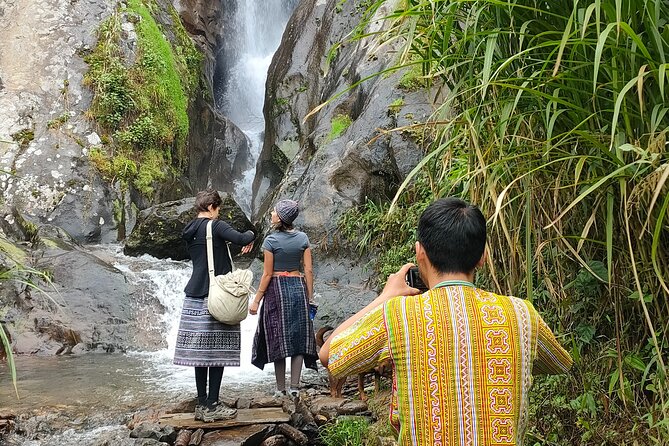
REVIEW · TREKKING AND VILLAGE HOMESTAYS
Half Day Private Trekking Mu Cang Chai_Morning or Afternoon
Rice terraces, plus a real Hmong guide. This half day private trek in Mu Cang Chai is built for small group attention, with numbers capped at six and a homestay lunch included as part of the day. You also get hassle-free two way transfers from the La Pán Tẩn area, so you spend more energy on the walk and less on logistics.
What I really like is the way an English-speaking Hmong guide connects you to everyday life around the terraces. You’ll see traditional villages and daily work, from people sewing clothes to tending buffalo, and you’ll learn what all of it means in mountain farming life. I also love that you can choose a route, either via Đồi Mâm Xôi (Raspberry Hill) viewpoint style or a popular rice field route, so the scenery feels purposeful, not random.
One thing to consider: this experience depends on weather, and the trek can get slippery when it rains. You’re looking at about 4 to 5 hours with moderate walking, so bring the right shoes and plan for clouds and mist in the hills.
In This Review
- Key things I’d plan around
- Half-Day Private Trekking in Mu Cang Chai: why this format works
- Where you start in La Pán Tẩn, and how the transfers feel
- Your two route choices: Raspberry Hill versus more rice field time
- Route style 1: Đồi Mâm Xôi (Raspberry Hill) viewpoint focus
- Route style 2: popular rice field route with village time
- With a Hmong guide, the trek turns into living context
- Mu Cang Chai villages and terrace valleys: what you’ll see up close
- Homestay lunch: the included meal you’ll actually remember
- How hard is it, and what to wear when the hills get wet?
- Price and value: is $60 per person fair for Mu Cang Chai?
- Who should book this trek, and who might want something else
- Should you book this Mu Cang Chai half-day private trek?
- FAQ
- How long is the Mu Cang Chai half day private trekking tour?
- Is this tour private or shared with other people?
- What does the tour cost?
- Is lunch included?
- Do I get picked up and transferred back?
- Is there a choice of trekking routes?
- What happens if the weather is bad?
Key things I’d plan around
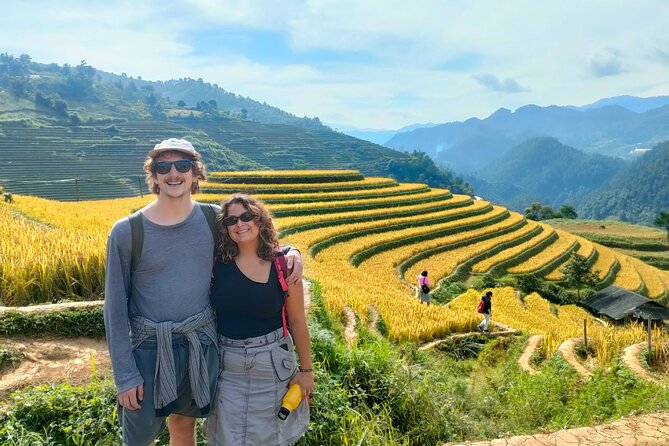
- Small group of six means you can actually ask questions and get personal pacing
- Two route choices help you match the day to what you want most, Raspberry Hill style views or more field time
- Hmong guide connection gives you village context, not just a viewpoint photo stop
- Lunch at an indigenous homestay is part of the schedule, not an add-on you have to hunt for
- Two way transfers from La Pán Tẩn keep the half day feeling truly half day
Sleep in a village, walk between them
- Half Day Private Trekking Mu Cang Chai_Morning or Afternoon★ 5.0 · 38 reviews
Half-Day Private Trekking in Mu Cang Chai: why this format works
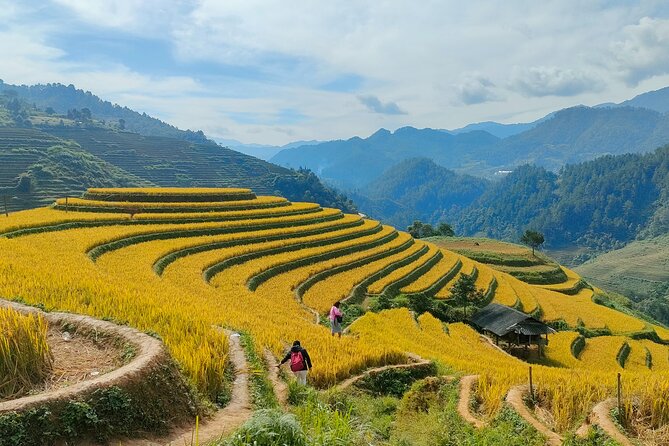
Mu Cang Chai can feel like one big photo target, tall terraces, classic viewpoints, quick stops, then back in the car. This tour avoids that pattern by trading speed for conversation and context. In about 4 to 5 hours, you still get the famous scenery, but you also get the human side of why these villages matter.
The private part is also practical. Your group stays with your own Hmong guide, and the group size is capped at six, which makes a difference when you’re walking through narrow village paths or pausing to watch field work. You’re not stuck waiting for a slow person, and you’re not rushed so hard that the cultural moments feel like a drive-by.
Then there’s the homestay lunch. Getting a meal included matters here because it anchors your day in the village rhythm. When lunch is handled, you can focus on what you’re seeing instead of constantly checking where to eat next.
Where you start in La Pán Tẩn, and how the transfers feel
You’ll begin around the Mu Cang Chai Center homestay & Tours area in La Pán Tẩn, Mù Cang Chải District, Yên Bái. The good news for your day is that the experience is designed around two way transfers from the La Pán Tẩn area, meaning you typically won’t have to solve the transport puzzle on your own.
That is not a small detail. Half day tours live or die on timing, and getting to the trailhead without extra back-and-forth protects your hiking time. You also end back at the meeting point, which keeps the day tidy if you’re planning the rest of your itinerary in Mu Cang Chai.
If you’re the type who likes knowing exactly how the day flows, you’ll appreciate that this is set up as a straightforward start-to-finish walk with included entry tickets and bottled water.
Your two route choices: Raspberry Hill versus more rice field time
You’ll choose between two main ways of shaping the walk, both focused on terraces and villages.
Route style 1: Đồi Mâm Xôi (Raspberry Hill) viewpoint focus
This is the route you’d pick if you want the classic “I’m in Mu Cang Chai” viewpoint moment. Đồi Mâm Xôi (Raspberry Hill) is referenced as a famous viewpoint along the way, so you can expect the day to build toward those terrace views.
Viewpoints in this region are not just pretty. They help you understand scale. When you can see how terraces stack up along the valley and how villages sit between rice plots, the morning walk starts to make sense. Without that big picture, terrace tours can feel like a long series of similar frames.
Practical tip: viewpoint areas can be busy in general sightseeing seasons, and weather can change fast up high. Go slow when you arrive, pause for a minute, and let your guide explain what you’re looking at before you start photographing.
Route style 2: popular rice field route with village time
The second option leans more into rice field scenes and daily life. That usually means more chances to see people working, walking paths used for farming, and the way homes relate directly to the fields.
I like this option because it shifts the focus from a single dramatic view to the full working system. You get a better sense of how the terraces support life day after day, not just how they look from one angle.
If your schedule is tight, both routes still include a similar overall structure: village exploration with your guide, a midday homestay lunch, and a half day timeline that ends back at the meeting point.
With a Hmong guide, the trek turns into living context
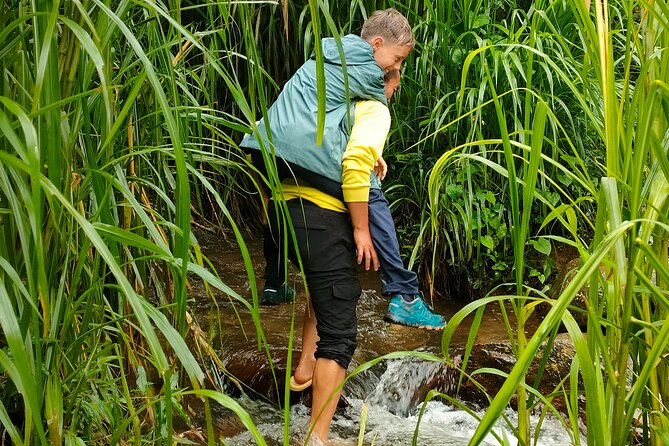
This is a trekking tour with a cultural guide as the engine. The guide is Hmong and speaks English, which is key for making the walk feel like more than a scenic circuit.
What you’ll actually do with the guide is the part worth caring about. You’re not just stopping at houses for a quick look. You’ll walk through traditional Hmong villages and see what people are doing in and around the terraces, including daily work like sewing clothes and tending buffalo.
In one example shared through real experiences, a guide named Yien was born and raised in La Pán Tẩn. That kind of local grounding matters. When your guide grew up in the same area, the explanations feel connected to routines and family history, not a rehearsed script.
Also, pay attention to the small questions you can ask. Things like what crop work looks like at different times, why people live where they do, or what daily life is like during busy farming periods will lead to better answers than asking only about the scenery.
A small group helps here too. In a group of six, your questions don’t get swallowed, and your guide can tailor the pace when paths get muddy or when you want one more stop to look closely.
Mu Cang Chai villages and terrace valleys: what you’ll see up close
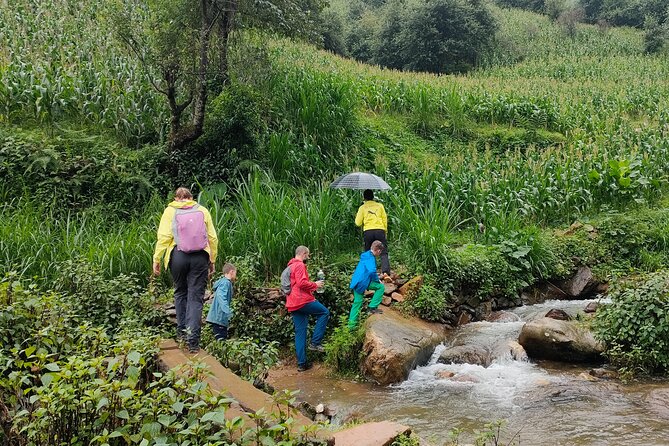
Even with a limited time window, the day is built around variety: terrace valleys, village paths, and life connected to farming.
Expect to see:
- Traditional Hmong villages as you move between hamlets and rice plots
- People working in the fields or at home tasks like sewing
- Buffalo and other signs of how livestock supports mountain life
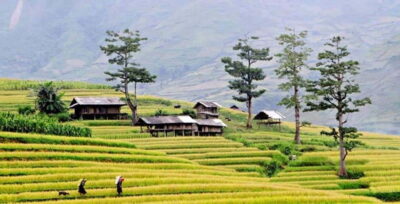
- Terrace views that show how the mountains have been shaped into productive steps
This is why the trek is worth doing. A viewpoint alone can be gorgeous, but it doesn’t explain how the community lives inside that scenery. The village walking segment is what gives the photos a story.
One caution: because this is a village and field environment, you should move calmly and respectfully. Don’t rush into people’s workspaces. Let your guide manage introductions or where you pause, especially if you see someone working close to the trail.
Homestay lunch: the included meal you’ll actually remember
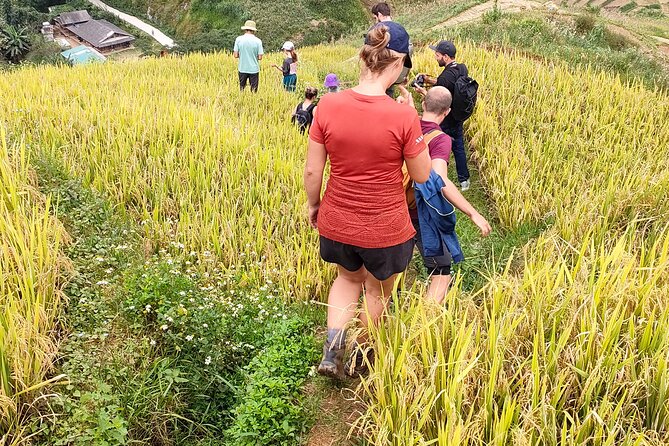
Lunch is included, and it happens at an indigenous homestay as part of the trek rhythm. That matters because it stops you from treating the homestay as a roadside stop. Instead, it becomes a natural midpoint of the walk.
You’ll also get bottled water included. Beverages are not listed as included beyond that, so if you want specific drinks other than the provided water, plan ahead.
Homestay lunches can vary in what’s served, but the consistent value here is the setting. You’re eating in a place connected to the people you met earlier on the walk, and that makes the meal feel like part of the day rather than a reset button.
If you’re careful with food preferences, it’s smart to mention them when booking or when you confirm your guide. The tour includes the meal, but your comfort is still your responsibility.
How hard is it, and what to wear when the hills get wet?
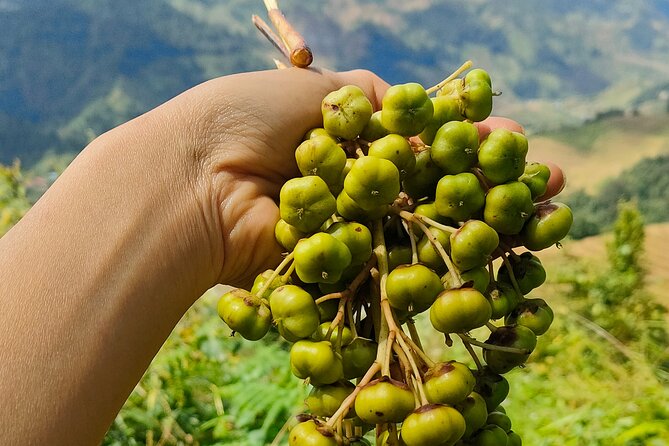
This tour is listed for travelers with moderate physical fitness. That’s honest, and it’s useful. Moderate usually means you’ll be walking long enough to feel it, with uneven paths and some uphill or downhill sections typical of terrace regions.
Here’s what I’d wear or bring so you don’t lose the day to discomfort:
- Proper grip shoes for wet ground (terrace paths can get slippery)
- A light rain layer, because weather can be a factor for the experience
- A small pack for water and any personal items
- Sun protection when the clouds break, because viewpoints can get exposed
Also, keep an eye on the day’s conditions. This experience requires good weather. If conditions are poor, you’ll be offered a different date or a full refund. In other words, don’t plan a tight, fixed schedule for the exact hours around your trek without some breathing room.
Even when it rains, a good guide can help you navigate safely, pause where footing is best, and still keep the day meaningful.
Price and value: is $60 per person fair for Mu Cang Chai?
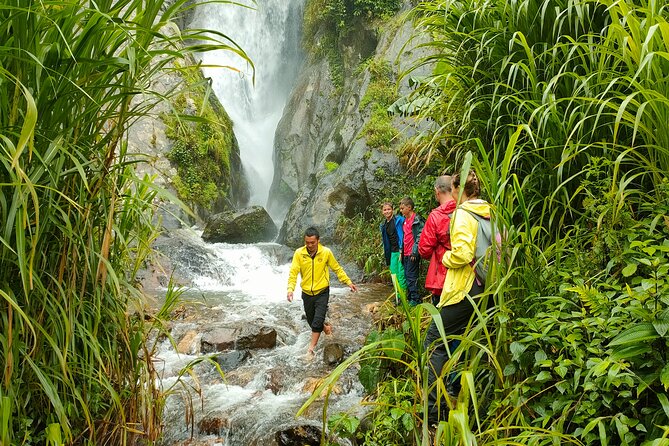
At $60 per person, this is priced as a small private trek with real inclusions. You’re getting:
- A private experience with only your group
- An English-speaking Hmong guide
- Lunch at an indigenous homestay
- Bottled water
- Entry tickets
On paper, that doesn’t sound like a “cheap” price, but value comes from the combination. In places like Mu Cang Chai, what adds up is often not the view, it’s paying for a guide, arranging transport, and then paying for food and entry costs. Here, those pieces are bundled.
Where the price can feel especially worth it is if you care about cultural context and you want the flexibility of a private guide. If you’re the type who likes asking questions and getting context for what you’re walking through, the capped group size is doing real work.
If you’re on a strict budget and only care about the most famous terrace photos, you might question whether a private format is necessary. But if you want more than a viewpoint drive, this is one of the more straightforward ways to pay for both the walking and the meaning.
Who should book this trek, and who might want something else
I’d point you toward this tour if you:
- Want a half day plan that mixes scenery and village life
- Prefer a small group over larger group tours
- Like guided storytelling, especially from a Hmong guide with local roots like Yien
- Want an included meal so your schedule feels controlled
You might choose a different option if you:
- Have very limited mobility, because the itinerary is built around trekking with moderate walking
- Hate uncertainty around weather, even though rescheduling and refunds are offered if it’s canceled due to poor conditions
Should you book this Mu Cang Chai half-day private trek?
Book it if you want a guided connection to Hmong village life with terrace viewpoints as part of the story, not just a photo stop. The small group size, the Hmong guide who speaks English, and the included homestay lunch all make the half day feel complete.
Skip it only if you want a purely top-down sightseeing day, or if you’re not comfortable with moderate walking on potentially wet paths. If that sounds like you, then plan differently and keep your knees and shoes happy.
If your goal is to understand Mu Cang Chai as lived-in country, this is a smart way to spend a few hours, and you’ll leave with more than images.
FAQ
How long is the Mu Cang Chai half day private trekking tour?
The duration is about 4 to 5 hours.
Is this tour private or shared with other people?
This is a private tour, and only your group will participate.
What does the tour cost?
It costs $60.00 per person.
Is lunch included?
Yes. Lunch is included, and it is eaten at an indigenous homestay during the experience.
Do I get picked up and transferred back?
Pickup is offered, with hassle-free two way transfers from La Pán Tẩn area homestays and hotels.
Is there a choice of trekking routes?
Yes. You’ll have a choice of routes, one via Đồi Mâm Xôi (Raspberry Hill) style viewpoints and another via a popular rice field route.
What happens if the weather is bad?
The experience requires good weather. If it is canceled due to poor weather, you’ll be offered a different date or a full refund.
Walk, Then Stay
- Full Day Private Trekking Mu Cang Chai★ 5.0 · 33 reviews
Other Mu Cang Chai tours our reviewers keep coming back to
- Half Day Private Trekking Mu Cang Chai_Morning or Afternoon
★ 5.0 · 38 reviews
Trekking and Village Homestays, compared.
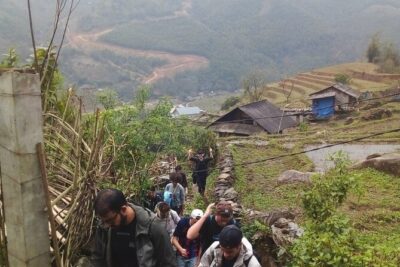 ★ 5.0Hanoi – Sapa 2 Days 1 Night Overnight At HomestayFrom $89899 reviews
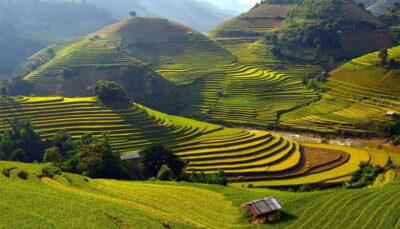 ★ 4.6Sa Pa: Muong Hoa Valley Trek and Local Ethnic VillagesFrom $23864 reviews
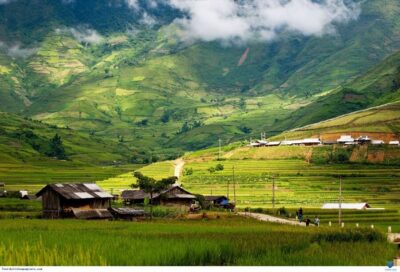 ★ 4.8From Hanoi: 2-Day Sapa Trekking Trip with Homestay & MealsFrom $71704 reviews
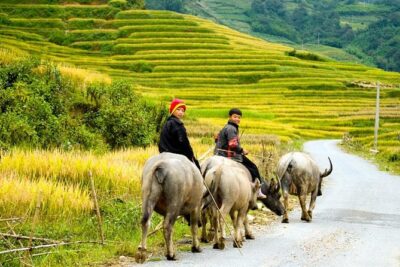 ★ 5.0Sapa 3 Days 2 Nights Trekking Tour (1 Night In Ta Van Village, 1 Night In Hotel)From $139699 reviews
 ★ 4.9Sapa: Eco Adventure Terrace Fields and Local Villages TrekFrom $27636 reviews
 ★ 5.03-Day Trekking Adventure of Sapa from Hanoi – Stay Ta Van VillageFrom $109611 reviews
 ★ 5.03D and 2N Lan Ha Bay Cat Ba Island Kayaking & Trekking with VegaFrom $365593 reviews
 ★ 5.0Number one top rated ethical cultural trekking and homestay by ETHOSFrom $93456 reviews
Also in these Vietnam lists