
REVIEW · SAPA TREKKING AND FANSIPAN
From Hanoi: Trek and Stay: 3-Day Sapa Highlands Adventure
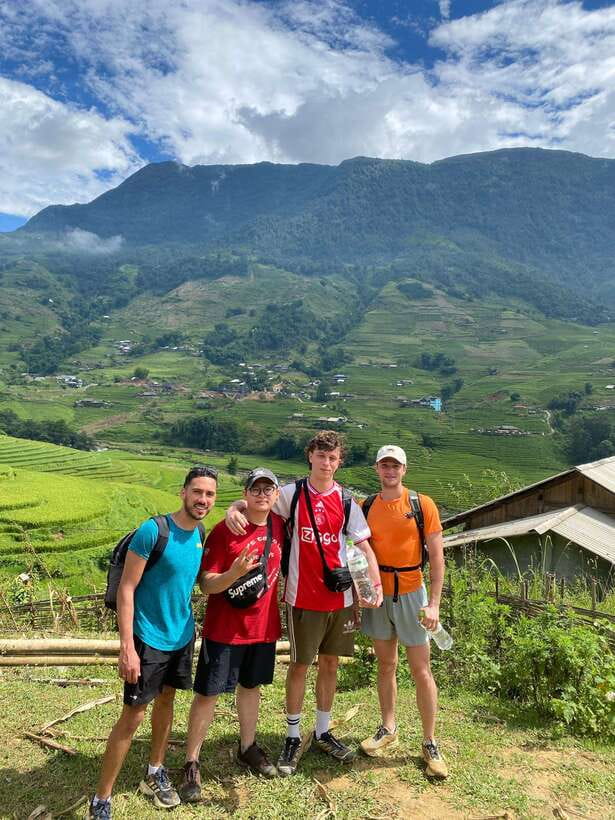
Misty mornings in Sapa make time feel slower. This 3-day Sapa Highlands trip combines a real village trek with a night in Ta Van, plus an English-speaking guide who helps you understand what you are actually seeing. I love the way the route moves from Cat Cat to Ta Van, not just one view point. I also like that you get both a 3-star hotel night in Sapa town and a homestay night in the hills. One drawback to plan for is the long, early start and the fact that the trekking days include real walking and mud, so this is not a sit-and-snap-and-go tour.
You will start with a pickup from your Hanoi Old Quarter hotel and transfer by sleeper bus to Lao Cai. Then you spend two full days weaving between villages like Y Linh Ho, Lao Chai, Ta Van, Giang Ta Chai, and Supan, with meals and entrance stops built in. You will likely hear guide names like Pang, Khu Ly, Phin, Sao, and Cha, because those names came up again and again in people praising how clear and friendly the guiding was. My one caution is that Cat Cat can feel a bit touristy, so treat it as a quick cultural stop, then focus your energy on the real village trekking that comes next.
In This Review
- Key points at a glance
- Hanoi to Sapa, with a sleeper bus reality check
- Day 1: Cat Cat Village and Sin Chai, your first taste of Sapa life
- Day 2: The 6 km trek from Y Linh Ho to Lao Chai, then Ta Van homestay
- Day 3: Giang Ta Chai and Supan, plus the long final walk back
- Hotel versus homestay, what comfort looks like here
- Guides make or break it, and Sapa does have standouts
- Trekking reality: pace, mud, and what to pack
- Price and logistics: is $98 good value here?
- Who this Sapa Highlands trek fits best
- Should you book this 3-day Sapa trek?
- FAQ
- Where is pickup in Hanoi?
- How long is the tour?
- What is included in the price?
- What are the accommodations like?
- Is the guide English-speaking?
- What are the trekking distances?
- Are there extra charges for holidays or solo travelers?
- Is free cancellation available?
Key points at a glance

- English guides who explain daily life, including praised guides like Pang and Khu Ly
- Two nights with different vibes, a 3-star hotel in Sapa town then a dorm-style homestay in Ta Van
- Trekking distances that add up, about 6 km on Day 2 and about 8 km on Day 3
- Village hopping, not just one stop, from Cat Cat and Sin Chai to Lao Chai and Red Dao communities
- Route difficulty can vary, and you can ask for the more scenic rice-field style paths when possible
- Bring warm, grippy layers, since cold fog and muddy trails show up often
Other Sapa walks, from gentle to genuinely hard
- Sapa 2 Days 1 Night From Hanoi – Overnight in Ta Van Village★ 5.0 · 2,669 reviews
- Hanoi – Sapa 2 Days 1 Night Overnight At Homestay★ 5.0 · 899 reviews
- From Hanoi: 2-Day Sapa Trekking Trip with Homestay & Meals★ 4.8 · 704 reviews
- Sapa 3 Days 2 Nights Trekking Tour (1 Night In Ta Van Village, 1 Night In Hotel)★ 5.0 · 699 reviews
Hanoi to Sapa, with a sleeper bus reality check
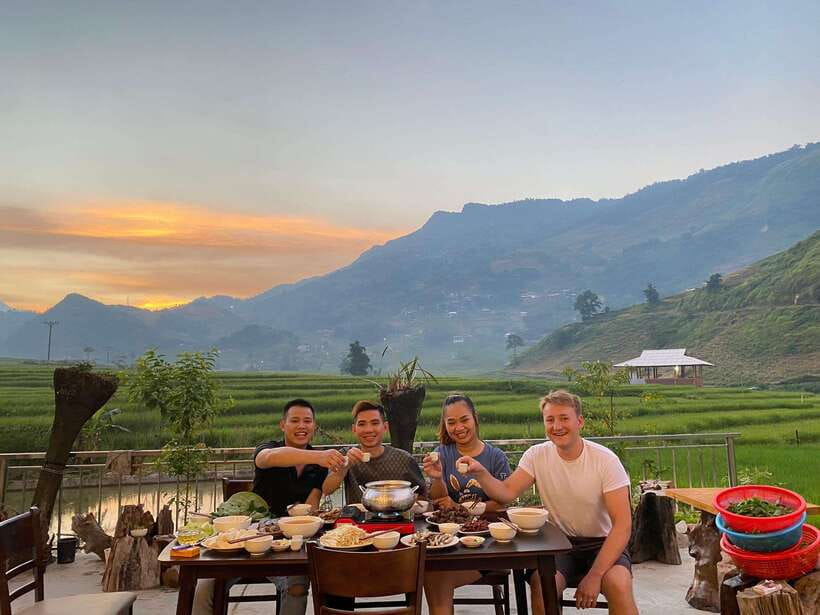
This tour is built around the Hanoi to Sapa travel day, which means you start early and you commit to the overnight bus. Pickup is from the Hanoi Old Quarter, and if your hotel is not in that area, you go to 54 Hang Tre, Hoan Kiem, Hanoi. Expect a long day that turns into an early next morning, even though the sleeper bus can make the trip easier than a standard ride.
On the road, what matters most is comfort and timing. Some people found the bus fine, while others felt the outbound ride was narrow and crowded, which can set a grumpy mood if you are sensitive to tight seats. The good news is that the rest of the trip is paced around the villages, so once you are walking outside Sapa, the day starts to feel worth it fast.
Day 1: Cat Cat Village and Sin Chai, your first taste of Sapa life
Day 1 is your transition day, from city to hills. After arriving in Sapa around early afternoon, you get lunch in town and time to take in the ethnic costumes and the market feel. Then the trek begins with Cat Cat Village, including a stop at a waterfall and the old Hydraulic Power Station.
Cat Cat is famous for a reason, but it can also feel commercial. Some people suggest you keep your expectations realistic: it is a popular village stop with lots of shops, so if you want maximum quiet authenticity, go in with a mindset of a short photo and culture stop. I would use Cat Cat to get oriented, then save your patience for the next village hops that feel more lived-in.
Late in the afternoon, you move on to Sin Chai village and then return to Sapa town for dinner and free time. This is a good evening to slow down, because the next day is the main trekking day. If the weather is cold and foggy, this is also when the mood can turn very atmospheric, which can be a pleasant surprise if you packed warm layers.
Day 2: The 6 km trek from Y Linh Ho to Lao Chai, then Ta Van homestay

Day 2 is the core of the experience. You start with breakfast, then begin a trek that totals about 6 km to Y Linh Ho and another 3 km to Lao Chai. The distances are not huge on paper, but Sapa trails are often uneven, and the daily rhythm includes plenty of uphill and downhill. You also get to see village life up close rather than from a bus window.
After morning walking, lunch is at Ta Van village, and you check in to your homestay. This is where the trip changes character. Ta Van is quieter and more “on the ground,” which is exactly what you want if your goal is to feel how people live, not just to see a staged performance.
In the afternoon, you visit more local villages and then head back to the homestay for dinner and the next night. Based on what people liked, the homestay experience often feels welcoming and view-focused, sometimes even with small details like a resident dog. The homestay is dorm-style, so you trade privacy for closeness, and that is the point of choosing this kind of trek.
Day 3: Giang Ta Chai and Supan, plus the long final walk back
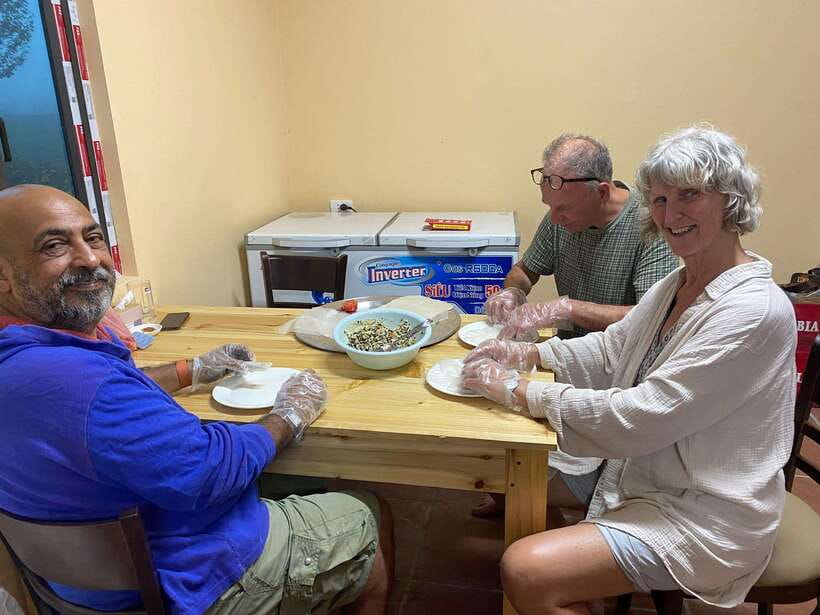
Day 3 starts with breakfast at the homestay and a morning visit to Giang Ta Chai village and Supan village. You then do an 8 km trek, described as going to Giang Ta Chai of the Red Dao people. If you love cultural specifics, this is the morning to pay attention, because it is named and framed as a Red Dao community visit, not a generic “village time.”
After the walk, you have lunch and rest at the homestay. Then you transfer back to Sapa by car around mid-afternoon, board the bus back to Hanoi, and arrive in the evening. The final day has a satisfying “finish strong” feeling if you pace yourself on the earlier trek segments.
Sleep in a village, walk between them


Hotel versus homestay, what comfort looks like here
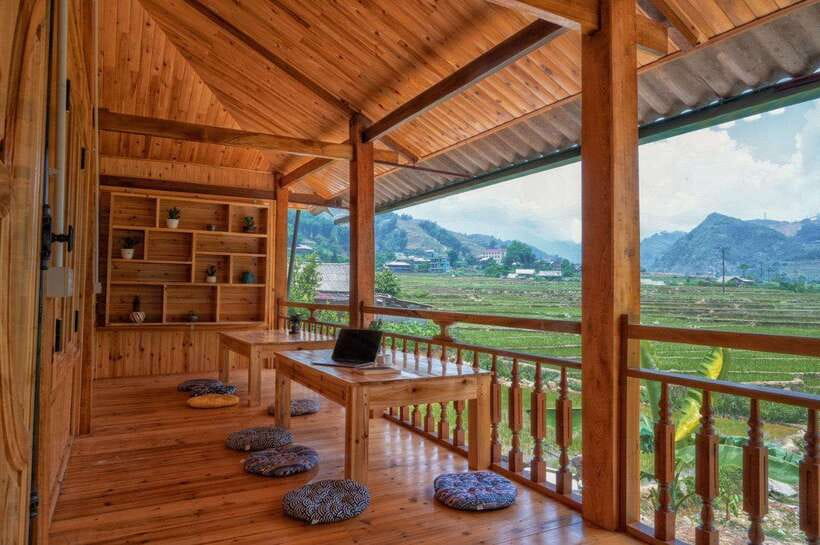
You get two different sleeping styles, and it helps to know what each one tends to feel like.
In Sapa town, you stay one night at a shared 3-star hotel (two people per room). People describe it as clean and functional, but not fancy. One theme that came up is lack of heat, so if you are sensitive to cold, plan to wear warm layers in your room too.
In Ta Van, you sleep at a homestay in a dorm-style setup. Expect backpack-style vibes, shared spaces, and simple comfort rather than hotel standards. Food is typically good and filling, but there is also feedback that meals can feel similar. That is not unusual for a short trek circuit, but it is worth keeping in mind if you have picky eating habits.
This matters because “value” is not just the price. The value is the trade. You pay less than a luxury route would cost, but you accept simpler sleeping and a more communal rhythm.
Guides make or break it, and Sapa does have standouts
This tour lives or dies by the guide, because you are moving through villages where the context makes everything make sense. The most praised guides in the stories you shared include Pang, Ku and Cheng, Khu Ly, Thao thi sò, Sao, Phin, Cha, and Zinh. The common thread is clear communication in English and a focus on explaining what you are seeing.
I especially like the way some guides are described as local, meaning they can answer questions about daily life from direct experience. That changes your whole trek. A “walk through a village” becomes something you can actually interpret: what you see on the path, what you see in homes, and what those fabrics and routines represent.
If you want the most rewarding trekking day, ask your guide about route choices. One piece of advice that came through strongly is that guides can take you on a harder scenic route with higher paths and rice fields, while some groups may follow easier lower roads. You cannot control everything, but you can steer the vibe by speaking up early.
Trekking reality: pace, mud, and what to pack
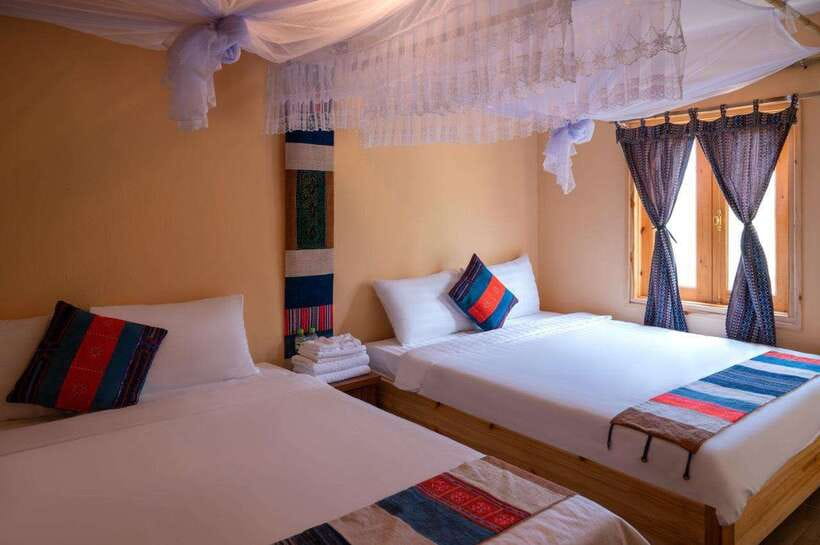
Even when trekking sounds manageable, Sapa trails can be slippery. People noted muddy conditions and recommended rain boots. That is practical advice, not a fashion statement. If it rains or even if trails stay damp after fog, grip becomes everything.
Weather is the other big factor. Several comments highlight that December can be cold and misty, with fog that can be beautiful but chilly. Pack warm clothes and a hat. If you forget something, there are shops where winter items can be bought locally, often at prices that feel friendlier than you might expect.
Shoes matter more than you think. Bring footwear that handles uneven ground and wet patches. If your pack allows it, bring a small daypack for water and a light rain layer, since the schedule keeps you out on the trails.
Also remember that this is an organized group trek. Some people loved the social side, and others warned that if you hate groups, you might find the pace and coordination a little annoying. During walks, you may also encounter local women who help with hiking. Sometimes that includes ongoing conversation and suggestions about purchasing handmade items, so be ready for that social rhythm.
Price and logistics: is $98 good value here?
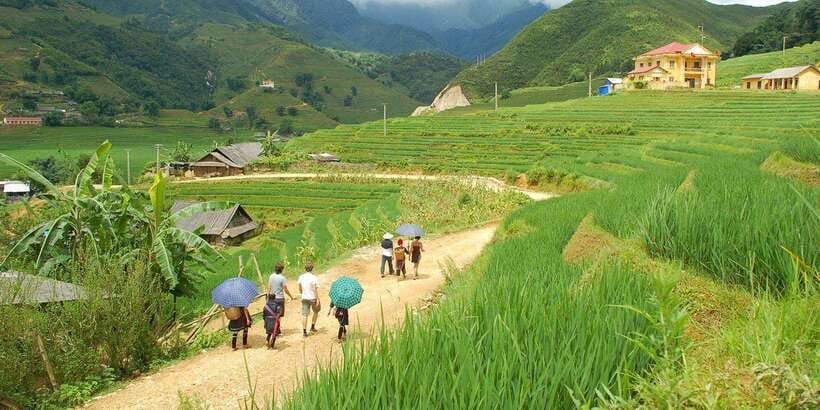
At about $98 per person for a 3-day, 2-night program, the value depends on what you want most: guided access plus homestay immersion. You are getting a sleeper bus ticket round trip, an English-speaking guide, meals, entrance tickets, one hotel night, and one homestay night. That is a lot bundled into a single price, which can save you time and coordination headaches.
That said, plan for extra costs that can change the math. During public holiday periods, there is a 40% surcharge to the total tour price, including late April into early May and around Tet. If you travel solo, a single supplement of 400,000 VND applies, though the option exists to share a room if they find another solo traveler, which can waive the supplement.
My practical take: this is a good deal if you are comfortable with group travel, moderate trekking, shared sleeping, and colder weather conditions. If you want private rooms, heated comfort, or minimal walking, this is not the strongest match.
Who this Sapa Highlands trek fits best

This tour is a strong fit if you want a balanced mix of culture and walking. I think it works especially well for:
- People who like guided context and want more than just a sightseeing circuit
- Travelers who are okay with shared rooms and simpler homestay comfort
- Anyone who wants a route that includes named village stops, including Red Dao areas
- Couples and small groups, since some groups are described as small and guided closely
It might not fit as well if:
- You hate group dynamics or prefer totally flexible solo travel
- You want a “light walk only” day. This includes real trekking segments and uneven paths
- You need lots of heat or hotel-style comfort in both nights
Should you book this 3-day Sapa trek?
Book it if you want the classic Sapa combination: guided village trekking plus one authentic-style homestay night. The big strengths are the English-speaking guides who can explain daily life, and the way the program gives you multiple villages, not just one photo stop.
Skip or reconsider if you are very weather-sensitive, if you dislike mud and cold mornings, or if shared sleeping will ruin your trip. Also consider Cat Cat Village as a quick start point, not the highlight you should center your whole day on.
If you do book, pack for cold and damp trails, bring grippy footwear, and go in with flexible expectations about comfort. With that mindset, this kind of Sapa trek can feel like the real hills, not a checklist tour.
FAQ
Where is pickup in Hanoi?
Pickup is included from hotels in the Hanoi Old Quarter. If your hotel is not in the Old Quarter, you should go to 54 Hang Tre, Hoan Kiem, Hanoi.
How long is the tour?
The tour duration is 3 days.
What is included in the price?
It includes a modern sleeper bus ticket for Hanoi to Sapa and back, an English-speaking tour guide during the Sapa portion, 1 night at a shared 3-star hotel in Sapa town, 1 night at a homestay in Ta Van village (dorm room), 3 lunches, 2 dinners, 2 breakfasts, and entrance tickets as listed in the itinerary.
What are the accommodations like?
You get one night in a shared 3-star hotel in Sapa town (2 people per room), and one night in a dorm room at a homestay in Ta Van village.
Is the guide English-speaking?
Yes. The tour includes an English-speaking tour guide during the trip in Sapa.
What are the trekking distances?
On Day 2 you trek about 6 km to Y Linh Ho and then about 3 km to Lao Chai. On Day 3 you do an 8 km trek to Giang Ta Chai village of the Red Dao people.
Are there extra charges for holidays or solo travelers?
Yes. A public holiday surcharge of 40% of the total tour price applies, especially during Tet and also on 29th April to 1st May. If you are a solo traveler, a single supplement of 400,000 VND applies, but if they find another solo traveler and you agree to share, the single supplement can be waived.
Is free cancellation available?
Yes. You can cancel up to 24 hours in advance for a full refund.
Walk, Then Stay
- Hanoi – Sapa 2 Days 1 Night Overnight At Homestay★ 5.0 · 899 reviews
- From Hanoi: 2-Day Sapa Trekking Trip with Homestay & Meals★ 4.8 · 704 reviews
- Sapa 3 Days 2 Nights Trekking Tour (1 Night In Ta Van Village, 1 Night In Hotel)★ 5.0 · 699 reviews
- 3-Day Trekking Adventure of Sapa from Hanoi – Stay Ta Van Village★ 5.0 · 611 reviews
- 3D and 2N Lan Ha Bay Cat Ba Island Kayaking & Trekking with Vega★ 5.0 · 593 reviews
Sapa on Foot
- Sapa 2 Days 1 Night From Hanoi – Overnight in Ta Van Village★ 5.0 · 2,669 reviews
- Hanoi – Sapa 2 Days 1 Night Overnight At Homestay★ 5.0 · 899 reviews
- From Hanoi: 2-Day Sapa Trekking Trip with Homestay & Meals★ 4.8 · 704 reviews
- Sapa 3 Days 2 Nights Trekking Tour (1 Night In Ta Van Village, 1 Night In Hotel)★ 5.0 · 699 reviews
- 3-Day Trekking Adventure of Sapa from Hanoi – Stay Ta Van Village★ 5.0 · 611 reviews
Other Hanoi tours our reviewers keep coming back to
- Hanoi Vespa After Dark Street food + Train Street+ Live Music
★ 5.0 · 18 reviews - (Free Pick-up) Vietnamese Body Massage in Hanoi City
★ 5.0 · 18 reviews - The Insider’s Hanoi,Train Street, Countryside Highlight by Vespa
★ 5.0 · 18 reviews - Skip the line: Thang Long Water Puppet Theater Entrance Tickets
★ 4.0 · 18 reviews - Hanoi Street Food Tour and MORE
★ 5.0 · 18 reviews - Hanoi – Hoa Lu – Tam Coc – Mua Cave – 1 Day / By Luxury Limousine & Small Group
★ 5.0 · 18 reviews
Sapa Trekking and Fansipan, compared.
 ★ 5.0Sapa 2 Days 1 Night From Hanoi – Overnight in Ta Van VillageFrom $592,669 reviews
 ★ 5.0Hanoi – Sapa 2 Days 1 Night Overnight At HomestayFrom $89899 reviews
 ★ 4.6Sa Pa: Muong Hoa Valley Trek and Local Ethnic VillagesFrom $23864 reviews
 ★ 5.0Sapa: Fansipan Cable, Cat Cat Village & Moana Instagram TourFrom $30777 reviews
 ★ 4.8From Hanoi: 2-Day Sapa Trekking Trip with Homestay & MealsFrom $71704 reviews
 ★ 5.0Sapa 3 Days 2 Nights Trekking Tour (1 Night In Ta Van Village, 1 Night In Hotel)From $139699 reviews
 ★ 4.9Sapa: Eco Adventure Terrace Fields and Local Villages TrekFrom $27636 reviews
 ★ 5.03-Day Trekking Adventure of Sapa from Hanoi – Stay Ta Van VillageFrom $109611 reviews
Also in these Vietnam lists