

REVIEW · SAPA TREKKING AND FANSIPAN
From Hanoi: 3 Days Sapa Trekking & Ethnic Villages by Dcar
Sapa gets cold fast, but this trip keeps it easy. This 3-day route from Hanoi is built around Sapa trekking and ethnic village visits, with smooth transport, a local guide, and meals lined up so you spend less time figuring things out.
I especially like the Hanoi Old Quarter pickup plus round-trip limousine to Sapa, and I like that the schedule still gives you moments to breathe in town after the hikes.
One thing to consider: the treks require moderate physical fitness, and Sapa weather can swing from cool to damp fast, so you’ll want proper layers and shoes.
In This Review
- Quick takes (what I’d tell a friend)
- Price and logistics: what $140 buys in real life
- Your trekking base: weather and what to pack for Sapa’s four-season day
- Day 1 in Sapa: arrival, check-in, and an easy village introduction
- Ethnic villages and the clothing you’ll actually notice
- Day 2: Cat Cat Village trek, then your Fansipan choice
- Day 3: Ham Rong (Dragon’s Jaw) Mountain trek and back to Hanoi
- Who the guide makes or breaks: Ms. Mei, Mikey, and the team vibe
- Pace, group size, and how to judge if it fits your body
- Is this tour good value compared to DIY?
- Should you book this 3-day Sapa trekking tour?
- FAQ
- Where do I meet the tour in Hanoi?
- What time does the tour start and how long is it?
- How do I get between Hanoi and Sapa?
- How many nights are included in Sapa?
- What meals are included?
- Do I get a guide?
- Are Fansipan activities included?
- Does the tour include a hotel pickup in Hanoi?
- How many people are in a group?
- Is free cancellation available?
Quick takes (what I’d tell a friend)
- Small-group feel (max 10 travelers) helps the guide keep things moving without feeling rushed.
- Ms. Mei and other staff support show up in the feedback as helpful, responsive, and organized.
- Two nights in a 3-star hotel keeps you comfy between hikes and sightseeing.
- Cat Cat Village trek + Ham Rong (Dragon’s Jaw) Mountain gives you both village time and viewpoints.
- Fansipan is optional (own expense), so you can choose based on energy and weather.
- Meals are included (3 lunches, 2 breakfasts), which is real value on a short trip.
Other Sapa walks, from gentle to genuinely hard
- Sapa 2 Days 1 Night From Hanoi – Overnight in Ta Van Village★ 5.0 · 2,669 reviews
- Hanoi – Sapa 2 Days 1 Night Overnight At Homestay★ 5.0 · 899 reviews
- From Hanoi: 2-Day Sapa Trekking Trip with Homestay & Meals★ 4.8 · 704 reviews
- Sapa 3 Days 2 Nights Trekking Tour (1 Night In Ta Van Village, 1 Night In Hotel)★ 5.0 · 699 reviews
Price and logistics: what $140 buys in real life
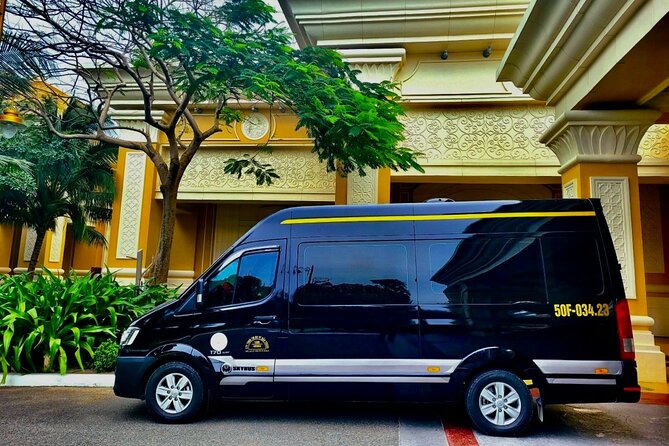
At $140 per person for about 3 days, the big value is not just the sights. It’s the set-up that usually eats your time in Vietnam.
You get round-trip Hanoi to Sapa by DCAR Limousine, hotel pickup in Hanoi’s Old Quarter, and 2 nights in a 3-star hotel in Sapa. You also get a local speaking guide, plus 3 lunches and 2 breakfasts. For many people, that combo matters more than squeezing in one extra stop, because it reduces commuting stress and keeps meal timing predictable during trekking days.
You should also note what’s not included. Fansipan cable car is not included, and holiday surcharges can apply. If Fansipan is a must for you, price it into your plan from the start so you do not get surprised later.
The experience includes a mobile ticket, which is handy if you prefer digital check-in. Meeting point is the Hanoi Opera House area (1 Tràng Tiền, Phan Chu Trinh, Hoàn Kiếm, Hà Nội), with start time at 6:30 am and return back to the meeting point.
Your trekking base: weather and what to pack for Sapa’s four-season day

Sapa is cool year-round, with an average temperature around 15°C. The weather is famous for shifting quickly: mornings feel spring-like, afternoons can be sunny yet cool, then clouds and dew can roll in, and nights can feel winter-cold.
For this trip, that matters because you’re outdoors on trekking days. Bring layers you can add or remove without turning the day into a gymnastics routine:
- A warm top for morning and evening
- Something that handles drizzle or mist
- Solid walking shoes with grip for uneven paths
- A small day bag for water, snacks, and a light rain layer
This is also a practical reason to take the moderate fitness note seriously. The hikes are part of the plan, so you’ll enjoy them more if you’re comfortable walking uphill and staying steady for stretches.
Day 1 in Sapa: arrival, check-in, and an easy village introduction
On day 1, you start with pickup or meet-up around 6:30 to 7:00 am in central Hanoi. You then head to Sapa and arrive around 1:00 pm. This timing is smart. You get to Sapa without losing the entire day to transit.
Once you arrive, you’ll lunch and check in at a 3-star hotel. After a rest, you go out with your guide around 2:30 pm for a visit to a local village and a chance to learn about daily life. The itinerary notes admission ticket time as free, and the pace here is relatively gentle compared with the trekking days that follow.
What I like about day 1 is that it helps you get your bearings. You’re not thrown straight into a long hike. You ease into the Sapa experience first, then you’re better prepared for the more active day 2 and day 3.
From the reviews, the comfort of the hotel experience seems to land well. People mention clean, comfortable rooms, delicious food, and good service. One review specifically called out Sapa Unique Hotel, which suggests at least some departures may stay there, though you should treat it as an example, not a guaranteed promise.
Ethnic villages and the clothing you’ll actually notice
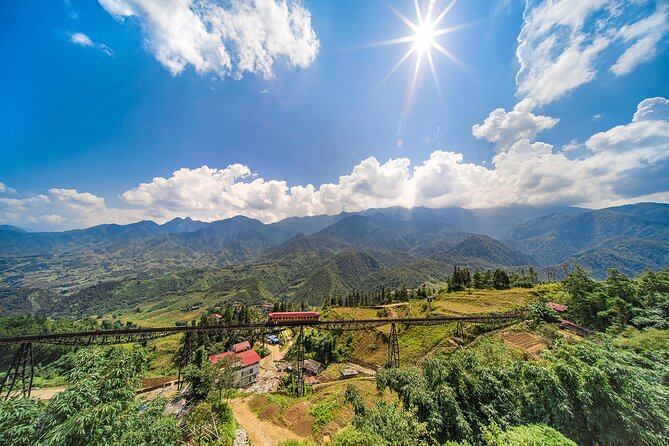
Sapa’s appeal is not only the mountain views. It’s the way multiple ethnic groups live close to each other, and how visible that is in clothing and local culture.
The trip’s village time is designed for that kind of cultural watching. You may see and learn about groups such as H’Mong Black, Red Dao, Tay, Giay, and Xa Pho, with differences in dress, lifestyle, customs, and farming methods.
A practical tip: go in with the mindset of asking simple questions and observing details. For example, look at how clothing differs by group, then ask your guide to explain what those differences mean locally. That approach makes your village stops feel connected instead of like a quick photo stop.
Sleep in a village, walk between them


Day 2: Cat Cat Village trek, then your Fansipan choice

Day 2 starts with breakfast at the hotel from 7:00 to 8:30 am. Around 9:00 am, you trek to Cat Cat Village and have lunch at midday. The itinerary then leaves the afternoon more flexible.
At 3:30 pm, you can go toward Fansipan on your own (cable car is your expense), or you can use the time to explore Sapa town at your own pace. You also return for an overnight stay at the hotel.
This “choice slot” is a strength. Fansipan can be great if you have energy and good weather, but sometimes the mountains put on a fog show. Having the option to shift plans keeps the day from feeling wasted.
In the feedback, organization and helpful guides come up repeatedly. People also mention that the tour felt smooth and easy, which is important on trekking days when you do not want last-minute scrambling.
Day 3: Ham Rong (Dragon’s Jaw) Mountain trek and back to Hanoi
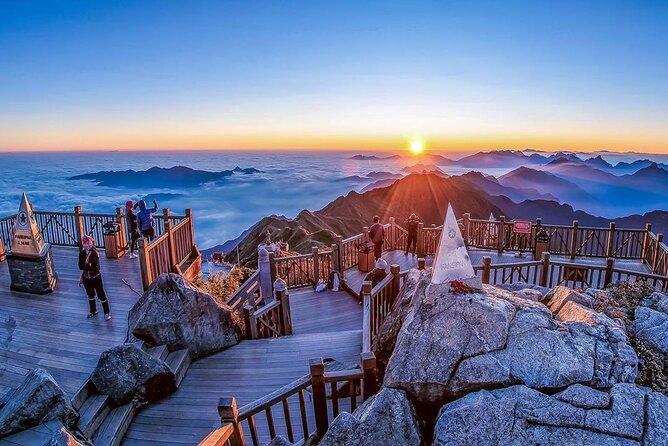
Day 3 is the big scenery day. Breakfast is around 7:30 am, and the trek begins around 9:30 am up Ham Rong Mountain, also known as Dragon’s Jaw. You return by midday for lunch, then head back to Hanoi.
The plan says goodbye around 2:10 to 2:30 pm, and you arrive back in Hanoi around 8:30 pm.
Why this works well is that you get one final, active morning and then an evening return that lets you finish the trip without adding extra lodging nights. If you plan your next day in Hanoi, you can usually treat it as your recovery day, not a travel day.
You’ll also feel how the itinerary balances effort. Day 1 is mostly arrival and light village time. Day 2 mixes a trek with afternoon freedom. Day 3 gives you the mountain viewpoint trek, then you’re done.
Who the guide makes or breaks: Ms. Mei, Mikey, and the team vibe

The best kind of tour is the one where you feel looked after, not managed. The reviews point to that kind of service.
Several comments highlight staff who are friendly and helpful, and at least one specifically mentions Ms. Mei as a guide. Another mentions Mikey as extremely helpful with coordination, and the same feedback mentions staff at a Sapa hotel by name. People also say the driver was punctual and that help continued even if pickup was a little outside the usual expectation.
That kind of support matters more than you think on a short trip. In Sapa, weather and walking conditions can change. When your team stays responsive, you keep moving without stress.
Pace, group size, and how to judge if it fits your body
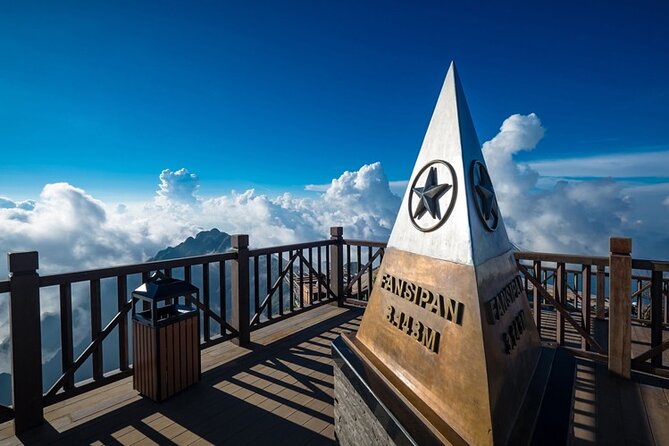
This is listed for moderate physical fitness and a maximum of 10 travelers.
That small group limit usually means:
- You get more attention from the guide
- The itinerary can run without constant regrouping
- The day feels social, not crowded
As for the fitness level, think in terms of being comfortable walking uphill for stretches, plus handling changing weather. If you’re used to casual hiking and long city walking, you’ll probably feel fine. If you rarely walk more than short distances, you might find the trek days tiring, especially if damp weather makes paths slick.
Is this tour good value compared to DIY?
If you tried doing Hanoi to Sapa on your own, you’d deal with transport booking, hotel sorting, and coordinating meal timing around hikes. This trip gives you a ready-made package:
- Round-trip limousine
- 2 nights hotel
- Meals included
- Guide for village and trekking days
Your remaining decision is basically what you want for the afternoon on day 2, plus whether you want Fansipan cable car. That’s a reasonable trade for a set price.
The only real downside to “package value” is flexibility. If you are the type who likes to spontaneously hop to a completely different village and restructure the whole day, this plan may feel more structured than you like. But the tour also appears to allow some flexibility, since one comment mentions the itinerary could be changed before the trip if you wanted to go somewhere else instead.
Should you book this 3-day Sapa trekking tour?
You should book it if you want a smooth, guided Sapa introduction with two hotel nights, meals included, and treks that are paced for most travelers with moderate fitness. It’s especially well suited if you’re traveling with family or you just do not want to spend your limited time planning transport and meals.
Skip it or rethink if:
- You are mainly chasing Fansipan and want it fully built into the cost. Cable car is not included.
- You dislike trekking altogether. Two days include walking treks: Cat Cat Village and Ham Rong Mountain.
If your ideal Sapa trip blends ethnic village culture with guided walking and a hotel you can actually relax in, this one is easy to recommend. The combination of small group size, helpful guides like Ms. Mei, and a schedule that still gives you time to breathe in Sapa makes it a strong choice for a first visit.
FAQ
Where do I meet the tour in Hanoi?
You meet at the Hanoi Opera House area (1 Tràng Tiền, Phan Chu Trinh, Hoàn Kiếm, Hà Nội). The tour starts at 6:30 am.
What time does the tour start and how long is it?
Pickup or meet-up begins around 6:30 am. The overall trip is about 3 days, with a return to Hanoi around 8:30 pm on day 3.
How do I get between Hanoi and Sapa?
Round-trip transport is included by DCAR Limousine.
How many nights are included in Sapa?
The package includes 2 nights in Sapa at a 3-star hotel.
What meals are included?
The tour includes 3 lunches and 2 breakfasts.
Do I get a guide?
Yes, you get a local speaking guide.
Are Fansipan activities included?
Fansipan cable car is not included, and Fansipan is listed as an optional activity you handle on your own expenses.
Does the tour include a hotel pickup in Hanoi?
Yes, hotel pickup is included from Hanoi’s Old Quarter, in addition to meeting at the Opera House area.
How many people are in a group?
The maximum group size is 10 travelers.
Is free cancellation available?
Yes. You can cancel for a full refund if you cancel up to 24 hours in advance of the experience start time.
Walk, Then Stay
- Hanoi – Sapa 2 Days 1 Night Overnight At Homestay★ 5.0 · 899 reviews
- From Hanoi: 2-Day Sapa Trekking Trip with Homestay & Meals★ 4.8 · 704 reviews
- Sapa 3 Days 2 Nights Trekking Tour (1 Night In Ta Van Village, 1 Night In Hotel)★ 5.0 · 699 reviews
- 3-Day Trekking Adventure of Sapa from Hanoi – Stay Ta Van Village★ 5.0 · 611 reviews
- 3D and 2N Lan Ha Bay Cat Ba Island Kayaking & Trekking with Vega★ 5.0 · 593 reviews
Sapa on Foot
- Sapa 2 Days 1 Night From Hanoi – Overnight in Ta Van Village★ 5.0 · 2,669 reviews
- Hanoi – Sapa 2 Days 1 Night Overnight At Homestay★ 5.0 · 899 reviews
- From Hanoi: 2-Day Sapa Trekking Trip with Homestay & Meals★ 4.8 · 704 reviews
- Sapa 3 Days 2 Nights Trekking Tour (1 Night In Ta Van Village, 1 Night In Hotel)★ 5.0 · 699 reviews
- 3-Day Trekking Adventure of Sapa from Hanoi – Stay Ta Van Village★ 5.0 · 611 reviews
Other Hanoi tours our reviewers keep coming back to
- Hanoi Vespa After Dark Street food + Train Street+ Live Music
★ 5.0 · 18 reviews - (Free Pick-up) Vietnamese Body Massage in Hanoi City
★ 5.0 · 18 reviews - The Insider’s Hanoi,Train Street, Countryside Highlight by Vespa
★ 5.0 · 18 reviews - Skip the line: Thang Long Water Puppet Theater Entrance Tickets
★ 4.0 · 18 reviews - Hanoi Street Food Tour and MORE
★ 5.0 · 18 reviews - Hanoi – Hoa Lu – Tam Coc – Mua Cave – 1 Day / By Luxury Limousine & Small Group
★ 5.0 · 18 reviews
Sapa Trekking and Fansipan, compared.
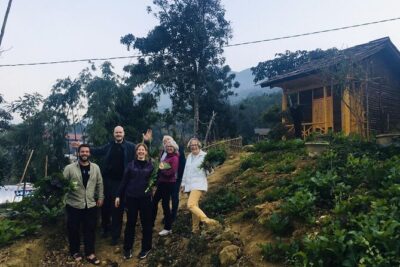 ★ 5.0Sapa 2 Days 1 Night From Hanoi – Overnight in Ta Van VillageFrom $592,669 reviews
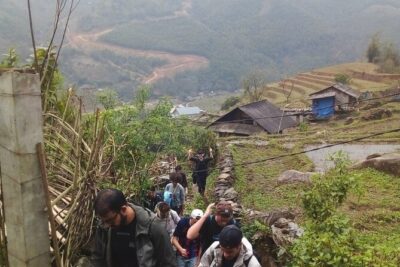 ★ 5.0Hanoi – Sapa 2 Days 1 Night Overnight At HomestayFrom $89899 reviews
 ★ 4.6Sa Pa: Muong Hoa Valley Trek and Local Ethnic VillagesFrom $23864 reviews
 ★ 5.0Sapa: Fansipan Cable, Cat Cat Village & Moana Instagram TourFrom $30777 reviews
 ★ 4.8From Hanoi: 2-Day Sapa Trekking Trip with Homestay & MealsFrom $71704 reviews
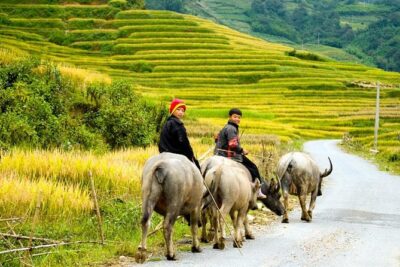 ★ 5.0Sapa 3 Days 2 Nights Trekking Tour (1 Night In Ta Van Village, 1 Night In Hotel)From $139699 reviews
 ★ 4.9Sapa: Eco Adventure Terrace Fields and Local Villages TrekFrom $27636 reviews
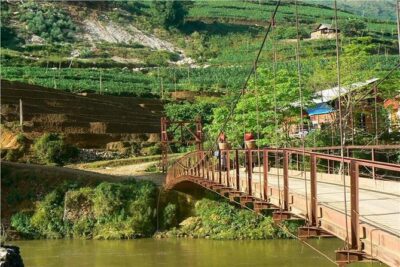 ★ 5.03-Day Trekking Adventure of Sapa from Hanoi – Stay Ta Van VillageFrom $109611 reviews
Also in these Vietnam lists