
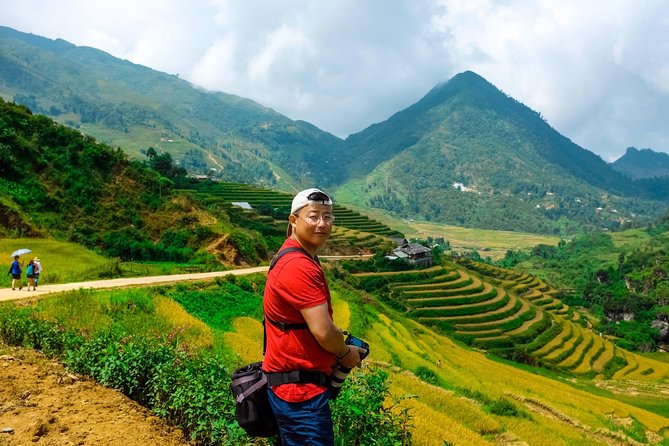
REVIEW · SAPA TREKKING AND FANSIPAN
2 days authentic trekking tour in Sapa ( Homestay – Less touristy )
Misty mountain trails can still feel personal. This 2-day Sapa trek pairs rice terraces with village life, and you sleep inside a traditional wooden house with local families. I like that the route is built around real communities, not just quick photo stops, and I also like that the guiding focuses on how people live, eat, and work in the highlands. One thing to plan for: this is not a flat stroll, and some sections get steep, especially when the weather is hot.
What makes this trip worth your attention is the human pace. Names come up for a reason, like guide Mai leading small-village paths, host Mr. Tinh helping a smooth arrival, and Maykeiun looking after the group during the trek and homestay stay. The homestay setup is rustic but comfortable, with meals that feel hearty after a long day on your feet. The main consideration is fitness, because expect around 9 hours of trekking over two days, with climbs that will test your legs.
In This Review
- Key things that make this trek work
- Why this Sapa trek feels less touristy
- Day 1: Ta Phin Village, pine-forest trails and terrace views
- Day 2: Ngũ Chỉ Sơn and Suối Thầu, rice paddies up to the viewpoint
- The homestay night: rustic wood house comfort and real meals
- Walking intensity and how to prepare
- Price value: what $89 buys you in Sapa
- Who this tour is best for
- Quick practical details you should know
- Should you book this Sapa homestay trek?
- FAQ
- How long is the trek?
- What time does the tour start?
- Where does the tour end?
- What does the $89 price include?
- Is pickup offered?
- Does the tour include transportation?
- Are entrance tickets included?
- Can the walking difficulty be adjusted?
- What is not included in the tour price?
- What is the cancellation policy?
Key things that make this trek work
- Steep-but-rewarding walking with about 9 hours total, so it feels like you earned the views
- Mai as a standout guide on routes that go beyond the obvious paths
- Village homestay night in a wooden house, with meals and water included
- Ethnic village visits tied to everyday life, including Hmong and Dzao communities
- Route flexibility when conditions like fog change what’s safest and most comfortable to do
- Walk level can be adjusted (some groups note medium or heavy choices along the way)
Other Sapa walks, from gentle to genuinely hard
- Sapa: Fansipan Cable, Cat Cat Village & Moana Instagram Tour★ 5.0 · 777 reviews
- Cat Cat Village, Moana, Fansipan Cable Car, Alpine Coaster – Sapa★ 5.0 · 420 reviews
- Sa Pa Full Day Trekking Tour★ 5.0 · 414 reviews
- Sapa Motorbike Tour With Local Guide 1 Day – Waterfalls, Villages★ 5.0 · 254 reviews
Why this Sapa trek feels less touristy
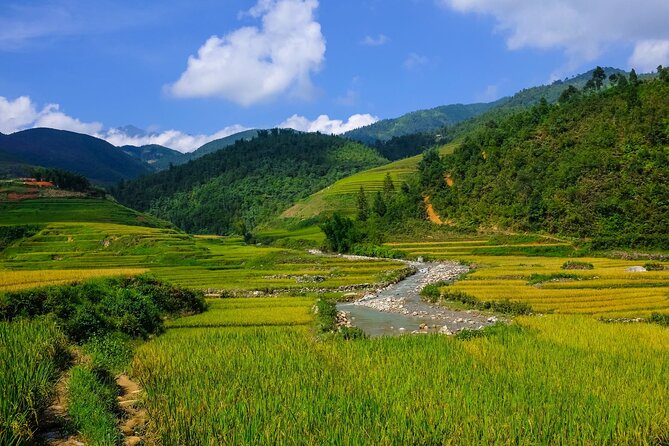
Sapa attracts big tours, but this one is built for smaller, more local contact. You spend real time with families, not just passing through a market or a viewpoint. The big theme is simple: walking through terraces and valleys, then slowing down to learn how people live in the highlands.
It also helps that the tour is framed as part trek, part community visit. You’re guided from place to place with cultural stops that include meals and workshops, so you get context while you’re walking. And because it’s described as a private tour/activity limited to your group, the experience tends to feel more controlled and less hectic than the mass-market style.
If you’re aiming for a quieter Sapa, this is the kind of trip that makes sense: you’re leaving the main roads, using dirt trails through pine forest and agricultural areas, and spending the night right in a local community.
Day 1: Ta Phin Village, pine-forest trails and terrace views
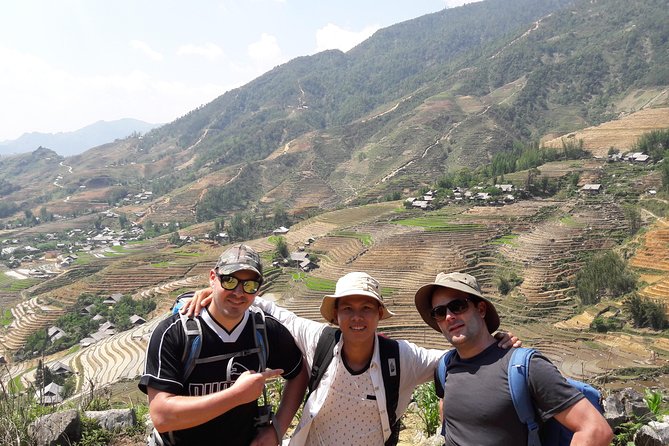
Day 1 starts at 9:00 am with transport to the trail area, then you begin trekking downhill through a mountainous zone. A pine forest corridor sets the tone early. That matters because it breaks up the walk with shade and cooler air, which you’ll appreciate once the sun comes out.
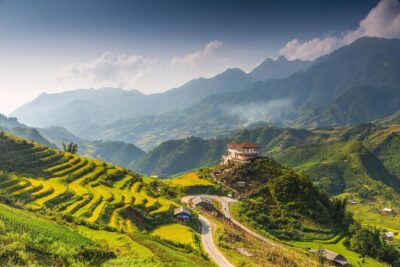
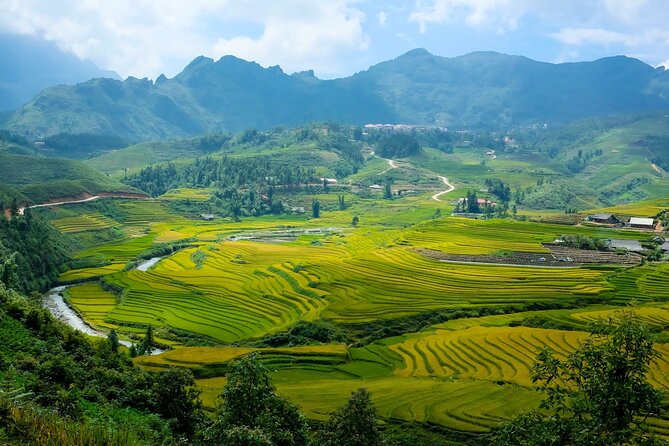
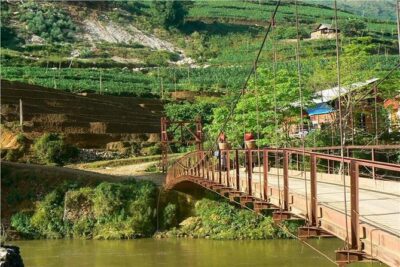
The route gives you frequent chances to look out over rice paddy terraces and cornfields. Even if you’ve seen Sapa photos online, you’ll notice how the terraces feel different up close, especially when you’re walking along paths that cut through the working landscape. This is also where you’ll likely start to notice the rhythm of the walk, steady downhill at first, then shaping into the day’s work.
Your day is centered on Ta Phin Village, a key community stop that brings the trek into contact with everyday village life. You’ll have time with your guide to understand what you’re seeing, and you’ll also get the type of village meals that make homestays feel more meaningful. For many first-time Sapa visitors, the value is the contrast: you’re walking in the hills during the day, then shifting into local hospitality at night.
How this day can challenge you: it’s not a flat, “easy scenic” plan. Even though the walk starts downhill, the overall trekking load over two days adds up, and the terrain can turn steep in places. Bring good shoes, expect uneven ground, and plan on using your trekking muscles.
Day 2: Ngũ Chỉ Sơn and Suối Thầu, rice paddies up to the viewpoint
Day 2 begins with breakfast at the homestay. That small detail is more important than it sounds. Eating where you’re staying saves time and keeps the morning from feeling like a rushed checklist.
From there, you head toward Suối Thầu village, moving along a route that passes several minority villages. This is where the trek becomes more than just scenery, because you’re not only traveling between points. You’re moving through a living map of communities, and your guide helps connect what you see to how people farm and organize daily life.
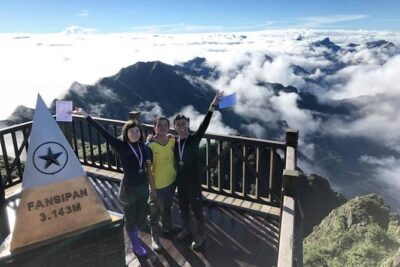
You’ll walk through rice paddy fields, then climb toward a higher point near Ngũ Chỉ Sơn. Reaching the top is the payoff moment for the second day. The walk gives you a gradual sense of elevation, and once you arrive, the views tend to feel worth the strain.
One helpful note for planning: the admission is free for Ngũ Chỉ Sơn in this itinerary. It doesn’t change the need to bring the basics like water and snacks if you use them, but it does mean your day’s costs stay more predictable.
Timing-wise, Day 2 is listed at about 4 hours of trekking, and that typically makes the second day feel like “finish strong” rather than a total reset. The main risk is still footwear and stamina, because after a full Day 1, your legs will be doing double duty.
The homestay night: rustic wood house comfort and real meals
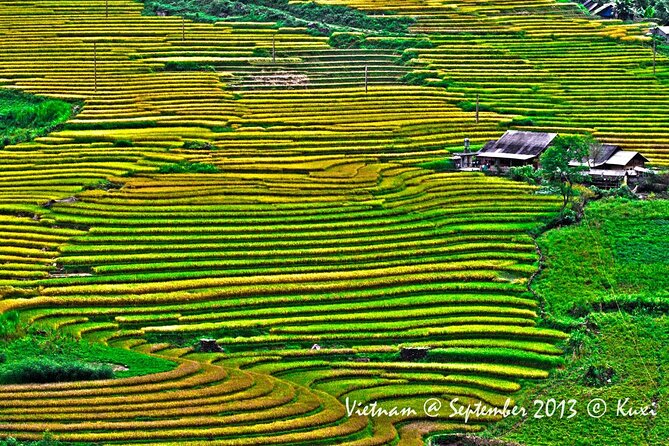
Sleeping in a local community is the heart of why this tour is different from typical day treks. You stay in a traditional wooden house, not a hotel. That alone changes the mood. The homestay setting tends to feel quieter, and you’ll be close to the household routine rather than a tourist schedule.
Based on how this experience is described, the homestay is rustic but comfortable. That’s a good balance for travelers who want authenticity without feeling like they signed up for hardship. You also get a set arrangement of meals, including dinner, and there’s 1.5 liters of water per day included, which helps you pace yourself without constantly bargaining for drinks.
Food is often where homestays win or lose. Here, people point out the food as delicious and satisfying, the kind of meals that work after hours of walking. It’s also part of why the tour includes more than just a bed: you’re expected to eat together, learn basic context from your guide, and keep the night feeling connected to the day’s walking.
Possible drawback for comfort-seekers: rustic lodging means expect simpler facilities than a hotel. If you’re the type who needs predictable bedding and strong heating, you might find it basic. The good sign is that the homestay is described as well organized, and guides and hosts like Mr. Tinh are mentioned as supportive during arrival and throughout the experience.
Sleep in a village, walk between them

Walking intensity and how to prepare
This is the one part you should take seriously. The trek is described as quite steep in places, and it’s not labeled as gentle. Even when the path looks manageable at a glance, the combination of elevation and uneven trail surfaces can make it tougher than expected.
A common theme in feedback is around 9 hours of trekking across the two days, with steep sections. Another practical point: in some cases you can choose a trekking level along the way, with options described as medium or heavy. If you want control, tell your guide early what you can handle and what pace makes you comfortable.
Here’s how I’d prepare if you’re considering this tour:
- Wear shoes you trust on slippery dirt paths, not just city sneakers.
- Keep a water habit, and use that included water as your baseline.
- Plan for heat if you’re traveling in warmer months, because steep sections feel harder when you’re sweating.
If you’re unsure about your fitness, don’t guess. Ask your guide to steer you toward the pace that matches your legs. That flexibility is part of what makes the trek manageable for different travelers.
Price value: what $89 buys you in Sapa
At $89 per person, this trek is priced in a way that can feel fair if you count what’s included. You’re not only paying for a guide. You also get:
- Homestay for the night
- Meals across the two days (breakfast, dinner, and two lunches)
- Entrance fees
- Transport tied to the itinerary
- A guide described as English-speaking
- 1.5 liters of water/day
That’s important for value, because a lot of “budget” treks look cheap until you add lodging, meals, and transport. Here, the bundling reduces guesswork. You arrive knowing most of your major expenses are already covered, which is a big deal when you’re trekking in remote areas.
Also consider the timing. This experience is typically booked about 48 days in advance on average. That suggests limited availability around popular dates. If your trip dates are fixed, it’s smart to reserve early so you can get the homestay setup you want.
Who feels the value most: travelers who want a guided, cultural trekking experience without building logistics on their own. If you’re the kind of traveler who likes spontaneity but still wants a local guide to handle the route, this price usually feels like a good trade.
Who this tour is best for
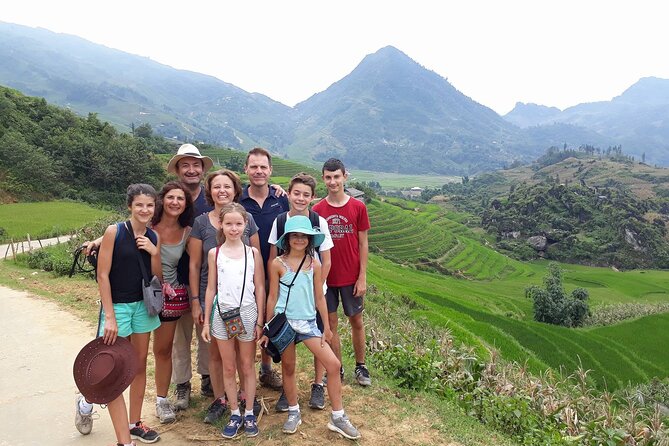
This trek is a strong match if you want:
- A two-day plan that still feels substantial
- Real community interaction through village visits and a homestay night
- A guided route through terrace areas and rural paths that most visitors would struggle to find alone
It’s also a good fit for travelers who enjoy explanations during the walk, not only standing at a viewpoint. Named guides like Mai show up in feedback for a reason: people appreciate the way the guidance connects scenery to daily life and local culture.
It may be less ideal if you want:
- Flat, easy walking with minimal climbing
- Hotel-style comfort all night long
- A schedule centered on quick landmark photos
If you’re middle-of-the-road on fitness and open to rustic conditions, you’ll likely find the balance here quite good.
Quick practical details you should know
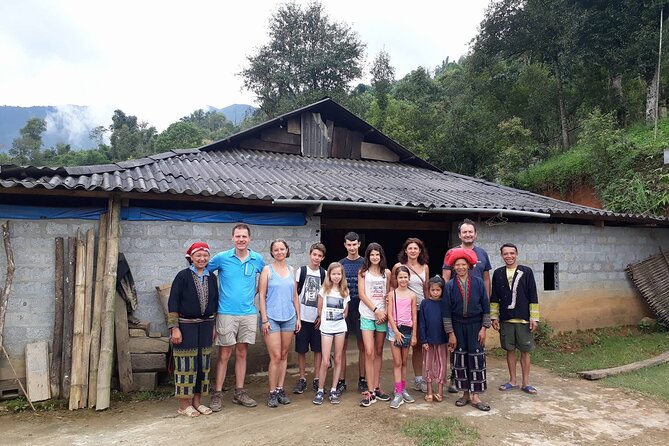
Start time is 9:00 am, and the tour ends back at the meeting point. The tour includes a pickup option, and it’s described as near public transportation, which gives you a backup plan if you’re moving around Sapa on your own.
The itinerary includes admission on Day 1, while Day 2 includes Ngũ Chỉ Sơn with free admission in the plan. Tickets are included where noted, so you don’t have to scramble for entry fees mid-trek.
Finally, this is run as a private tour/activity for your group, which usually means you get less waiting around. If you’re traveling with friends or family, that privacy can also make the experience feel more personal.
Should you book this Sapa homestay trek?
I’d book it if you want a Sapa experience that mixes walking and real village contact, and if you’re okay with a physically active plan. The biggest selling points are the guide-led paths (including routes that go beyond the obvious) and the homestay night that stays rustic but comfortable, with solid meals.
I would think twice before booking if your top priority is easy walking or hotel-level comfort. The steep sections and the total trekking time can wear you down, particularly in heat.
If you do book, do two things: pick shoes you can trust on steep dirt trails, and set expectations with your guide about your walking level. If fog changes conditions, the trip is described as flexible, which is exactly what you want in the mountains.
FAQ
How long is the trek?
It’s a 2-day tour, with an approximate total duration of about 2 days.
What time does the tour start?
The start time is listed as 9:00 am.
Where does the tour end?
The activity ends back at the meeting point.
What does the $89 price include?
The tour includes an English guide, a village homestay, meals (breakfast, dinner, and two lunches), 1.5 liters of water per day, entrance fees, and transport.
Is pickup offered?
Yes, pickup is offered.
Does the tour include transportation?
Yes, transport is included as part of the tour.
Are entrance tickets included?
Yes. The itinerary indicates admission is included for Day 1, and Day 2 includes Ngũ Chỉ Sơn with free admission.
Can the walking difficulty be adjusted?
Some guidance is described as allowing you to choose the level (medium or heavy) along the way.
What is not included in the tour price?
Not included: tip, insurance, personal expenses, herbal bath, and soft drinks.
What is the cancellation policy?
You can cancel for a full refund up to 24 hours in advance of the experience’s start time. Within 24 hours, there is no refund.
Walk, Then Stay
- Number one top rated ethical cultural trekking and homestay by ETHOS★ 5.0 · 456 reviews
- Sa Pa Full Day Trekking Tour★ 5.0 · 414 reviews
- 1-day Authentik trek & Panorama valley views★ 5.0 · 189 reviews
- 1 day Fansipan Trekking★ 5.0 · 180 reviews
- Trekking Through Rice Terraced Fields – 1Day★ 5.0 · 173 reviews
Sapa on Foot
- Sapa: Fansipan Cable, Cat Cat Village & Moana Instagram Tour★ 5.0 · 777 reviews
- Cat Cat Village, Moana, Fansipan Cable Car, Alpine Coaster – Sapa★ 5.0 · 420 reviews
- Sa Pa Full Day Trekking Tour★ 5.0 · 414 reviews
- Sapa Motorbike Tour With Local Guide 1 Day – Waterfalls, Villages★ 5.0 · 254 reviews
- 1 day Fansipan Trekking★ 5.0 · 180 reviews
Other Sapa tours our reviewers keep coming back to
- 1 Day Sapa Tour Explore Y Linh Ho And Lao Chai And Ta Van Village
★ 5.0 · 18 reviews - Canyoning Tour from Sapa Vietnam
★ 5.0 · 19 reviews - Sapa 2 Day Trekking with 1 Night Homestay
★ 5.0 · 20 reviews - Sapa Half-Day Motorbike Tour: Villages & Rice Fields
★ 5.0 · 22 reviews - Sapa Mountain Escape: 2-Day Trekking, Rice Terraces & Homestay
★ 5.0 · 23 reviews - Sapa Dragon Cloud Glass Bridge and Silver Waterfall Half-Day Tour
★ 5.0 · 25 reviews
Sapa Trekking and Fansipan, compared.
 ★ 5.0Sapa 2 Days 1 Night From Hanoi – Overnight in Ta Van VillageFrom $592,669 reviews
 ★ 5.0Hanoi – Sapa 2 Days 1 Night Overnight At HomestayFrom $89899 reviews
 ★ 4.6Sa Pa: Muong Hoa Valley Trek and Local Ethnic VillagesFrom $23864 reviews
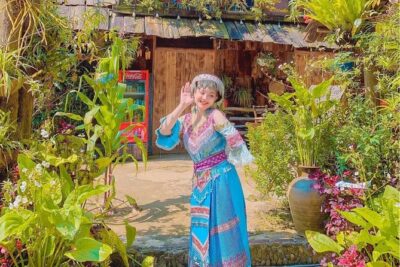 ★ 5.0Sapa: Fansipan Cable, Cat Cat Village & Moana Instagram TourFrom $30777 reviews
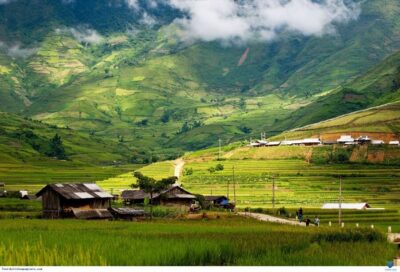 ★ 4.8From Hanoi: 2-Day Sapa Trekking Trip with Homestay & MealsFrom $71704 reviews
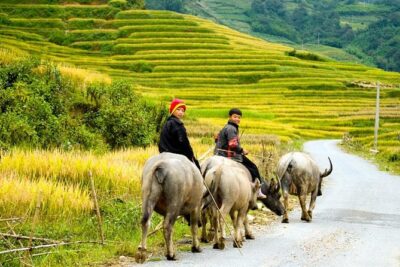 ★ 5.0Sapa 3 Days 2 Nights Trekking Tour (1 Night In Ta Van Village, 1 Night In Hotel)From $139699 reviews
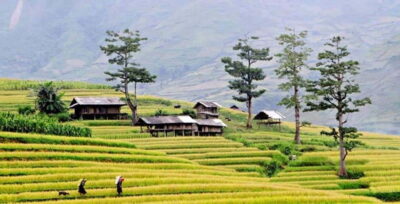 ★ 4.9Sapa: Eco Adventure Terrace Fields and Local Villages TrekFrom $27636 reviews
 ★ 5.03-Day Trekking Adventure of Sapa from Hanoi – Stay Ta Van VillageFrom $109611 reviews
Also in these Vietnam lists