
REVIEW · HOI AN ANCIENT TOWN TOURS
Vietnamese Cooking Class in Historical Hoi An Restaurant
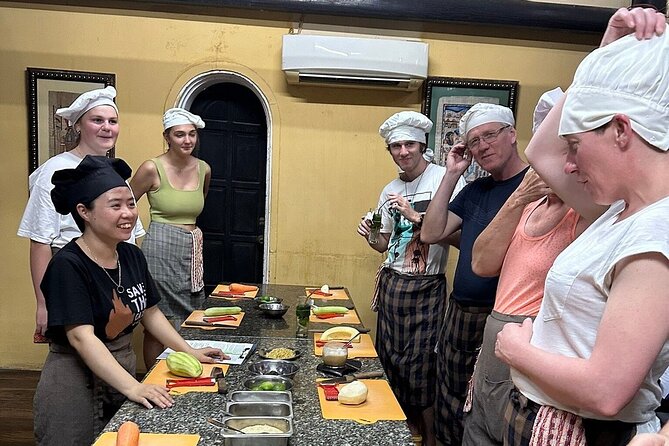
Hoi An smells like dinner before you even start. This Vietnamese cooking class turns a 3-hour evening into a practical lesson on flavors, ingredients, and local food culture inside a heritage-listed 180-year-old building in the old town. Head Chef Hai Nguyen is known in Vietnam for a modern twist on traditional dishes, so you get technique, not just chopping.
Two things I really like: the class explains the why behind Vietnamese cooking, including the role of key ingredients and how they work together, and you finish with a sit-down dinner made from what you cook. One possible drawback is that the pace can feel fast, so if you want a lot of extra talk while you cook, plan to ask questions early.
In This Review
- Key highlights at a glance
- Inside a 180-year-old cooking school in Hoi An’s old town
- Price and the 3-hour timing that actually works
- Choosing your five-course menu themes in advance
- How the class flows: from ingredient lessons to hands-on cooking
- The optional market add-on that helps you shop smarter
- Instructors like Pinky, Que, and Jam make the lesson stick
- Dinner included: what you do after you cook matters
- Your digital recipe book: turn one night into real cooking at home
- The one pacing issue to plan for
- Who should book this cooking class in Hoi An
- Should you book? My call for most people
- FAQ
- Where is the meeting point?
- How long is the cooking class?
- How much does it cost?
- Is the class private?
- What’s included in the price?
- Is an optional market visit included?
- Do I need to bring anything?
- Are alcoholic drinks included?
- How do I get the recipe book?
- What happens if the weather is poor?
Key highlights at a glance
- Heritage building setting in the heart of Hoi An’s ancient town (180-year-old, heritage-listed)
- Five-course menu themes you choose in advance: The Essentials, Balancing Act, Street Eats, Hanoi Streets, Veggie Eats
- Take-home support with a digital recipe book emailed after the class
- Optional local market add-on if you want to understand ingredients before cooking
- Strong instruction and energy from instructors like Pinky, Que, and Jam
- Good value for a dinner-included experience at about $33 per person
Deeper into the Ancient Town
- Hoi An: Basket Boat Ride in the Coconut Forest★ 4.9 · 4,956 reviews
- Hoi An: Vietnamese Coffee Culture and Coffee Making Class★ 4.9 · 4,006 reviews
- Hoi An: Vietnamese Foldable Lantern Making Class★ 4.9 · 3,742 reviews
- Cooking Class Hoi An:Local Market, Basket Boat, Fishing & Cooking★ 5.0 · 3,660 reviews
Inside a 180-year-old cooking school in Hoi An’s old town
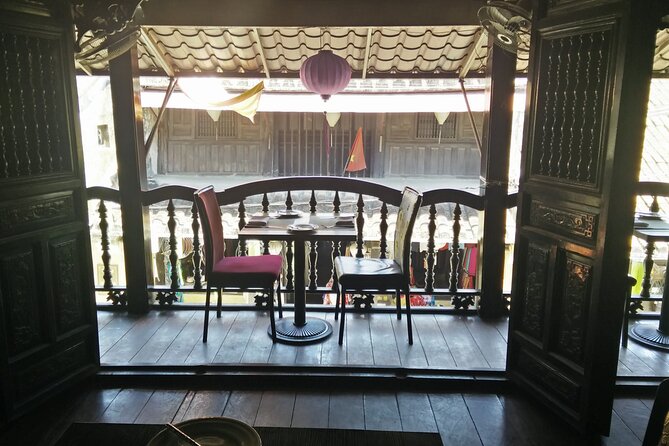
You meet at Green Mango Restaurant in central Hoi An, at 54 Nguyễn Thái Học, Phường, Hội An, Quảng Nam 563800. From there, you go into the cooking school itself, housed in a heritage-listed building that dates back about 180 years. It’s a big part of the appeal. Food lessons are one thing, but learning in a historic space makes it feel like you’re stepping into how locals might host and feed people.
This setting also makes the class feel grounded. Instead of a generic kitchen experience, you’re in a dedicated school with a long track record, since the restaurant has been an institution since 2004 with locations in Cat Ba, Hanoi, and Hoi An. Chef Hai Nguyen’s reputation in Vietnam for creative, modern takes on traditional dishes matters here. It suggests you’re not only copying recipes, you’re learning methods that can travel with you.
And since it’s held in the cooking school, you can expect a tight flow between instruction, hands-on cooking, and eating. The class ends back at the meeting point, so you’re not stuck finding your way in unfamiliar lanes afterward.
Price and the 3-hour timing that actually works
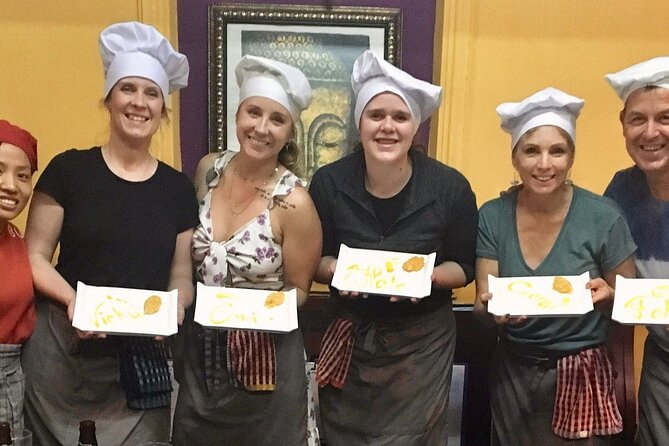
At $33 per person for about 3 hours, this lands in the mid-range for cooking classes in Hoi An. The reason it feels like good value is simple: dinner is included, and you also get a digital recipe book after the class. You are paying for more than a single dish. You’re paying for a guided process, multiple-course cooking, and the meal that follows.
Also, the format is set up for people who want a real outcome by the end of the night. You cook, then you sit down and eat what you made. If you’re worried about spending time only watching, the included meal helps anchor the experience in practical results.
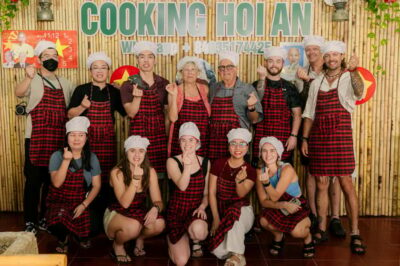
The class is private, meaning only your group participates. That is a big deal if you want a bit more flexibility to ask questions. It also makes the pacing easier to handle, because the instructor can adjust based on your group.
One timing note: the experience is approximately 3 hours. Some reviews point out it can feel like a sprint, meaning the instruction may be more focused and time-boxed than you’d expect. If you like slow, super-detailed walk-throughs, be ready to ask for clarification fast while you’re cooking.
Choosing your five-course menu themes in advance
When you book, you get to choose one of five five-course menu options, each tied to a different angle on Vietnamese cuisine and culture:
- The Essentials
- Balancing Act
- Street Eats
- Hanoi Streets
- Veggie Eats
If you don’t choose, the default is The Essentials. That’s a smart default if you’re new to Vietnamese cooking, because it’s designed to cover the core ideas and ingredients you’ll see again and again.
I like that the menus are theme-based. Even if you’re not sure what each course will be, the labels help you decide what you care about most. Street Eats and Hanoi Streets suggest a direction toward regional and everyday flavors, while Veggie Eats is the obvious choice if you want a plant-forward menu without feeling like you’re missing the point.
The key practical tip is to choose what matches your comfort level. If you’re learning from scratch, pick Essentials. If you’re already cooking at home and you want variety, pick a theme that feels fun, like Street Eats or Veggie Eats. Either way, you’ll still get the same core “learn the ingredients and why they matter” approach.
How the class flows: from ingredient lessons to hands-on cooking
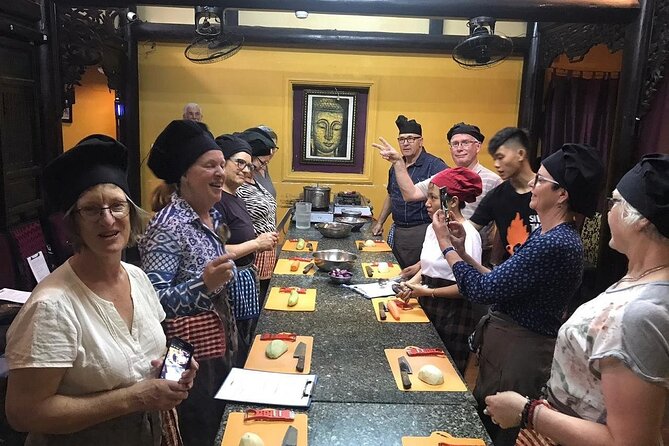
The class isn’t positioned as just a quick recipe pass. It’s built as a culinary tour through Vietnamese culture, tradition, and history, using the act of cooking to teach those connections. The instructors focus on essential ingredients and why they’re important, so the dishes make sense, not just taste good.
In practice, the flow tends to look like this: you start with an overview of key ingredients and what you’ll be making. Then you move into hands-on cooking, where you apply those ingredient ideas as the courses come together. Along the way, you’re likely to get practical tricks for your home kitchen. That’s one of the best parts of any cooking class, because Vietnamese food is ingredient-driven. If you understand what’s doing the work, you can adapt when you don’t have the exact same products at home.
One review described the experience as very chop-chop, and that matches what you should expect from a 3-hour, multi-course class. You won’t have time for long, side-story lectures at every step. The upside is that it keeps things moving and gets you eating sooner.
So do this: listen to the instructor’s explanation at the start of each cooking phase, and don’t wait until you’re stuck. If something doesn’t click, ask right away. That way, you’ll leave with technique, not just a plate full of food.
The optional market add-on that helps you shop smarter
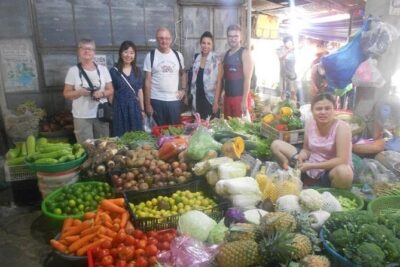
There’s an optional add-on for a visit to a local market. That feature matters more than it sounds, because Vietnamese cooking depends on specific herbs, aromatics, and pantry staples that can look similar but behave very differently in a recipe.
The add-on is also called out positively in reviews, with people appreciating the market tour in addition to cooking and dining. If you’re the type who wants to recreate dishes at home, the market stop gives you a visual guide to what to buy, what to prioritize, and how ingredients are categorized in daily life.
If you skip the market tour, you can still do the class well. But you’ll likely have fewer cues about sourcing. So if your biggest goal is cooking confidently later, choose the market add-on when it’s offered.
Instructors like Pinky, Que, and Jam make the lesson stick
The class lives or dies on the instructor, and the praise you see here centers on personality and clarity. In reviews, Pinky is specifically mentioned as a head chef, and she comes across as fun and entertaining. Que is named as an instructor in another review, and the class is described as fantastic and delicious. Jam is also mentioned as friendly and engaging, and that same review highlights enjoyment of market tour, cooking, and dining.
That’s useful because Vietnamese cooking can feel intimidating when you’re new, especially with herbs and sauces. A teacher who keeps the energy up while still guiding you step-by-step helps you stay calm and focused. It also makes you more likely to remember what you were told, because you’re not just thinking about the food, you’re interacting with the person teaching it.
If you’re booking for a group, instructors’ style matters even more. A private class means your group gets the attention, but the instructor’s pacing and teaching approach will set the tone. Since some people mention the pace can be brisk, showing up ready to cook and asking questions quickly will help you get the most out of that teaching style.
Dinner included: what you do after you cook matters
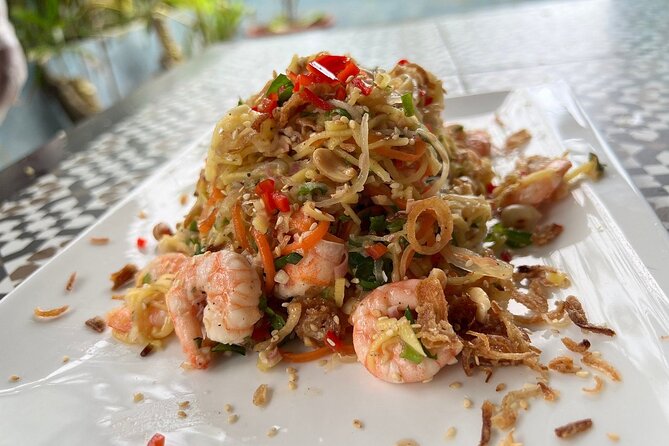
One of the smartest design choices here is that your prepared items turn into a sit-down meal included in the experience. That’s not just about convenience. It helps you learn faster.
Why? Because after you cook, you get to taste with context. You know what you added, when you added it, and what ingredient combinations the instructor was aiming for. That gives you immediate feedback. You also get to experience Vietnamese dining in a more relaxed way than just eating on the go.
Also, dinner is included. Alcoholic beverages are not. If you want a cocktail with your meal, there’s a cocktail bar open, with drink prices listed from 40,000vnd to 200,000vnd. That’s helpful if you’re budgeting. Plan that extra spend if you want drinks, but don’t feel like you have to.
And if you’re traveling with friends, the sit-down format makes the class feel like an evening, not just an activity. It’s a good reset before you go back out into the old town at night.
Your digital recipe book: turn one night into real cooking at home
After the class, you get a digital recipe book emailed to you. That’s a huge value add, especially for multi-course classes. You’re busy during the lesson, and you might not catch every small detail.
A digital format also helps you actually use it later. You can view it on your phone while cooking, or transfer it to a table recipe folder. You can also reread the notes about ingredient roles and preparation tips, which is exactly the kind of learning that sticks.
Here’s how to get the most from it: take quick notes during the class on what felt confusing, what you loved most, and what you’d want to tweak at home. Then compare those notes with the emailed recipe book after you’re back in your own kitchen. That turns the recipe book from a souvenir into a working tool.
The one pacing issue to plan for
Let’s be honest. One review flagged the experience as chop-chop and suggested more explanation about why certain steps are used. That’s the one possible drawback to keep in mind.
So how do you handle it?
- Come with questions ready. If you’re unsure about herbs, sauces, or why a dish tastes the way it does, ask early.
- Pay attention during the first explanation of each phase. If you miss the “why,” the “how” might feel rushed.
- Don’t expect a slow classroom experience. This is designed to produce multiple courses in about 3 hours.
If you’re the type who loves a fast pace and likes getting hands-on, you’ll probably find this style energizing. If you prefer long explanations and extra pauses to write notes, adjust your expectations and plan to ask your questions in short, targeted bursts.
Who should book this cooking class in Hoi An
This class is a strong match if you want:
- A practical Vietnamese cooking lesson you can repeat at home
- Dinner included, so the evening feels like a full experience
- Theme-based menus, so you can pick the direction that sounds fun
- A setting in the ancient town, in a historic building
It’s especially good for first-timers because the default menu is Essentials, and the instruction focuses on essential ingredients and why they matter. It’s also a great fit for food-focused couples or small groups who want a private experience and a confident teacher.
If you’re short on time in Hoi An but still want more than a casual meal, this is a nice way to spend a few hours productively. And if you’re planning to cook Vietnamese food later, the optional market add-on plus the recipe book is a smart combo.
Should you book? My call for most people
Yes, I think this is worth booking if your goal is to learn real Vietnamese cooking in a structured, dinner-included format. The rating is high, the instruction gets praised, and the ingredients-to-technique approach is the right kind of learning for home cooking. Add in the heritage setting and the fact that you choose a five-course theme, and it feels like more than just a night out.
I’d only hesitate if you strongly prefer slow, heavily explained classes. The pace can be brisk, and you may need to ask questions as you go to get the extra context you want. If you’re comfortable jumping in and communicating with your instructor, you’ll likely leave happy, and more importantly, able to cook these dishes again.
If you’re in Hoi An and you want an experience that combines culture with a take-home result, this one makes sense.
FAQ
Where is the meeting point?
You’ll start at Green Mango Restaurant, 54 Nguyễn Thái Học, Phường, Hội An, Quảng Nam 563800, Vietnam.
How long is the cooking class?
The class lasts about 3 hours.
How much does it cost?
It costs $33.00 per person.
Is the class private?
Yes, it is private for your group only.
What’s included in the price?
Dinner is included. You also receive a digital recipe book emailed to you after the class.
Is an optional market visit included?
A market visit is optional. You can choose the market add-on if you want that extra ingredient context.
Do I need to bring anything?
The details on what to bring are not specified in the information provided, so you’ll want to follow any instructions you receive when booking.
Are alcoholic drinks included?
No. Alcoholic beverages are not included, but a cocktail bar is available with drinks listed from 40,000vnd to 200,000vnd.
How do I get the recipe book?
It is emailed to you after the class.
What happens if the weather is poor?
The experience requires good weather. If it is canceled due to poor weather, you’ll be offered a different date or a full refund.
Hoi An, Still More
- Hoi An: Basket Boat Ride in the Coconut Forest★ 4.9 · 4,956 reviews
- Hoi An: Vietnamese Coffee Culture and Coffee Making Class★ 4.9 · 4,006 reviews
- Hoi An: Vietnamese Foldable Lantern Making Class★ 4.9 · 3,742 reviews
- Cooking Class Hoi An:Local Market, Basket Boat, Fishing & Cooking★ 5.0 · 3,660 reviews
- Hoi An Cooking Class(Market,BasketBoat Crabfishing&Cooking Class)★ 5.0 · 3,386 reviews
Other Hoi An tours our reviewers keep coming back to
- 3 Hours Motorbike Tour in Hoi An Countryside.
★ 5.0 · 18 reviews - My Son Sanctuary Discovery Half day Private Tour
★ 5.0 · 18 reviews - Hoi An local food tour – enjoy taste of Vietnam at ancient town!
★ 5.0 · 18 reviews - Experience Cooking Class for Lunch or Afternoon With Local Chef
★ 5.0 · 18 reviews - HOI AN Vegetable Village, Basket Boat, Palm Forest PRIVATE TOUR
★ 5.0 · 18 reviews - Hoi An Countryside Tour with Bamboo Basket Boat Rowing , Buffalo Ride, Farming
★ 5.0 · 18 reviews
Hoi An Ancient Town Tours, compared.
 ★ 4.9Hoi An: Basket Boat Ride in the Coconut ForestFrom $34,956 reviews
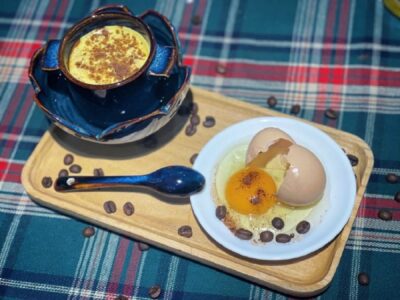 ★ 4.9Hoi An: Vietnamese Coffee Culture and Coffee Making ClassFrom $144,006 reviews
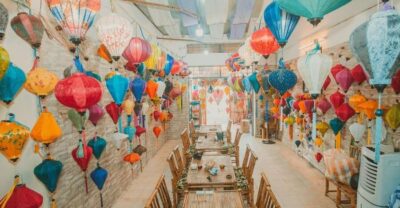 ★ 4.9Hoi An: Vietnamese Foldable Lantern Making ClassFrom $103,742 reviews
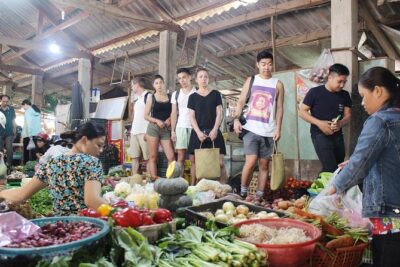 ★ 5.0Cooking Class Hoi An:Local Market, Basket Boat, Fishing & CookingFrom $283,660 reviews
 ★ 5.0Hoi An Cooking Class(Market,BasketBoat Crabfishing&Cooking Class)From $283,386 reviews
 ★ 5.0Hue to Hoi An ( Hoi An to Hue) Top Gear with Lefamily Riders Tours ( 1 way)From $503,156 reviews
 ★ 4.9Hoi An: My Son Sanctuary Early Morning w. Champa Food BrunchFrom $202,750 reviews
 ★ 4.8From Hoi An: Market Tour, Basket Boat Ride and Cooking ClassFrom $172,208 reviews
Also in these Vietnam lists