
REVIEW · SAPA TREKKING AND FANSIPAN
Sapa – Ha Giang Loop Tour 5 days 4 nights
Ha Giang and Sapa in one tight loop is a rare combo. You get big mountain viewpoints like Ma Pi Leng and an easy pace through ethnic villages, plus included meals and stays. It also has a comfort edge: pickup from Hanoi Old Quarter on a new limousine-style ride, then a small-group experience that keeps things human.
Two things I’d bet you’ll like right away: the small group size (max 10, often 6 to 10) and the fact that so much is handled for you, from accommodation to meals. The other plus is the people. Multiple guide and rider names pop up in the feedback, including Thang, Hoc, Huy, Vinh, Tuyen, and Hung Anh, and the team vibe seems genuinely helpful and safety-focused.
One consideration: this is a very packed 5 days. Long transit chunks and full days in both Ha Giang and Sapa can feel tiring, especially if you hate early starts or tight schedules.
In This Review
- Key highlights to know before you go
- From Hanoi Old Quarter to Ha Giang, you start moving early
- Du Gia on Day 1: a quieter start away from the crowd
- Nho Que River and Ma Pi Leng Pass: the day with the biggest views
- Dong Van Ancient Town at night: Hmong music and real interaction
- Day 3: Hmong King Palace and Quan Ba Heaven Gate
- Sapa village day: Y Linh Ho, Lao Chai, and Ta Van in Muong Hoa Valley
- Day 5 sunrise coffee and the Giang Ta Chai waterfall trek
- Price and value: what $299 really covers
- The real difference is the named team behind the wheel
- Who this Ha Giang Loop plus Sapa tour is best for
- Should you book this tour?
Key highlights to know before you go
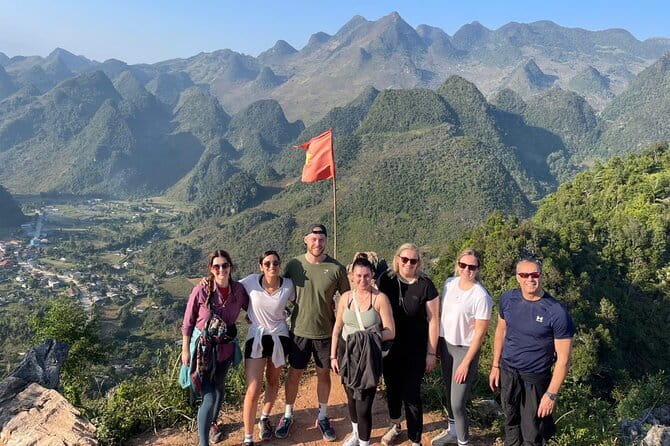
- Ma Pi Leng Pass gives you that most-impressive pass feeling at about 1,500 meters elevation
- Nho Que River is timed for a slower look, with the ticket included
- Dong Van Ancient Town includes a guided evening walk with traditional music and Hmong cultural exchanges
- Quan Ba Heaven Gate is a quick viewpoint stop at altitude, great for photos and fresh air
- Sapa village circuit covers Y Linh Ho, Lao Chai, and Ta Van in Muong Hoa Valley
- Day 5 sunrise coffee plus a bamboo-forest trek leads to Giang Ta Chai waterfall and includes a rattan suspension bridge crossing
Other Sapa walks, from gentle to genuinely hard
- Sapa 2 Days 1 Night From Hanoi – Overnight in Ta Van Village★ 5.0 · 2,669 reviews
- Hanoi – Sapa 2 Days 1 Night Overnight At Homestay★ 5.0 · 899 reviews
- From Hanoi: 2-Day Sapa Trekking Trip with Homestay & Meals★ 4.8 · 704 reviews
- Sapa 3 Days 2 Nights Trekking Tour (1 Night In Ta Van Village, 1 Night In Hotel)★ 5.0 · 699 reviews
From Hanoi Old Quarter to Ha Giang, you start moving early
Most days on this tour begin with a Hanoi wake-up. You get pickup at your hotel in the Hanoi Old Quarter area at 06:30 AM, then head toward Ha Giang by a new, comfortable bus or limousine car. That early start matters because it buys you real time in the north once you arrive.
You reach Ha Giang city around 12:30 PM, then you meet the guide and have lunch at a local restaurant. This timing is practical. Instead of arriving, waiting around, and losing half the day, you’re fed and oriented, then you begin exploring the region.
If you’re the type who likes to watch the landscape change from the window, this first day sets the tone. The downside is simple: it’s an early morning. Bring a travel pillow or neck support if you’re sensitive to long seats.
Du Gia on Day 1: a quieter start away from the crowd
After the lunch in Ha Giang city, the tour heads toward Du Gia, a village that’s described as quiet and unspoiled. The best part of this stop is exactly what you’d hope it would be. It’s not a busy show stop. It’s a calm, slower-feeling place that works as a mental reset after travel time.
This part of the day is also a good example of how the tour balances “wow” with “breathe.” Many Ha Giang loops rush you through the region like a checklist. Here, Du Gia is positioned as a chance to see the countryside rhythm and not just the headline views.
The only catch: if your idea of value is constant viewpoint-hopping every hour, Du Gia may feel like a slower chapter. But for most people, that slow chapter is what makes the whole 5-day arc feel livable.
Nho Que River and Ma Pi Leng Pass: the day with the biggest views
Day 2 is where the trip tilts hard toward scenery. You start with Nho Que River, set for about 2 hours, and the ticket is included. That included cost is a small but real value detail, because it removes a hassle step. More importantly, time is set aside for the river, not just a quick photo stop.
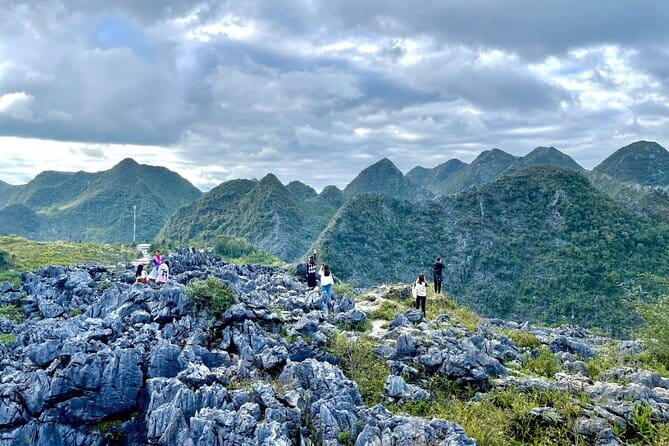
Then it’s off to Ma Pi Leng Pass, credited as the most impressive mountain pass in Vietnam, at around 1,500 meters between Dong Van and Meo Vac. You get about 1 hour here, and admission is listed as free. That hour is short on paper, but the pass is the point, and it’s the kind of place where you don’t need long explanations to understand why it matters.
What I’d do with that hour: pause, look around, then look again from a slightly different angle. With passes like this, one lookout isn’t enough because the river and slopes shift perspective fast. If you’re prone to rushing, set a mental timer and force yourself to stay.
The road time between viewpoints also matters. You’ll spend a lot of time outside cities, so it helps to wear layers. High passes can feel warm at one stop and chilly at the next.
Dong Van Ancient Town at night: Hmong music and real interaction
After dinner on Day 2, the plan includes a walk in Dong Van Ancient Town, plus traditional music and cultural exchange with local people from the Hmong community. Even when your itinerary lists this as a single “stop,” it’s the kind of moment that changes the trip quality.
Why? Because you get something rarer than photos: conversation time and context. It also pairs well with the scenic days earlier. You’re moving from high-elevation views to human-scale streets.
This stop is listed as around 12 hours in the schedule, which likely means you’re not just walking for 30 minutes. You’ll have time to slow down and pick a few spots to explore, not just march through.
The practical advice: bring a small amount of cash for snacks or small purchases if you want them, since the itinerary only guarantees meals, not optional extras like drinks. Also, if you’re camera-happy, ask before taking close-up photos of people. It keeps the experience respectful and smooth.
The Ha Giang Loop, ridden and reviewed again


Day 3: Hmong King Palace and Quan Ba Heaven Gate
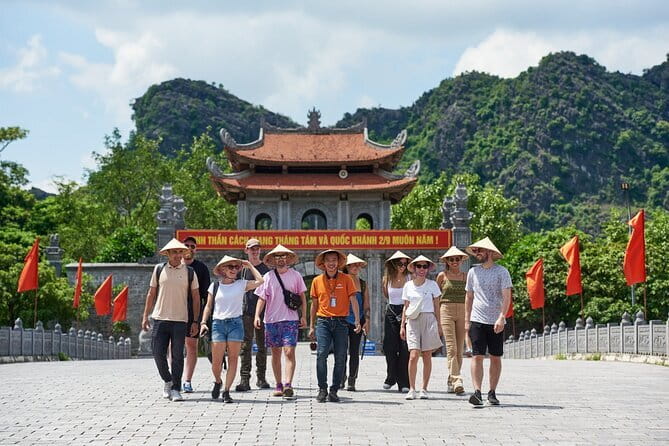
Day 3 begins with Dinh Vua Meo (Hmong King Palace), also known as Vuong Chinh Sinh Palace. It’s described as a historical landmark in the Sa Phin Valley, and the ticket is included. You get about 1 hour, which is long enough to understand what you’re seeing without turning it into a museum marathon.
This stop adds variety to the loop. You’ve had viewpoints and river scenery, now you get a landmark tied to local heritage. Even if you don’t read every plaque, the point is to notice how architecture and geography connect, because this region developed with both power and survival in mind.
Next up is Quan Ba Heaven Gate. It’s located along Highway 4C, around 1500 meters above sea level and about 43 kilometers north of Quan Ba city. The schedule lists a 30-minute stop with admission free. Think of it as a quick hit: stand, look out, and feel the altitude.
Then you return to the hotel in Ha Giang city around 4:00 PM and shift to Sapa at 6:00 PM by bus. Overnight stays in Sapa town.
That timing is useful. It prevents you from arriving to Sapa late and only seeing streetlights. You also get one smooth transition day where you’re not forced to pack everything and sprint between hotels at dawn.
Sapa village day: Y Linh Ho, Lao Chai, and Ta Van in Muong Hoa Valley
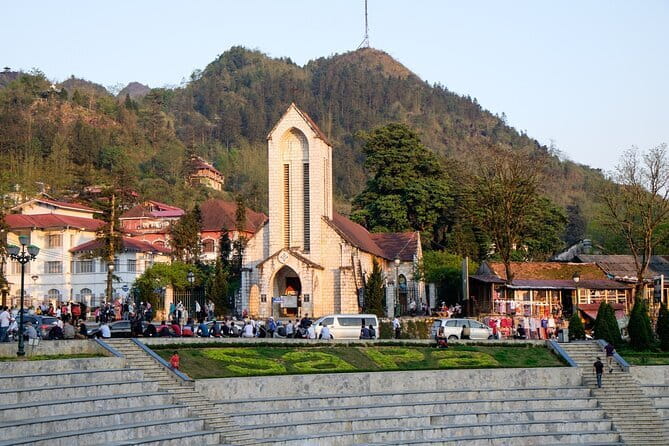
Day 4 is your Sapa cultural and village loop. You start with Y Linh Ho (about 1 hour), then move to Lao Chai (about 1 hour). Lao Chai is known for terraced rice fields and mountain valley views, which is the Sapa look that most people travel for.
Finally, the plan includes Ta Van Village in Muong Hoa Valley. It’s listed as 12 hours in the schedule, which suggests a longer stay or a day that expands around the village, not a quick pass-through. It’s also described as having diverse ethnic communities, which matters because Ta Van feels like a living neighborhood instead of a stage.
Two things make this day work well. First, the villages are close enough that you’re not constantly in transit. Second, the itinerary spreads the stops instead of cramming all viewpoints into one hour.
What can affect your comfort here is weather and trail conditions. Even without a stated trek length on this day, you may walk uneven paths. Wear shoes that don’t mind mud or slick patches.
Day 5 sunrise coffee and the Giang Ta Chai waterfall trek

Day 5 starts early with sunrise coffee, then breakfast, followed by a trek through bamboo forests toward Giang Ta Chai waterfall. You’re told you’ll cross a rattan suspension bridge during the hike, then enter the area around the falls (the rest of the text is cut off, but the bridge and waterfall approach are clear).
This is the kind of ending that makes the whole trip feel complete. You’re not just driving to viewpoints. You’re walking into them. A bamboo-forest trek also changes your sensory experience. You stop thinking about your phone battery and start paying attention to air, shade, and sounds.
It’s listed as about 2 hours for this segment, with admission free. That’s a workable length for many fitness levels, but it’s still a hike. Bring a light rain layer if skies look uncertain, because north Vietnam can shift fast.
After the waterfall time, you visit Su Pan village in Sapa. It’s described as a mountainous commune about 17 km from Sapa town, and the stop is around 2 hours.
This final day gives you two different styles of Sapa. The trek is nature-focused and active. Su Pan adds the village look again, so you finish with people and homes in frame, not only cliff views and river bends.
Price and value: what $299 really covers
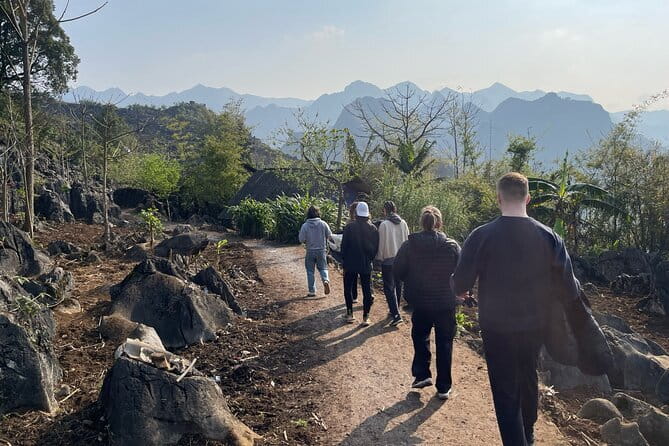
At $299 per person for 5 days and 4 nights, this tour has a clear value story. You’re not just paying for transportation. Your package includes pickup and drop-off in Hanoi Old Quarter, all meals, and accommodation. That matters because most “cheap” Ha Giang options feel cheap only until you add food, lodging, and tickets.
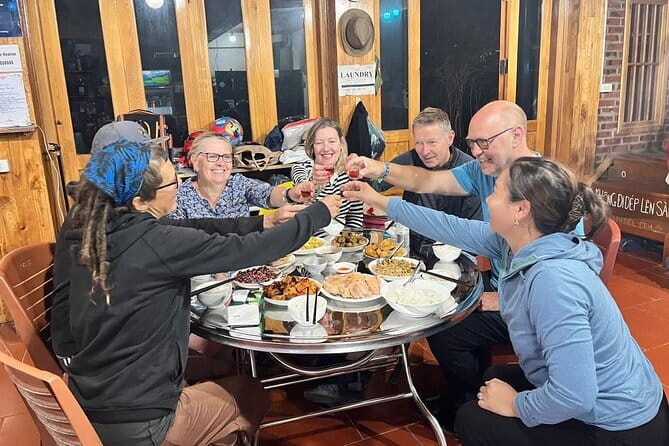
Food is included across the trip: 4 breakfasts, 5 lunches, and 3 dinners. If you’ve traveled in rural Vietnam, you already know meals can be one of the most variable costs. Here, you buy predictability.
Admission fees are also handled in parts of the schedule: Nho Que River and Dinh Vua Meo are marked as included, while many other stops are listed as free. Even if you never track every ticket cost, it reduces small friction and helps you plan daily spending.
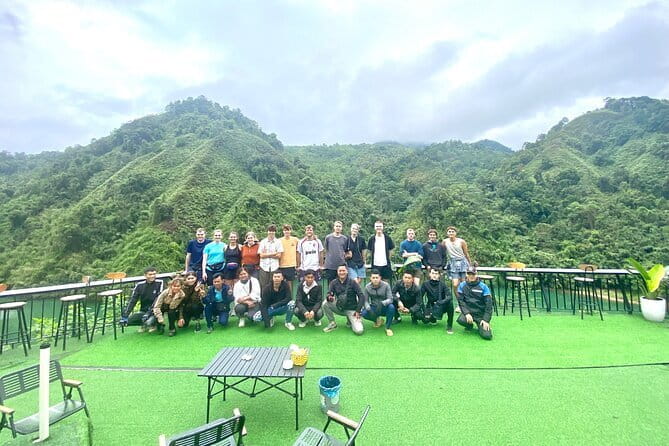
One more practical value: the operator caps the experience at maximum 10 travelers and describes small groups of 6 to 10. That tends to mean you get more direct attention, quicker adjustments if weather shifts, and less time waiting around for a big crowd to move.
Room for improvement? Drinks and personal expenses are not included. If you’re used to buying bottled water constantly or ordering alcohol at meals, budget for that.
The real difference is the named team behind the wheel
This is one of those tours where the vehicle and people matter more than the brochure. The feedback you shared repeatedly highlights friendly, organized support, and names keep showing up.
You’ll see praise for guides and leaders like Thang and Hoc, plus riders named Huy and Vinh. There’s also strong mention of Tuyen, and someone singled out for top performance as Hung Anh.
The useful takeaway is not star power. It’s what that likely means day to day: the team keeps things safe, finds the best viewpoints, and adjusts on the fly when rain happens. One comment specifically notes being protected with raincoats when weather turned bad.
If you care about comfort, that matters. If you care about safety, it matters more. Either way, you should pack for rain even if the forecast looks fine.
Also, small group touring makes conversation possible. When you have a team that’s willing to explain what you’re seeing, you get more from each stop than just snapping a photo and moving on.
Who this Ha Giang Loop plus Sapa tour is best for
This is a good fit if you want a classic northern Vietnam route but you don’t want the chaos of big bus tours.
It suits you if:
- You like scenic drives and viewpoints but also want village time
- You prefer a small group (max 10) for smoother pacing and more attention
- You want meals and accommodation handled
- You’re okay with early starts and full days
It might be less ideal if:
- You want lots of free time each day to explore independently
- You hate back-to-back long transit segments between Ha Giang and Sapa
- You’re sensitive to hiking, since Day 5 includes a bamboo forest trek
The good news is the schedule lists that most travelers can participate, so it’s designed to be broadly doable.
Should you book this tour?
If you want a compact, high-value northern loop that combines Ha Giang pass scenery with Sapa village culture, I think this is a smart booking. The price includes the big budget items, and the small-group size plus the praised team names suggest you’ll get real guidance, not just transport.
Book it if you’re ready for a full 5 days and you’re excited by mix-and-match days: river views, palace stops, high gates, then villages and a waterfall trek.
Skip it if you’re chasing a slow vacation with long sleep-ins and lots of unscheduled time. This is built for momentum. If you like that, you’ll enjoy the ride.
The Loop, Ridden Again
- Ha Giang Loop 3 days Small group- From Ha Noi★ 5.0 · 1,114 reviews
- Ha Giang Loop Tour 4 Days 3 Nights with Ha Giang Vision Tour★ 5.0 · 675 reviews
- 3-Day Ha Giang Loop Tour from Ha Noi and Return★ 5.0 · 652 reviews
- From Hanoi: 3-Day Motorbike Ha Giang Loop with Easy Rider★ 4.9 · 501 reviews
- 3-Day Ha Giang Loop Tour (small group with easy rider)★ 5.0 · 411 reviews
Sapa on Foot
- Sapa 2 Days 1 Night From Hanoi – Overnight in Ta Van Village★ 5.0 · 2,669 reviews
- Hanoi – Sapa 2 Days 1 Night Overnight At Homestay★ 5.0 · 899 reviews
- From Hanoi: 2-Day Sapa Trekking Trip with Homestay & Meals★ 4.8 · 704 reviews
- Sapa 3 Days 2 Nights Trekking Tour (1 Night In Ta Van Village, 1 Night In Hotel)★ 5.0 · 699 reviews
- 3-Day Trekking Adventure of Sapa from Hanoi – Stay Ta Van Village★ 5.0 · 611 reviews
Other Hanoi tours our reviewers keep coming back to
- Hanoi Vespa After Dark Street food + Train Street+ Live Music
★ 5.0 · 18 reviews - (Free Pick-up) Vietnamese Body Massage in Hanoi City
★ 5.0 · 18 reviews - The Insider’s Hanoi,Train Street, Countryside Highlight by Vespa
★ 5.0 · 18 reviews - Skip the line: Thang Long Water Puppet Theater Entrance Tickets
★ 4.0 · 18 reviews - Hanoi Street Food Tour and MORE
★ 5.0 · 18 reviews - Hanoi – Hoa Lu – Tam Coc – Mua Cave – 1 Day / By Luxury Limousine & Small Group
★ 5.0 · 18 reviews
Sapa Trekking and Fansipan, compared.
 ★ 5.0Sapa 2 Days 1 Night From Hanoi – Overnight in Ta Van VillageFrom $592,669 reviews
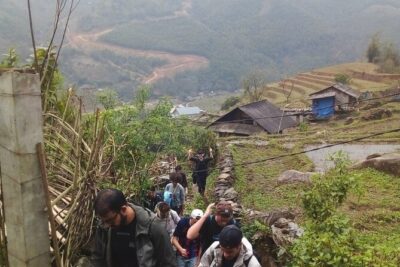 ★ 5.0Hanoi – Sapa 2 Days 1 Night Overnight At HomestayFrom $89899 reviews
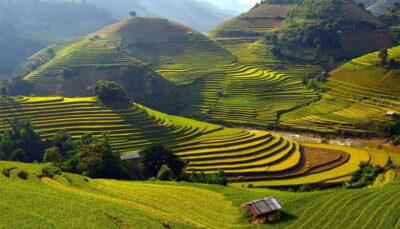 ★ 4.6Sa Pa: Muong Hoa Valley Trek and Local Ethnic VillagesFrom $23864 reviews
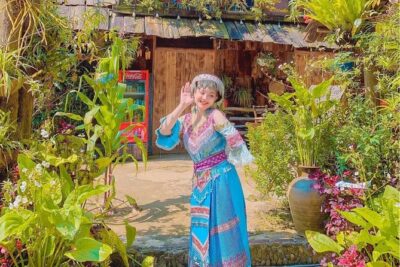 ★ 5.0Sapa: Fansipan Cable, Cat Cat Village & Moana Instagram TourFrom $30777 reviews
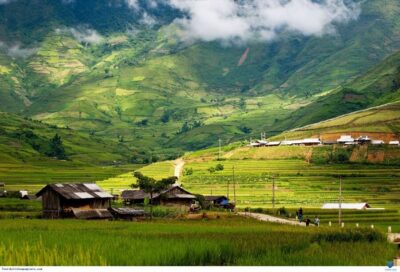 ★ 4.8From Hanoi: 2-Day Sapa Trekking Trip with Homestay & MealsFrom $71704 reviews
 ★ 5.0Sapa 3 Days 2 Nights Trekking Tour (1 Night In Ta Van Village, 1 Night In Hotel)From $139699 reviews
 ★ 4.9Sapa: Eco Adventure Terrace Fields and Local Villages TrekFrom $27636 reviews
 ★ 5.03-Day Trekking Adventure of Sapa from Hanoi – Stay Ta Van VillageFrom $109611 reviews
Also in these Vietnam lists