
REVIEW · HOI AN ANCIENT TOWN TOURS
Private Food Tour and Hidden Gems in Hoi An
Hoi An can be food on foot, not a blur. This private tour strings together classic dishes like white rose dumplings and Cao Lau with calm, story-led stops at places like the Japanese Covered Bridge, so you get both flavors and context. I like that it stays private with your own guide, which makes it easier to ask questions and linger when something grabs your attention. I also like the hit list of foods, not just one or two bites, so you can actually understand what locals eat and why it tastes the way it does.
One thing to consider: the schedule packs several stops into about 3 to 5 hours, with short visits like 30 minutes each, so you’ll want comfortable shoes and a hunger-first mindset. If you prefer long, slow wandering without structure, this may feel a bit time-tight.
In This Review
- Key things to know before you go
- Why this Hoi An tour works so well in a short time
- Stop 1: White rose dumplings, plus the story behind the dish
- Stop 2: Fukian Assembly Hall, 1696, incense and wishes
- Stop 3: Quan Thang Ancient House and the dumpling connection
- Stop 4: Mot herbal tea, a breather in the middle
- Stop 5 and 6: Hoi An Market, bargaining, then Cao Lau the right way
- Stop 7: Japanese Covered Bridge, iconic, but don’t skip the story
- Stop 8: Banh Xeo, a local pancake you eat, not just admire
- Stop 9: Bai Choi bingo, join the locals at 7 pm
- Price and value: what $54 actually buys you
- How to get the best experience out of each stop
- The best fit: who this tour is perfect for
- Should you book this private food and culture tour?
- FAQ
- How long is the private food tour in Hoi An?
- Is pickup included?
- Is this tour private?
- What food will we try on the tour?
- Which landmark stops are part of the itinerary?
- Do we visit the local market?
- Is the Bai Choi game included?
- Are entrance fees included?
- What if the weather is bad?
Key things to know before you go
- Private, guide-led pacing keeps the experience relaxed instead of rushing through crowds
- Food focus with real local staples includes white rose dumplings, Cao Lau, and local pancakes
- Bai Choi bingo night culture lets you join a local-style game, not just watch
- Historic stops that connect to the food include Fukian Assembly Hall and Quan Thang Ancient House
- Market time for trading and watching gives you a feel for daily life, not a tourist-only setup
Deeper into the Ancient Town
- Hoi An: Basket Boat Ride in the Coconut Forest★ 4.9 · 4,956 reviews
- Hoi An: Vietnamese Coffee Culture and Coffee Making Class★ 4.9 · 4,006 reviews
- Hoi An: Vietnamese Foldable Lantern Making Class★ 4.9 · 3,742 reviews
- Cooking Class Hoi An:Local Market, Basket Boat, Fishing & Cooking★ 5.0 · 3,660 reviews
Why this Hoi An tour works so well in a short time
Hoi An is famous for pretty streets, but this tour gives you a practical way to understand the place fast. The route links meals to the city’s old community spaces, so you are not bouncing between unrelated checklists. You start with a food maker, then shift to heritage buildings, then return to eating again. It’s a smart pattern for first-timers.
The other big win is that it is a private tour with personal transportation. That matters in Vietnam where timings and foot traffic can turn even a good plan into stress. With a private setup, you can keep the pace comfortable, ask why a dish is special, and adjust on the fly if you need a quick pause.
Price-wise, $54 per person is not a bargain-bin deal. But when you factor in entrance fees, meals you’re trying (white rose, Cao Lau, and Vietnamese pancake or banh mi), the bingo ticket, and private transportation, it starts to look like what it is: a guided food-and-culture package rather than a simple walk-through. Also note that the tour is often booked far ahead on average, so if you’re traveling in a peak window, it’s worth reserving early.
Stop 1: White rose dumplings, plus the story behind the dish
Your first stop centers on white rose dumplings, and you do more than eat. You go to the White rose restaurant, see how these dumplings are made, and then try them. That production step is the difference between a casual snack and an actual food experience.
Why this works: white rose dumplings are a signature Hoi An taste, and the shape, texture, and wrapper matter. Watching how they’re made helps you understand what to look for when you bite in, like how the wrapper holds up and how the filling tastes. It also sets the tone for the rest of the tour, because the dumplings aren’t treated like a random photo-op food.
This stop runs about 30 minutes, and it includes the admission ticket as free for this segment, so you’re not wasting time on formalities. Come hungry, because dumplings plus a run of other dishes can add up.
Stop 2: Fukian Assembly Hall, 1696, incense and wishes
Next up is Fukian Assembly Hall (Phuc Kien), built in 1696. This is one of the oldest Chinese gathering places you’ll visit on the tour, and it’s a good counterpoint to the food start. You shift from eating street-level flavors to understanding how communities organized themselves centuries ago.
You may also have a chance to burn a circle incense stick to make wishes. That’s a small cultural action, not a performance, and it can make the place feel more meaningful. You get about 30 minutes here, with the admission ticket included.
The practical takeaway: assembly halls like this were meeting and support hubs. Even if you’re not chasing academic detail, it helps you connect the city’s culinary story to migration, trading, and community ties.
Stop 3: Quan Thang Ancient House and the dumpling connection
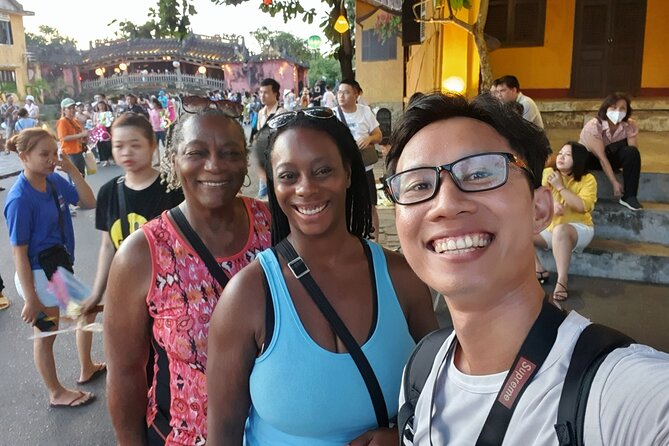
Then you head to Quan Thang Ancient House, described as the oldest ancient house built by a Chinese trader. This stop doesn’t just look old, it ties back to the white rose dumplings story you heard earlier. Expect it to be the kind of moment where your food memory locks into place with a location.
You get around 30 minutes, and the admission is included. If you like when a tour explains why a dish belongs to a particular neighborhood or family story, this is a strong segment. If you only care about eating and minimal walking, you might still appreciate it because it keeps the tour from turning into a random buffet route.
Stop 4: Mot herbal tea, a breather in the middle
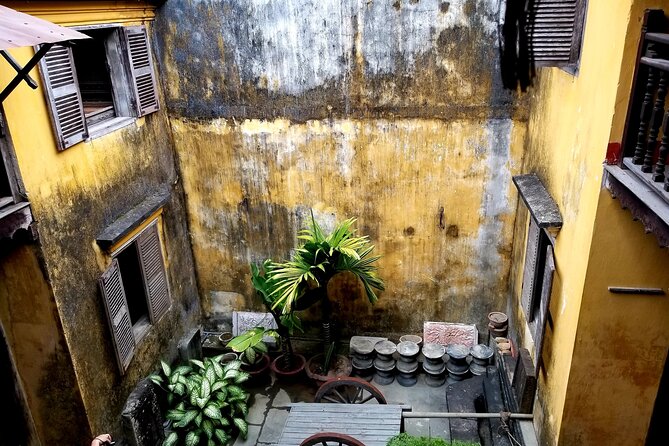
After walking, you stop at a traditional local tea place called Mot. Here, you try a special herbal tea meant to make you feel refreshed and cool.
This is a smart inclusion in a food-heavy route. Even if the weather is decent, tea can reset your palate between savory dishes and help you stay comfortable during the next market and street-food stops. You get about 30 minutes, with the admission ticket included for this segment.
If tea isn’t your thing, you can still treat it as a cooling reset. But since herbal tea is included, it’s worth keeping your expectations flexible.
Stop 5 and 6: Hoi An Market, bargaining, then Cao Lau the right way
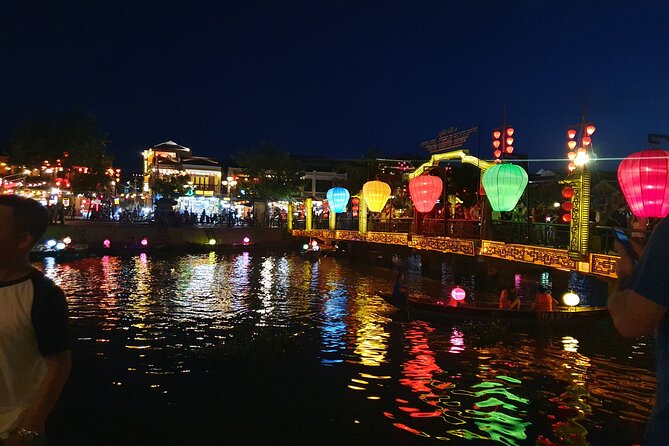
Next comes the market area, and you get two time blocks connected to shopping and eating.
First, you visit the biggest local market in Hoi An. You get time to bargain with local people, buy something if you want, or just watch how Vietnamese shopping works. This part matters because markets are where food culture is alive, not just where it is sold. You see what people buy, how vendors talk, and what shoppers prioritize.
Then you repeat the market area stop and move into the dish everyone cares about: Cao Lau. The tour includes a stop at a local restaurant where you try Cao Lau, described as a traditional noodle dish found only in Hoi An. You also hear the idea that three things to try in Hoi An are banh mi, white rose, and Cao Lau. It’s a useful mental checklist.
Both segments are about 30 minutes each, with admission tickets included. The practical note here is pacing. You’ll likely be going from sensory overload, to bargaining energy, to sitting down and eating again. If you’re the type who gets overwhelmed in big markets, take it slow, keep your purchases simple, and focus your energy on one or two items.
Stop 7: Japanese Covered Bridge, iconic, but don’t skip the story
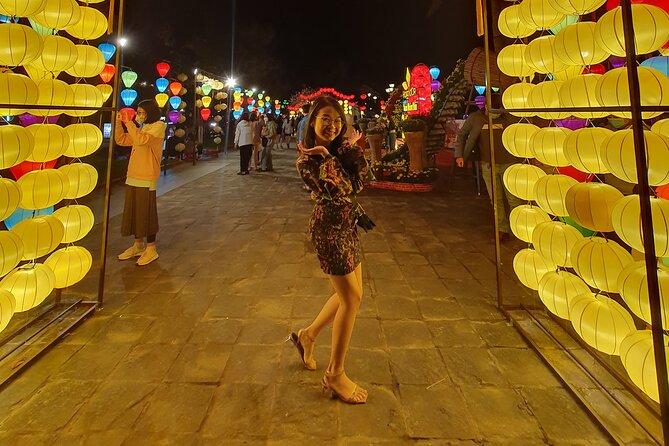
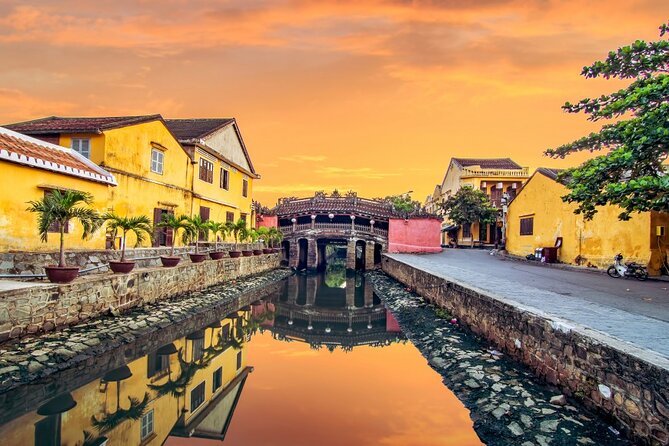
The Japanese Covered Bridge is a signature landmark, and this stop is treated as more than a photo pause. You spend about 30 minutes here, with the admission ticket included. Follow your guide and listen to the stories tied to this famous destination.
Even if you’ve seen photos already, the bridge is more satisfying when you understand how it functions in the city’s older trading links. This is one of those spots where a short explanation can make the architecture and location feel less random and more intentional.
Stop 8: Banh Xeo, a local pancake you eat, not just admire
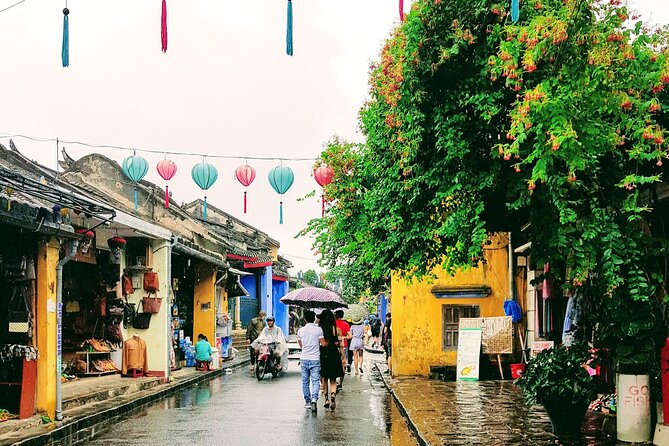
After more walking through the ancient town area, you try a local pancake: Banh Xeo. It’s described as very popular in Hoi An, and the tour includes you trying it with the group.
This stop is roughly 30 minutes, admission included. Banh Xeo is often at its best when you eat it hot and follow local eating style, not when it sits on a plate. Having a guide here helps because they can point you toward the right way to assemble bites, and it also keeps the dish from feeling like a generic roadside pancake.
Stop 9: Bai Choi bingo, join the locals at 7 pm
The final cultural hit is Bai Choi, a traditional bingo game in Hoi An. The tour includes the ticket, and it’s important timing: Bai Choi starts at 7 pm and draws both tourists and locals.
The point of Bai Choi, as described, is not about earning big rewards. It’s social. It’s the kind of night event that turns a visitor into a participant. This stop can be a fun closer because you shift from looking and eating to playing and laughing.
You spend about 30 minutes here, admission included. If you’re visiting during the days when Bai Choi runs, this can turn your evening into something local without needing to research schedules on your own.
Price and value: what $54 actually buys you
At $54 per person, this is a mid-range private tour. The key is what’s included:
- Herbal tea and other included drinks
- Entrance fees
- Meals, specifically Cao Lau, white rose, and Vietnamese pancake or banh mi
- Ticket for the Bai Choi game
- Private transportation
- Pickup offered
That package is why the price doesn’t feel random. You’re not only paying for a guide, you’re also paying for planned stops, access, and the structure that connects food to heritage. If you tried to copy this on your own, you would likely spend time figuring out where to go, timing dumpling making, aligning with the market rhythm, and catching Bai Choi at the right moment.
Not included: port pick up fees. If you’re arriving via a cruise and need a port-to-hotel transfer, check that extra cost early.
Also remember the duration is about 3 to 5 hours. That time window is short enough to fit into a day plan, but long enough to eat your way through several of Hoi An’s signature foods while still hitting landmark stops.
How to get the best experience out of each stop
This tour is built for a specific flow: eat, learn, move, repeat. To make that work smoothly, I recommend you plan like this:
- Wear comfortable shoes. You’re walking ancient-town streets between stops.
- Go in hungry. The route includes multiple food moments: dumplings, Cao Lau noodles, plus Vietnamese pancake or banh mi.
- Bring small cash for market browsing. The tour includes market time where bargaining is part of the experience.
- Ask your guide about the dish you just ate. A short question like what makes it Hoi An specific will help you remember it later.
One more practical point: some stops are cultural or historical, like the assembly hall and ancient house. If you tend to speed through monuments, slow down for these segments. Even a brief explanation can make them feel connected to what you’re tasting, not like a separate checklist item.
The best fit: who this tour is perfect for
This tour is ideal if you want a first-timer friendly Hoi An experience without the stress of planning each meal. It also works well if you enjoy history but don’t want a long museum day. The heritage stops are short, guided, and tied to the food story.
It’s especially a good match for:
- Couples who want private pacing and conversation
- Food lovers who want several Hoi An signatures in one outing
- Travelers who like culture built into daily life, markets, and local games
If you dislike crowds and prefer total freedom, private is a plus. If you hate walking or want unstructured time, you might find the stop density a bit intense, since each segment is relatively short.
Should you book this private food and culture tour?
If you like food with context, I’d book it. The structure does a good job linking signature tastes like white rose dumplings and Cao Lau with the older meeting places and landmarks that shaped the city. With a private guide, you also avoid the common problem of feeling lost in a foreign market or standing at the wrong spot for the wrong photo moment.
I’d especially consider booking if you can make the Bai Choi timing work, since that’s the one element that feels truly participatory rather than purely observational.
If you’re the type who only wants one or two meals and lots of free time, you may prefer a shorter food-only option. But if your goal is a focused, guided evening or half-day that helps you understand Hoi An beyond postcards, this private tour is a strong choice.
FAQ
How long is the private food tour in Hoi An?
The tour lasts about 3 to 5 hours.
Is pickup included?
Pickup is offered, but port pick up fees are not included.
Is this tour private?
Yes. It is private, so only your group participates.
What food will we try on the tour?
The included meals include Cao Lau, white rose, and Vietnamese pancake or banh mi.
Which landmark stops are part of the itinerary?
You visit the Japanese Covered Bridge, Fukian Assembly Hall (Phuc Kien), and Quan Thang Ancient House, plus time in Hoi An Ancient Town.
Do we visit the local market?
Yes. The itinerary includes visiting the Hoi An market, with time to bargain or watch local shopping.
Is the Bai Choi game included?
Yes. The tour includes a ticket for Bai Choi, which starts at 7 pm.
Are entrance fees included?
Yes. All entrance fees are included.
What if the weather is bad?
This experience requires good weather. If it is canceled due to poor weather, you will be offered a different date or a full refund.
Hoi An, Still More
- Hoi An: Basket Boat Ride in the Coconut Forest★ 4.9 · 4,956 reviews
- Hoi An: Vietnamese Coffee Culture and Coffee Making Class★ 4.9 · 4,006 reviews
- Hoi An: Vietnamese Foldable Lantern Making Class★ 4.9 · 3,742 reviews
- Cooking Class Hoi An:Local Market, Basket Boat, Fishing & Cooking★ 5.0 · 3,660 reviews
- Hoi An Cooking Class(Market,BasketBoat Crabfishing&Cooking Class)★ 5.0 · 3,386 reviews
Other Hoi An tours our reviewers keep coming back to
- 3 Hours Motorbike Tour in Hoi An Countryside.
★ 5.0 · 18 reviews - My Son Sanctuary Discovery Half day Private Tour
★ 5.0 · 18 reviews - Hoi An local food tour – enjoy taste of Vietnam at ancient town!
★ 5.0 · 18 reviews - Experience Cooking Class for Lunch or Afternoon With Local Chef
★ 5.0 · 18 reviews - HOI AN Vegetable Village, Basket Boat, Palm Forest PRIVATE TOUR
★ 5.0 · 18 reviews - Hoi An Countryside Tour with Bamboo Basket Boat Rowing , Buffalo Ride, Farming
★ 5.0 · 18 reviews
Hoi An Ancient Town Tours, compared.
 ★ 4.9Hoi An: Basket Boat Ride in the Coconut ForestFrom $34,956 reviews
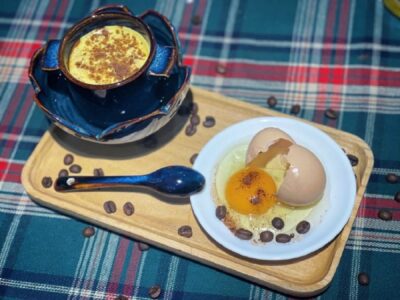 ★ 4.9Hoi An: Vietnamese Coffee Culture and Coffee Making ClassFrom $144,006 reviews
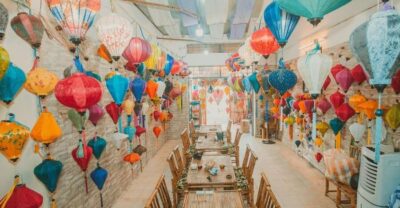 ★ 4.9Hoi An: Vietnamese Foldable Lantern Making ClassFrom $103,742 reviews
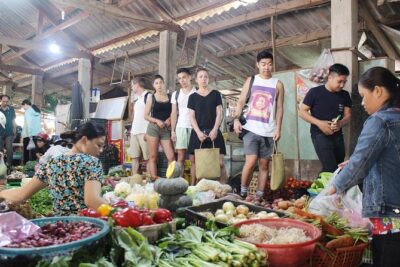 ★ 5.0Cooking Class Hoi An:Local Market, Basket Boat, Fishing & CookingFrom $283,660 reviews
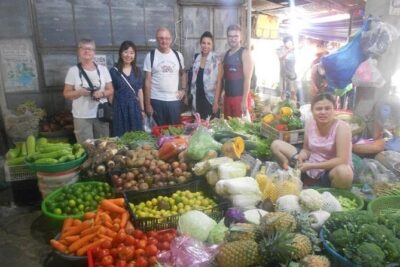 ★ 5.0Hoi An Cooking Class(Market,BasketBoat Crabfishing&Cooking Class)From $283,386 reviews
 ★ 5.0Hue to Hoi An ( Hoi An to Hue) Top Gear with Lefamily Riders Tours ( 1 way)From $503,156 reviews
 ★ 4.9Hoi An: My Son Sanctuary Early Morning w. Champa Food BrunchFrom $202,750 reviews
 ★ 4.8From Hoi An: Market Tour, Basket Boat Ride and Cooking ClassFrom $172,208 reviews
Also in these Vietnam lists