
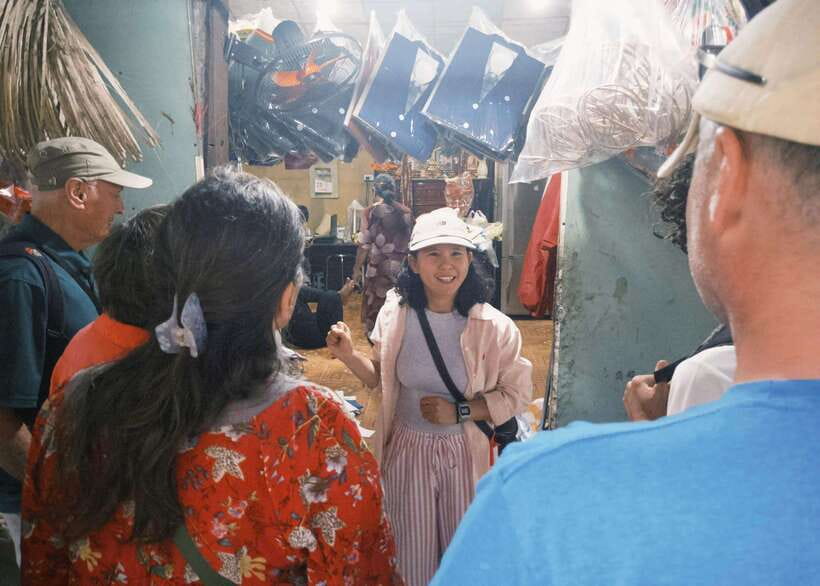
REVIEW · HOI AN ANCIENT TOWN TOURS
Hoi An Off the Map – Walking Tour in the Backstreets
Hoi An, but in secret mode. I like how this small-group walk pulls you into backstreets where everyday life feels close-up, not staged. It also pairs that feeling with a visit to Hoi An Prison, so you see the city through a wartime lens, not just souvenir shops.
I also love the food rhythm. You’ll get bánh mì, local cakes, and a coffee break, with stops chosen for how people actually eat and trade. The best part is how the guide ties the snacks to the stories behind them.
One thing to consider: the tour packs a lot into three hours, so if you want a slow stroll through the most famous photo spots only, this may feel more off-the-map than relaxing. And yes, you’ll walk through plenty of alleys.
In This Review
- Key moments you will not find on a typical Hoi An postcard route
- Walking out of the ancient-town script
- The Army Blockhouse meeting point, and why it matters
- Hoi An Prison: seeing the war through ordinary rooms
- Early churches from 1630, and how faith shows up in daily streets
- Cake making and local sweets, where the story becomes edible
- Coffee blends in a traditional Hoi An house
- Tailors and the business behind the backstreets
- What you actually eat and drink, and how it fits a day
- The local PDF with vouchers, how it boosts the value
- Guides like Nguyen, Tom, Minh, Karla, and Trang
- Small group size, timing, and what to wear
- Price and value: is $23 a good deal?
- Who should book this tour, and who might skip it
- Should you book Hoi An Off the Map – Walking Tour in the Backstreets?
- FAQ
- How long is the Hoi An Off the Map walking tour?
- What is the price per person?
- Where do you meet for the tour?
- What is included in the tour price?
- How big is the group?
- What languages does the tour operate in?
- Can I cancel or pay later?
Key moments you will not find on a typical Hoi An postcard route
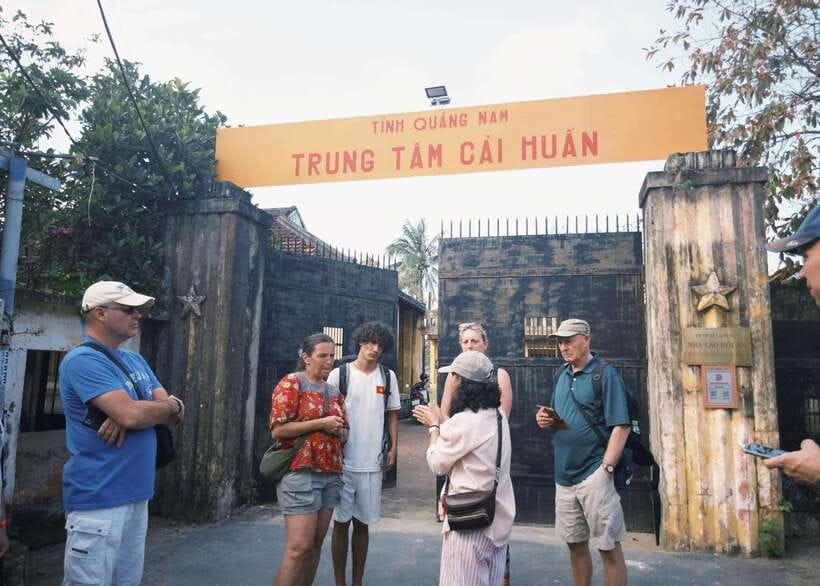
- Army Blockhouse start point that sets the tone right away
- Hoi An Prison for a grounded view of wartime life
- A church dating to 1630, tied to early Vietnam religious history
- Cake making time, plus local cakes you can actually taste
- Tailor industry insights with a peek at how garments move through daily life
- Local coffee blends at a traditional Hoi An house
Deeper into the Ancient Town
- Hoi An: Basket Boat Ride in the Coconut Forest★ 4.9 · 4,956 reviews
- Hoi An: Vietnamese Coffee Culture and Coffee Making Class★ 4.9 · 4,006 reviews
- Hoi An: Vietnamese Foldable Lantern Making Class★ 4.9 · 3,742 reviews
- Cooking Class Hoi An:Local Market, Basket Boat, Fishing & Cooking★ 5.0 · 3,660 reviews
Walking out of the ancient-town script
Hoi An has a way of pulling you into the same loop. Lanterns at night, riverside photos, and the familiar bits you can spot from a distance. This tour is different because it starts by moving you away from that easy rhythm. You’ll spend your time in narrow lanes where you can hear daily work, not just daily sightseeing.
I like that it’s built as a story walk, not a checklist. The guide keeps connecting places to real life: what people did, what survived, and what changed. That makes the alleys feel purposeful.
And because it’s a small group limited to 10, it stays flexible. You’re not just following a line of strangers. You can ask questions without shouting over a crowd.
The Army Blockhouse meeting point, and why it matters
You meet at the Army Blockhouse, opposite 7 Tran Hung Dao Street (by Tran Quy Cap Highschool). It’s a smart choice because it frames what the tour is about. You begin with a site linked to the wartime setting, so the day doesn’t start with casual small talk and then suddenly switch to history later.
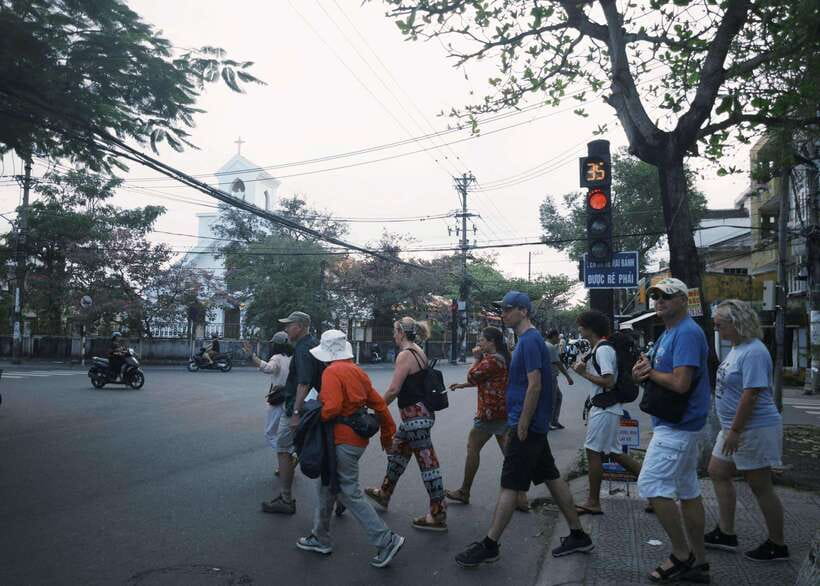
Once you’re gathered, the tour moves off into lanes that look like they belong to residents, not tour companies. The route is designed so you notice details you’d normally miss. A door left slightly open. A shop you’d never spot from the main street. A trade that shows up every day but rarely gets explained to visitors.
If you’re the kind of person who likes to get your bearings fast in a city, this is a good format. You’ll leave with a sense of where life happens.
Hoi An Prison: seeing the war through ordinary rooms
The stop at Hoi An Prison is the emotional anchor of the tour. You’re not just ticking off a museum visit. You’re learning how the city and its people were affected during the Vietnam War era.
What I like about this kind of visit is how it gives context to the places you see later. Hoi An today may look soft and picturesque from the outside. But a wartime site puts that beauty into perspective. Even if you’re not a “history person,” you’ll probably find yourself paying closer attention to what people built and why.
A good guide also helps you keep the tone human. The point is not shock value. It’s understanding what life could look like when choices are restricted. You’ll also get a clearer sense of why certain local stories still matter.
If you want only light, cheerful stops, you should know this part is more serious. It’s not designed to be easy entertainment.
Early churches from 1630, and how faith shows up in daily streets
After the prison, the tour shifts gears to something you might not expect in Hoi An. You’ll visit one of Vietnam’s early churches, dating back to 1630. That time period matters because it’s a window into how religious communities formed and how they left traces in the city’s fabric.
I like that this isn’t presented as a random landmark photo stop. You’re learning how these early churches connect to broader Vietnam history, and how faith can become part of a neighborhood over time. When you see something that old, it changes your sense of scale. Hoi An isn’t just a short stop on a travel itinerary. It’s a place where long stories intersect.
Depending on the group and the timing, you might also get a bit of walking orientation around nearby streets, so you understand where this church sits in relation to trades and daily routines.
Cake making and local sweets, where the story becomes edible
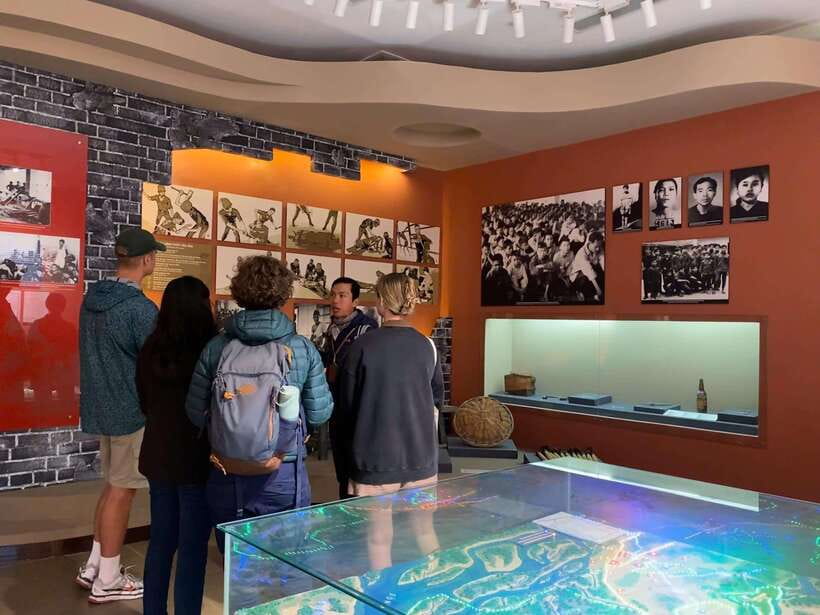
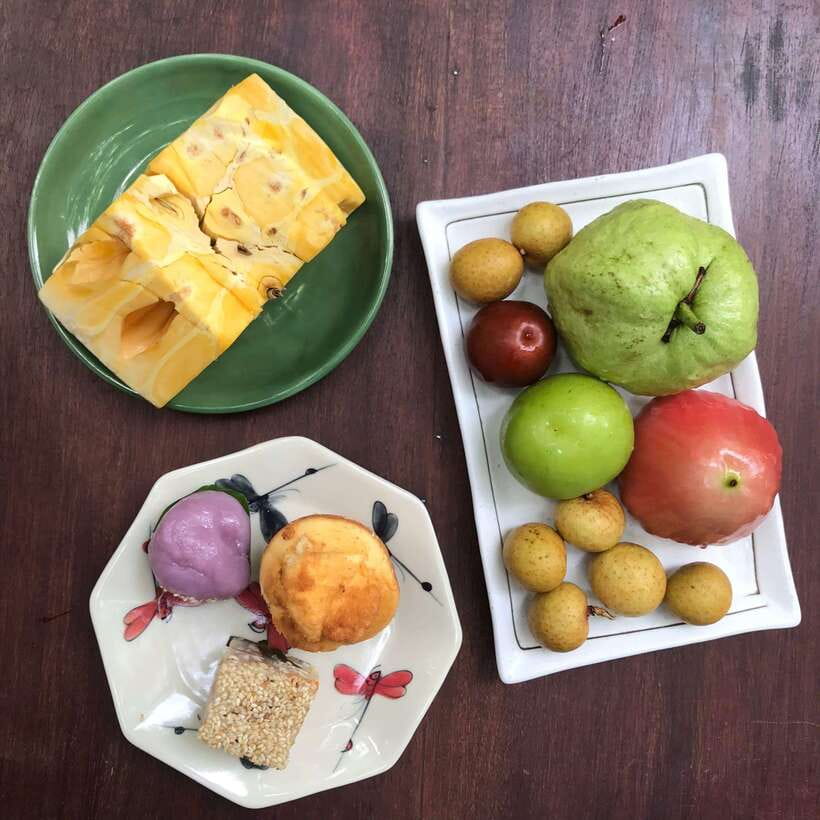
Then you get to do something visitors often skip: tasting the local craft side of Hoi An. The tour includes cake making as well as local cakes. This is more than a snack break. The timing is perfect because it follows the historical stops, giving you a sensory reset.
Cake making also fits Hoi An’s “everyday culture” theme. Food here is not just about taste. It’s about routine, family labor, and what people can sell or share. You’ll likely learn what makes these cakes feel distinctly local, and you’ll get the payoff of actually trying them, not just reading about them.
I always find that when a tour includes food tied to a craft, it’s easier to remember the information. The story sticks because your brain has a flavor to attach it to.
Coffee blends in a traditional Hoi An house
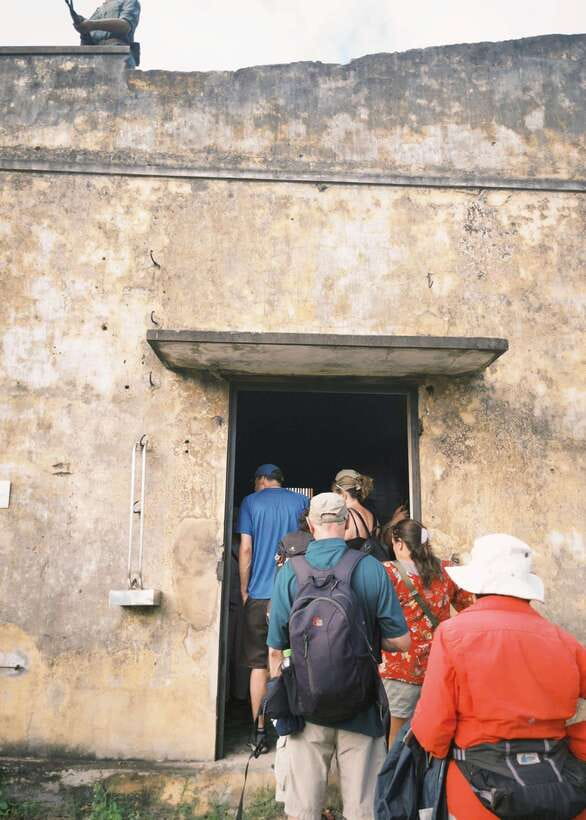
Next up is coffee. You’ll savor coffee blends at a traditional Hoi An house. This is the sort of stop that helps you understand how hospitality works outside tourist lanes.
Coffee in Vietnam is a whole culture of its own, and a well-chosen blend can taste like a clue. It can show you how locals balance bitterness with sweetness, or how they adapt methods to local preferences. You’ll also likely get a short explanation from the guide about what you’re tasting and how it fits into everyday life.
What I like here is the slower tempo. After walking and history, coffee turns into a chance to ask a few more questions. If your guide is someone like Nguyen or Minh, you may get thoughtful answers that connect the day’s stops to what people do now, not just what happened before.
Tailors and the business behind the backstreets
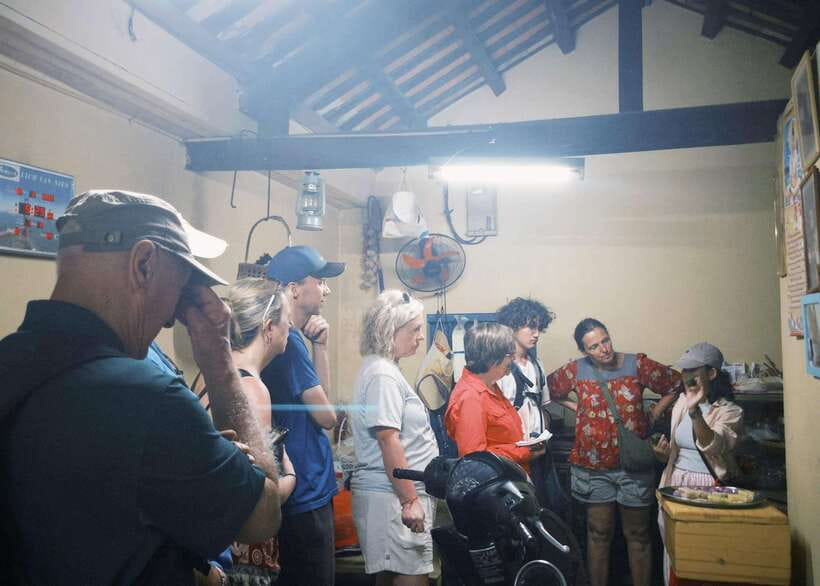
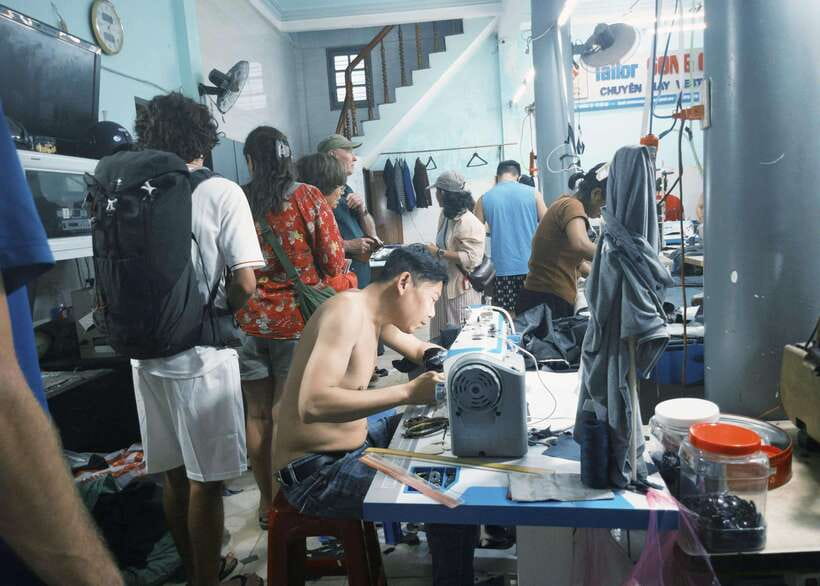
The tour doesn’t ignore modern Hoi An industry. You’ll get time focused on the tailor industry, including the truth behind how it works and what local craft looks like.
This matters because so much tailors-and-fashion talk in Vietnam goes straight to marketing. Here, the point is to help you see the supply chain and the skill side. You’re not being sold a product. You’re learning how clothing work becomes part of the neighborhood’s economy.
Some versions of the experience can include close, practical glimpses into trade life. You might even have moments where the guide has connections and you get to watch work in action. In at least some runs, guides have brought small groups into local spaces to chat with craftspeople and see how their day-to-day works. That kind of access is exactly why an off-the-map walk can be better than the standard route.
If you’re thinking about getting something made, this stop helps you ask better questions. And even if you’re not, it gives you a fuller picture of what keeps Hoi An running.
What you actually eat and drink, and how it fits a day
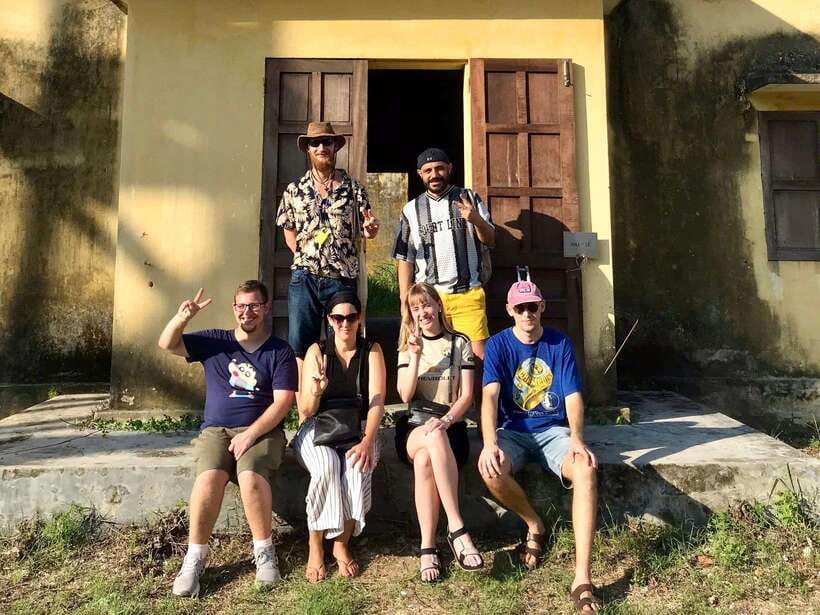
Included in the price are bánh mì, local cakes, and coffee. That’s a solid set of tastes for a 3-hour tour, especially in a city where you could easily spend the afternoon bouncing between street snacks and still feel like you missed the point.
Because food is included, you’re not forced into a “buy every time” mindset. You can also plan your meals around the tour. If you like to keep your schedule simple, this helps. I’d still carry a small bottle of water, just for comfort during alley walking.
Also, timing matters. Do this earlier in your trip. One reason people get great value from a walk like this is that it tees you up for what to do next. You’ll get recommendations and vouchers at the end, so your remaining days get better.
The local PDF with vouchers, how it boosts the value
A standout part of this experience is the end-of-tour PDF packed with local recommendations. It includes valuable discount coupons for services like spa, massage, craft beer, and tailors, plus food vendor ideas.
This is a big deal because you’re not just buying three hours of guided walking. You’re buying a pocket guide that can steer you toward good places after the tour. And the vouchers mean you might actually save money on things you were going to do anyway.
I especially like that it’s positioned for day-to-day choices: where to eat, what to try, where to spend time beyond the obvious. If you’re the type who hates guessing in a new city, this helps a lot.
Also note: the discount is exclusive for Momo’s guests, so keep an eye on how you receive it at the end.
Guides like Nguyen, Tom, Minh, Karla, and Trang
The tour quality depends heavily on the guide, and the names that show up in successful outings include Nguyen, Tom, Minh, Karla, and Trang. Across those guide styles, you can see a pattern that matters.
The best versions of this walk come with two things:
- clear English so you can ask questions without hesitation
- a local perspective that links places to how life looks now
Some runs also mention a guide being especially patient with children, which can make the experience feel calmer rather than rushed. If you’re traveling with kids, that matters.
One more practical note: guides who have the habit of chatting with locals during the walk can make the streets feel alive. That usually happens when the guide isn’t just reading facts, but paying attention to people and trades in real time.
Small group size, timing, and what to wear
With a small group of up to 10 and a set 3-hour duration, this is a good half-day plan. It fits nicely between longer sightseeing days. It’s also long enough to feel like you truly learned something, not just “touched” a few spots.
Wear shoes you can trust on uneven, narrow alley surfaces. You’re walking through the real town, not a flat park path. If you’re sensitive to humidity, consider a light breathable layer. Also, bring a little extra patience. Alley walking can mean slower moments as you pause for explanations or small transitions between stops.
If it rains, the guide will likely keep moving, but your comfort will depend on your clothing and footwear.
Price and value: is $23 a good deal?
At $23 per person for a 3-hour tour, value is strong because you’re not just paying for a guide. Your ticket price covers major inputs: an English-speaking guide, Hoi An Prison entrance, plus bánh mì, local cakes, and coffee.
That combination is what makes the price feel fair. If you did the prison yourself, then tried to build a snack plan, then arranged a structured walk on top, the total would likely climb quickly. Here, the price bundles time, context, and food.
The additional value is the PDF with vouchers. Even if you use only one or two discounts, it can tip the cost-benefit in your favor.
So I’d treat this as one of those “buy the planning, then spend less brainpower the rest of your trip” options.
Who should book this tour, and who might skip it
Book it if you want Hoi An that feels lived-in. This tour suits you if you like learning how a city works, not just what it looks like. It’s also great if you enjoy food tied to culture and you want coffee, cakes, and local snacks without turning your afternoon into a random hunt.
Consider skipping if you prefer only the most famous ancient-town highlights with minimal walking and a lighter tone. Because the route includes Hoi An Prison and a wartime perspective, it’s not meant to be purely feel-good.
It also works well for couples who want a guided story walk, and for small families if the guide’s pace fits your kids.
Should you book Hoi An Off the Map – Walking Tour in the Backstreets?
Yes, if you want a smarter first connection to Hoi An. This isn’t just a stroll for photos. It’s a street-level lesson in how history, faith, work, and food shape the city.
I’d book it early in your trip. The guide’s recommendations plus that PDF with spa, massage, craft beer, and tailor vouchers can improve the rest of your stay fast. It helps you spend less time deciding and more time enjoying.
If you’re unsure, use this simple test. If you like back alleys, honest wartime context, and food that’s part of daily life, this tour matches your style.
FAQ
How long is the Hoi An Off the Map walking tour?
The tour lasts 3 hours.
What is the price per person?
The price is $23 per person.
Where do you meet for the tour?
You meet by the Army Blockhouse, opposite 7 Tran Hung Dao Street (Tran Quy Cap Highschool).
What is included in the tour price?
It includes an English-speaking guide, Hoi An Prison entrance ticket, bánh mì, local cakes, and coffee.
How big is the group?
The group is limited to 10 participants.
What languages does the tour operate in?
The tour is available in English.
Can I cancel or pay later?
You can cancel up to 24 hours in advance for a full refund, and the tour offers a reserve now and pay later option.
Hoi An, Still More
- Hoi An: Basket Boat Ride in the Coconut Forest★ 4.9 · 4,956 reviews
- Hoi An: Vietnamese Coffee Culture and Coffee Making Class★ 4.9 · 4,006 reviews
- Hoi An: Vietnamese Foldable Lantern Making Class★ 4.9 · 3,742 reviews
- Cooking Class Hoi An:Local Market, Basket Boat, Fishing & Cooking★ 5.0 · 3,660 reviews
- Hoi An Cooking Class(Market,BasketBoat Crabfishing&Cooking Class)★ 5.0 · 3,386 reviews
Other Hoi An tours our reviewers keep coming back to
- 3 Hours Motorbike Tour in Hoi An Countryside.
★ 5.0 · 18 reviews - My Son Sanctuary Discovery Half day Private Tour
★ 5.0 · 18 reviews - Hoi An local food tour – enjoy taste of Vietnam at ancient town!
★ 5.0 · 18 reviews - Experience Cooking Class for Lunch or Afternoon With Local Chef
★ 5.0 · 18 reviews - HOI AN Vegetable Village, Basket Boat, Palm Forest PRIVATE TOUR
★ 5.0 · 18 reviews - Hoi An Countryside Tour with Bamboo Basket Boat Rowing , Buffalo Ride, Farming
★ 5.0 · 18 reviews
Hoi An Ancient Town Tours, compared.
 ★ 4.9Hoi An: Basket Boat Ride in the Coconut ForestFrom $34,956 reviews
 ★ 4.9Hoi An: Vietnamese Coffee Culture and Coffee Making ClassFrom $144,006 reviews
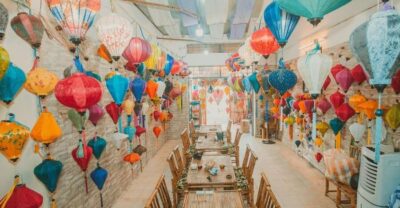 ★ 4.9Hoi An: Vietnamese Foldable Lantern Making ClassFrom $103,742 reviews
 ★ 5.0Cooking Class Hoi An:Local Market, Basket Boat, Fishing & CookingFrom $283,660 reviews
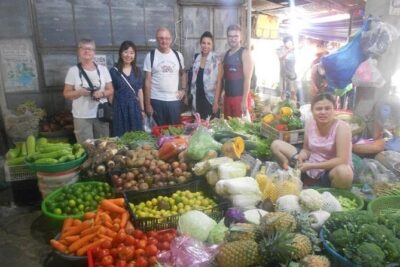 ★ 5.0Hoi An Cooking Class(Market,BasketBoat Crabfishing&Cooking Class)From $283,386 reviews
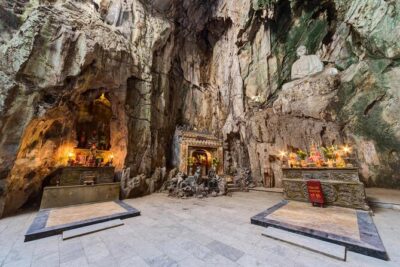 ★ 5.0Hue to Hoi An ( Hoi An to Hue) Top Gear with Lefamily Riders Tours ( 1 way)From $503,156 reviews
 ★ 4.9Hoi An: My Son Sanctuary Early Morning w. Champa Food BrunchFrom $202,750 reviews
 ★ 4.8From Hoi An: Market Tour, Basket Boat Ride and Cooking ClassFrom $172,208 reviews
Also in these Vietnam lists