
REVIEW · HOI AN ANCIENT TOWN TOURS
Hoi An hiden food adventure
Food is the best way to learn Hội An. This 3-hour adventure blends street food with side streets, old stories, and real daily life around town. You finish near Chùa Cầu, with your stomach happy and your questions answered.
I love that you eat at small local places and even see food prepared with family-style care, not just a quick tourist stop. I also like the dish lineup, especially bánh bèo, Hội An dumplings, and cao lầu, because each one comes with a clear reason it matters here.
One drawback to plan for: you really do need to go hungry. The tour packs 6 to 7 dishes plus drinks into a tight 3-hour walk, so if you prefer lighter meals, this may feel like too much.
In This Review
- Key Highlights You’ll Care About
- Why This 3-Hour Hội An Food Walk Works on Night One
- What you’ll notice fast: the pace is focused
- Meeting Point and the Walk-First Plan
- Where you end: Chùa Cầu
- The Food Stops: What You’ll Taste and Why It Matters
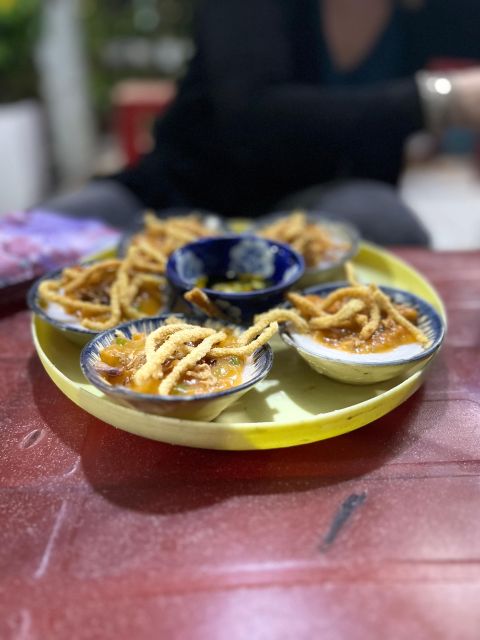
- Bánh bèo (water-fern cake)
- Hội An dumplings and a long-reported dumpling recipe
- Hội An wonton and bánh mì
- Hội An satay
- Cao lầu noodles and the “why it’s special” part
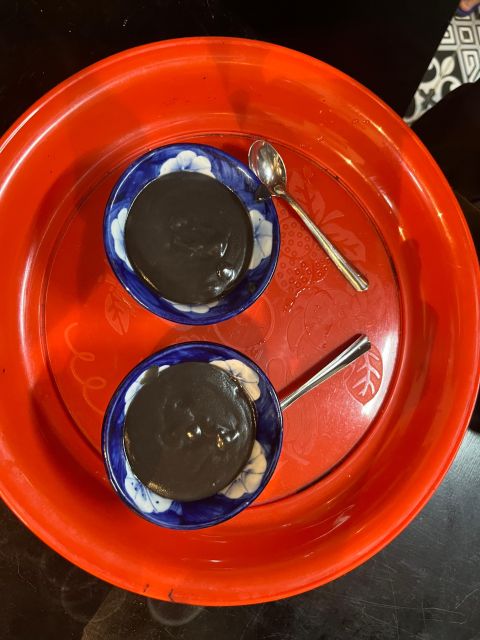
- Black sesame soup to close
- The Backroads, Local Homes, and Daily-Life Stops
- Why the home and market angle matters
- Seeing older local cooks and preserving recipes
- Cao Lầu and the 300-Year Recipe Story
- A quick tip for tasting cao lầu
- Vegetarian Options and Food Allergies: Plan How You’ll Speak Up
- What I recommend you do
- Price and Value: Is $23 Fair for What You Get?
- One extra cost to watch
- Who Should Book This Tour, and Who Might Not
- Best timing
- Should You Book the Hoi An Hidden Food Adventure?
- FAQ
- How long is the Hội An hidden food adventure?
- What does the tour cost, and what food is included?
- Where does the tour start and where do you finish?
- Is there a vegetarian option?
- Are old town entrance tickets included?
- Is there an extra cost on public holidays?
Key Highlights You’ll Care About
- A first-night-friendly route through old lanes and daily-life areas, not only the busiest streets
- 6 to 7 tastings including bánh bèo, Hội An dumplings, wonton, cao lầu, and black sesame soup
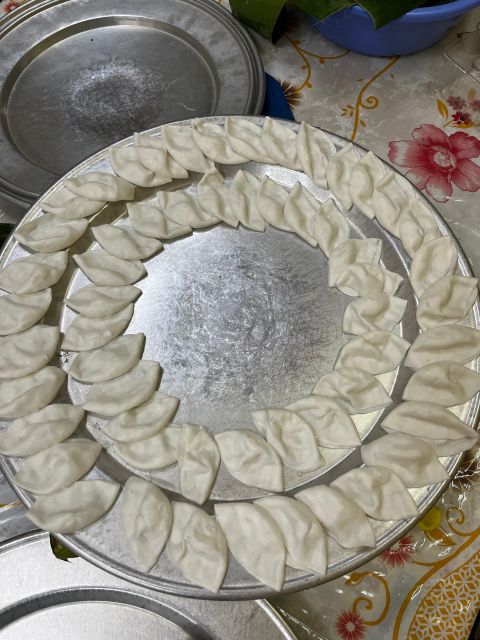
- Family homes and local production stops, plus a long-reported dumpling maker and old stories
- Chùa Cầu finish point, right where the evening atmosphere really lands
- Vegetarian options available, with real swaps rather than an afterthought
- English-speaking guides, often praised by name (like Tham, Danny, Vu, and Uyen)
Deeper into the Ancient Town
- Hoi An: Basket Boat Ride in the Coconut Forest★ 4.9 · 4,956 reviews
- Hoi An: Vietnamese Coffee Culture and Coffee Making Class★ 4.9 · 4,006 reviews
- Hoi An: Vietnamese Foldable Lantern Making Class★ 4.9 · 3,742 reviews
- Cooking Class Hoi An:Local Market, Basket Boat, Fishing & Cooking★ 5.0 · 3,660 reviews
Why This 3-Hour Hội An Food Walk Works on Night One
If you only have time for one food activity early in Hội An, this is the one. The timing matters because it helps you learn how the town eats and why certain dishes belong to this place. Instead of treating dinner as just food, you start seeing Hội An as a living food city.
I especially like that this tour is built around backroads and everyday local life. You do more than sample dishes, you also get the context, the little stories, and the sense of how locals actually move through their neighborhoods. The walk ends at Chùa Cầu, which is a smart choice because it gives you a scenic reward after the last tasting.
What you’ll notice fast: the pace is focused
The duration is 3 hours, and it feels like a steady flow. You’re not stuck waiting in lines, you’re moving from one tasting to the next while staying grounded in the same neighborhood vibe. By the end, you’re full, but you still have energy to wander on your own.
Meeting Point and the Walk-First Plan
You meet at a location that can vary depending on the option you book. Two common start points are the gate of Hội An church on 106 Nguyễn Trường Tộ, or Starbucks Trần Hưng Đạo Hội An (106 Nguyễn Trường Tộ is listed with that option).
From there, the tour is built around walking, which is the point. Narrow streets, small eateries, and local homes work best when you’re on foot. In a town like Hội An, that’s how you actually get the feel for back alleys and quieter corners where the best food cues live.
Where you end: Chùa Cầu
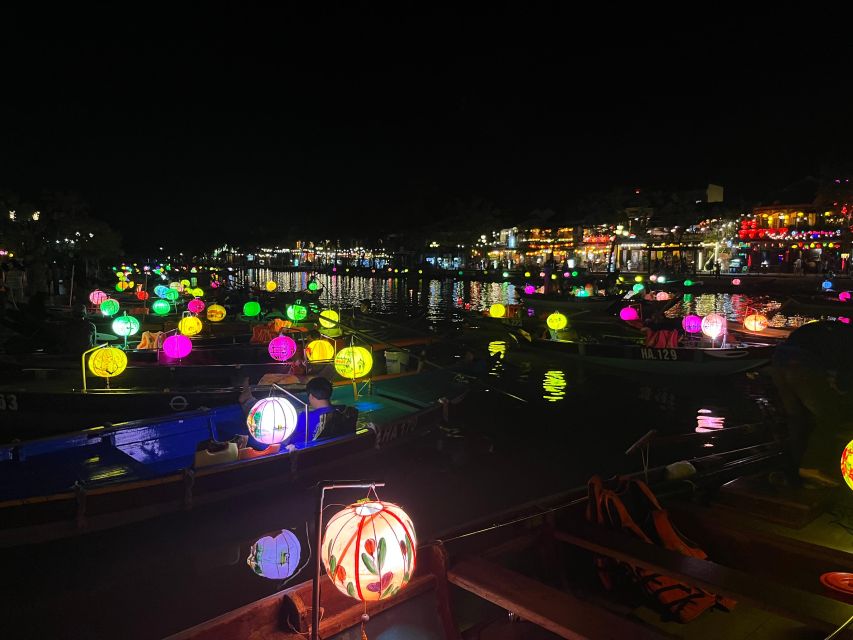
The tour finishes at Chùa Cầu (the Japanese Covered Bridge). That matters because you get a natural transition from guided tastings to independent strolling. Even if you’re not shopping for souvenirs, it gives you a clear, photogenic landmark to orient yourself.
The Food Stops: What You’ll Taste and Why It Matters
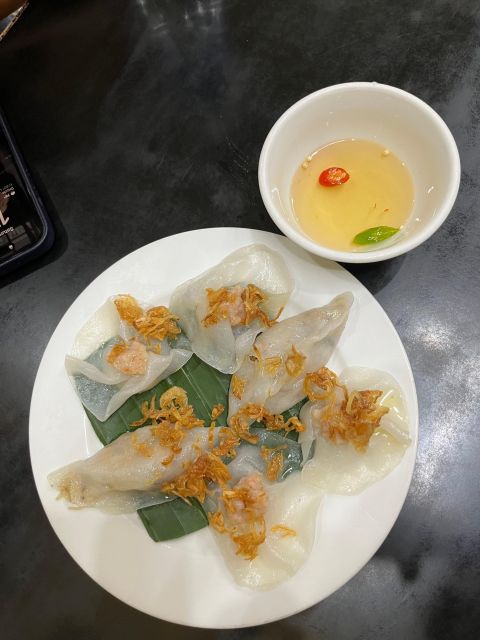
The tour includes all food mentioned in the itinerary, usually 6 to 7 different items plus water and one drink at the end. Some names you can expect include bánh bèo (water-fern cake), Hội An dumplings, Hội An wonton, bánh mì, Hội An satay, cao lầu noodles, and black sesame soup.
I like that you’re not doing random sampling. The menu is tied to what makes Hội An distinctive. That turns dinner into a mini course, and it also helps you remember what to order later when you find yourself back in the old town.
Bánh bèo (water-fern cake)
This is one of those dishes that looks simple, but it’s all about balance. In Hội An, it represents local rice-based comfort food with toppings that keep each bite lively. It’s a good early stop because it sets you up for the heavier classics that follow.
Hội An dumplings and a long-reported dumpling recipe
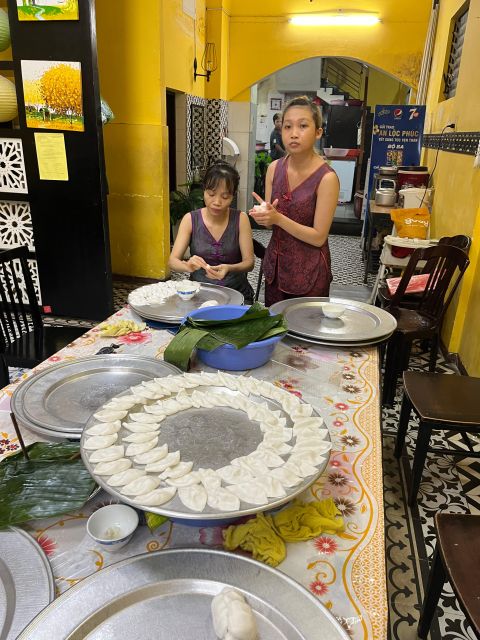
One of the tour’s standout themes is local dumpling making, including a stop connected to a long family recipe tradition and a local factory concept described as around a 100-year place. You’re not just tasting, you’re seeing how the dumpling identity gets preserved.
That’s why this stop lands well for people who think food tours are all about eating. Here, the dumplings also act like a cultural anchor point.
Hội An wonton and bánh mì
Wontons here feel like part snack, part meal component. Bánh mì fits nicely into a walking tour format because it’s portable and satisfying without slowing you down.
If you’ve only ever had bánh mì the tourist way, this gives you a chance to see what local flavors mean in Hội An specifically.
Hội An satay
Satay often gets diluted when it’s served for mass audiences. Here, it’s treated like a real local plate. I look for one sign it’s done right, and that’s how it tastes paired with the rest of the tour, not just as a standalone treat.
Cao lầu noodles and the “why it’s special” part
Cao lầu is the dish many people come to Hội An for. The tour doesn’t only serve it, it also frames it as a specialty linked to local recipe tradition stretching back roughly 300 years. That kind of context helps you taste more carefully because you’re not just thinking, this is good, you’re also thinking, this is why it has a local reputation.
In at least a few tour narratives, guides also mention using water sources connected to older well traditions. It’s one of those details that makes cao lầu feel tied to place, not just to a menu item.
Black sesame soup to close
This is a smart ending dish. It gives you something sweet and cooling after savory items. Black sesame also has a distinct flavor profile, so it’s memorable even if you don’t usually order desserts.
Many people call this out as a highlight, and if you like nutty, lightly sweet drinks and desserts, you’ll likely finish the tour happy and not just stuffed.
The Backroads, Local Homes, and Daily-Life Stops
This is the part that makes the tour feel different from a basic restaurant crawl. You’re guided through areas that are described as backroads and secret local spaces where you can see daily life. The tour includes time at local markets and local houses, and it aims to show you the people and routines behind the food.
You also visit older buildings and hear local stories. That blend of food with place is what helps you understand Hội An beyond the postcard version.
Why the home and market angle matters
When a tour includes market areas and people preparing food at home, you start realizing something important: in Hội An, food identity is carried by families and repeated daily. You taste recipes, but you also witness the care behind them.
It’s also why this can be an efficient tour for people who want culture without sitting in a museum for hours. Your “reading” is happening through what you eat and where you eat it.
Seeing older local cooks and preserving recipes
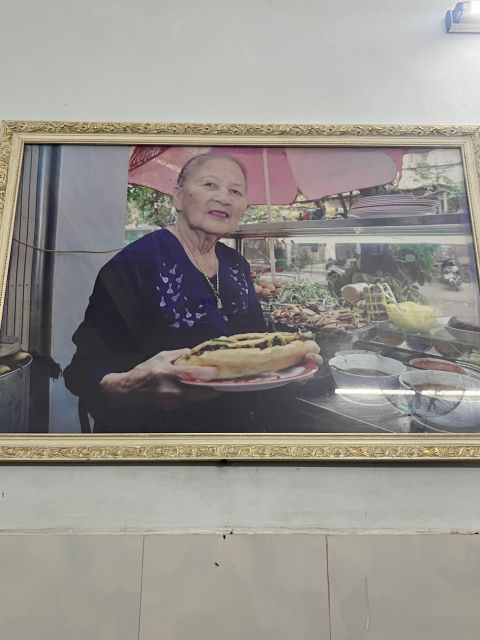
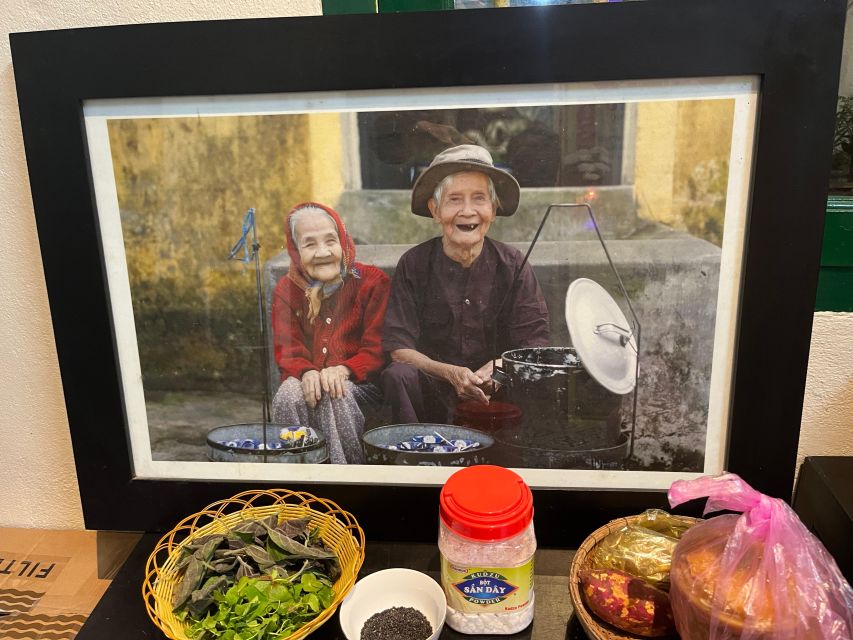
The tour is described as visiting older people who still keep their own recipes. That detail is more meaningful than it sounds because it positions the dishes as living inheritance, not just old-time nostalgia.
I also like that this tour tends to keep conversations practical. Even when the stories are historical, you usually end up with an answer to a food question you didn’t realize you had.
Cao Lầu and the 300-Year Recipe Story
Cao lầu deserves a dedicated moment because the tour frames it as a Hội An specialty with roots described as around 300 years old. That matters because cao lầu is one of those dishes people can compare across cities, but it’s clearly branded as a local signature in Hội An.
During the tasting, you’re not only eating noodles. You’re learning why the recipe is considered special and how it became a defining part of Hội An’s food identity. That helps you appreciate the dish more when you see it again later at other restaurants.
A quick tip for tasting cao lầu
Take a minute to taste the balance first, then decide what you want to try again. If you rush, the flavors blur because the tour also moves quickly through multiple stops.
If you want to remember the dish, slow down for one bite and note what tastes most distinctive to you.
Vegetarian Options and Food Allergies: Plan How You’ll Speak Up
Vegetarian options are available, and that’s not rare fluff on paper. Based on tour feedback, people report vegetarian choices at each place rather than a single separate substitution at the last second. If you’re vegetarian, that’s a big deal because it usually determines whether you actually get to enjoy the full lineup.
If you have allergies, say so clearly before you start. Some guides have adapted meals for guests with allergies, including examples like peanut and shrimp allergy in past experiences. That’s a sign the operator and guides take dietary concerns seriously, but it still means you should communicate your needs early.
What I recommend you do
- Tell your guide your dietary rules at the start, before the first tasting.
- Ask whether the dish items you’ll receive include the specific ingredients you need to avoid.
- If you want to be extra safe, mention allergy severity and what reaction you have so adjustments can be taken seriously.
You’ll enjoy this tour more when you feel confident you’re eating safely and fully.
Price and Value: Is $23 Fair for What You Get?
The price listed is $23 per person for a 3-hour tour. For many food tours, you pay extra for “access” and “guiding.” Here, the value is tied to volume and variety: 6 to 7 food and drink tastings plus water and one drink at the end.
Then add the route design. You’re walking through backroads, market areas, and multiple local spots. Some tours charge similar rates but focus on restaurant meals only. This one also aims at family homes and story-based context, which is why the cost feels more justified.
One extra cost to watch
There can be a $37 USD surcharge for public holidays in Vietnam, depending on the date and options. Also, Hội An old town entrance tickets are not included. If you plan to go into ticketed old town areas after the tour, factor that in so you are not surprised later.
Overall, if you’re eating dinner anyway, this isn’t just a “tour cost.” It’s a packaged meal experience with guidance and context built in.
Who Should Book This Tour, and Who Might Not
This tour is a great match if you:
- Want to try a lot of local dishes in one evening
- Like walking and exploring side streets at a comfortable pace
- Want food culture and local stories, not only a list of dishes
- Prefer small, authentic eateries instead of major tourist restaurants
It may be less ideal if you hate heavy tasting menus. The tour is designed so you end up full. Reviews repeatedly point out that you should go hungry, and that fits the structure: multiple savory stops plus a dessert-like close.
Best timing
Doing it early in your trip helps. The tour is set up to give you local recommendations and a feel for how Hội An works. When you understand the food logic first, your later meals make more sense.
Should You Book the Hoi An Hidden Food Adventure?
I’d book it if you want the fastest path to “real Hội An” food without guessing where to go. The best part is the combination of multiple tastings and a guided route through areas that show how people live and eat. You also get a clear finish near Chùa Cầu, so your evening doesn’t end with you still searching for dinner options.
Skip it only if your idea of a meal tour is light bites, or if you want to sit in one place and eat leisurely for three hours. This is a walking, tasting, moving tour, built for people who enjoy sampling and learning at the same time.
If you do book it, bring comfortable shoes, eat normally earlier in the day (not a huge meal), and communicate any dietary needs upfront. That’s how you make the most of a packed 3-hour evening.
FAQ
How long is the Hội An hidden food adventure?
It runs for 3 hours.
What does the tour cost, and what food is included?
The price is $23 per person. It includes all food mentioned (6 to 7 different foods and drinks), plus water and one drink at the end.
Where does the tour start and where do you finish?
Meeting point can vary by option. Starts can be at the gate of Hội An church (106 Nguyễn Trường Tộ) or at Starbucks Trần Hưng Đạo Hội An. It finishes at Chùa Cầu.
Is there a vegetarian option?
Yes. Vegetarian options are available.
Are old town entrance tickets included?
No. Hội An old town entrance tickets are not included.
Is there an extra cost on public holidays?
Yes. There can be a $37 USD surcharge for public holidays in Vietnam.
Hoi An, Still More
- Hoi An: Basket Boat Ride in the Coconut Forest★ 4.9 · 4,956 reviews
- Hoi An: Vietnamese Coffee Culture and Coffee Making Class★ 4.9 · 4,006 reviews
- Hoi An: Vietnamese Foldable Lantern Making Class★ 4.9 · 3,742 reviews
- Cooking Class Hoi An:Local Market, Basket Boat, Fishing & Cooking★ 5.0 · 3,660 reviews
- Hoi An Cooking Class(Market,BasketBoat Crabfishing&Cooking Class)★ 5.0 · 3,386 reviews
Other Hoi An tours our reviewers keep coming back to
- 3 Hours Motorbike Tour in Hoi An Countryside.
★ 5.0 · 18 reviews - My Son Sanctuary Discovery Half day Private Tour
★ 5.0 · 18 reviews - Hoi An local food tour – enjoy taste of Vietnam at ancient town!
★ 5.0 · 18 reviews - Experience Cooking Class for Lunch or Afternoon With Local Chef
★ 5.0 · 18 reviews - HOI AN Vegetable Village, Basket Boat, Palm Forest PRIVATE TOUR
★ 5.0 · 18 reviews - Hoi An Countryside Tour with Bamboo Basket Boat Rowing , Buffalo Ride, Farming
★ 5.0 · 18 reviews
Hoi An Ancient Town Tours, compared.
 ★ 4.9Hoi An: Basket Boat Ride in the Coconut ForestFrom $34,956 reviews
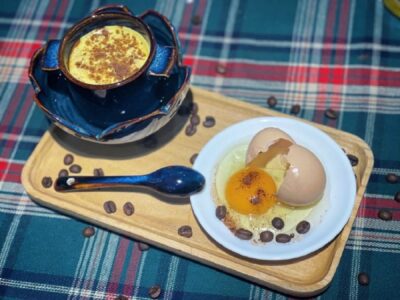 ★ 4.9Hoi An: Vietnamese Coffee Culture and Coffee Making ClassFrom $144,006 reviews
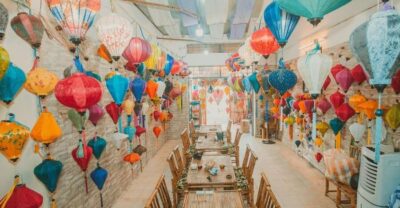 ★ 4.9Hoi An: Vietnamese Foldable Lantern Making ClassFrom $103,742 reviews
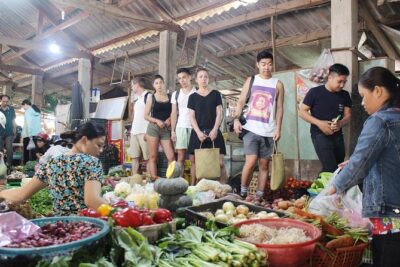 ★ 5.0Cooking Class Hoi An:Local Market, Basket Boat, Fishing & CookingFrom $283,660 reviews
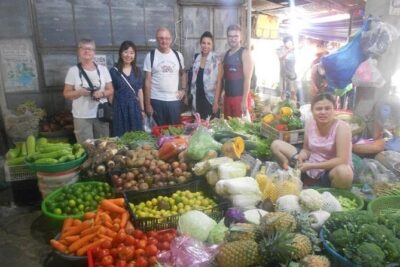 ★ 5.0Hoi An Cooking Class(Market,BasketBoat Crabfishing&Cooking Class)From $283,386 reviews
 ★ 5.0Hue to Hoi An ( Hoi An to Hue) Top Gear with Lefamily Riders Tours ( 1 way)From $503,156 reviews
 ★ 4.9Hoi An: My Son Sanctuary Early Morning w. Champa Food BrunchFrom $202,750 reviews
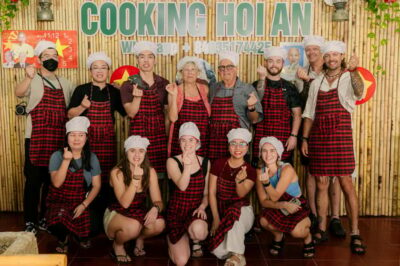 ★ 4.8From Hoi An: Market Tour, Basket Boat Ride and Cooking ClassFrom $172,208 reviews
Also in these Vietnam lists